For short, casual rides, athletic clothes that fit securely, let you move and suit the weather are enough. Add cycling-specific pieces when you need more saddle comfort, storage or weather protection, and test each one in your riding position. Pressure or numbness that persists despite suitable clothing points to your saddle and bike fit.
What to wear for your first bike rides
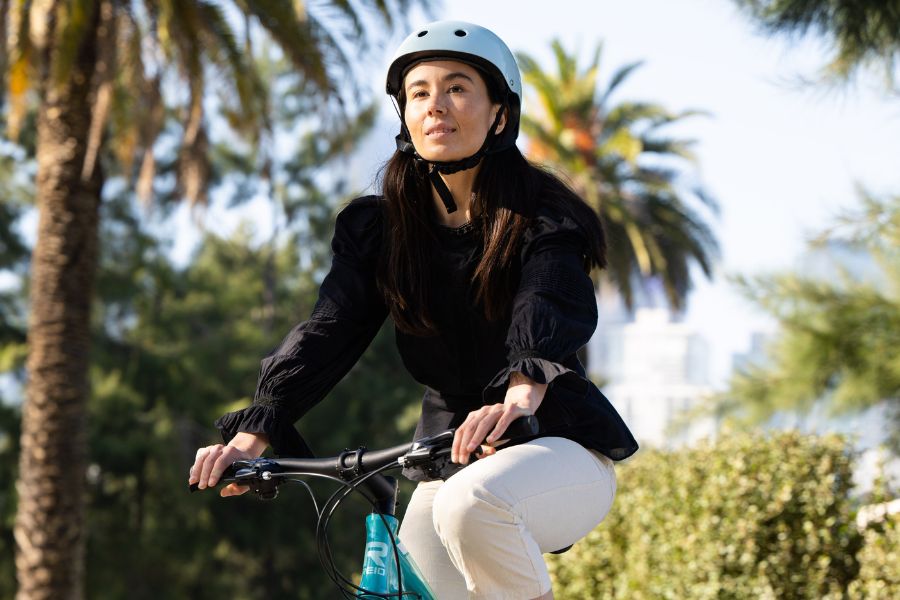
You can start cycling in clothes you already own. For a short recreational ride, comfortable athletic shorts or pants and a breathable top work, as long as they let you move freely, suit the conditions, and have no loose parts that could catch on the bike.
Cycling kit is clothing built for time on the bike. It often includes padded shorts or bib shorts, a jersey, and layers for the weather.
One new cyclist asked what to wear, knowing that men wear bib shorts and jerseys but not what is made for women. Women can choose from the same basic categories of clothing, with differences in cut, proportions, padding, and features.
Before your first ride, put on what you plan to wear and move as you would while pedaling. Your knees and hips should move freely, waistbands and seams should feel comfortable, and no fabric should dangle near the bike’s moving parts. An outfit that passes is good enough to start with.
Clothing doesn’t replace a helmet or the other safety equipment and preparation your route calls for.
Match your clothing to the ride
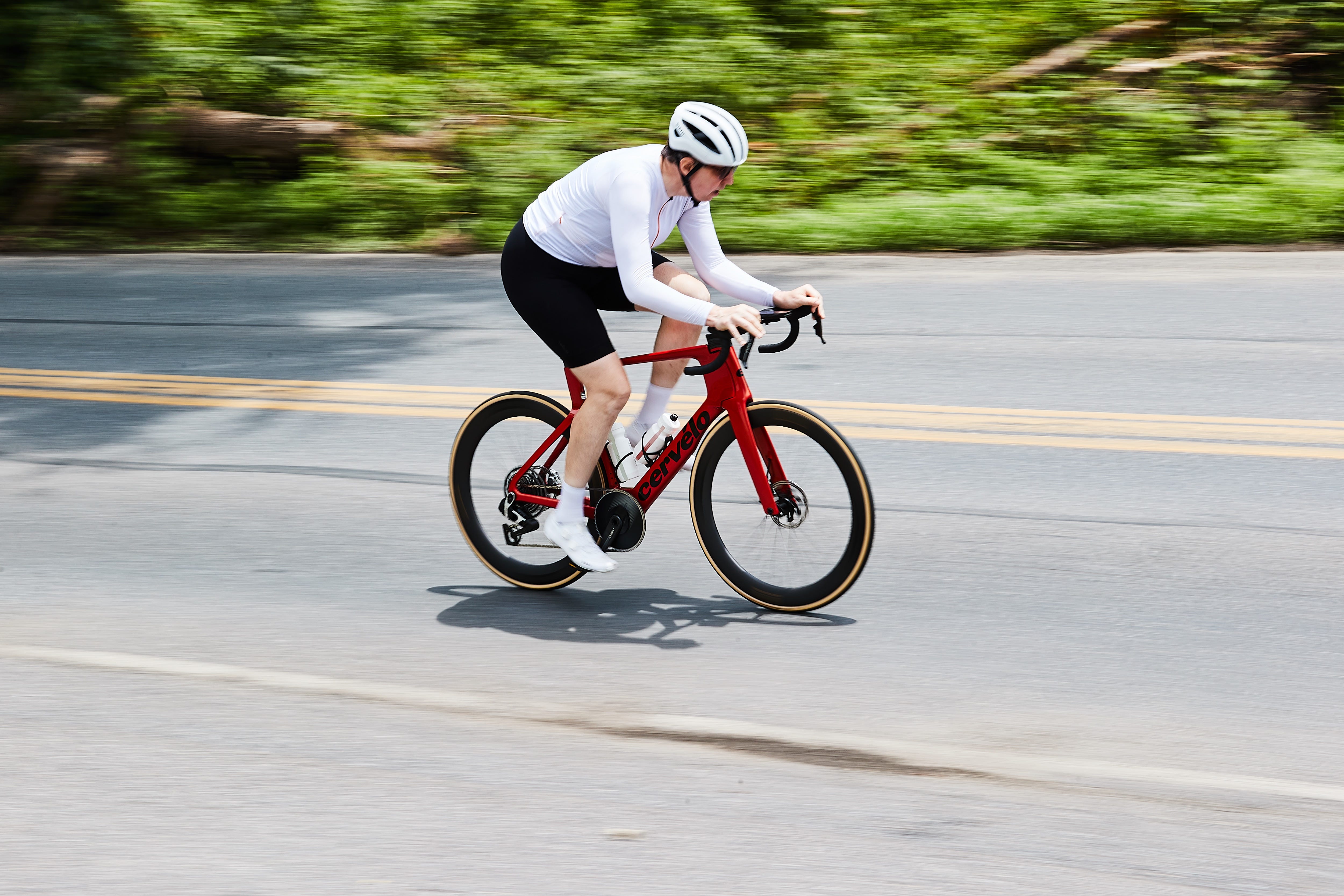
Start with the surface, your riding position, and whether you’ll wear the same outfit off the bike.
| Your ride | Clothing that works | Why add cycling-specific clothing |
|---|---|---|
| Short leisure ride | Comfortable athletic top and secure shorts or pants | An existing item becomes uncomfortable or inconvenient |
| Longer road ride | Athletic clothing, or cycling shorts and a jersey | Padding that stays put, a stable fit in riding posture, and pockets you can reach |
| Gravel or mountain biking | Relaxed athletic top, shorts, optional padded liner | Freedom of movement, a cut that doesn’t restrict or bunch, and room for an outer layer |
| Commuting and errands | Ride-safe everyday clothes, or a mix of technical and casual pieces | Weather adaptability, storage, and comfort off the bike |
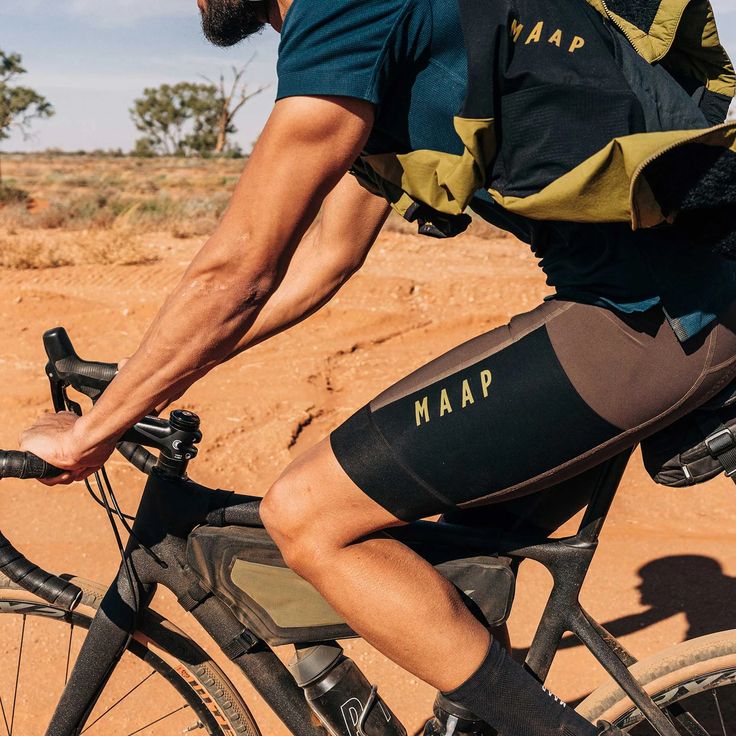
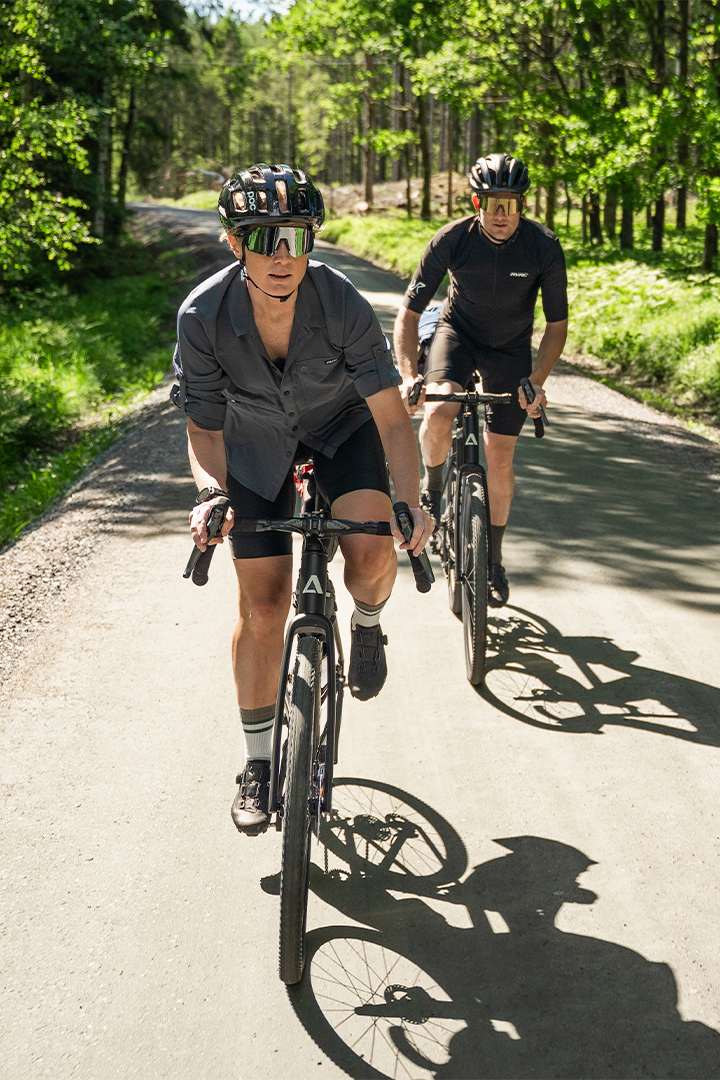
Road, gravel, and mountain-bike labels describe intended use, and the categories overlap. A road jersey works for gravel, and a relaxed trail top works on pavement.
Style counts too. Bright colors, a relaxed silhouette, or clothes you still want to wear after the ride are good reasons to pick something.
Decide what is worth buying first
Buy something only if it fixes a problem you’ve had on your usual rides.
- Keep: Your existing clothes stay comfortable for the kind of riding you do, let you move, and cover your practical needs.
- Upgrade: Name what’s missing: padding for discomfort that keeps coming back, reachable storage for what you carry, or a removable outer layer for exposure.
- Skip: The new item mostly duplicates something that already works, and you have no clear use for its extra features.
If your shorts feel fine but your athletic top has nowhere to put a snack you can reach, a jersey with rear pockets fixes that one problem and leaves the rest of your outfit alone.
How to check size and fit on the bike
Your everyday size, or an XS from another brand, tells you little. Use the chart for the exact product.
PEARL iZUMi bases its women’s apparel sizing on measurements such as bust, waist, and hips. Trek also gives body-measurement guidance and separates those measurements from the dimensions of the garment itself.
A waist size on a chart measures you. The width of shorts laid flat measures the shorts.
Three steps to check the fit
- Measure your body. Use a flexible tape to record your bust or chest, natural waist, and hips. Add torso length or inseam measurements when the product asks for them.
- Read the chart. Match those measurements to the manufacturer’s sizing and fit category for that item. Check whether it is cut as race/performance fit, fitted, or relaxed.
- Test the riding position. Put on the item and lean forward with your arms where they would be on the handlebars. Check the hem, shoulder area, straps, seams, and any compression. It should let you move and fit over the underlayer you plan to wear.
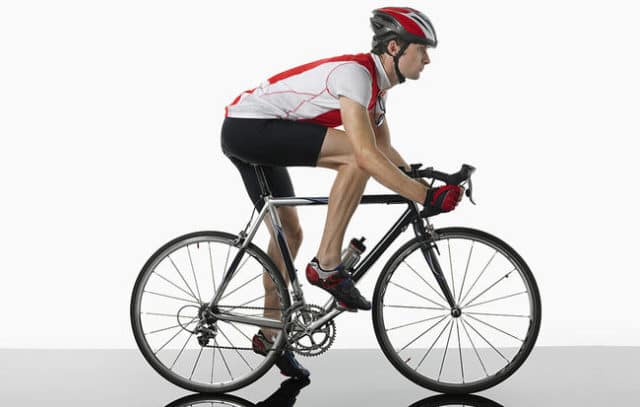
Standing in front of a mirror hides problems that appear when you bend forward: a jersey rides up, straps press differently, fabric collects into a fold.
If a piece presses everywhere, it is too small.
Reject any piece that pinches, slips, bunches, or restricts breathing or movement.
Finding the right lower-body cut calls for shorts-sizing guidance, including plus-size fit information. Prioritize proportions that suit you, whatever the price or racing look.
Women’s, unisex, and men’s cycling clothing cuts

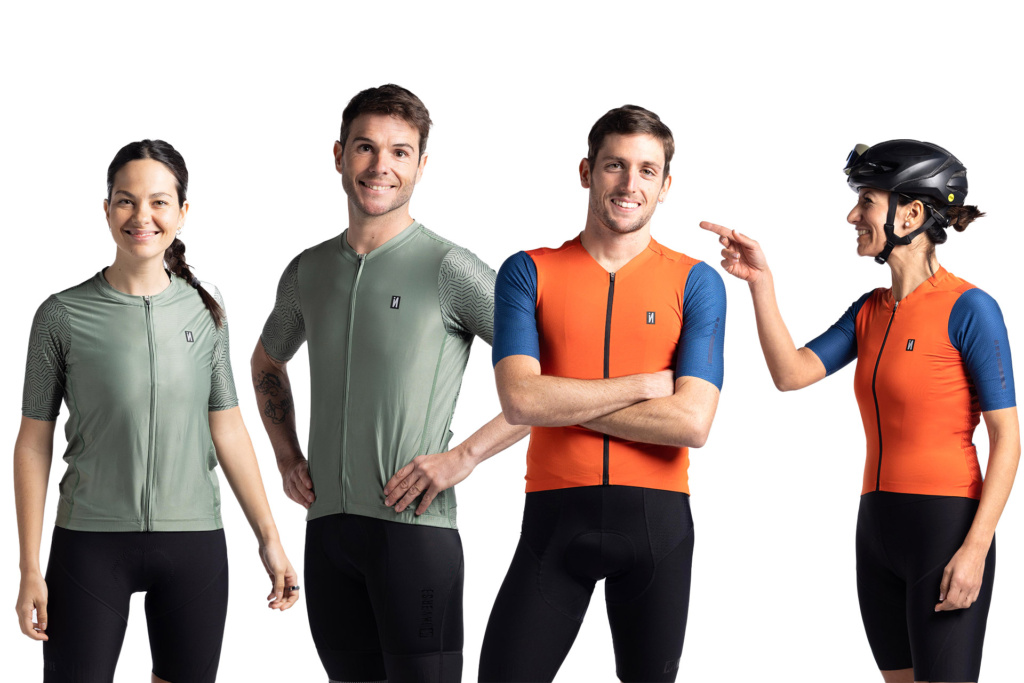
Women’s, unisex, and men’s labels tell you which pattern a piece is cut from, with different proportions through the shoulders, chest, waist, torso, and hips. A unisex jersey with comfortable sleeves can still catch at your hips, while someone else finds the same shape ideal.
Shorts, bibs, liners, and chamois: the trade-offs
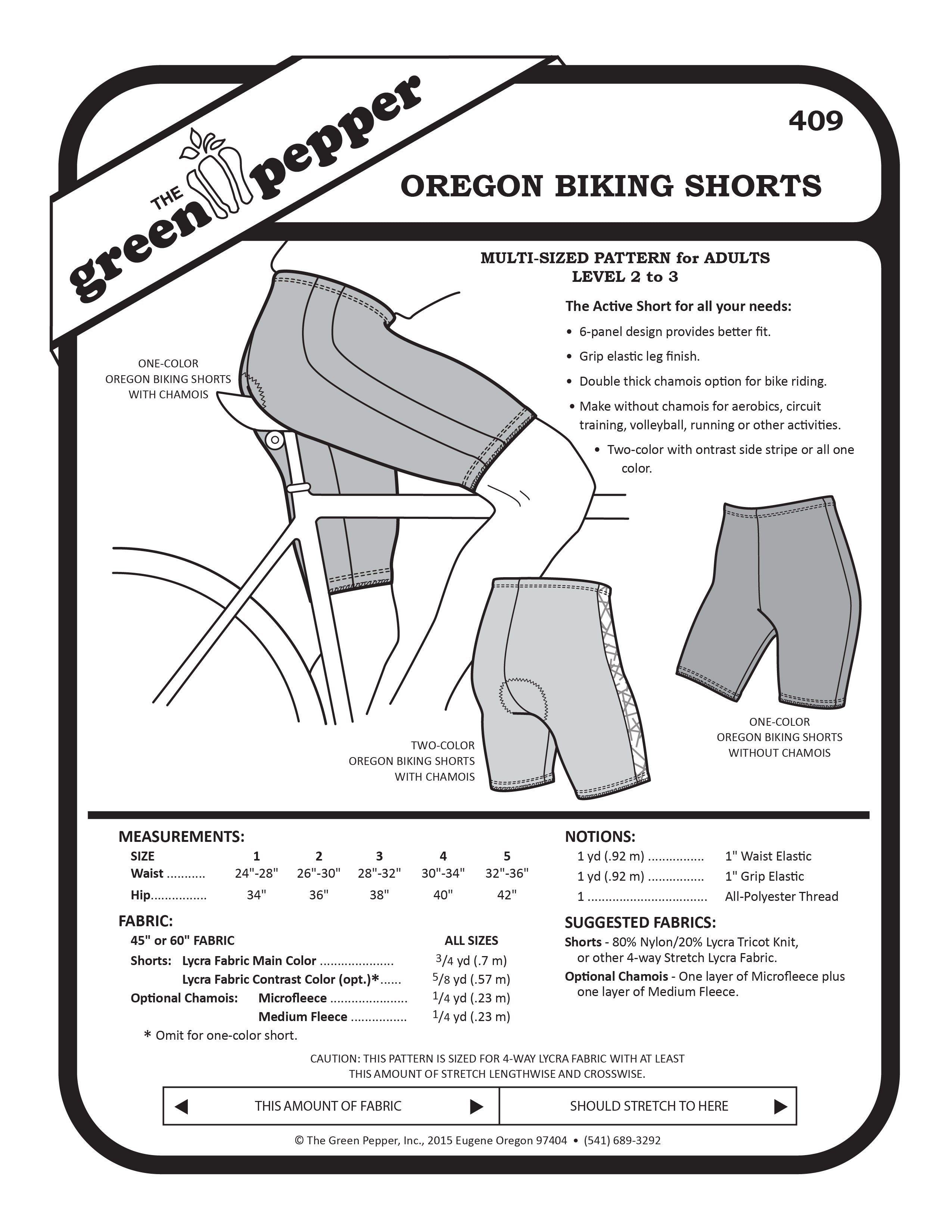
Cycling shorts come in several forms because riders want different mixes of padding, fit, simplicity, and convenience.
A chamois is the padded insert built into cycling shorts or liners. It gives you a layer designed to sit between your body and the saddle. Thickness is only one part of the design. The insert’s position and shape matter when you sit and pedal.
| Format | What it offers | What to consider | Best for |
|---|---|---|---|
| Padded waistband shorts | Integrated padding without shoulder straps | Waistband pressure and stability | Riders who prefer a simple garment and easier bathroom access |
| Bib shorts | Padding held in place by a strap-supported garment | Strap fit, overall cut, and bathroom convenience | Riders who want strap support with less waistband pressure |
| Padded liner shorts | Padding worn under separate outer shorts | Fit and movement between two layers | Riders who wear relaxed or trail-style outer shorts |
| Regular unpadded activewear | Familiar clothing, no separate cycling item | No dedicated cycling seat pad | Casual or shorter rides |
The choice comes down to where you want support: at the waist, on shoulder straps, or under outer shorts.
What the pad study found
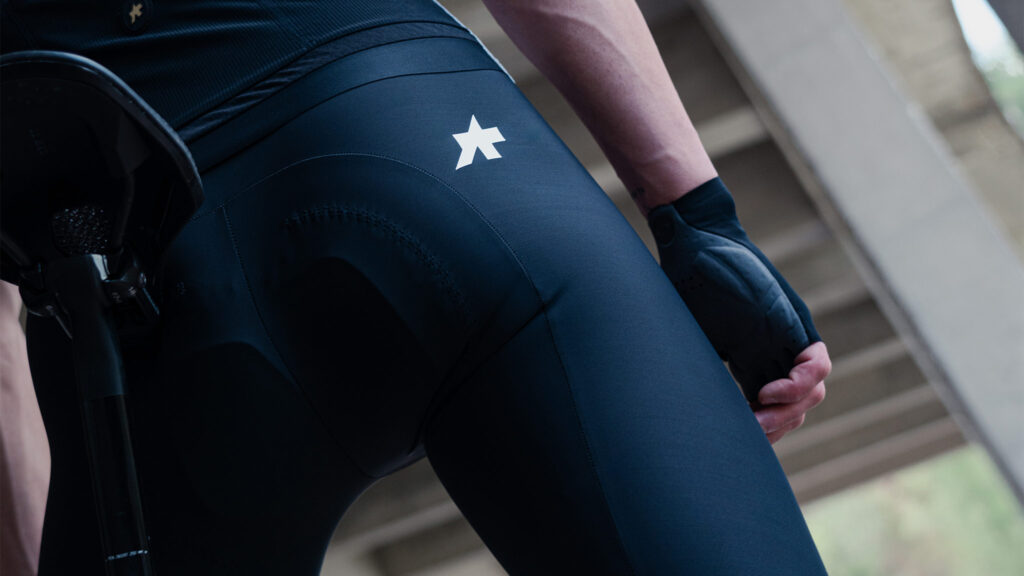
A 2021 randomized field study by Larsen and colleagues followed 183 recreational female road cyclists for 12 weeks, comparing a reduced-crotch half-pad with a full pad. The half-pad group reported more sitting-bone irritation or tenderness at week two, with no broader negative sensory effects in the two designs studied.
How jersey hems and pockets should work
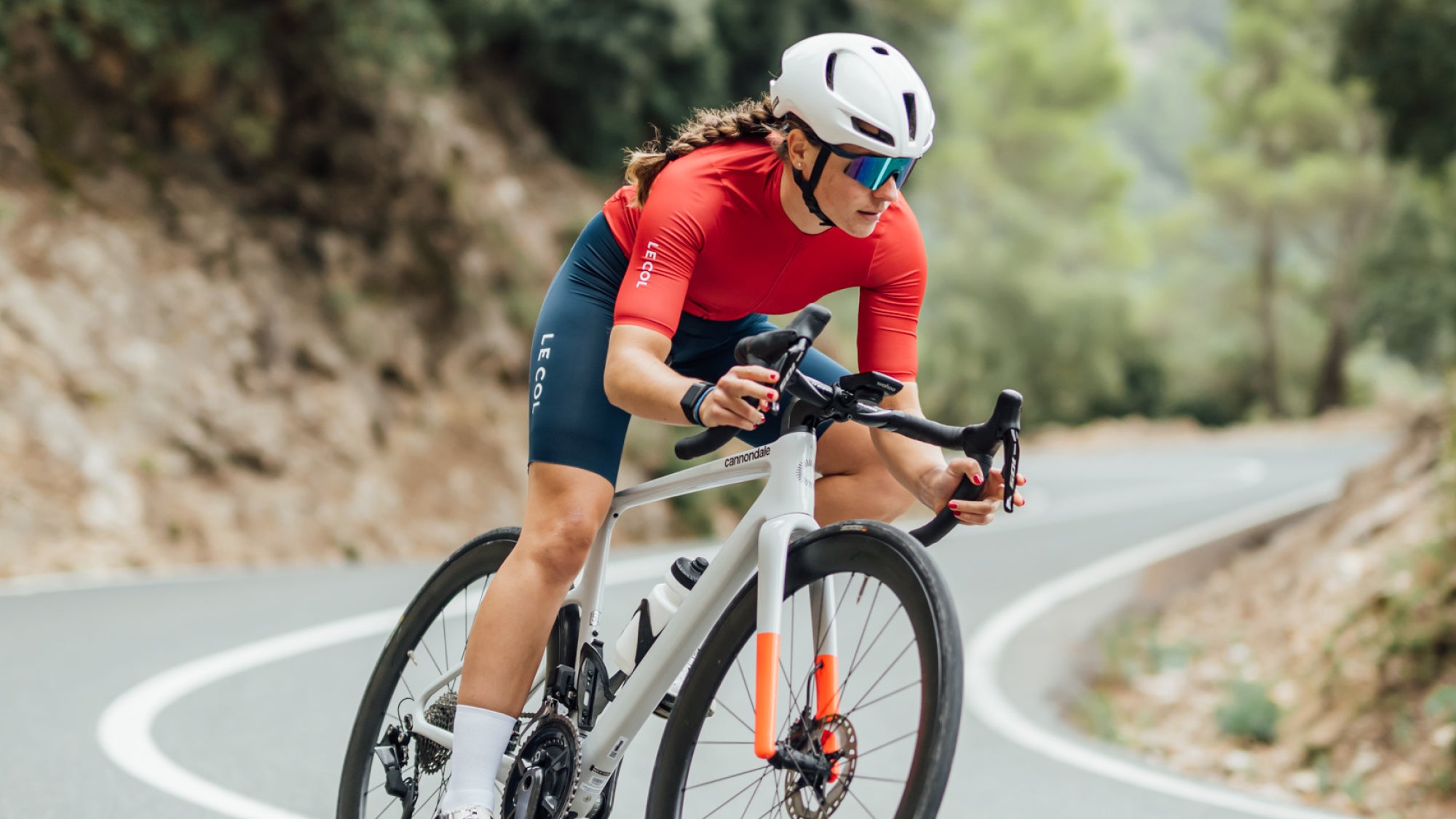
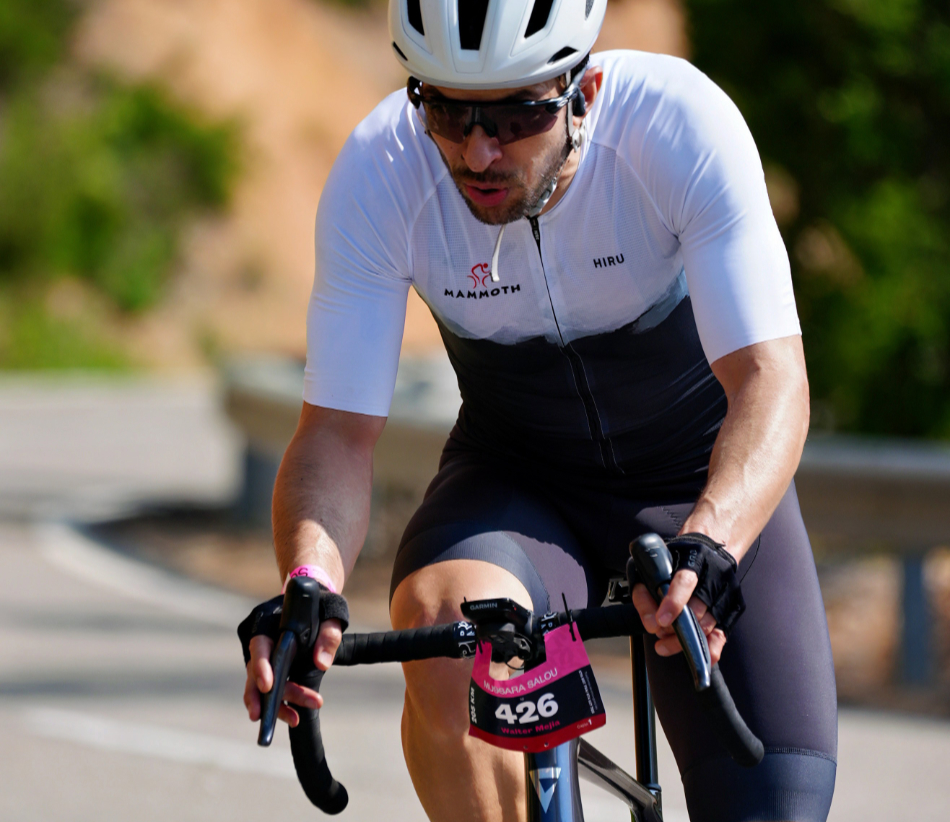
A cycling jersey is worth it for three things: rear pockets, a hem that stays comfortable as you lean forward, and a cut made for riding.
Road jerseys fit close to the body. If you value easy movement or want to wear the top off the bike, a relaxed cycling top or an ordinary athletic shirt suits you better.
The bottom edge of a jersey shows a proportion mismatch fast. One rider in r/ladycyclists wrote, “I’m pear shaped so they’ll be a bit loose on top, but kinda digs into my hips at the bottom seam.”
Sizing up makes the shoulders and chest baggier without fixing the hip hem. A shorter hem, different shaping at the hips, or a relaxed cut works better.
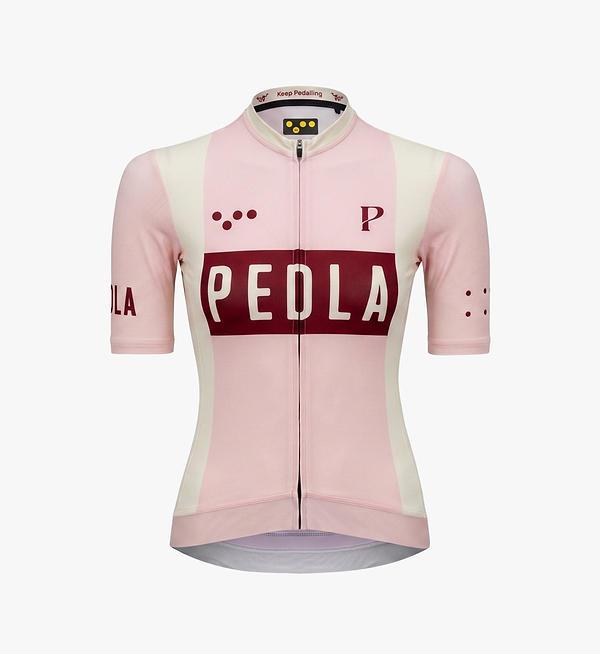
Rear pockets need to stay within reach in riding posture. Loaded with small items, they shouldn’t make the top sag or pull the hem.
Sports bras and base layers: support, heat, and hydration packs
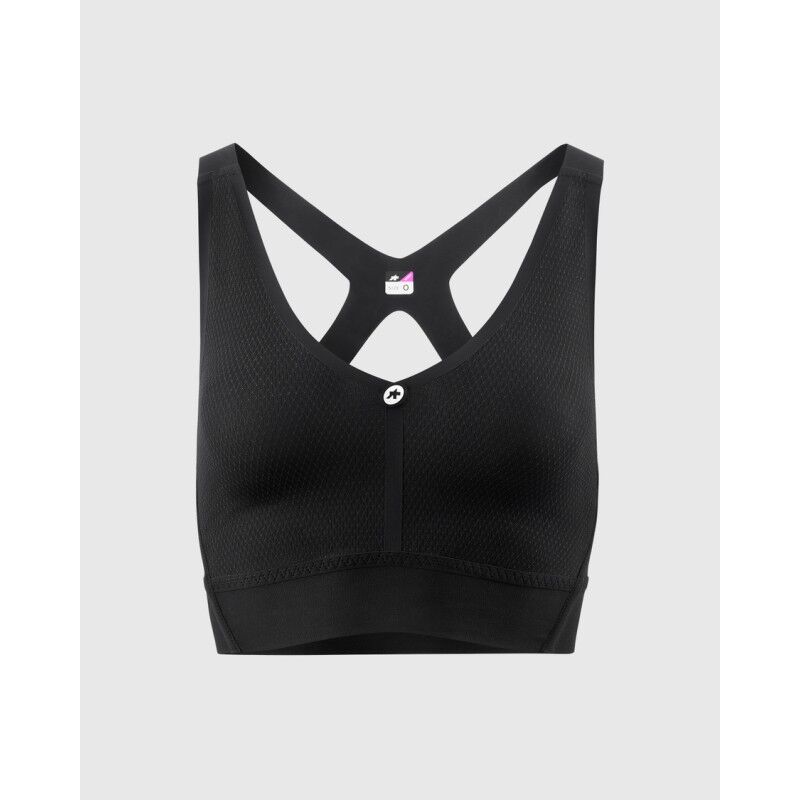
A sports bra that feels fine for one kind of exercise can feel different when you lean forward for a long time. Check support, heat, strap position, and whether hardware presses against anything else you wear.
One cyclist described heat and bulky back hardware, then asked what others wear for support, since regular sports bras turned swampy.
A back clasp right under a hydration pack creates a pressure point. A thick bra, or several layers together, can feel too warm for your conditions.
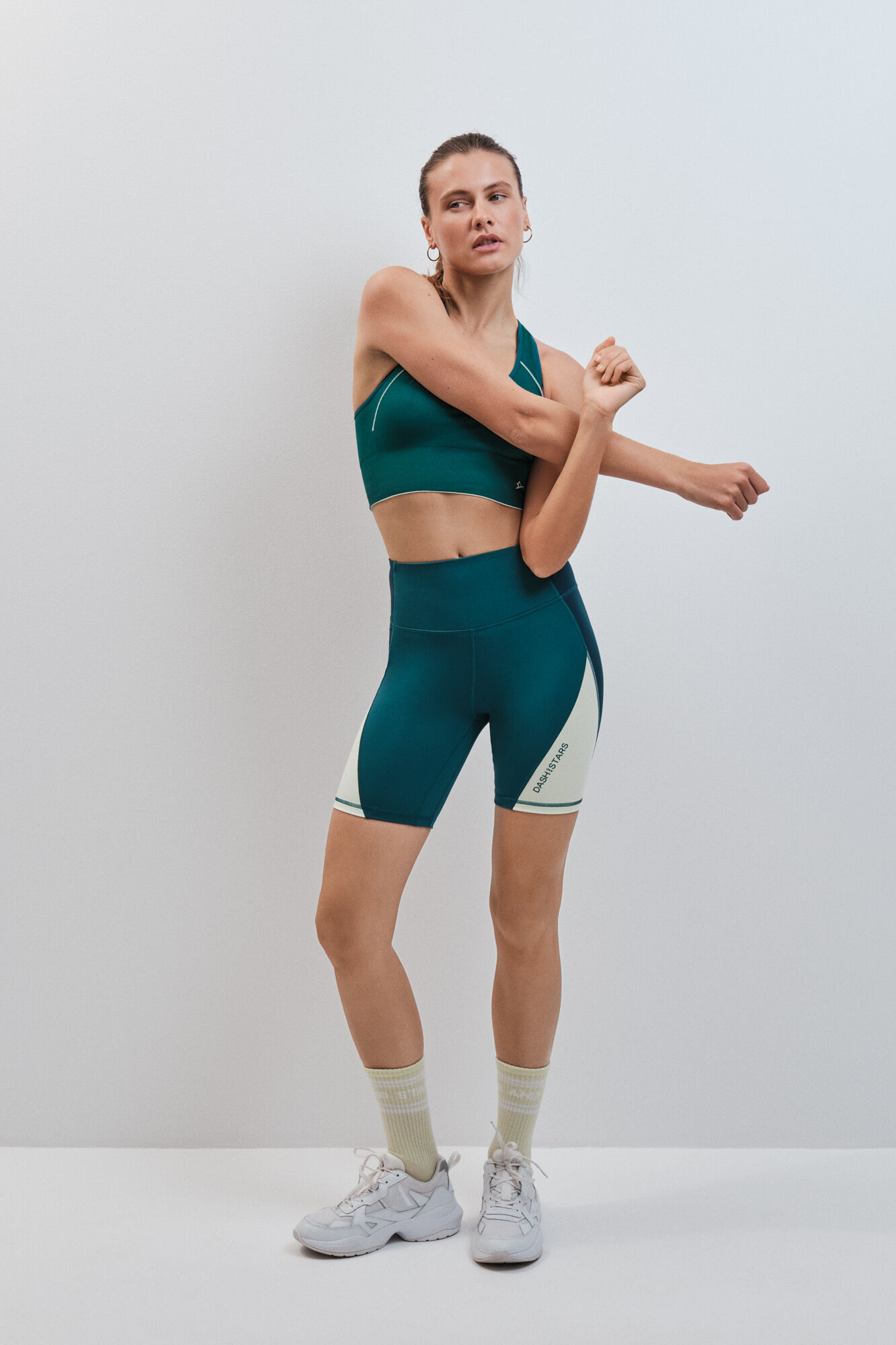
A running bra works well for cycling when its support, construction, and comfort suit you. If the straps, back panel, or level of support work against your riding posture, pick a different design.
Put on the full outfit and check where straps, clasps, and the back panel touch your jersey or pack. Pressure at one spot calls for a different bra or a different pack arrangement.
A moisture-wicking base layer moves sweat away from your skin. An insulating one adds warmth on cooler rides. Either way, the seams and fit have to stay comfortable under a jersey and next to a sports bra or hydration pack.
Dress for heat, wind, and changing weather
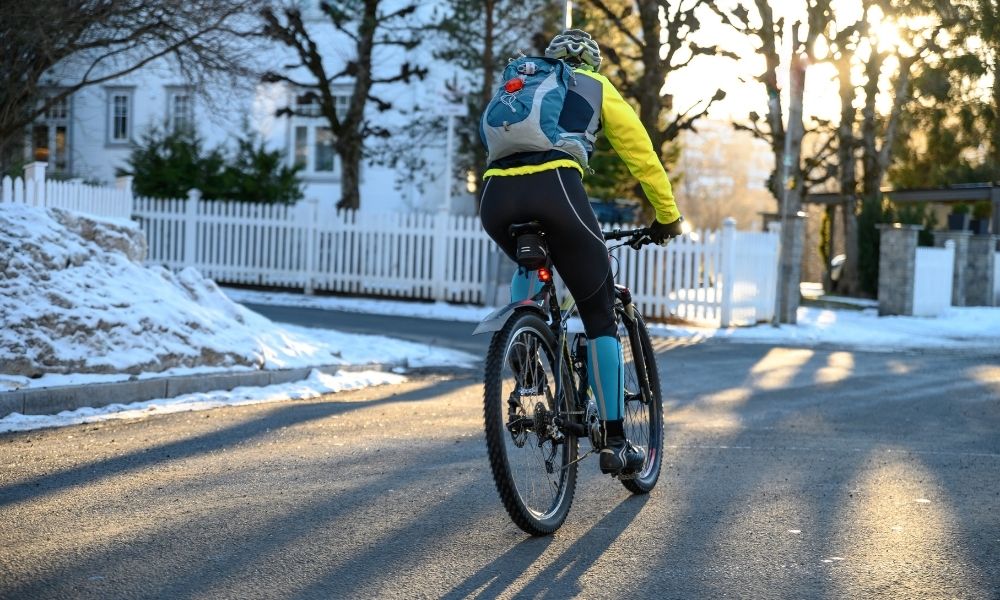
Wind, rain, temperature, and how hard you ride decide whether you need a light shirt, an insulating layer, or a removable outer layer.
On a cool morning that turns warm, wear something adjustable. A wind-resistant vest helps on a breezy commute. For showers, bring a removable water-resistant or waterproof outer layer that suits the expected rain. Tights or warmers suit rides where bare legs feel uncomfortably exposed.
A jacket that feels right at the start gets too warm once you push harder, then feels welcome again at a stop.
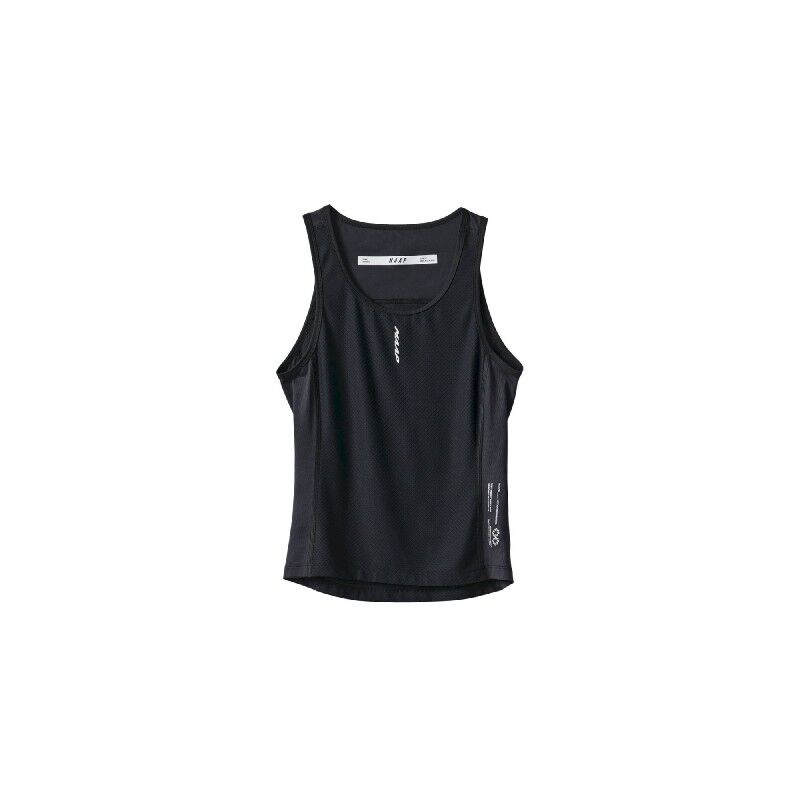
For hot-weather exercise, the CDC advises loose-fitting, lightweight, light-colored clothing, alongside reducing heat exposure, considering when you exercise, and staying hydrated. On a bike, your clothes also have to stay clear of moving parts.
When the problem goes beyond cycling clothing
Some problems come straight from the clothes: a folded seam, a leg gripper that leaves a painful mark, fabric that shifts into an uncomfortable crease.
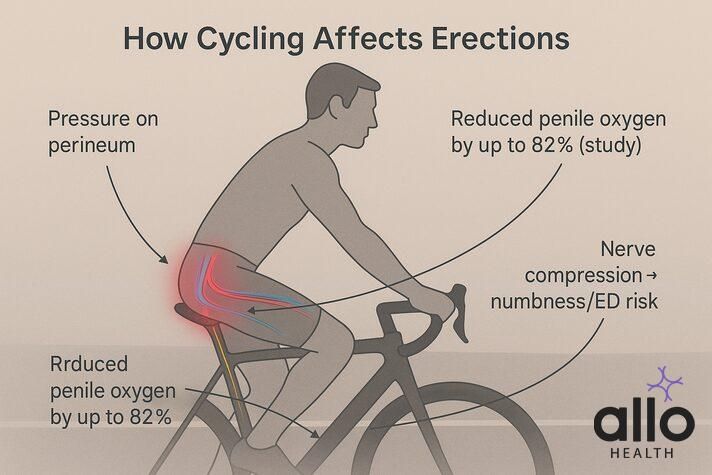
Other discomfort is harder to blame on clothing. Pressure that stays the same in every pair of shorts you try, or changes with how you sit on the bike, means your riding setup needs a look.
A 2023 narrative review by Vicari and colleagues names these influences on saddle pressure: saddle design and height, trunk and hand position, time seated, pedaling intensity or frequency, and padded shorts.
- Clothing fault: A seam, hem, strap, or fabric position that causes the same problem every ride means you should change or reject that item.
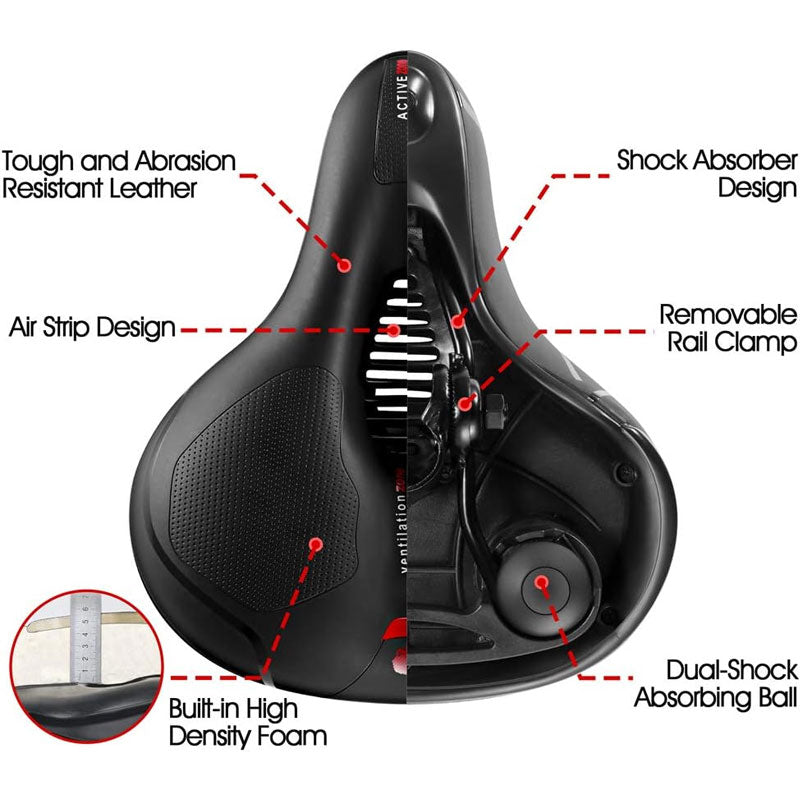
- Pressure beyond the clothes: Discomfort that stays after you fix the obvious clothing faults, especially when it changes with how you sit on the saddle, is a reason to examine your saddle and bike fit.
- Concerning symptoms: Persistent numbness, severe pain, or troubling skin symptoms need a professional assessment. Don’t just endure them until you get used to cycling.