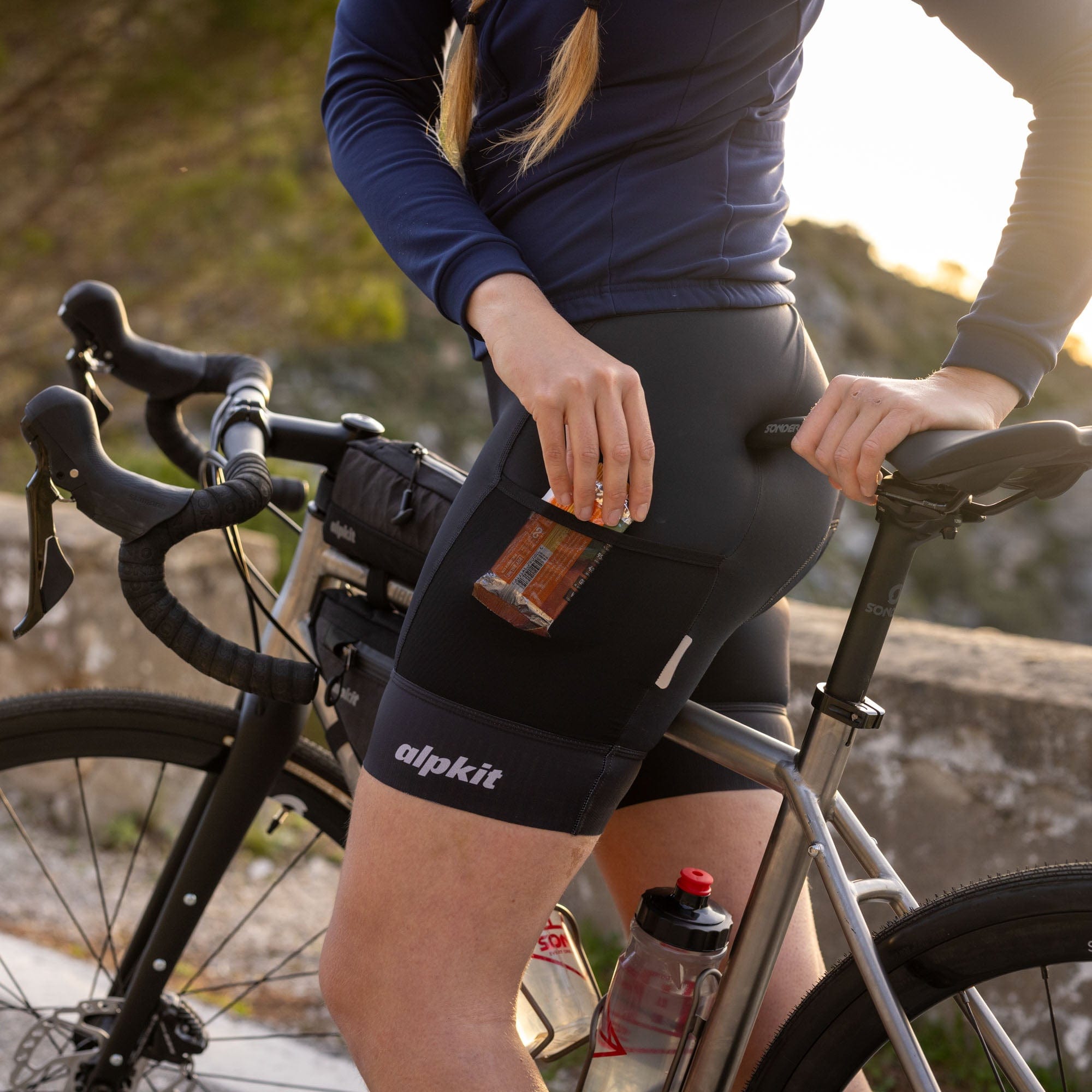
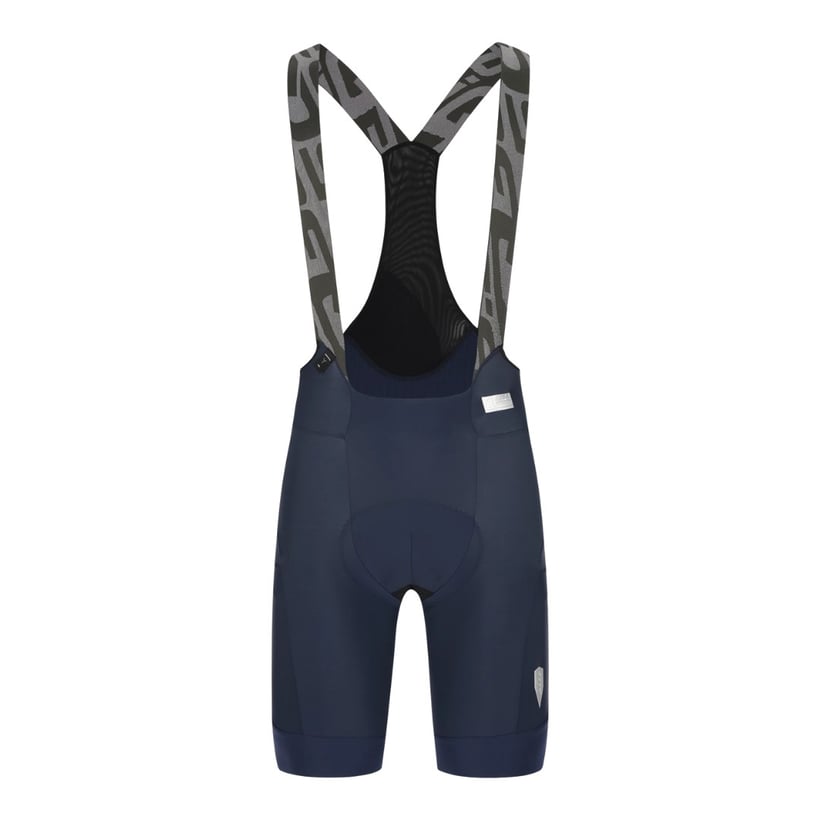
Wear padded cycling shorts with the chamois against bare skin and no underwear, and keep bib straps under your jersey. A separate padded liner goes under unpadded outer shorts. Then sit on the bike with your hands on the bars and check the fit: if the pad slides, folds or pinches, adjust the shorts or try another size or cut.
Do you wear underwear with padded cycling shorts?
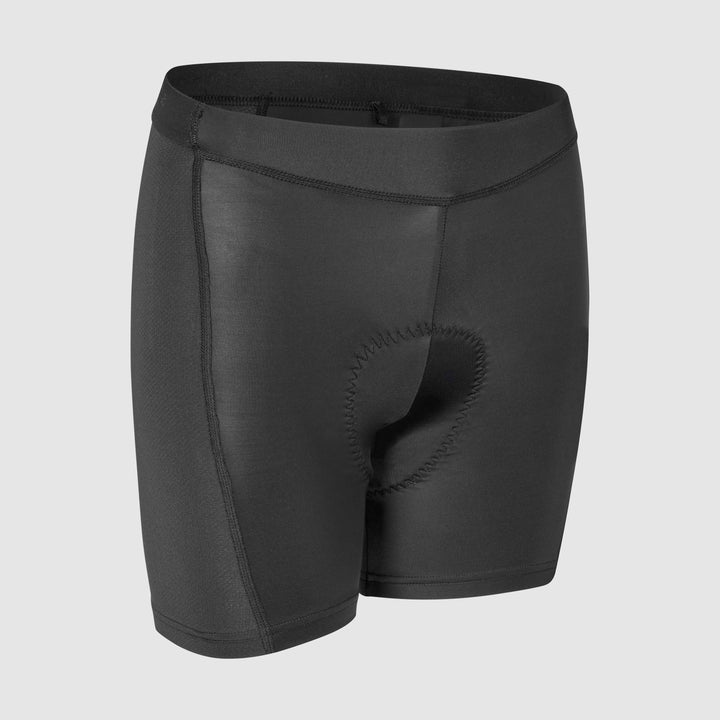
No. The chamois (the padded insert, pronounced “shammy”) is made to sit directly against your skin. Underwear puts seams and an extra moving layer between the pad and your body. Once you start pedaling, that fabric folds and rubs against skin that’s already pressed into the saddle.
If you run in a seamless thong, this can sound strange. Comfort on a run tells you nothing about how a thong behaves under a chamois. One indoor rider on Zwift described a thong being pushed painfully upward by the saddle and chamois while wearing bib shorts.
The one exception is shopping. REI recommends keeping your underwear on when you try padded shorts on in a store, for hygiene.
How to put on padded cycling shorts step by step
Start with clean, dry shorts and settle them before you head out. A twisted hem or a folded pad is easier to fix while you’re standing than once you’re pedaling.
- Find the front. Check the shape and seams so the chamois faces the right way.
- Pull the shorts up evenly. Work the fabric over your legs and hips with both hands. Don’t yank on one seam.
- Settle the chamois. Smooth the fabric around the pad and let the cut of the shorts hold it in place. Don’t force it into position.
- Flatten the waistband and leg grippers. Neither should be twisted, rolled or digging into your skin.
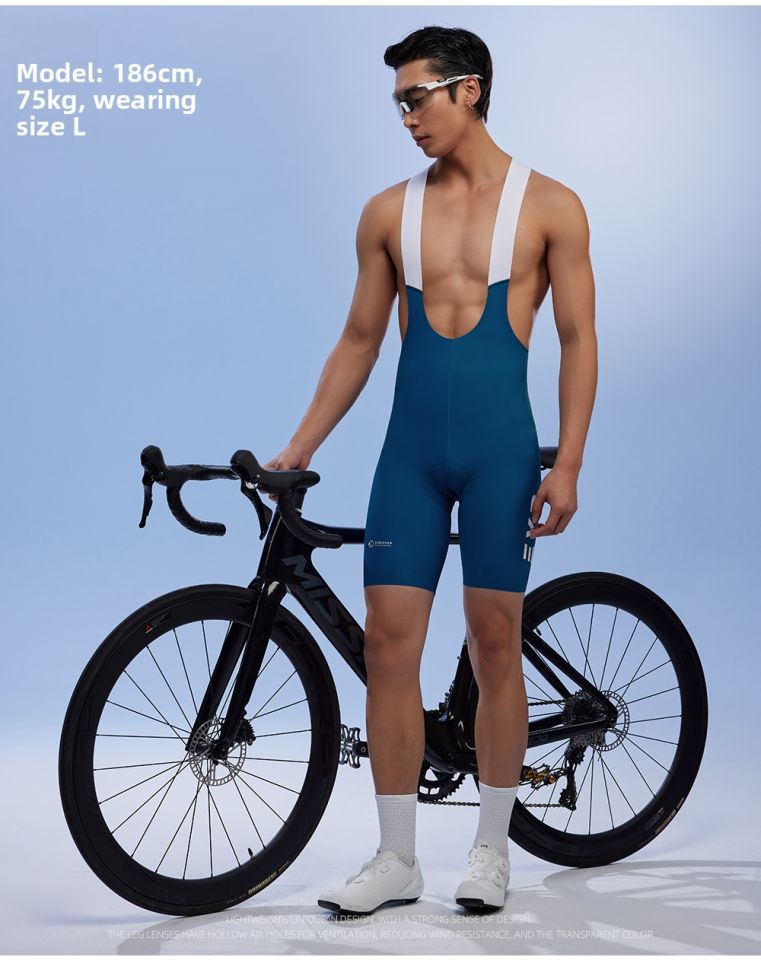
- For bibs, bring the straps over your shoulders. Check for twists, then pull your jersey on over them.
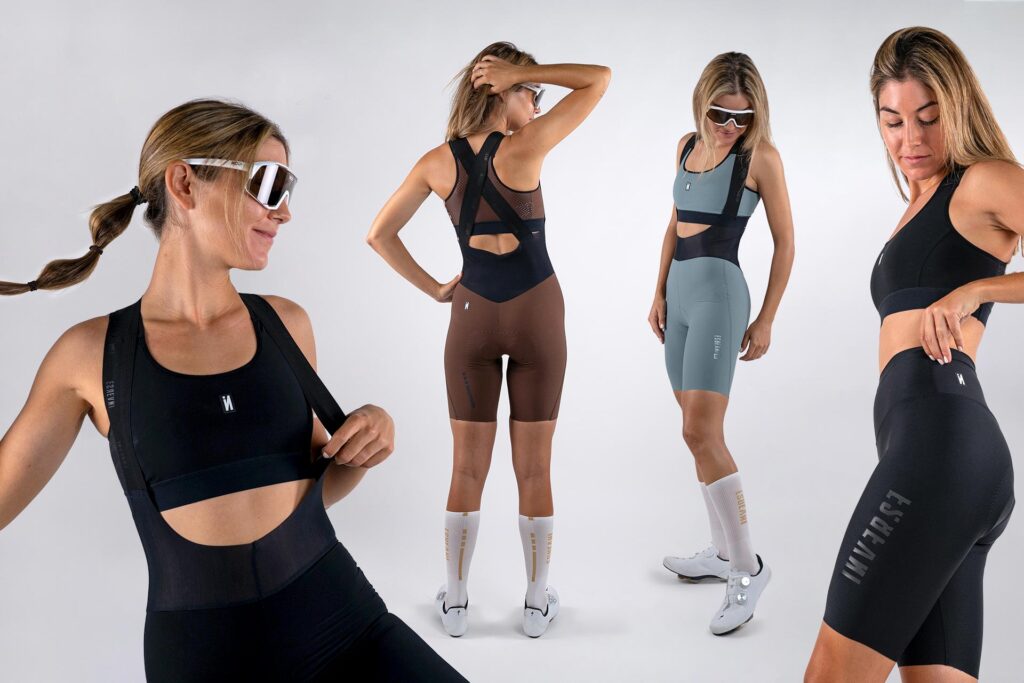
A thick pad looks bulky when you stand. Judge it on the saddle, bent forward. Before you get on, move your legs a little, and if the fabric folds or pinches straight away, readjust it.
Check the chamois fit while sitting on your bike
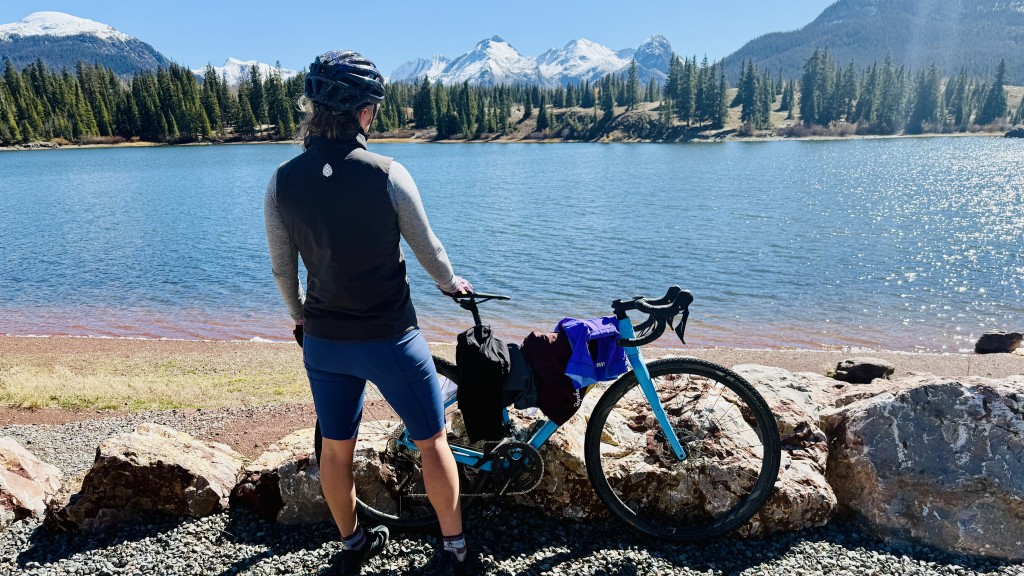
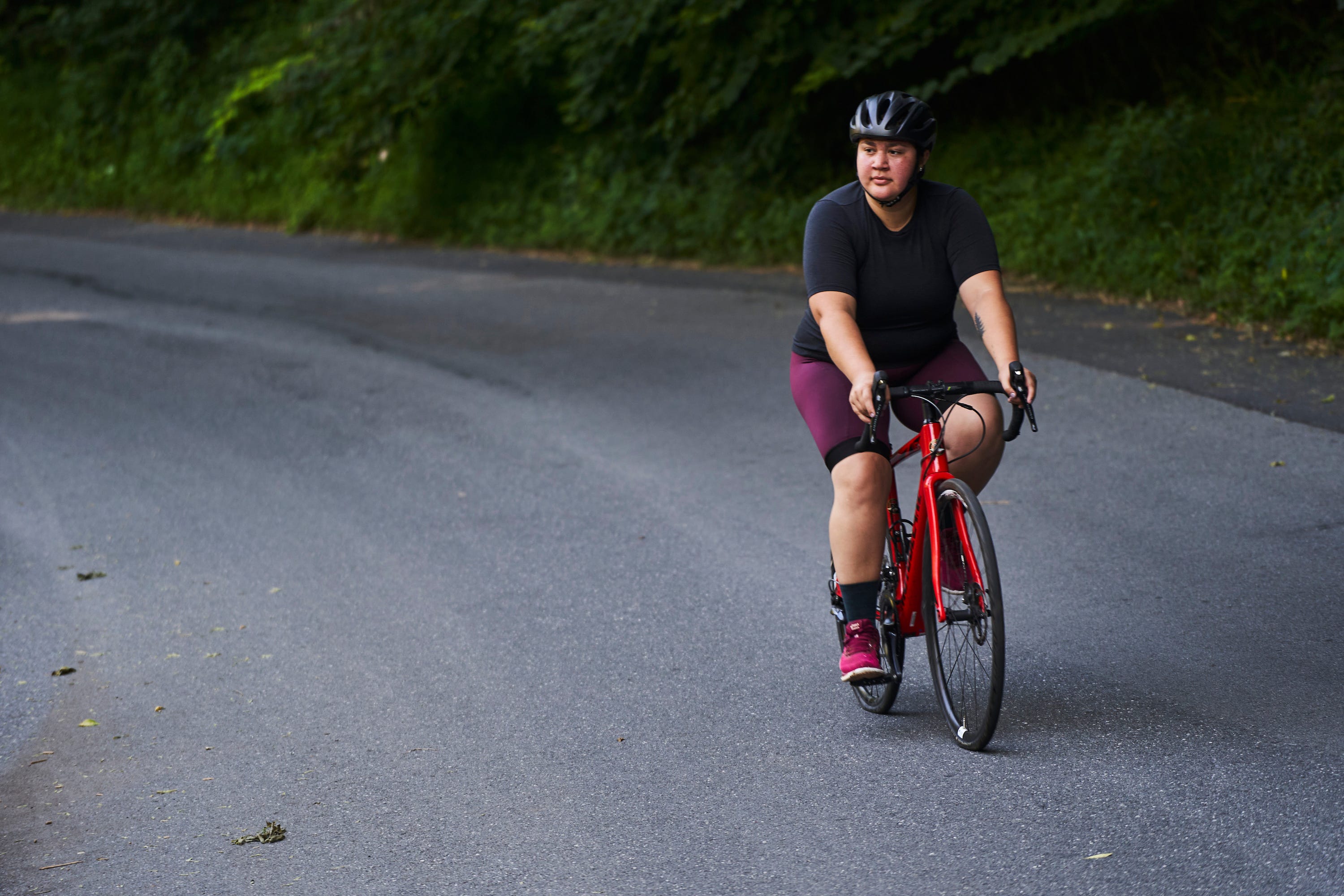
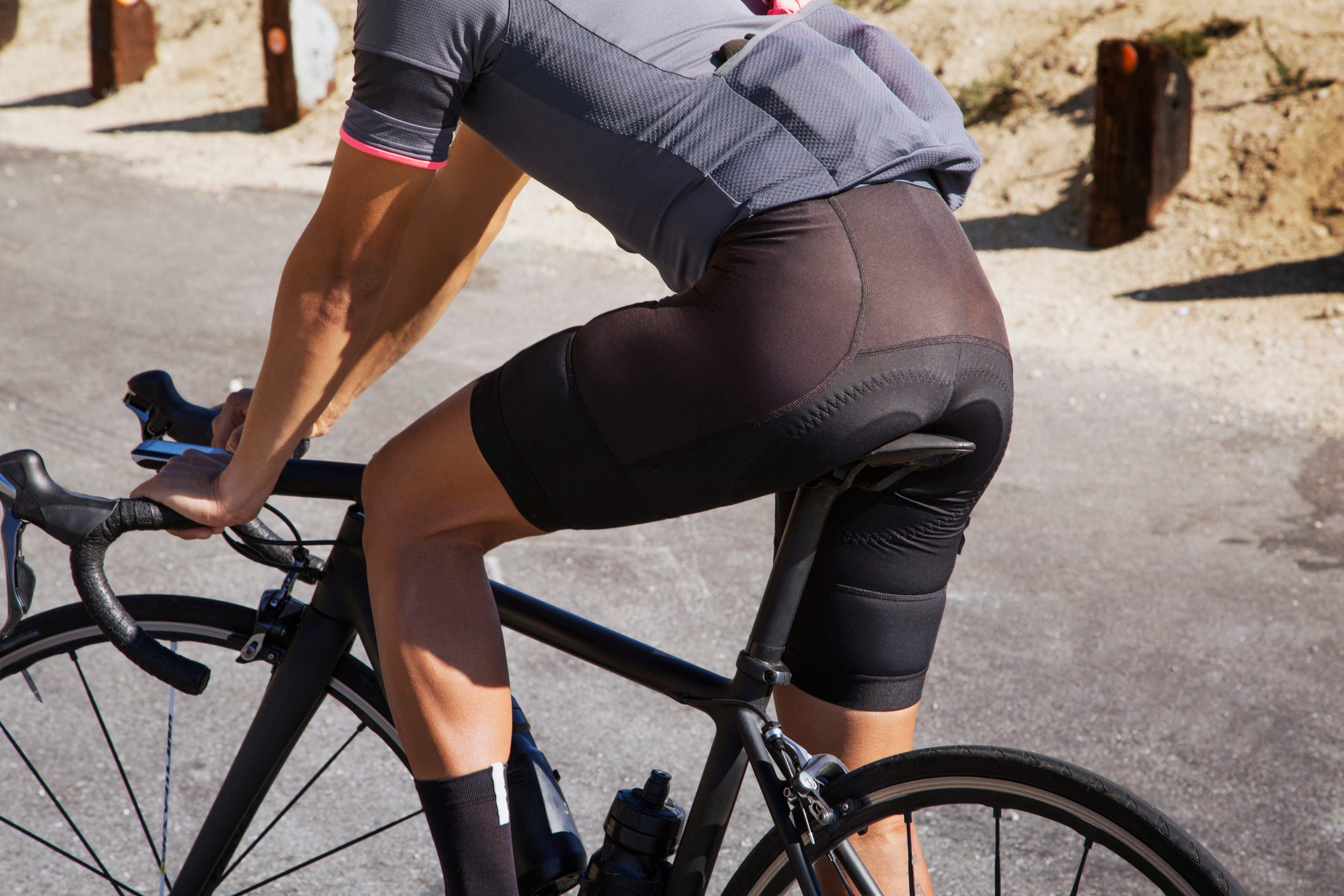
The real test happens on the bike. Set it up so it’s stable and stationary, sit on it, put your hands on the bars and settle into your normal riding position. A pad that looks centered while you stand can shift forward or back once you lean over the bars.
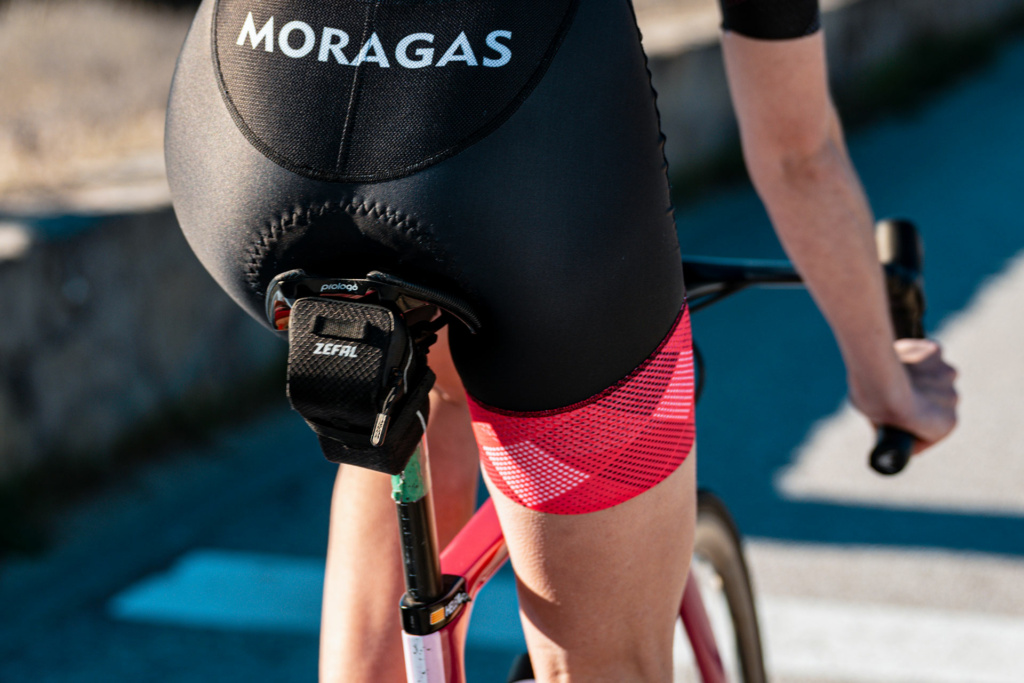
Look at where the pad meets the saddle. REI’s padded-shorts guide says that when you lean forward, the front of the pad should cover the saddle nose and its side extensions should sit just beyond the wider sides of the saddle. If those points don’t line up, the pad sits too far forward or back. Pad shapes vary, so what you feel in riding position counts for more than the outline.
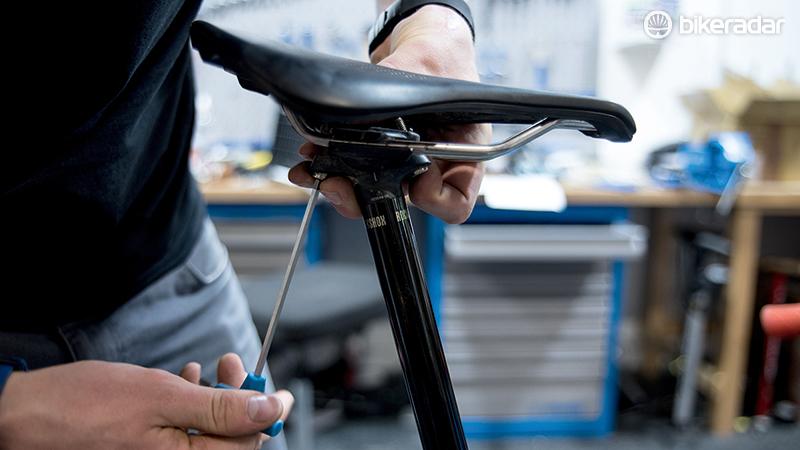
Five checks before you ride
- Centered: Is the pad under the spots where your weight presses on the saddle?
- Flat: Does the chamois lie smooth, with no ridge or folded edge?
- Stable: Does it stay put when you shift your position and move your legs?
- Waistband and grippers: Do they stay in place without rolling or pressing painfully?
- Bib straps: Are both straps flat, supportive and comfortable when you reach for the bars?
Snug shorts let the pad move with you. Loose fabric bunches, and fabric that’s too tight pinches. Once everything passes, take a short, easy ride to see how the shorts behave while you pedal.
Bib shorts, waist shorts, and padded liners: what goes where?
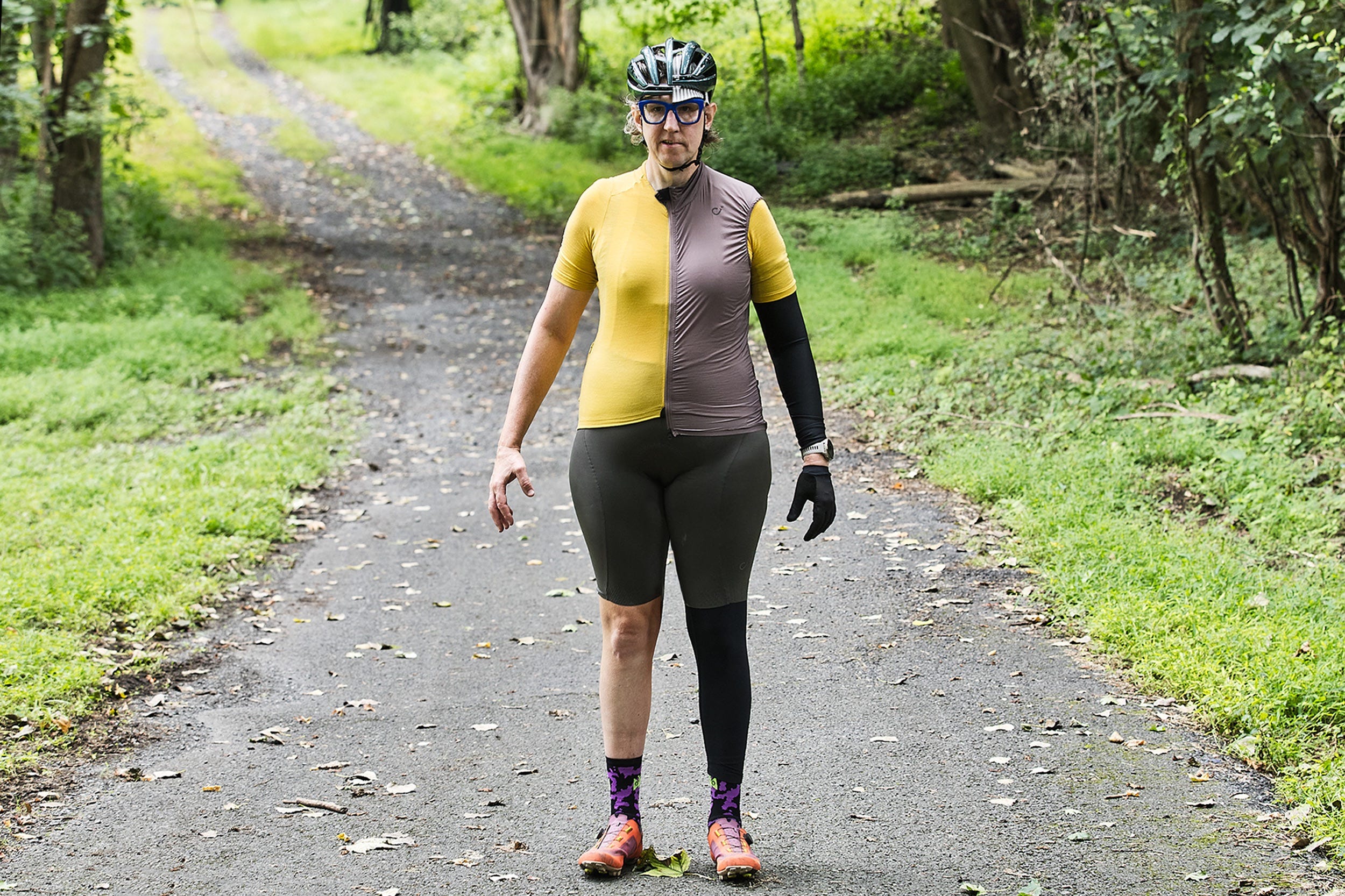
Wear one chamois against your skin and only unpadded clothing over it. Waist shorts and bib shorts have the chamois sewn in, and a separate liner supplies the pad under loose outer clothing.
| What you own | Against your skin | Over the padded layer | Leave out |
|---|---|---|---|
| Padded waist shorts | Built-in chamois | Jersey; an unpadded outer layer if you want one | Underwear or another padded liner |
| Padded bib shorts | Built-in chamois | Jersey over the shoulder straps | Underwear or another padded liner |
| Separate padded cycling liner | Liner’s chamois | Unpadded loose shorts or pants | Another garment with built-in padding |
Mountain biking in baggy shorts? Check whether they already have a padded liner, built in or removable. If they do, don’t add another one. If they’re an unpadded shell, wear a separate liner under them.
Bibs stay up with shoulder straps. Waist shorts rely on fitted fabric and a waistband. Either works if it fits you.
If your cycling shorts pinch, bunch up, or chafe

Start with what you can see: a pad that has shifted, rolled fabric, or a seam pressing into your skin. You can fix each of those.
For recurring irritation, What to check when padded shorts cause chafing; more padding is not always the answer.
| What you notice | What to check | What to try |
|---|---|---|
| Chamois slides or shifts | Pad position and fabric tension | Resettle the shorts. If it keeps moving, try another size or cut. |
| Pad folds or bunches | Wrinkles, seams and pad position while seated | Smooth the fabric. If the fold comes back, reassess the fit. |
| Leg grippers dig in or roll | Hem placement and pressure on your thighs | Flatten the hem. If it still hurts, try a different cut. |
| Underwear or seams rub | Fabric under the built-in chamois | Ride without underwear and check that the pad lies smooth. |
| Bib straps pull | Twists and tension across your shoulders and torso | Straighten the straps. If they still pull, check whether the bibs fit you. |
| It hurts, but nothing looks wrong | How the pressure changes when you sit | Check your saddle and riding position, or get a bike fit. |
If the chamois pinches before you even get on the bike, check its shape and seams. Don’t count on riding to make it fit better.
Do you need chamois cream?
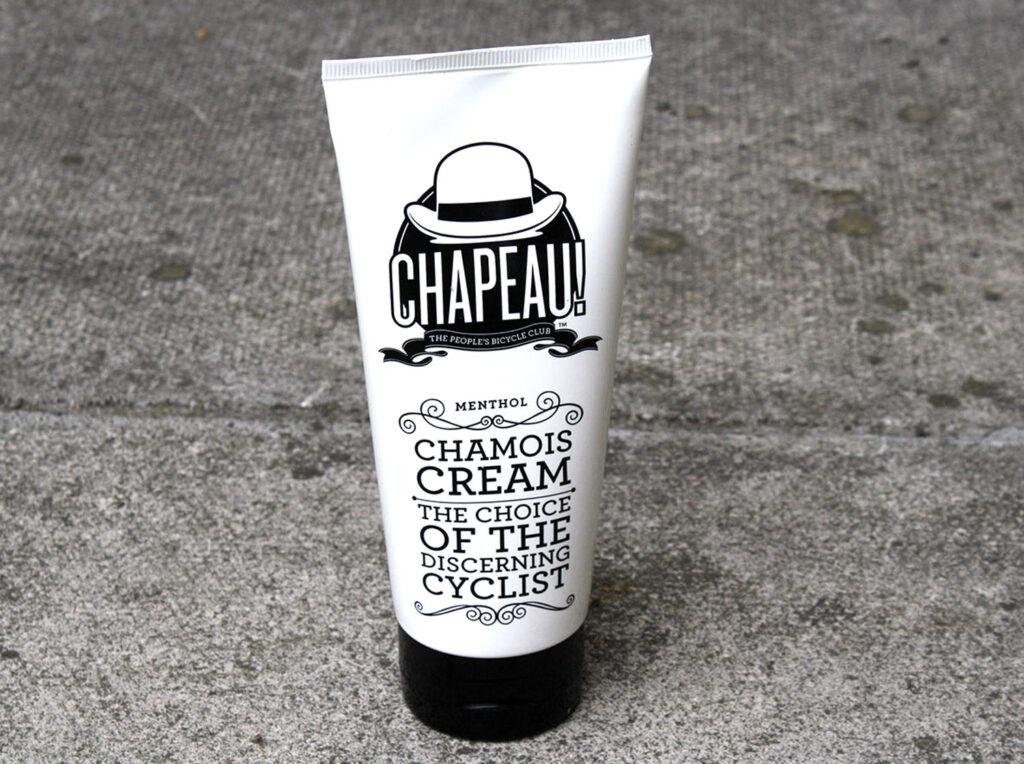
Chamois cream is optional. Some riders use it to cut rubbing on external skin where the shorts make contact. Get the fit right first: the pad should stay put and the shorts shouldn’t press painfully. If you use a cream, follow the product’s directions on where to apply it, and stop if your skin gets irritated. Cream won’t fix pressure that comes from the saddle.
Bathroom breaks, periods, and other real-world situations
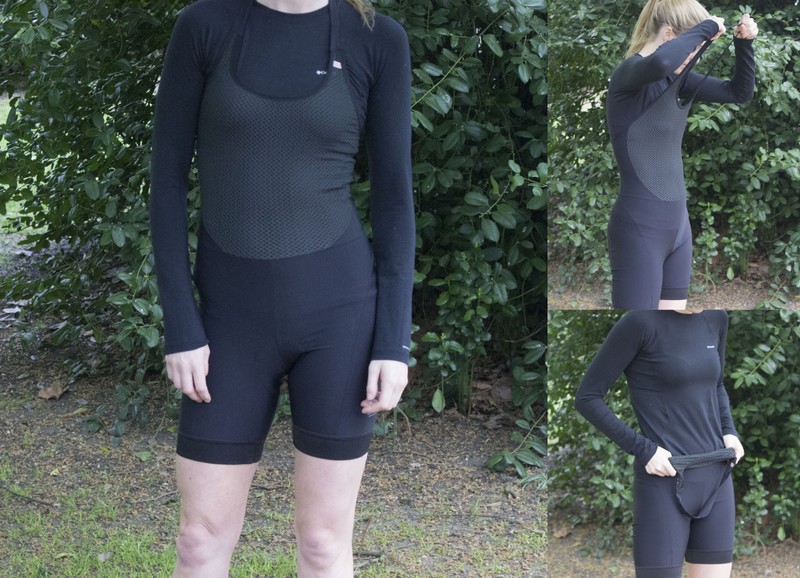
Bib straps sit under your jersey, so a bathroom stop takes more effort than it does in waist shorts. Ordinary bibs, drop-tail designs and bibs with detachable parts all come down differently.
For example, Velocio’s FlyFree bibs have stretch in the rear straps, so you can pull them down for a bathroom break without taking off your jersey, helmet or glasses. The earlier Signature Fly design used a zipper at the lower back.
Read the instructions for your own bibs and practice the move at home before you rely on it on a long ride.
Periods and vaginal discharge raise practical questions when the chamois sits against your skin. What riders need and prefer varies. Plan what you’ll use, how it sits with the shorts, and whether you’ll have a clean change afterward.
How to wash and dry padded cycling shorts
Change out of sweaty padded shorts after the ride, and follow the care label on your own pair.
PEARL iZUMi recommends washing its chamois garments after each ride in cold water with mild detergent, then hanging them to dry. It also says to avoid fabric softener and high heat.
One pair of bib shorts is enough to ride regularly, as long as you can wash and dry them between rides. If the label allows hand washing, that’s easier than running the machine for one garment. With several pairs, save the used ones for a machine load that suits them and keep a clean pair ready.
Don’t leave damp shorts bundled up, and don’t put them back on until the chamois is dry. On a bikepacking trip, or anywhere you can’t easily wash clothes, plan around when you’ll actually be able to wash and dry them.
When the shorts fit and riding still hurts
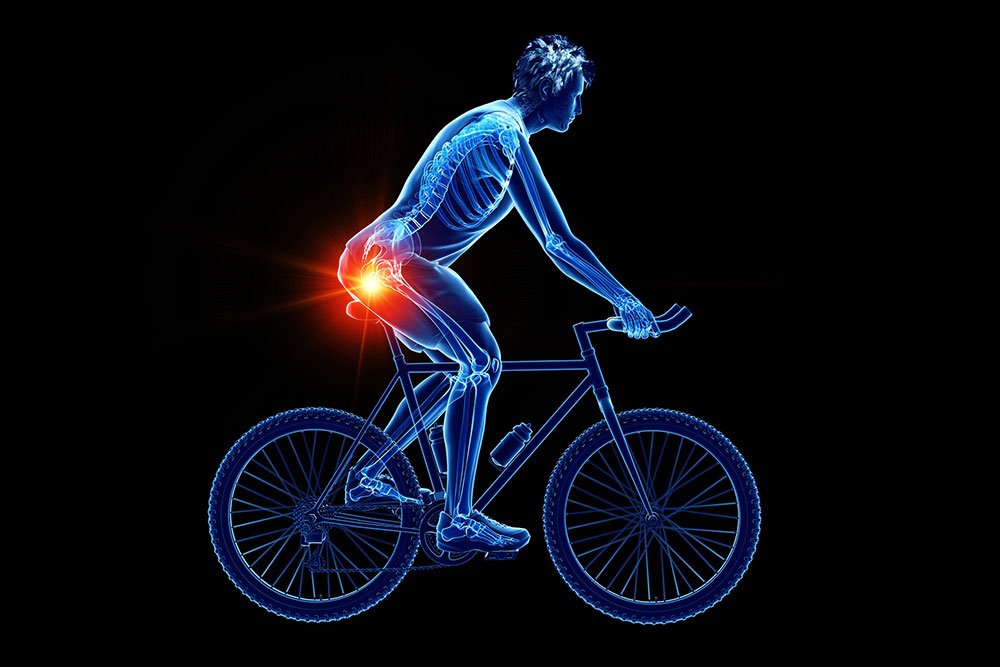
Shorts can sit smooth and stable and still leave you sore. If your saddle or riding position puts pressure in the wrong place, no clothing adjustment will change that.
More padding doesn’t automatically mean more comfort. A 2019 lab study with 14 female club cyclists compared two pad-coverage designs: one padded under the sit-bone region and crotch, the other concentrated around the sit bones. It found no difference in reported discomfort between them. The study looked only at coverage, so it can’t tell you how thick your pad should be.
See a doctor for genital pain that is significant or getting worse, numbness that won’t go away, broken skin, or sores that look infected. Stop any ride that makes these symptoms worse. Cleveland Clinic’s saddle-sore guidance explains how friction, moisture and pressure contribute to skin problems from cycling.
Before you trust a pair on a long ride, take a short, easy ride and see how it behaves while you pedal. If the shorts sit smooth and the pain stays, move on to the saddle and your riding position, and have them checked with a bike-fit assessment.