
Note where it hurts and when it starts. Change one thing at a time and keep a record of your original setup. Persistent numbness, sharp pain that gets worse, or hardware that feels unsafe needs a doctor or a mechanic before you adjust anything else.
Where does your bike hurt, and when?
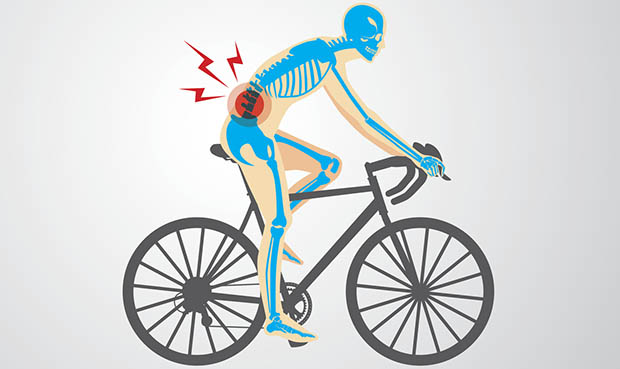
Start with where it hurts and what it feels like. Pressure under your sit bones, skin rubbing on the saddle edge, and numb hands point to different checks, even on the same ride.
Then note when it starts. Does it show up as soon as you sit down, build after several miles, or follow a change of saddle, shoes, or position?
| What you notice | What to check first |
|---|---|
| Soreness beneath the sit bones | Saddle support, width, and position, plus ride duration. Note where your weight rests and when the soreness starts. |
| Vulvar or perineal pressure | Saddle shape, pelvic position, tilt, and handlebar height relative to the saddle. Is the pressure concentrated, rubbing, or numb? |
| Chafing or skin rubbing | Shorts, seams, saddle edges, and repeated movement. Find the exact spot where the friction happens. |
| Hand numbness or aching wrists, shoulders, or neck | Handlebar reach, hand position, posture, and weight distribution. Check your position on the hoods and whether you can reach the brakes. |
| Knee discomfort while pedaling | Saddle position, foot placement, crank length, and load. Note where it hurts and whether you changed any equipment recently. |
| Burning or pressure beneath the forefoot | Shoe fit, cleat position, and localized pressure. Check where the shoe meets the pedal. |
| Several symptoms together | Saddle, bars, and pedals acting on each other, or the frame dimensions. Note which areas hurt together. |
Where it hurts narrows the checks but doesn’t diagnose anything. Ohio State Health describes hand, knee, foot, and saddle complaints as separate problems, and riding position and other factors both play a part. Sharp pain or lasting numbness calls for medical care.
Your three contact points work together
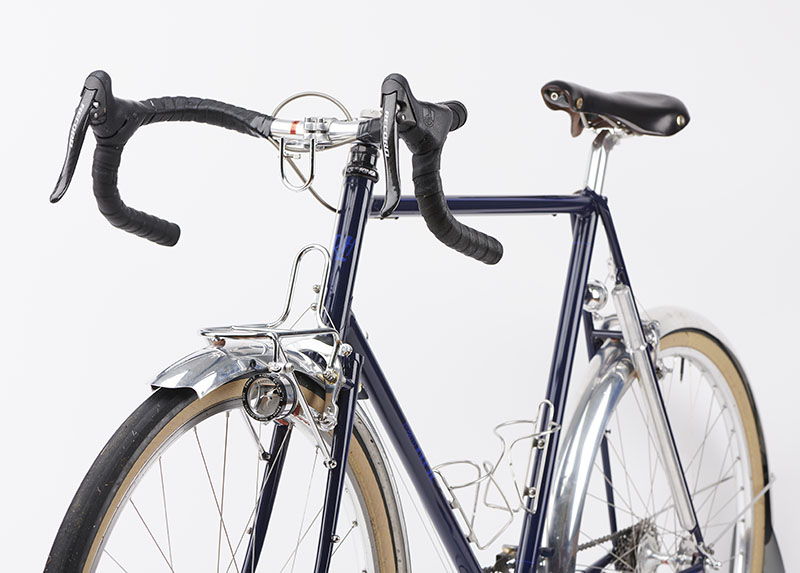
Your position on a bicycle rests on three contact points: the saddle under your pelvis, the handlebars under your hands, and the pedals under your feet. Frame geometry and your riding posture connect them.
Tip the saddle forward and your pelvis may shift with it, changing how much support your hands take. Move the saddle toward the handlebars and you change the distance to the bars along with your pelvis’s position over the pedals. A change meant to fix one sore spot can move pressure somewhere else.
A 5-foot-1-inch road cyclist on a 49 cm Specialized Allez Comp described the trade-off on r/bikefit: “I feel discomfort in shoulders and elbows and get some hand numbness, and if I lean forward enough for elbow slack, the nose of the saddle hurts my crotch.”
Lower handlebars and saddle pressure
A lower road position changes your pelvic orientation and where the saddle supports you. A more upright position reduces the reach the handlebars demand, although your proportions and riding goals still decide what works.
In a 2012 observational study by Partin and colleagues, competitive female cyclists with handlebars below the saddle had 3.47 kPa higher mean perineal pressure in the adjusted comparison.
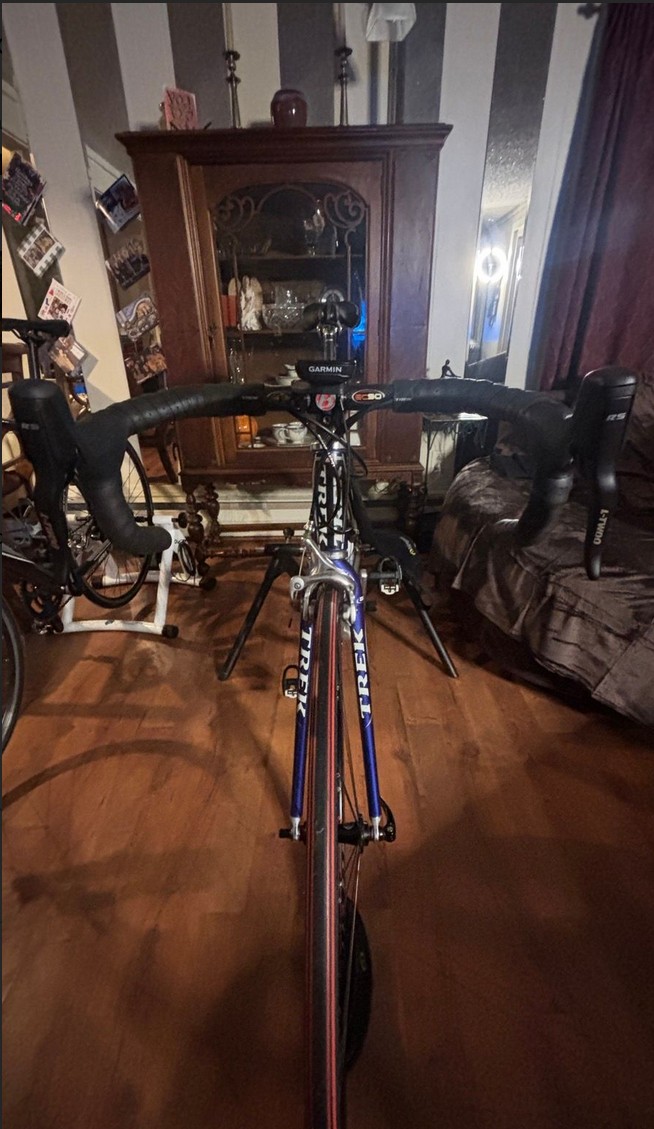
Before you change one thing, ask what else it moves. That keeps a comfortable pedaling position intact when your hands or shoulders complain first.
Saddle discomfort: pressure, rubbing, or the wrong purchase?
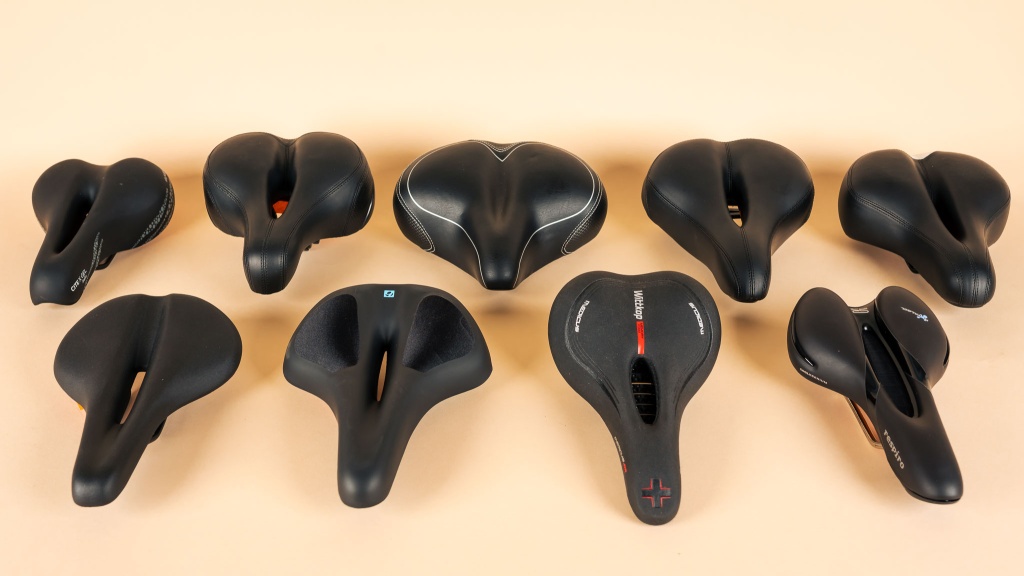
“My seat hurts” is too vague to act on. Sort it into pressure, rubbing, or numbness.
The sit bones (ischial tuberosities) are the bony points the saddle supports. The perineum is the area between the external genitals and the anus. The vulva includes the external female genital structures. Each is a different place where you can feel pressure.
Pressure and friction need different checks
Pressure feels like weight concentrated in one spot, either under the sit bones or farther forward against sensitive tissue. Chafing comes from repeated movement across your skin, where shorts, seams, saddle edges, and position all play a part. Numbness is a separate sensation and matters most when it lasts after the ride. Pressure points to saddle support and fit. Rubbing points to fabric and the contact surface. Buy a replacement saddle or padded shorts only after you know which problem you have.
Why wider saddles and cutouts give mixed results
Nineteen women rode three saddles for 20 minutes each in a brief 2018 laboratory experiment by Larsen and colleagues in Applied Ergonomics. The wider experimental design shifted average pressure toward the front and away from the rear. Sit-bone discomfort rose on the experimental designs, while crotch discomfort did not differ significantly.
Cutout saddles were associated with 4 kPa higher adjusted mean perineal pressure and 11 kPa higher peak pressure than traditional saddles in a 2011 observational analysis by Guess and colleagues. The analysis covered 42 women with saddle-pressure records from the same group of competitive female cyclists later used in Partin’s handlebar study.
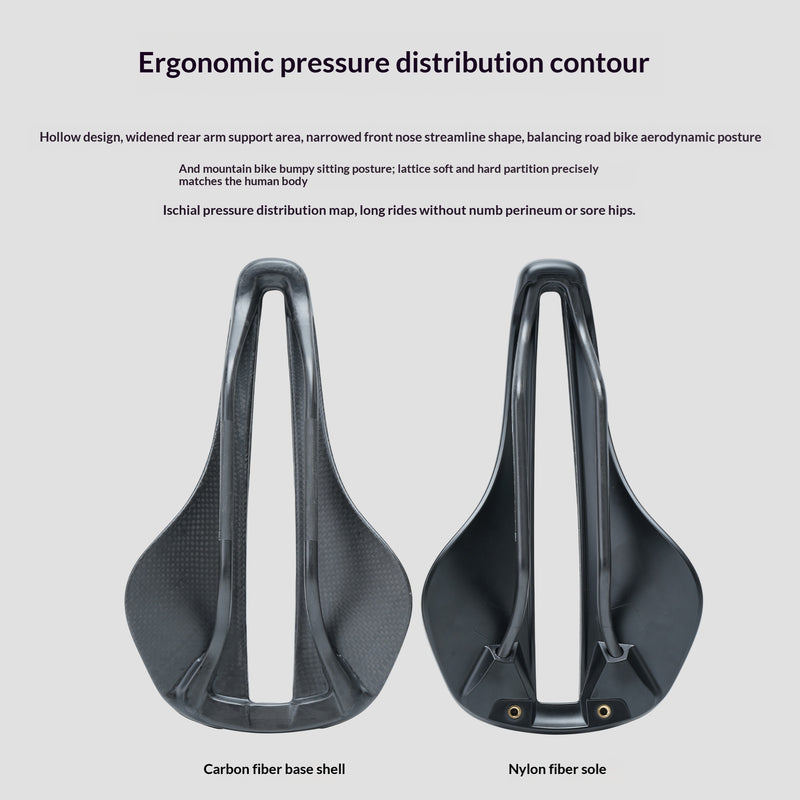
Width and cutout shape need to be judged for you personally. No saddle came out as the best for everyone.
One cyclist bought a new saddle and bib shorts for a hilly 35-mile ride, hoping the saddle would relieve pressure because friends had praised it. Praise from friends can’t tell you where a saddle supports your body.
Saddle height, setback, and tilt: what is worth checking?
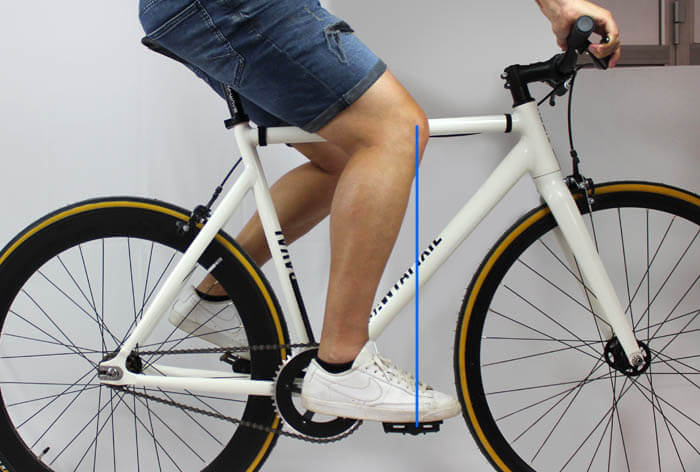
Height, setback, and tilt are separate adjustments, and each affects comfort differently.
| Variable | What it describes | What it affects |
|---|---|---|
| Saddle height | Saddle position relative to the pedals | Leg extension and pedaling position |
| Setback or fore-aft | How far forward or back the saddle sits | Your position relative to the pedals and the distance to the handlebars |
| Saddle tilt | Angle of the saddle’s supporting surface | Contact and weight distribution |
Height gets the most attention because it has familiar starting checks. The heel-on-pedal method and the LeMond-style inseam calculation both appear in fitting guidance. The latter multiplies your inseam by 0.885 for a ballpark saddle height, measured from the bottom bracket to the saddle top.
Static checks like these can’t account for every combination of shoe, pedal, crank, body proportions, and riding posture. A systematic review of 41 studies found stronger support for measuring knee angle while pedaling when setting saddle height, but little evidence that any particular height prevents injury.
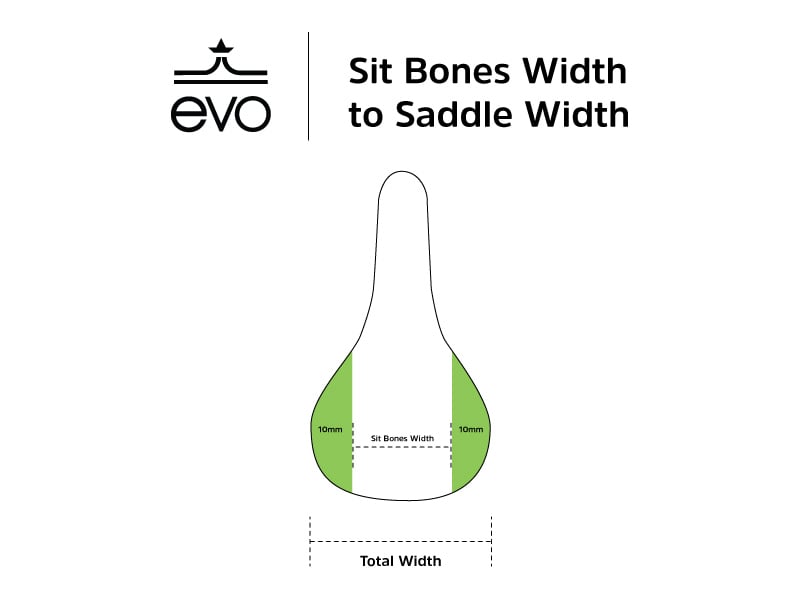
Measuring a curved saddle
Tilt gets tricky on a curved saddle. A level placed along the nose can give a different reading from one placed across the main supporting surface. Use the same reference every time and follow the instructions for your saddle and bicycle.
Hands, shoulders, and handlebars: look beyond arm length
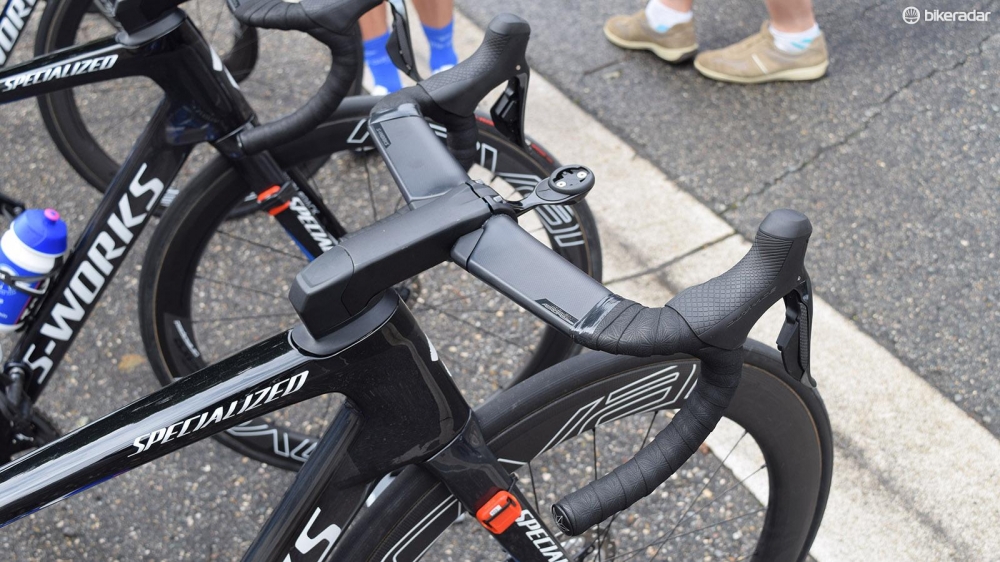
Hand and shoulder discomfort reflects handlebar reach, control position, and how much weight your arms carry. Your saddle affects that weight distribution too.
Reach is a standardized horizontal frame measurement, and stack is a vertical one. Where your hands actually rest also depends on the stem, bars, hoods, and your position on the saddle. Two frames with similar size labels can therefore feel different at the controls.
Too much reach feels like stretching toward the hoods, straightening your elbows, or carrying too much weight on your palms.
Brake access belongs in the fit
Brake access matters most if you are small and struggle to reach a lever from a comfortable hand position. Lever placement, handlebar shape, and your usable riding position all decide whether you can operate the bike confidently.
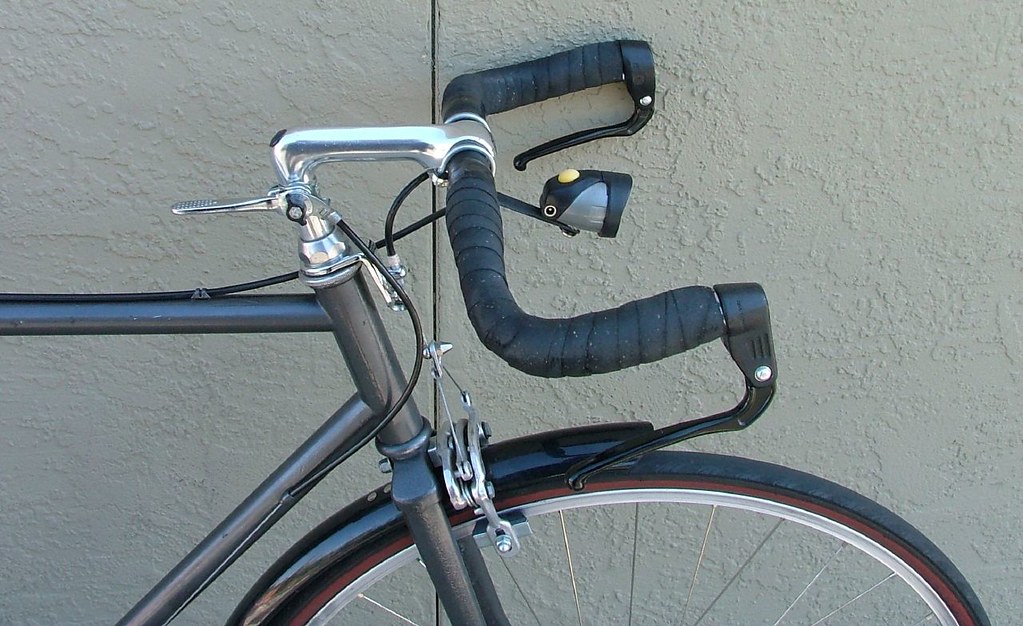
Check that you can reach the brake levers and hoods from your normal riding position without an uncomfortable stretch. If you can’t operate a control reliably, take the bike to a mechanic before you ride. Leave steering and brake hardware changes to them.
Knees and feet: check the pedaling contact points
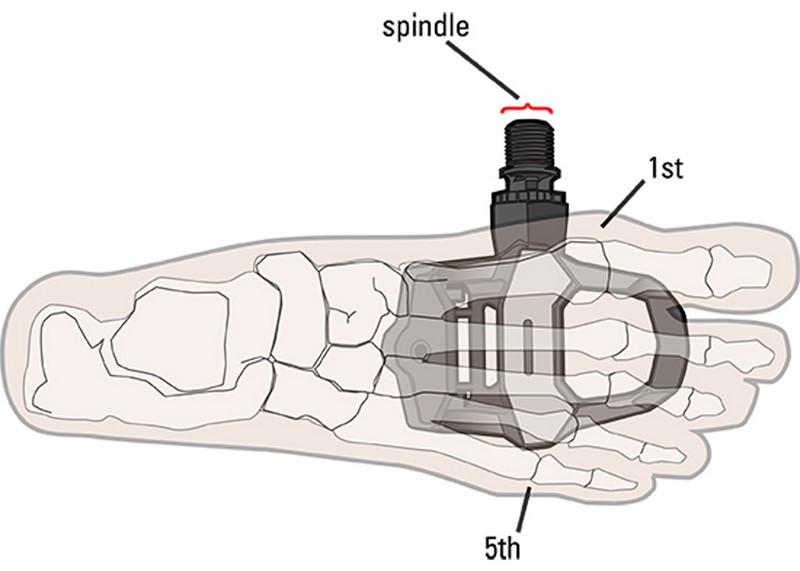
Your feet complete the three contact points, and shoes, cleats, saddle position, and crank length all shape how you pedal.
If discomfort followed new shoes or cleats, check the pressure inside the shoe and what changed where your shoe meets the pedal. Burning beneath the forefoot is another reason to check shoe fit and cleat position.
A 2017 systematic review of 14 studies found that cadence, power, foot position, and bike setup can affect knee biomechanics. Direct evidence that a particular adjustment treats pain or prevents injury was limited.
A sensible DIY fit check starts with a baseline
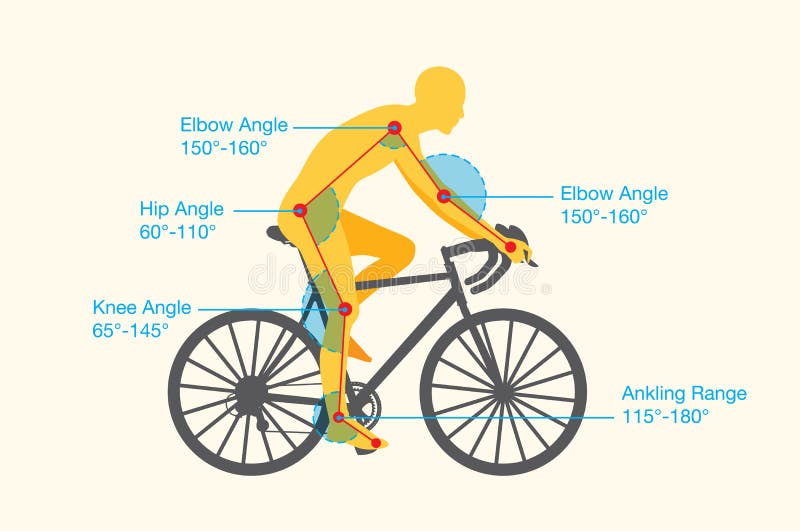
For mild discomfort on familiar equipment, write down your baseline before you touch anything. That gives you something reliable to compare against after a change. Stay within the manufacturer’s instructions and your own mechanical skill.
| Record | What to include |
|---|---|
| Bike and components | Model and frame size if known, plus saddle, bars, shoes, and pedals |
| Original position | Photos and consistent measurement reference points |
| Symptoms | Location, sensation, onset, and whether discomfort persists |
| Ride context | Route, surface, approximate distance, and effort |
| What you changed | The one variable you moved and how you recorded it |
| Same easy route | Repeat the baseline ride under similar conditions when possible |
| Outcome | Better, unchanged, worse, or discomfort in a new location |
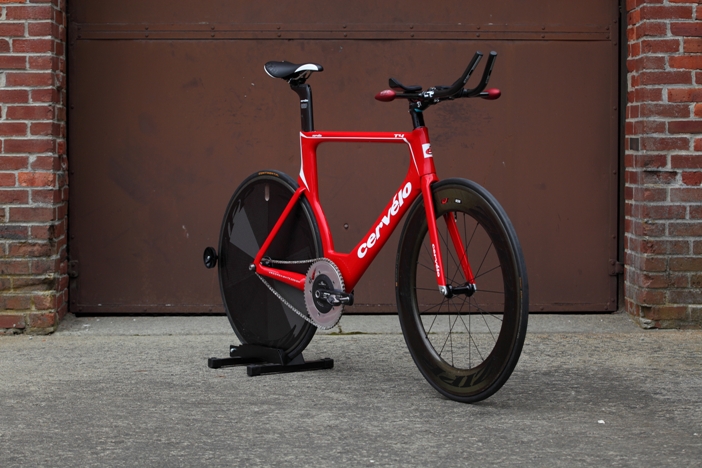
Is a professional bike fit worth it for your riding?
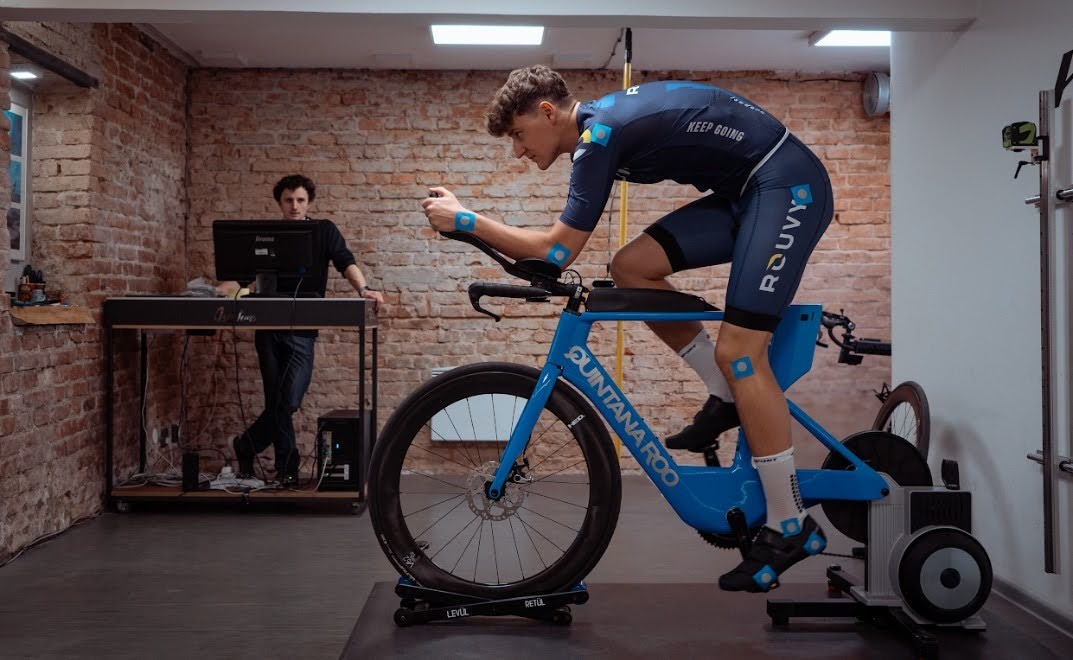
A professional fit is worth it when several spots hurt, you are unsure about your frame dimensions, or basic checks haven’t fixed the problem. The right service depends on the problem and your goals.
| Type of help | Best suited to | Main role |
|---|---|---|
| Self-observation | Mild, non-urgent concerns with familiar equipment | Establish symptom and setup context |
| Bike shop or mechanic | Loose, incompatible, unfamiliar, or unsafe components | Inspect and correct hardware |
| Qualified bike fitter | Persistent or connected fit-related complaints | Observe your riding position and assess saddle, bars, and pedals |
| Health professional | Concerning symptoms or possible injury | Evaluate medical causes and decide on care |
A fitter who specializes in racing positions offers different work from a shop that handles everyday bikes. Some fittings need a follow-up visit.
Questions worth asking before booking
- Experience: Does the fitter regularly work with recreational cyclists and your style of riding, whether road, gravel, or everyday?
- Assessment scope: Will the session cover frame dimensions, saddle position, controls, and shoe and pedal contact?
- Included work: Which observations, measurements, and adjustments are covered?
- Follow-up: Can you get a reassessment if the position stays uncomfortable?
- Cost: What is the provider’s actual charge, and are parts or further visits extra?
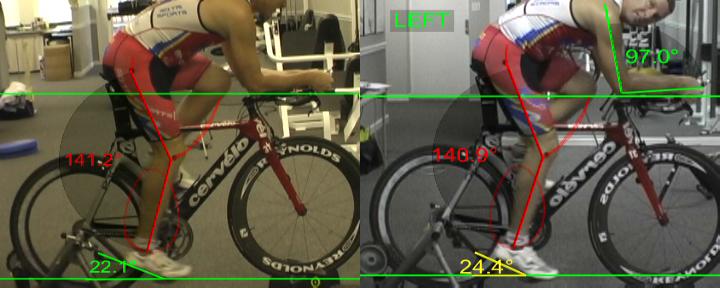
If your budget is limited, ask about a narrower shop assessment before committing to a full fit. Prices and availability vary by provider, so ask whether the appointment covers your problem.
When an adjustment makes the ride worse
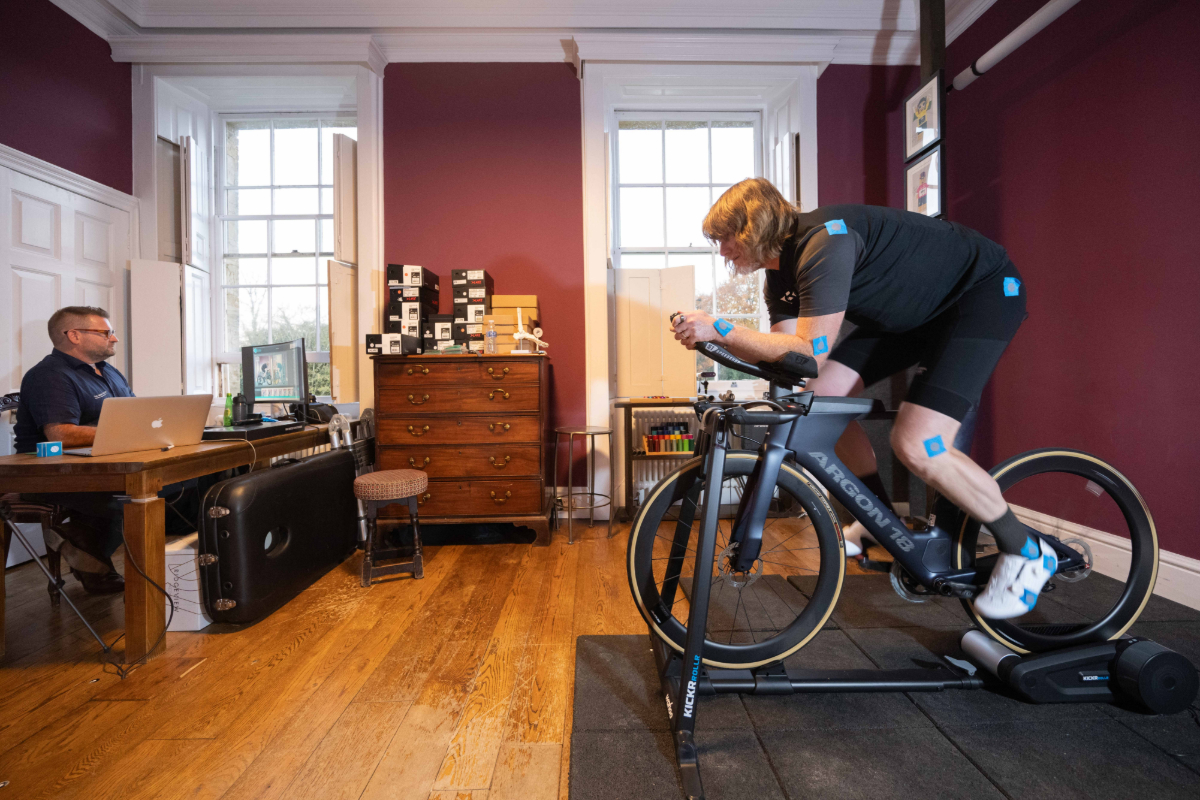
An unchanged symptom means the adjustment did little. Discomfort in a new area means the load shifted. A saddle change can ease one pressure point and add load somewhere else. Your original setup record is what lets you make sense of the result.
A poster on r/ladycyclists described a fitting before a tour. The original complaint read, “I feel like I am falling forward …” The later update read, “Day 1 had 137km and pain started at 100km so the fitting worked!”

Compare the new position and the new discomfort with your original record. If you can’t reverse a change safely, or the symptoms stay unclear after a fitting, go back to the fitter or a mechanic for reassessment.
When bike comfort is no longer a DIY fitting problem

No fitting adjustment replaces a medical assessment. Ohio State sports medicine physician Kendra McCamey’s cycling guidance lists these reasons to get medical care:
- Sharp pain that hits suddenly or gets worse as you ride.
- Numbness that lasts after the ride ends.
- Saddle sores that don’t heal.
- Symptoms of a head injury after a fall.
If any of these apply, stop riding and see a doctor. A loose or poorly fitted component, or brakes you can’t operate reliably, need a mechanic before you ride again.