
Numb hands on a bike come from pressure on the nerves of your hand: the same patch of palm on the bar for too long, wrists bent hard, or a reach that puts too much of your weight on your hands. If you can’t grip, steer or brake properly, stop riding. Sudden numbness with major new weakness, speech or vision problems, or trouble walking needs emergency care.
Why your hands go numb on a bike
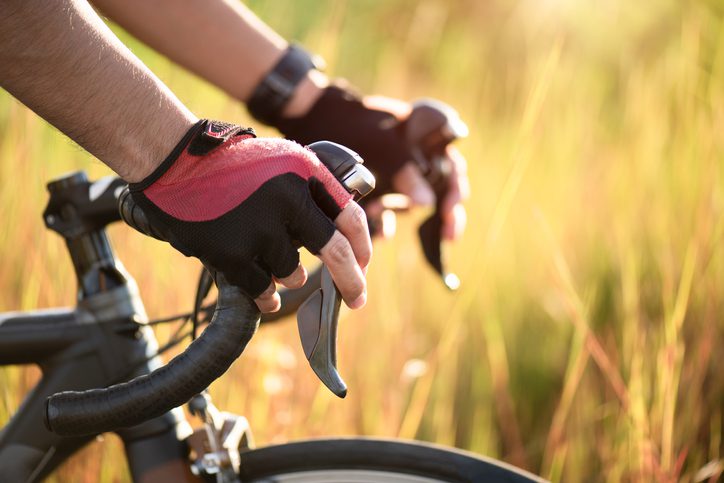
Your hands steer and brake. They also hold up part of your upper body. Keep one patch of palm on the bar long enough and you can squeeze or irritate the nerves that carry feeling from your hand.
The ulnar nerve runs through the little-finger side of your palm, and the median nerve passes through a separate channel at the wrist. Pressure on these nerves causes what’s called handlebar palsy or cyclist’s palsy.
The American Academy of Orthopaedic Surgeons lists long pressure on the handlebars as one cause of ulnar nerve compression at the wrist.
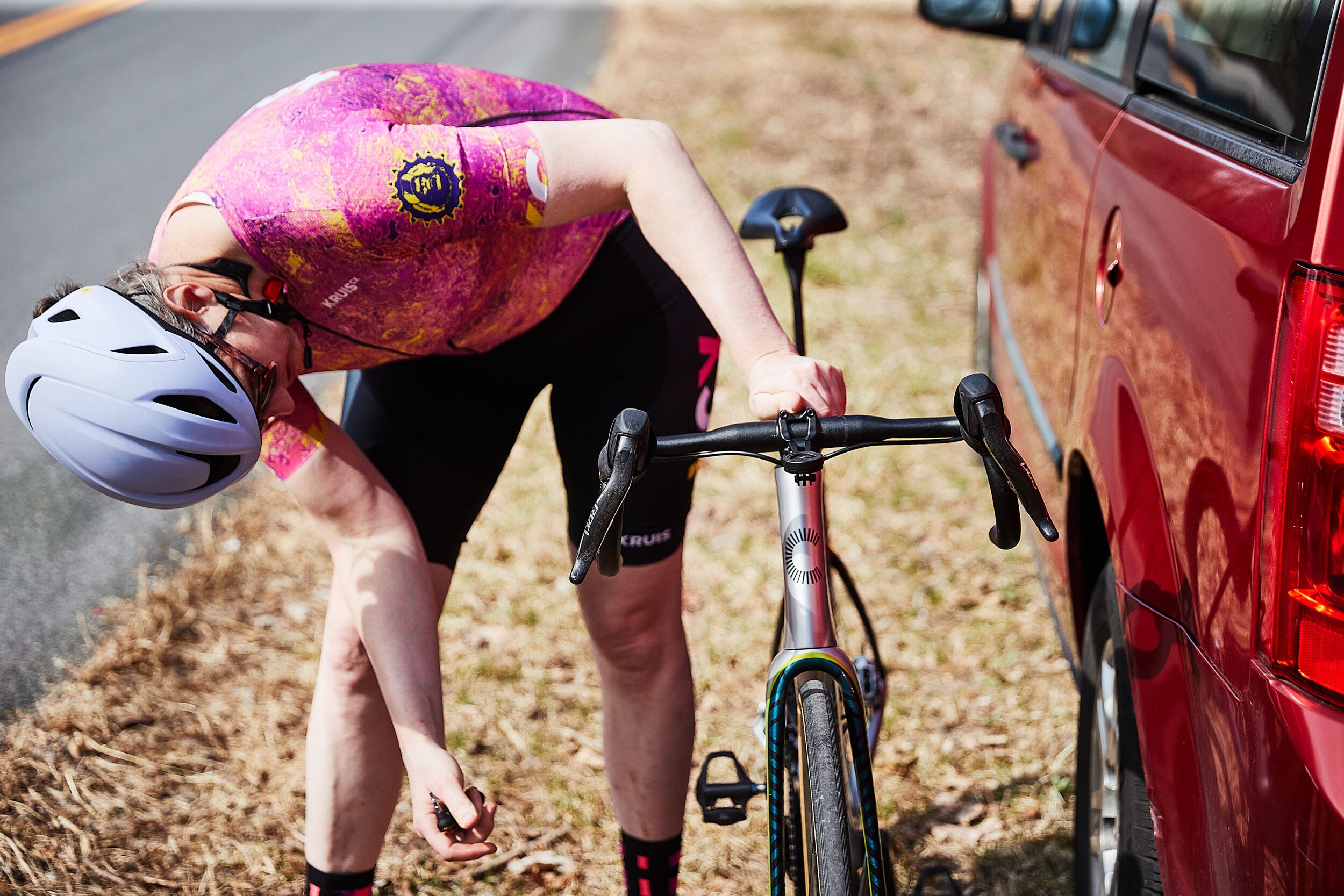
You might first feel it several miles into a ride on the brake hoods. On rough pavement it can come sooner.
Which fingers are numb, and what that tells you
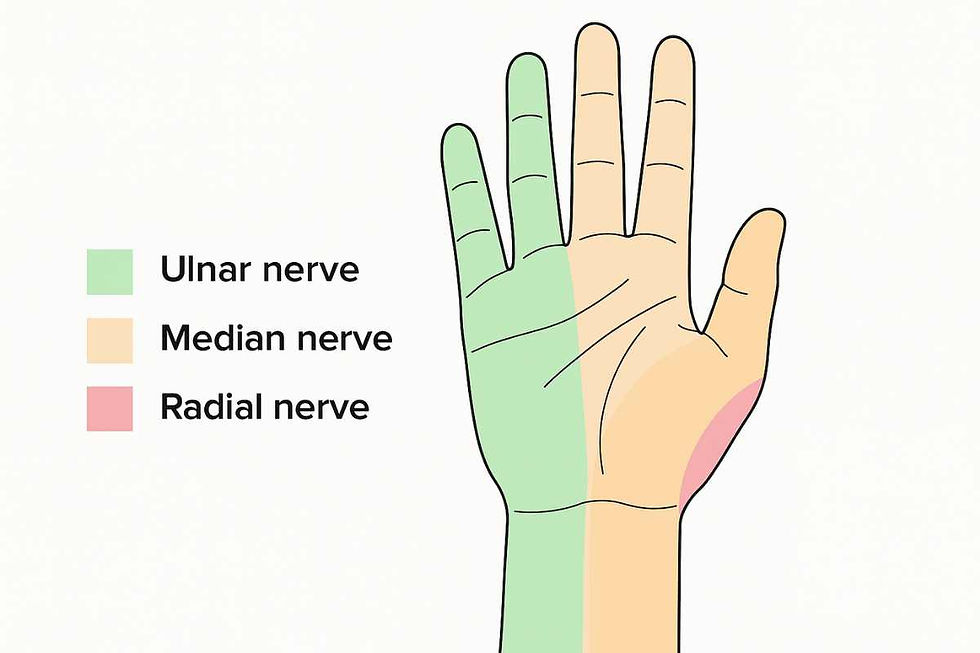
Where it tingles tells a doctor or fitter a lot. Little-finger tingling usually follows the ulnar nerve, while the thumb, index and middle fingers match the median nerve. The ring finger gets feeling from both.
The pattern points to a nerve. An ulnar-pattern tingle can start at the wrist or at the elbow.
| What feels numb | Which nerve | What to note |
|---|---|---|
| Little finger and part of the ring finger | Ulnar nerve territory | Pressure near the outside heel of the palm; elbow symptoms; whether it continues off the bike |
| Thumb, index, middle, or part of the ring finger | Median nerve territory | Wrist position; where your hand presses; nighttime or other off-bike symptoms |
| Whole hand, both hands, or a changing set of fingers | Can’t be pinned to one nerve | Which areas are involved, any arm or neck symptoms, weakness, and timing |
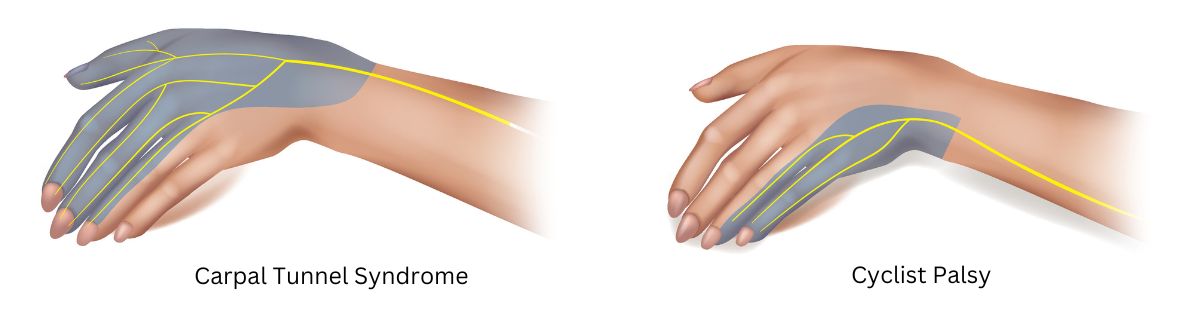
The AAOS description of carpal tunnel syndrome also lists nighttime symptoms and hand weakness. Have either? Tell your doctor.
What puts pressure on your hands
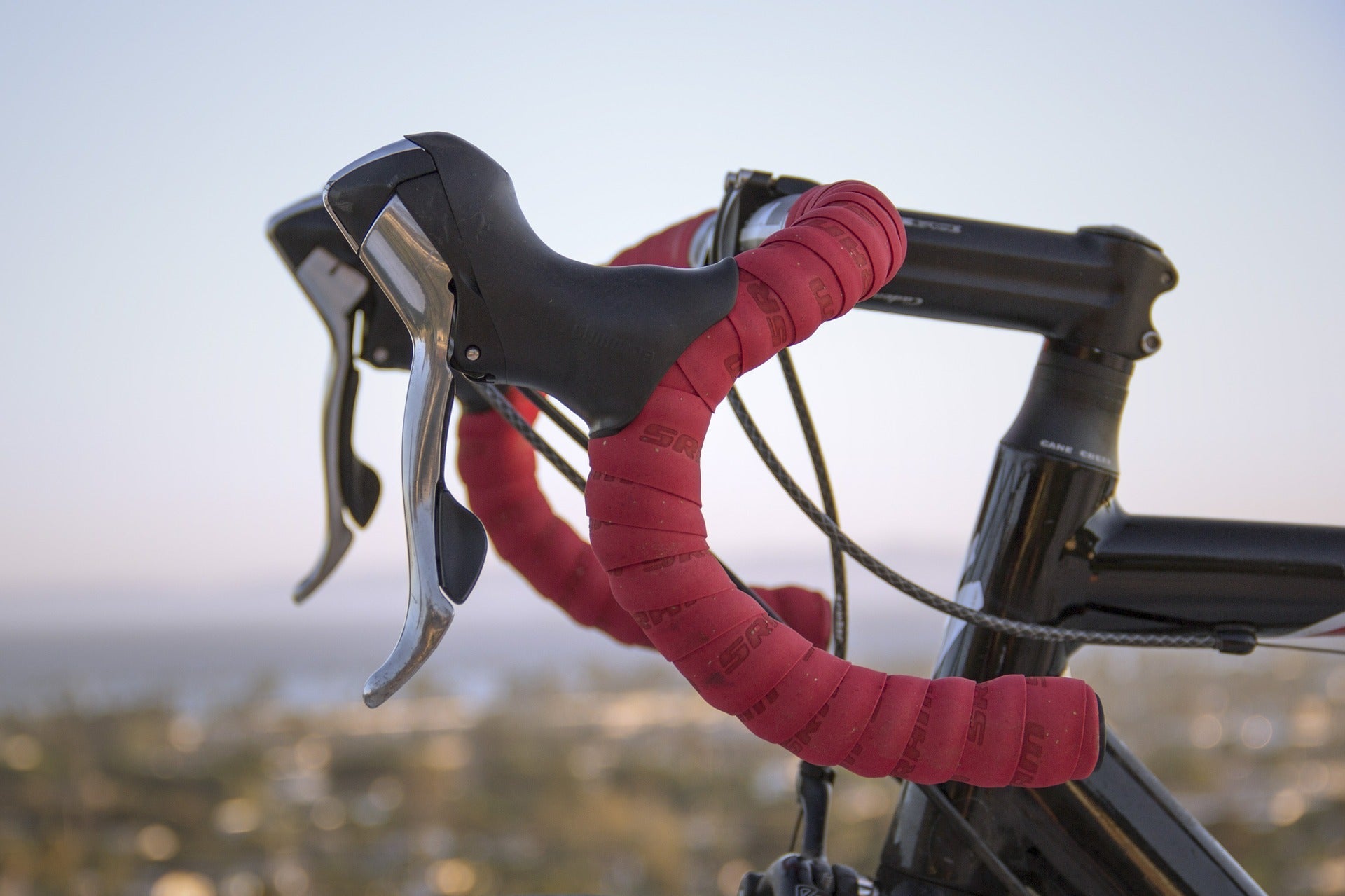
Your grip, your wrist angle, how your torso is held up and the road surface all change the load on your hands. On the hoods, you can end up leaning on a small patch of your palm. Flat bars load your palm at a different angle.
Researchers have measured peak pressure on the fleshy pad under your little finger, the hypothenar region, to compare hand positions and cycling gloves.
A tight grip, a wrist bent hard and a stretch to the controls tend to come together. Saddle and cockpit position change how much of your weight goes through your arms.

Long rides can affect the nerves in your hand. One study followed 25 cyclists through a 600-km ride and found sensory or motor changes. Another tested 14 cyclists on a six-day, 420-mile tour and found changes in some ulnar nerve readings. Neither study gives you a safe distance.
Rough roads add vibration. That’s a second problem on top of steady palm pressure.
If your hands go numb during a ride
Can you still grip, steer and brake? If not, pull over somewhere safe. Don’t keep riding and wait for your fingers to wake up.
Once you’ve stopped, check for anything beyond the hand tingling.
| What’s happening | What to do | Why |
|---|---|---|
| Numbness affects gripping, steering, or braking | Stop riding | You can’t control the bike safely |
| Sudden numbness comes with major new weakness, speech or vision problems, or difficulty walking; or numbness or tingling starts right after a head, neck, or back injury | Get emergency help | These are warning signs of a nerve problem or injury that needs care right away |
| Hand tingling starts during the ride and you still have full control | Pull over and look at your hand position, palm pressure and wrist angle | Tells you what to check first |
| Numbness lasts, gets worse, or shows up away from the bike, especially with weakness | See a doctor | Bar pressure alone doesn’t explain it |
MedlinePlus guidance on numbness and tingling lists sudden neurological changes, and numbness right after a head, neck or back injury, among the emergency warning signs.
First checks: grip, wrists and where your hands rest
Start with the bike standing still. You’ll learn a lot before you loosen a bolt or buy new gloves.
- Find where your palm presses. Put your hands where they usually sit when you ride. Is the pressure under the little-finger side, in the middle of your palm or somewhere else?
- Look at your wrists. Check for a sharp bend as you hold the grips or hoods.
- Notice how hard you grip. Do you squeeze the bars the whole ride, even on smooth, easy road? Hold them firmly enough to steer and brake, and no harder.
- Check the controls. With the bike stopped, make sure your usual hand position lets you reach both brakes properly. If the reach or lever angle feels wrong, tell a mechanic or fitter.
- Think back to what changed. A new glove, grip, bar tape or cockpit tweak can move where your palm presses. Write down each change before you make the next one.
Flat bars vs. drop bars
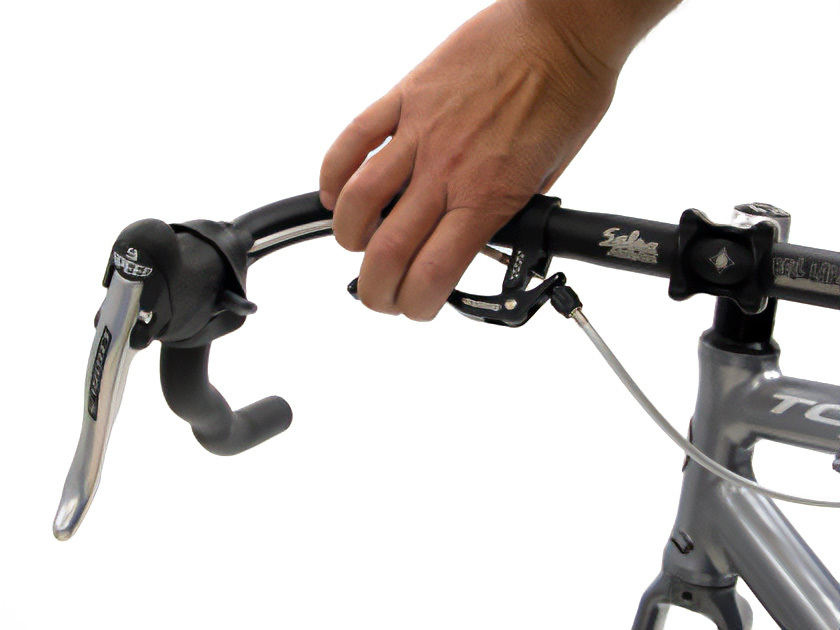
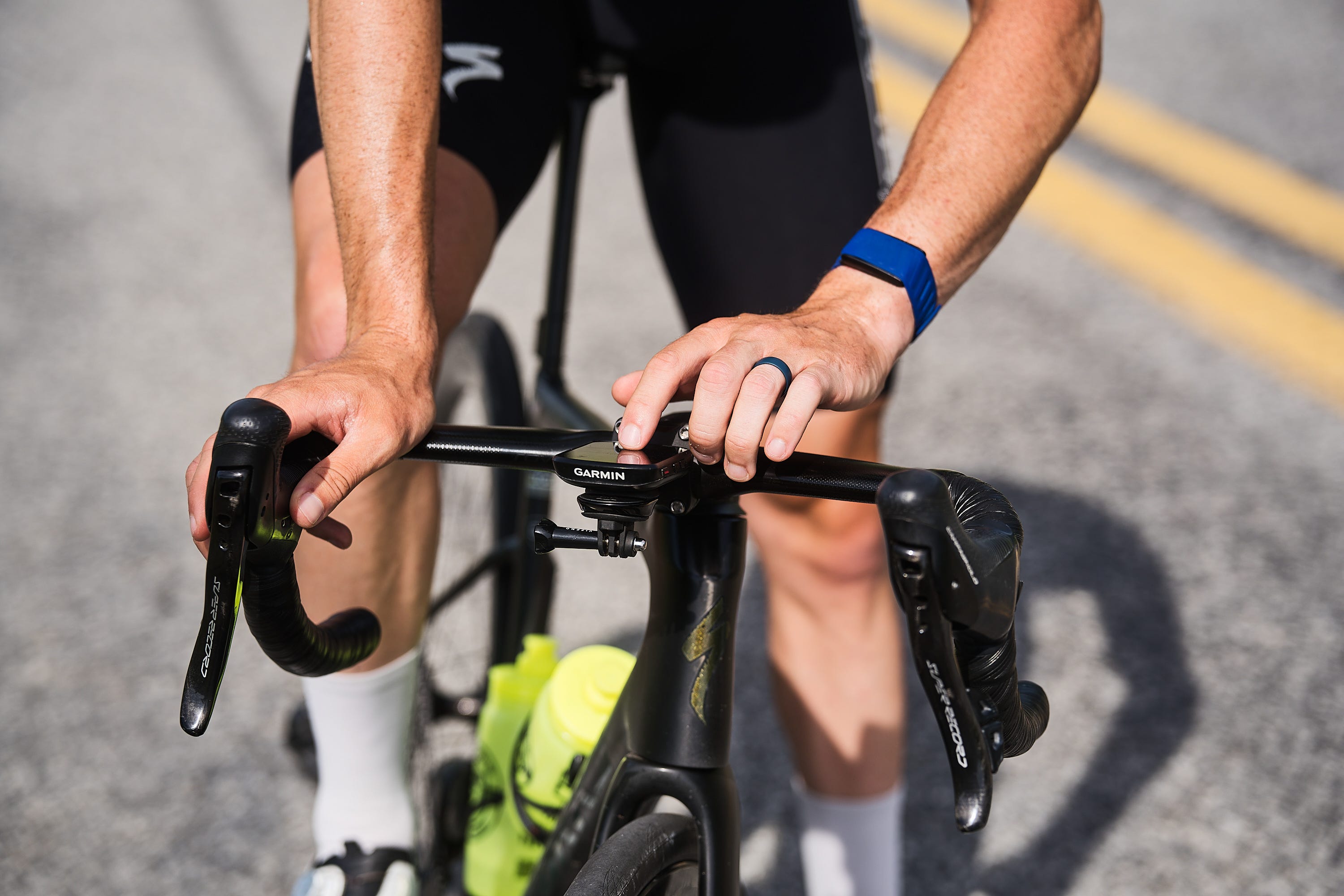
On a flat-bar hybrid, look at your grip shape and how many hand positions you have. On a road bike, the hoods wrap your palm around the lever body, and the tops or drops move the pressure again. A position that’s comfy on the tops can feel stretched on the hoods.
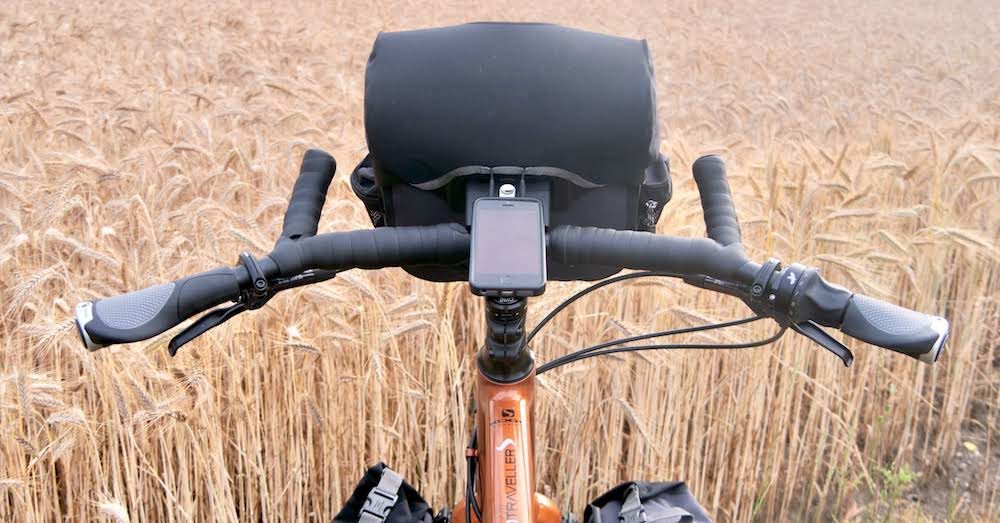
In one cycling discussion, a flat-bar rider asked whether different grips would help with numb hands. A new grip changes where your palm meets the bar. That’s all it changes. If the reach is the problem, look at your whole position.
Is your bike fit causing the numbness?
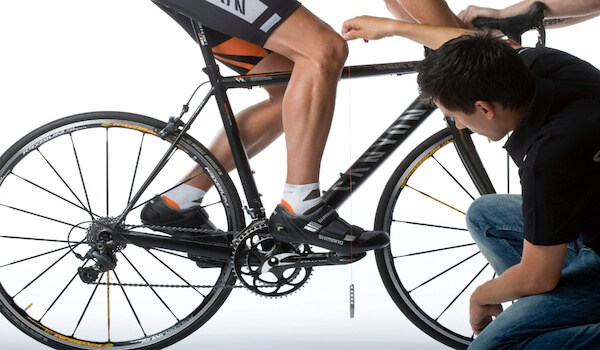
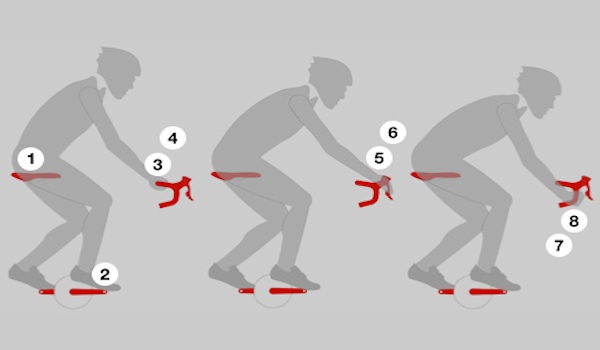
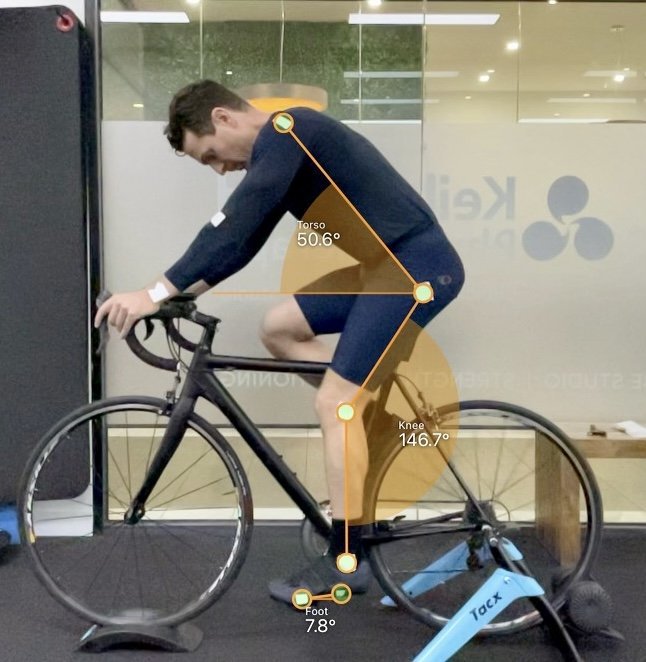
Hand trouble can start farther back. If the hoods feel too far away, you hold more of your weight on your arms as you stretch for the controls.
Reach is how far you stretch from the saddle to where your hands land on the bars. Saddle position, the cockpit and the controls all play a part. A change that takes weight off your hands can also change how the bike handles.
One beginner said she was 5 feet 2 inches tall. She felt stretched on the hoods and had numb hands plus discomfort at other contact points. That mix is a reason to get the whole bike fitted.
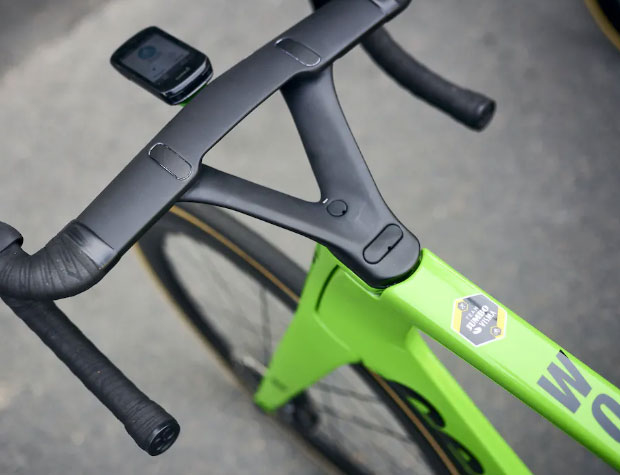
Your numbness won’t tell you which stem length, saddle height or bar rise you need.
Do padded gloves, grips or bar tape help?
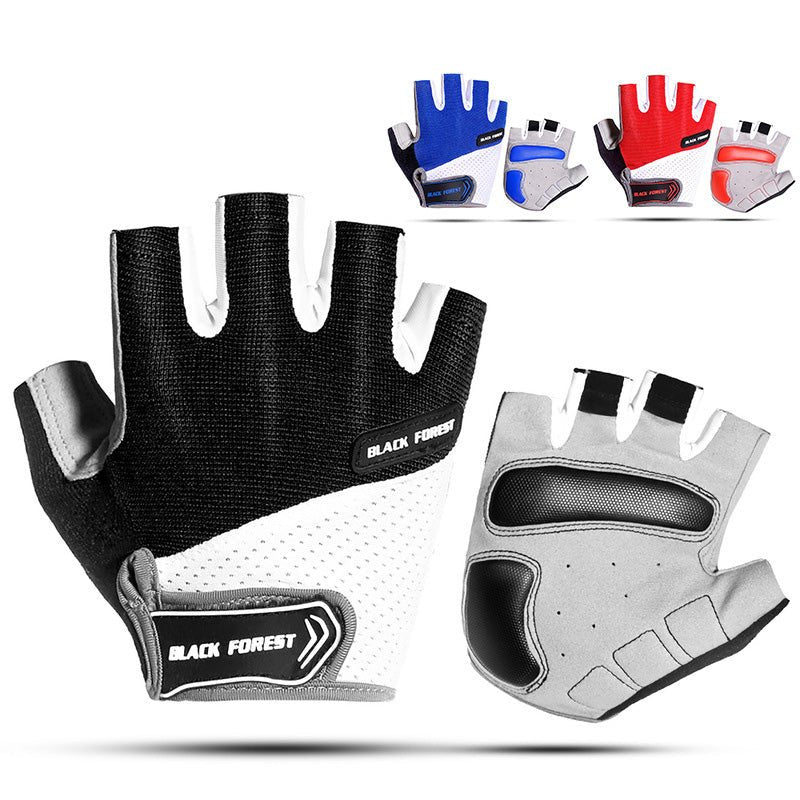
Padded gloves and new grips change where your palm meets the bar. They help when the padding sits where your palm takes the weight and you can still brake comfortably.
Slane and colleagues in Clinical Biomechanics put 36 experienced cyclists on a stationary bike in different hand positions. The padded gloves they tested cut peak pressure under the outer palm by about 10% to 28%, depending on the condition. The study measured pressure only. It didn’t measure numbness or recovery.
| Option or study | What it found | What to check |
|---|---|---|
| Padded gloves, 36-cyclist pressure study | Peak outer-palm (hypothenar) pressure was 10% to 28% lower with the tested gloves | Does the padding sit where your palm takes the weight? |
| Experimental glove, 2026 pilot with 13 right-handed adults | Lower measured interface pressure over the projected median-nerve region in short, low-intensity stationary cycling compared with bare hands | Which part of your palm touches the bar? |
| Gloves in a laboratory vibration experiment | No overall reduction in measured vibration transmission; hand equipment had a statistically significant effect in one tested loading condition, where padded gloves had the highest measured transmissibility | Judge grip comfort and palm pressure apart from vibration |
| Ergonomic grips or bar tape | Shape and material change how your hand meets the bar | Where your palm lands, grip security, bar fit and brake reach |
The pressure studies measured different parts of the hand, while the vibration test measured what reached the wrist.
In a June 2025 cycling discussion, a rider said their finger tingling changed with gloves on. Others in the thread had different results with padding. Padding that sits right on one hand can press on the wrong spot of another.
Before you spend money, check the gloves you already own. Does a seam or pad sit right on the spot that goes numb? Can your fingers move freely? Can you still grip and brake properly? On flat bars, try a different grip shape. On drop bars, look at how your hands meet the hoods and tape.
Still numb after you’ve made changes?
New gloves or a fitting session haven’t fixed it? Stop buying more gear. Cyclists have described fit changes that sorted out other complaints while their hands stayed numb. A systematic review of 20 publications found no commonly established way to manage cycling-related nerve problems. Take your notes to a fitter or mechanic if the setup is the problem, and to a doctor if the numbness stays.
Keep a symptom-and-setup log
A short log beats a vague memory of when your hands fell asleep. It shows whether the numbness comes in one hand position, on one surface or after a setup change, and it gives a doctor or fitter something specific to ask about.
Copy these blank fields into a note on your phone or a notebook:
- Date, bike, route: __________
- Hand and fingers affected: __________
- Bar and hand position: __________
- When the feeling started and on what surface: __________
- After-ride or off-bike sensations: __________
- Grip, strength, or brake-control changes: __________
- Equipment or fit change, and when: __________
- What improved, persisted, or needs attention: __________
Write what you feel and leave the cause out. “I feel stretched on the hoods” gives a fitter something to check.
If it’s safe to compare rides, keep conditions similar, write down the original setting and change one thing at a time. Terrain and fatigue can throw the comparison off. Don’t ride just to bring the numbness back.
When to see a doctor, bike fitter or mechanic
Pick the person by the question. A doctor checks nerve symptoms that are unexplained or worrying, and a fitter looks at how you sit on the bike. A mechanic makes sure the parts and controls are safe and set up right.
| Your situation | Who to see | What to bring |
|---|---|---|
| Numbness that lasts, keeps getting worse, shows up off the bike, or has no clear cause; weakness or related neck/arm symptoms | Doctor | Finger locations, timing, changes in strength, and your log |
| Hand pressure on the bars, a stretched reach, or several fit complaints at once | Bike fitter | Usual hand positions, comfort complaints, and previous adjustments |
| Loose parts, brake levers that are hard to reach, or controls you’re not sure are set right | Bike mechanic | The component, the control problem, and what was last changed |
You might need two of them. A long reach and a nerve problem can show up together, and each needs its own fix.
Numb hands usually mean too much pressure in one spot. Start with the contact points: which part of your palm takes the load, how sharply your wrists bend, how stretched your reach is. Adjust one, ride, then adjust the next, so you know what helped. Gloves and new grips mostly move the pressure around, so they only help if the padding sits where your palm takes the weight and you can still brake. If several changes haven’t worked, stop buying gear. Keep a log of which fingers go numb, your hand position and the surface, and take it to a fitter or mechanic. A doctor should look at numbness that persists, worsens or appears when you’re not riding.
Numbness that arrives suddenly alongside major new weakness, trouble speaking or seeing, or difficulty walking is an emergency.