Choose a women’s cycling group by the ride you can comfortably join. Start with the Femme Cyclist directory, American Women’s Cycling Network or a local club finder, and compare pace, distance, terrain and what the club means by “no-drop.” If the route, joining rules or next ride date are unclear, contact the club before you attend.
Finding women to cycle with sounds simple until you start looking. One club can list social rides, racing, mountain biking and beginner events, and each ride draws a different group of riders. So ask which of those rides you’d enjoy showing up for.
Where to find women’s cycling groups in the US
You’ll find women’s cycling groups through directories, national cycling organizations, local bike shops and community platforms. Start with the source that matches the kind of group you want, then follow its links to the clubs themselves.
A listing points you to a club, and the club’s ride notice gives the next event and its joining rules. Women’s directories narrow the search to women-focused groups. Broader finders also list clubs that serve all kinds of riders.
| Where to look | What you’ll find | Best reason to use it |
|---|---|---|
| Femme Cyclist | State-by-state links to women’s cycling clubs and rides | Women-focused groups in your state |
| American Women’s Cycling Network | State listings with road, gravel, MTB, recreational and racing categories | Narrowing a search by riding interest |
| USA Cycling | Club search filtered by location, discipline and rider level | Established clubs, training groups and teams |
| League of American Bicyclists | Search by city or ZIP code for clubs, shops, instructors and other cycling organizations | Local cycling contacts beyond women-specific directories |
| Meetup | Topic-based cycling groups and communities | Informal or socially organized riding |
| Local bike shops | Shop rides and leads to nearby cycling organizations | Tips from people who know the local riding scene |
Search by your state or city plus the type of cycling you like. A road cyclist after relaxed weekend rides and a rider after a women’s mountain biking clinic will land on different pages. Save two promising club pages from your results.
Choose the kind of cycling community you want
| What you want | Group format to look for |
|---|---|
| Company on recreational rides | Social road or coffee-ride group |
| Training partners or racing opportunities | Road club, training group or racing team |
| Riding away from paved roads | Gravel or mixed-terrain group |
| Trail-riding companions | Mountain biking group |
| Help learning trail skills | MTB skills clinic |
| Connection with a particular community | Women-centered organization or chapter |
Riding level matters as much as format. A women’s club can offer good company and still run rides above a newer rider’s pace, which is why one NYC rider asked specifically for groups that are beginner or intermediate friendly.
Clubs, rides and clinics are three different things
A club is the ongoing organization. A group ride is one event with its own route and joining rules. A clinic teaches skills.
Crank Queens separates its mountain biking group rides from its beginner skills clinics. If you’re new to trails and need instruction, start with the clinic, because the group rides expect handling skills you already have.
Sorella Cycling in Atlanta is a women’s club covering road cycling, gravel, mountain biking, track, racing and social events.
A group can give you more than miles. A 2026 qualitative study interviewed 22 North American women mountain bikers, ages 29 to 61. It found social support, finding a fitting community and connections outside cycling among their experiences.
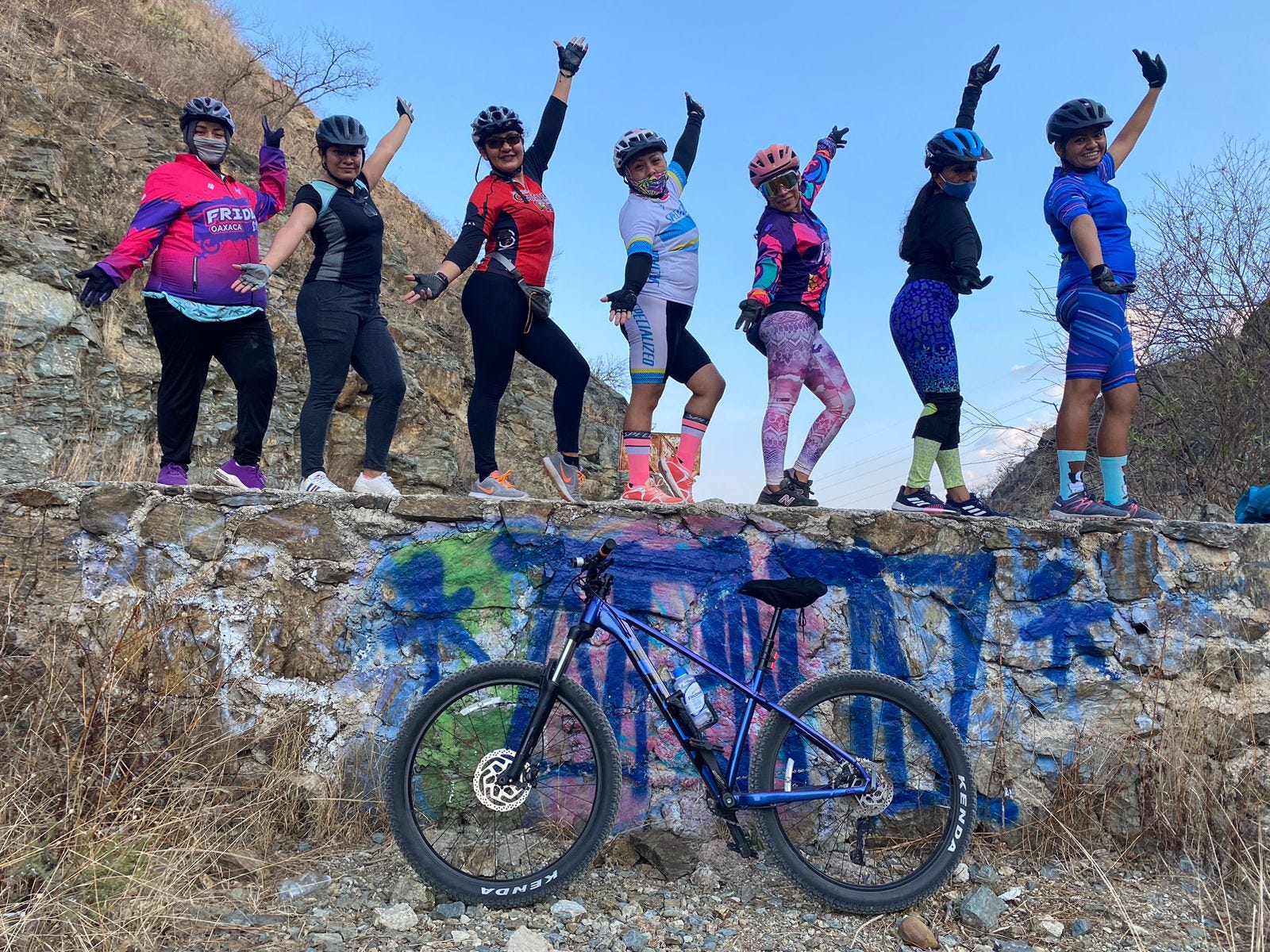
A women-led organization, a women’s club and a women-focused ride have different eligibility rules. The club’s own policy tells you whether a given ride is open to you.
Check whether the ride matches your pace and skills
Start with your own experience on similar terrain, then read the ride’s route description.
La Grange runs a women’s social road ride at 16 to 18 mph on flat terrain over 25 to 40 miles. It also expects you to know road cycling, ride comfortably clipped into your pedals and have some climbing experience. Other groups set their own requirements.
Compare the route with your riding experience
| Ride attribute | What to look for in the ride description |
|---|---|
| Discipline and surface | Road, gravel, MTB or mixed terrain |
| Pace | Published speed or pace range, in mph when available |
| Distance | Total route length in miles |
| Climbing and terrain | Hills, route profile and technical sections |
| Bike-handling requirements | Skills expected during the ride |
| Pace options | Separate groups, shorter routes or clinics |
Watch distance and terrain first. If you’re comfortable on a short, flat route, a much longer ride with climbing can be hard even when the pace sounds manageable.
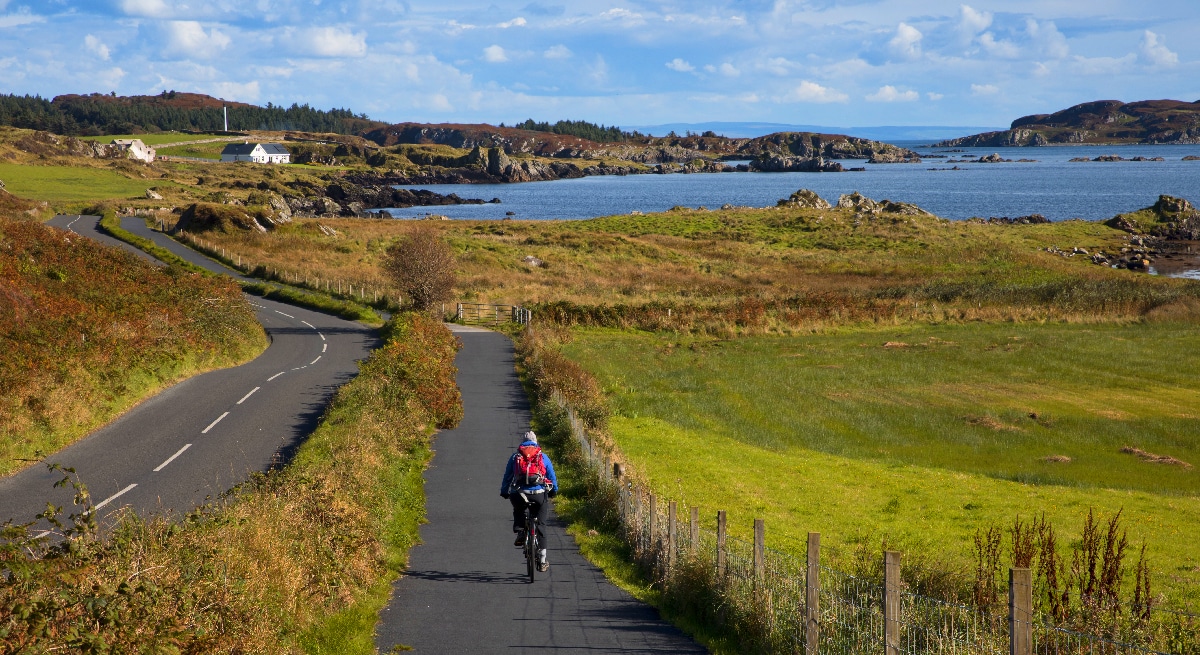
Finger Lakes Cycling Club splits its women’s road ride into A, B and C groups. A runs 15 mph or faster with the most climbing. B averages about 13 to 15 mph with moderate climbing, and C averages about 10 to 12 mph on shorter, less hilly rides. Another club may use the same letters for different speeds.
Mountain biking also tests handling. You can have strong cardio fitness and still lack the experience a trail expects.
What “no-drop” means on a group ride
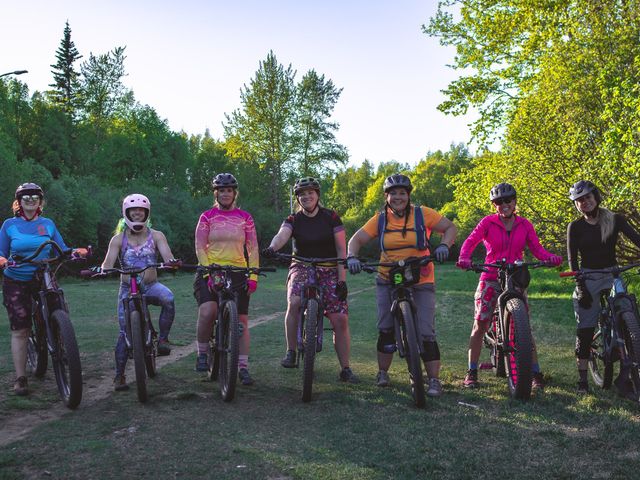
No-drop promises some support for riders who fall behind, but US clubs run it in different ways. The group might stay together, regroup at set points or use a sweep rider. The term alone doesn’t tell you which.
In r/ladycyclists, a rider who described joining a women’s no-drop ride wrote, "I thought the point of group rides was to ride TOGETHER as a group… right?" The rider expected the group to stay together. No-drop doesn’t always mean that.
Three ways clubs run no-drop
| Arrangement | What it means for you |
|---|---|
| Staying together | The group rides as a connected unit, and you stay near other riders. |
| Regrouping at specified points | Faster riders go ahead and wait at agreed locations, so the group spreads out between stops. |
| Sweep or ride-leader support | A designated person looks after riders toward the back. Help is available, though you may not stay close to the main group. |
Finger Lakes Cycling Club regroups at the tops of climbs and before major intersections. It warns riders who pick a group above their fitness level not to expect a regroup at every corner. Bike Like a Girl waits at intersections and adapts its speed to the group, with ride choices of approximately 25 and 40 miles.
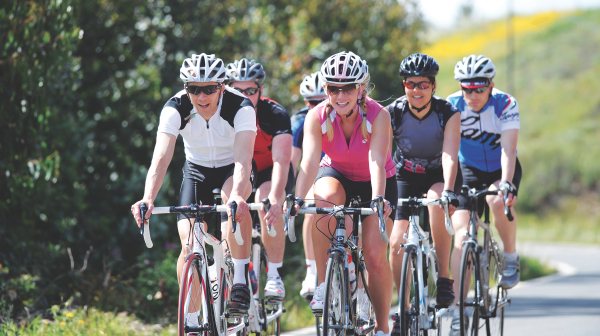
If you want to chat the whole ride, occasional regrouping will feel very different from riding together. If you’re fine being apart between stops, either arrangement works.
Five things to confirm before you join a ride
Trust the club’s latest ride announcement over an older listing, since routes, schedules, eligibility and registration change. If the announcement leaves something out, one short message to the club covers the rest.
-
Next ride. Ask where the club posts its next official announcement.
-
Route and requirements. Get the mileage, climbing, pace group, road or trail conditions, required handling skills and any equipment you need.
-
No-drop. Ask whether riders stay together, regroup at set points or have a sweep.
-
Joining. Find out whether you need to RSVP, sign a waiver, become a member, pay dues or contact a ride leader. Ask what the club requires of guests and whether the ride is open to new riders.
-
Meeting point and changes. Get the meeting location and the channel the club uses for cancellations and weather updates.
Crank Queens’ FAQ says group ride registration closes 24 hours before the event and requires riders to sign a waiver. Bike Like a Girl also lists a waiver in its ride information. The exact steps vary by club.
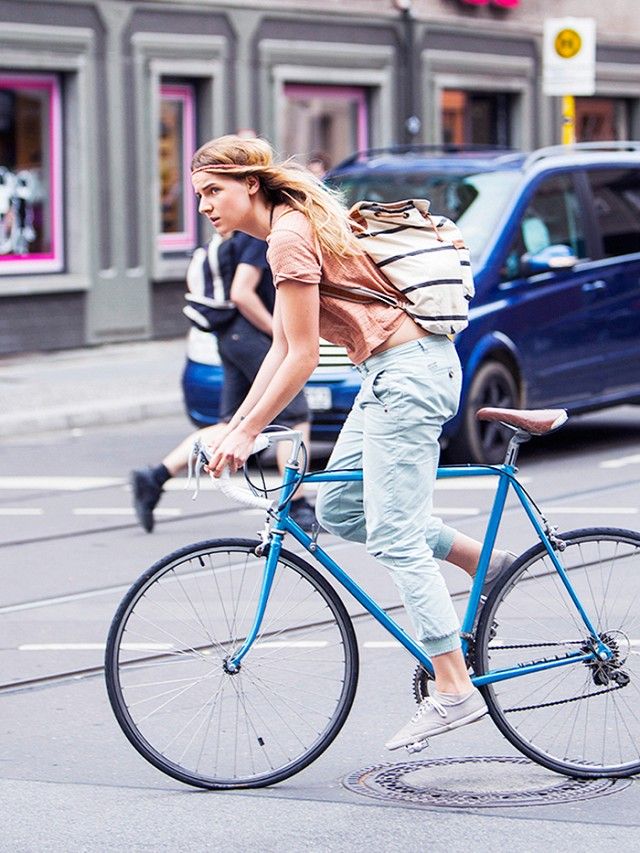
Make your first group ride a low-pressure trial
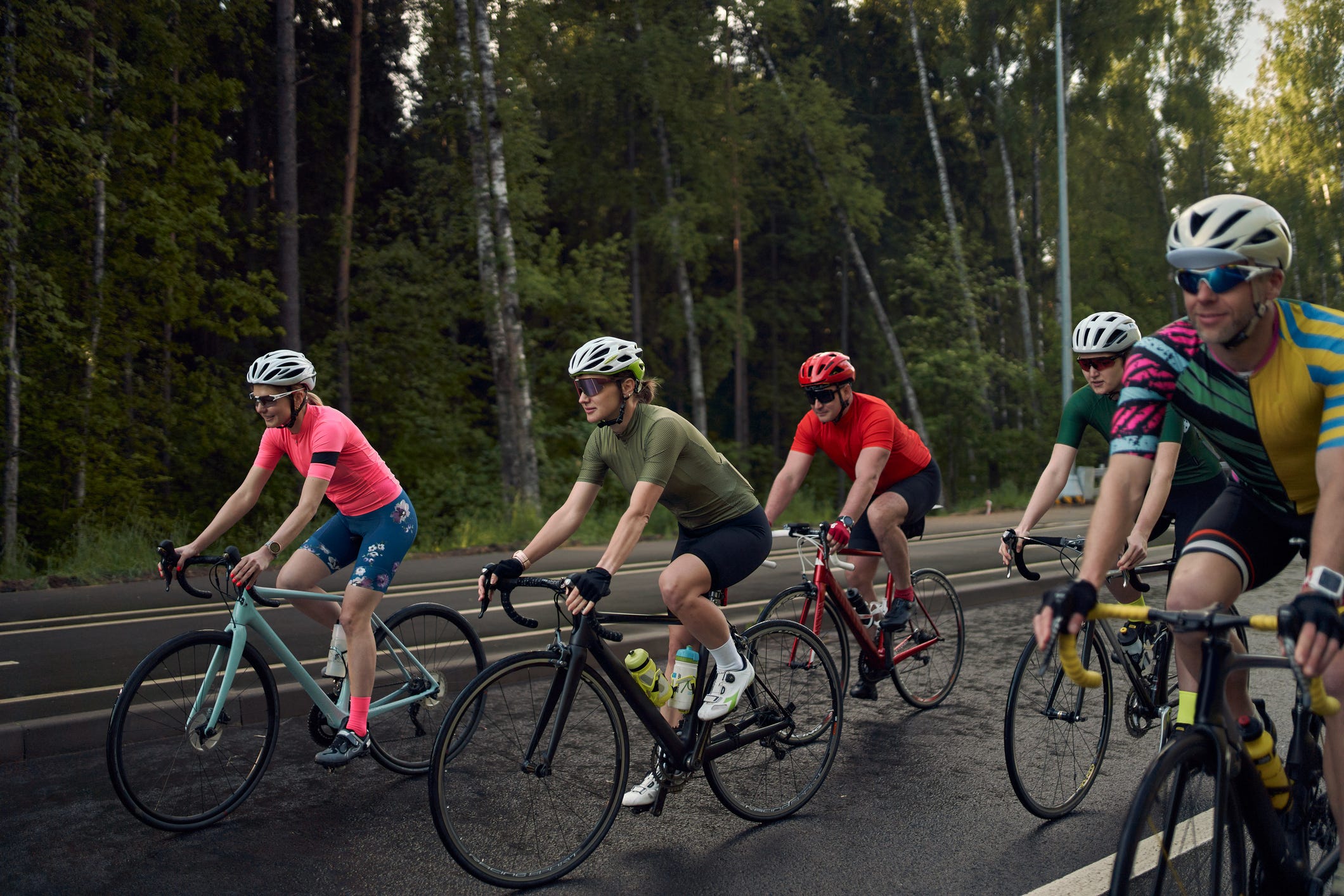
Treat your first group ride as a trial of one community, even if you’re comfortable riding alone. One rider said she was intimidated before her first women’s coffee ride and pleasantly surprised afterward. Pick a manageable ride or a skills clinic, then notice whether the pace, communication and social atmosphere suit you.
What to try when no nearby group is a good match
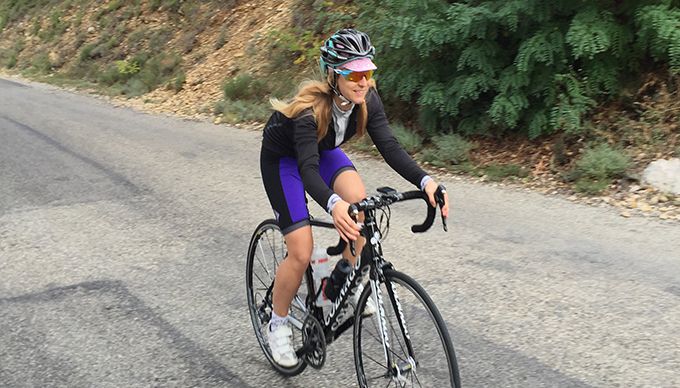
If a local group is too demanding, inactive or built around the wrong discipline, try one of these.
-
The local group rides too fast or expects skills you don’t have yet. Look for a slower or shorter format at the same club, or a skills clinic where instruction is the purpose.
-
The local listings are inactive or don’t lead to a ride. Try community discussions, online cycling groups or a different local cycling organization. Meetup’s women-cyclists topic area and discipline-focused chapters are two more places to look. Black Girls Do Bike publishes a chapter directory, and some locations are labeled "Searching for Leadership!" Those listings don’t name an upcoming ride, but they give you a way to meet cyclists.
-
You want an organized women’s ride that isn’t available in your area. Start your own ride or club. You’ll plan routes, send updates and keep track of who’s coming.
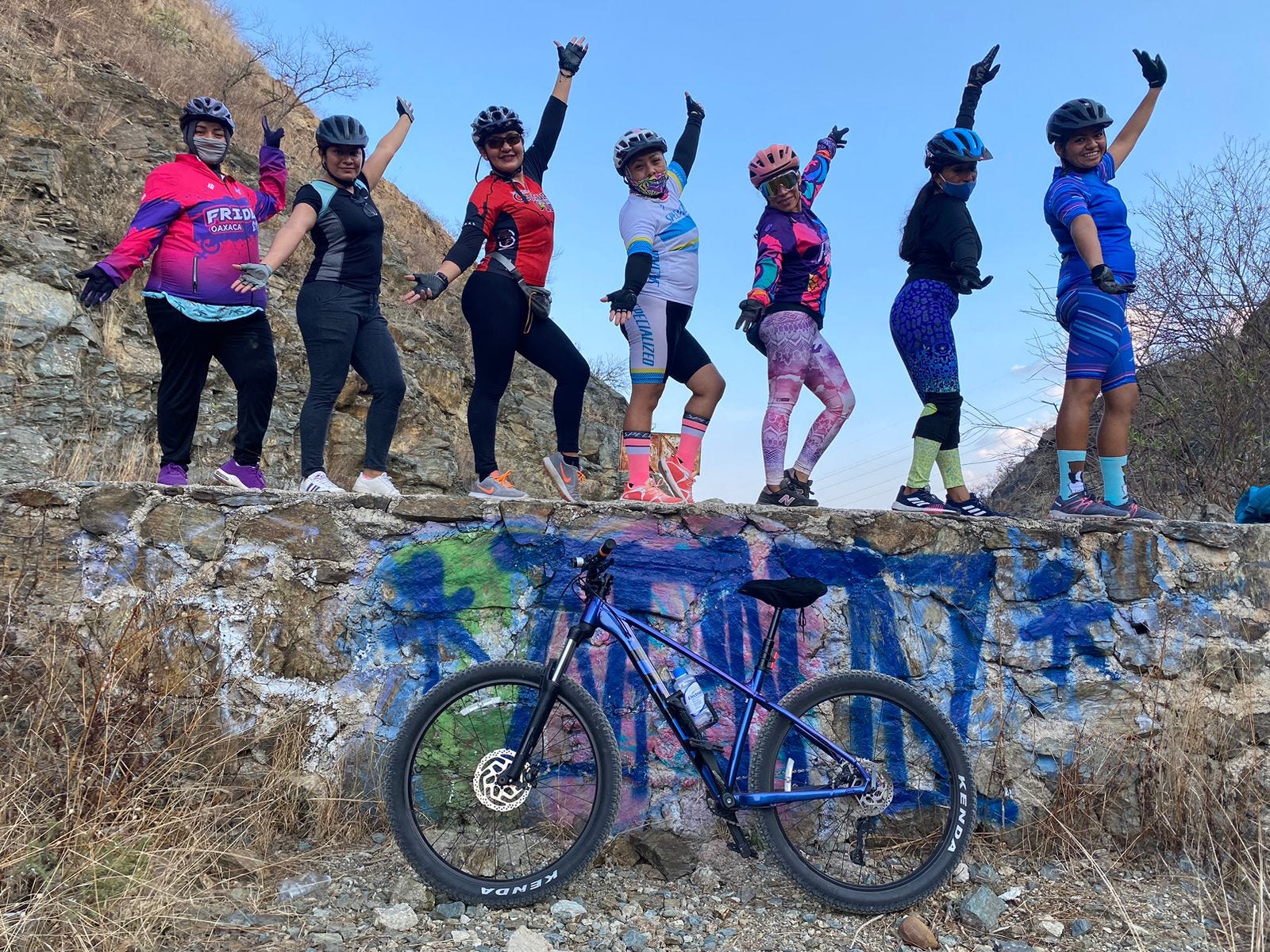
Traffic and weather put some people off cycling. A 2017 survey of 1,334 Baltimore City adults named traffic safety and weather among perceived barriers to bicycling. If city traffic puts you off, look for a group that rides somewhere with less traffic.