
On a group ride, hold a predictable line, leave room you can control, call out meaningful hazards, and follow the group’s agreed pace and formation. If the speed or spacing exceeds your skills, tell someone and leave that formation safely rather than forcing yourself to keep up. Before rolling out, ask the ride leader how the group signals, rotates, and regroups.
What group-ride etiquette asks of you
Group-ride etiquette starts with consistent movement. A change in your line or speed affects the riders beside and behind you. A cyclist who had completed a century said they could ride well solo but knew nothing about group rides. Riding well alone and riding well in a group are different skills. Formats differ, too. A relaxed social ride may have no paceline and no expectation that everyone takes a turn leading, while a structured club ride can have both. Find out which one you’re joining before you assume your usual habits will work.
Agree on the group’s signals and expectations before rolling out
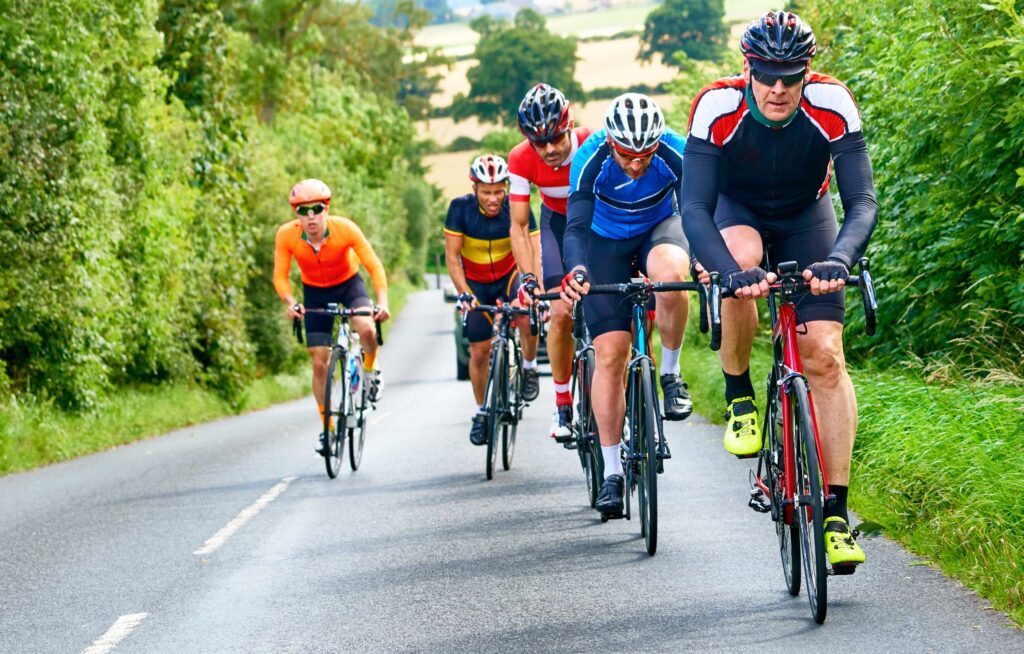
The best time to learn a group’s unwritten rules is while everyone is standing still. Introduce yourself to the ride leader, especially if it’s your first outing with that club. You can be an experienced cyclist and still not know a club’s signals or how it rides.
Cover four questions before you roll out:
- Signals: What calls and hand signals does this group use for road hazards, turns and stopping?
- Position: Where should you ride if you’re new to the group’s format?
- Rotations: Does the group take turns leading, and are newcomers expected to join in?
- Regrouping: Where will the group wait if riders get separated or someone has a problem?
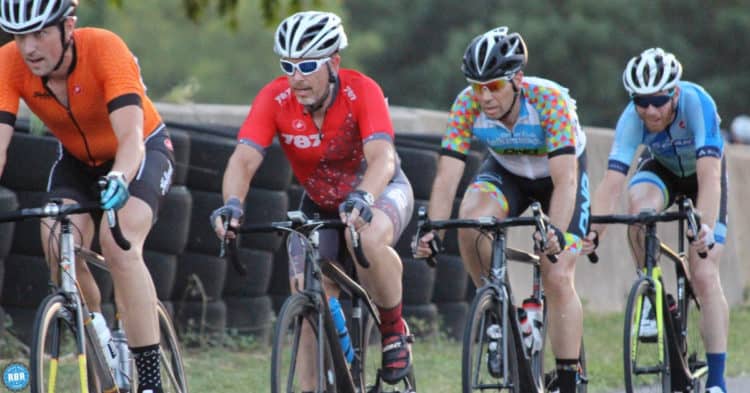
You can ask these in ordinary conversation. “I’ve ridden plenty on my own, but this is my first ride with your group. Where would you like me to start?” tells the leader what they need without a long explanation.
USA Cycling’s group-riding guidance recommends introducing yourself and learning what the ride expects. Its paceline guidance also says to ask permission before joining an existing line and to enter from the rear when invited.
Conventions can differ, even between rides from the same club. Whatever the leader tells you, traffic rules and your responsibility to control your bike still apply.
Hold your line and leave enough room around other wheels
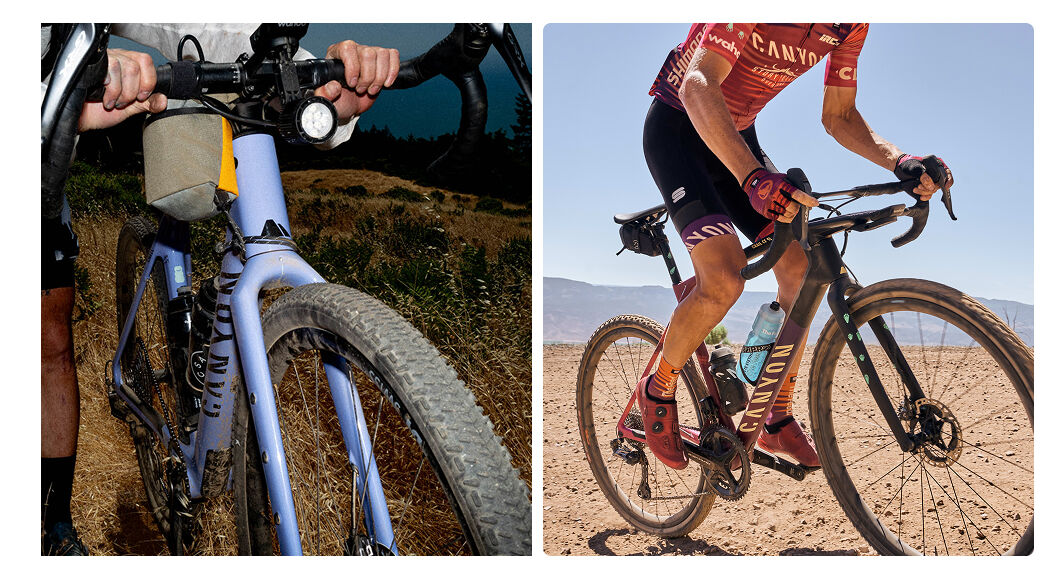
“Hold your line” means riding a consistent path. The rider behind you should know where your bike is going without guessing whether you’ll drift sideways.
The biggest positioning mistake is wheel overlap.
Imagine two cyclists riding in single file. The following cyclist moves slightly to one side, bringing their front wheel alongside the leading cyclist’s rear wheel. If the leader then shifts sideways, the two wheels can make contact. The follower has little room to correct.
Look farther up the road, through or beyond the riders ahead, so you see turns, obstacles and traffic coming. If you stare at the rear tire in front of you, you learn about them later.
If close drafting makes you uneasy, leave more room. No single following distance is safe for all riders, speeds, surfaces and visibility conditions. USA Cycling’s paceline instructions say to ride only as close as you feel comfortable and to avoid overlapping wheels.
Check your position with two cues: your front wheel stays behind the rear wheel ahead, and you can still see enough road to know what’s coming.
Holding a line has a limit. If a pothole, obstacle or other immediate danger blocks your path, react safely and call it out. Holding a line never means riding into a hazard.
Change speed and direction smoothly, and brake when necessary
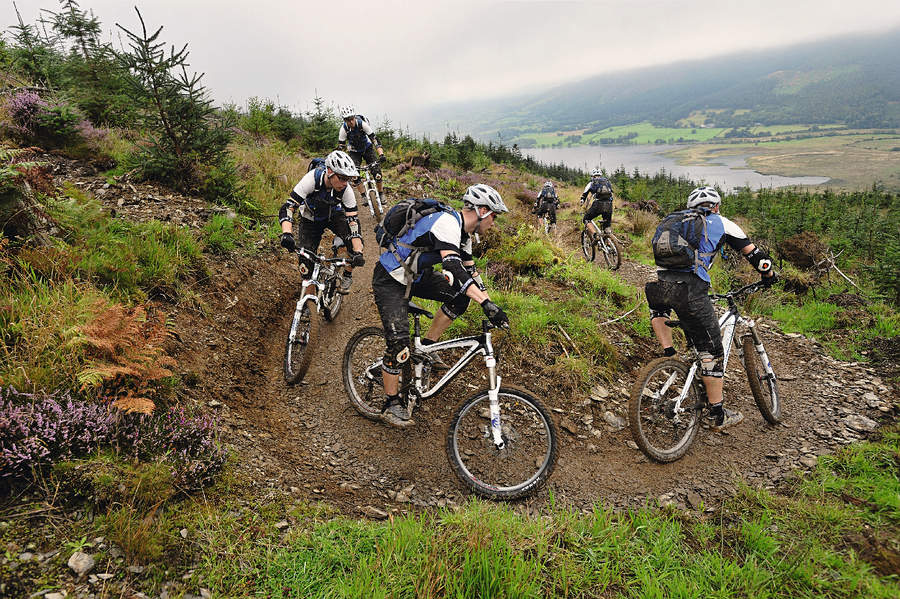
Small changes in a group travel backward through the riders behind you. If someone near the front slows sharply, the next rider reacts, then the next. By the time the change reaches the rear, an ordinary adjustment can become a pronounced slowdown. Cyclists call this the accordion effect.
For small speed differences, a gentle response keeps the group’s rhythm. Depending on the road and the space you have, ease your pedaling, sit a little more upright or brake lightly.
Watch the pace ahead as a bend approaches. When it eases, you can adjust early without swerving.
A vehicle suddenly entering your path is a different problem. Brake as hard as you need to. Avoiding a collision comes before keeping the group smooth, even if emergency braking disrupts everyone behind you.
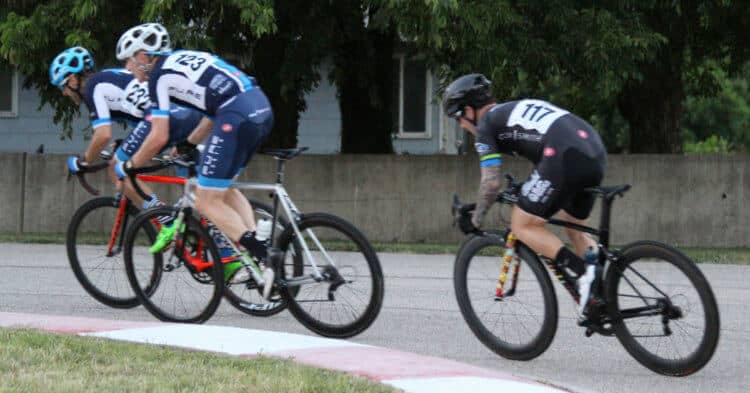
Standing out of the saddle creates another unexpected movement. As you rise, your bike can move backward for a moment relative to a rider following closely.
Call out hazards, turns, slowing and stops clearly
Riders near the front often see obstacles hidden from those behind. A pothole the leader sees can stay out of sight for someone several bikes back.
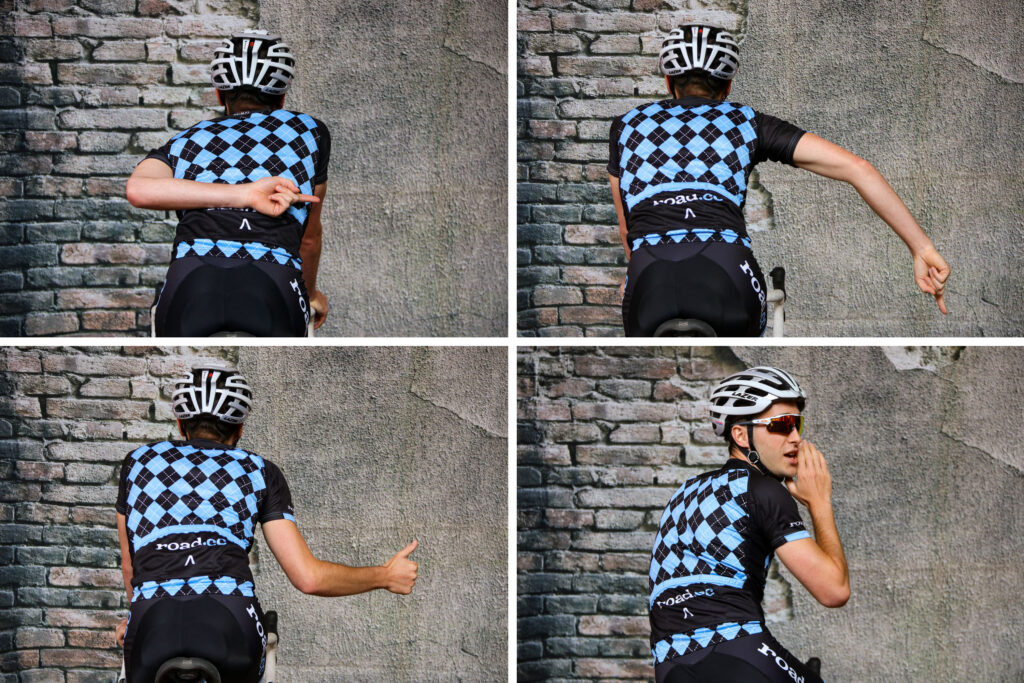
Calls and hand signals pass that information back through the group. Warn early enough to be useful, and skip the running commentary on every minor object beside the road.
Common calls and signals, including terms from the Women Who Cycle first-group-ride guide:
| Situation | Call or signal |
|---|---|
| Pothole or debris | “Pothole,” “stick,” or a point |
| Group slows | “Slowing” |
| Group stops | “Stopping” |
| Turn approaches | Voice or hand signal for left or right |
| Vehicle approaches from behind | “Car back” (some groups also use “car up”) |
| Mechanical problem | “Mechanical” |
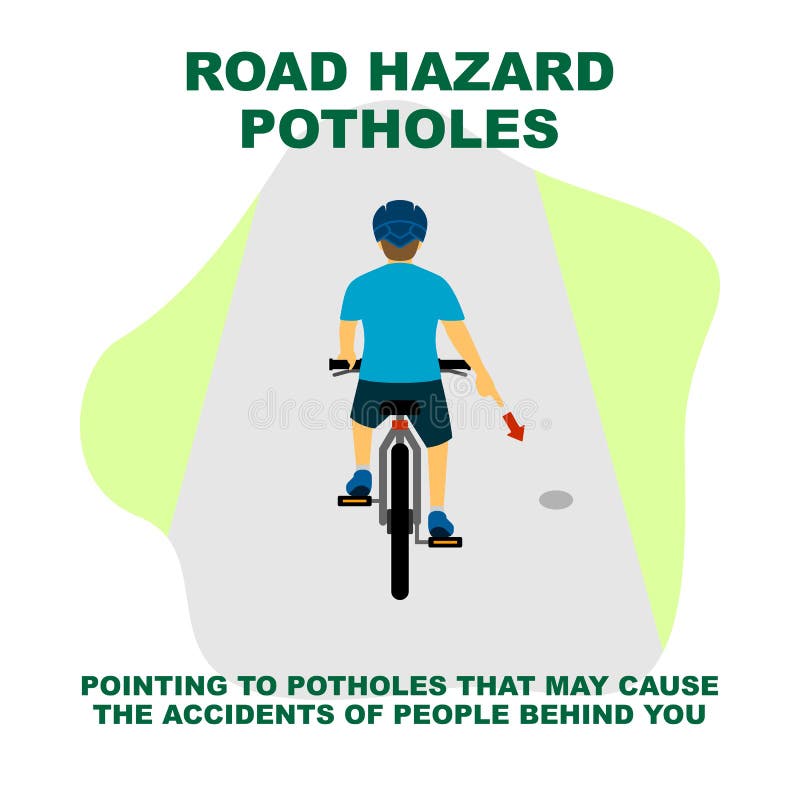
A call about a pothole helps only if it reaches the riders who can’t see it yet. Anyone farther back can pass it along.
A hand signal can show where an obstacle lies. When rough pavement or a sudden maneuver makes it unsafe to take a hand off the bars, keep control of the handlebars and use your voice.
For turns and lane changes, look and check the traffic before you move. Your signal tells others what you intend to do, and your own check tells you whether the space is clear.
Understand pulls, paceline rotations and half-wheeling
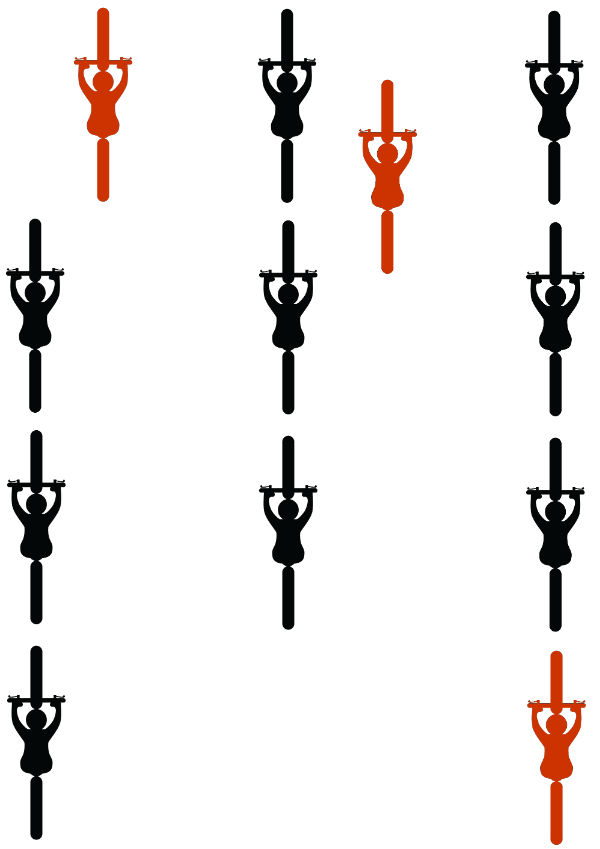
A paceline is an organized group formation in which riders travel in one or two lines and share time at the front. Riders behind get shelter from the wind, a process called drafting. The riders in front do more of the work of riding into the wind.
Taking a pull means spending a turn at the front, then rotating out so another rider leads.
A pull should hold the group’s pace
If a strong cyclist speeds up on every pull, the others have to answer one surge after another.
A stronger rider can spend longer at the front while holding the group’s pace, and someone who can’t sustain that work takes a shorter pull. If a pull is beyond you, sit out the rotation using the group’s procedure.
For a beginner in a structured paceline, the sequence is simple:
- Join a rotation you can handle. Take part only when the paceline and the handling it expects are within your ability.
- Lead steadily. Hold the pace through your whole turn.
- Rotate deliberately. Call out your move the way the group expects, then leave the line.
- Recover behind. When you reach the back of the rotation, move back into line without abrupt changes in speed or direction.
Groups rotate in different directions. Never move sideways into traffic or another rider’s path, even when the rotation calls for a move. Don’t use aerobars in a paceline either, because close riding takes handling skill and coordination that beginners are still learning.
Half-wheeling
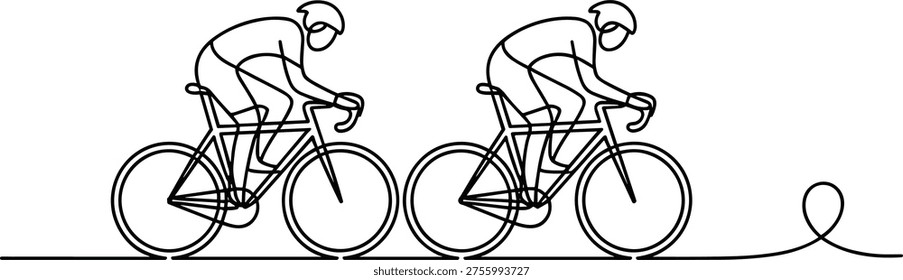
Half-wheeling happens when two cyclists ride side by side and one keeps edging slightly ahead. The other rider speeds up to draw level, often without noticing, and a comfortable paired ride becomes a gradual acceleration.
When you ride in a pair, stay level with your partner and don’t edge forward with every pedal stroke.
Handle hills and passing without surprising the group
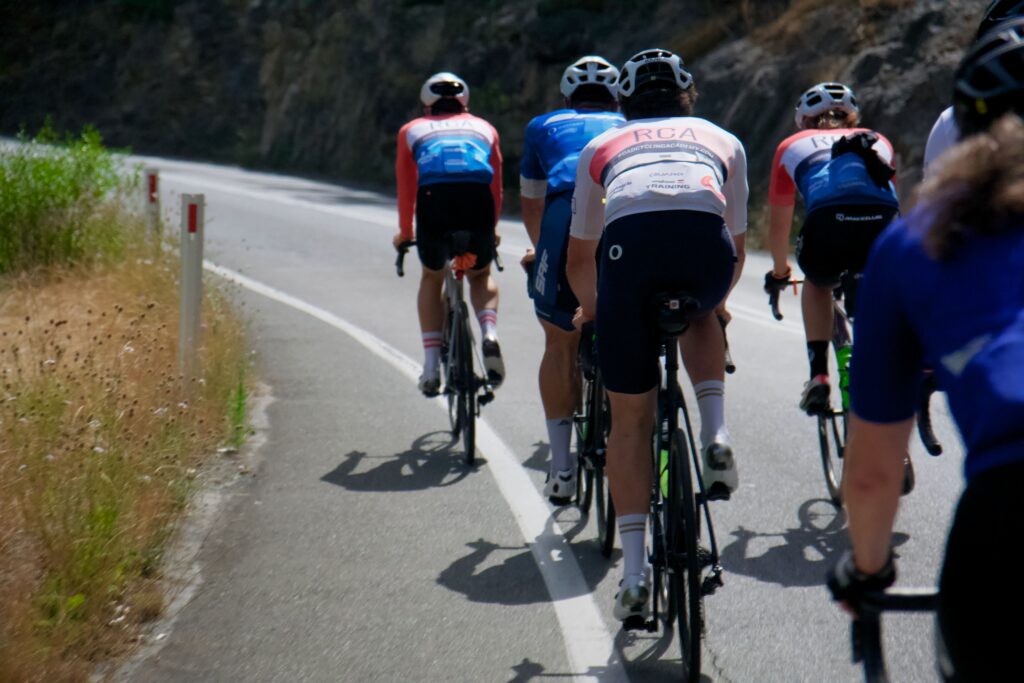
A burst of speed on a climb is fine when the group has agreed that riders can climb at their own pace and meet at the top. SHAPE International Cycling Club’s published ride guidance gives an example: its captain can designate individual hill efforts with a regroup at the top. During a coordinated social section, the same burst forces others to decide between following and becoming separated.
Passing works the same way. To move ahead of another cyclist, you need enough space, awareness of other riders and traffic, and a predictable maneuver. On a narrow road with no safe room to pass, stay where you are until there is.
Follow traffic controls when the group splits
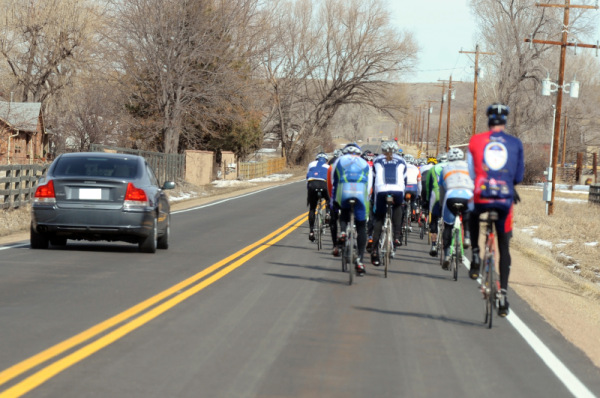
The front of a group can clear a green light while riders farther back arrive after the signal changes.
If the light turns red before you get there, stop. You’re responsible for watching the road and obeying traffic controls, whatever the cyclists ahead did.
The League of American Bicyclists’ Rules of the Road stress predictability, following traffic rules and thinking ahead, and those apply in a group even after several riders have gone through.
Once the group splits, head for the regroup point set before the ride, or wait for the leader’s call. That reconnects everyone without anyone racing through an intersection.
A rider describing an advertised no-drop women’s group had expected the group to ride together.
A no-drop ride can keep cyclists close together, or it can use a sweep rider and designated regroup points. The organizer decides which. A sweep rider helps manage the riders toward the rear.
At a regroup, wait for the call to restart.
Speak up if you can’t hold the pace or need to leave
An experienced gravel and cross-country rider wrote on r/ladycyclists, “I was super nervous riding close to so many strangers, couldn’t keep pace, kept falling off and having to chase.”
Chasing back after you lose contact makes it harder to control your bike among other riders.
| Situation | What to do |
|---|---|
| Gradually losing contact | Tell a nearby rider. Don’t make a sudden chase. |
| Flat tire or mechanical problem | Call it out, then move yourself and your bike clear of traffic. |
| Need to leave early | Tell the leader before you go. |
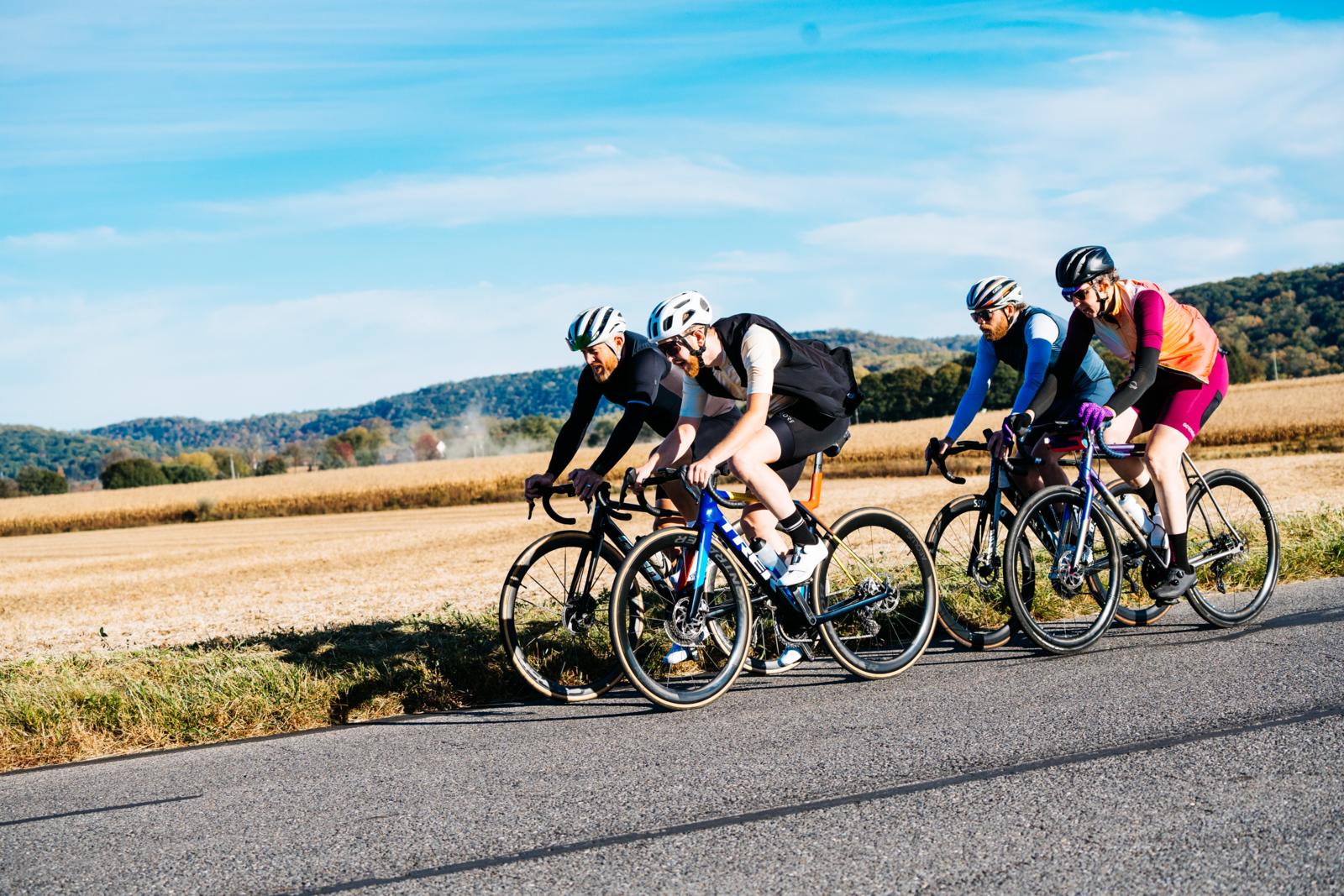
If the pace or riding style is consistently more than you can control comfortably, switch to a different pace group or a social format.