If you can start, steer, and stop a bike reliably, begin with a bike you can control, a basic mechanical check, a quiet route you can reach, and an easy first ride. If your handling skills or route access aren’t ready, practice in a controlled setting or get instruction before riding in traffic.
You might be going back to the bike you loved as a child, learning to handle a road bike after years on city bikes, or balancing on two wheels for the first time. Each needs a different start.
Start with the kind of beginner you are
| Your starting point | What you can do | Where to begin |
|---|---|---|
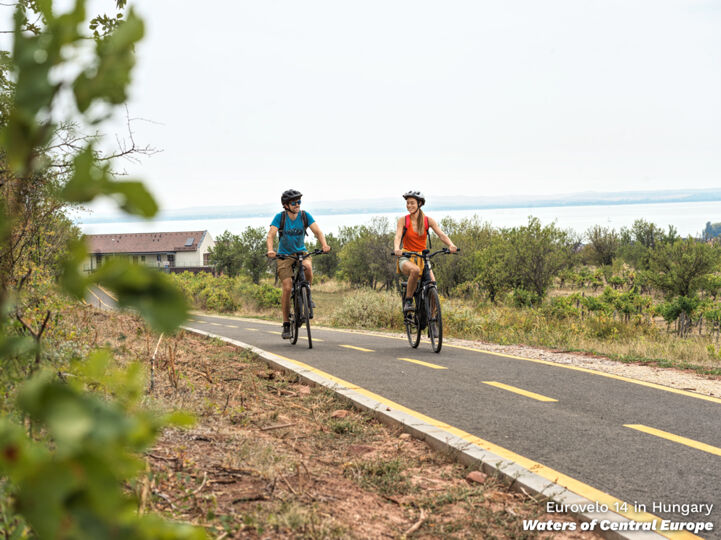
| You can already ride | Start, steer, brake, and stop reliably | Prepare your bike and pick an easy first ride |
| You’re returning or riding an unfamiliar bike | Remember pedaling, but feel uncertain about some movements or controls | Refresh your skills in a quiet area |
| You haven’t learned to ride | Balance, starting, or stopping is still unreliable | Use focused adult riding instruction or supervised practice |
If you’re in the third group, REI’s guide to learning to ride as an adult covers preparation and basic balance exercises.
A familiar motion feels different on a bike with unfamiliar brakes, multiple gears, or a new riding position. If you run regularly or enjoy indoor cycling, expect to need some time with outdoor steering and stopping.
Start with a bike you can control
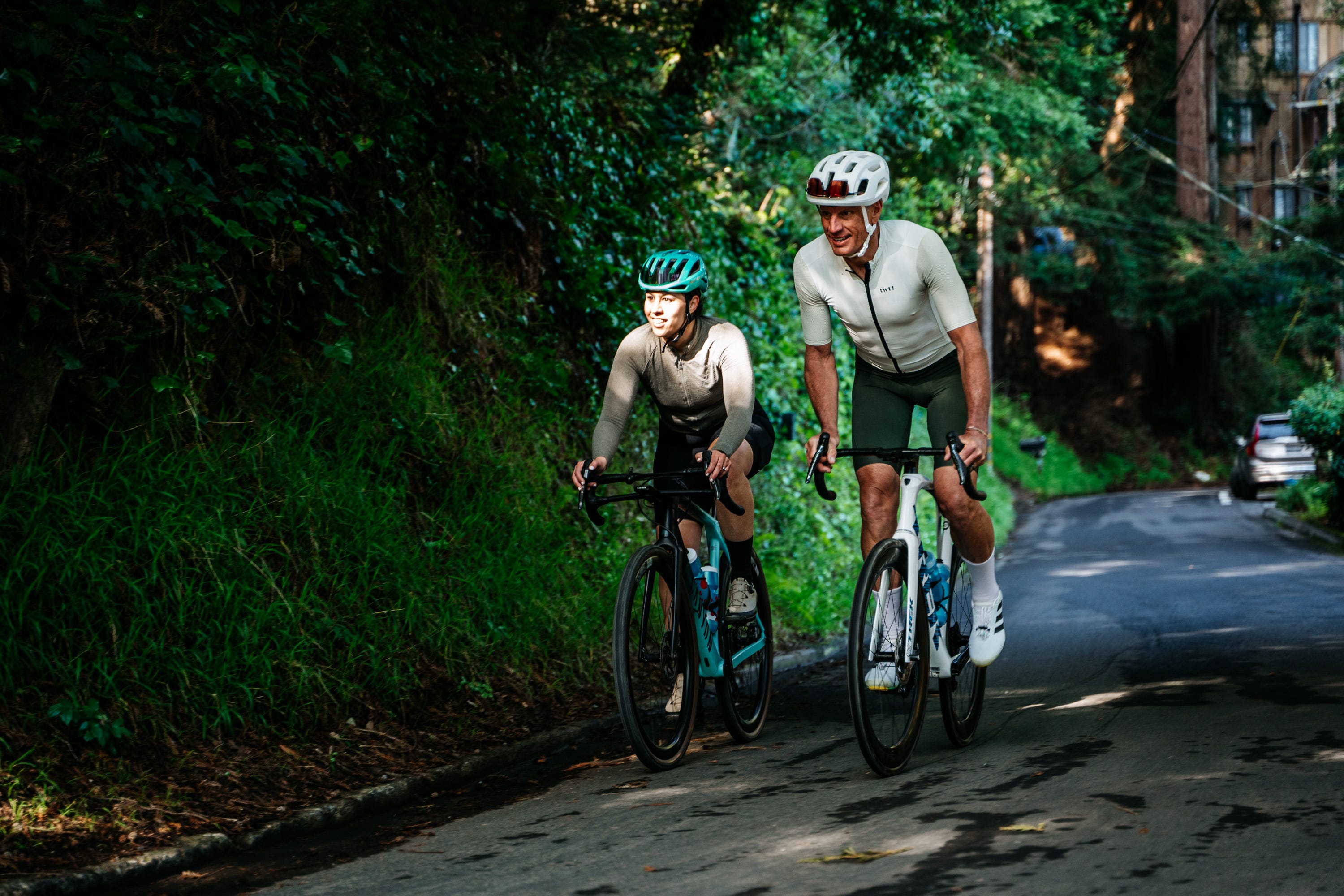
A bike you own, borrow, rent, or buy secondhand works for a first ride if it suits the route and you can operate its brakes and gears comfortably.
Hybrid bikes suit everyday paved riding, road bikes suit paved distance riding, and gravel bikes suit mixed surfaces. Whatever the label, the bike in front of you has to feel easy to handle.
- Brake reach: Your fingers can operate the levers without stretching awkwardly from the grips or handlebar.
- Riding position: You can reach the handlebar and steer without straining.
- Mounting and stopping: You can get on, stop, and put a foot down without struggling with the frame or saddle position.
Not knowing bikes can make buying one feel intimidating. One prospective buyer, 5 feet 1 inch tall, said she knew absolutely nothing about them.
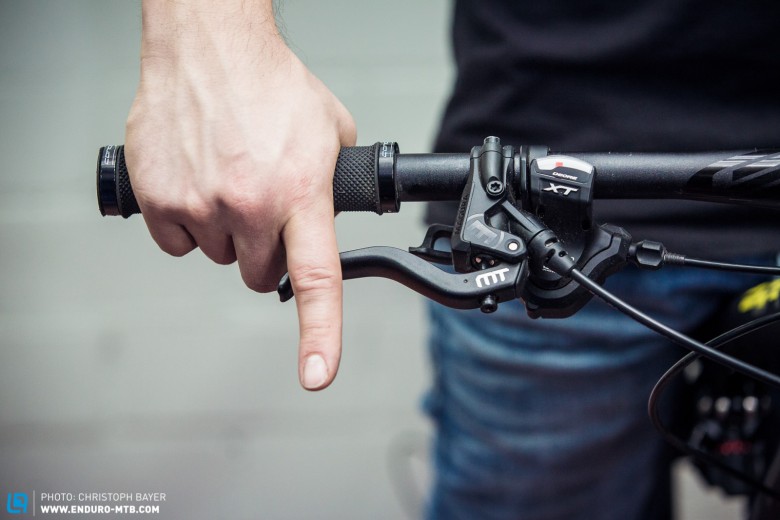
If you can’t reach both brake levers, or a particular frame doesn’t let you stop securely, try a different setup. A bike shop can settle these fit questions before you ride.
Give the bike an ABC Quick Check
Before you ride, run the League of American Bicyclists’ ABC Quick Check. It covers the main components a beginner can inspect.
| Step | What to do |
|---|---|
| A: Air | Check tire inflation and visible tire condition. Correct either one using the information for your tires. |
| B: Brakes | Check brake response and visible pad wear. |
| C: Chain and cranks | Check chain condition and make sure the cranks are secure. Look into anything loose or damaged. |
| Quick release | Make sure the wheel-retention components are secured. Not every wheel has a quick-release lever, so use your bike’s own mechanism. |
| Check | Finish with a short, slow functional test after the other checks. |
Do not ride with defective brakes, insecure wheels, or another serious mechanical fault. Get it fixed first.
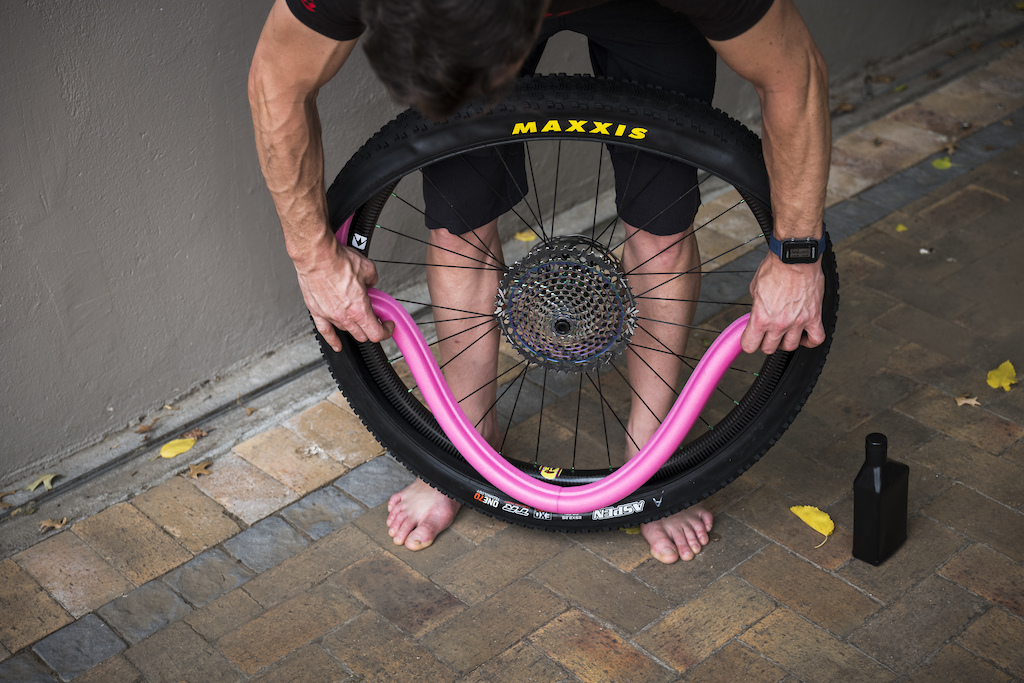
In its September 2026 beginner guide, Women’s Health recommends a bike-shop check for a bicycle that has been unused for more than a year. That helps most when you don’t know its maintenance history.
Bring what your first ride needs
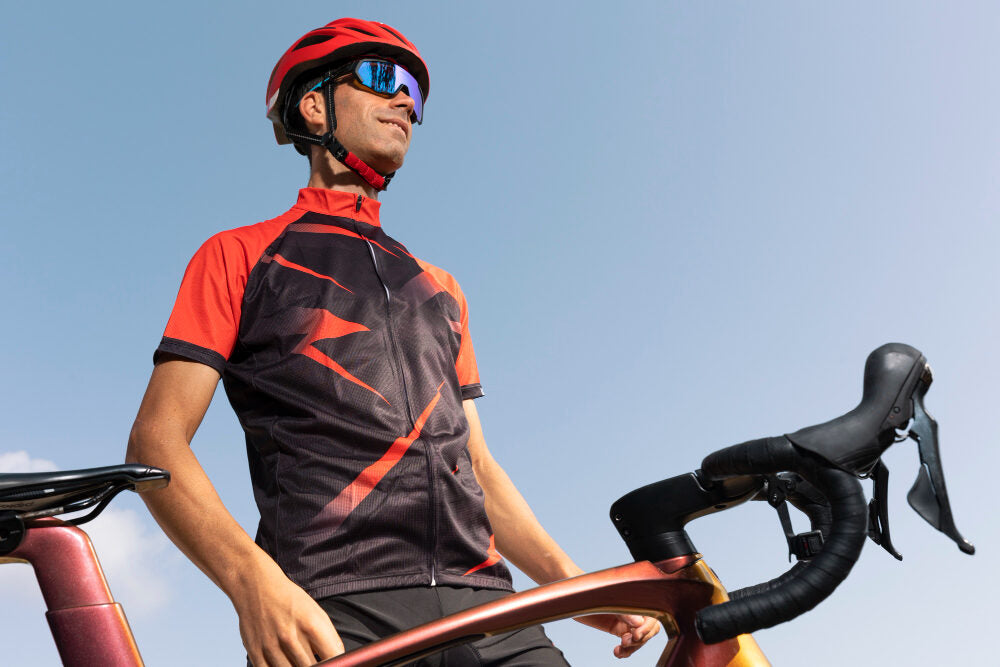
Daylight, weather, distance, and how far you’ll be from help decide what goes in your bag or pockets.
- For a simple first ride: A helmet, clothing that lets you move and stays clear of moving parts, water for the conditions, and a way to contact help or get home.
- When conditions call for more: Lights or other visibility equipment, layers for the weather, identification, a payment option, extra water, and a flat-repair or inflation solution for a longer or less supported ride.
- Consider later: Padded cycling shorts, jerseys, a bike computer, dedicated cycling shoes, special pedals, and training sensors, once you find a specific use for them.
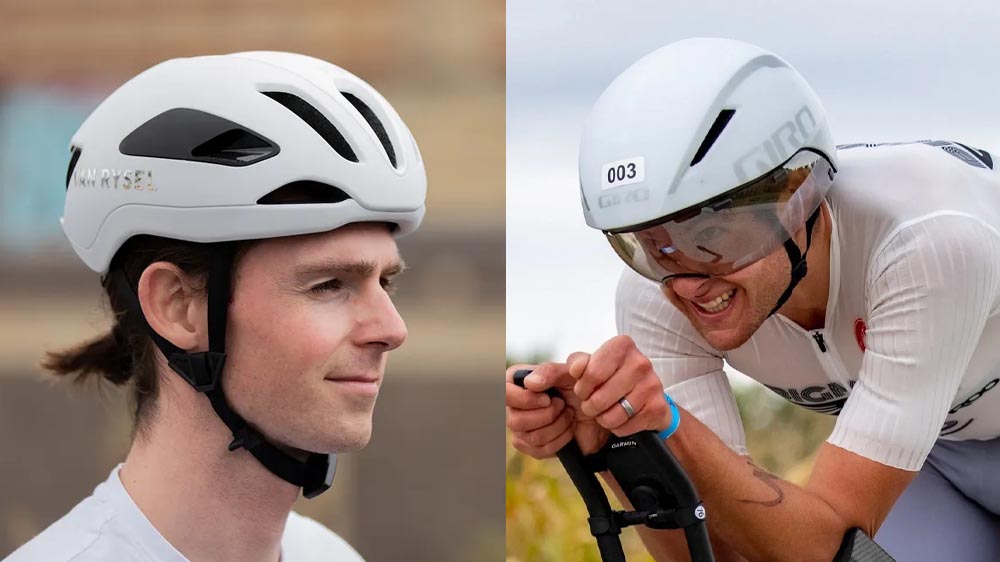
Wear a helmet that fits securely. For a bicycle helmet sold in the United States, look for the certification label stating compliance with the Consumer Product Safety Commission’s bicycle helmet standard, 16 CFR Part 1203. This is a federal product standard, while legal requirements for adults to wear helmets vary by jurisdiction.
Choose a first route you can reach safely
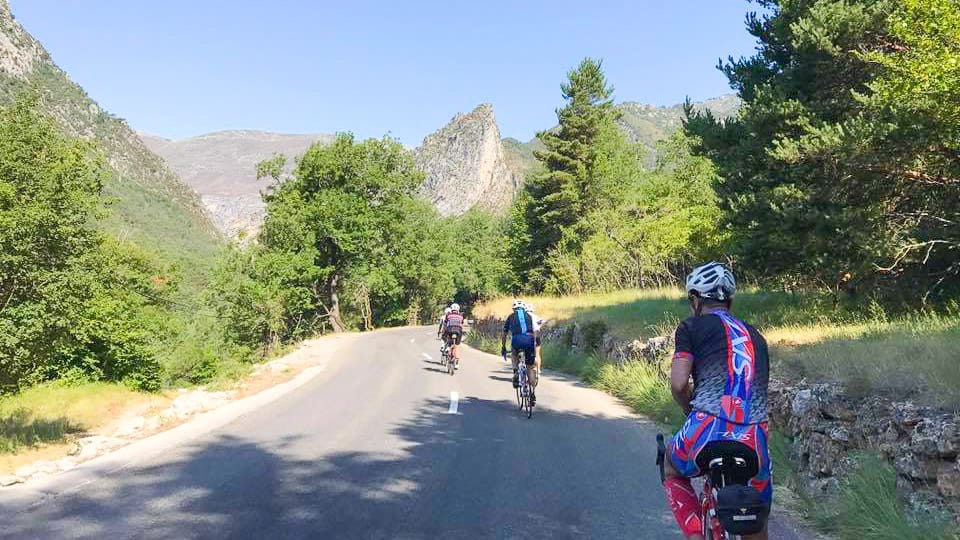
A good beginner route includes the trip to its starting point. A quiet trail is a poor first choice if reaching it means a busy road or a crossing beyond your ability.
The National Highway Traffic Safety Administration recommends choosing routes that fit your ability and practicing skills away from heavy traffic.
- Traffic and crossings: Vehicles and other path users are easy to deal with. Change plans if fast traffic or complex intersections feel like too much.
- Surface and hills: The ground is predictable and the slopes are gentle. Change plans if loose or steep ground demands skills you haven’t practiced.
- Visibility and weather: You can see clearly and handle the conditions. Change plans if poor light or bad weather makes riding hard.
- Turnaround: You have a simple way to shorten the ride or turn back. Change plans if the route commits you to difficult terrain or a difficult trip home.
To scout an unfamiliar route, use local transportation-department information, cycling clubs, and a knowledgeable bike shop to find good paths and access points. REI recommends these local resources in its beginner route guidance.
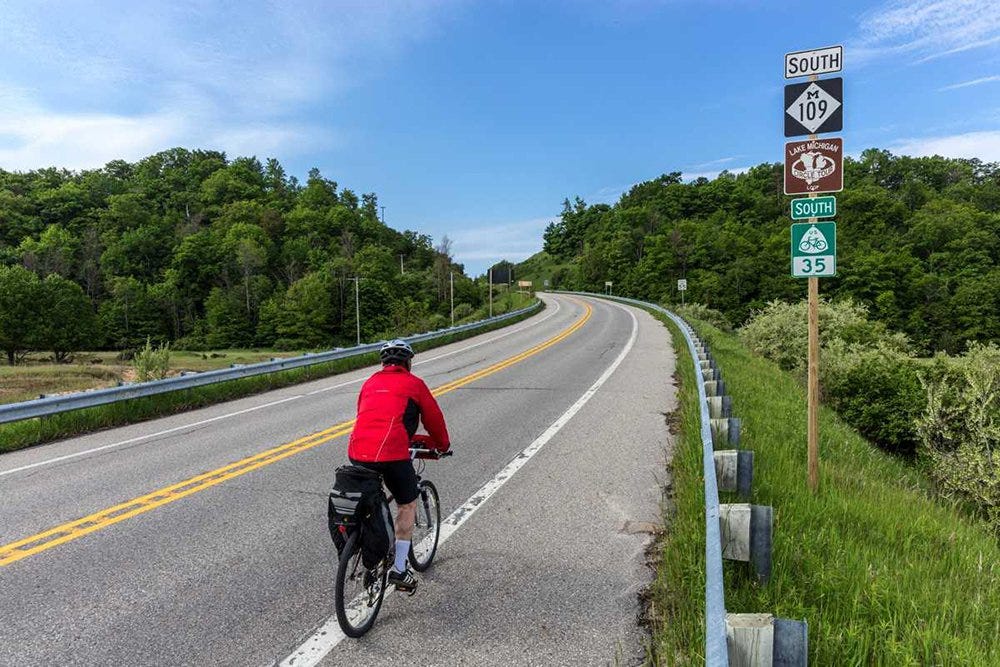
Reaching a trail can mean transporting the bike to a better entrance. On a shared-use path, you also share the space with pedestrians and other cyclists.
A short route with a steep hill or a complex intersection can be harder than a longer, easier loop.
Practice the controls before adding distance
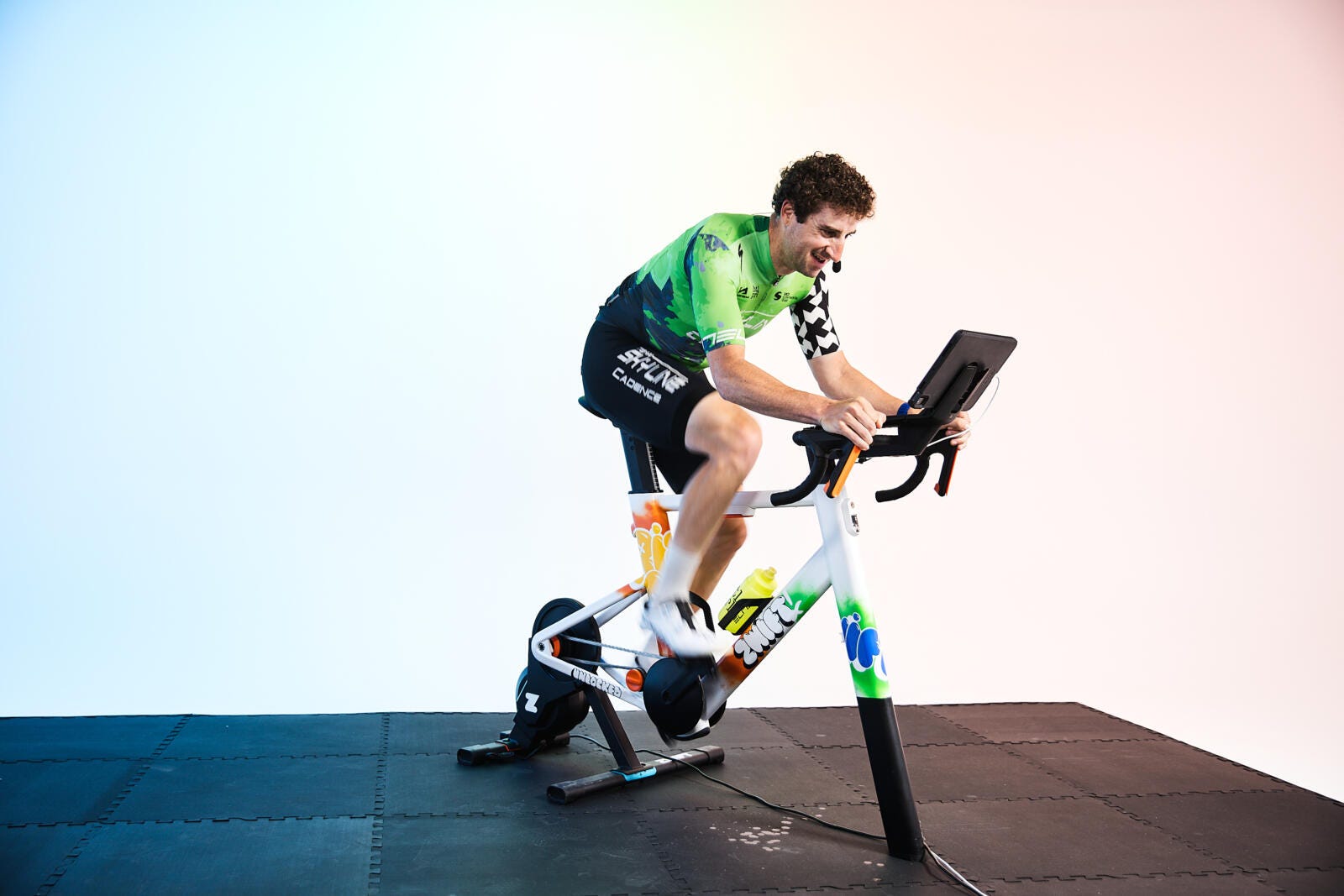
In a quiet, controlled space, practice the movements you use on every ride. The League of American Bicyclists teaches starting, stopping, and shifting as fundamental riding skills.
- Start: Move off smoothly and settle into balanced pedaling.
- Stop: Brake deliberately, come to a full stop, and put a foot down securely.
- Steer: Ride straight and make turns with enough room.
- Shift: Move to an easier gear when pedaling feels too hard, and do it before a climb.
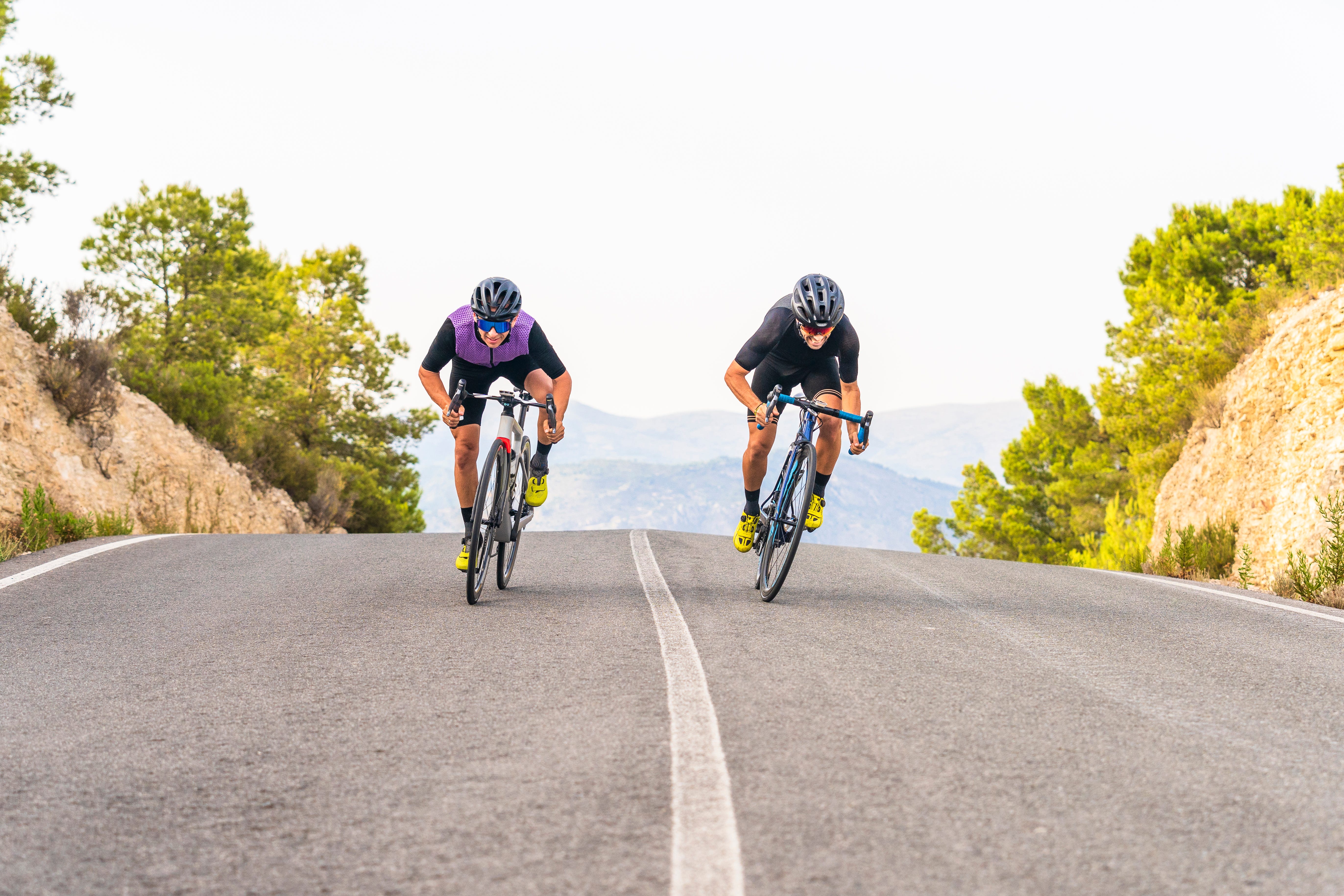
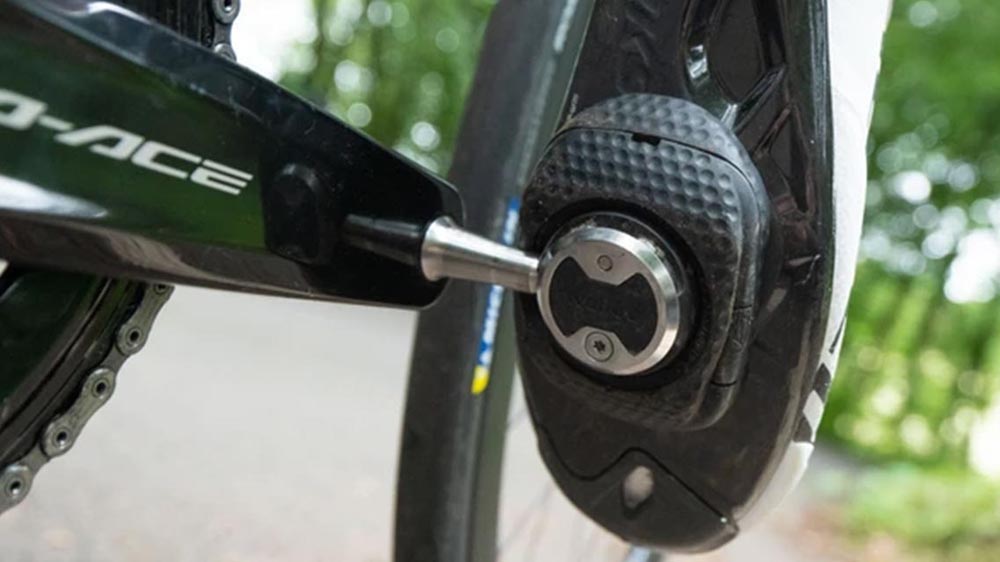
Flat pedals let you take your feet off freely. Clipless pedals, despite their confusing name, fasten compatible cycling shoes to the pedals and require a practiced release movement.
A rider discussing a switch to “clips” wrote in r/ladycyclists: “Then swapped the pedals for clips, and my anxiety skyrocketed.” Stay on flat pedals while you build confidence with an unfamiliar setup.
The test is whether you can do all four the same way every time.
Make your first ride easy enough to want another
Once the basic preparation and skills are in place, choose a short loop or session you can comfortably end early. Even brief practice counts as a first ride.
Women’s Health describes 6 to 12 miles as one beginner-route example. A runner writing in r/ladycyclists said, “My first ride I was feeling a bit ambitious and decided to go for a 20 miler… for my first ever ride…”
Neither distance is a target, because terrain, handling, and comfort change what a good first ride looks like. Keep the effort comfortable, and end the ride if control, discomfort, weather, or the route makes continuing unwise.
Make your second ride solve one problem from the first
After a ride, pick the one thing that most affected how it went.
| What you noticed | Next step |
|---|---|
| The ride felt comfortable and steady | Repeat it or make one small change |
| The bike felt hard to handle or developed a fault | Get fitting or mechanical help |
| Traffic, terrain, or route access felt too demanding | Choose an easier setting or starting location |
| The effort was excessive | Plan a shorter or easier next ride |
| The ride went well and you want a new challenge | Explore beginner training, group rides that fit your pace, or a specific bike guide |
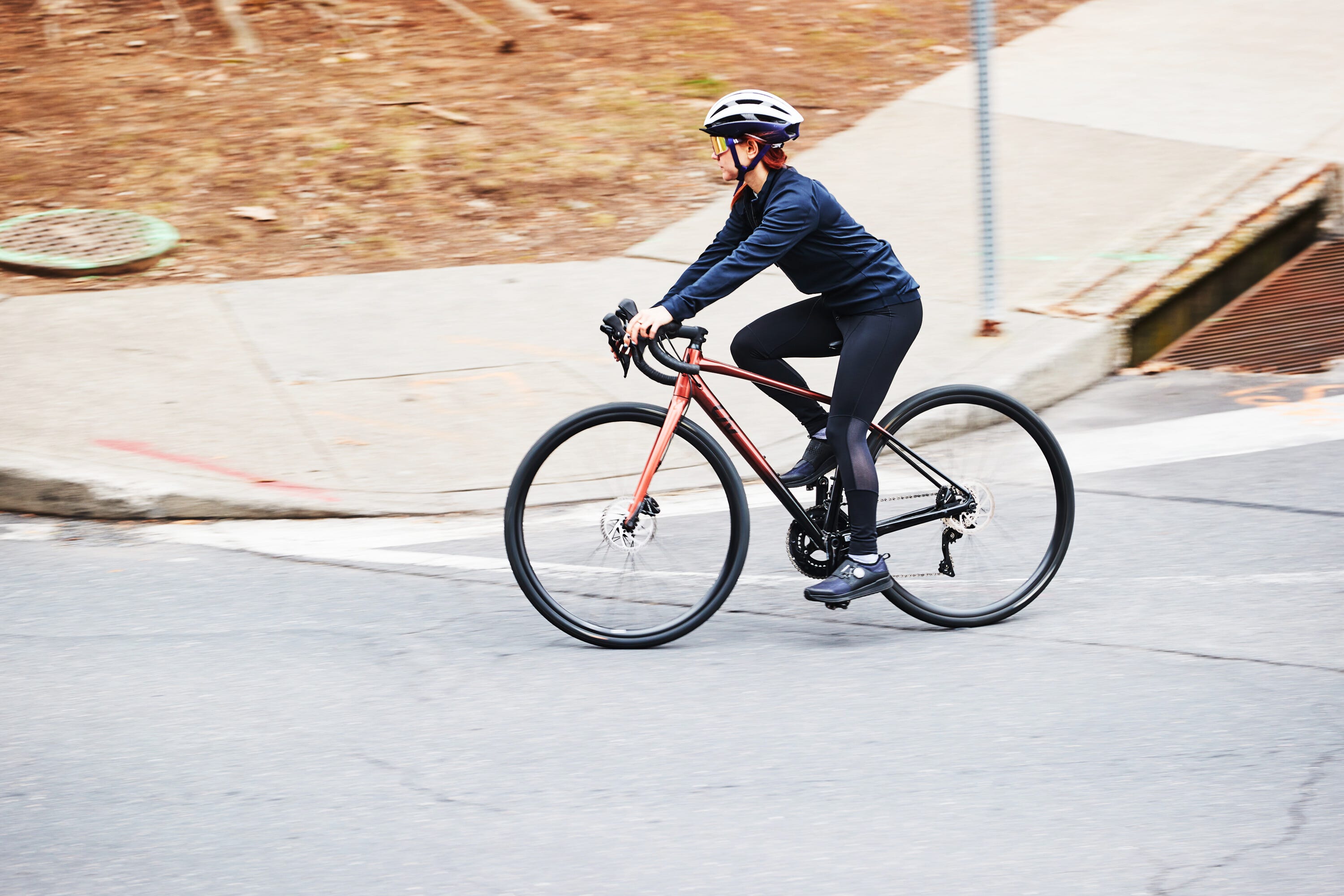
If you want to ride with others, ask about the group’s expected pace and whether it runs a no-drop ride, where the group waits or regroups for riders who fall behind. Structured training is a separate option once improving endurance becomes your goal.