You’re ready for your first bike ride when the bike passes its basic safety checks, you can start and stop reliably, and your route, conditions and supplies are manageable. Fix anything that needs attention before you leave. If a safety problem remains, postpone the ride until you fix it.
Keep this checklist on your phone or print it for the next time you roll your bike out the door. On r/cycling, a rider wrote, “Since then I have a preride checklist stuck to my door that I physically check before leaving.”
| Check | What needs to be ready |
|---|---|
| ☐ Bike | Tires, wheels, brakes, steering and drivetrain |
| ☐ Handling | Controlled starting, turning and stopping |
| ☐ Route | Manageable roads, terrain and return |
| ☐ Conditions | Suitable weather, daylight and visibility |
| ☐ Helmet and clothing | Secure helmet, suitable shoes, no loose fabric |
| ☐ Essentials | Filled water bottle, charged phone and a way home |
| ☐ Decision | Go, adjust first or postpone |
Check the bike: tires, wheels, brakes and controls
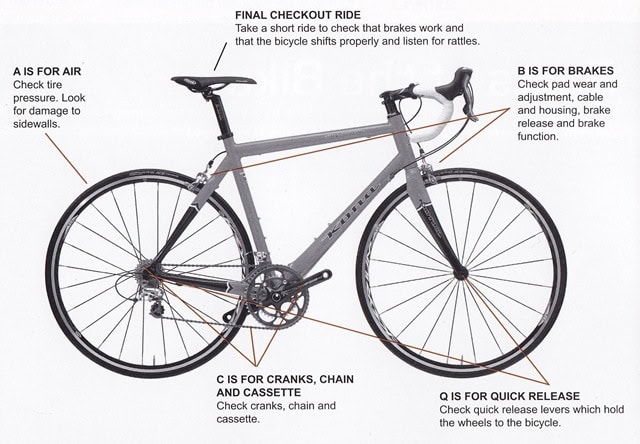
The League of American Bicyclists teaches an ABC Quick Check: Air, Brakes, Chain and Cranks, Quick Release, and a final check ride. Do the stationary parts first, then test how the bike handles.
For a repeatable inspection, use Check your bike before heading out as a separate pre-ride routine.
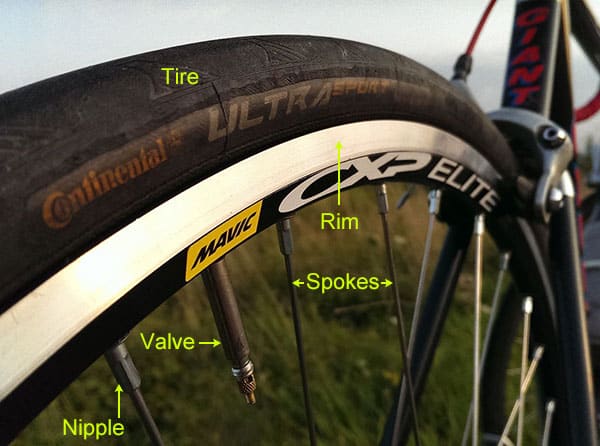
- Tires: Look at both tires for cuts, cracks, embedded debris, exposed casing or uneven seating against the rim. Check inflation with a gauge against the recommendations and limits for your tire and wheel system. The maximum pressure printed on the tire is not automatically the right pressure for your ride.
- Wheels: Make sure each wheel is attached securely and spins evenly. Your bike has a quick-release lever, a thru-axle or axle nuts. Find out which, and follow its instructions. Forcing an unfamiliar fastener tighter creates a new problem.
- Brakes: Stand beside the bike, apply one brake and try to push the bike forward by hand. Repeat with the other brake. Each should resist the push, and the lever should not pull all the way to the handlebar. Then release the levers, spin each wheel and watch for rubbing or drag. If it persists, have the brakes assessed before you ride. This is part of the pre-ride inspection described by USA Cycling.
- Handlebars and saddle: Check that the handlebars, stem and saddle stay secure under normal handling. You should reach the brake levers and use the controls without strain.
- Chain and cranks: Look for damage, heavy corrosion and loose parts. The drivetrain should run without a mechanical fault.
Stop for a mechanical fault. Do not ride with ineffective brakes, an unsecured wheel, loose steering or a visibly unsafe tire. If you can’t tell whether a part is safe, have a bike shop or mechanic inspect it before you ride. USA Cycling’s quick-check frequency assumes a maintained bike that you ride regularly. A rented, newly purchased or borrowed bike, or one out of long storage with an uncertain maintenance history, needs a more thorough first-use inspection. If you can’t do one confidently, ask a shop to help.
Test your balance, steering and stopping somewhere quiet
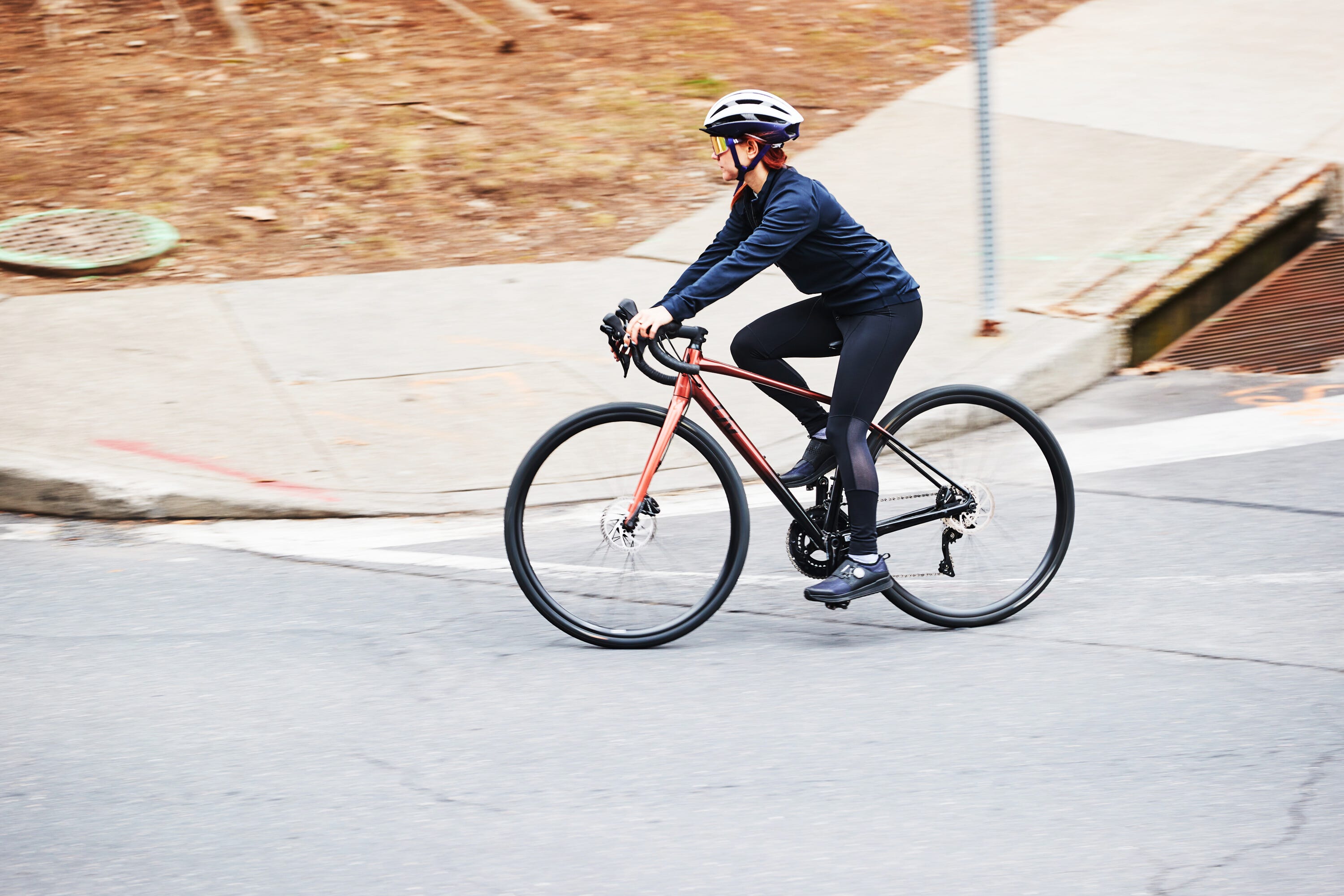
Find a quiet place where you can ride. Start moving, pedal straight and steer through a gentle turn. Brake gradually, stop and put a foot down. If the bike has gears, try an easy shift and check that you can reach the controls.
One adult returning to cycling struggled to be in the right gear the whole time. Get comfortable with the gears here before you need them on the road.
If steering or stopping still feels unpredictable, keep the ride to quiet practice until you control the bike reliably.
Choose a first route you can comfortably finish
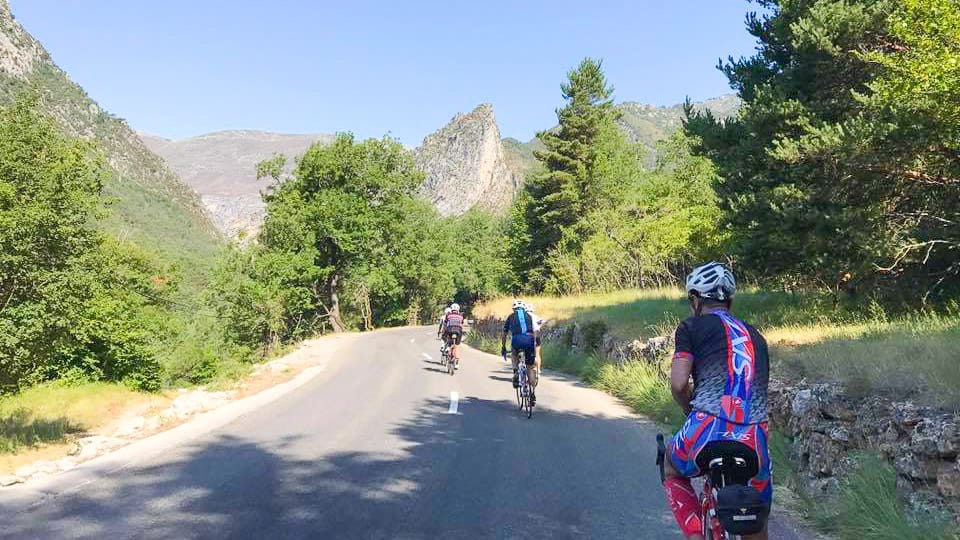
Your first route should leave room to get used to the bike and make it easy to finish when you’ve had enough. Look for quieter streets or suitable shared paths, predictable surfaces and intersections you feel ready to handle.
Check the whole route before you choose it. That lovely downhill on the way out becomes a tiring climb on the way back. Stressful crossings can make a short route worse than a slightly longer, calmer one.
One runner starting out on a used Liv Invite 2 felt ambitious and went for 20 miles on a first ride. Judge the distance by your cycling skills, the hills and your way back.
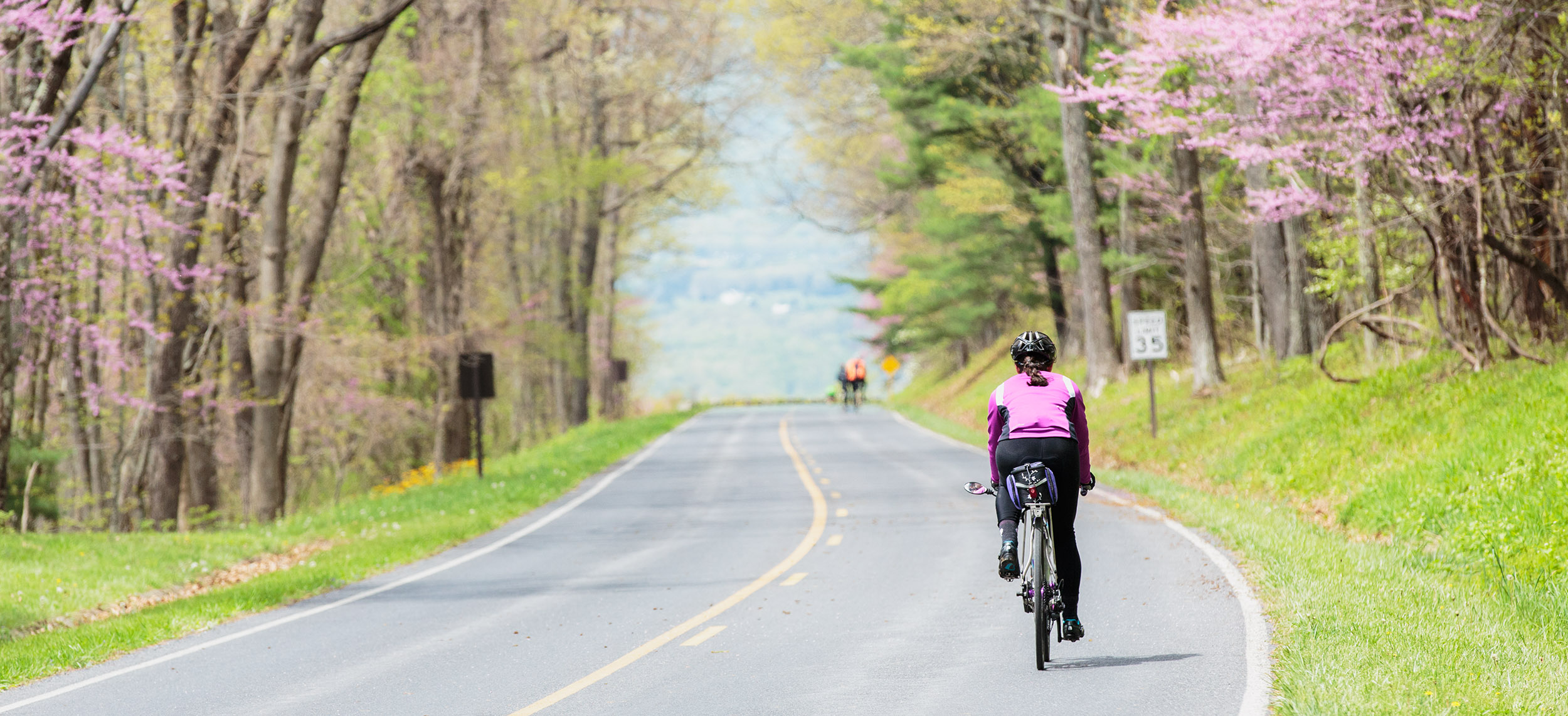
A loop near home gives you a familiar finish. An out-and-back route works just as well if you pick a clear turnaround point before you’re exhausted. Plan an earlier exit or shortcut, especially where the return involves climbs or busy roads.
Check the weather, daylight and visibility
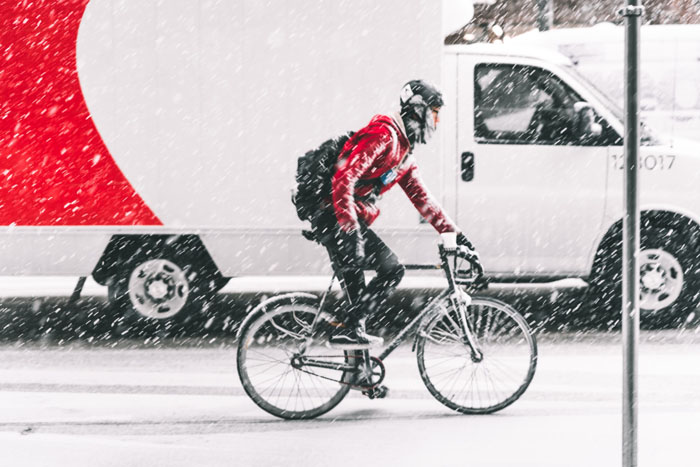
Check the forecast for the whole time you’ll be riding, including the way home. Heat, cold, rain, wind and changing conditions make familiar roads and paths much harder.
In a January 2025 r/cycling discussion, a beginner wrote, “When I began cycling, I instantly took on a 50 mile gravel ride in 90 degree heat with one water bottle.”
Work out whether you can finish in the available daylight and whether your bike has working front and rear lights for the conditions. Reflective clothing improves visibility but does not replace working lights where you need them. The NHTSA bicycle-safety guidance also emphasizes being visible and riding predictably.
If conditions are beyond your skills or gear, ride later or on another day.
Fit your helmet and wear clothes that won’t get caught
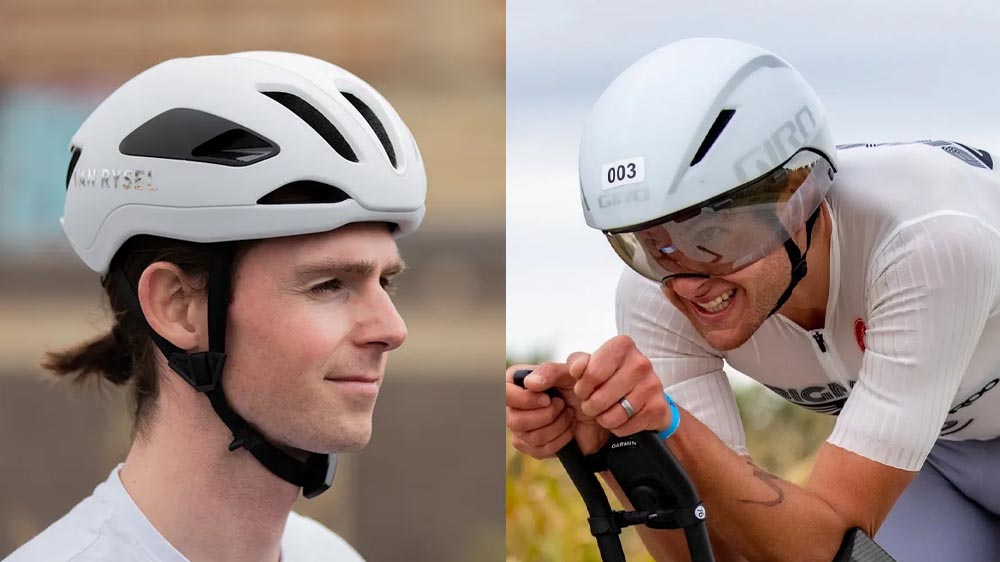
Your helmet should sit level on your head, fit snugly and stay secure with the straps fastened. Follow its fit and adjustment instructions, including the retention system, and adjust it before you leave if it shifts out of position.
In the United States, bicycle helmets are covered by the CPSC bicycle-helmet product standard, 16 CFR Part 1203. The standard is separate from state and local rules about who must wear a helmet, and there is no separate federal standard for helmets marketed to women. If you’re unsure whether an unfamiliar helmet meets the US standard, look for the CPSC certification label described in 16 CFR §1203.34.
Choose shoes that stay secure on the pedals and tie loose laces. Tuck pant legs, straps and other loose fabric away from the chain, cranks and wheels.
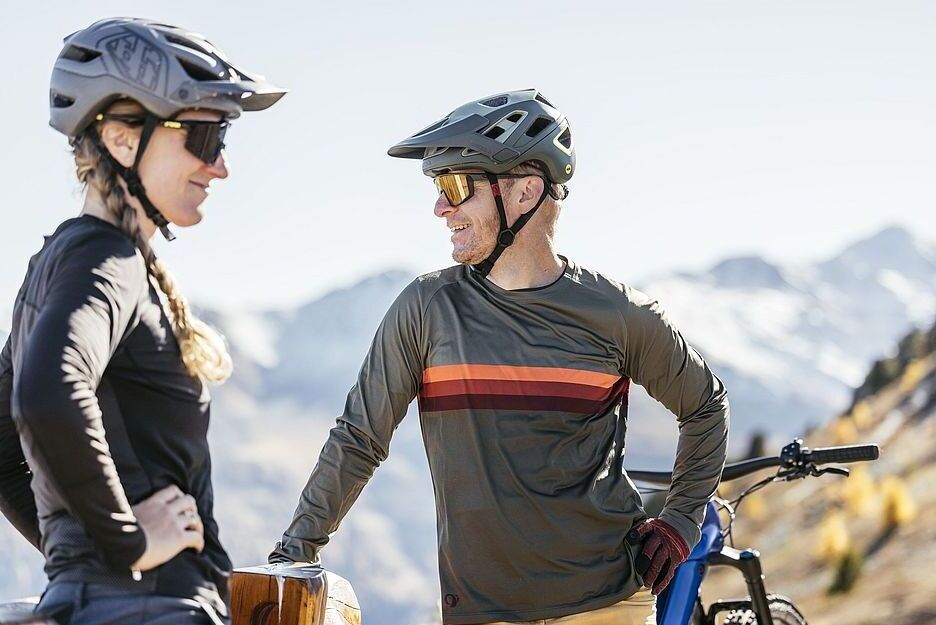
Ordinary clothes that fit properly and suit the weather are fine for a short paved ride. You don’t need a shopping trip first.
Pack the essentials and know how you’ll get home
| Check or bring for your ride | Depending on route and know-how | Optional comfort purchases |
|---|---|---|
| Filled water bottle or reliable water source | Food or snacks suited to the ride | Padded cycling shorts |
| Charged phone | Tube or patch kit, pump and tire levers | Technical cycling jersey |
| Personal necessities and a plan for getting help | Sun or weather protection, ID and payment, bike tools | Cycling gloves or bike computer |
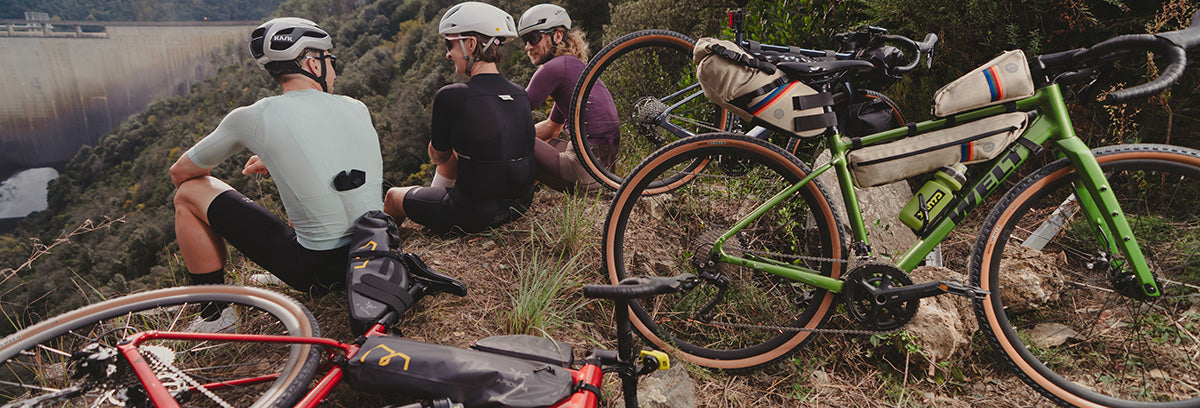
What goes in your repair kit depends on your bike, since tubes, tubeless tires and inflation systems each need different gear. A multitool or pump only helps if it fits your bike and you know how to use it. If you don’t, a dependable way to call for help or get home matters even more.
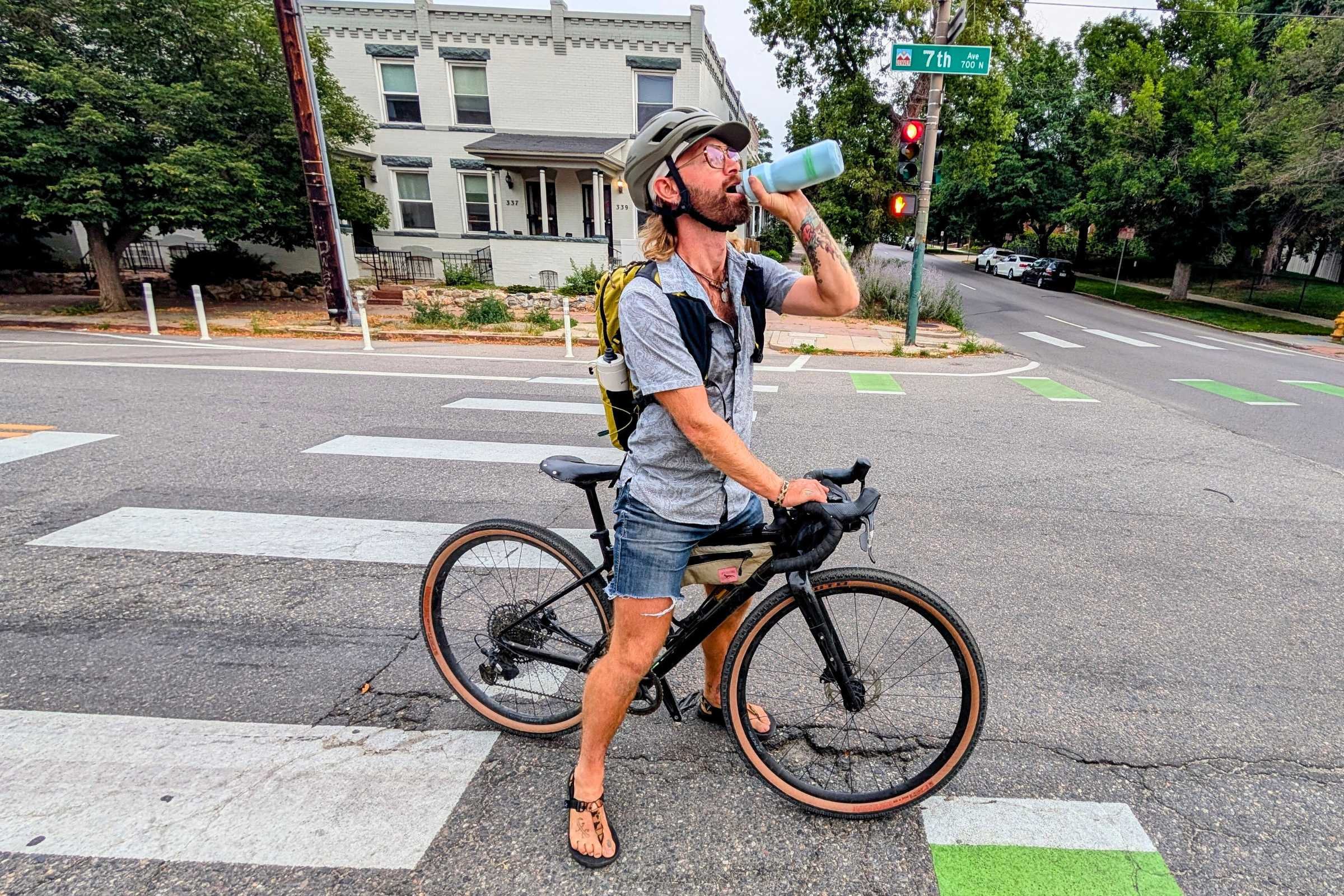
Decide what you’d do after a flat or if you get too tired to finish. Know who could pick you up and what transport is realistic near where you ride.
If you ride an e-bike, make sure the battery charge covers your planned ride. How comfortably you can continue without motor assistance depends on the bike.
Make the final call: go, adjust or postpone
| What you found | Decision | What happens next |
|---|---|---|
| Bike works; handling, route, conditions and essentials are all suitable | Go | Head out on your modest planned ride |
| Empty water bottle, loose clothing or a route you can simplify | Adjust first | Fix the issue and recheck that item |
| You can’t yet steer, start or stop reliably in a suitable practice area | Adjust first | Practice somewhere quiet and save the traffic route until you control the bike |
| Darkness or weather beyond your skills or equipment | Postpone | Ride at a different time or on a better day |
| Ineffective brakes, insecure wheel, loose steering or unsafe tire | Postpone | See a mechanic and fix the fault before you ride |
| Newly purchased, rented, used, borrowed or long-stored bike with parts you can’t confidently assess | Postpone | Have a shop confirm the bike is safe before you ride |