Choose the kind of cycling you can reach, ride confidently, and enjoy repeating. Road, gravel, mountain biking, commuting, and bike travel each feel different, so if a route demands handling you haven’t practiced or traffic that bothers you, start with an easier version. Try one short ride before you commit to specialized gear.
What counts as a type of cycling, and what doesn’t?
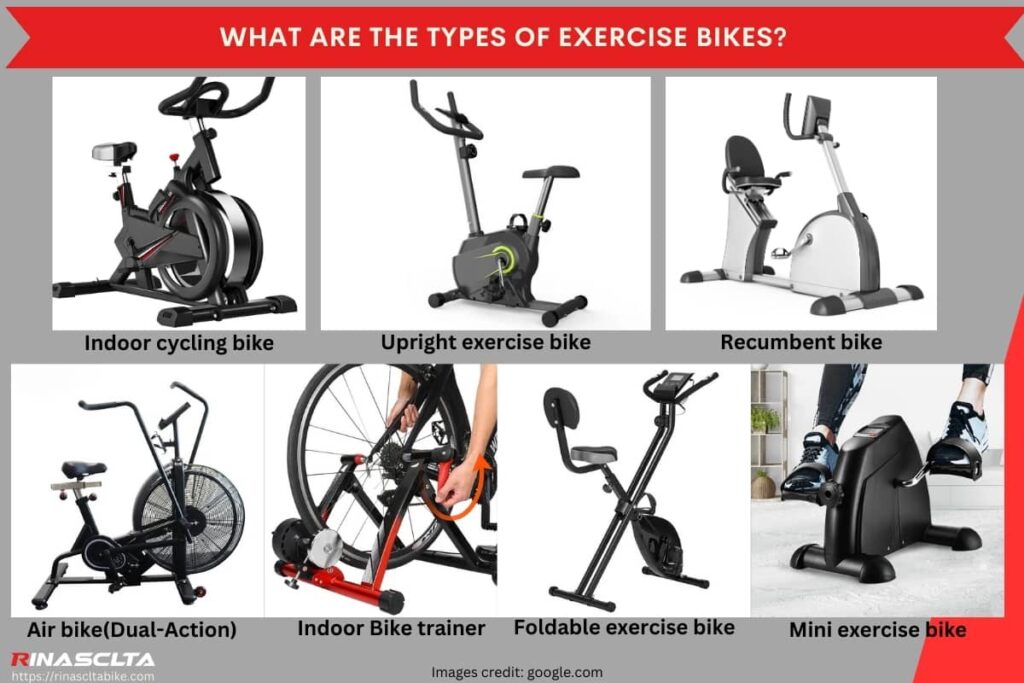
Road, gravel, and mountain biking describe riding environments or disciplines. Commuting names a purpose, and touring and bikepacking describe travel. The Union Cycliste Internationale (UCI) recognizes 11 competitive cycling disciplines, including track, BMX, and cyclocross, but its sporting classification does not cover every everyday way to ride. A paved-path ride or a trip to work is cycling too. Indoor trainer workouts, group rides, and e-bike assistance cut across these categories. The UCI’s competitive Indoor Cycling discipline is narrower: it comprises artistic cycling and cycle-ball.
Choose by goal, nearby routes and available time
Begin with the experience you’d like to have. Maybe you want to go faster on smooth pavement, explore unpaved roads, or learn to handle trails. Or you want to get to work under your own power, or spend an afternoon somewhere peaceful.
Then look at where you can actually do it. A great idea for a weekend ride loses its appeal when getting to the start eats most of your time.
To narrow the options, pair one motivation with two realistic places you could ride. Check the surface, the traffic, and how you’ll get there, and ask whether the ride fits an ordinary week.
| Kind of cycling | What draws people to it | Typical setting | A good first ride |
|---|---|---|---|
| Road cycling | Paved fitness rides, steady movement, optional group riding | Paved paths, quiet roads, organized road routes | A paved greenway or quiet road loop |
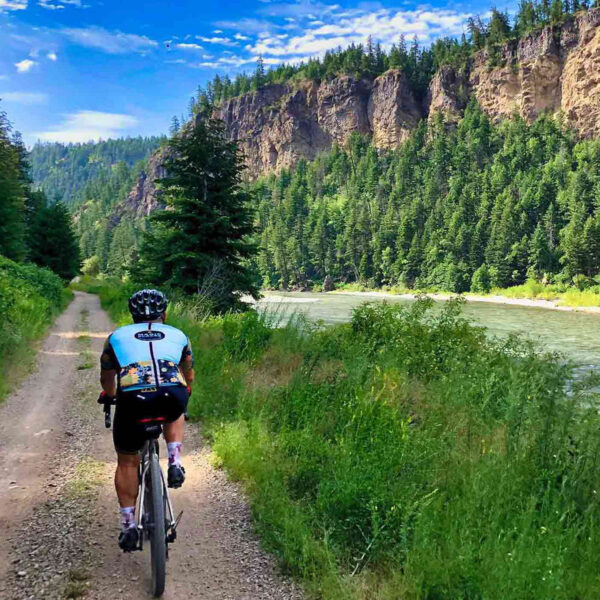
| Gravel cycling | Exploring mixed surfaces and unpaved roads | Hardpack, gravel roads, paved connections | A mild gravel road or hardpack ride on a compatible bike |
| Mountain biking | Trail exploration and handling challenges | Trails rated for your ability | An easy trail or an instructed introduction |
| Casual cycling | Relaxation, recreation, outdoor exercise | Greenways, permitted rail trails, neighborhood paths | A neighborhood loop or greenway |
| Bike commuting | Getting somewhere useful | Streets, paths, and mixed transport routes | A trial run of your work or errand trip |
| Touring or bikepacking | Traveling through places by bicycle | Road or mixed-surface journeys | A shorter trip before a long one |
| Indoor trainer riding | Convenient or structured riding | Indoor trainer or equipment | A short indoor session |
Use the setting column to find places you can reach.
Time changes the answer as much as terrain. You might ride short paved loops during the workweek and save trail riding for days when getting to the trailhead is realistic. If you want company, a group ride can suit you better than riding alone. For your first try, one clear purpose and one place to pursue it are enough.
Road riding or gravel riding: pavement, mixed surfaces and real trade-offs
Pavement gives you a more consistent surface to pedal on than loose or uneven ground. Road cycling covers quiet paved paths and long group rides, so it fits if you want steady progress, paved fitness rides, or the company of other road cyclists.
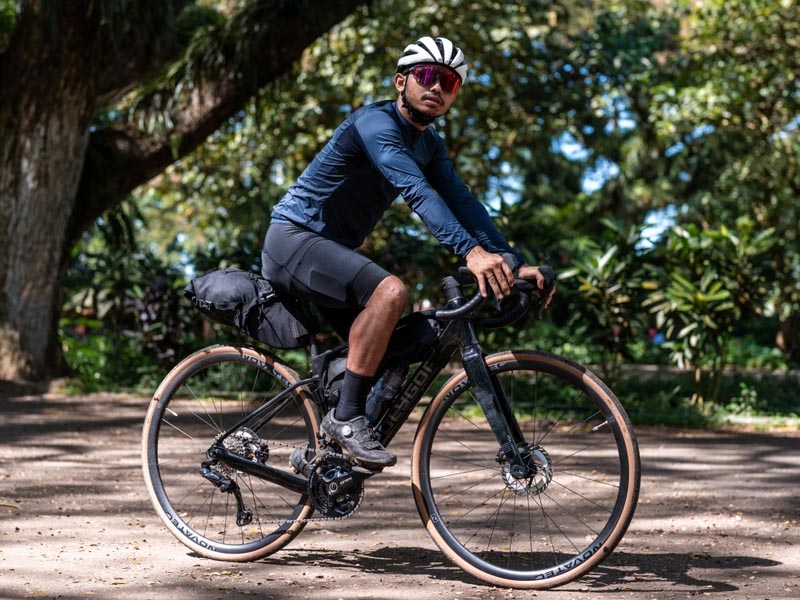
Gravel riding opens different routes: firm gravel roads, hardpacked paths, sections of pavement, or rougher unpaved stretches. Loose stones, surface condition, grades, and your bike all change how demanding the handling is.
One cyclist on r/ladycyclists described the dilemma: “So I’m torn between the performance and speed of a road bike, and the freedom and peace of mind that a gravel bike seems to offer.”
Gravel can open countryside riding that a pavement route misses. Gravel roads carry vehicles too, though, and loose surfaces demand their own handling skills. Gravel is no guarantee of a traffic-free or safer ride. The traffic and surface of the specific route decide that.
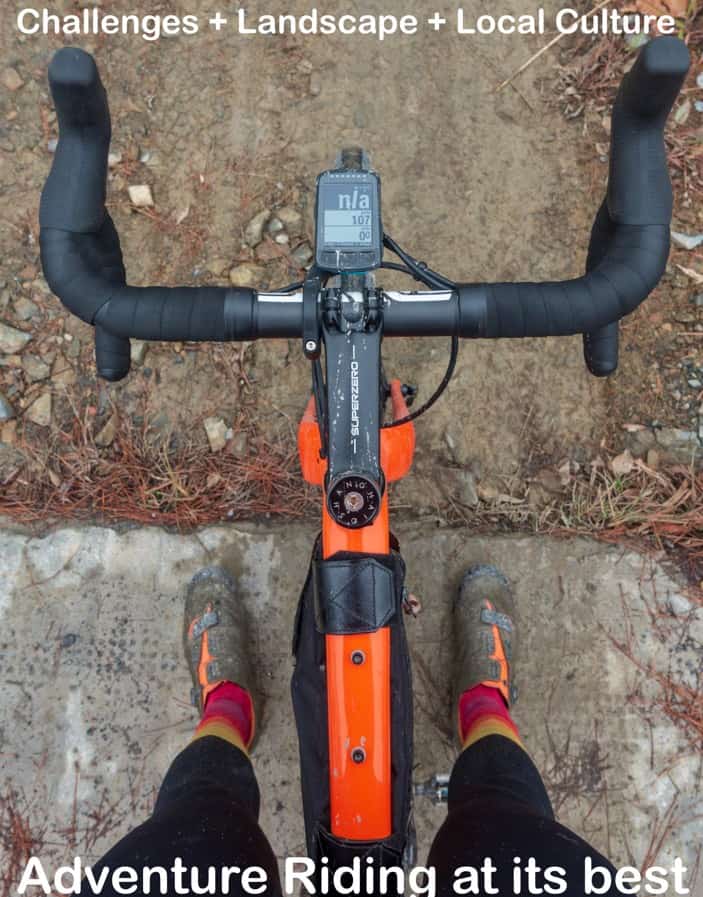
Compare a real paved route with a real mixed-surface option. Check the surface and traffic on each, then pick the one you’d rather ride.
Mountain biking versus easy trails: don’t confuse the terrain
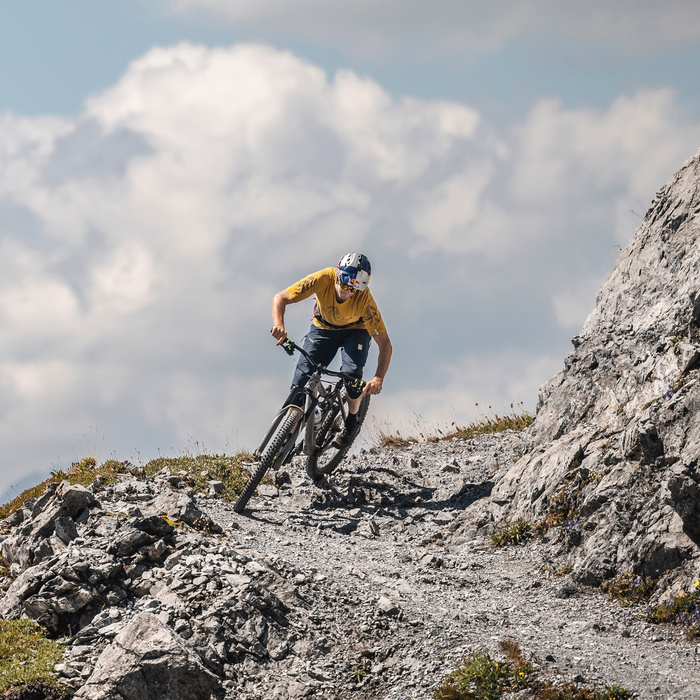
Wanting to ride trails can mean two different things: following a gentle shared-use path or learning to handle technical off-road terrain. An easy rail trail is a relaxed ride with little technical riding. Mountain biking brings narrower trails, uneven surfaces, obstacles, steep sections, and more demanding handling, and enduro and downhill riding add specialized challenges within the sport.
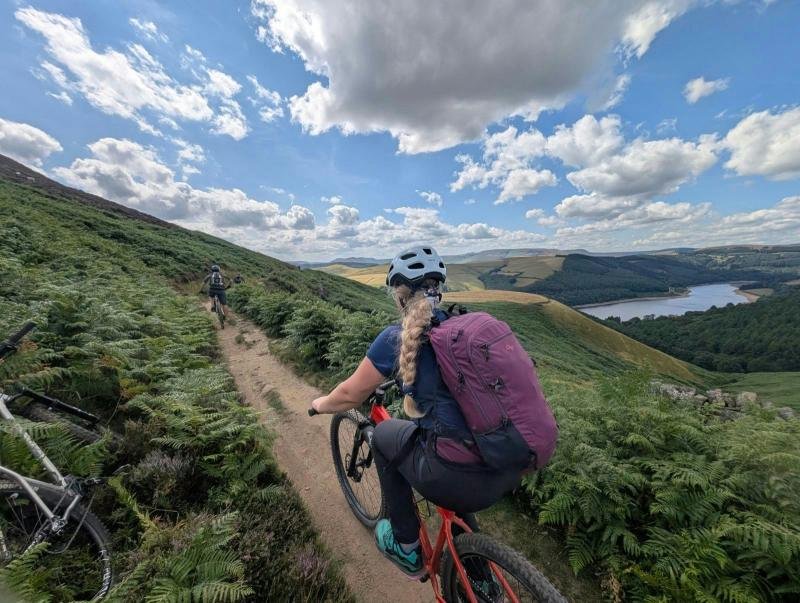
This matters if you picture occasional light trails alongside ordinary city riding. An easy recreational path fits that picture.
For mountain-bike trails, the International Mountain Bicycling Association’s Trail Difficulty Rating System rates how technical a trail is. A trail that’s easy to handle can still demand a lot of effort because of its length or climbing. Ratings are relative to the local trail network.
Before you head out, read the trail’s difficulty description and check current conditions. Pick terrain you can already handle. If a trail demands skills you haven’t developed, choose an easier one or take a lesson.
Bike commuting and casual cycling count too
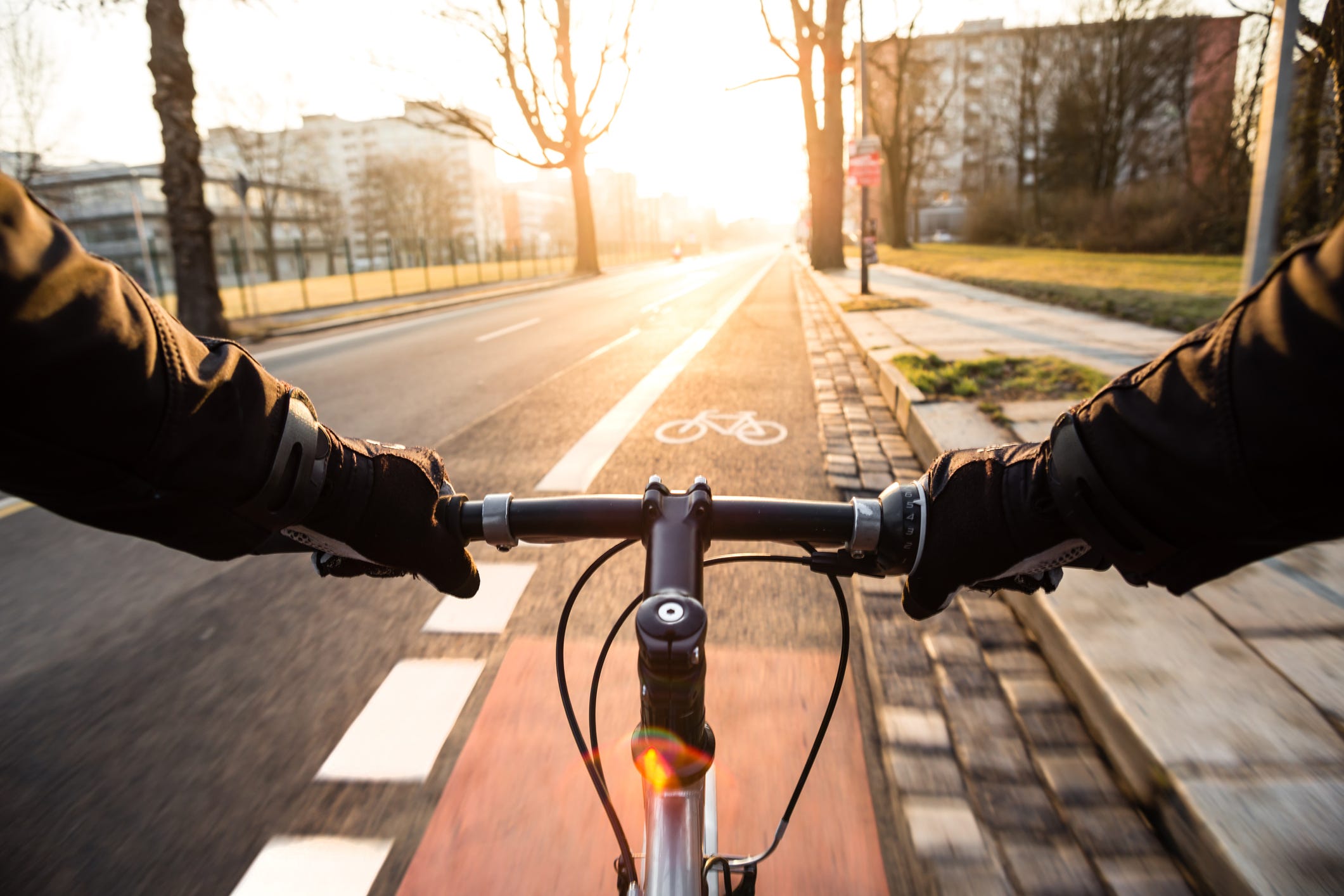
Cycling can get you somewhere useful or give you a good way to spend time outside. Neither needs a competitive goal.
You might commute to work, school, a shop, or another familiar place, on streets, shared paths, or a mix of both. Hills, weather, and your own confidence decide whether a commute works. Check where you’ll store the bike when you arrive, whether you’ll carry it up stairs, and what you need to bring.
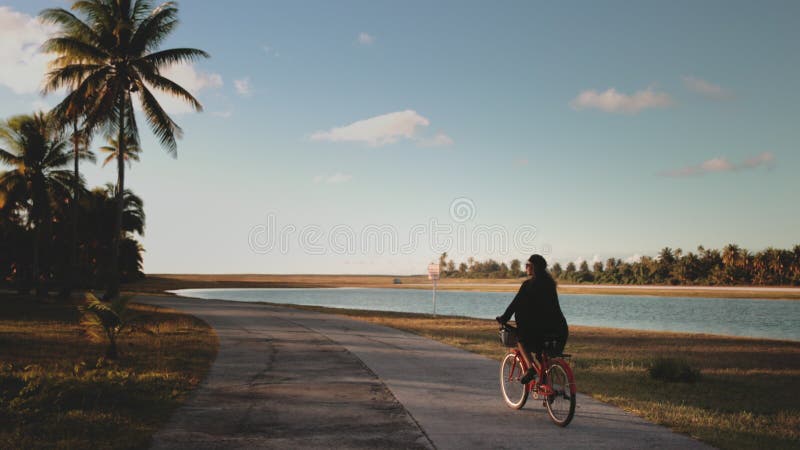
A casual ride runs on a looser schedule. Try a paved greenway, a neighborhood loop, or a permitted rail trail. You ride for the movement and the surroundings, with no destination to reach on time.
Touring and bikepacking: when the ride becomes a trip
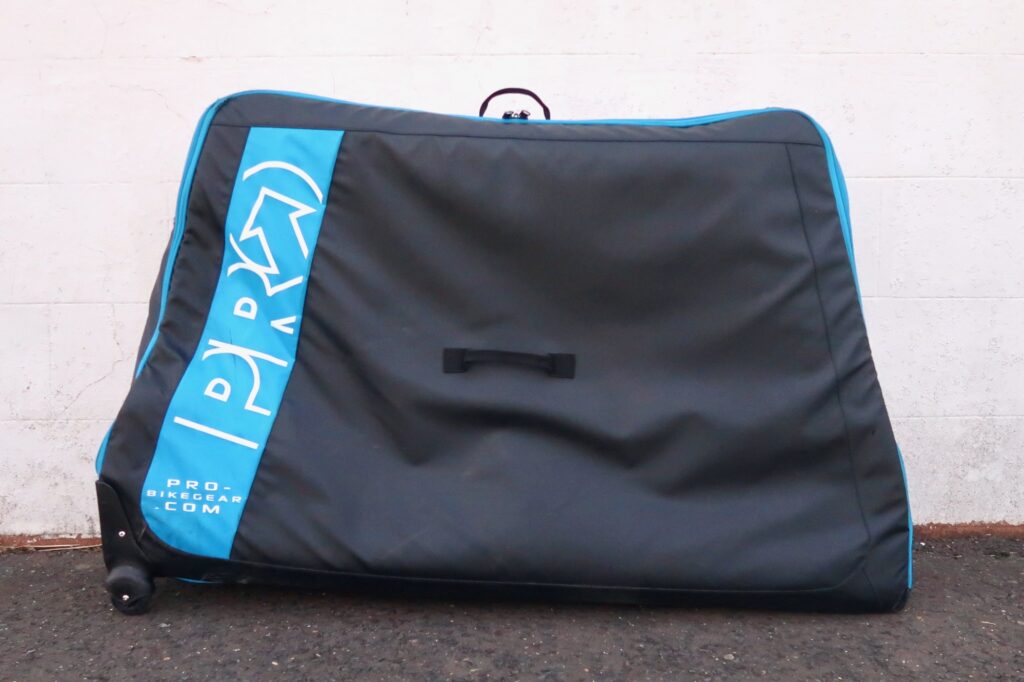
Touring and bikepacking turn cycling into a journey. Instead of ending where you started after a local ride, you travel through a series of places, sometimes staying away overnight.
Bicycle touring means road travel with luggage and planned stops. Bikepacking favors less-traveled routes and compact gear, sometimes on dirt or mixed terrain. The two overlap, and people use the names loosely.
The Adventure Cycling Association describes bikepacking in terms of route, equipment, and travel considerations. These matter most once you need to carry shelter, food, and water, and fix mechanical problems far from home.
A beginner considering a seven-day bikepacking adventure said they felt lost and overwhelmed.
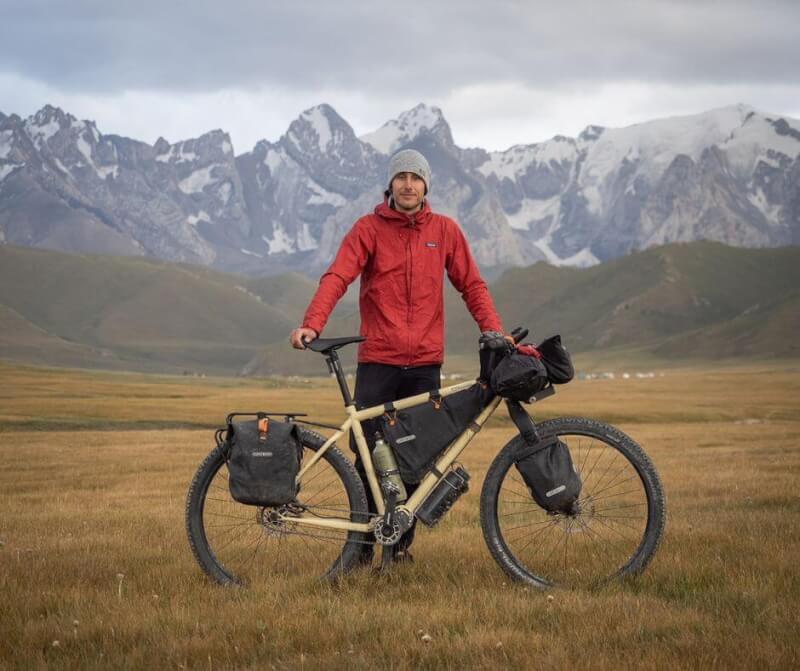
A weeklong trip combines several unfamiliar tasks: choosing a route, carrying what the journey requires, and managing the return. A shorter trip lets you practice them one at a time.
Does your bicycle limit which kind of riding you can try?
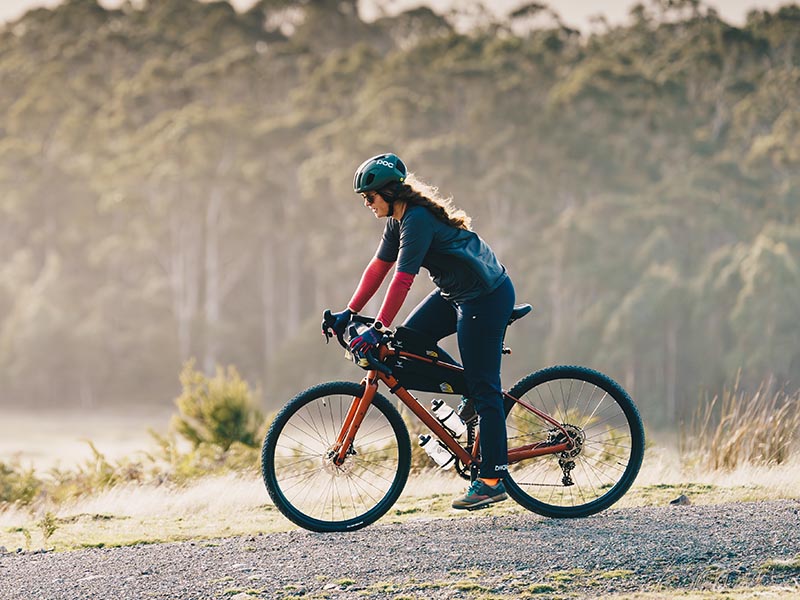
Your bike limits where you can ride, but its tires, brakes, and condition tell you more than its category name does.
A road bike works for recreational paved riding and transportation. A hybrid handles errands and leisurely paths. Some gravel bikes spend plenty of time on pavement. An e-bike suits practical trips or recreation, depending on its design and intended use. Dedicated touring bikes help, but some trips work on other bikes too. The route, the bike’s condition and fit, and your load decide how far that goes.
Once you leave a familiar route, tires, clearance, brakes, and condition start to matter, along with fit and carrying capacity for loaded rides. A smooth path and a rocky trail make very different demands on the same bike.
Trek’s road-bike buyer’s guide separates race, all-road, and gravel-oriented designs. Their intended uses overlap, and what a particular bike can do depends on its design.
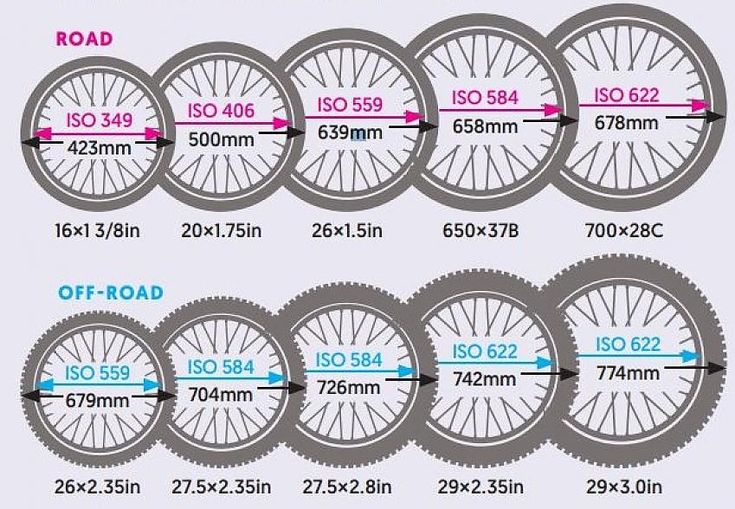
Match your intended ride and load to your actual bike: its tires, its condition, and the manufacturer’s guidance. If you’re unsure, get it inspected by a qualified mechanic.
Rule out an unsuitable first route or group before you ride
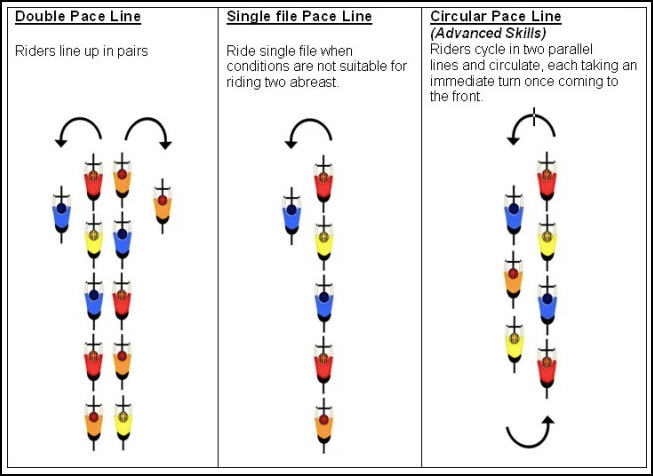
One gravel rider considering a local group ride didn’t feel ready to join, since they didn’t know the rules of road cycling or how to ride in a group.
Group rides come with rules about spacing and communication, and with expectations about pace and regrouping. A beginner or no-drop label helps, but the organizer’s route and practices determine what you’ll be signing up for.
| Check for your first ride | What needs to fit | If it doesn’t |
|---|---|---|
| Traffic exposure | Your confidence and handling skills | Pick a quieter road or path |
| Trail difficulty | Your ability and the described terrain | Pick easier terrain or take a lesson |
| Time and access | A realistic way to get there, finish, and get home | Pick a shorter ride or one closer to home |
| Group expectations | The advertised pace, communication, and regrouping rules | Find another group or build the skills first |
| Bicycle suitability | Your tires, brakes, and condition match the ride | Pick a different ride or fix the bike |
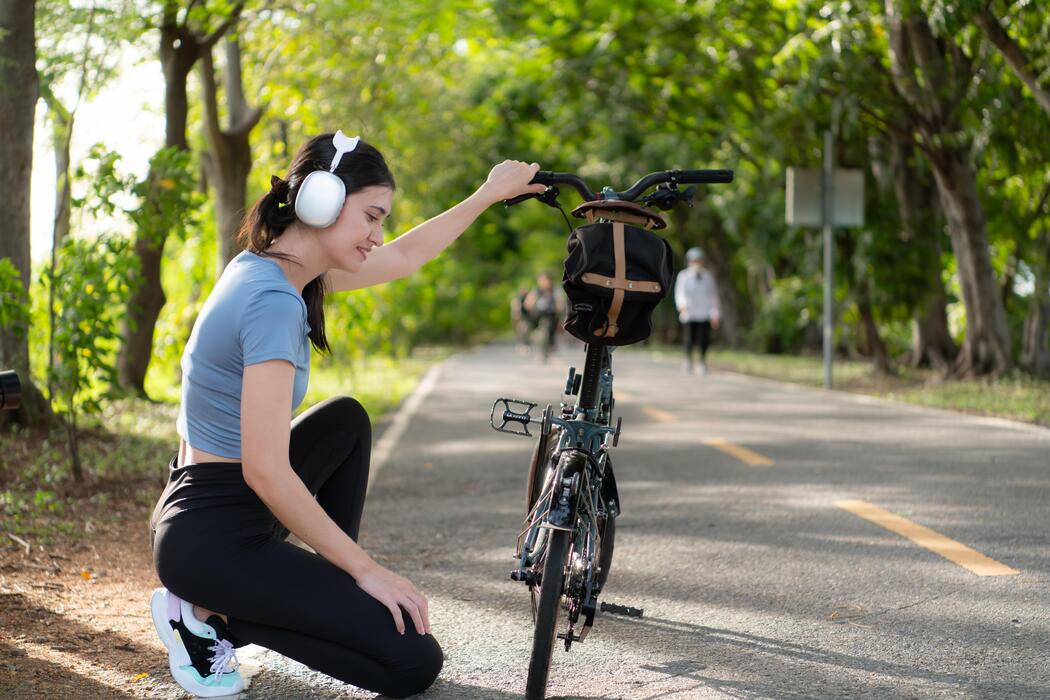
If road cycling appeals to you, start with a quiet paved ride before joining a faster group. If you’re drawn to mountain biking, begin with a less technical trail.
Try the riding experience before buying a specialized bike
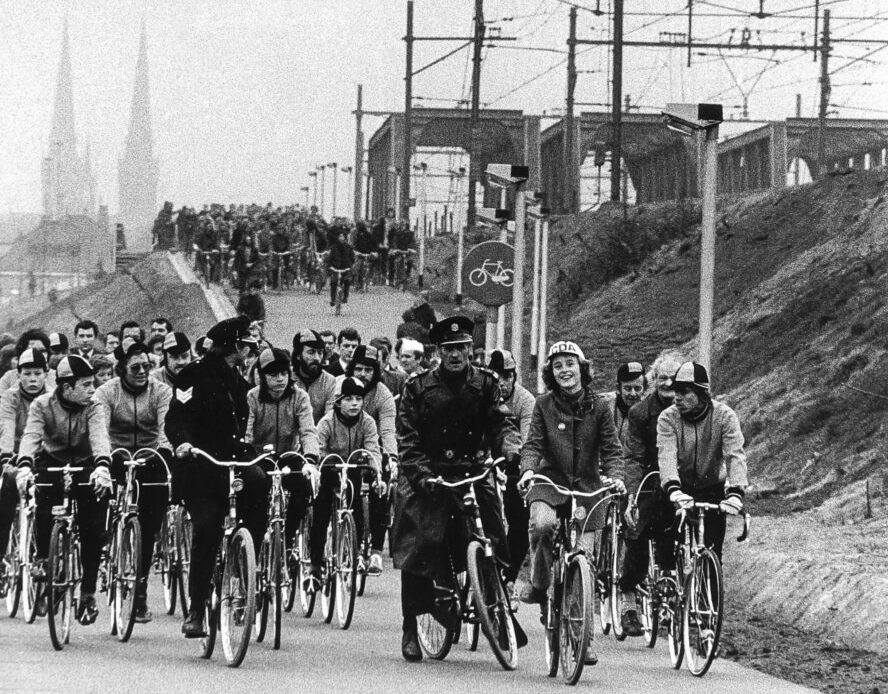
A short ride shows you whether a type of cycling deserves more of your time. Pick a route whose length and difficulty match your current ability, and make sure you can turn around or get back easily.
The trial depends on your goal. For paved fitness, stay on a familiar path. To try mixed surfaces, use a nontechnical stretch that suits your bike. To test commuting, ride your route without the pressure of arriving at work on time.
Curiosity alone doesn’t make a road bike right for technical trails or heavily loaded travel. If the ride you want needs skills or equipment you don’t have, take a lesson, rent a suitable bike where rentals exist, or start on an easier route.
After the ride: what to keep and where to go next
Separate what you liked about the activity from what made that particular ride difficult. Enjoying quiet scenery while disliking one steep or crowded route tells you something different from finding the whole experience unappealing.
On r/ladycyclists, a gravel-bike owner hoping to ride with road groups asked, “Did I make a mistake getting gravel when I should have done road? Will having gravel majorly slow me down in a group ride?” That depends on the group’s pace, the route, and your setup.
After your trial, make a brief record of the ride.
| What to record | What it helps you decide |
|---|---|
| What you enjoyed | Whether the activity met your original motivation |
| What felt unexpectedly difficult | Whether skill, route, or equipment held you back |
| How traffic or terrain felt | Whether that environment suited you |
| How easy the logistics were | Whether the ride could fit your routine |
| Whether you’d choose a similar ride again | Whether to repeat it, change the setting, or try another activity |