Road cycling works for a new rider when the bike fits, you can operate its controls, and the route has little traffic. If one of those fails, change the route, the setup or the bike before you ride.
You can feel comfortable on an indoor bike and still hesitate at the thought of riding beside cars. Outdoors, you steer, brake, read the road surface and share space with other people. A bike that looks right in a shop can feel wrong after a few turns.
For a recreational rider, the goal is a ride that feels manageable and is worth repeating. That takes roads you can handle, a bike you control and enough practice to use it there.
Is road cycling right for the way you want to ride?
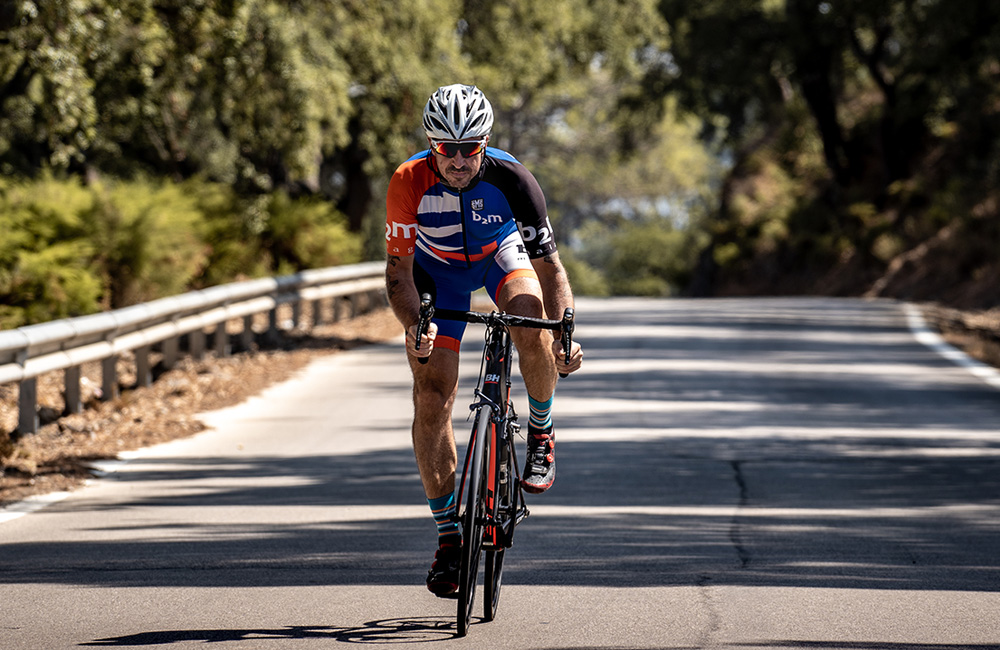
Recreational road cycling means riding paved roads or paved routes for exercise or pleasure. You don’t need to compete or own a race bike. Road bikes usually have drop handlebars and a forward-leaning position, but endurance designs and more upright bikes also suit pavement.
For a first ride, three things need to be true: the bike suits the surface and you can reach its controls, you can handle its basic movements, and the route asks for nothing you haven’t practiced. If one of them fails, change that part of the plan.
| Bicycle style | Likely riding match | Check before deciding | Trade-off |
|---|---|---|---|
| Road-oriented bike | Mostly paved roads and paved recreation routes | Forward position, brake access and tires | The road-focused feel is less comfortable for some riders |
| Hybrid or upright bike | Everyday trips, casual paved rides and paths | Controls, riding position and tires | The upright position suits comfort and transportation goals |
| Gravel-capable bike | Pavement mixed with some loose or unpaved surfaces | Tire setup, clearance, geometry and conditions | Handles routes that change surface |
These categories overlap. A hybrid takes you on a pleasant road ride, and a gravel bike covers pavement. List the surfaces you expect to ride most often, then pick the style that fits those trips and the posture you prefer.
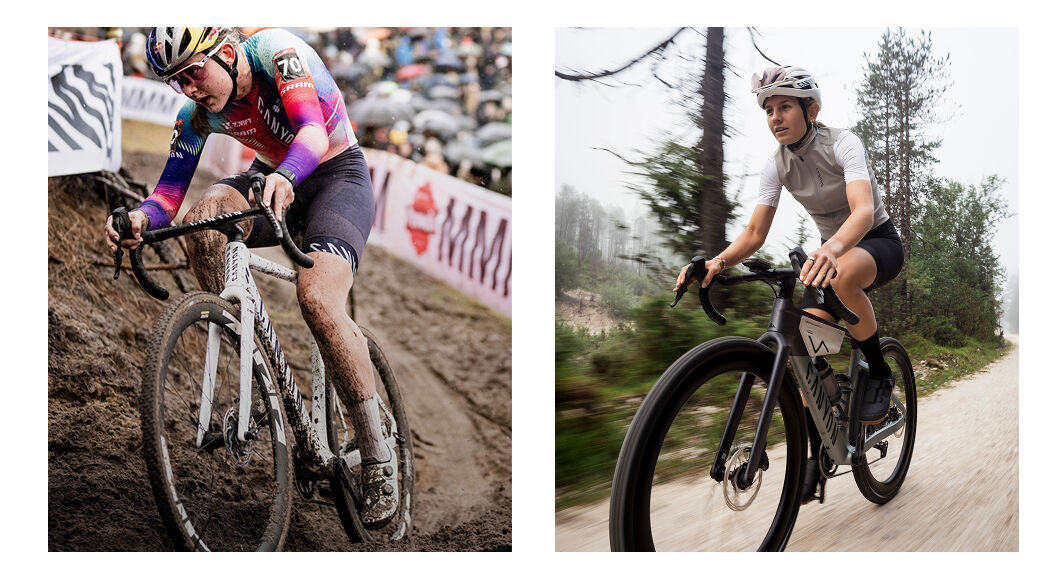
A women’s label describes the manufacturer’s intended market or design approach. Liv, for example, promotes bikes designed around its approach to women’s fit and components. The right size and usable controls still depend on you. If the bike you already own fits and works properly, a new purchase can wait.
Check that the bike fits and its controls work for you
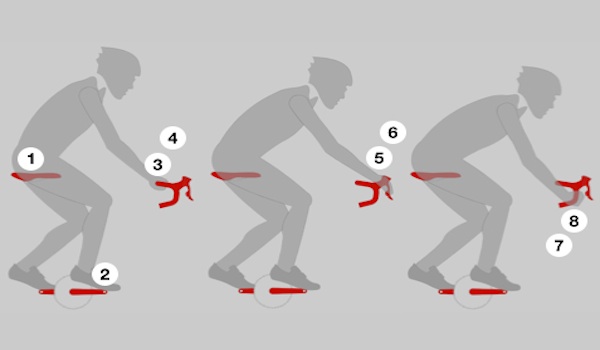
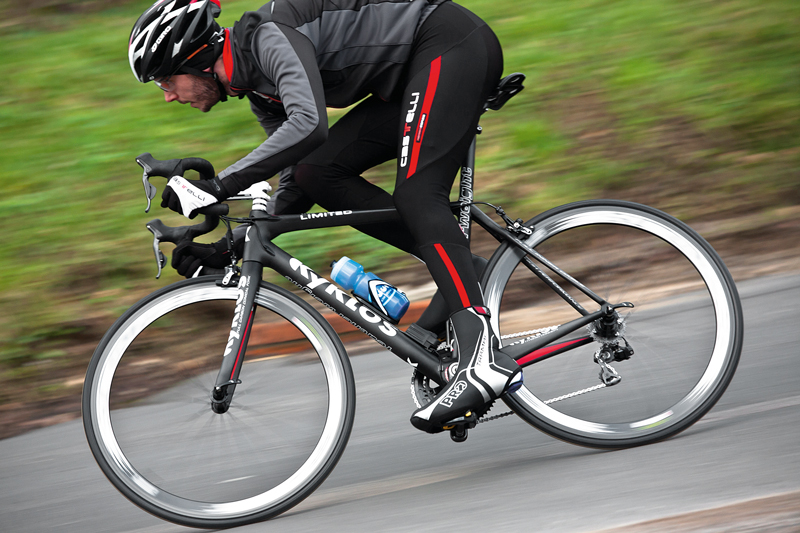
Fit starts with controlling the bike from the position you will ride in. Drop bars offer several hand positions. Many riders use the hoods, the shaped areas around the brake-lever bodies. The lower curved portions are the drops.
If your current bike is unsuitable, Compare road bikes by comfort and intended riding before choosing a replacement.
Reach from saddle to bars, forward lean and brake access all affect how secure that position feels. Some levers have adjustable reach, which helps if your hands struggle to get to them.
A frame-size label and a height chart narrow the options, but bikes with the same nominal size can place you differently. Saddle height and position, handlebar reach and frame geometry all play a part. A used or borrowed road bike is a reasonable starting point if its condition and fit are right.
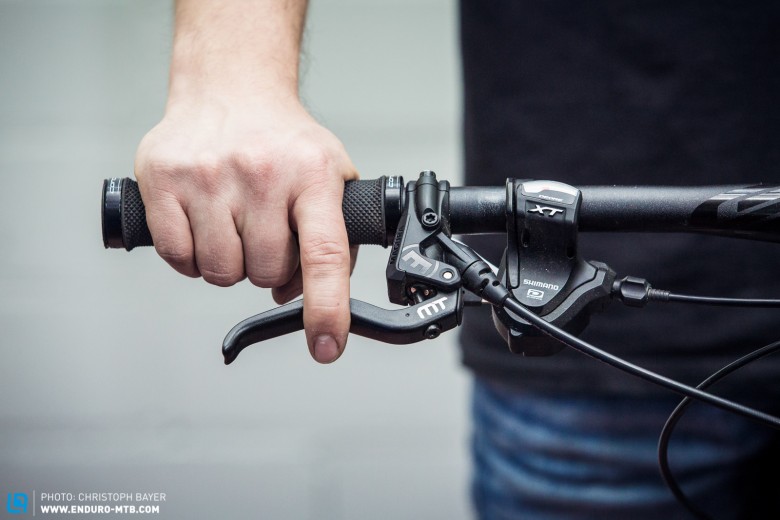
Support the bike, sit on the saddle and put your hands where you expect to ride. Check that you can reach and squeeze the brake levers without stretching or losing your grip, and that you can steer with control. Note any pressure or discomfort before you take the bike onto roads.
If you can’t reach the brakes, or the position causes lasting pain, numbness or heavy hand pressure, get fit or mechanical help. Ongoing or significant symptoms also call for a healthcare professional. A detailed fitting goes further and covers saddle position and other adjustments. This first check only confirms that the controls work and the position is acceptable.
Which gear matters for your first road ride?
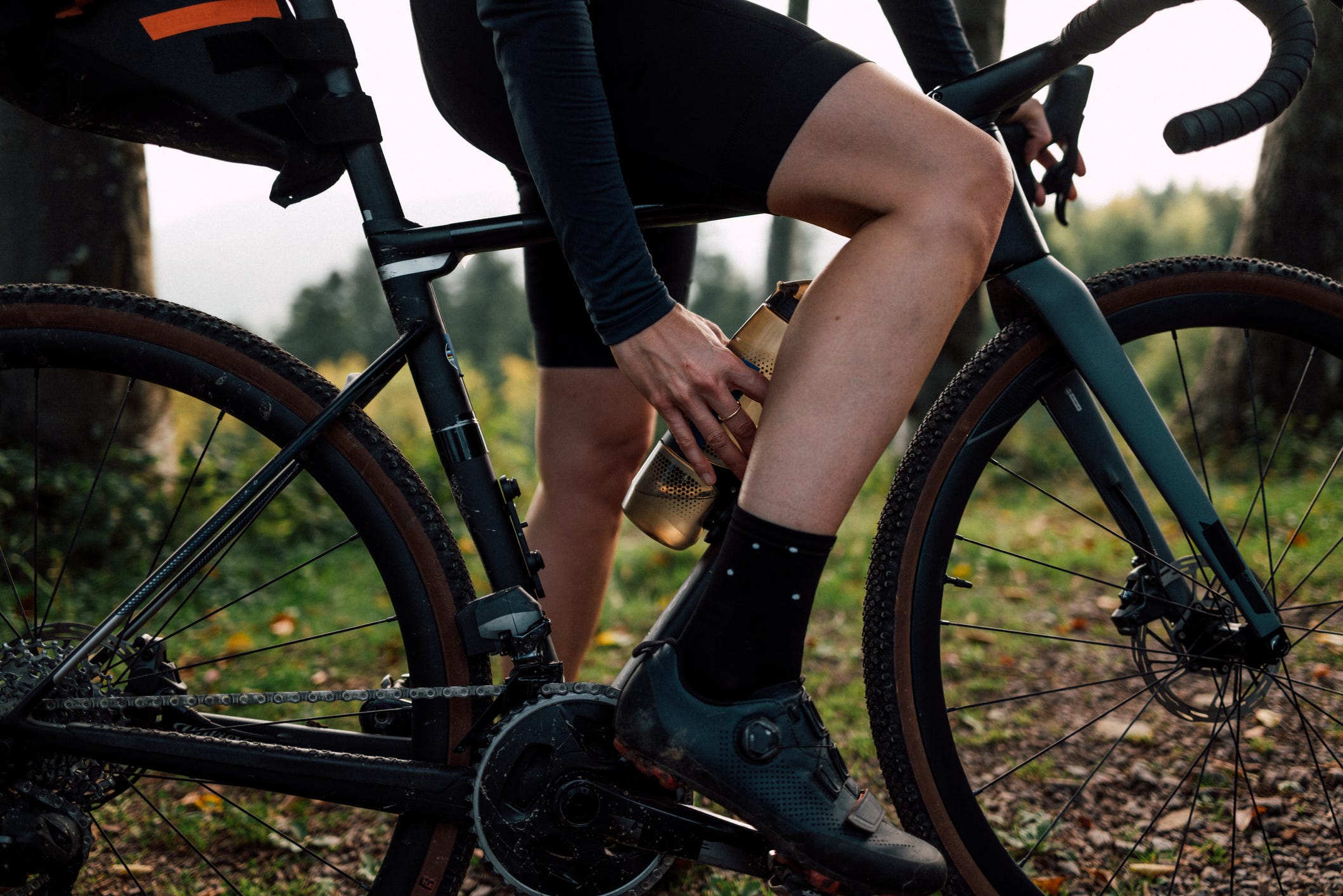
A working bike and a properly fitted helmet come first. Everything else depends on the length of the ride, visibility, weather and whether you can get home if something goes wrong.
The US bicycle helmet performance standard is 16 CFR Part 1203. For helmets covered by the rule, the Consumer Product Safety Commission requires a certification label showing compliance, plus instructions for proper fit and wear. Find the label and follow the manufacturer’s fitting instructions.
A beginner who bought a secondhand bicycle asked what gear they really need, with clothing and pedal choices still ahead. The answer depends on the ride you plan.
- Essentials: A suitable bicycle, a properly fitted helmet, secure wheels, working brakes and tires in usable condition.
- Items set by the outing: Water, a way to communicate or navigate, a plan for getting home, and lights or reflective gear, especially in poor light. Local law sets the specific visibility requirements.
- Optional purchases: Padded shorts or bibs, cycling jerseys, clipless shoes, a bike computer, rear radar and premium components. Buy them when a real need shows up as your riding develops.
A chamois is the pad sewn into cycling shorts. It improves comfort for some riders, but ordinary clothing works for a first ride.
The ABC check before leaving
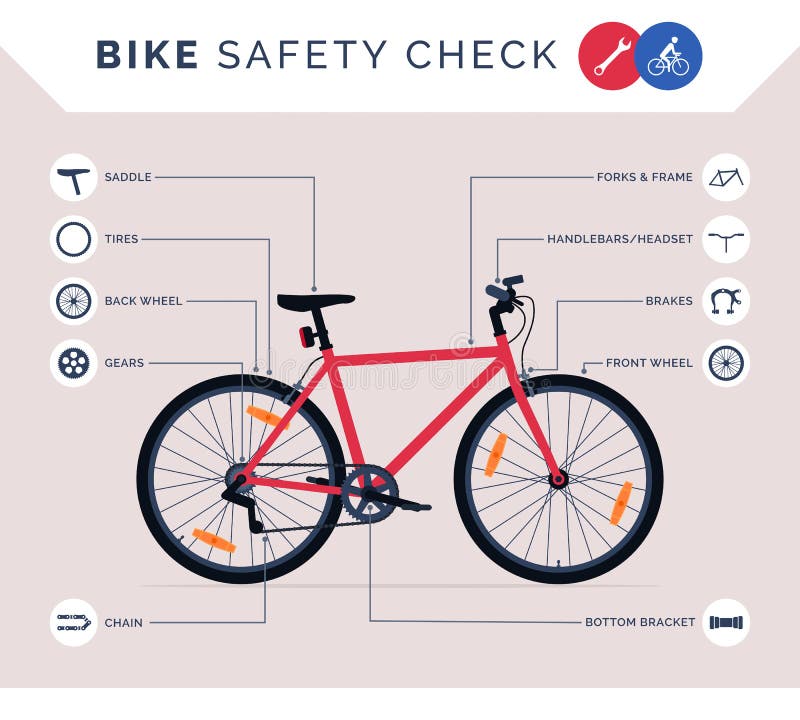
The League of American Bicyclists teaches a short pre-ride sequence. Fix any brake, tire or wheel-retention problem before you set out.
- Air: Inspect the tires and inflate them for the bicycle and riding conditions.
- Brakes: Check that they work and look for obvious problems with the pads or system.
- Chain and cranks: Look for poor condition or looseness.
- Wheel retention: Secure the quick releases where fitted, or the bike’s other wheel-retention system.
- Check: Take a short, slow ride in a suitable area.
On a longer ride without support, plan for a puncture. REI’s road kit includes a spare tube or patch kit, a pump, tire levers and a multi-tool. The kit only helps if you can use it or have another way to get help.
Practice road-bike handling before adding traffic
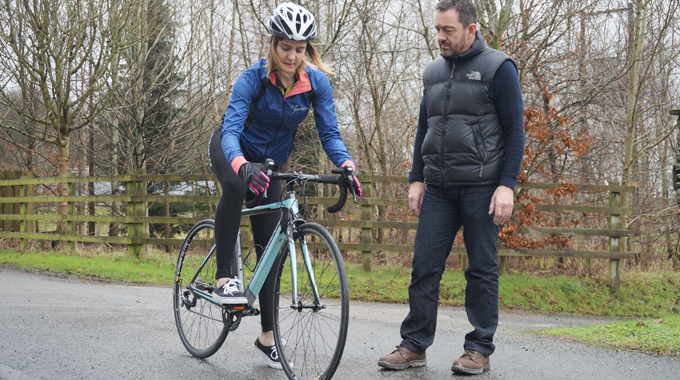
Stationary cycling builds endurance. Steering, braking, uneven surfaces and sharing the road need their own practice. Find a place with little motor traffic and enough room to avoid putting anyone at risk, then work through the controls until they feel automatic:
- Start and stop: Set off smoothly and halt under control.
- Brake: Slow down from the hand position you can hold securely.
- Shift: Change gears smoothly, including before the road rises.
- Look behind: Scan over your shoulder while holding a steady line.
- Signal and turn: Signal when it is safe and take gentle turns without losing control.
Flat pedals work for a first road ride. Clipless pedals connect a cycling shoe to the pedal and add a release movement you need to rehearse, so add them later if you want them. If a skill still feels shaky, keep practicing or take a class. The League’s Smart Cycling program offers instruction and educational resources, and Liv publishes separate guides to more advanced road techniques.
Choose a first route that matches your skills
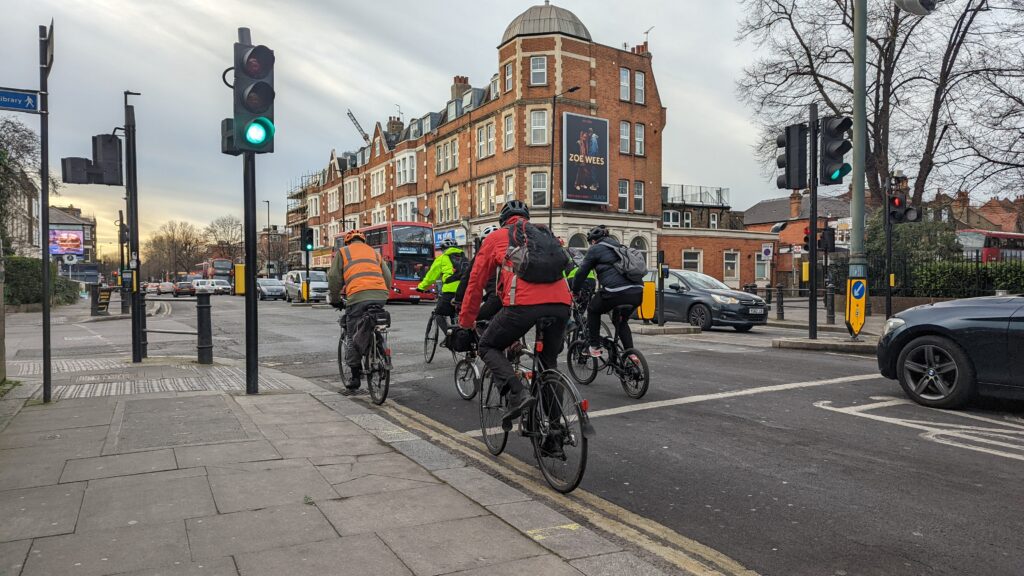
Pick your first route for its surface, motor-traffic exposure, intersections, visibility and how easily you can turn back. Two rides of similar length can ask very different things of a beginner: a quiet paved route with a few crossings, and a road lined with fast traffic.
The National Highway Traffic Safety Administration recommends planning routes with lower traffic volumes and slower vehicle speeds where possible, including suitable bicycle paths or lanes.
| Possible route | What to look at | Main risk | Decision |
|---|---|---|---|
| Paved multiuse path | Surface, pedestrians, crossings, access rules, exits | Conflicts with other path users and at crossings | Use when permitted and manageable |
| Quieter paved street | Traffic speed and volume, junctions, sightlines | You still share the road with vehicles | Consider it if its demands match your practiced skills |
| Fast or complex arterial | Turning traffic, road width, shoulders, junctions | Several demanding situations at once | Choose another route when the traffic is too much |
| Advertised beginner group route | Terrain, surfaces, distance, pace, regrouping | An easy-sounding label can hide unfamiliar demands | Go by the organizer’s actual description |
A bike lane, shoulder or path has to be judged by its design, condition, crossings and surrounding traffic. Having one doesn’t make every segment suitable for a beginner.
Surface matters as much as traffic. A road-focused tire can behave differently on loose crushed gravel, depending on the installed tires, available clearance, surface conditions and your control. If a route description says gravel, check it before you commit.
A Pennsylvania Peloton rider in r/ladycyclists described her plan to move outdoors: “I’d ride these trails until I’m confident to be one with car traffic.”
She reported a bike-shop quote of $1,099 for a size-49 Specialized Allez. The open question was whether that bike and its tires could handle her crushed-gravel trails.
A trail can keep you away from cars and still demand loose-surface handling. If the trail goes beyond what the bike is built for, a calmer paved route is the better pick.
Compare at least two routes. Check pavement or loose surface, traffic speed and volume, complicated junctions, sightlines, daylight, weather and a way to shorten the ride or get help. Take the one whose demands you can handle. If none fits your skills and equipment yet, ride somewhere else or make the needed change first.
Ride predictably with traffic, and check the rules where you ride
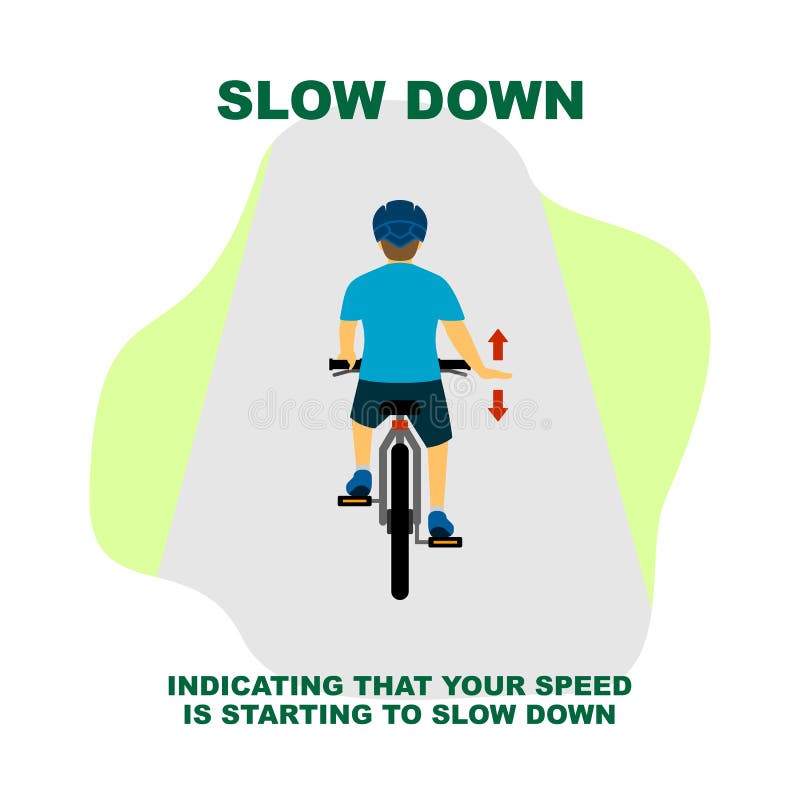
Predictable riding means following traffic controls and showing clearly what you plan to do. Where cycling is permitted, ride with traffic, obey signs and signals, yield when required and signal when it is safe.
Where you position yourself depends on the situation. Parked cars create door-opening hazards, intersections bring turning traffic, and a narrow lane changes how cars pass compared with a wider one. Roadway design, markings and bicycle laws also affect where you ride.
The League of American Bicyclists explains these principles and links to state-specific bicycle traffic laws. Check the rules for the state where you plan to ride, especially those on lane positioning, facilities and yielding.
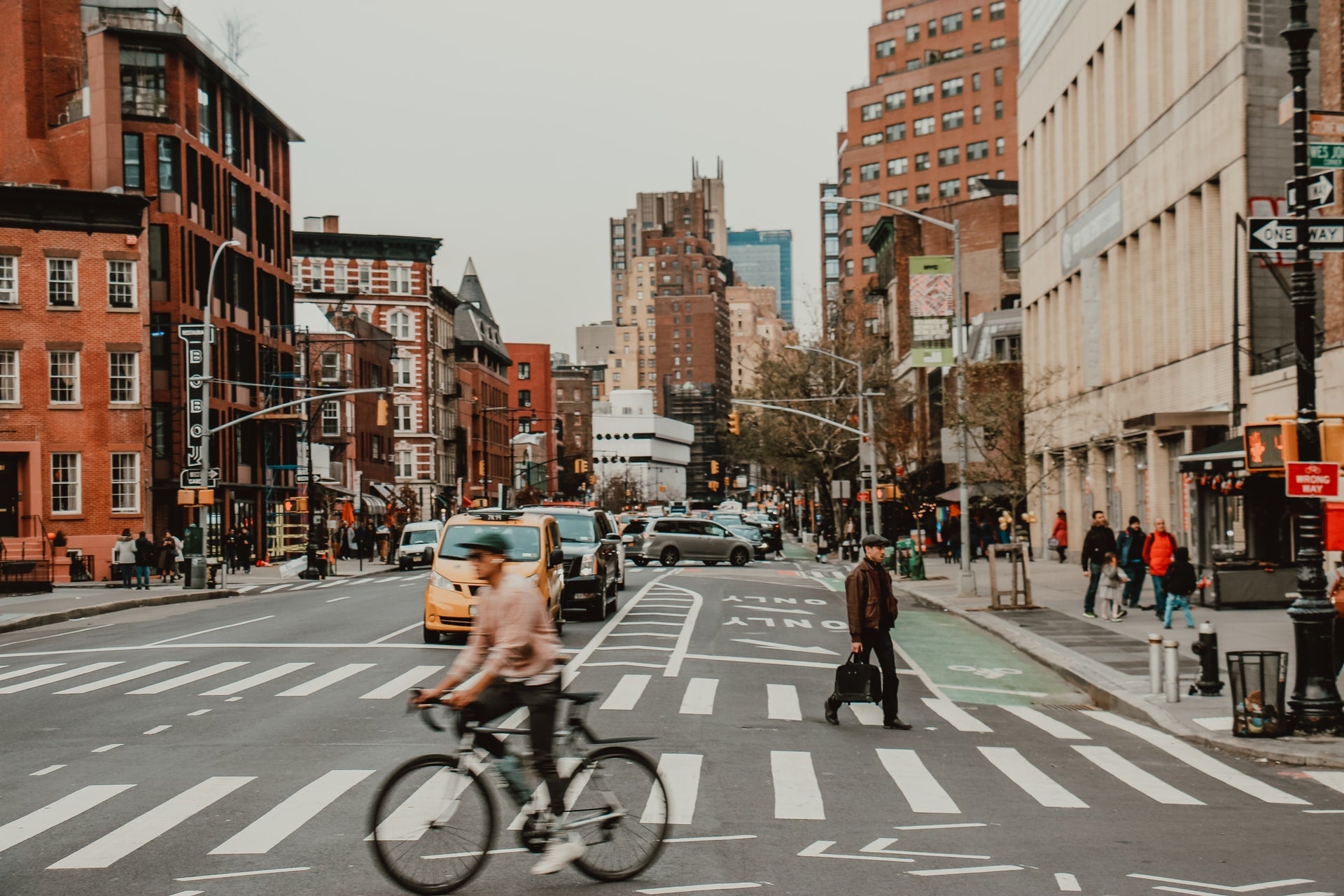
Fast traffic, aggressive drivers, blocked sightlines and poor infrastructure stay hazardous even when you follow every rule.
Ride alone or try a beginner road-cycling group?
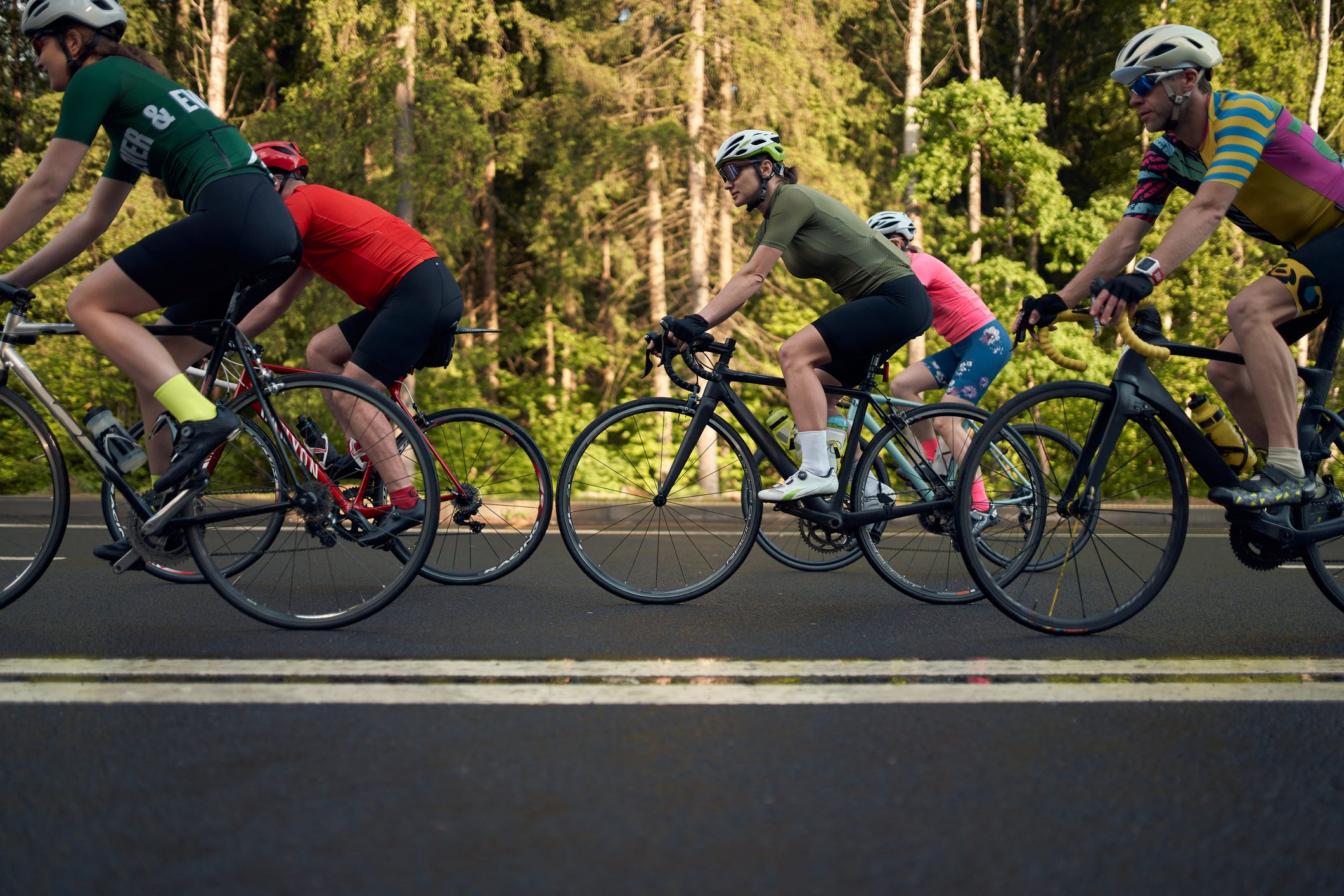
Riding alone gives you control over pace and stops, as long as you can handle routine problems yourself. A beginner group offers company and local route knowledge, but you ride close to others at an advertised pace. On a no-drop ride, the organizer intends to keep slower riders from being left behind. Regrouping arrangements differ, and the label doesn’t promise a personal escort home. Before you join, ask about pace, distance, hills, required skills and equipment, and what happens when someone falls behind. A women’s-only label says nothing about a ride’s difficulty or safety.
After the ride: progress, adjust, or choose a different bike
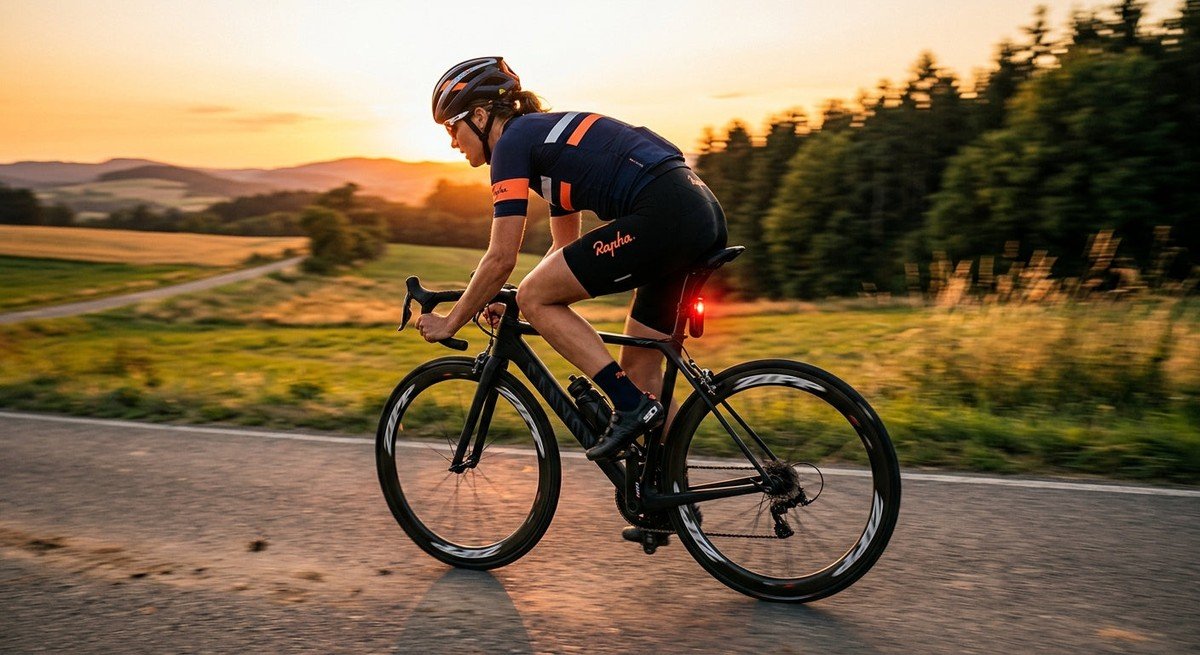
After your first ride, note what worked and judge handling, comfort and road conditions separately. An easy route can still have demanding intersections, and a calm one can show that your position puts too much pressure on your hands.
A forward position can feel fine after adjustments and practice, or it can stay unpleasant. After months of trying road riding, one participant in r/ladycyclists wrote, “I don’t think I love the position of road biking.”
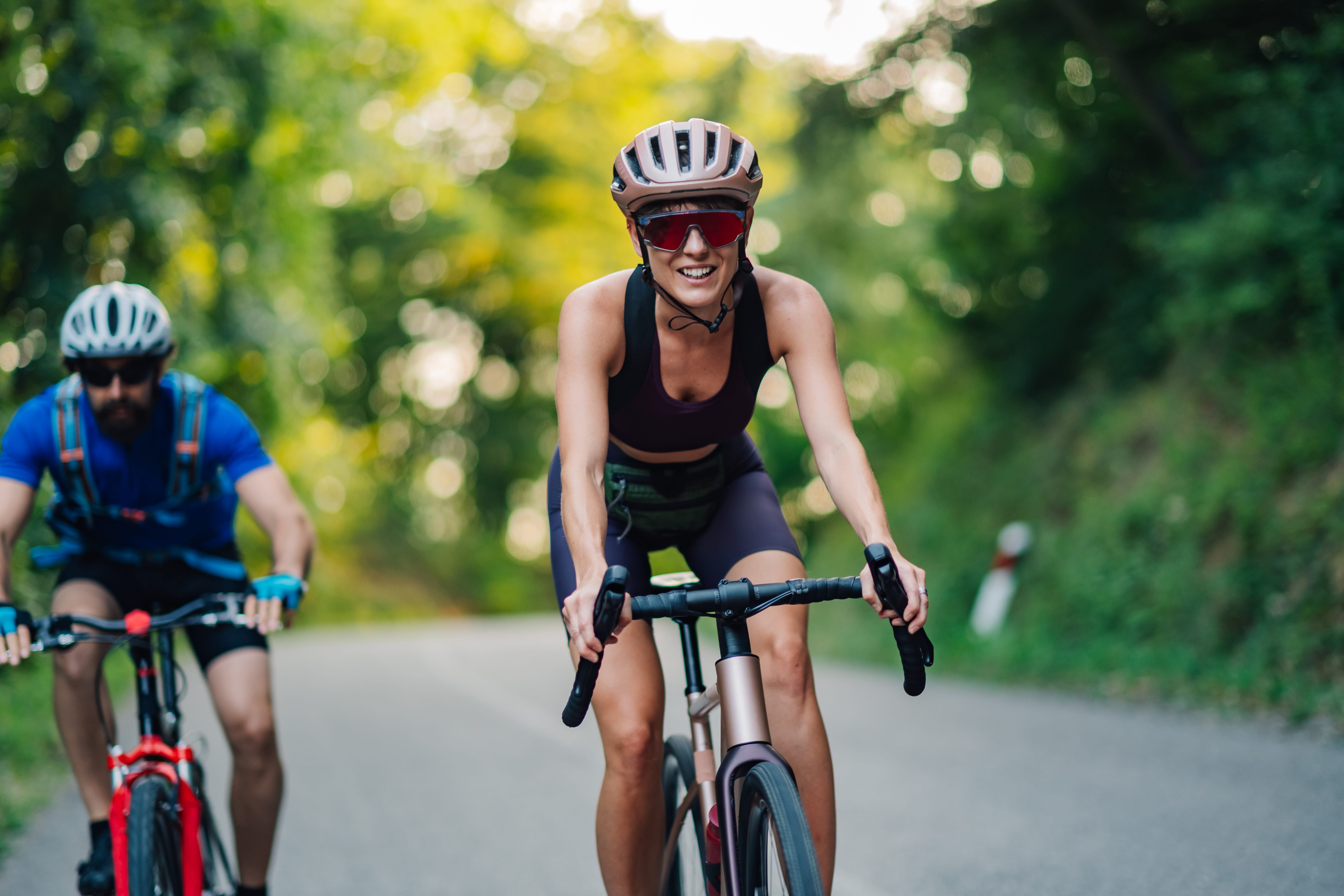
Choose one change for the next outing:
- Handling felt uncertain: Go back to the skill that caused trouble, with instruction if needed.
- The position or bike style felt wrong: Revisit the fit first. If it still feels wrong, try a format that suits your preferred posture and surfaces.
- Traffic felt overwhelming: Pick a route with less traffic.
- The ride was manageable: Repeat it, or change one small thing such as distance or route complexity.
Run the ABC check, pick a short paved route and start there.