For long recreational rides, start with an endurance road bike and shop women’s-specific and unisex models side by side. Choose the frame by stack, reach and standover, because size labels hide the differences: a 2026 Liv Avail Advanced 0 in XXS and a Trek Domane AL 4 Gen 4 in size 44 share a 510 mm stack, yet their standover differs by 26 mm.
Endurance, race or all-road?
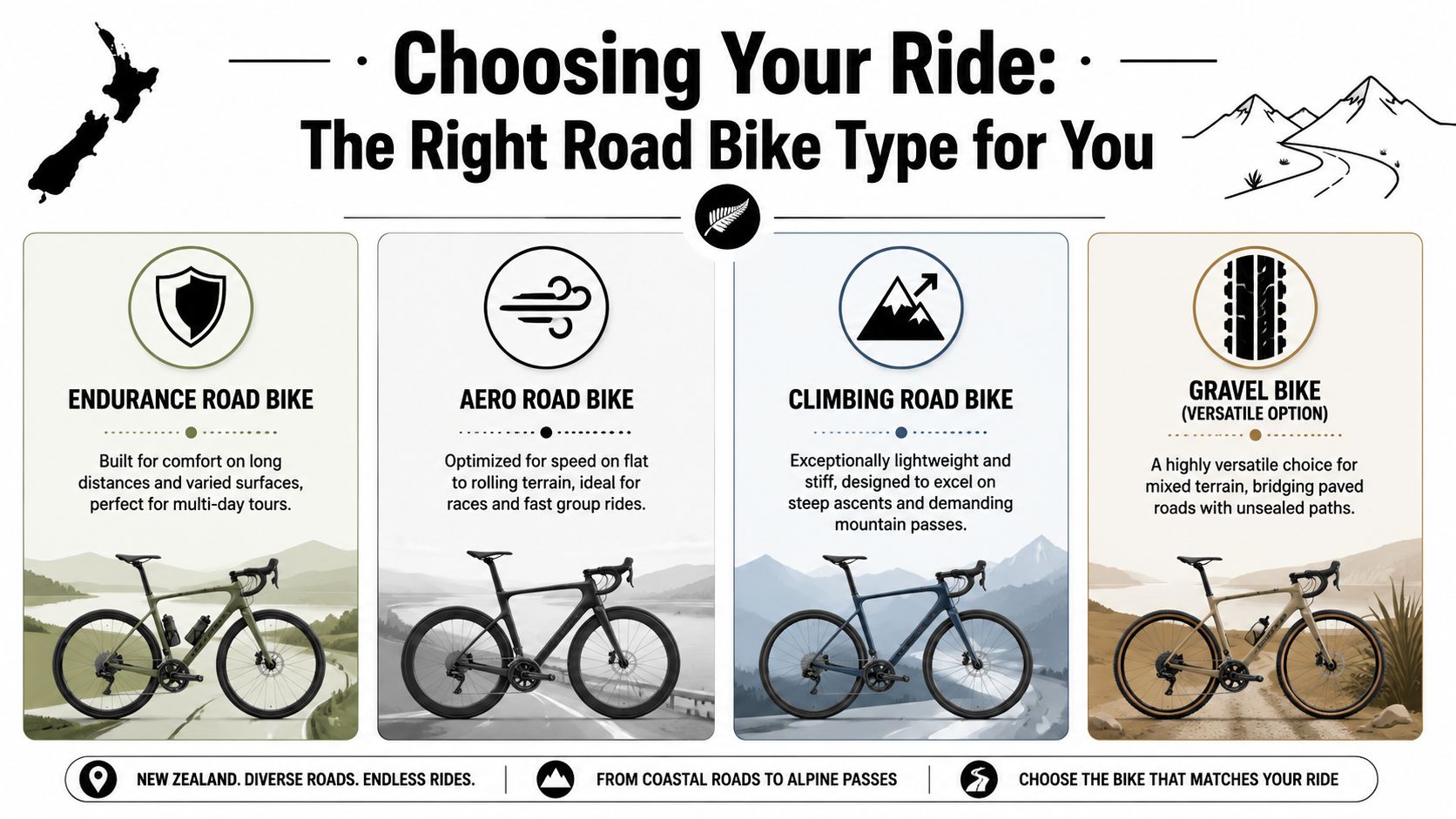
Buy the road bike for the rides you do most weeks. The one that suits someone chasing faster group rides will feel like needless hard work if you prefer relaxed afternoons on paved roads. Settle how you ride first, and the list of models worth a look gets much shorter.
Road bikes fall into three broad groups:
- Endurance road bikes: Start here if you like longer paved rides and want a position you can hold all day. Check each model’s frame geometry and the tires it comes with.
- Race-oriented road bikes: Pick one of these if you want sharper handling and a sportier position. Try that position before you decide you would happily spend hours in it.
- Versatile or all-road bikes: Built for rough pavement and the occasional imperfect surface, so tire size and clearance matter most here. If you ride unpaved roads often, compare gravel bikes instead.
The groups overlap more than the names suggest. You don’t need to race to enjoy a race-oriented bike, and some endurance bikes feel properly lively. Judge each model on the position it puts you in, the way it handles and the riding it was built for.
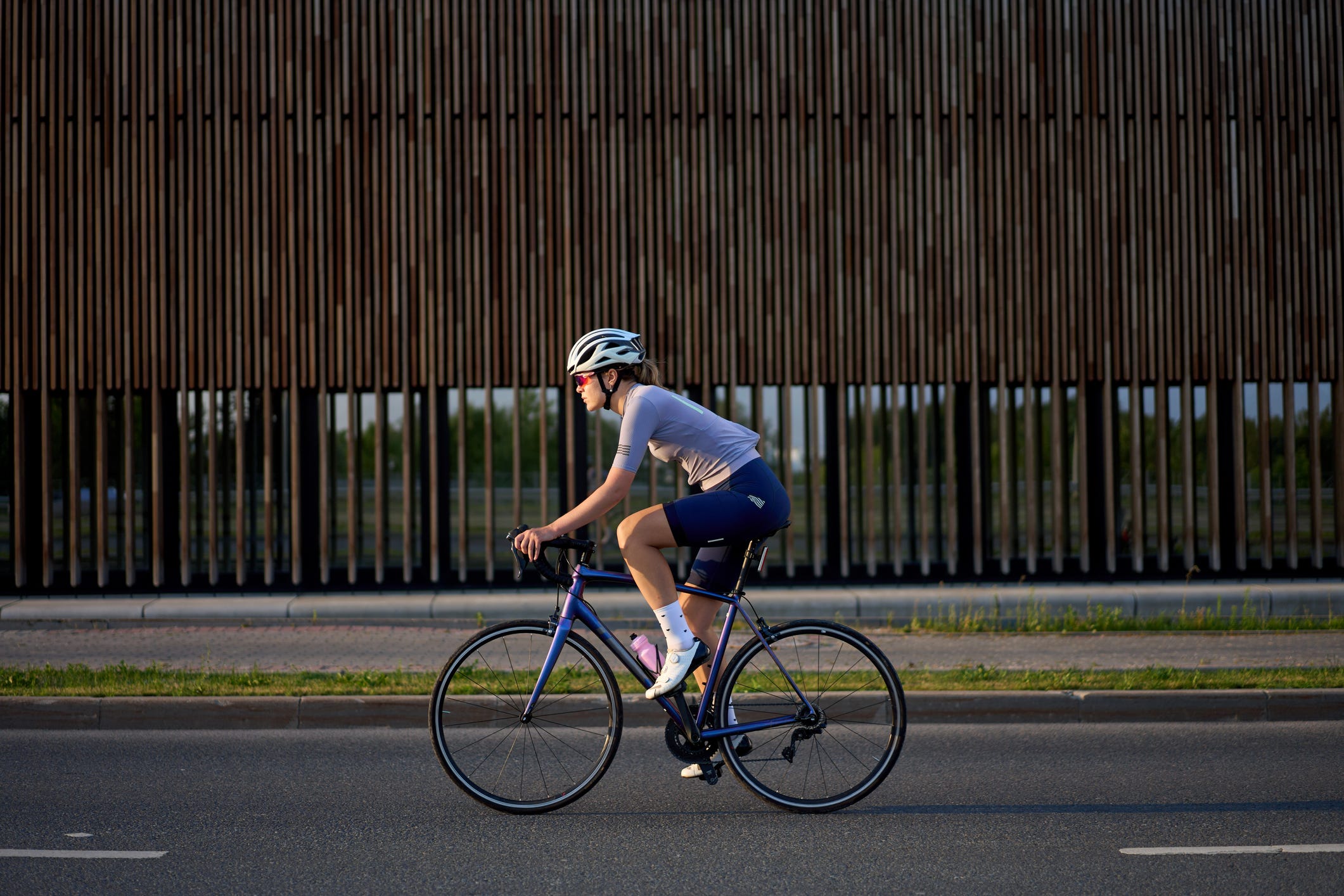
Answer four questions before you compare a single component. Are your roads mostly smooth pavement, rougher surfaces, or broken up by the odd unpaved stretch? Are your rides short fitness outings, several hours long, or regular long-distance days? Do you want a less demanding posture or a more performance-focused one? And should the bike feel composed and comfortable, responsive and sporty, or somewhere in between?
Your answers point to one category, two at most. That’s where you start looking for a frame that fits.
Women’s-specific or unisex?
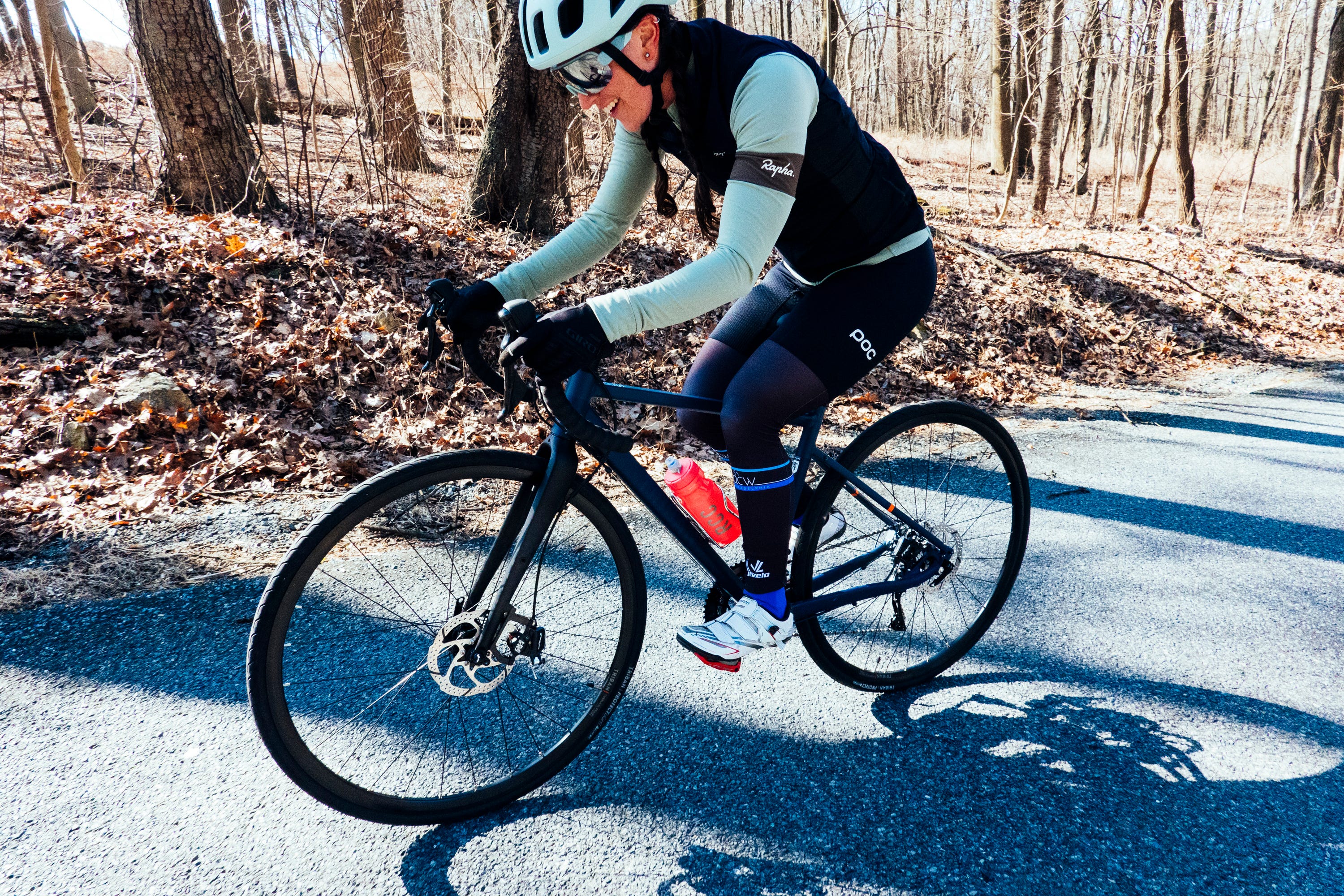
Shop both. Liv describes its bike development as women-focused, while Trek markets road bikes for riders of any gender, and either approach works if the geometry suits your proportions. Women’s models sometimes arrive with bars, cranks or other contact points that suit you straight away. A unisex model can match you just as well, or better. Whatever the label says, judge the bike on its geometry, its controls and the changes it needs before it’s comfortable to ride.
Stack, reach and standover
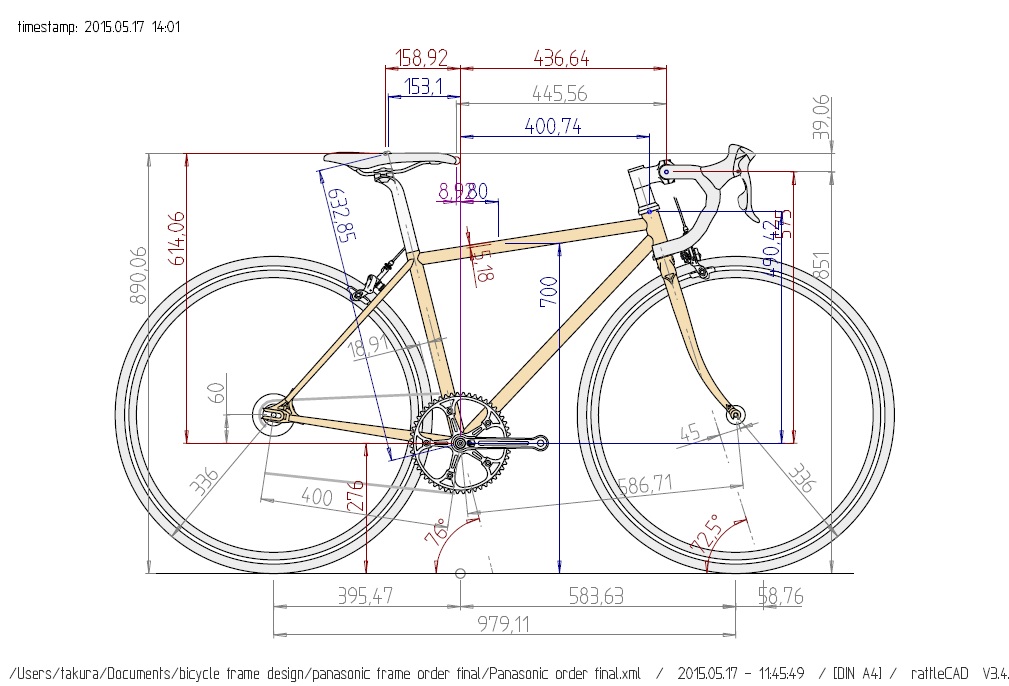
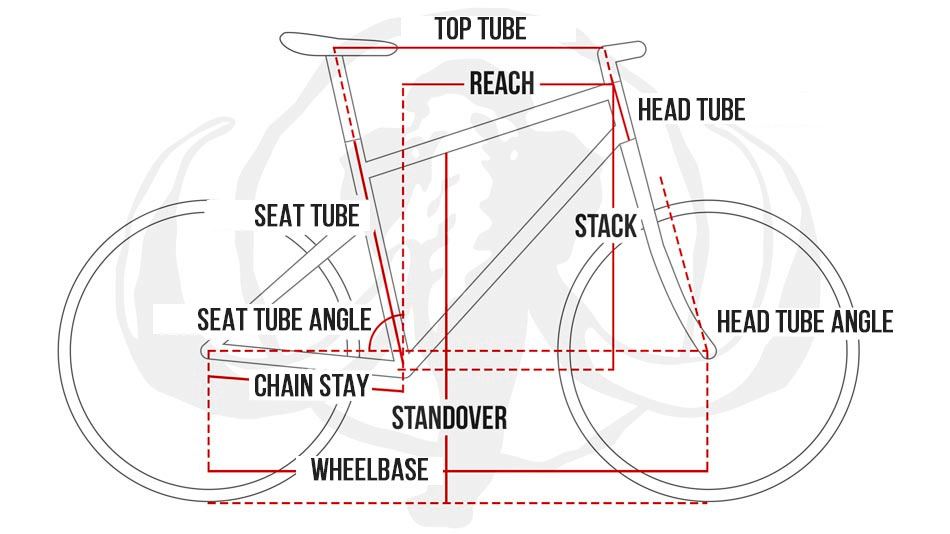
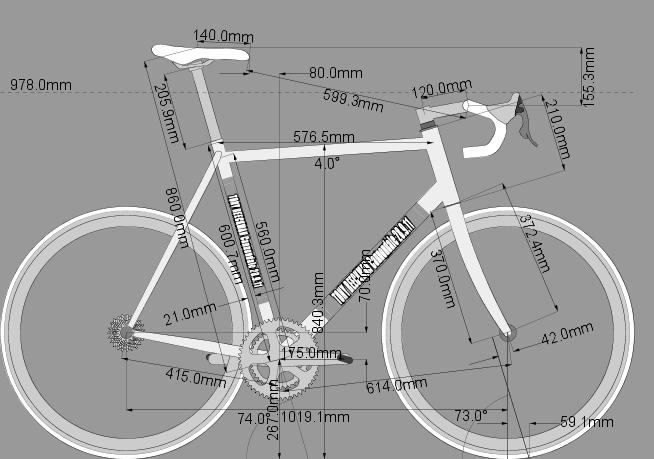
Labels such as XXS, XS or 44 only tell you where a bike sits in its own brand’s range. To compare brands, open their geometry charts and look at three numbers:
- Stack: The vertical distance from the center of the bottom bracket to the top of the head tube. It tells you how high the front of the frame sits.
- Reach: The horizontal distance between those same two points. It describes the frame’s length. How far you stretch to the brake hoods also depends on the saddle and the cockpit setup.
- Standover: The frame height that matters when you straddle the bike at a stop. Check it against your inseam, and stand over the bike itself.
A Liv Avail XXS and Trek Domane 44, side by side
Both sets of figures come from the brands’ own geometry charts.
| Frame measurement | Liv Avail Advanced 0 2026, XXS |
Trek Domane AL 4 Gen 4 Size 44 |
Difference |
|---|---|---|---|
| Stack | 510 mm | 510 mm | 0 mm |
| Reach | 363 mm | 360 mm | 3 mm |
| Standover | 683 mm | 657 mm | 26 mm |
The stack is identical and the reach differs by just 3 mm, so on those two numbers alone the frames put you in almost the same spot.
Their standover measurements differ by 26 mm.
If you have little clearance to spare, those 26 mm decide it, which is reason enough to stand over the frame in person before you commit to a size that looks right on paper. The taller frame is the women’s Liv, at 683 mm against 657 mm for the unisex Trek.
Stack and reach describe the frame and nothing more. Saddle position, stem length, bar shape and brake-hood placement change how far you reach and how you sit, which is why two frames this close can still need different setups and suit different riders.
Narrow the list on paper
Keep a note for each bike on your list: the brand, full model name, model year and frame size, then its stack, reach and standover. Figures for one model or year don’t carry over to another, so if a chart doesn’t name the variant you’re looking at, find out which one it covers before you trust the numbers.
Drop any frame whose basic dimensions can’t give you a workable position. A new stem or bar fine-tunes a frame that’s close. It won’t save one that’s wrong.
Brakes, bars and saddle
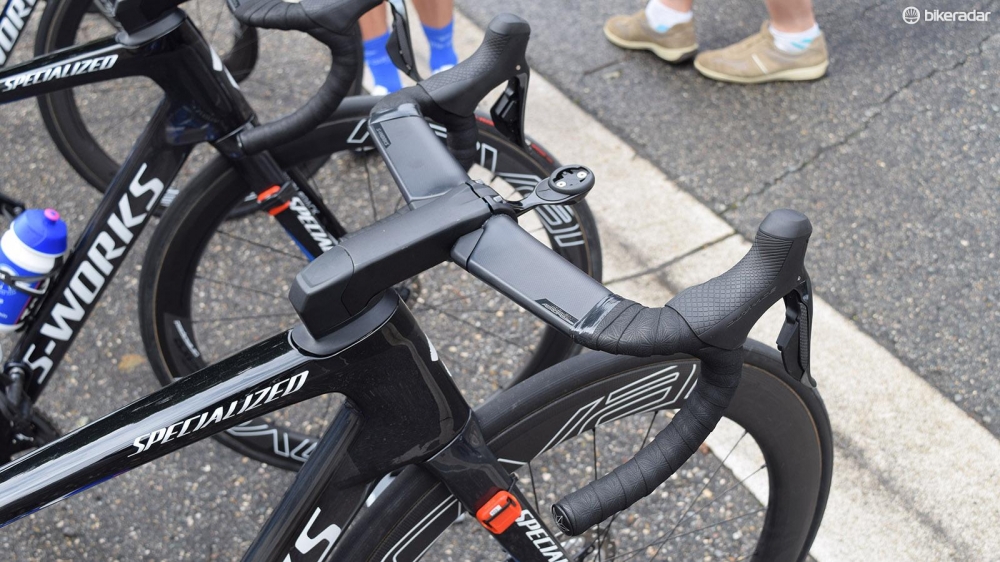
Even a frame that’s right on paper comes with stock controls, and the wrong ones make a bike awkward to ride. Try everything you touch and operate before you settle on a build.
Sit on the bike in the position you’ll ride in, with the bike stationary and held steady. Put your hands on the brake hoods and pull the levers. If you plan to ride in the drops, try the brakes from there too. You need to brake with confidence before you ride it anywhere.
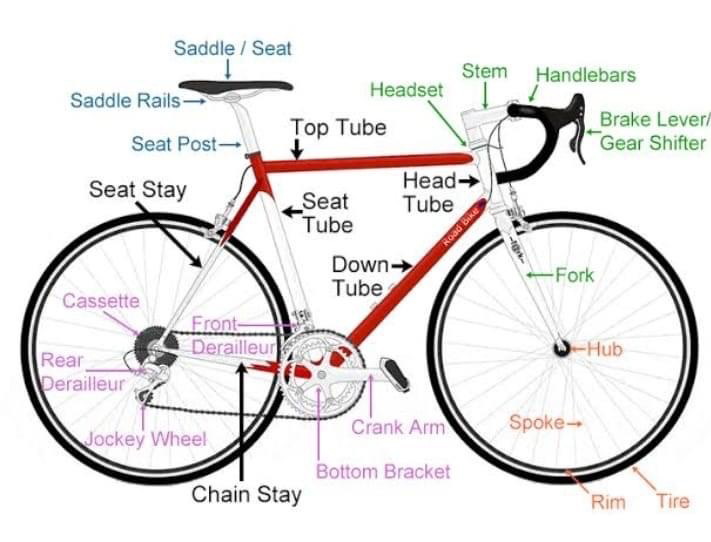
Some levers adjust for reach. Shimano’s 105 Di2 ST-R7170-L product documentation lists an adjustment that changes the distance between the lever and the handlebar grip. Ask whether the levers on your bike have one, and whether its range brings them close enough for your hands.
The 2026 Liv Avail Advanced 0 in XXS comes with 380 mm handlebars and 160 mm cranks. Compare both numbers with the stock parts on every other bike on your list.
Know which changes are a quick adjustment and which mean buying parts:
- Brake controls: Note which levers are fitted and whether they adjust.
- Handlebars and stem: Compare the stock sizes with the position you need, then ask which swaps are compatible and what the parts and labor cost.
- Cranks: Write down the stock length for your frame size. Take any worry about your pedaling position to a qualified fitter.
- Saddle: Judge it on a ride, after the shop has set it up for you. Padding and women’s-specific marketing don’t make a saddle comfortable on their own.
A 2024 systematic review of cycling position analyzed 47 studies with 724 participants, 90 of them women. It found no universal prescription for several position choices, so your setup gets worked out on you and your bike.
Smaller controlled studies with 19 women in 2018 and 10 women in 2023 looked at saddle setup and pressure. Neither of them will pick your saddle for you.
A good fitting session ends with something concrete: the adjustment proposed, the compatible parts it needs, what it all costs, and a chance to try the result on the bike.
Where the extra money goes
Once two frames fit, the equipment starts to matter. It changes how the bike works, what’s easy to swap later, and how much of your budget is left for getting the fit right.
Carbon or aluminum
Frame material is one of the things you pay for. The 2026 Liv Avail Advanced 0 has a carbon-composite frame, and the Trek Domane AL 4 Gen 4 has an aluminum one.
Weighing an aluminum bike against a pricier carbon one? Ask two questions. Does the cheaper bike already do everything you need? Does the carbon one offer a feature you can name and would pay for? Either way, the material only earns its price on a frame that fits you, with parts you’ll use, for the riding you do, so judge it alongside what reviewers say about that build.
105 Di2 or Tiagra
The Liv Avail Advanced 0 comes with Shimano 105 Di2 components and hydraulic disc brakes. The Domane AL 4 Gen 4 uses Shimano Tiagra 10-speed shifting.
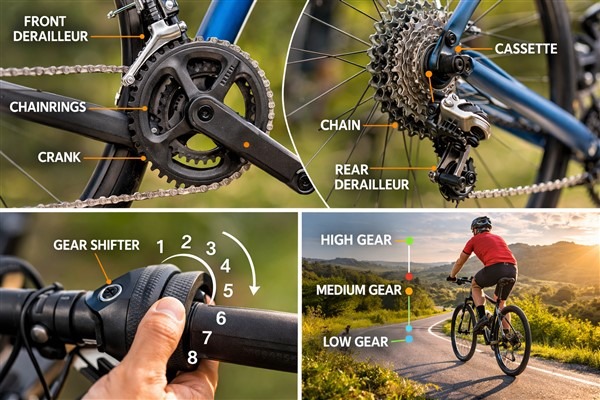
Try the shifters on both. Decide whether a shifting feature is worth paying for on the rides you do, and ask how that groupset gets serviced and supported.
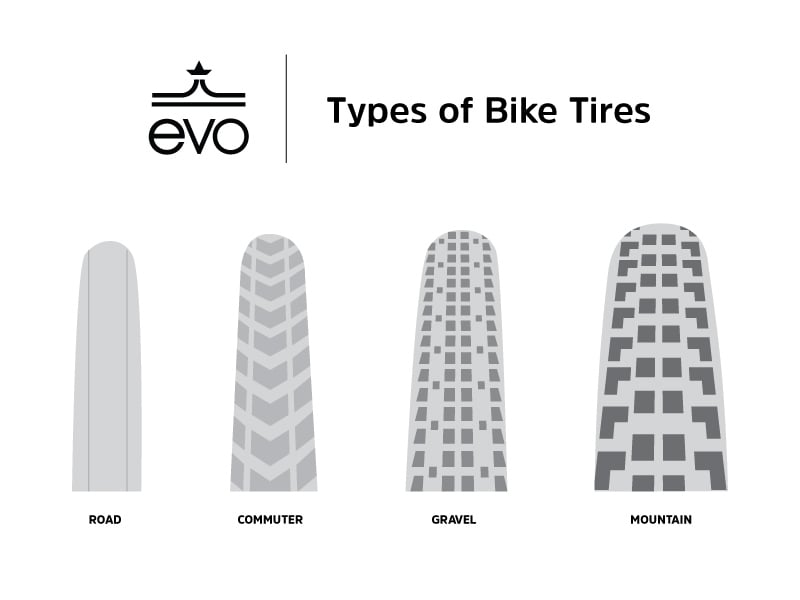
The Avail Advanced 0 rolls on 700×32c tires and clears tires up to 40 mm. Check the same two figures for the rest of your shortlist.
Spend in this order. Fit comes first, so hold back enough money for compatible changes to the bars, stem, saddle or controls. Next come features your regular routes, your handling preferences and your hands will use. Upgrading to a higher component tier comes last, and only when you know what you expect it to do for you.
What the bike costs ready to ride
The price tag is where the sum starts. Add every change, service and piece of kit that bike needs before it’s ready for your rides, and set an overall limit before you look at another round of upgrades.
Price the same lines for each bike, as written quotes from the seller: tax and seller fees, fit-related parts and labor, fitting or assembly, the accessories you still need, an inspection or service if the bike is used, and shipping if it’s delivered. The cheaper bike that needs several changes straight away can end up costing more than one that arrives with the right parts.
Where you buy changes what you get. Ask a local dealer what help comes with sizing, fitting, setup and later service, and on what conditions. With a direct-to-consumer seller, confirm delivery, who handles assembly, what support you get and the return or exchange terms. On a used bike, check its condition as closely as its fit, and put any inspection or service in the budget.
After a great test ride, the pricier build looks tempting. Price it ride-ready before you say yes.
Building a shortlist
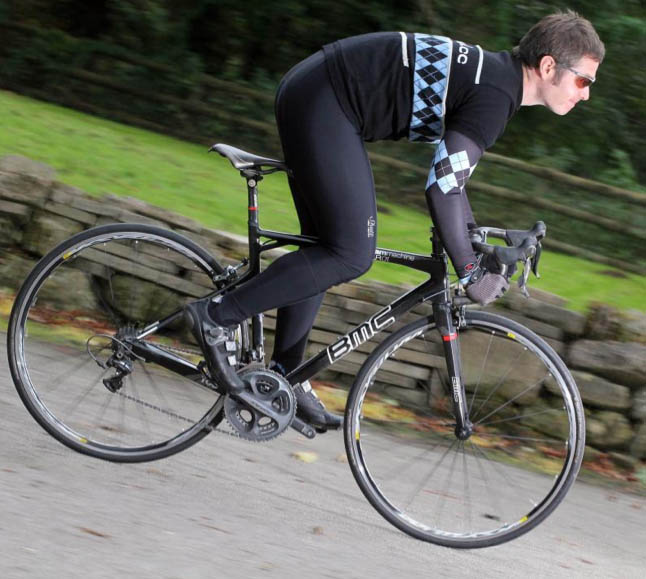
Start with a few named models, in sizes the charts say should fit, that match the riding you do. The last three below came up in one rider’s road-bike comparison, where she was trading comfort against performance and how each bike would behave on her usual roads.
- Liv Avail Advanced 0, 2026: Carbon frame, Shimano 105 Di2, hydraulic disc brakes and 700×32c tires. In XXS it’s the Liv from the side-by-side comparison. Check that your size and the full build suit you.
- Trek Domane AL 4 Gen 4: An aluminum frame with Tiagra shifting, so a different equipment package to compare. Find out which model version is on offer and how you can buy it.
- Trek Domane SL 5 Gen 4: A separate model from the Domane AL 4 Gen 4, with its own spec sheet.
- Liv Avail Advanced: The wider family the Advanced 0 belongs to. Each model in it has its own build, so compare them one at a time.
- Canyon Endurace CF 7 and CF 7 AXS: Two builds, so treat them as two bikes and look up the equipment and sizes for each before you choose.
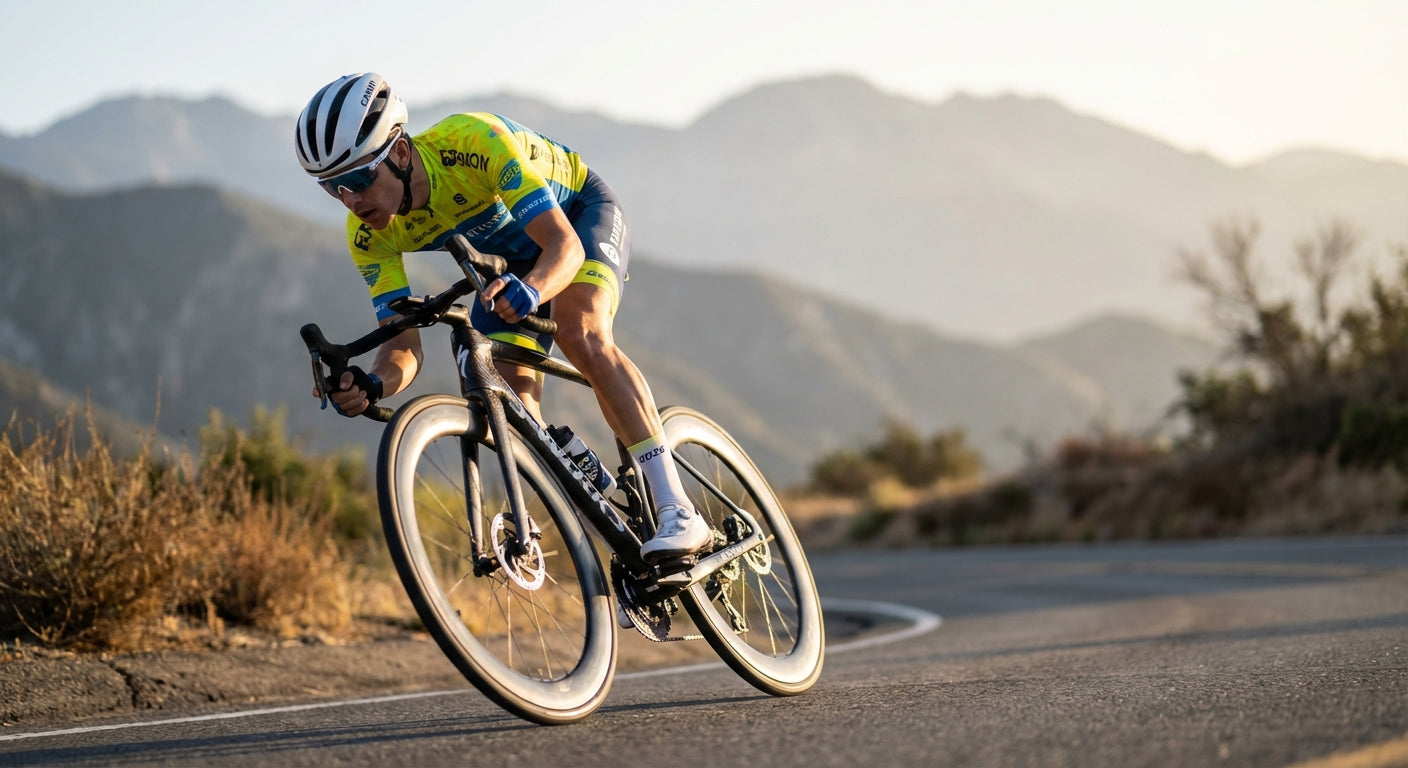
For riding impressions, look for reviews of that exact bike and build. Cycling Weekly’s women’s road-bike guide describes six selections evaluated through the magazine’s own testing. Spec sheets give you the construction and the dimensions, while a road test tells you how one reviewer got on with one build.
Get the list down to two or three bikes. If you can’t find reliable geometry for one of them, mark its fit as unknown. A familiar model name doesn’t tell you it fits.
How to run a fair test ride
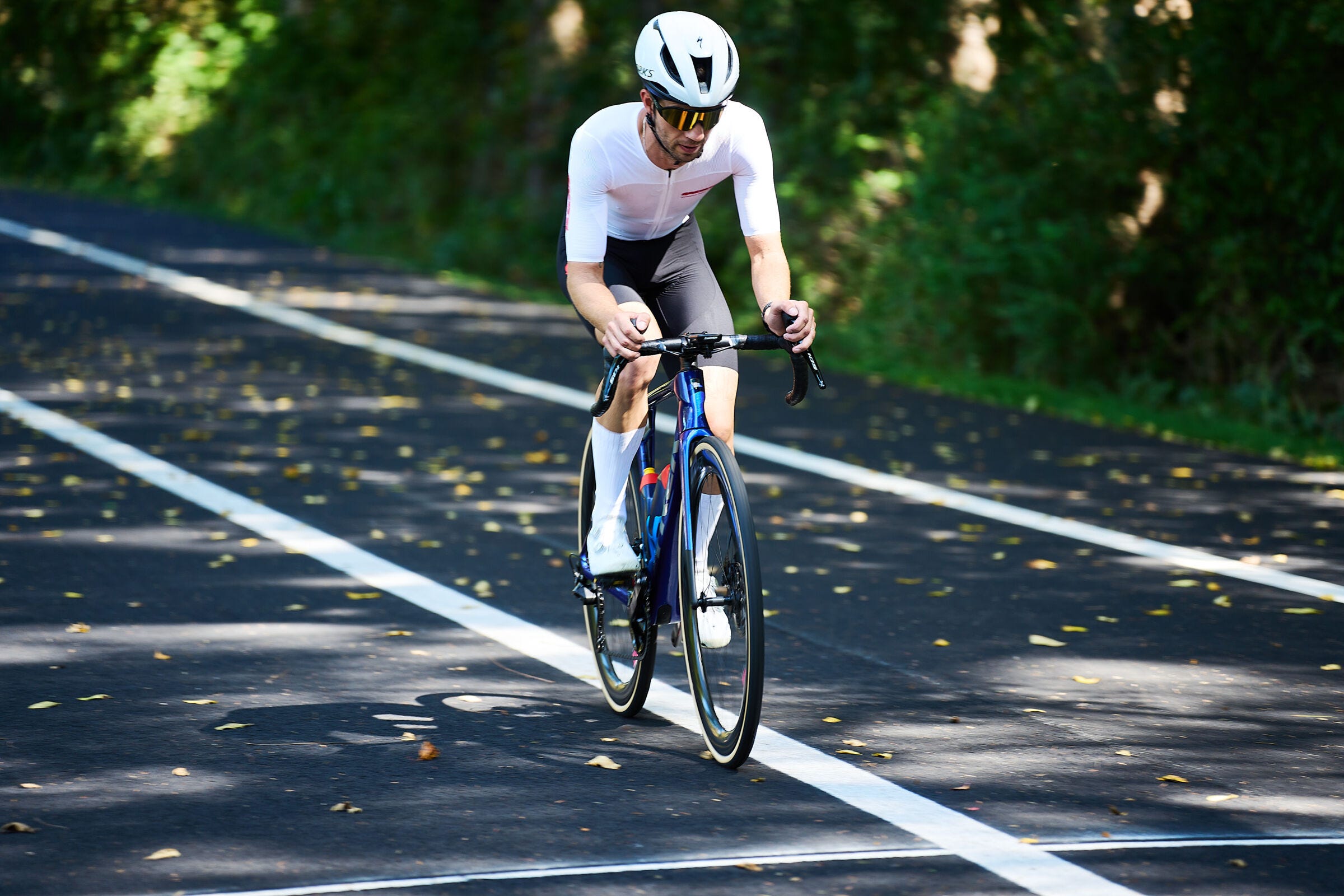
Riding the bike tells you what no geometry chart will. You feel your position, use the controls and find out whether the handling gives you confidence.
Have the shop set each bike up for you first. Then ride them under similar conditions where possible, because the same route and the same checks make it far easier to remember which differences mattered once you’re home.
Record the ride while the details are fresh
Write a line on each of these five points for every bike, straight after the ride.
| What to check | What a pass looks like |
|---|---|
| Brake access | You brake with confidence from the hoods. |
| Reach to the hoods | The position feels workable. |
| Shifting controls | You operate them comfortably. |
| Seated comfort | Nothing needs a fitter’s second look. |
| Handling confidence | The bike feels steady at the pace you tested. |
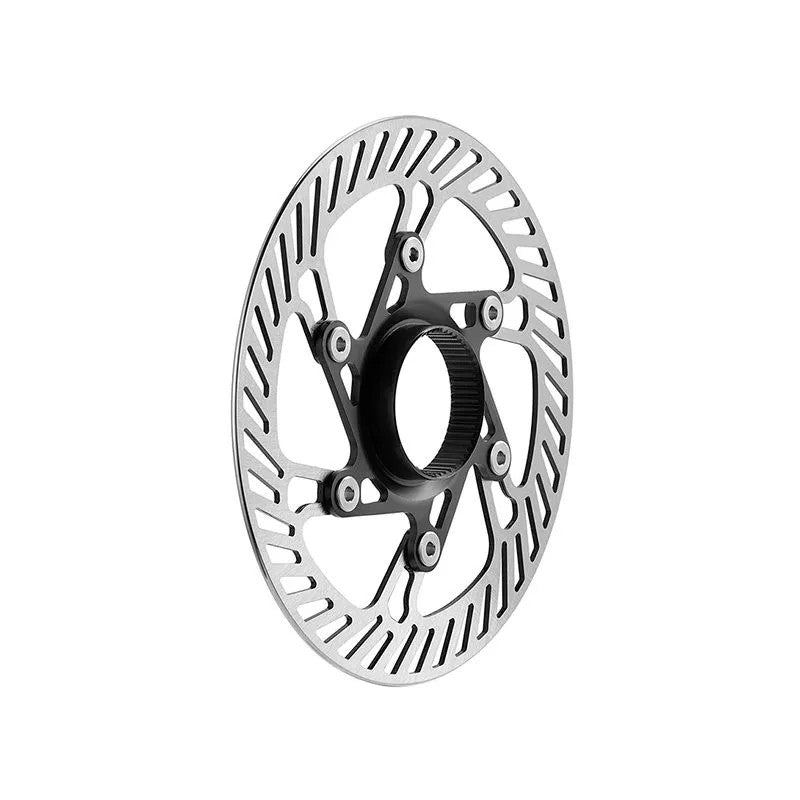
A short loop shows you an awkward lever, a position you dislike or handling that doesn’t suit you. It won’t show how the bike feels at the end of a 70-to-100-mile ride, so if you ride that far, ask the shop about a longer test or a fitting with a return option.
Leave each test with one of three decisions: the bike stays on the list, it’s out, or one concern needs checking.
Short torso, big miles, no bike in your size
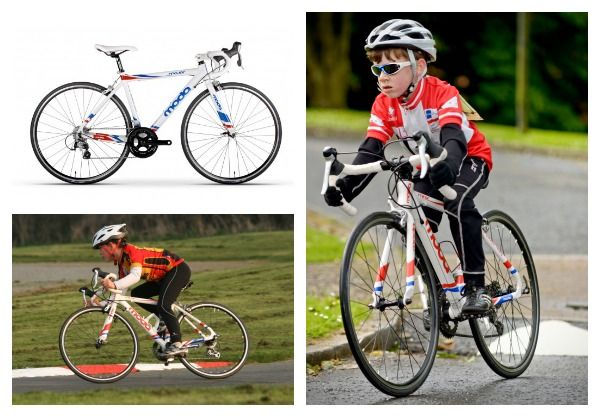
Longer legs and a shorter torso
If your legs are long for your height and your torso is short, a frame chosen by leg length can still put the bars farther away than you like. Frame reach narrows the list. The position itself has to be judged with the full cockpit fitted.
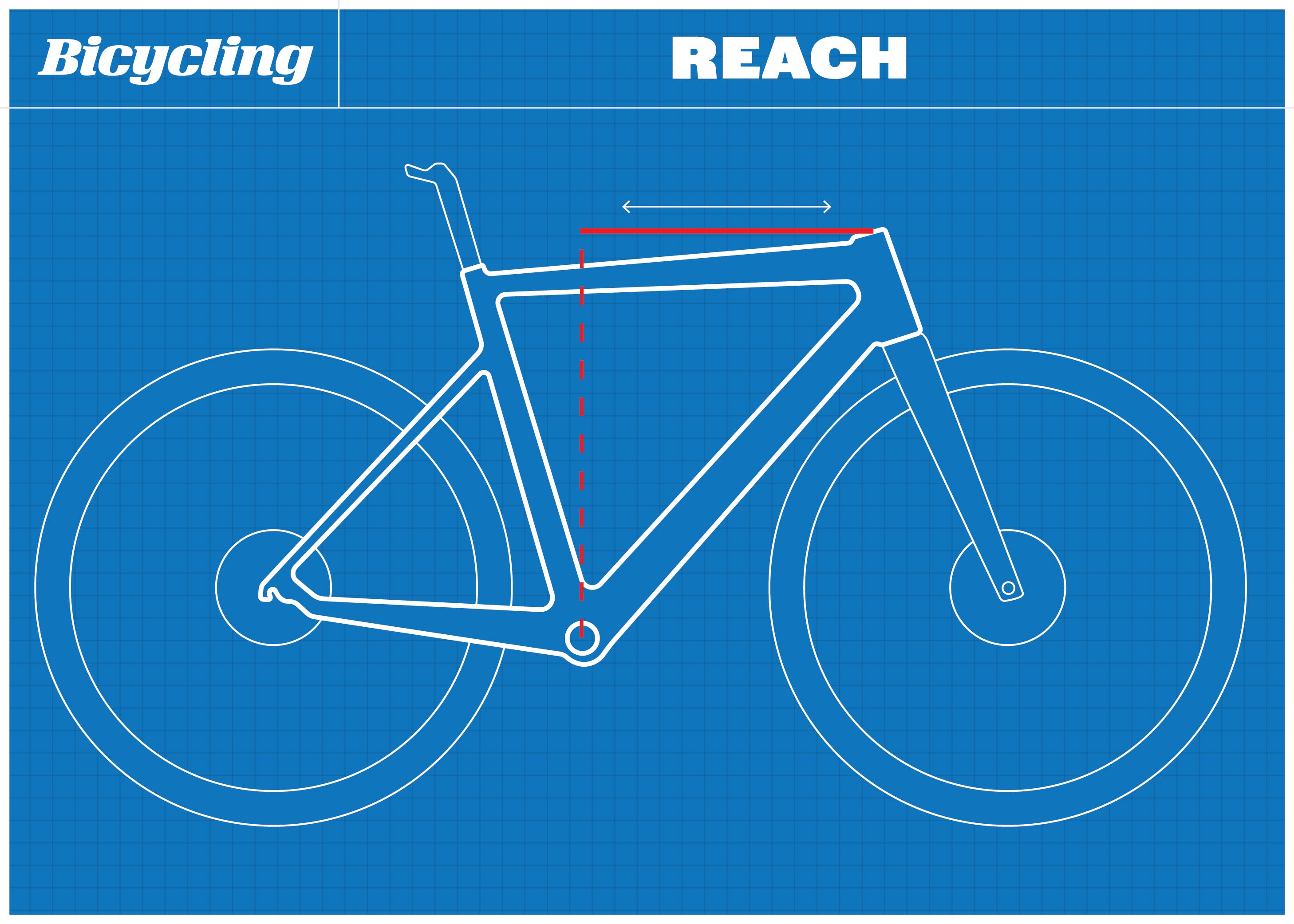
Compare the frame geometry and the cockpit together, and expect to check more than one frame size or model family before the position comes right.
Long rides with faster group riding
If you ride 70 to 100 miles and also want a bike that responds on faster group rides, you’re testing for two things: a position you can hold for the whole distance, and handling you enjoy when the pace goes up. Test an endurance bike and a race-oriented one. The bike under you and the position you prefer count for more than any comfort-versus-speed label.
Limited access to your frame size
One petite shopper couldn’t find road bikes in her size to try locally. If no shop near you has yours, start from the manufacturer’s geometry and component specs.
Then ask the seller three things: what fitting help you’ll get, who handles assembly and adjustment, and what the return or exchange terms are.
Triathlon and time-trial bikes need their own comparison and fitting. Pain or numbness that keeps coming back needs a professional to look at it.
Which road bike to buy
Buy the bike whose frame fits you first. For long paved rides that usually means an endurance model, and a women’s label is no reason to pick or skip one.
Pick from the geometry chart, check that you can reach and use the brakes, and spend upgrade money only after the fit parts are paid for. If no shop near you stocks your size, buy where you get a fitting and a clear return. Otherwise, buy the one you’ve ridden.