
Commute by bike when you have four things: a route you’d ride in both directions, a bike in working order, dependable parking and an arrival routine that fits your day. If one is missing, change the plan. If the missing piece is a route you won’t ride, travel another way. Start with a low-pressure trial of the full commute.
Check whether bike commuting fits your whole day

Parking the bike, changing and reaching your desk on time count as part of the commute, so plan them too. Before you buy anything, check six conditions.
| Factor | Question to answer |
|---|---|
| Route | Would you ride this route in both directions? |
| Bicycle | Can you control the bike comfortably, and is it in working order? |
| Parking | Can you leave it in a suitable, permitted place? |
| Arrival | Can you meet your workplace’s timing and clothing requirements? |
| Belongings | Can you carry the essentials? |
| Disruptions | Could you get home another way if conditions change? |
Choose a route you’d ride both ways
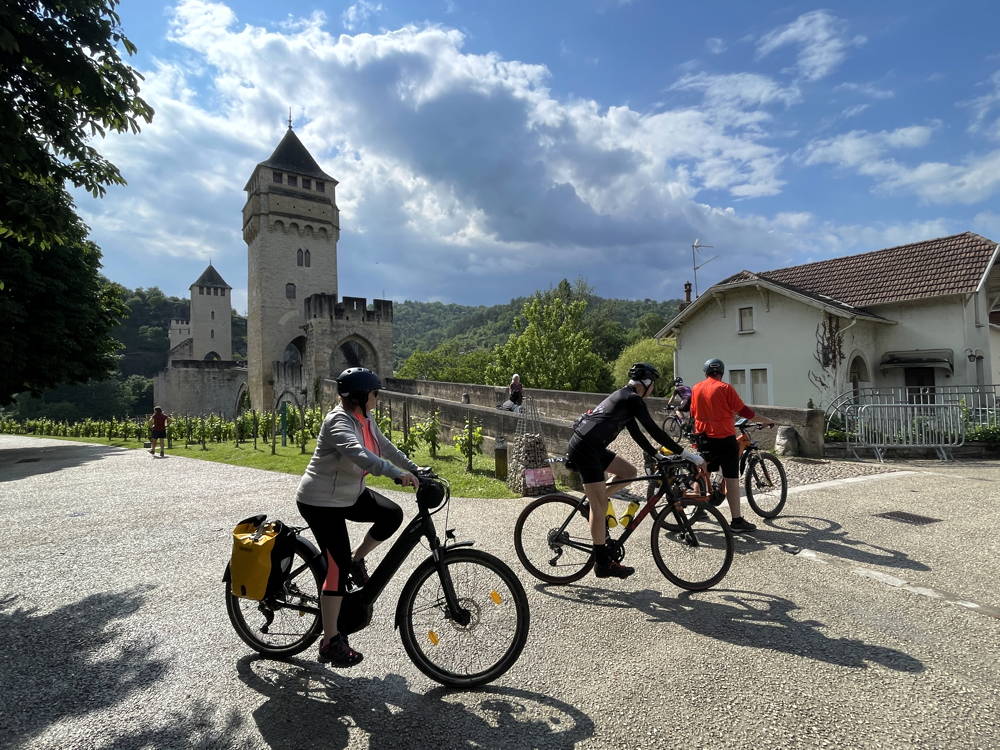
The shortest route can run along a fast road with difficult turns. A longer one can offer quieter streets, but with awkward crossings, poor surfaces or an unlit stretch. Compare the whole route, including the ride home.
| Route option | Advantage | What to check | Skip it if |
|---|---|---|---|
| Direct, fast-traffic road | Shorter distance | Traffic volume, junctions, turns, where the bike lane ends | You’re uncomfortable with that traffic |
| Quieter-street detour | Less traffic on some sections | Crossings, connections, pavement, added time | The extra time makes the commute impractical |
| Path with isolated or unlit stretches | Separation from some motor traffic | Lighting, access points, surroundings | You wouldn’t ride it home |
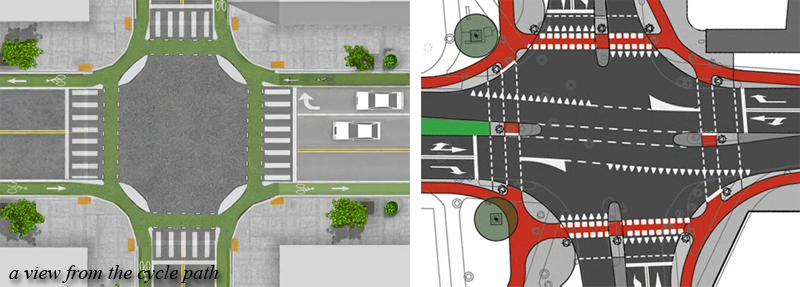
The National Highway Traffic Safety Administration advises cyclists to account for traffic conditions, road hazards, visibility and predictable riding. Check where a bike lane ends, how you cross busy streets and where driveways or intersections cut across the route.
A systematic review of cycling infrastructure preferences found that women stated stronger preferences for traffic separation in 23 of 40 studies reporting gender comparisons. The other 17 found no statistically significant difference.
A US study of 604 cyclists recruited from emergency departments in Washington, DC; New York City; and Portland, Oregon had observational findings that varied with facility design and with conflicts such as crossings and obstructions. Look at the crossings and obstructions on your route, not just the bike lane.
A route you ride comfortably in the morning can be uncomfortable after sunset, and the way home can follow different streets.
Get your bike and gear ready
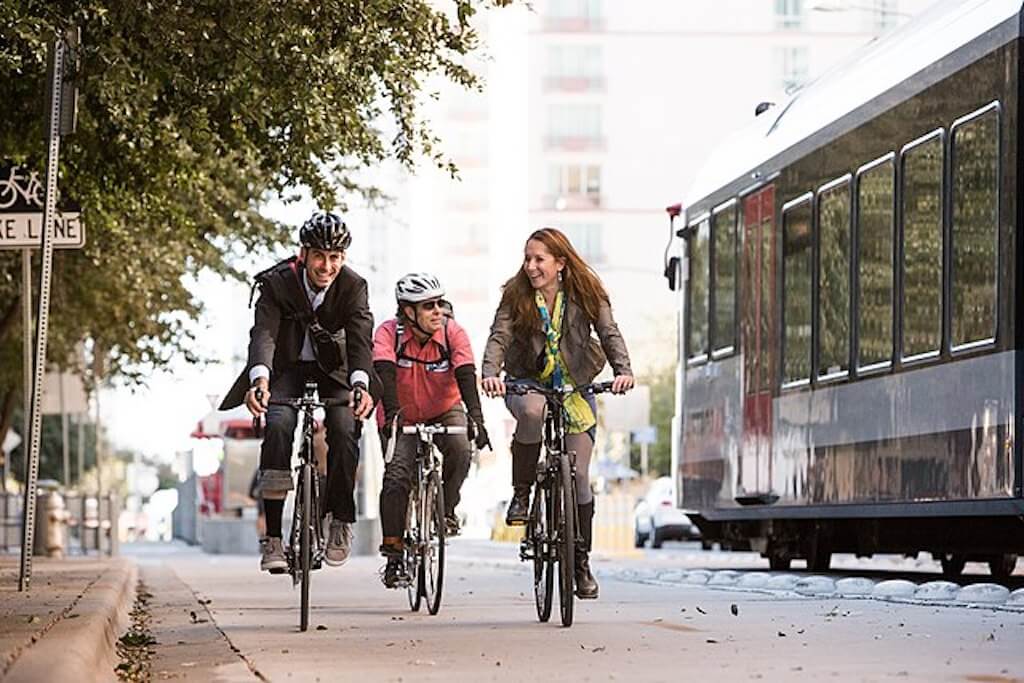
Start with the bike you already own. You need to control it comfortably, and it has to suit your route. Check these before you leave:
- Tires: Check condition and inflation.
- Brakes: Make sure the bike slows and stops reliably.
- Chain and drivetrain: Make sure pedaling and shifting work.
- Handling: Confirm you can control the bike on the surfaces you expect to ride.
- Helmet: Check the fit. The Consumer Product Safety Commission identifies 16 CFR Part 1203 as the US bicycle helmet standard.
- Visibility: In darkness or poor visibility, use a white front light, a red rear light and reflectors, as NHTSA guidance describes.
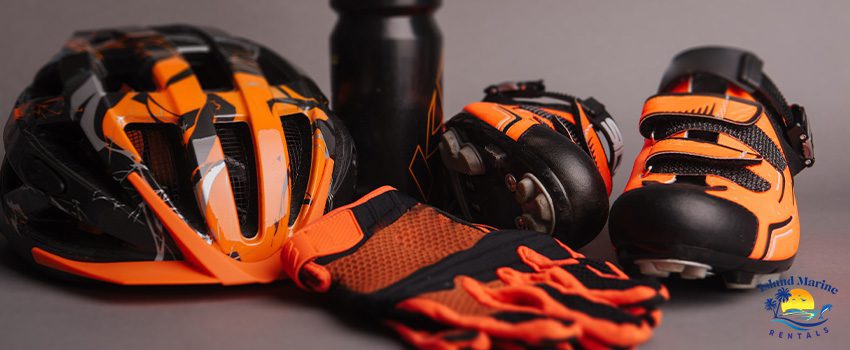
Fix unsafe brakes, tires or handling before you rely on the bike. A mechanic can inspect anything you can’t sort out yourself.
A road bike, hybrid or mountain bike all work. A hybrid suits riders who prefer an upright position, and a mountain bike handles city streets. Electric assistance makes hills easier. Fenders help in wet weather and a rack helps with carrying.
Confirm where you’ll park
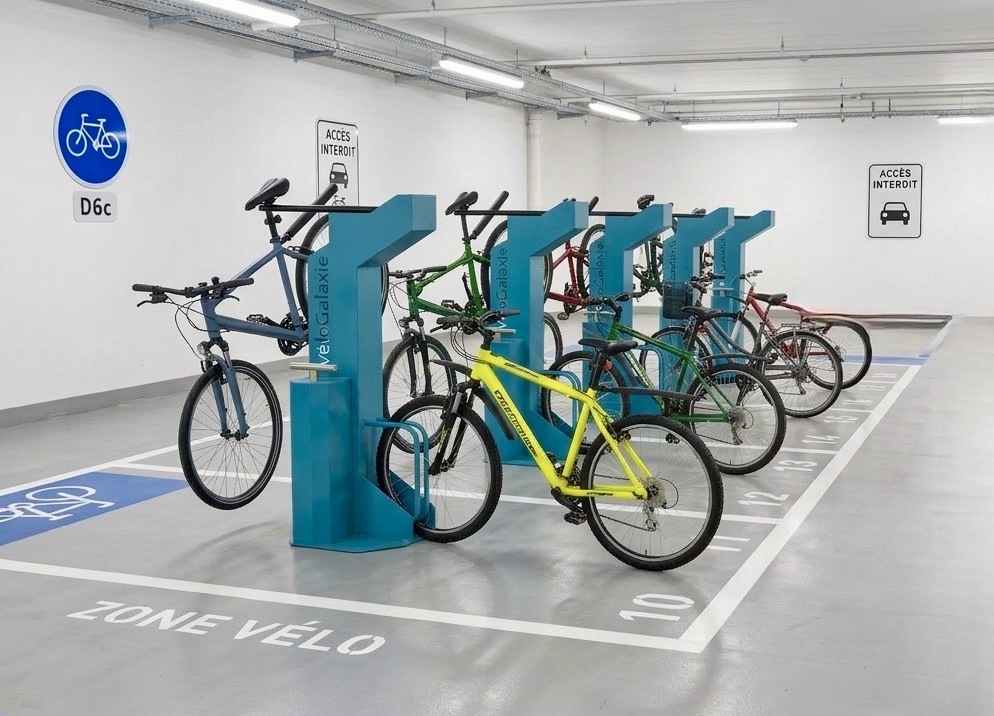
A bike room at work only helps if you can get in. Ask whoever manages the building where bikes are allowed, whether you need a key or an activated card, what hours the room is open, where the entrance is and how to secure the bike during the day.
One intern whose indoor parking access hadn’t been approved found out on day one: by 5 p.m. the bike was gone from the rack.
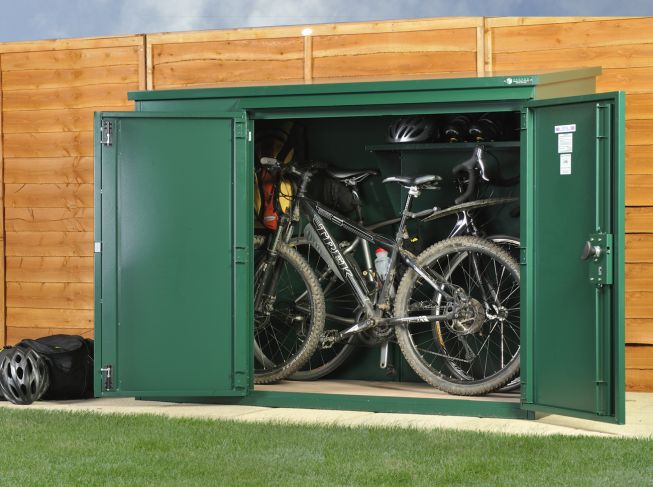
Outdoor racks raise other questions: where the rack is, how long the bike sits there and how you lock it. No approved space or lock removes theft risk entirely. If the parking available to you is unacceptable, find other authorized storage or change how you travel.
Carry your laptop, clothes and lunch
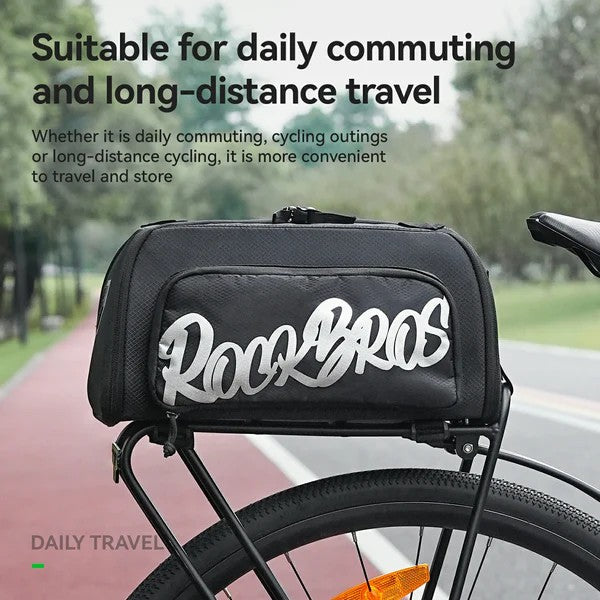
Your bag has to hold your things, stay put while you ride and be easy to carry once you park. Pack a normal day’s load, such as a laptop, lunch, keys, shoes, work clothes and a weather layer.
| Carrying option | Good fit for | Main trade-off | What to verify |
|---|---|---|---|
| Backpack | Modest loads and frequent carrying off the bike | Weight and warmth against your back | Comfort and protection for contents |
| Rack-mounted pannier | Larger loads carried on the bike | Needs compatible mounting hardware | Rack tubing, hook fit, wheel clearance |
| Basket | Accessible everyday items | Capacity and weather exposure depend on setup | Mounting, load security, protection from rain |
A pannier attaches to a rack, often over the rear wheel. The rack tubing and the bag’s hooks must fit together, and a bag’s stated volume says nothing about whether they do.
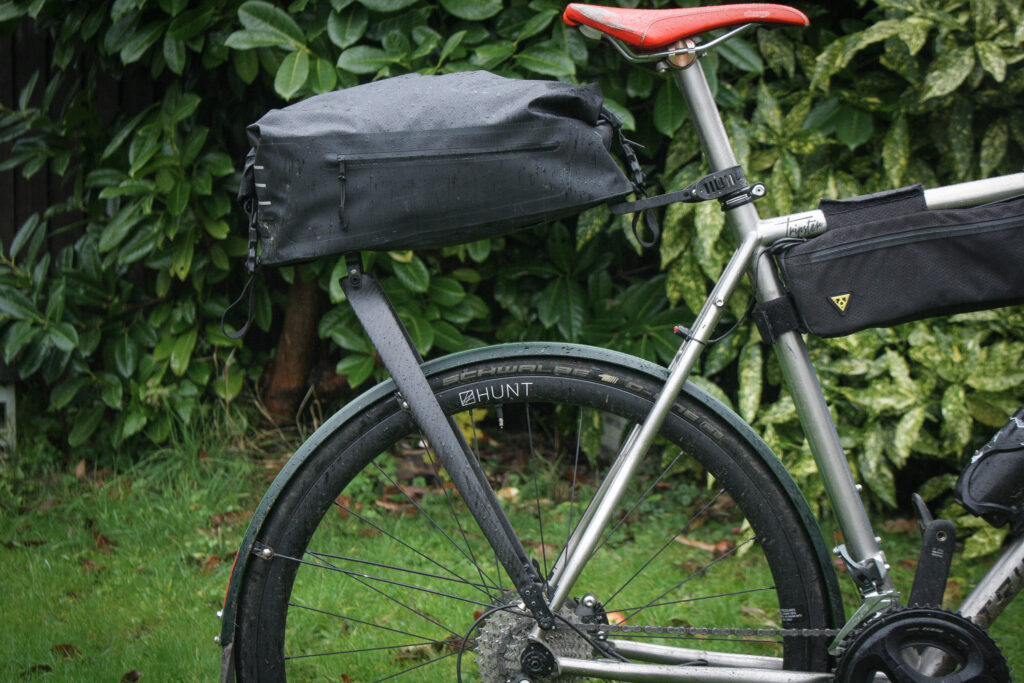
A rider posting on r/bikecommuting needed space for a 15-inch laptop, shoes, clothing and lunch. They estimated at least 25 L of bag capacity and had rack tubes measuring 16 mm across. Those figures describe their setup, not a standard commuter bag size.
If you carry electronics, pad them and protect them from rain. Plan how a rack-mounted bag will come with you into the building.
Choose clothes for the ride and the workday
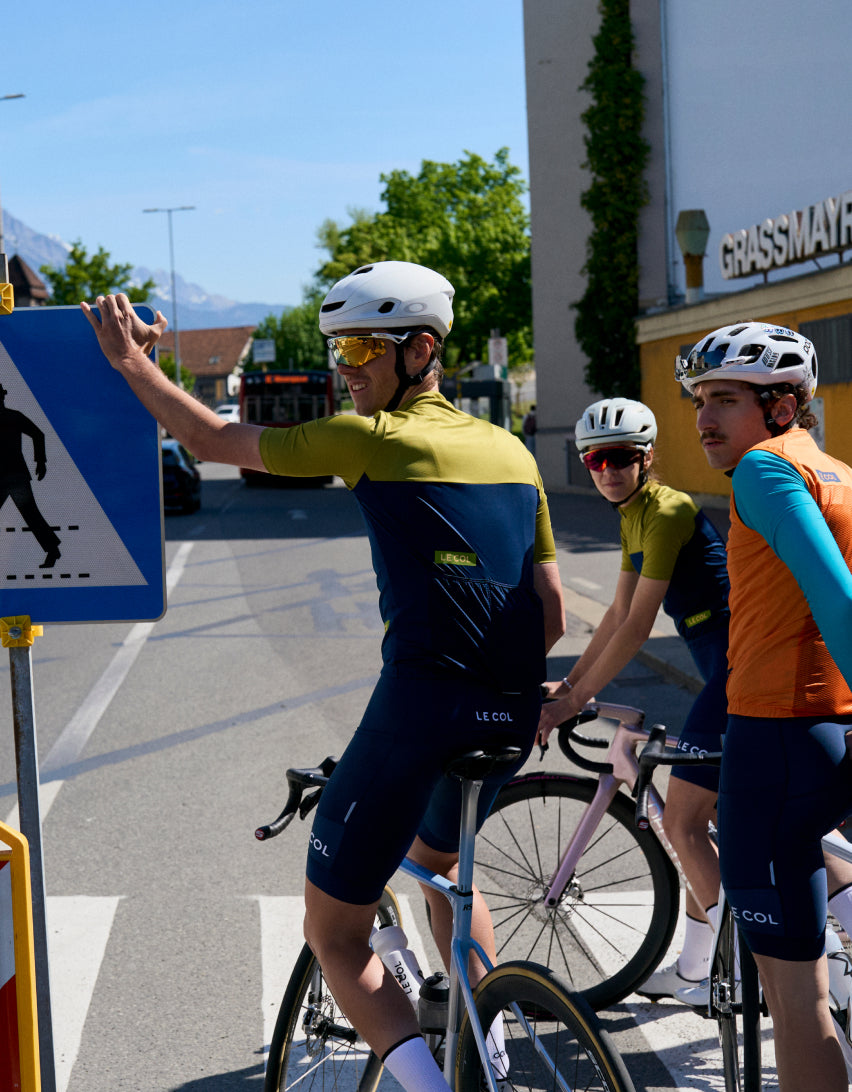
Comfortable everyday clothes are fine for riding to work. Your pace, hills, weather and dress code decide the rest. Riding in work clothes keeps things simple. If heat, sweat or formal clothing is a problem, change when you arrive.
A rider on r/ladycyclists with a slightly hilly 3.75-mile commute in New England said, “I feel silly wearing “gear” for such a short ride”.
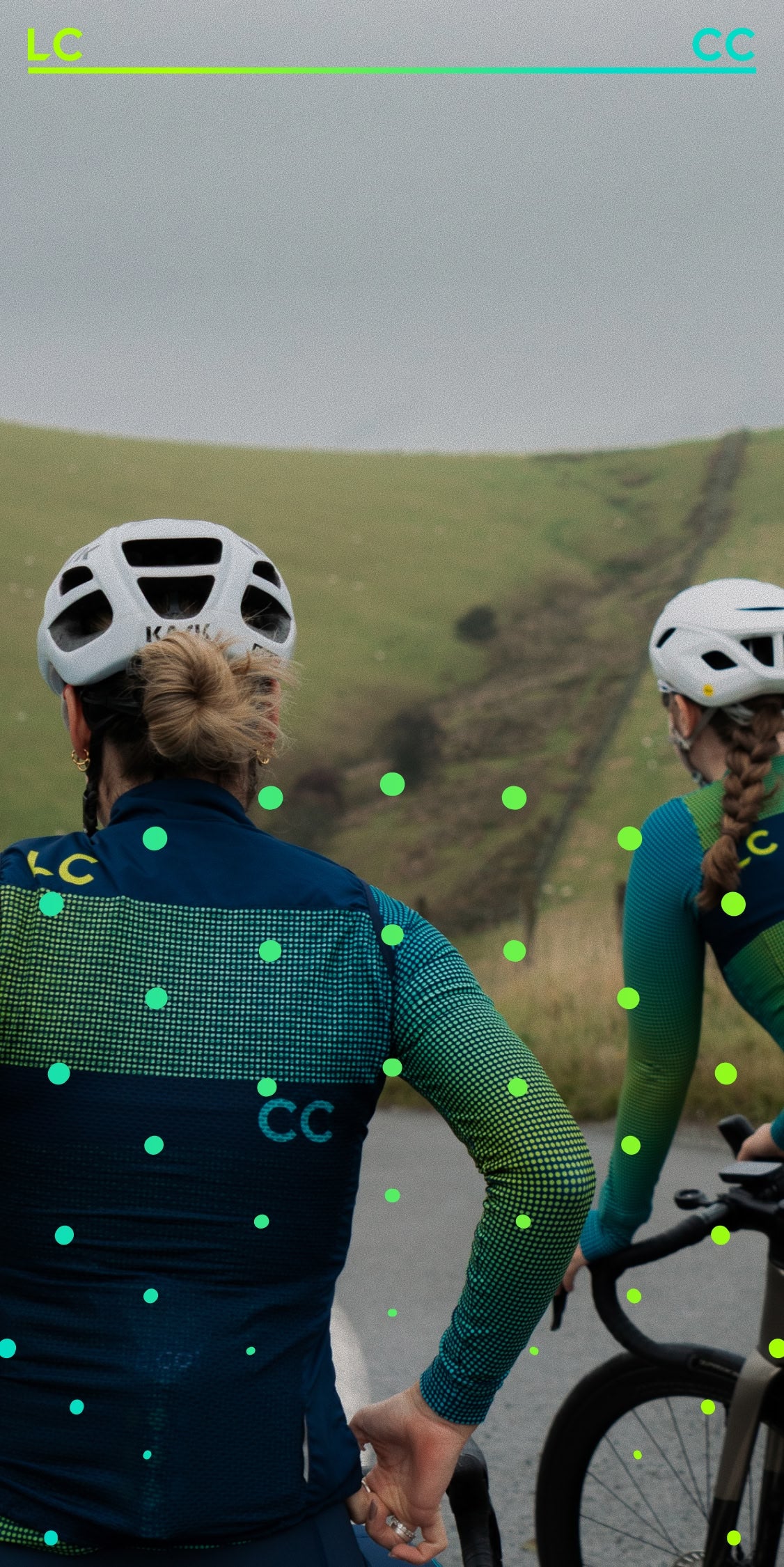
Either way, dress for the weather, make sure you can move freely and keep anything loose away from the drivetrain.
A short ride can still leave you sweaty in heat, humidity or hills. Jerseys, padded shorts and seasonal layers are optional extras for specific needs.
Arrive ready for work without an office shower
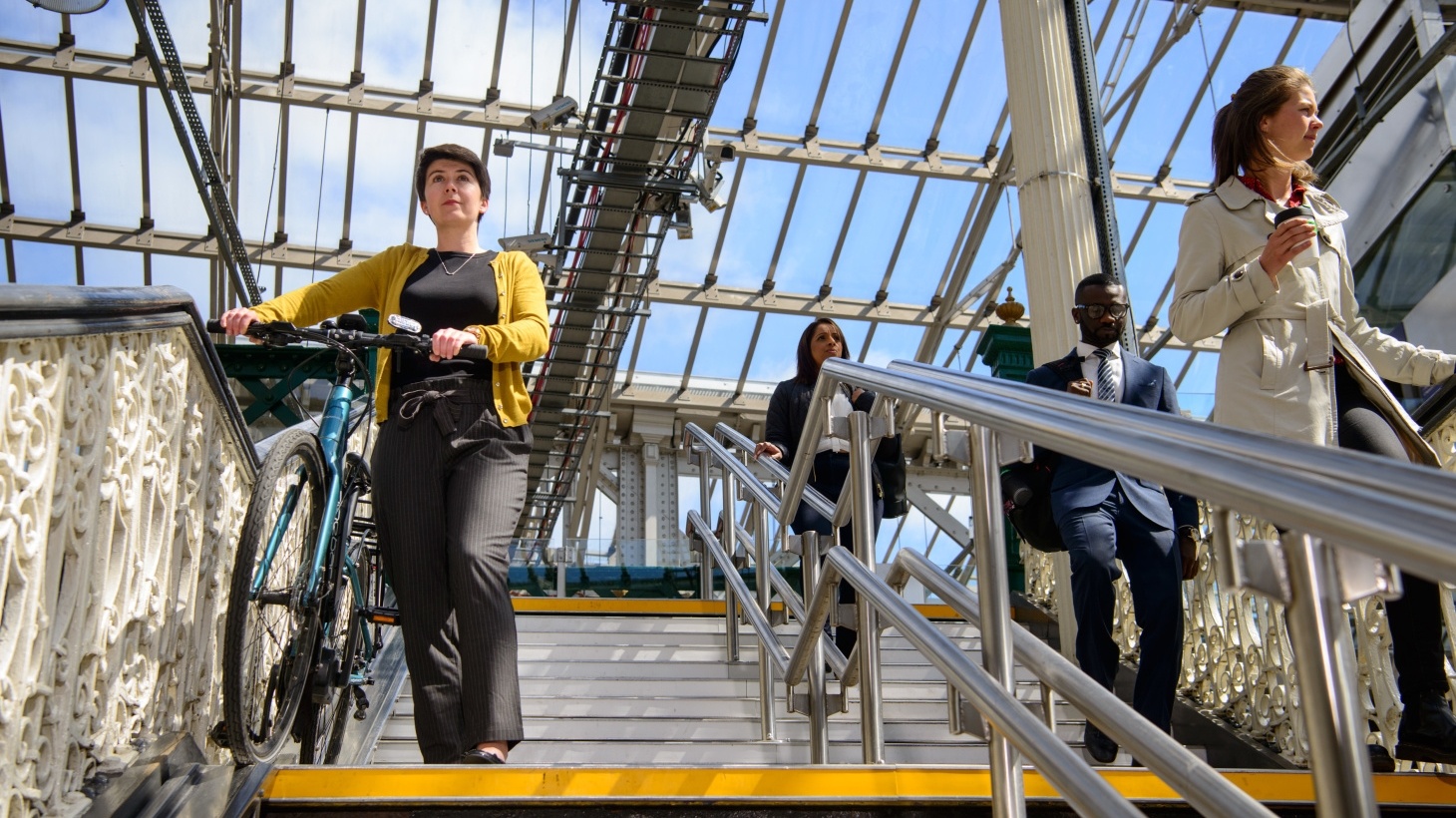
After you park, you still have to reach a bathroom, wash up, change and store your things. What that takes depends on your facilities and what you have to wear.
A prospective commuter in a conservative office posted on r/ladycyclists: “the biggest thing stopping me is worrying about being gross once I get there.”
That poster could use showers in another campus building, which costs walking time and possibly a wait.
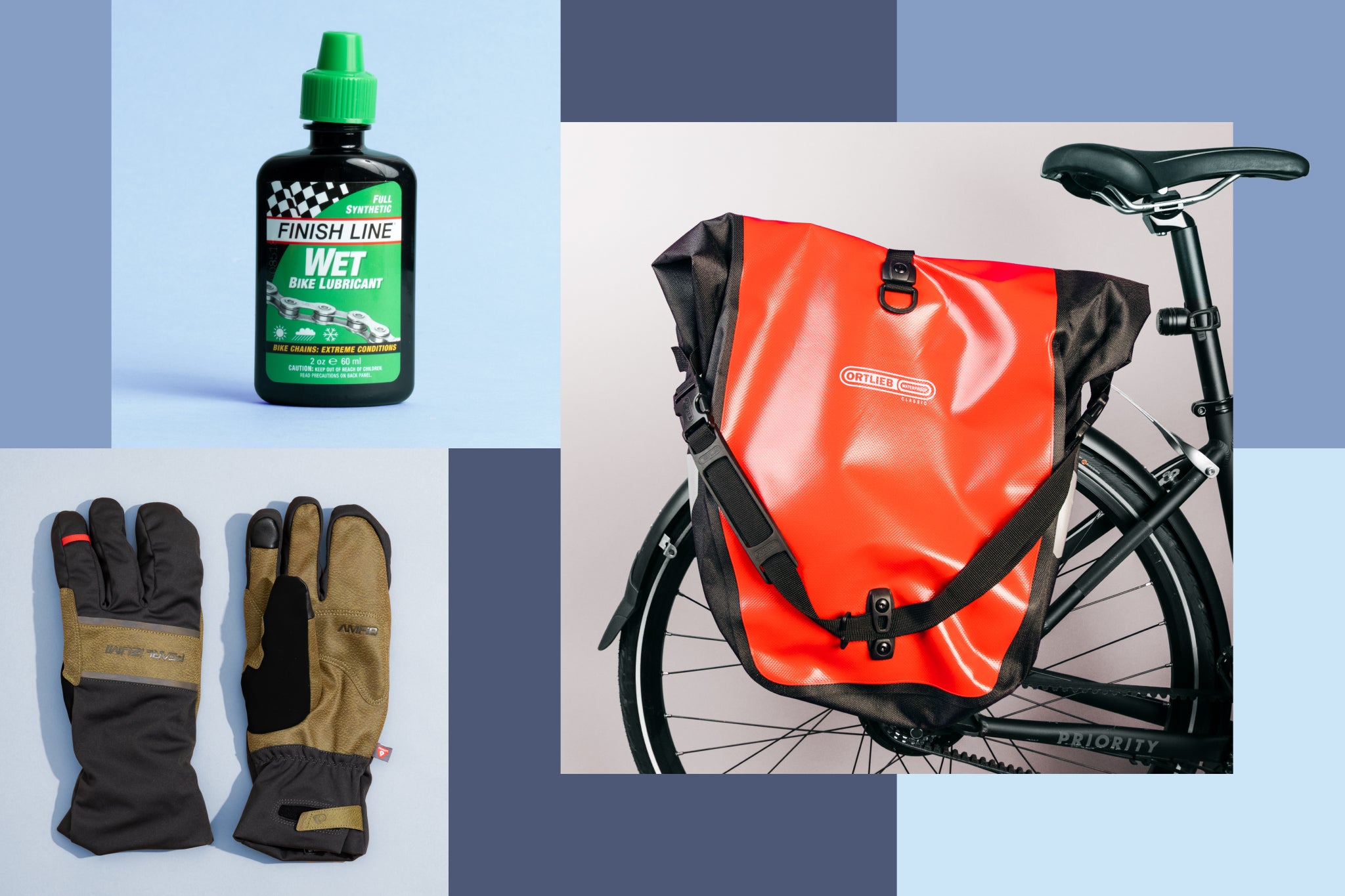
For a quick wash-up in a bathroom, a small towel or wipes, deodorant and a clean shirt or work outfit can be enough. Some riders need a shower or more privacy. Build that time, plus the walk from the parking area to your desk, into your arrival time.
Keep the routine going through weather and work
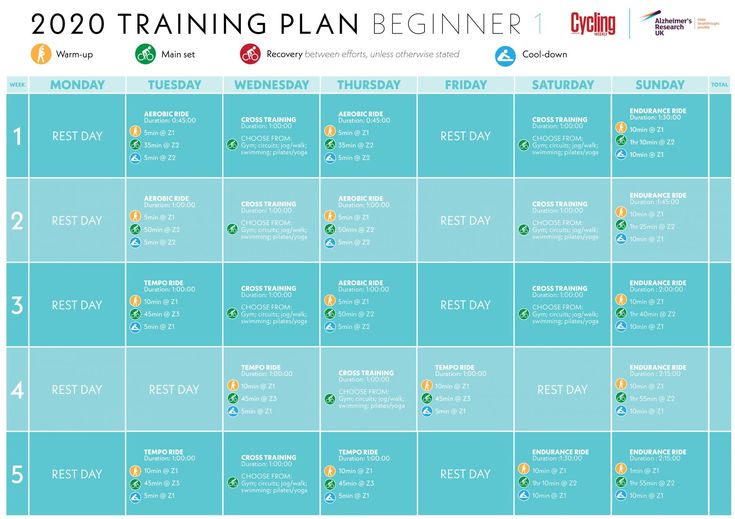
One good ride doesn’t show how the routine works every week. Clean clothes, damp garments, storage, shifting daylight and your work schedule all start to matter once you repeat it.
If you change into scrubs or formal workwear, each commute adds another set of clothes to wash. Spare shoes kept at work, with permission, cut what you carry, but shared storage or an unpredictable schedule can rule that out.
Plan a rotation for the days you ride. Decide where clean and used clothes go and how damp items dry.
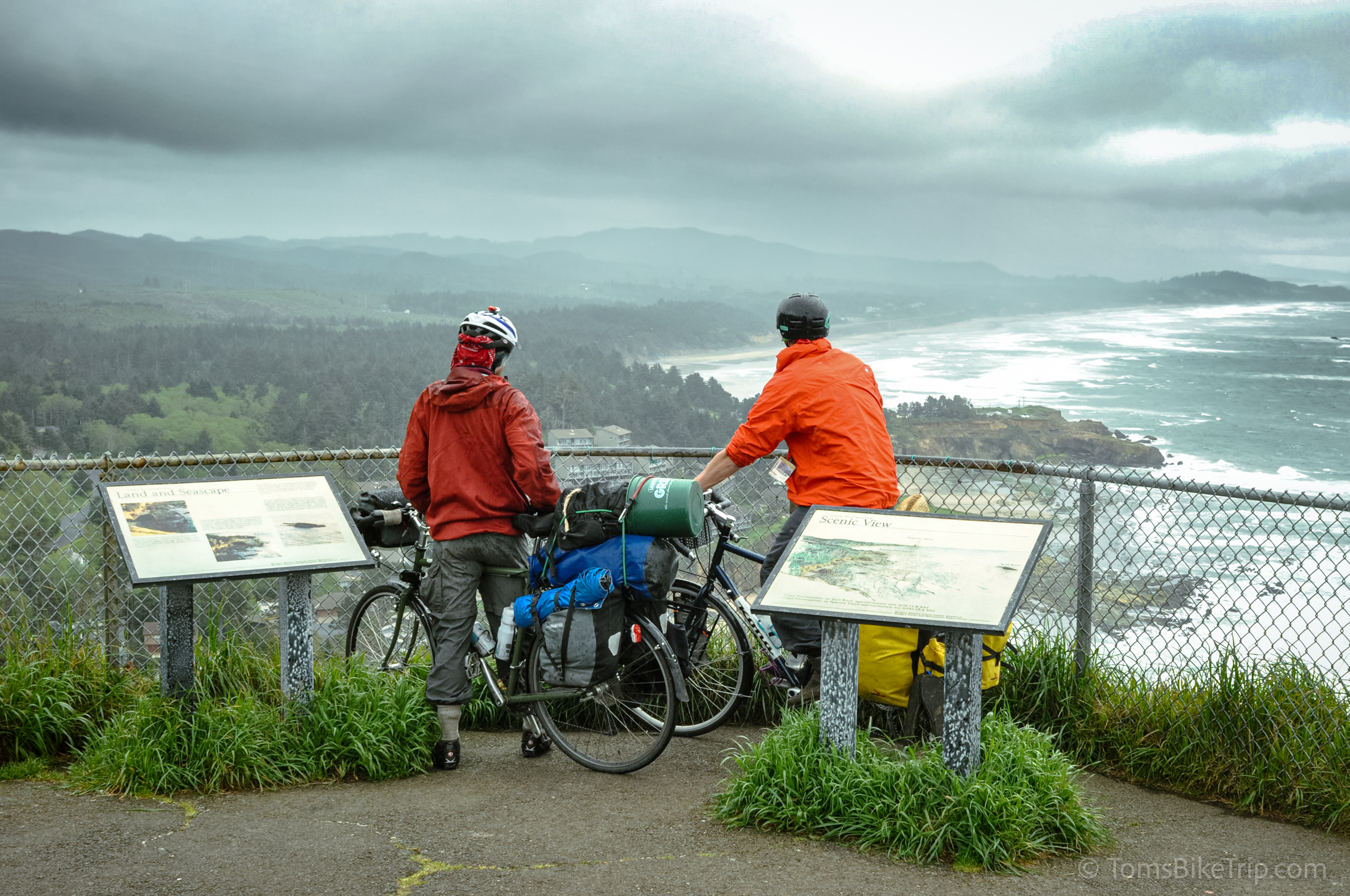
Rain, heat, cold and earlier darkness change what you need to wear. A jacket, layers or fenders help on particular days. Riding only some days is a valid option when work or weather make every day difficult.
Pick a fallback before you need one
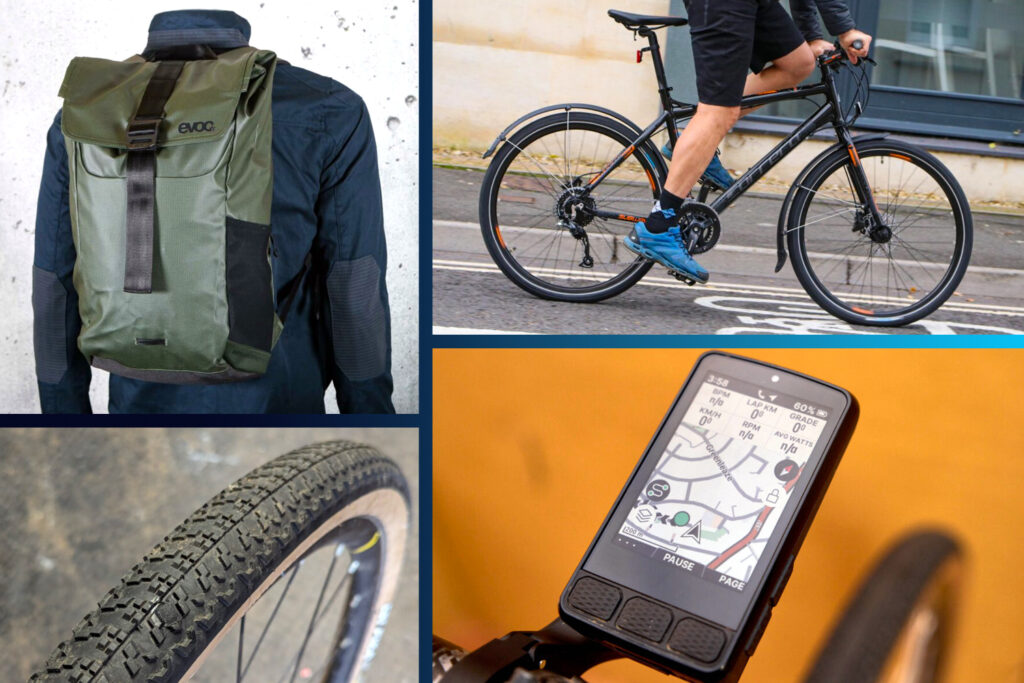
A mechanical problem, unexpected weather, overtime or a return route you won’t ride can change your plans after you reach work. Pick one realistic way to get home, such as public transportation or a pickup arranged in advance. Name the trigger that sends you to it. If it means taking your bike on a bus or train, check the operator’s policy and service first, since rules differ by location.
Run a full trial commute
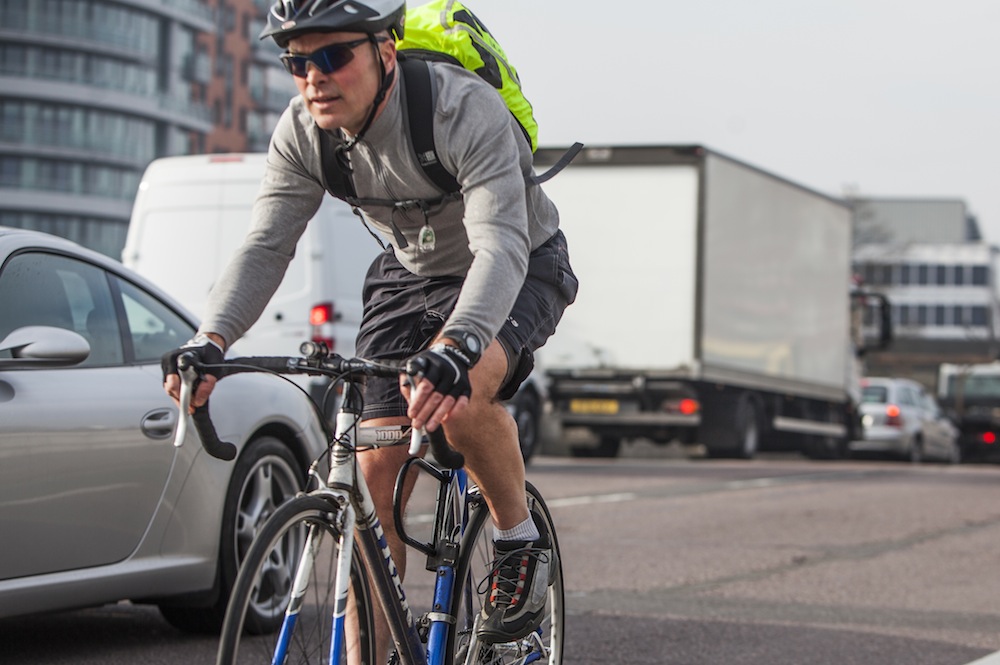
A trial shows what a map and an estimated riding time can’t. Pick a low-pressure day when a slow arrival won’t put a work obligation at risk.
BikeTips recommends a weekend test ride, and the League of American Bicyclists advises rehearsing new routes when traffic is lighter. Weekends differ from weekdays in traffic, building access and the light on the ride home.
Record the whole commute, including what happens after you stop pedaling.
| Part of the commute | Your time or observation |
|---|---|
| Preparing to leave | ________ |
| Riding to work | ________ |
| Parking and securing the bicycle | ________ |
| Walking, washing up and changing | ________ |
| Ready for work at | ________ |
| Total time until you’re ready for work | Add the first four rows: ________ |
| Return journey | ________ |
| Unexpected delay or difficulty | ________ |
| One adjustment for the next attempt | ________ |
Compare the total with the time you have before work starts.
Find the part that strained your plan. The route might be fine while changing takes longer than expected, or a heavy load might change how the bike handles. Change one thing, then test again.