If you’re a woman new to mountain biking, start on a short trail when your bike works properly and the trail’s technical demands, effort and conditions match your skills today. If you’re not sure they do, practice on easier ground or take an introductory clinic first. Otherwise, confirm the route and prepare for your first ride.
What counts as a good first mountain bike ride?
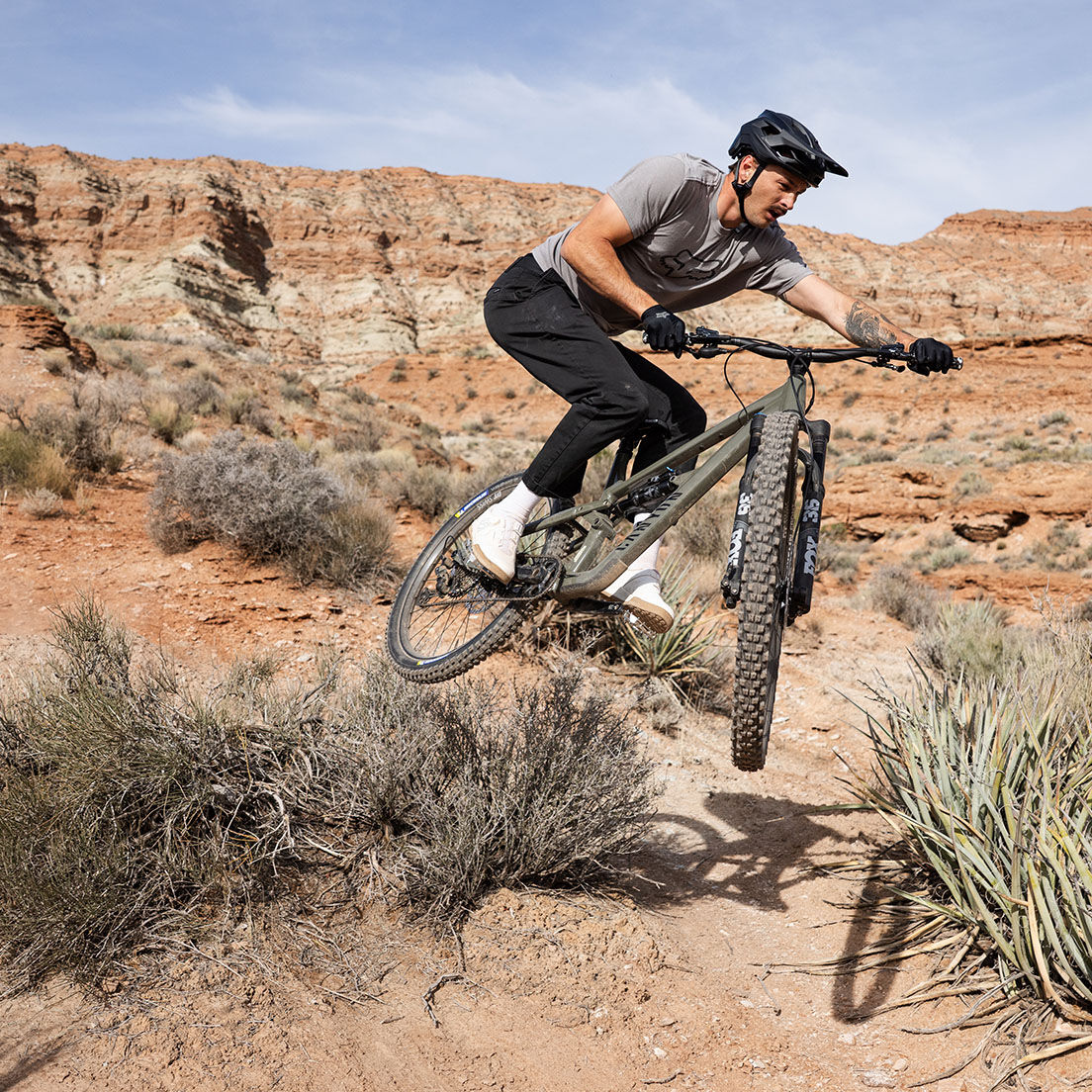
Your first ride can be a gentle dirt path or an easy stretch of singletrack, a narrow trail where people ride in single file. Recreational trail riding is a different starting point from enduro racing or lift-served downhill riding. Those involve more demanding terrain and equipment.
How to choose your first mountain bike trail
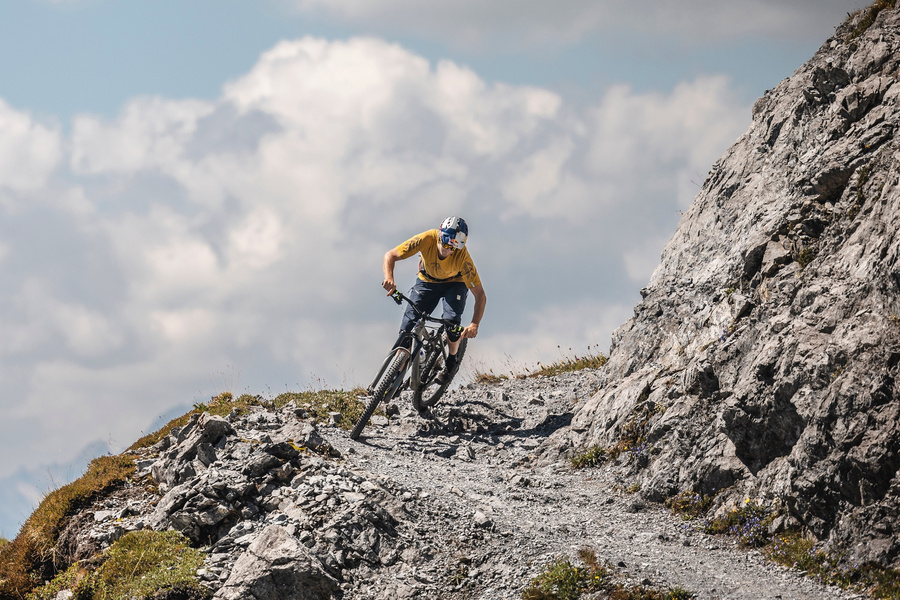
A good first trail matches your handling skills and your ability to finish the ride. Start with the technical rating.
The International Mountain Bicycling Association’s Trail Difficulty Rating System describes relative technical difficulty. Green circles mark easier trails and blue squares mark more difficult ones. Local trail systems can classify features differently, so read their own rating descriptions.
A technically easy route can still be physically demanding. Width, tread, grade and obstacles set the technical rating. Distance and elevation gain set the effort. IMBA’s example is a smooth, technically easy 20-mile trail that can still be physically difficult.
Is this a good first trail for me?
| Check | What to find out | If it doesn’t fit |
|---|---|---|
| Technical rating and features | Local rating legend, trail width, rocks, roots, turns and surface description | Choose a trail with fewer rocks, roots and turns |
| Distance and climbing | Total route distance, elevation gain and likely effort | Choose a shorter route with less climbing |
| Conditions and access | Weather effects, trail condition, closures and whether cycling is permitted | Choose another open trail, or postpone if route information is missing or conditions exceed your skills |
| Return options | A clear turnaround point, recognizable junctions and an easy way back | Choose a route with an obvious turnaround point and a simple way back |
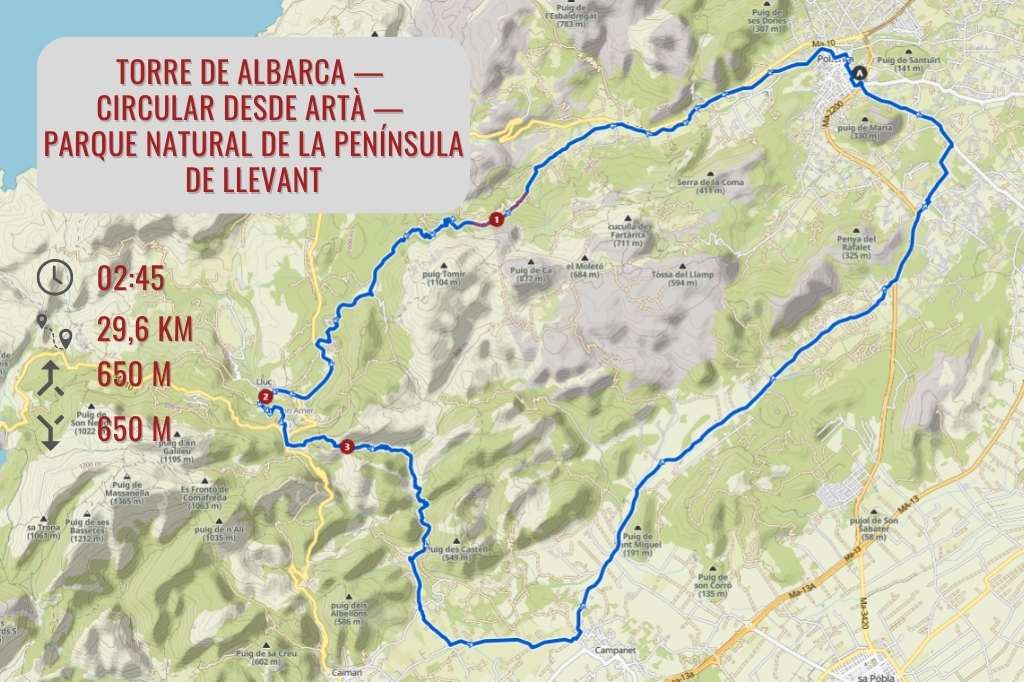
Local mountain bike organizations and established trail databases list routes. Check each one against the land manager’s trail map and description. A short trail with a clear way back lets you adjust the outing without committing to a difficult loop.
No universal beginner mileage or elevation-gain threshold exists. A route that feels modest to one rider can demand much more from another, especially on an unfamiliar surface or in bad weather.
Make sure your bike fits and works for the trail
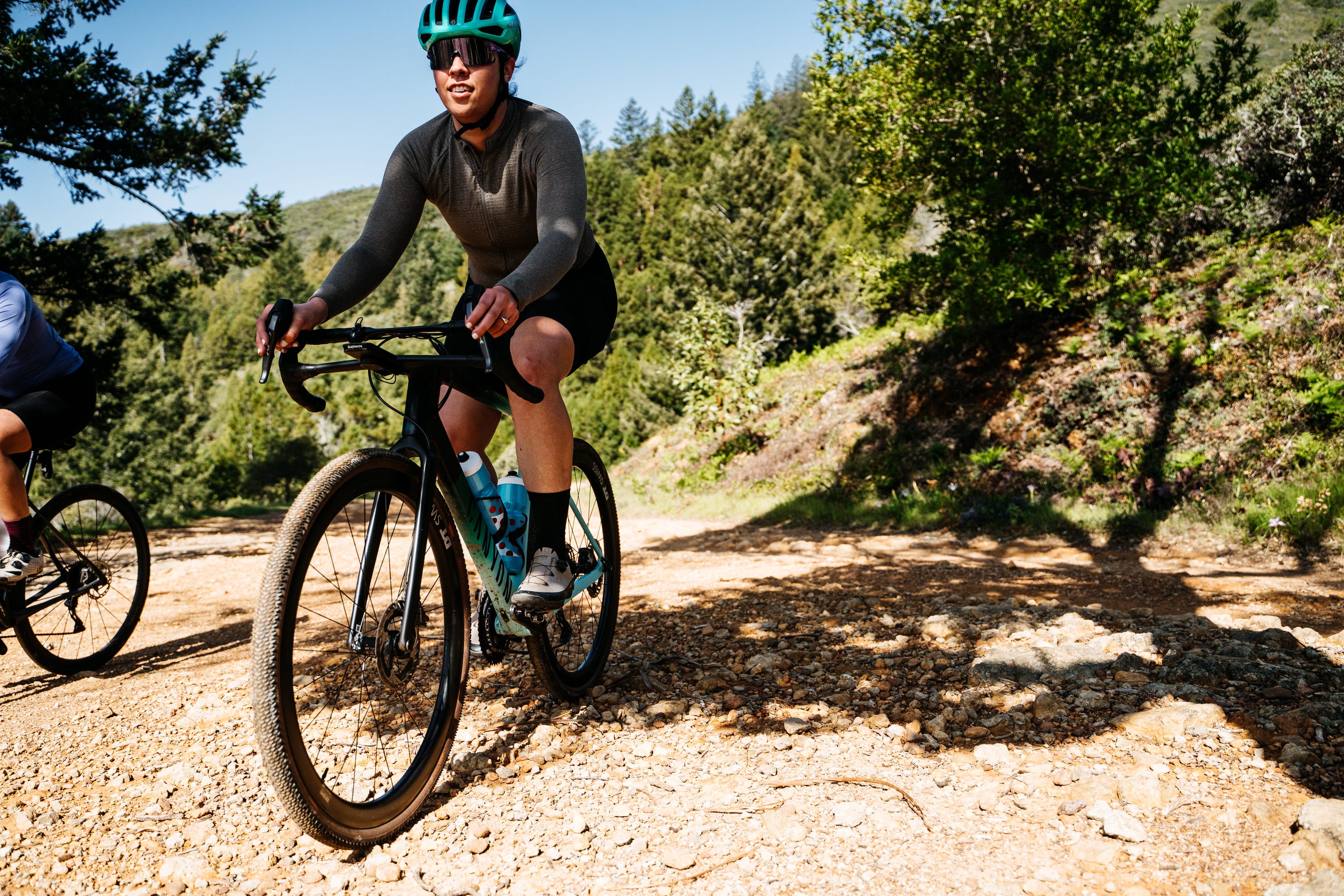
Your bike has to fit you well enough to control comfortably and work properly on the trail. You should reach the brakes easily, steer predictably, and get on and off without fighting the bike’s size or setup.
A first-time rider in Indiana, 4 feet 11 inches tall, asked whether the Liv Tempt she was considering was a good first rig and what other gear she should look at.
Fit comes first. A women’s model label or a frame size won’t tell you whether a bike fits you or suits your trail.
Hardtail or full suspension?
A hardtail has front suspension and a rigid rear triangle. A full-suspension bike adds rear suspension. Hardtails are simpler and cheaper to maintain. Full suspension can improve comfort and control on rough ground, but it costs more, weighs more and takes more upkeep.
Either design works for recreational trail riding if it fits you. A gravel or hybrid bike can handle gentle dirt paths, but a rough trail with repeated rocks, roots or other obstacles needs a more capable mountain bike. Rent or demo a bike that fits you to feel the difference before you buy.
Use the ABC Quick Check
The League of American Bicyclists’ ABC Quick Check is a basic mechanical inspection to run before you leave:
- Air: Look over the tires and check the pressure for your bike and the riding you plan.
- Brakes: Squeeze both levers. They should work and sit within easy reach.
- Chain and Cranks: Check for obvious drivetrain problems, damage or looseness that could affect pedaling.
- Quick Release: Make sure each wheel is held on properly, using whichever mechanism your bike has.
- Check: Ride a short, slow loop and confirm the bike responds as you expect.
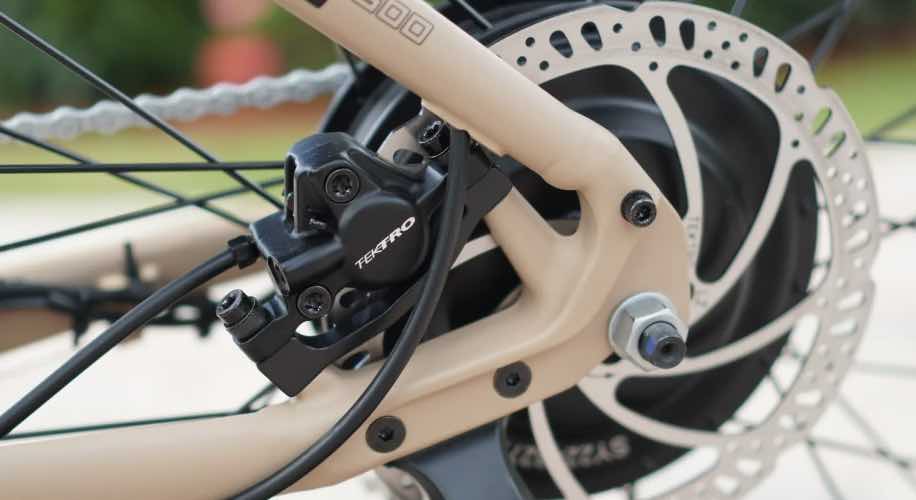
If your brakes or wheels feel off, fix them before you ride. For a suspected defect or damage, get a repair or a professional inspection.
What to bring on your first ride
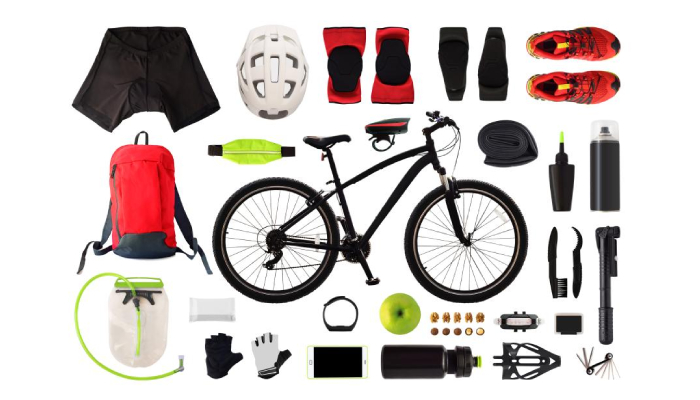
Start with a properly fitted helmet, secure footwear, practical clothing and a plan for the route. Dedicated mountain bike apparel and component upgrades can wait until you know what your riding demands.
In the United States, 16 CFR Part 1203 covers bicycle helmets. The Consumer Product Safety Commission lists requirements for impact attenuation, retention, positional stability and peripheral vision. Look for the compliance label. Fasten the helmet securely. A compliant, well-fitted helmet is an important precaution, though it can’t eliminate the risk of a head injury.
What to bring now, what depends, and what can wait
| For a basic first ride | Depends on route or conditions | Possible later purchase |
|---|---|---|
| Properly fitted helmet and secure footwear | Gloves, eye protection or additional body protection for the terrain | Specialized shoes, pedals or protective upgrades |
| Comfortable clothing and water for the length of the ride | Extra layers and supplies for exposed or longer rides | Dedicated MTB jerseys or specialized riding apparel |
| A route plan and a way to contact help from where you’re riding | Extra navigation and communication preparation where help is hard to reach | Dedicated navigation electronics or carrying systems |
On a nearby introductory loop, you can get back easily if something goes wrong. A remote outing demands more communication, supplies and self-sufficiency. A spare tube, compatible inflation equipment and a small tool help when you know how to use them and the route makes roadside repair important.
Wear clothing that lets you move easily and suits the weather. If your shoes slip on the pedals or your shorts get uncomfortable on longer rides, that’s a specific reason to change them.
Practice basic bike control before singletrack
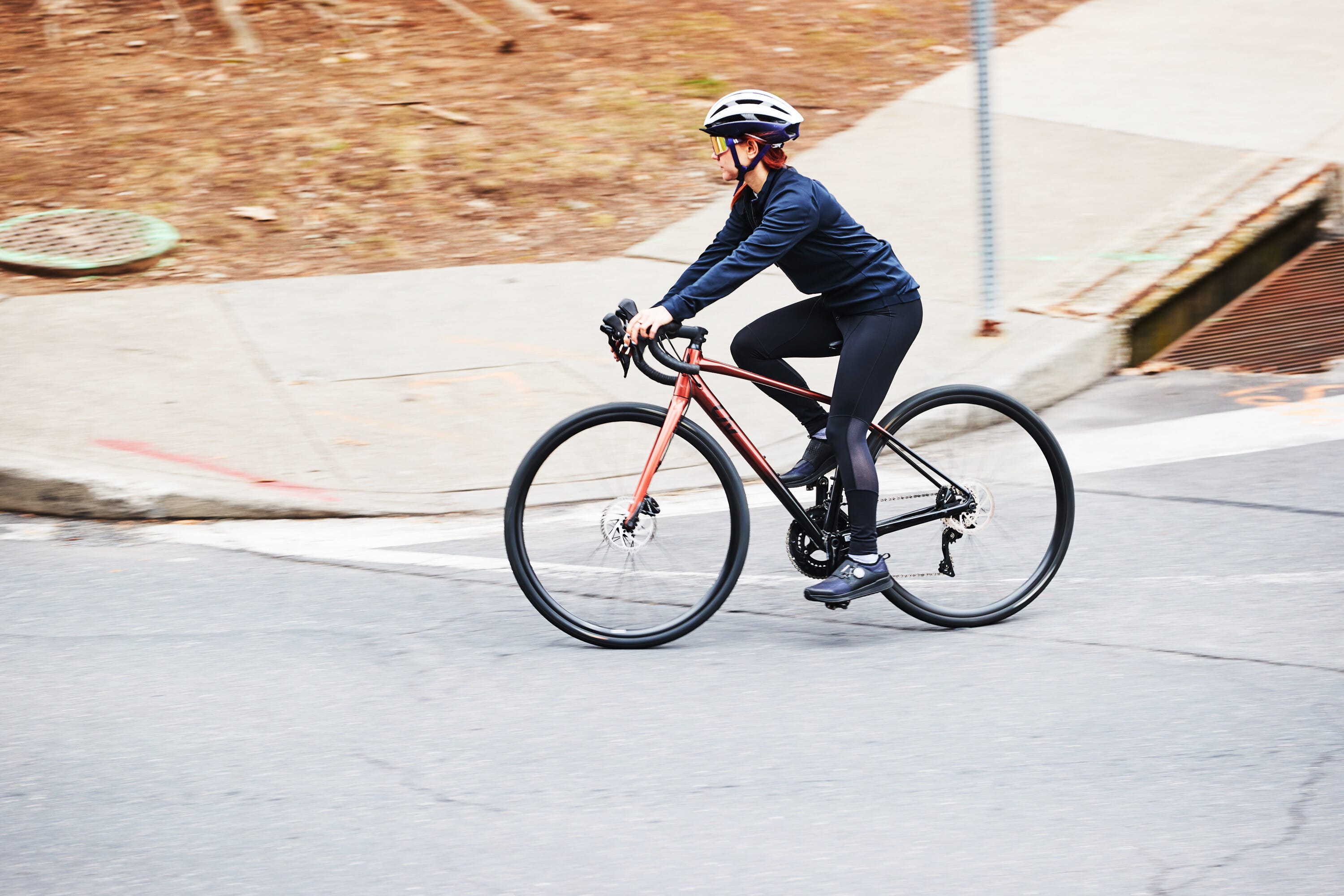
Before you ride narrow or rough trails, practice basic control on open, clear ground. The goal is a set of movements you can repeat calmly, with no rocks, ruts, traffic or steep descents adding to the task.
- Start and stop: Set off without a struggle, then stop smoothly at a spot you pick, staying balanced.
- Brake progressively: Build braking pressure smoothly, slow at a steady rate and stop before a marked point.
- Shift deliberately: Shift into the gear you need before a gentle rise and keep pedaling without losing your rhythm.
- Balance in a ready position: Stand comfortably with relaxed arms and legs and keep the bike under control as you make small changes in body position.
- Make a wide turn: Look where you want to go and steer around an open bend at a controlled pace, with no sudden corrections.
If a movement still feels unreliable on easy ground, repeat it there or take introductory instruction before you add harder terrain.
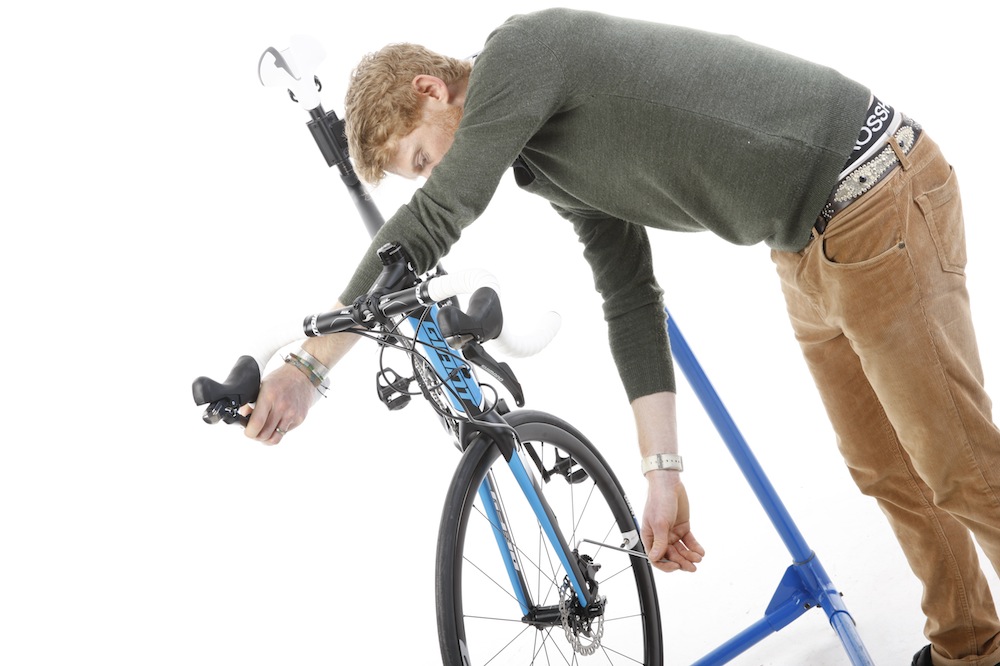
A long-time road cyclist described a first mountain bike outing in r/mountainbiking this way: “This is unexpectedly a completely different experience, and a lot harder than it looks.”
Road experience gives you familiarity with riding and physical effort. Off-road riding adds handling demands whenever traction, surface or direction change.
On the trail: ride within your limits and share the space
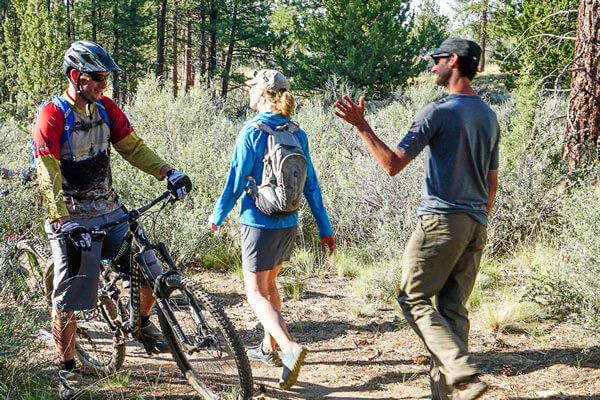
Ride at a pace that lets you spot a feature and respond before you reach it. Roots, rocks, loose patches and ruts change how the bike feels under you, even on an approachable route.
At an unfamiliar feature, you have three choices:
- Continue riding: The feature is within your control and you can approach it predictably.
- Dismount: Stop in a safe place and walk or bypass the feature where permitted.
- Turn back: The terrain ahead, changing conditions or your remaining ability make continuing unwise.
If a root crosses a narrow stretch of trail and you can’t judge the approach with confidence, stop somewhere safe and walk the section where that’s permitted and practical.
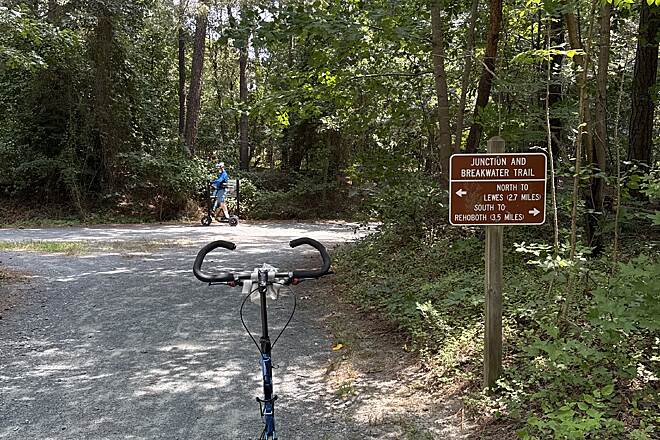
At a confusing junction, stop clear of passing riders and check the route you planned before you left. An unverified detour can take you onto terrain beyond what you set out to ride.
You’ll share some trails with hikers, horseback riders and other cyclists. Control your speed near other users, communicate courteously, respect closures and avoid damaging vulnerable trail surfaces. Where posted land-manager rules and local signs differ from general etiquette, they govern access and right-of-way.
Choose a riding partner or beginner clinic that fits your pace
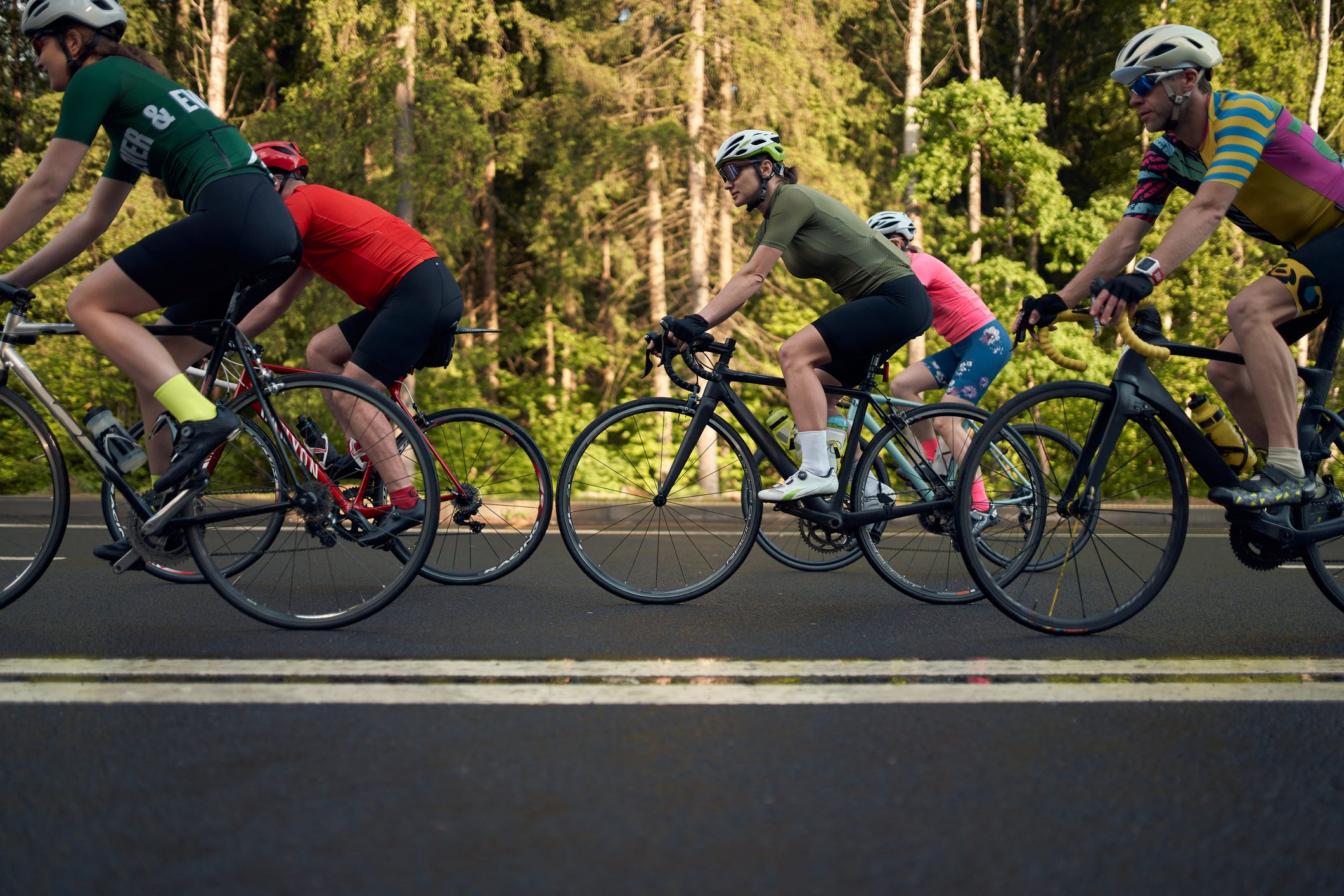
The right people to ride with are comfortable with your terrain, your pace and your decisions to stop. An experienced cyclist may be generous with advice yet enjoy rides beyond a newcomer’s ability.
An experienced gravel and fat-bike rider described an MTB outing with her husband where she couldn’t enjoy any of it because of a weird anxiety reaction as soon as they got moving.
Settle the route and pace before you start, and agree that you can stop early. Different arrangements suit different needs:
| Arrangement | Useful when | What matters |
|---|---|---|
| Solo practice | You want repetition on familiar, simple ground | Terrain that matches your ability and a way to get help |
| One compatible partner | You prefer company and shared decisions | Route, pace and permission to stop early, agreed in advance |
| Beginner group | You want a clearly described recreational group ride | The group’s real trail level, pace, no-drop or regrouping policy, and your option to stop early |
| Structured clinic | You want direct feedback on bike handling | The instructor, course level, curriculum and stopping policy |
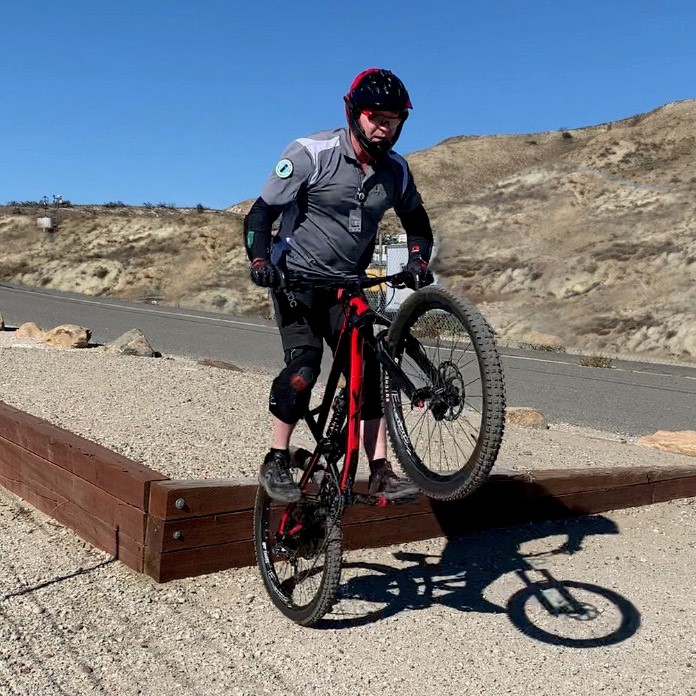
The women mountain bikers’ social-support study, a qualitative study published in Frontiers in Sports and Active Living, interviewed 22 women in North America, aged 29 to 61, whose mountain biking experience ranged from beginner to expert. Participants stressed the value of suitable riding relationships and community support. These are the interviewed women’s accounts. They don’t show that all women want the same kind of group or that a specific arrangement reduces crash risk.
Boulder Mountainbike Alliance held a Women’s MTB Foundations beginner clinic at Valmont Bike Park in Boulder, Colorado, on March 26, 2026. It covered braking, shifting, balance and cornering.
If your first ride feels too hard, reset the plan
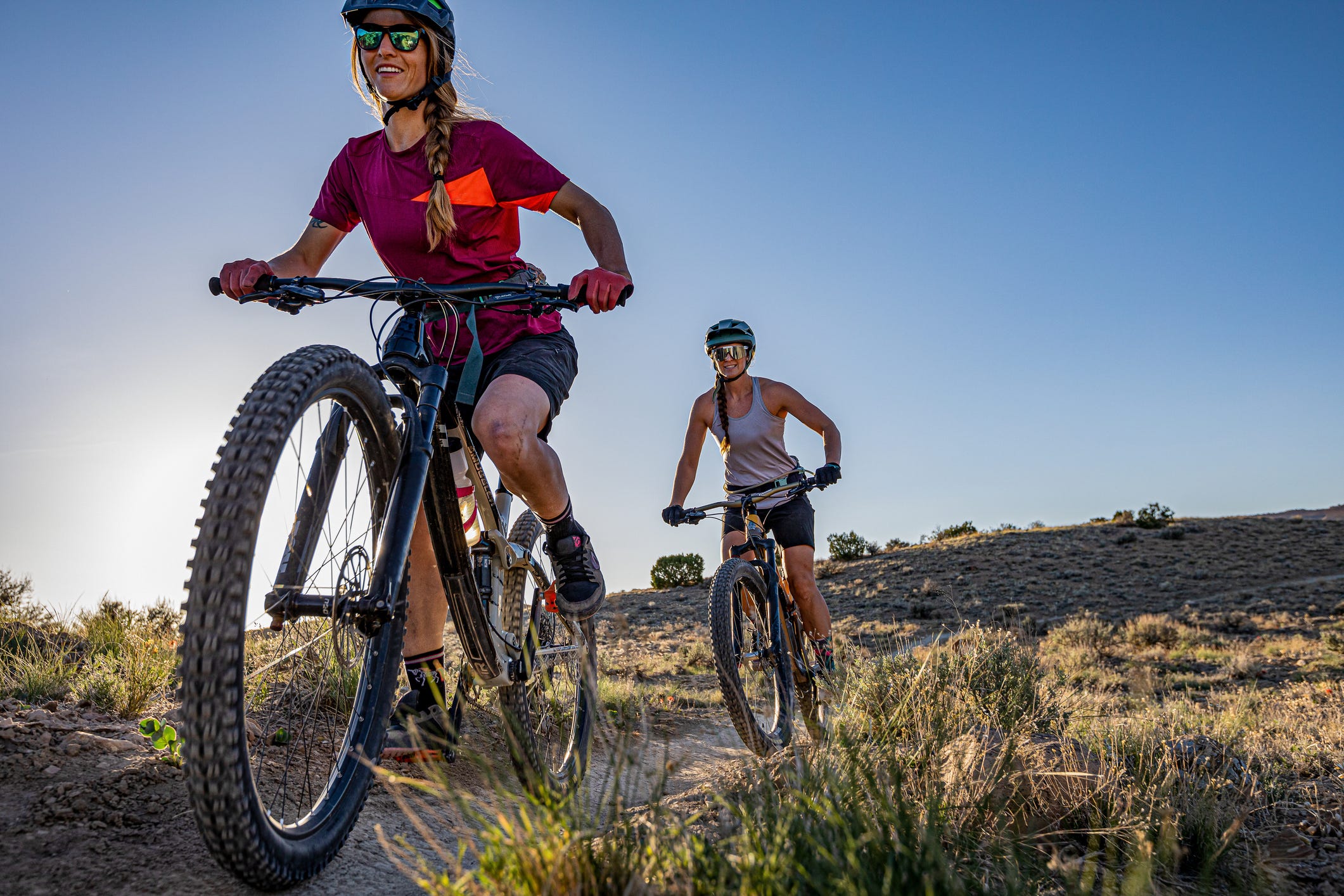
After a hard first ride, ask what specifically made it too hard. An unexpected obstacle, a tiring climb, an awkward corner, the wrong bike or an uncomfortable group pace each need a different fix.
A Michigan beginner nearing 40, who had been riding with her children, hadn’t realized how much of a learning curve there is before hitting an MTB trail.
Then change one part of the next attempt:
- Trail mismatch: Return to a simpler riding environment.
- Handling difficulty: Practice the movement that gave you trouble on easy ground.
- Group mismatch: Ride with people whose pace and terrain preferences are closer to yours.
- Bicycle problem: Fix the specific mechanical or control issue before you ride again.
- Physical demand: Pick a shorter or less strenuous outing.
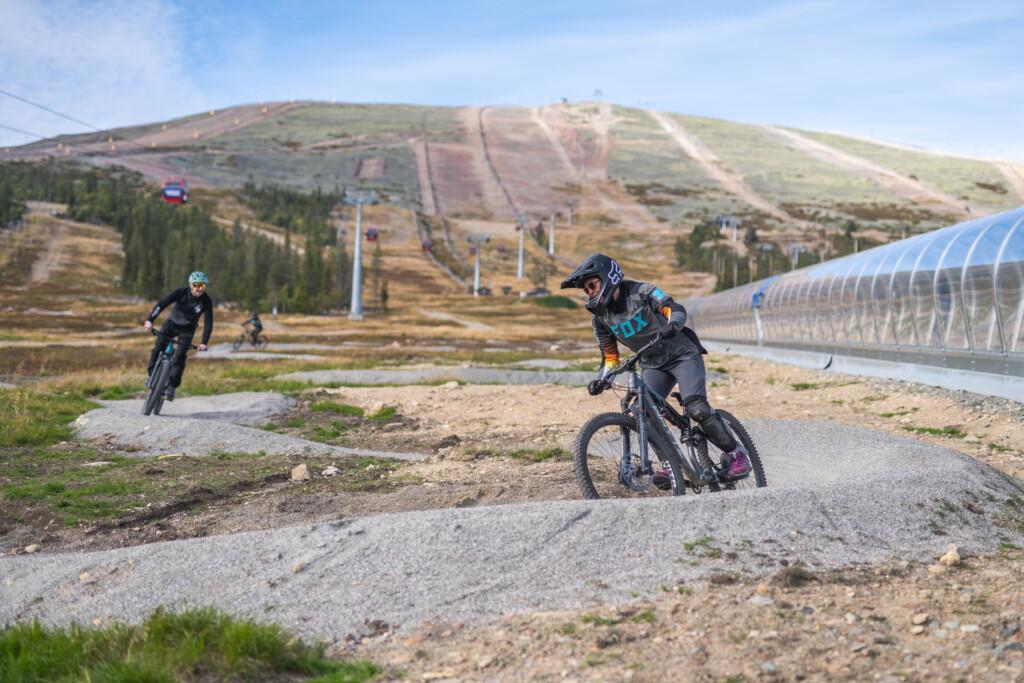
If a crash leaves you with injury symptoms that concern you, stop riding and get medical attention.
Work on one skill before the next ride
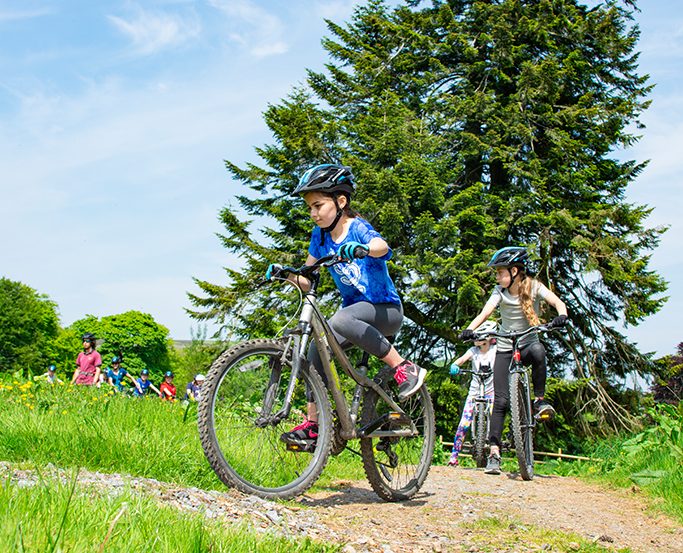
After your first ride, pick one handling skill to work on before you make the route harder. Write a short note about one thing that felt comfortable and one thing you want to improve. Let that second item set your next practice focus.
- If slowing before a bend felt hard, practice more deliberate braking on easy ground.
- If turning through an easy corner felt hard, approach it more calmly and steer predictably.
- If selecting gears for a gentle climb felt hard, choose the gear you need earlier.
Repeat the same route until that movement feels consistent and the ride is still enjoyable, then add one small variation. A higher trail rating isn’t required to make the next outing worthwhile.