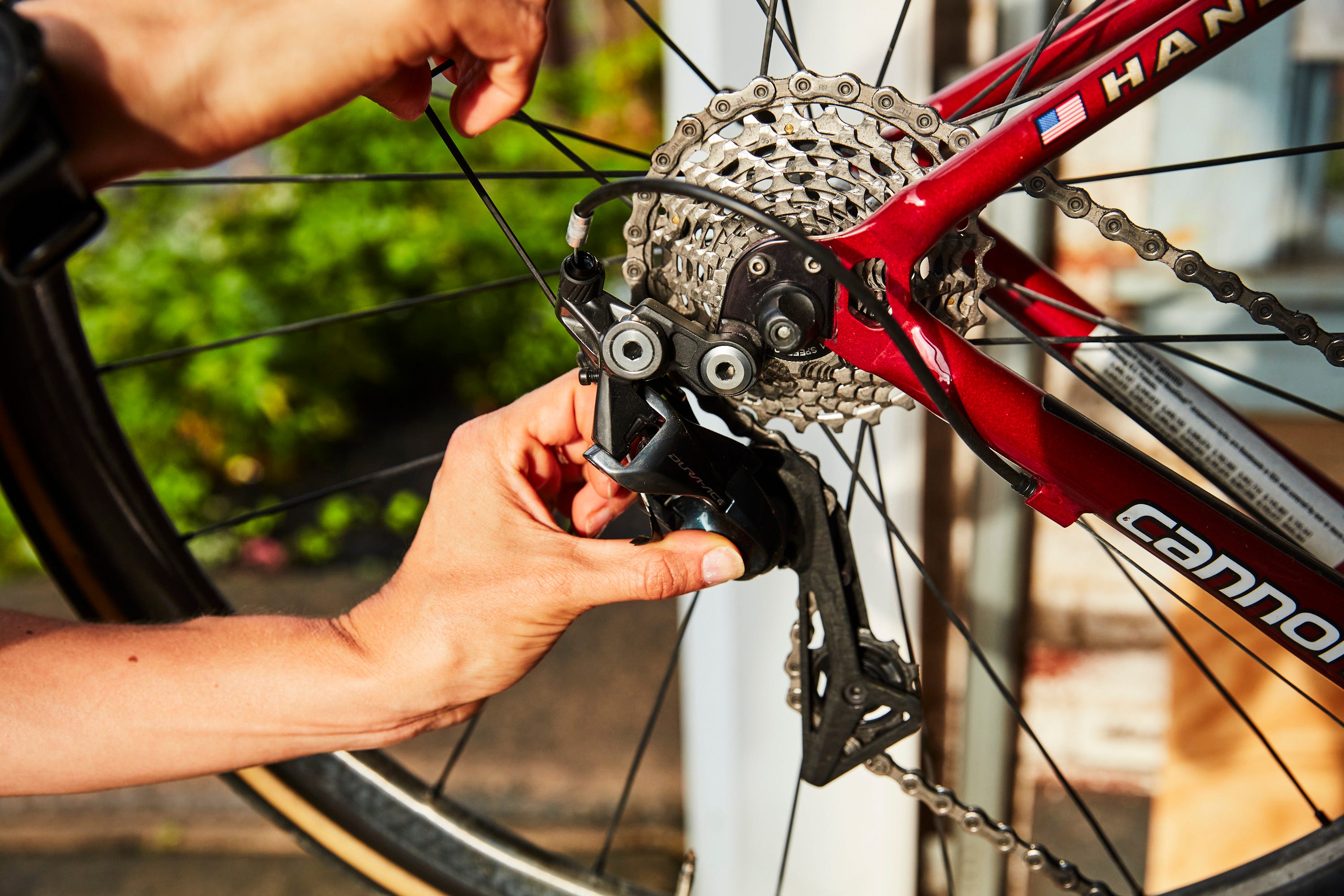
On a derailleur bike, shift to an easier gear when the pedals feel too hard and a harder one when they spin freely, easing off the pressure while the chain moves. Practice both directions on quiet, level ground. If the chain keeps skipping or comes off, stop and have the bike checked.
What makes a bike gear easier or harder?
An easier gear takes less force to turn the pedals. A harder gear carries the bike farther with each turn of the cranks, but your legs work more.
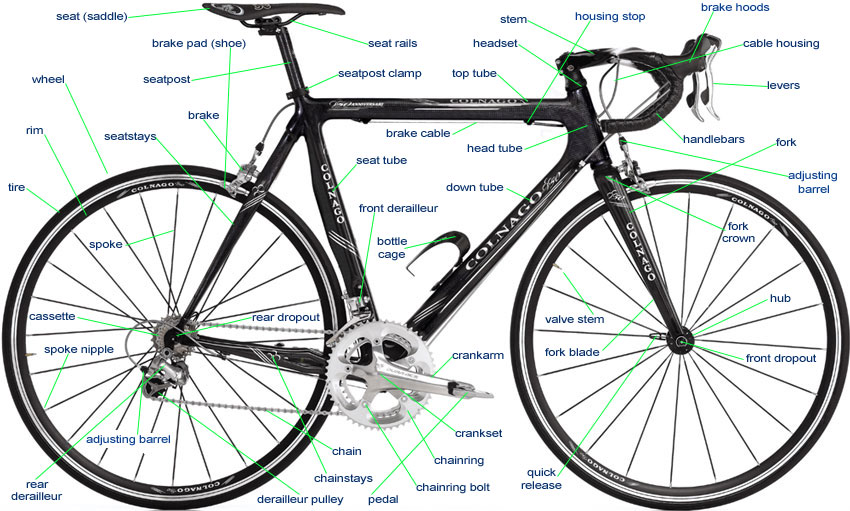
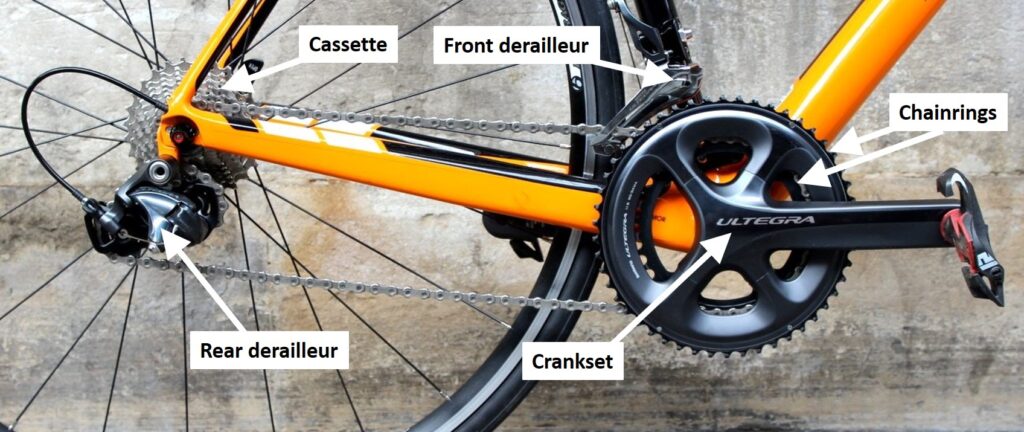
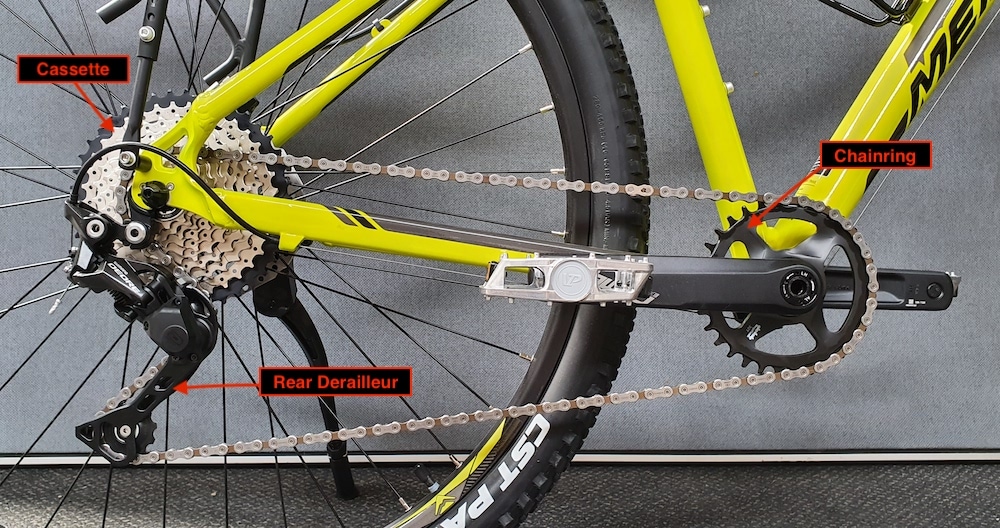
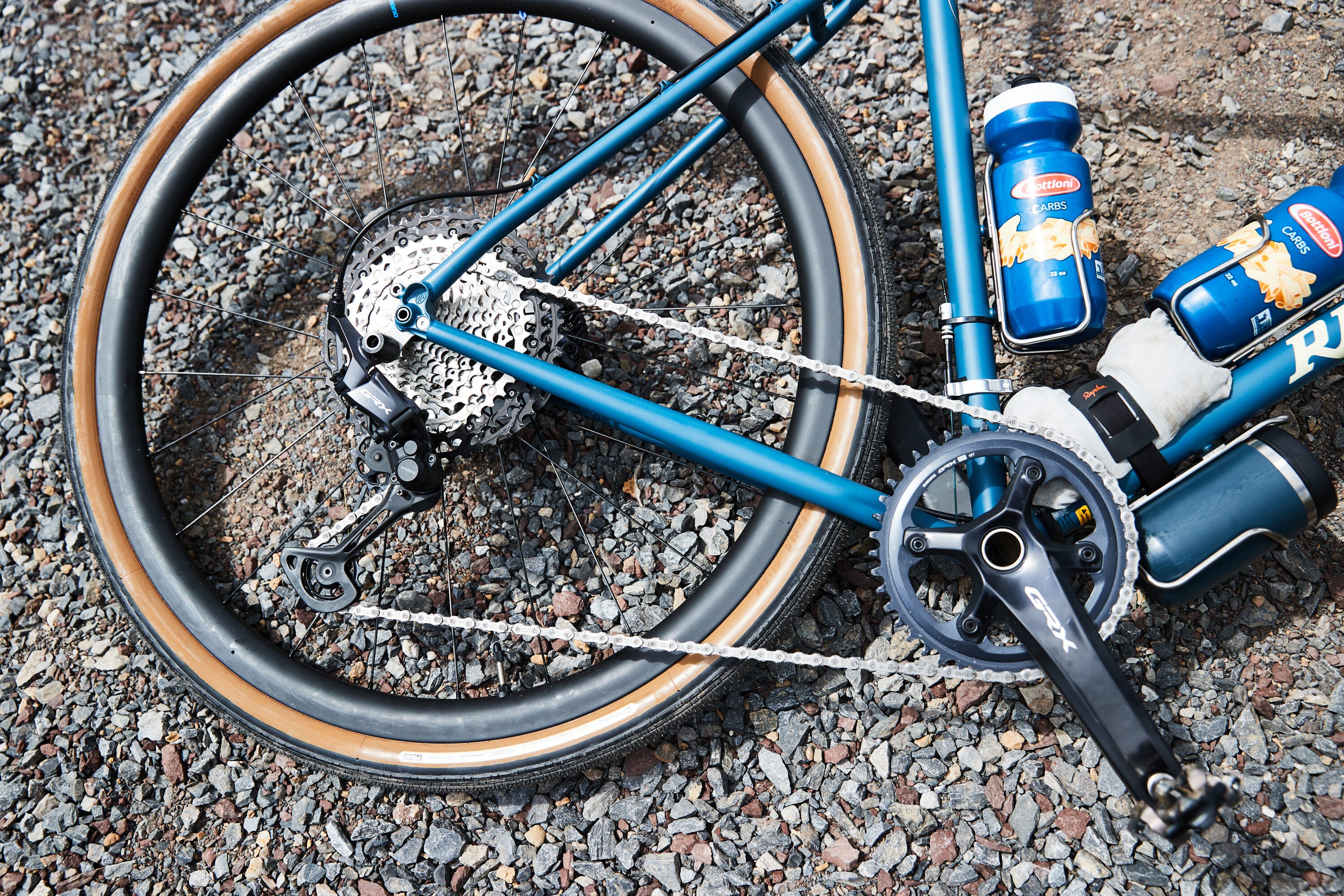
At the front, the chain runs around a chainring beside your pedals. At the back, it sits on a cog on the cassette. Front and rear work in opposite directions:
| Part or effect | Easier gear | Harder gear |
|---|---|---|
| Front chainring | Smaller ring | Larger ring |
| Rear cassette | Larger cog | Smaller cog |
| Pedal resistance | Less force required | More force required |
| Distance per crank revolution | Shorter | Longer |
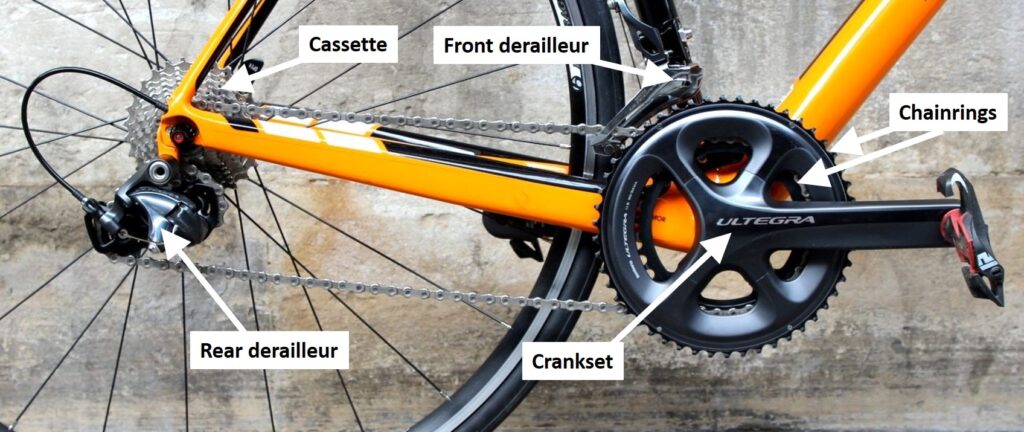
1x means one front chainring, 2x means two, and 3x means three. On bikes with two or three, the front derailleur makes the larger changes and the rear derailleur handles smaller adjustments between cogs.
Find the shifters on your bike before you start
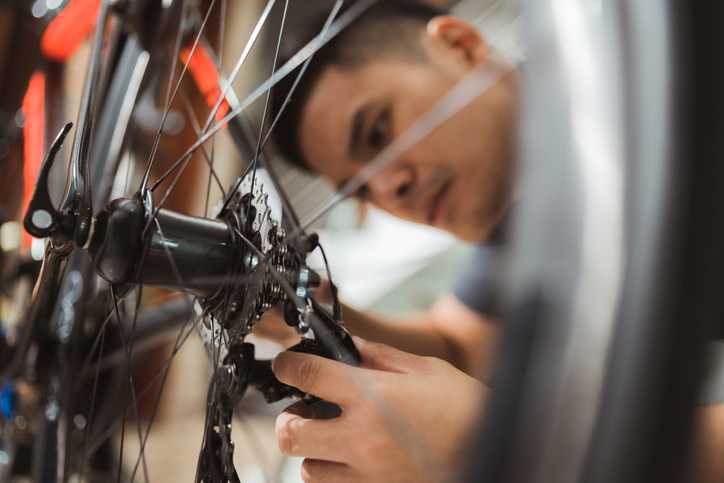
Start with the bike standing still in a safe spot. Count the chainrings beside the pedals, then find the derailleur next to the rear sprockets and check whether there’s a front derailleur too.
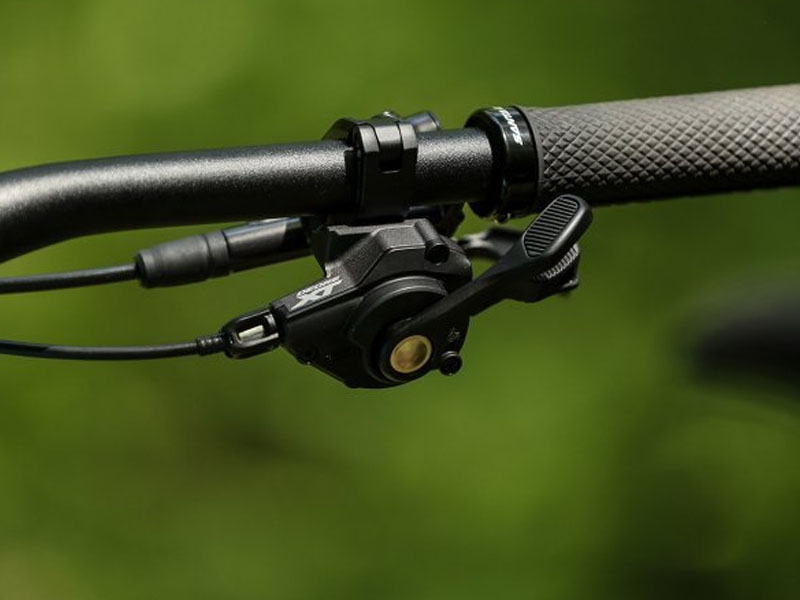
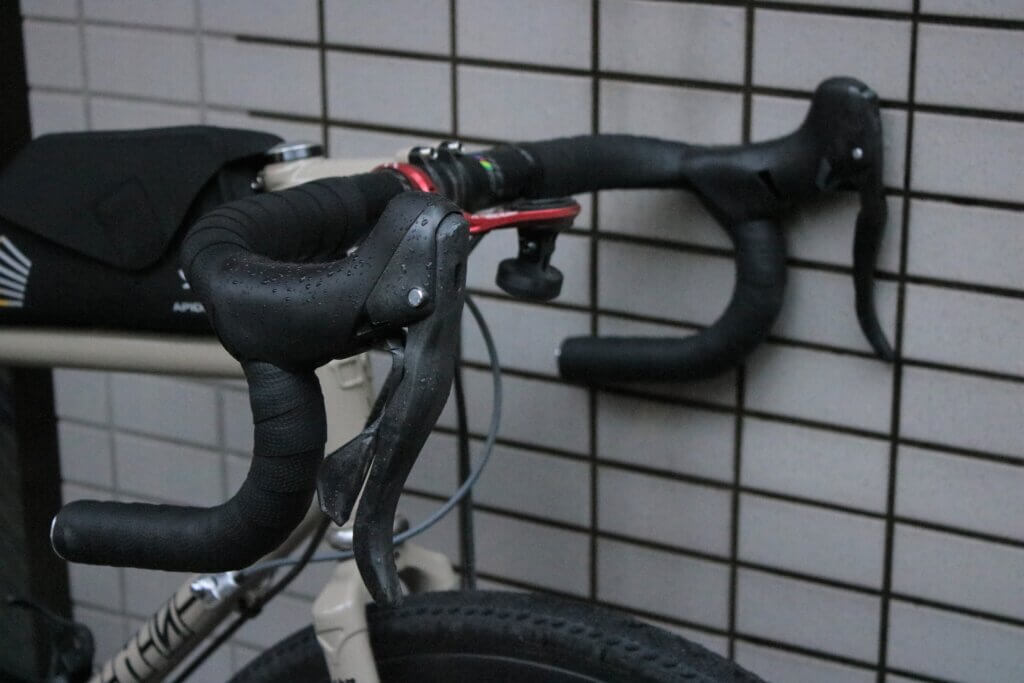
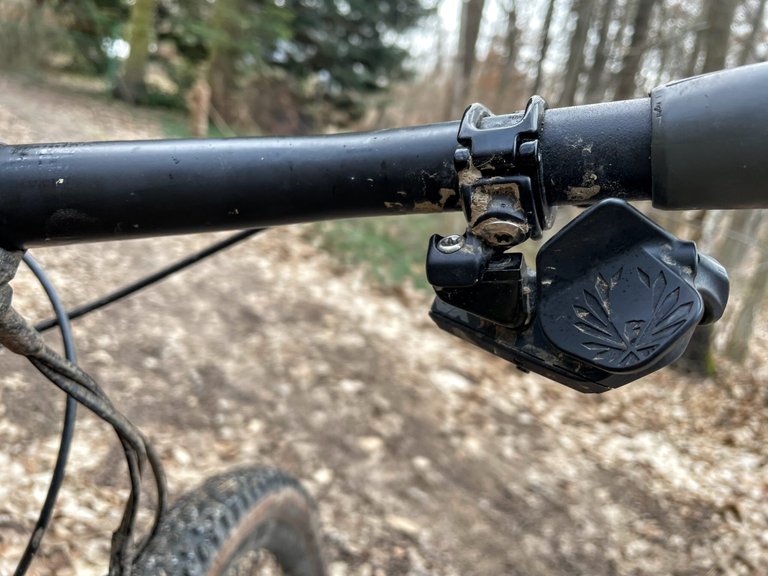
Shifters can be integrated into drop-bar brake levers, mounted as thumb triggers on flat bars, or built into a rotating grip. On a mechanical bike with two front rings, the left control often shifts the front and the right control shifts the rear. Even levers that look alike can move the chain in different ways. Mechanical Shimano STI, mechanical SRAM DoubleTap, and Campagnolo each use their own lever layout, and flat-bar triggers and twist grips add more variations.
| What you see | What it suggests | What to check |
|---|---|---|
| One front chainring and rear derailleur | 1x derailleur drivetrain | Which control shifts the rear |
| Two or three front chainrings | 2x or 3x derailleur drivetrain | Which control shifts the front and which the rear |
| Shift paddles beside drop-bar brake levers | Integrated road-style shifters | The brand and which way each lever moves |
| Triggers or thumb paddles on flat bars | Flat-bar mechanical controls | Which trigger shifts which way |
| Rotating handgrip | Twist shifting | The direction the grip indicates |
| Gearing enclosed in the rear hub | Internal gear system | The shifting rules for your hub model |
How to shift a derailleur bike smoothly
If your bike has conventional Shimano-style mechanical road levers, the right-hand controls change rear cogs. Push the whole right brake-and-shift lever inward to move the chain onto a larger, easier rear cog. Push the smaller inner paddle inward for a smaller, harder rear cog.
On the left, pushing the whole lever inward moves the chain onto a larger, harder front chainring, and the smaller inner paddle moves it onto a smaller, easier one. Don’t assume the same motions on SRAM electronic or other systems.
Trek’s two-paddle flat-bar example uses the larger right paddle for a larger, easier rear cog and the smaller right paddle for a smaller, harder one.
- Keep the cranks turning at a comfortable pace and ease the force through your feet.
- Press the control you identified for the gear you want, once, then give the chain a moment to engage.
- When the new gear has settled, push as hard as the road requires.
On a bike with two or three chainrings, learn the front and rear changes one at a time before you combine them.
When to shift on flats, before hills, and before a stop
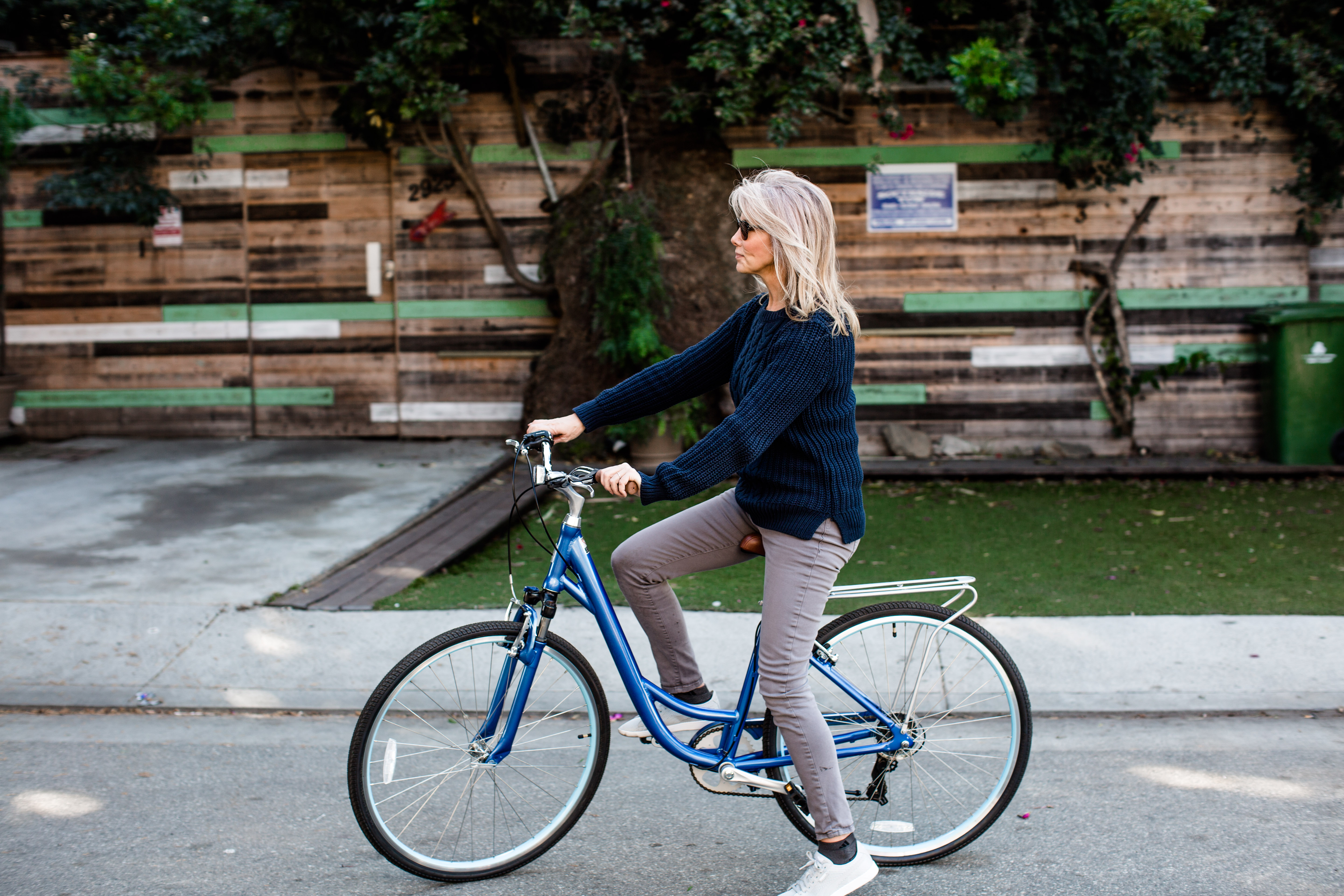
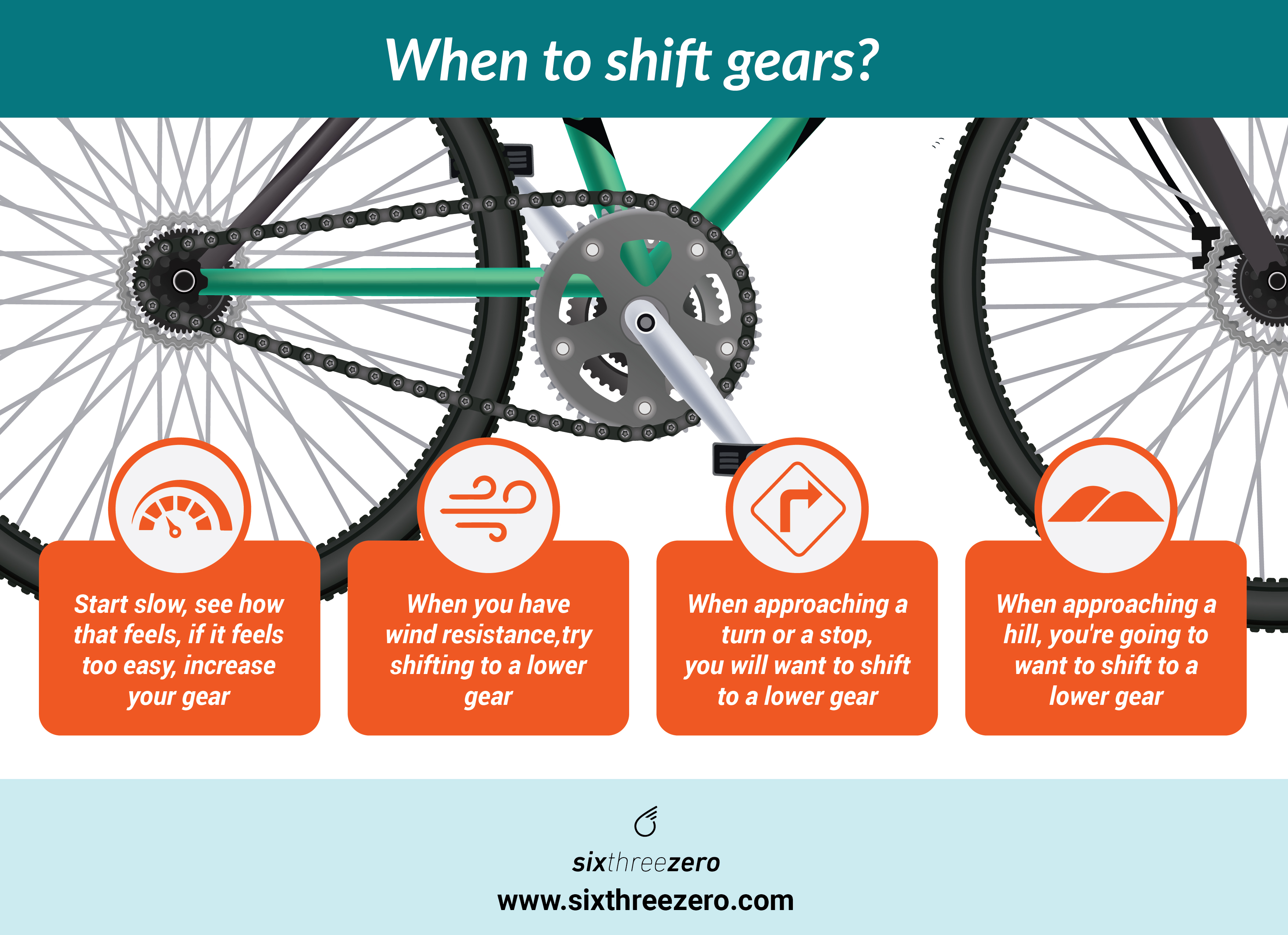
Pick your gear by how the pedals feel and what’s coming up. On flat ground, that means easier when they feel heavy and harder when they spin with little resistance. Anticipating a hill or a stop lets you shift while the pedals still turn comfortably.
Approaching a hill
If your pedals already spin freely as a hill approaches, stay in a gear that gives comfortable resistance and leave room to shift easier as the road steepens. The right moment depends on the slope, your momentum, and how hard you’re working.
Slowing for a stop
If you cruise up to a traffic light in a hard gear, the first pedal strokes after the stop can feel heavy. Shift easier while you’re still rolling, as long as it doesn’t pull your attention from braking or traffic.
Can you shift after you’ve started climbing?
Yes. On a moving derailleur bike, you can shift easier uphill by easing off the pedals for a moment while the cranks keep turning. A small rear-cog change works well when the hill steepens after you’ve started. If you’re nearly stalled and can’t ease off safely, stop in a safe place instead of forcing the shift.
What changes with 1x, electronic shifters, or hub gears?
One front chainring
A 1x drivetrain has no front shift. All gear changes happen at the rear, so skip any front-shifter instructions.
Electronic controls
On SRAM eTap and road AXS drop-bar controls at factory settings, the left paddle gives an easier rear gear, the right paddle gives a harder rear gear, and pressing both together shifts the front on a bike with a 2x front derailleur. You can reassign the paddles in the AXS app. These are the factory actions described in the SRAM eTap AXS guide.
Internal gear hubs
An internal gear hub changes gears inside the rear hub. The rules differ from a derailleur, including what you can shift while stopped or under pedal pressure, so read the instructions for your hub model.
Enviolo’s guidance for one manual shifting setup says the hub resists shifting under high torque and gives access to about 50% of its range at a standstill.
Cross-chaining on multi-ring bikes
On 2x and 3x drivetrains, pairing the largest front chainring with the largest rear cog, or the smallest front ring with the smallest rear cog, puts the chain at an extreme angle. That can cause rubbing and extra wear.
Try this short gear-shifting practice exercise
Find a level stretch away from traffic to learn how a shift feels.
Two questions come up again and again: how to shift smoothly and how to know you’re in the right gear. The steps below let you feel the difference between gears one change at a time.
- Roll at an easy, steady pace with plenty of open space ahead.
- Shift one gear easier and feel the resistance drop as it engages.
- Ride in that gear for a moment and notice how freely the cranks turn.
- Now shift one gear harder. The resistance rises.
- Check that the chain has settled into the new gear.
What if the gears grind, skip, or the chain comes off?
Hesitation that keeps happening, skipping, or a chain that falls off points to an adjustment or component problem.
In an April 13, 2026 r/ladycyclists discussion, a new rider with a Liv Langma Advanced 2 and mechanical Shimano 105 wrote, “I can move smoothly from big to small, but small to big it’s extremely clunky.” A clunk that keeps coming back like that means it’s time to get the bike checked.
| What you notice | Likely cause | What to do |
|---|---|---|
| One clunk while pedaling hard | High load during the shift | Use lighter pedal pressure on the next change |
| Rear shifts keep hesitating | Cable friction or indexing problem | Have the bike inspected if it continues |
| Chain skips repeatedly under load | Wear or alignment problem | Ease off heavy pedaling and get it assessed |
| Chain falls off or jams | Derailleur, chain, or adjustment fault | Stop safely and inspect before riding normally again |
Park Tool’s rear-derailleur troubleshooting guide covers cable friction, indexing, hanger alignment, and wear.