If shorter rides feel comfortable and you control your bike well, try 10 miles at an easy pace on a route you can cut short. If you’re not there yet, ride shorter and easier first.
Can you ride 10 miles yet?
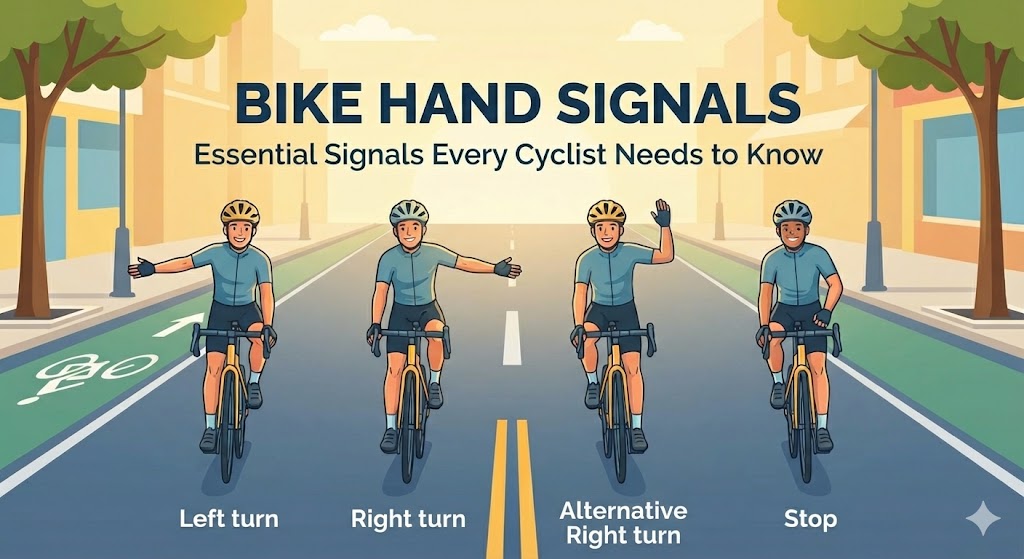
Start with your last comfortable bike ride. How long did you ride before getting tired? Did braking, turning, and shifting feel familiar? How did you feel afterward?
If you enjoy shorter rides and handle your bike confidently, 10 miles is a realistic first goal. If you’re not there yet, practice first. A runner who can go for an hour can still feel shaky braking and steering a road bike.
| Your recent experience | Next decision | Reason |
|---|---|---|
| Shorter rides feel easy and bike control is confident | Consider an easy 10-mile route | You have riding experience to build on |
| Short rides are demanding or handling feels tense | Practice at a shorter distance | Endurance or control needs more time |
| Braking or maneuvering is unreliable, or conditions are unsuitable | Postpone the 10-mile attempt | Safety comes first |
Build toward 10 miles with shorter, easier rides

When 10 miles feels too far, build from a ride you can already finish. Repeat an easy route to get used to pedaling, shifting, and sitting on the bike before you extend the duration.
Once 5 miles feels easy, make 6 miles on similar terrain your next ride. Too hard? Repeat 6 miles or go shorter.
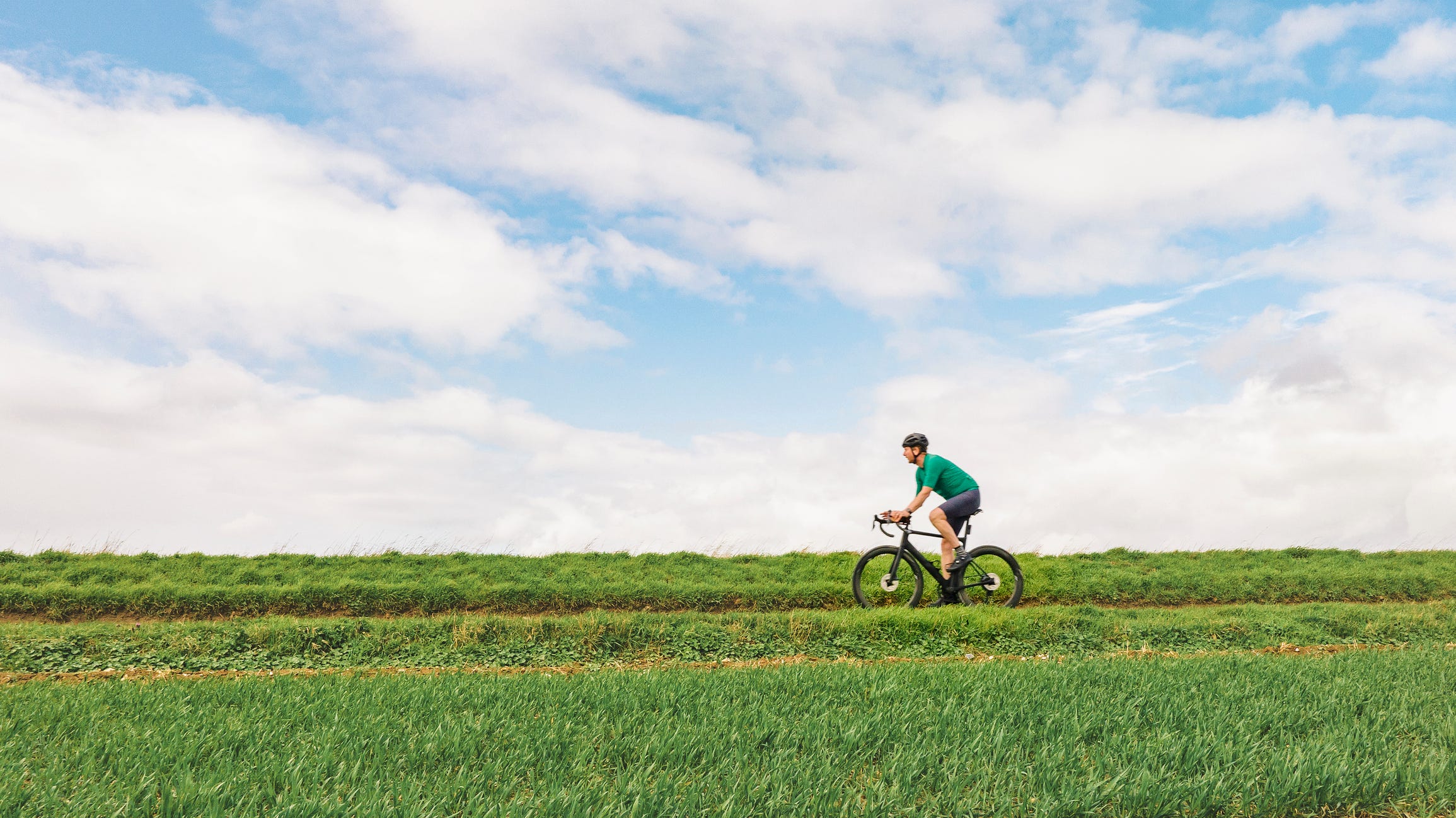
Coaches quoted in Bicycling‘s guidance on increasing cycling distance stress consistent short rides, time in the saddle, and recovery.
Choose a route that makes 10 miles manageable
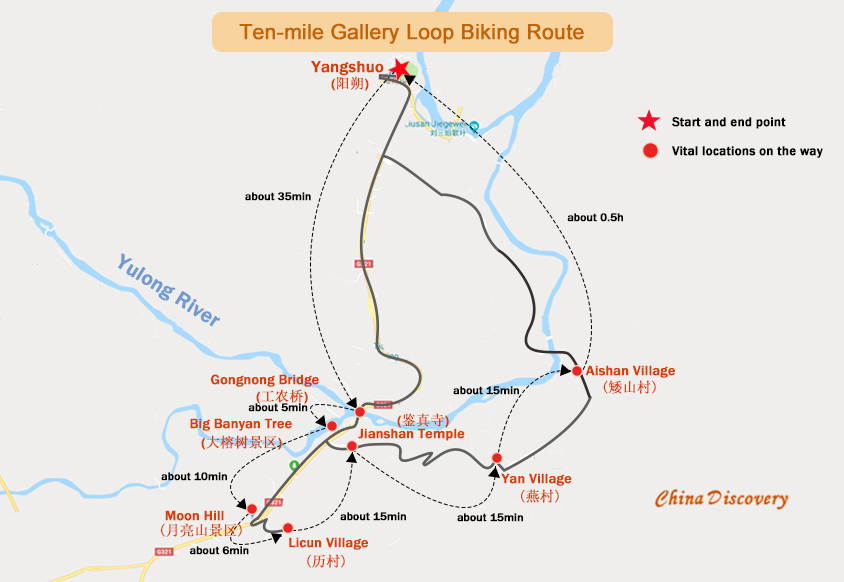
A friendly first 10-mile route (about 16.1 km) has gentle hills, calm traffic, and a realistic way home if the ride gets hard.
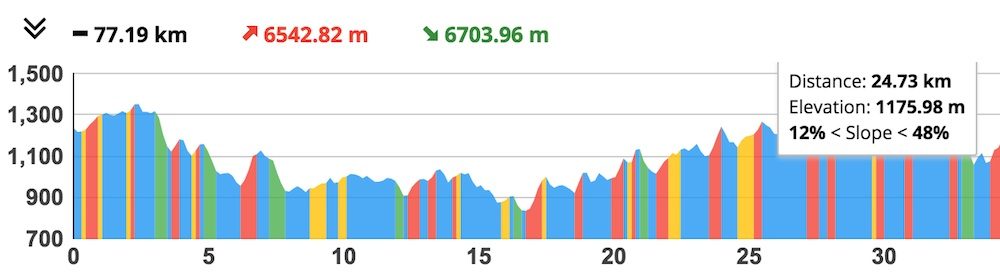
Check the elevation profile. The steepest stretches matter most. One cyclist who tried 10 miles after flatter rides found the first 3 miles easy and was beat once the climbs started around miles 4 to 5.
| Route factor | Good first attempt | Reason to change the plan |
|---|---|---|
| Total distance | 5 miles out and 5 back: 10 miles total | 10 miles out and 10 back: 20 miles total |
| Elevation | Familiar grades and moderate climbing | Steep or sustained climbs beyond previous experience |
| Traffic and surface | Quieter streets or suitable paths, straightforward crossings | Fast traffic, difficult surfaces, complex junctions |
| Return options | Known turnaround, shortcut, or practical pickup point | No workable way to shorten the outing |
The National Highway Traffic Safety Administration recommends routes with less traffic and slower vehicle speeds, including paths and bike lanes. Junctions, pavement, and local conditions still matter on those.
A loop that passes near home gives you several exits. An out-and-back is simpler to navigate. Judge either one by its actual crossings and return options. Then check the map, forecast, wind, and daylight before you pick a route.
How long does a 10-mile bike ride take?
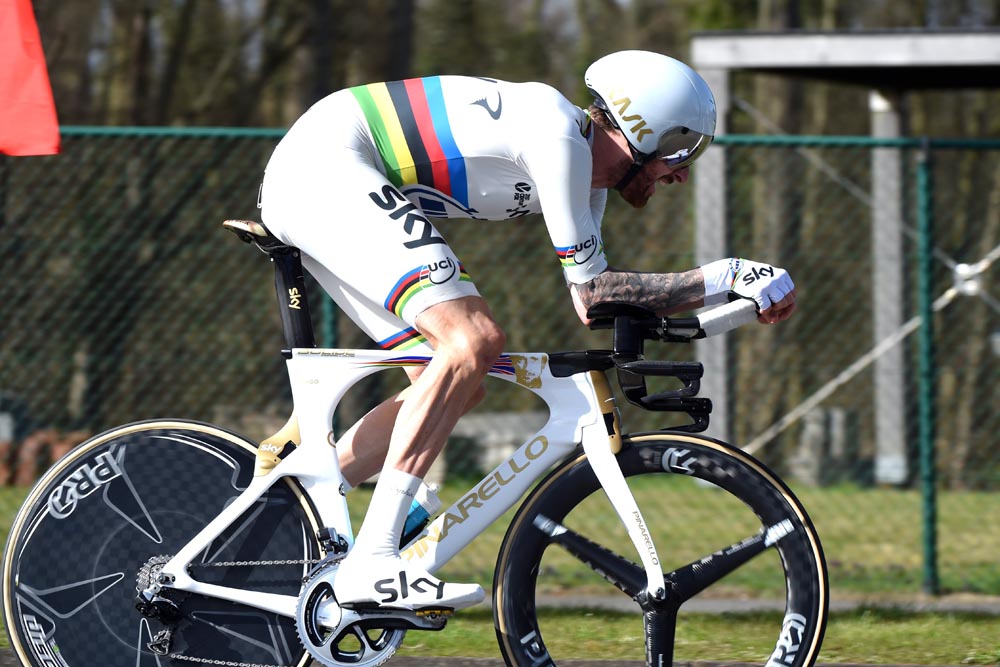
At an average moving speed of 10 mph, 10 miles takes an hour. For another pace, divide 600 by your speed in mph to get minutes of moving time.
| Illustrative moving speed | Moving time for 10 miles |
|---|---|
| 6 mph | 100 minutes (1 hr 40 min) |
| 8 mph | 75 minutes (1 hr 15 min) |
| 10 mph | 60 minutes (1 hr) |
| 12 mph | 50 minutes |
| 15 mph | 40 minutes |
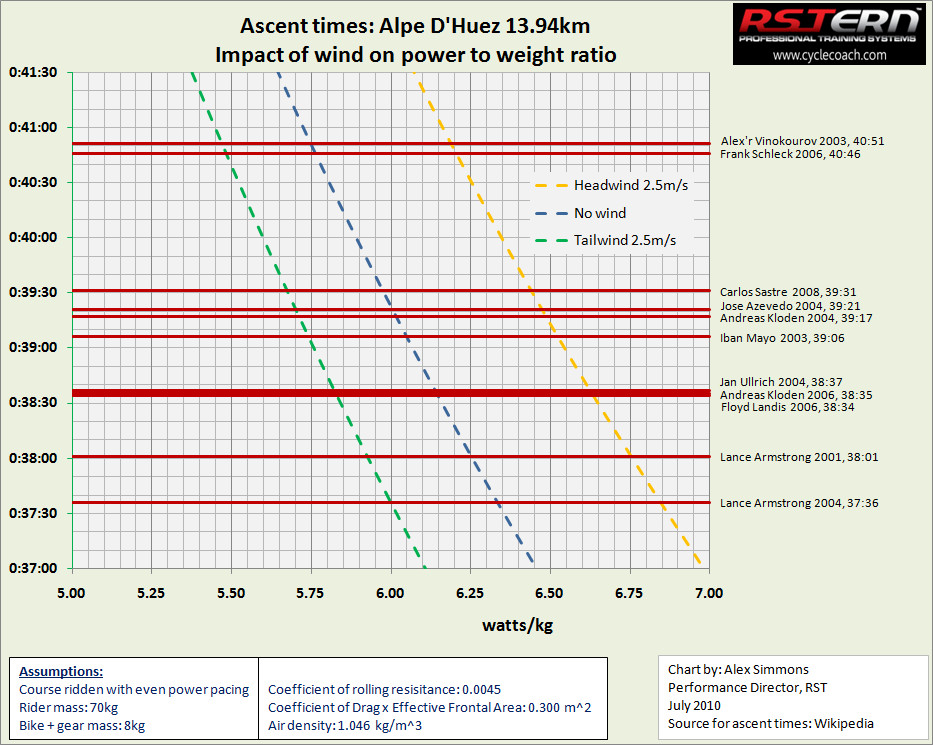
These speeds are examples, not beginner averages. Elapsed time is the total clock time, so add time for traffic lights, breaks, and map checks. Hills and headwinds slow you down too. In the formula, use a speed from your recent rides, then reserve extra clock time for pauses and slow sections.
One r/cycling poster described a first 10-mile ride: “Completed my first 10 mile ride, 830ft climbing, 1h10 on my hybrid. It was surprisingly tough.” 10 miles in 70 minutes works out to about 8.6 mph, between the 8 and 10 mph rows.
Check your bike and carry what you need
Before you go, check that your bike works and pack a few essentials for the route. Start with the League of American Bicyclists’ Basic Bike Check:
- Air: Inspect your tires and inflate them properly.
- Brakes: Confirm they work before you ride in traffic or downhill.
- Chain and cranks: Look for obvious problems and check that the cranks are secure.
- Quick release: Secure quick-release levers if your bike has them. Check that any other wheel fastening holds firmly.
- Check ride: Ride slowly for a moment and confirm the bike behaves normally.
Wear a helmet that fits. Use lights and bright clothing suited to the route and conditions.
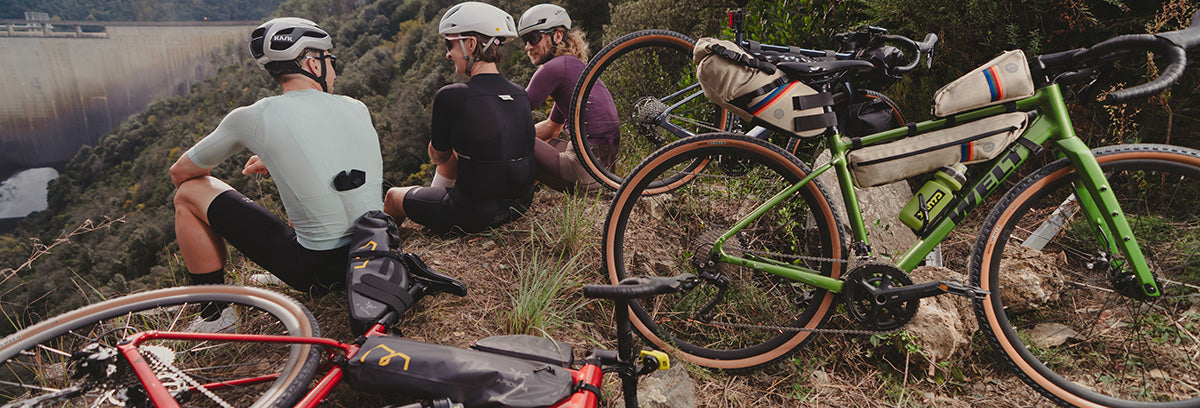
Bring water, a phone with your route on it, and ID, a payment method, or contact details in case plans change. On a remote route, carry a repair kit if you know how to use it. If you don’t, have a way to call for help.
The American College of Sports Medicine’s hydration guidance says most ordinary workouts under 60 to 90 minutes in normal weather do not need specialized electrolyte replacement. Longer rides, heat, and heavy sweating change that.
Wear clothing that lets you pedal without chafing or restriction. One new bike owner was sore in the saddle area after a light 10-mile ride in an hour.
If pressure or friction recurs, check your bike’s fit and contact points. Stop riding if pain is severe or numbness develops. Numbness that comes on suddenly, or in the saddle area, needs emergency medical assessment. Persistent, unexplained symptoms need a medical evaluation.
Start easy and let your breathing set the pace
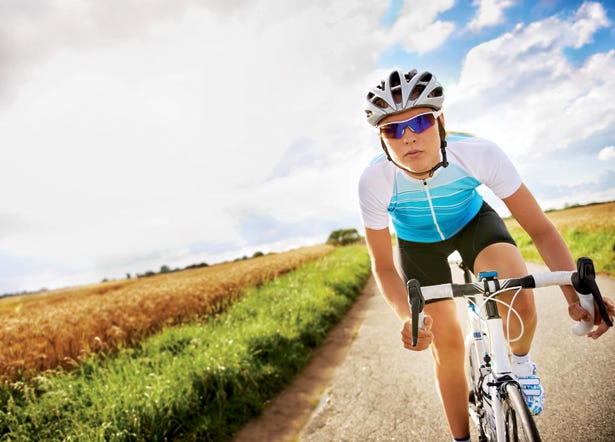
Start gently enough to talk easily. Use the first miles to find an effort you can sustain, even if the speed on your display looks modest.
The CDC’s talk test describes relative intensity. At a moderate effort, you can talk but cannot sing comfortably. At a vigorous effort, saying more than a few words before taking a breath gets difficult.
On a climb, shift to an easier gear and let your speed drop if talking gets hard. A headwind or heat changes the effort needed to hold a speed you’re used to.
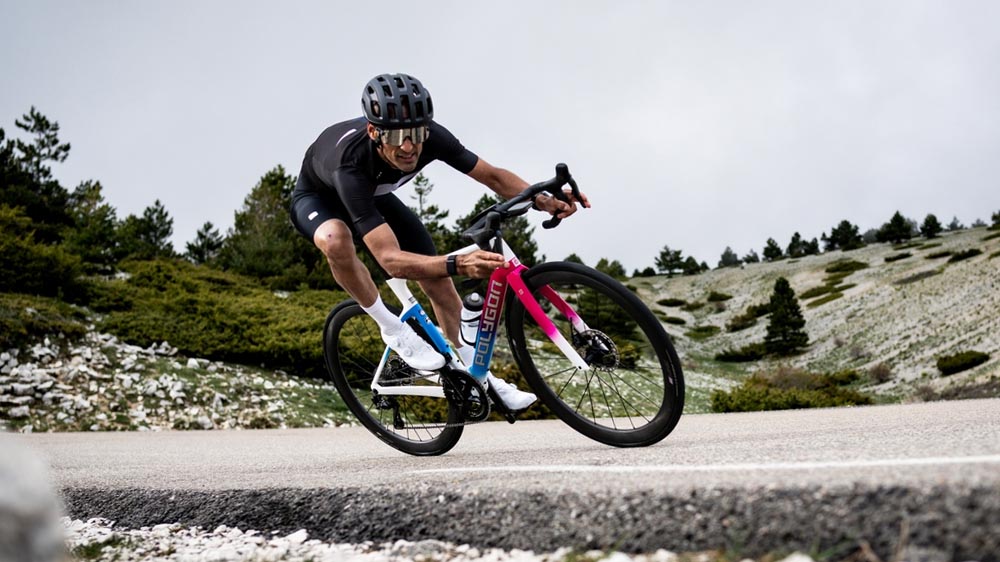
Walking a steep stretch is fine, as long as you do it somewhere safe.
Know when to rest, turn back or stop

Take a short rest when you feel tired but still in control. Pull over somewhere safe. Stay out of traffic and the riding line. Then decide whether to continue at an easy effort.
If you can’t brake or maneuver confidently in the conditions you meet, stop in a safe place and arrange a way home. A runner new to road cycling described how tense that can get in an r/ladycyclists discussion: “Today I went on a 10 mile ride and honestly felt like I was flight or fight the entire time.”
If the problem is fatigue, a tougher hill than expected, or a weather change, use the shortcut, turnaround, or pickup option you planned. A mechanical fault that compromises control also means stopping.
The CDC’s June 25, 2024 guidance on exercising in hot weather says to stop and move somewhere cool if you feel faint or weak.
The American Heart Association names chest pain and severe, unusual breathlessness as cardiac warning signs. Stop riding and get urgent help for these, for fainting, or for any other serious symptom.
After your first 10 miles, choose your next ride
Afterward, note the one thing that shaped the ride most: the hills, your effort, bike handling, saddle comfort, or recovery. That answer decides what comes next. Repeat the ride, try a shorter skills outing, or add distance gradually.