
Pick a ride whose speed measure you understand and whose distance, climbs, and group rules match what you can comfortably sustain. If the listing doesn’t say, ask the leader, and start with an easier group for your first ride.
What does the group’s advertised pace mean?
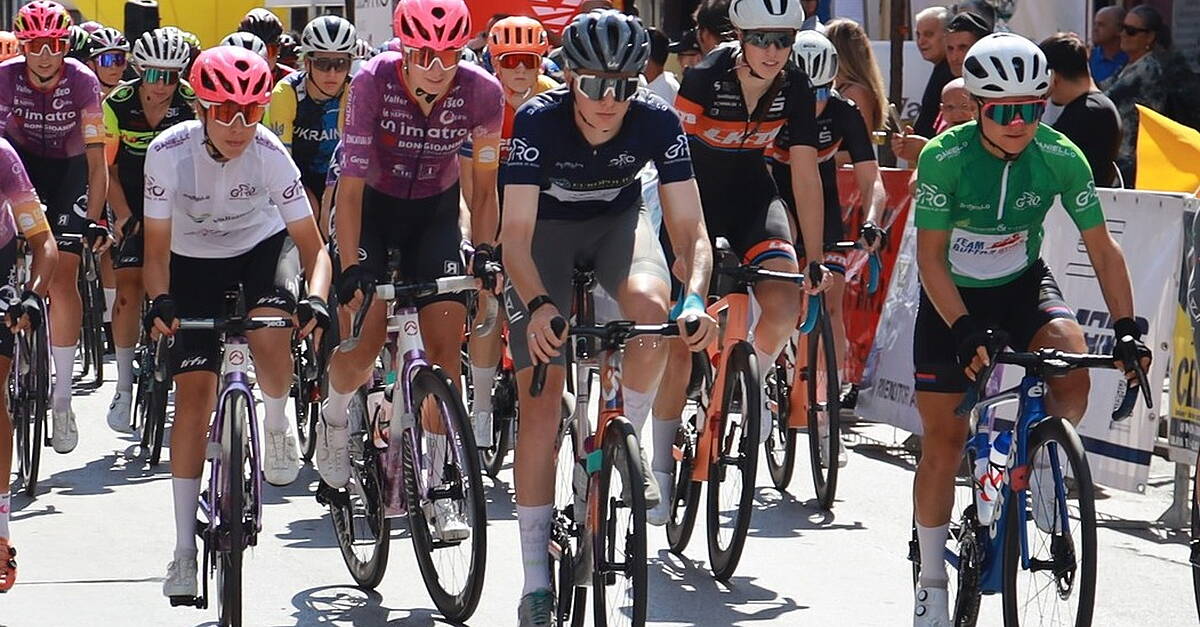
A club’s posted 16 mph might be the speed riders hold on flat roads, or it might be the average across the whole moving ride. Hills, stops, and faster flat sections pull those two numbers apart.
A rider returning to cycling after a long break put the confusion plainly on r/cycling: “If a pace calls for X MPH/KPH, are they referencing the group pace or what you should bring as a solo rider?”
Three measurements are worth telling apart:
- Cruising speed: The speed a group holds on relatively flat roads under the conditions the club specifies. New York Cycle Club uses a flat-road, no-wind cruising convention.
- Moving average speed: Total distance divided by riding time. Sound Cyclists excludes lunch and regrouping stops when defining its pace categories.
- Elapsed average speed: Distance divided by the entire elapsed time, including stops. A long café stop lowers this figure even when the riding pace stays the same.
How three US cycling clubs classify their rides
| Club | Class | Advertised speed | How it is defined |
|---|---|---|---|
| Santa Rosa Cycling Club | A | 10 to 12 mph | Leisurely, whole-ride moving average |
| Richmond Area Bicycling Association | A | 18 to 20 mph | Strenuous, average ride speed |
| New York Cycle Club | A | 19 to 22 mph | Flat-road cruising; advanced group skills |
US clubs assign A, B, and C differently, so a letter means something only inside that club’s own system.
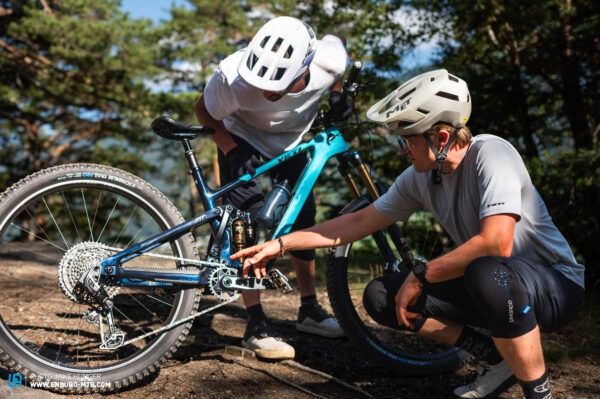
Santa Rosa’s listing format is a good example: 2/B/40/Stay-together. The 2 means easy rolling terrain, B means a local pace of 14 to 16 mph as a whole-ride moving average, 40 means 40 miles, and Stay-together means the group rides together throughout.
Before you sign up, check what the number measures, how stops count, and what the ride letters mean.
Compare the pace with a ride you can sustain
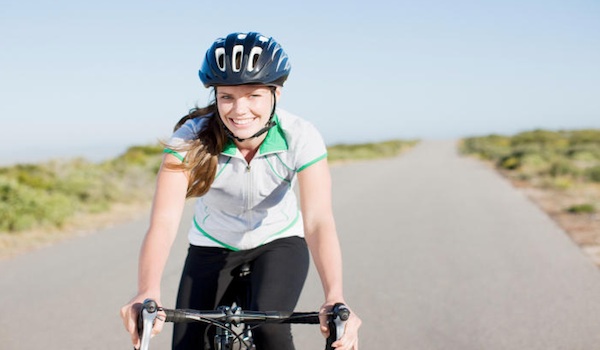
Your benchmark is a recent effort you held for a similar time on similar terrain. A brief sprint or a fast descent tells you little about finishing a group ride.
Match the measurement first. A steady flat segment fits a flat-road cruising class. A completed route over similar terrain fits a whole-ride moving-average class.
- Note the speed you held, how long you held it, and whether you finished in control or worked near your limit just to keep that pace.
- Use routes with a similar mix of flats, climbs, surfaces, and traffic stops.
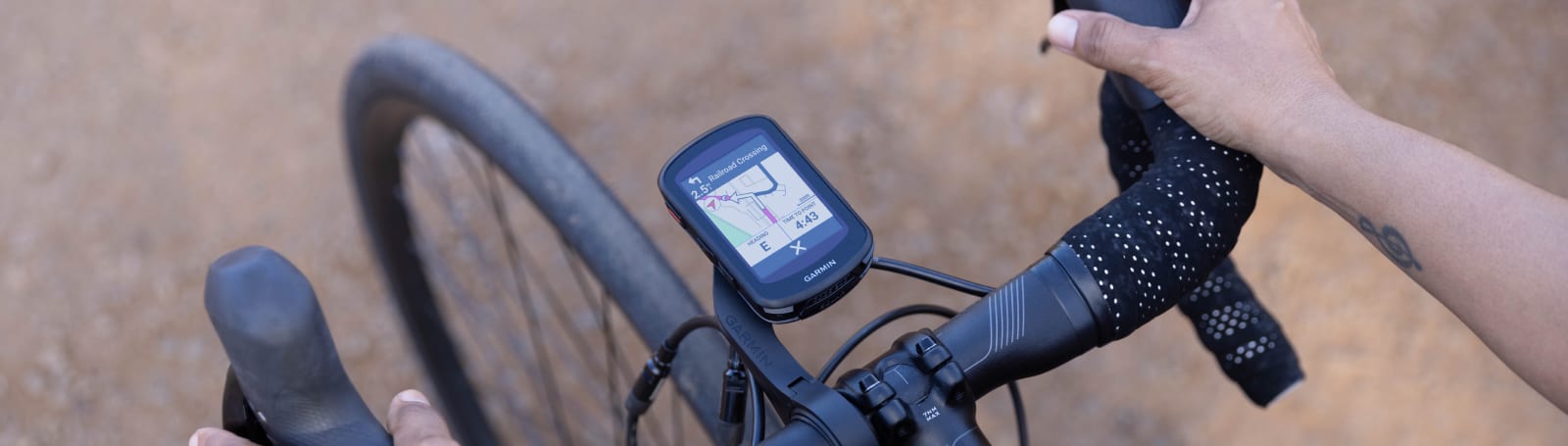
Some organizers give you a self-assessment. New York Cycle Club describes a steady park-lap method for estimating cruising pace.
Santa Rosa Cycling Club offers a moving-average method using a ride of at least 30 miles. Its alternative Speed Trap method times a 4.4-mile, mostly uphill segment of Graton Road, ridden at a normal pace without drafting.
If you only ride short, flat loops, you don’t yet know your pace on a longer, hillier course.
Read the route: distance and climbs change the effort
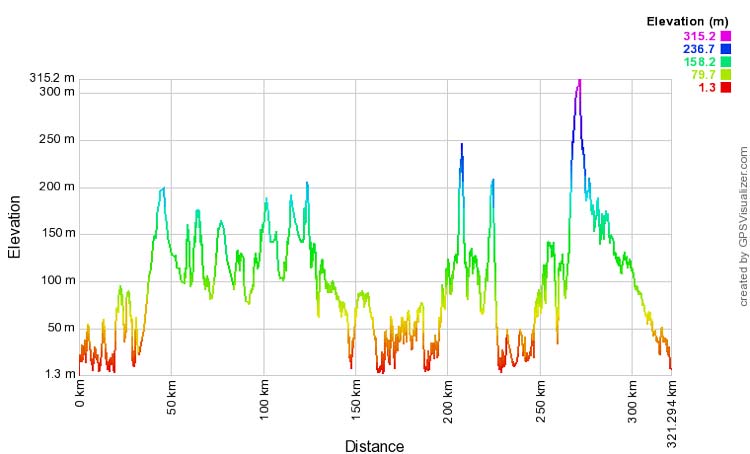
An average speed that looks comfortable can hide climbs or mileage beyond what you usually ride. The same average can come from very different efforts.
A rider considering a step up in local ride classes could hang on to the 14 mph pace in C group no matter what and wanted to try the B group.
The faster B ride discussed there called for 16 to 18 mph over 35 miles with approximately 2,200 feet of climbing. If you hold 14 mph on gentler routes, that B ride asks for 2 to 4 mph more, with 2,200 feet of climbing on top. Those hills decide whether you stay with the group.
Which route details matter?
- Distance: can you hold the effort for the full planned mileage?
- Elevation gain: US route listings usually show total climbing in feet.
- Where the hills fall: a steep climb near the start, repeated short climbs, and one long ascent each demand something different, and the total elevation figure doesn’t show gradient or distribution.
- Surface and stops: gravel, broken pavement, traffic signals, and repeated accelerations change how hard it is to follow the group.
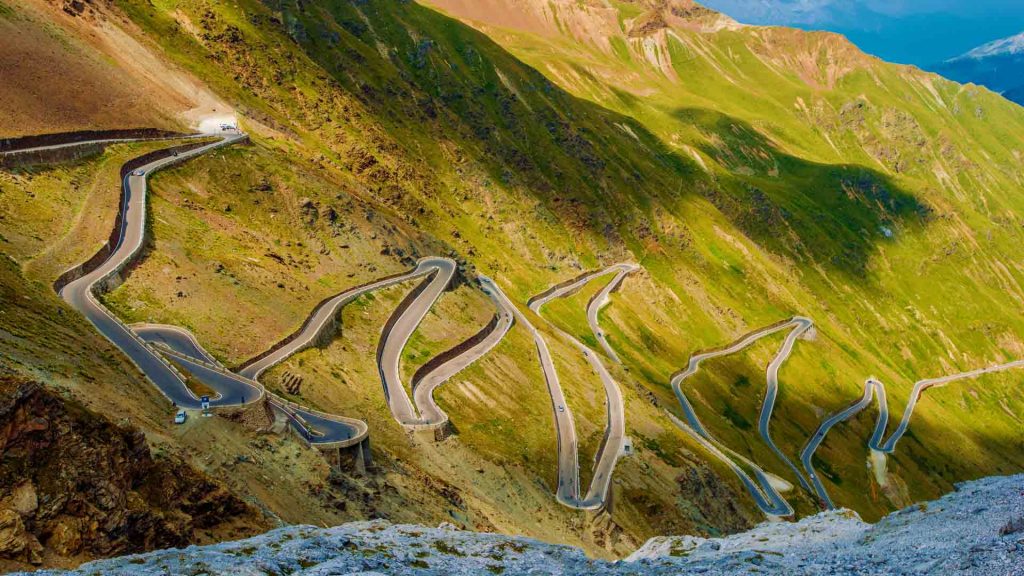
Compare the route’s mileage and climbing with rides you’ve finished at a manageable effort. A shorter hilly ride can be a tougher match than a longer flat one.
Check the pack-riding skills the group expects
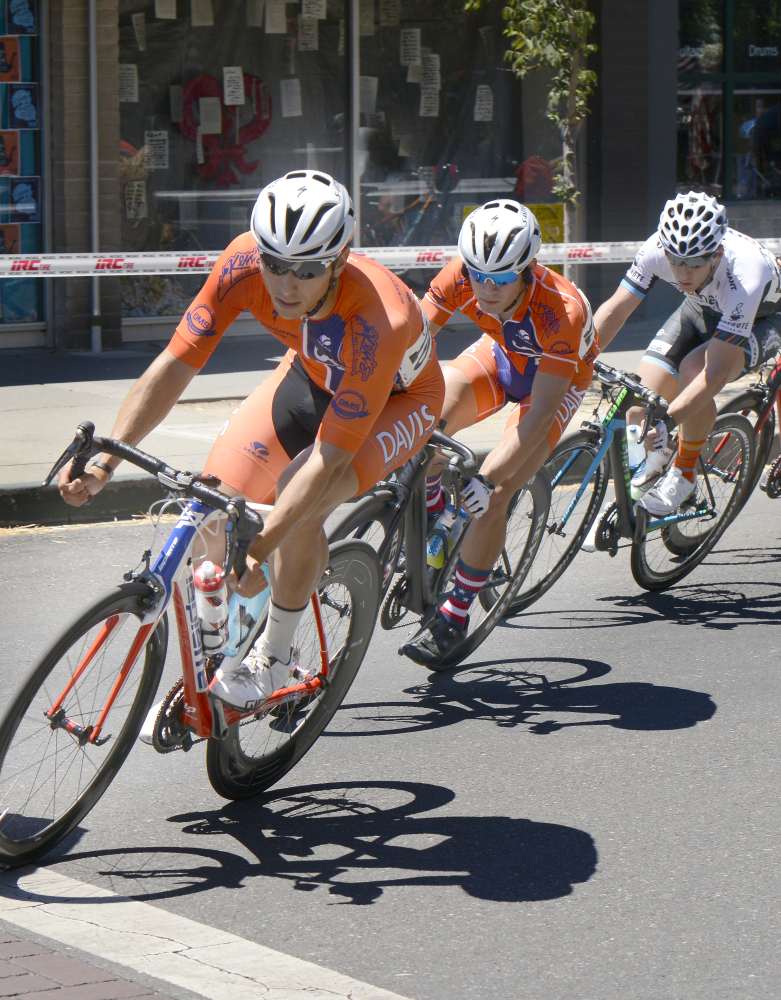
You can hold the advertised speed and still feel uncomfortable riding close to other wheels. USA Cycling names predictable handling, communication, and awareness as central paceline skills. Drafting reduces aerodynamic resistance, as a 2018 analysis of tightly packed 121-rider pelotons found, but that study gives recreational newcomers no fixed extra-mph allowance. If the ride expects close-wheel or rotating pacelines, check whether you already have the experience and comfort for them.
Find out what no-drop means on this ride
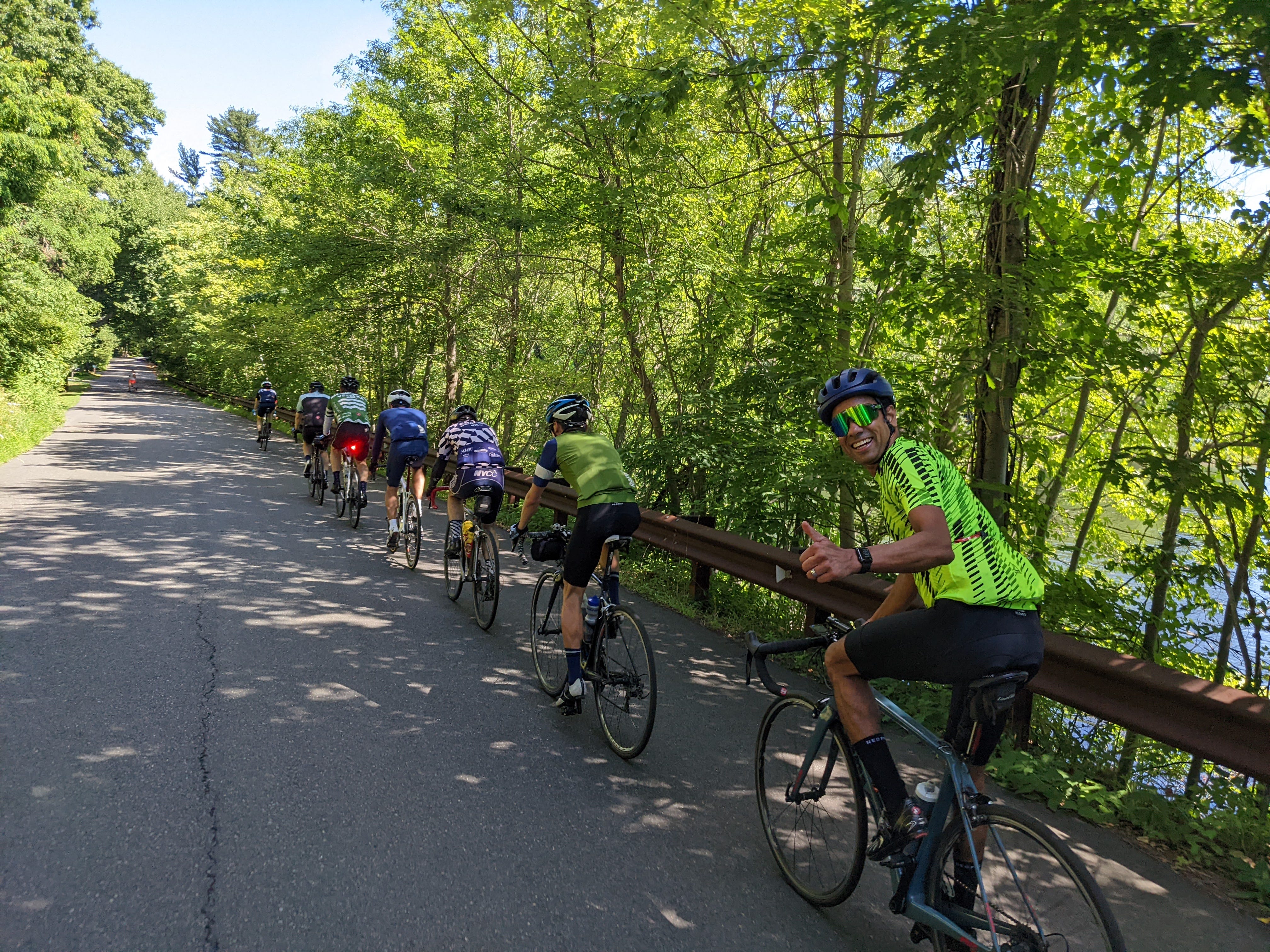
Organizers use the no-drop label for different kinds of support. A sweeper at the rear, agreed regroup points, and a group that stays together from start to finish are three different experiences.
- Sweeper-supported: A designated rider helps account for participants at the back, while the front of the group continues at its advertised pace.
- Regrouping: Riders spread out and meet again at planned points, including after climbs or at intersections.
- Stay-together: Riders keep a shared pace and stay close as a group through the route.
- Drop ride: Under the organizer’s published policy, riders who lose contact navigate the remainder on their own.

One rider on a women’s no-drop outing wound up riding most of the way by themselves, though they thought the point of group rides was to ride together.
If you want company and conversation, choose a ride that explicitly stays together; if a faster front group with a sweeper behind it suits you, sweeper-supported works fine.
Ask the leader what the listing leaves unclear
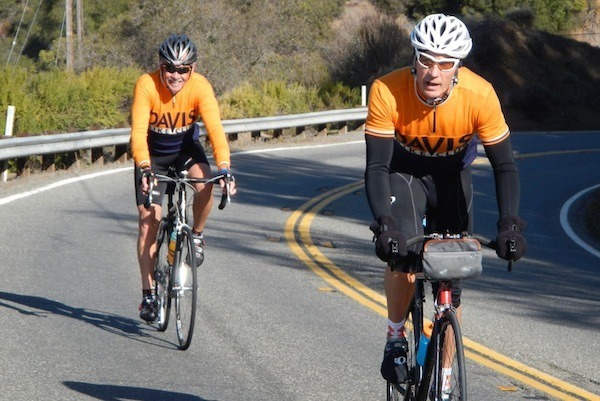
“B ride, 16 to 18 mph, no-drop” sounds specific, yet it doesn’t tell you how the speed is measured, how hilly the route is, or how the group supports slower riders. The leader can answer all three.
After a hard first outing, one rider’s only regret was not asking about the expected pace before the ride rolled out.
- What does the posted mph mean? Ask whether it’s cruising or moving average, and what pace to expect on faster flats and climbs.
- How demanding is the full route? Ask for distance, elevation, expected duration, surface, and a route description if the listing omits any of them.
- How does the group operate? Ask about paceline expectations, regroup locations, whether a sweeper rides, and what happens when someone falls behind.
- What if I can’t continue? Ask how to tell the leader and whether you’ll need to get home on your own.
Make the call: try, clarify, or choose another ride

Base the final choice on the ride’s demands and on what you want from the day.
| Decision | When it fits | Next step |
|---|---|---|
| Reasonable first try | You understand the pace measure and can manage a similar route; group skills and support arrangements fit your needs. | Sign up for the ride. |
| Clarify first | The pace definition, expected climbs, pack requirements, or support policy still matters to you and is unclear. | Email the leader the questions above and sign up after you hear back. |
| Choose an easier or different ride | The known distance, pace, climbing, or group-handling demands exceed your experience, or the riding style conflicts with your goal. | Move down one pace class, pick a gentler route, or pick a stay-together group. |
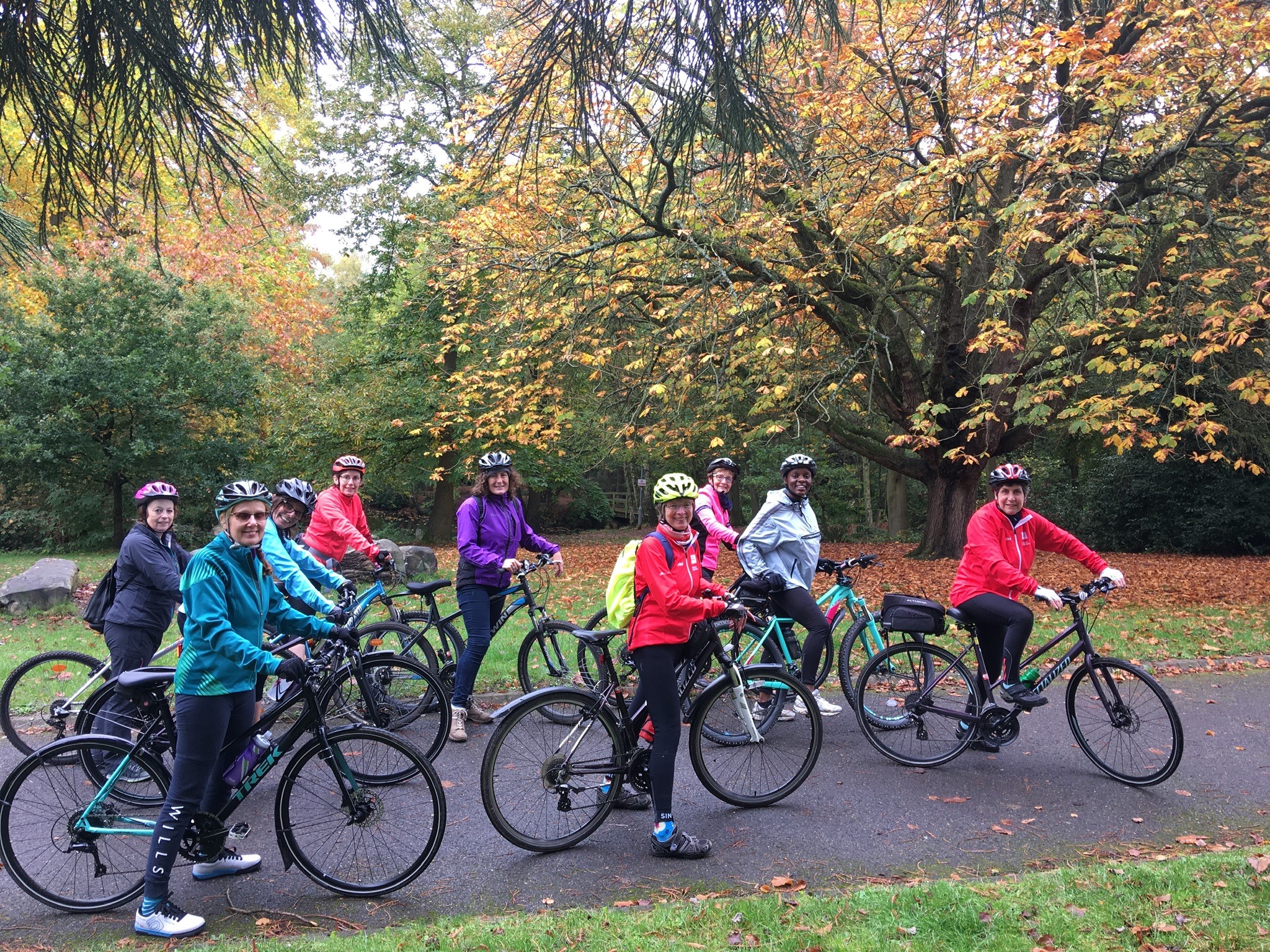
New York Cycle Club and Sound Cyclists both recommend a conservative first group when you’re unsure.
Judge the fit after your first ride
After the ride, compare its actual speed and climbing with the listing. Check whether your effort stayed manageable over the full distance. Note how the pack spacing, communication, support, and regroups worked. Then decide whether the same group, a different route, or another pace fits your next outing.