
Start with a clear purpose, a small organizing team, and one well-described ride whose pace and no-drop rules you can deliver, and check which permissions and coverage apply before you run it. Move to a formal club only when your activities call for one. First job: choose the ride format and name its coordinator.
A club can begin with a few people who want to ride together regularly. What makes it dependable is a clear promise: who the ride welcomes, what kind of cycling it involves, and how organizers look after the riders who show up.
You can settle most of that before you pick a name or collect dues. Prepare four things: a route someone has checked, volunteers who know their jobs, an invitation riders can judge, and a plan that still works when the group spreads out.
Decide what kind of women’s cycling group you want to start
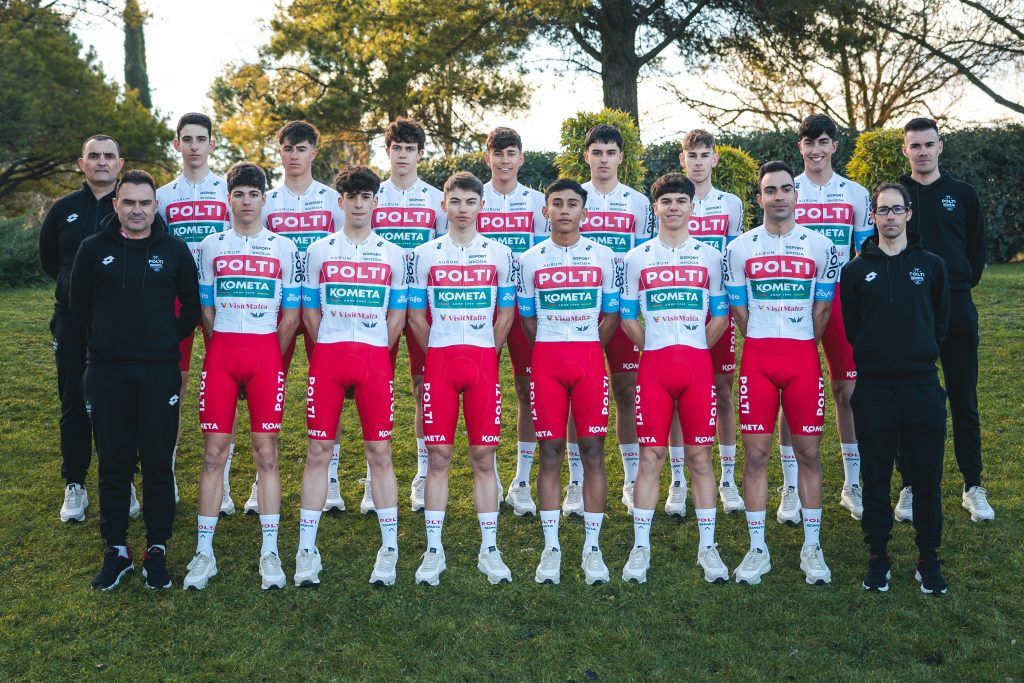
Choose a structure that fits the rides you plan to run. Three starting models cover the main options.
| Starting model | What it involves | Best fit | What to evaluate next |
|---|---|---|---|
| Informal riding circle | Friends coordinate rides with light administration | Testing whether compatible riders enjoy meeting regularly | Who comes, where you ride, who does what, and which rules apply |
| Recurring community group | Published rides, named organizers, consistent expectations | Offering a dependable local ride | Enough volunteers, ride policies, how you communicate, permissions, coverage |
| Formal cycling club | Membership, governance, possible affiliation, more administration | Running broader programs that justify a formal structure | How you register, handle money, and insure the club, plus what the organization requires |
A group built around relaxed city rides needs a different setup from one running technical mountain bike outings. A road club might serve experienced riders at a brisk pace, while a gravel group might focus on introductory rides over mixed surfaces.
Write a one-sentence mission that names the experience you offer. For example: “We organize conversational-paced paved rides for women who want regular company and clearly planned regrouping stops.”
Test that promise with a small pilot. If you plan paid participation, youth programs, racing, large public events, or institutional activities, set up more formal arrangements from the start.
Find the riders and the need your local clubs aren’t meeting
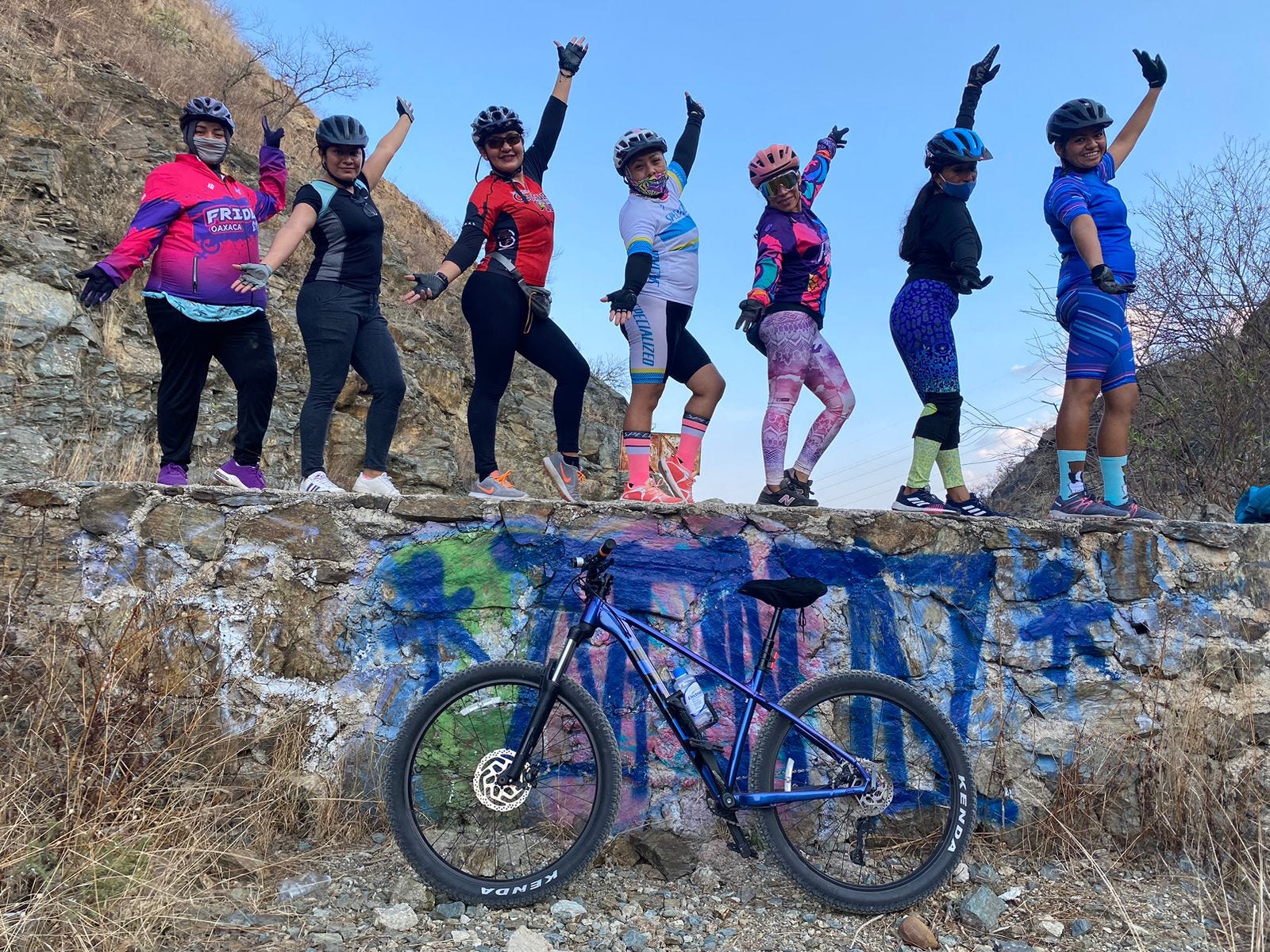
Before you recruit, find out which rides already exist locally and what your group would add.
Look at nearby cycling clubs, bike shops, community organizations, and social rides. One of them may already offer what you have in mind. The American Women’s Cycling Network maintains a US-focused directory, but check each listing against the organizer’s ride calendar.
Then talk to people who might attend. Ask what kind of cycling they enjoy, where they feel comfortable riding, which days work, and what put them off other group rides. Someone who wants a social ride after work needs something different from a confident mountain biker looking for technical trails.
One organizer described how a group starts: a friend and a plan for a women-only city ride, with the intent to make it a recurring event.
Two organizers are enough to start, as long as they know which kind of ride people want. Concerns about traffic, existing ride formats, and beginner confidence all help shape your proposal.
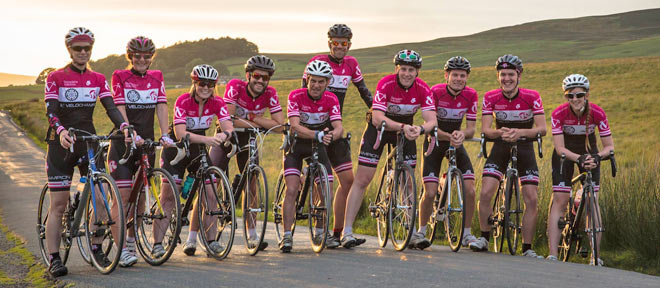
Find riders through local bike shops, community networks, cycling contacts, and social channels. USA Cycling names these as ways to recruit club members.
Turn those conversations into one sentence that names the need your group fills. A weekday social ride, a relaxed gravel introduction, or a recreational women’s road group each gives people something definite to respond to.
Recruit a founding team and divide the jobs

A recurring group needs reliable responsibilities before it needs officer titles. One enthusiastic founder can handle a lot, but the plan has to work when that person can’t attend.
Assign the essential tasks:
- Coordinator: Keeps the ride calendar, talks to riders, and makes sure every decision has an owner.
- Route planner: Prepares route details and known conditions for the riders you expect.
- Ride leader: Guides the ride, stays in touch with the group, and knows the planned route and its difficulty.
- Sweep: When the format calls for one, stays in contact with riders at the rear. Knows the same plan, including what happens if a rider stops or leaves the group.
- Communications and backup support: Handles updates, rider messages, and agreed arrangements when a volunteer is unavailable.
A small team can combine roles, as long as every job still gets done during the ride.
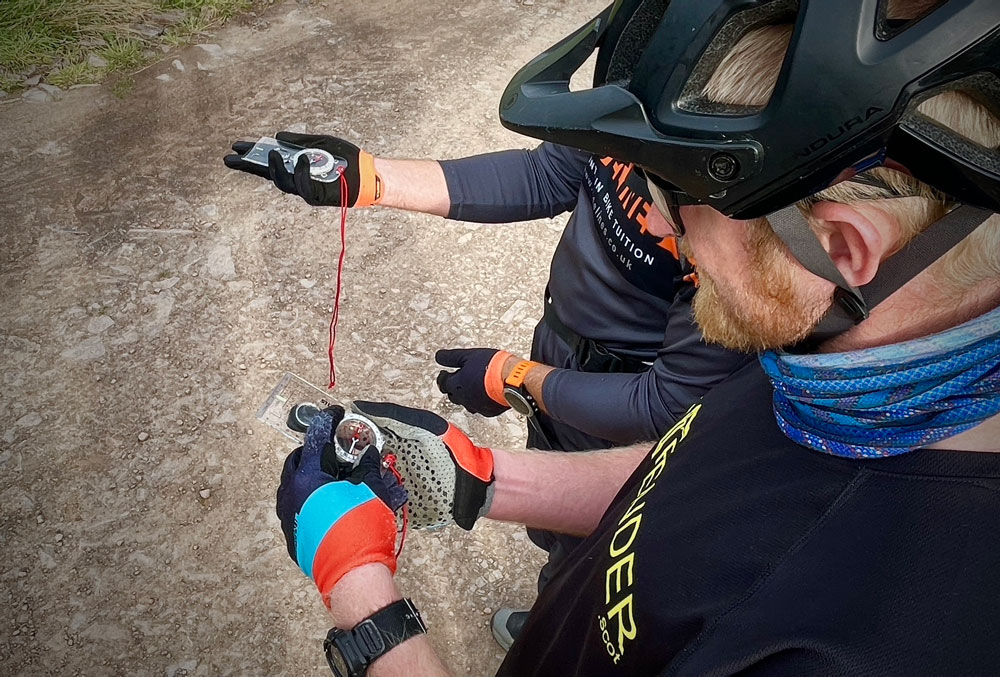
USA Cycling’s club guidance stresses clear responsibility and communication, and it encourages mentoring and volunteer development.
Write a roster with names, contact methods, responsibilities, and substitutes. If you can’t fill a key role, change the advertised format or postpone the ride. It’s easier to make that call in advance than at the meeting point with riders already waiting.
Pick a first route that fits the riders you invite
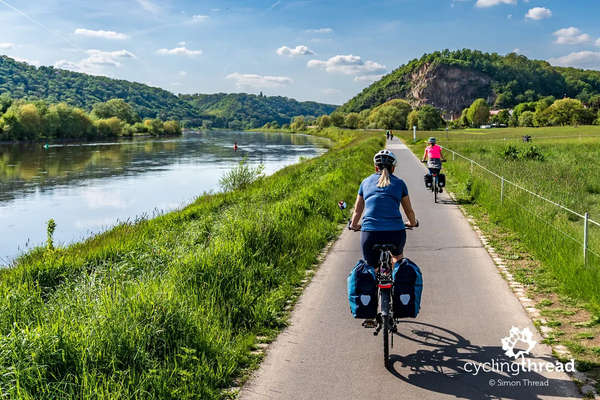
Your first route should match the people you plan to welcome. Start with the riding surface and technical skill, then look at traffic, hills, distance, and places to regroup.
A paved urban loop and a mountain bike trail demand different equipment and skills. Even within one discipline, a short ride with difficult intersections or steep climbs can be wrong for the riders your invitation describes.
Watch the transitions: a bike lane ending at a complicated intersection, a steep section after a relaxed stretch, or a regroup point with nowhere convenient to stop.
Preview the whole route before you publish it.

Use this worksheet to review the route:
- Surface and bike suitability: Paved road, path, gravel, or trail, and the bike and handling skill the route requires.
- Distance and duration: Mileage and a realistic total time, including stops.
- Hills and difficulty: Notable climbs, descents, and the effort expected.
- Traffic and crossings: Busy intersections, changing road conditions, and known hazards.
- Regrouping and rest: Places to regroup, restroom access where needed, and spots for a social break.
- Shorter return options: Points where someone can leave the route or return early.
- Route ownership: The volunteer responsible for route notes and changes.
For a 15 km (about 9 miles) city loop, count the major turns, find the busiest crossings, and mark where riders can regroup or take a shorter route home.
A simple loop with manageable traffic and a convenient turnaround suits a social city ride. A technical trail with sustained climbs fits a group whose advertised experience and bike requirements match that terrain.
Write a ride invitation that tells people what they’re joining

A rider should be able to judge the ride from the announcement, without guessing what “social,” “casual,” or “beginner-friendly” means.
Distance alone says little about effort. Duration makes a ride easier to picture, and surface, elevation, and moving pace show what it demands.
A member of a women’s riding group made this suggestion in an r/ladycyclists organizer-thread comment: “Beginners understand ‘1-hour ride’ better than 20 km (could scare people away)”
Put the time next to the distance, so a beginner sees “1 hour” as well as the mileage, and add the conditions that affect effort.

[Group name]: [Ride type or experience level]
Join us on [weekday/date] at [start time] for a [duration] women’s cycling ride covering approximately [distance in miles].
Meeting point: [exact public meeting location]
Finish or return point: [where the ride ends]
Route: [paved road, trail, gravel or mixed surface]
Hills: [elevation gain in feet, if known, or a clear description of notable climbs]
Expected pace: [honest moving pace or clearly defined conversational effort]
Regrouping: [where and how the group comes back together]
Stops: [planned rest or social stops]
Bike and equipment requirements: [conditions appropriate to the route]
Weather and cancellations: Updates through [communication method]
Questions or changes: Contact [organizer or group contact method]
If the ride is for women only, say so in the first line of the invitation.
If a ride has difficult hills, technical terrain, or equipment restrictions, put them in the invitation. Before you publish, ask someone who doesn’t know the route to read it and tell you whether they could decide to come, based on their bike, experience, time, and comfort with the route.
Put a real operating policy behind “no-drop”
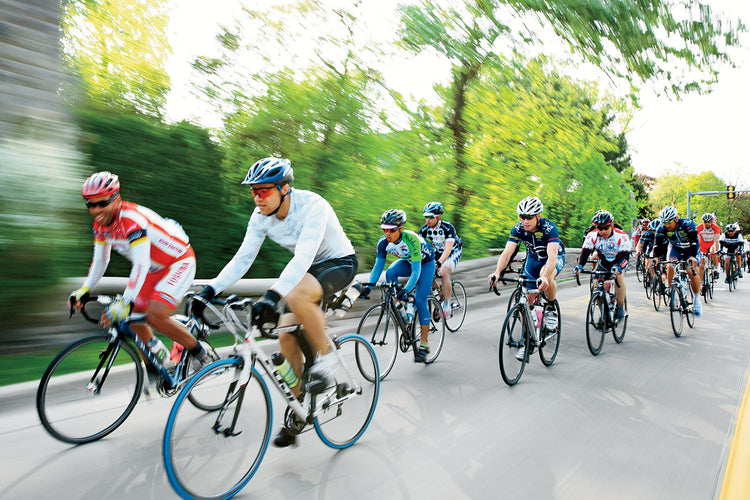
“No-drop” needs a definition. Some groups use it to mean everyone stays together. Others let faster riders move ahead and regroup at agreed locations while a sweep stays behind.
Both work, but riders experience them differently.
A rider on a women’s no-drop ride said they wound up riding most of the way by themselves. The table below compares three ways to prevent that.
| Policy choice | How it operates | What organizers must account for |
|---|---|---|
| Ride together | Riders stay together at a pace everyone can hold | The pace and terrain must suit your riders |
| Planned regrouping | Riders spread out and meet at set locations | Regroup spots, sweep contact, and enough recovery time |
| Separate pace groups | Riders pick a clearly described level | Enough capable leaders and suitable routes for each group |
The rest matters as much as the meeting point. If the front of the group waits several minutes and the last rider arrives just as everyone leaves, the trailing rider gets a very different break.
Sample no-drop policy: We use planned regroup points, with a lead rider ahead and a sweep staying in contact with the rear. Everyone pauses long enough for the last arrivals to catch their breath before the group sets off again. If someone has a mechanical issue, misses a turn, or decides to head home, the ride leader and sweep communicate the change and account for that rider before the group continues.
Your policy should also say when to shorten the route or split riders into separate groups.
Write the policy in plain language and share it before the ride.
A club can offer faster rides too. In a historical League of American Bicyclists profile, WWCycling described weekly no-drop rides classified as Casual, Beginner, Intermediate, Brisk, and Advanced, with routes adapted to participants.
Run the first ride: briefing, lead, sweep, backup plan
Start by gathering everyone for a short welcome and route briefing. Introduce the leader, the sweep if you have one, and the person riders should contact if something goes wrong.
For a practical first-ride briefing, Build a short rules briefing for participants.
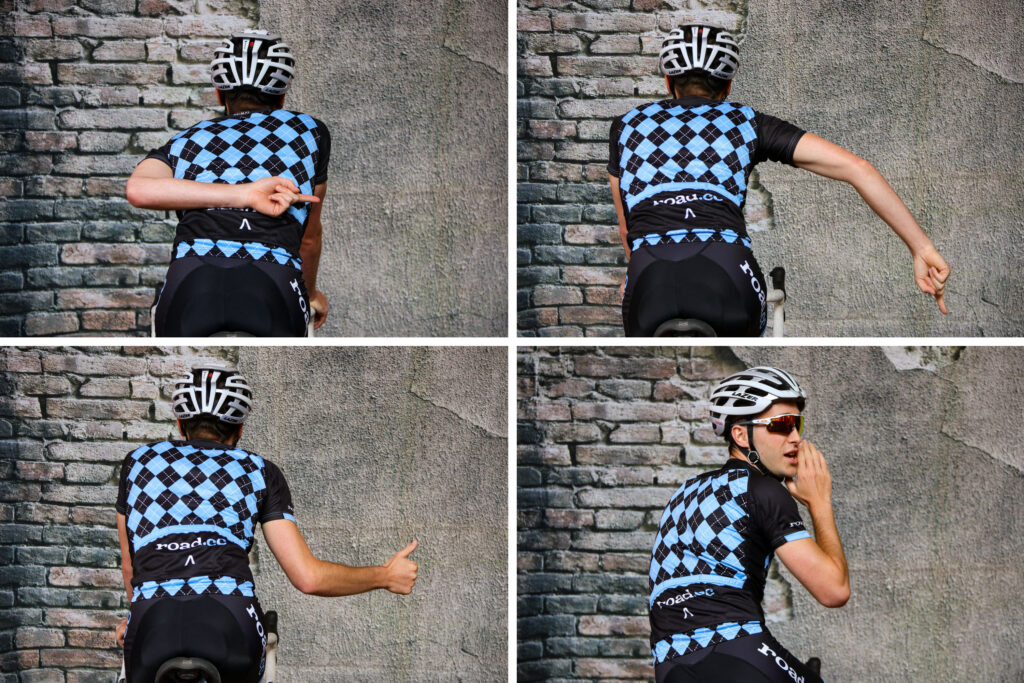
A brief route rap tells riders what they need before moving: the broad route, known hazards, major turns, regroup locations, and communication signals. Add a quick equipment reminder if the ride calls for it.
Keep the briefing short enough that riders remember it.
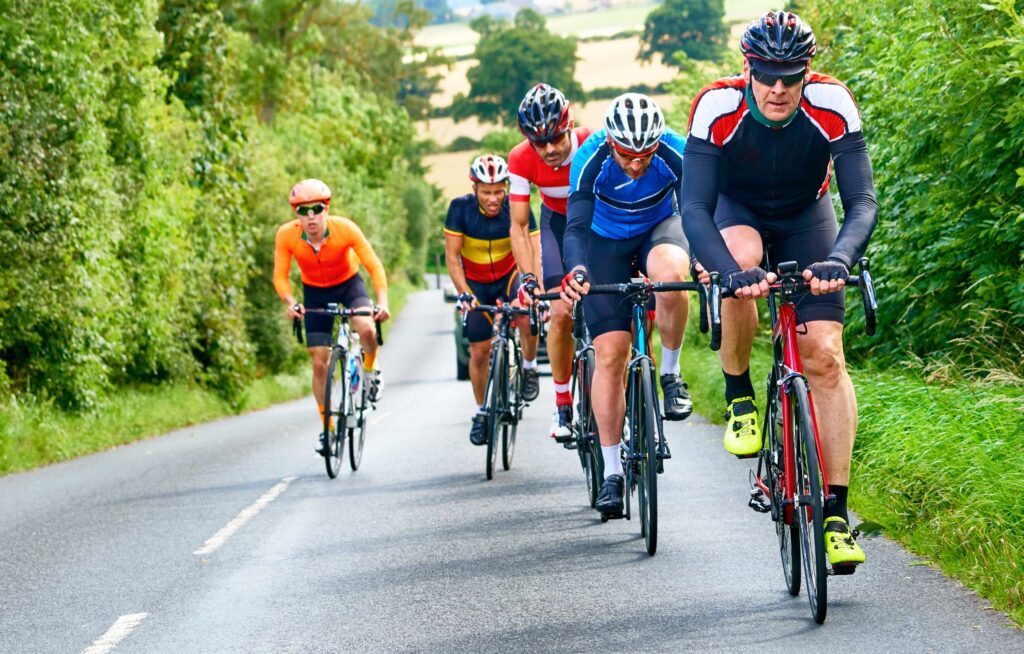
Run this departure check:
- People: Riders know who the organizers are and how to reach them.
- Route: Explain important turns, hills, crossings, and any changed conditions.
- Regrouping: Remind riders where they meet and how your no-drop policy works.
- Communication: Agree how someone can ask for a stop or report a problem.
- Contingencies: Say who handles a route change, cancellation, early departure, or mechanical problem.
Tell riders to speak up when something feels beyond them or they need time to recover. The leader and sweep respond according to your plan.
At intersections, volunteers follow the normal traffic rules. A ride leader cannot stop or direct motor traffic without the appropriate authority and permissions.
In a serious emergency, contact emergency services first.
Check permits, waivers and insurance as separate responsibilities
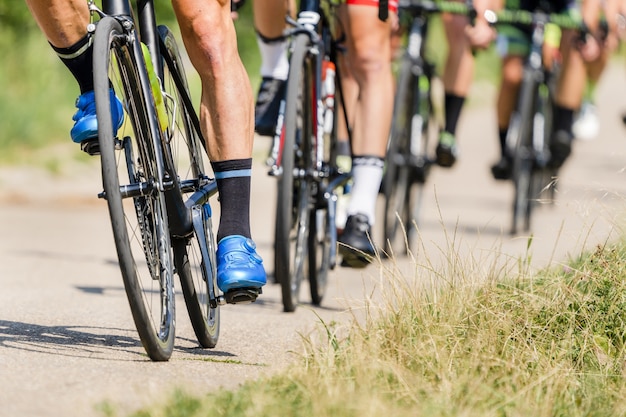
Sort out permits, insurance and waivers before the first public ride. Start with your activity, route, participants, and local authority, because different kinds of events face different requirements.
Keep these terms apart:
- Permit: Permission from the responsible road, park, city, or county authority to hold the activity there.
- Insurance: Coverage for specific risks, people, activities, places, and time periods, under the policy’s conditions.
- Waiver: A document covering specific acknowledgments or claims. Its effect depends on the circumstances.
- Club registration: Enrollment or affiliation through a specific organization.
- Incorporation: Forming a legal entity under the rules that apply to it.
Local permit requirements
Two US county examples show why route and jurisdiction matter.
Boulder County says its Events on County Roadways permit applies to qualifying events on roads in unincorporated parts of the county. Bicycle races and group rides of more than 50 people are among its examples. For most events outside the county’s exceptions, applications are due at least 60 days in advance.
San Diego County has a special-event permit process for organized athletic activities on public roads, road closures, and activities that affect road operations. Under its Department of Public Works process, applicants must be nonprofit organizations, and applications for covered events go in 30 to 180 days before the event.
Those rules apply to specific jurisdictions and event types. A group elsewhere in the United States, or a smaller activity in either county, gets its requirements from the responsible road, park, city, or county authority.
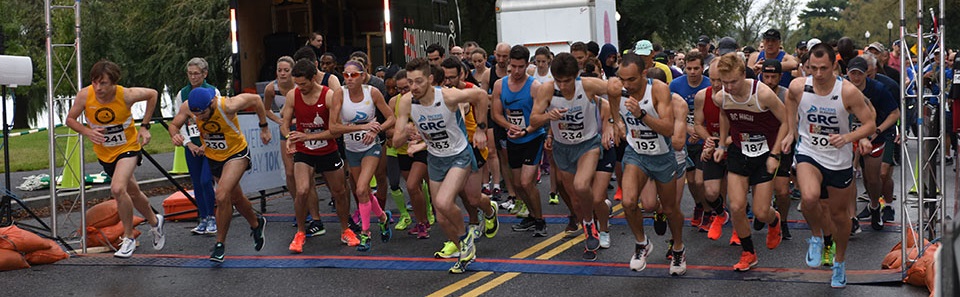
Insurance and waivers
USA Cycling publishes an optional club general-liability program for registered clubs in good standing. Professional and UCI racing teams are excluded. The program covers specified club activities and requires active USA Cycling membership for rostered members during the policy period.
Under the USA Cycling club liability terms, updated March 3, 2026, fee-charging rides or events fall outside the ordinary club program, and events that invite nonmembers or charge fees must meet USA Cycling’s sanctioning requirements and have their coverage assessed separately.
The program also sets waiver requirements, including retaining signed participant waivers for at least ten years. Its exclusions include participant-versus-participant claims, medical payments, and automobile-related exposures. Club registration and a signed waiver do not guarantee that an incident is covered.
The League of American Bicyclists describes another insurance route for eligible member organizations, with general-liability and participant-accident options.
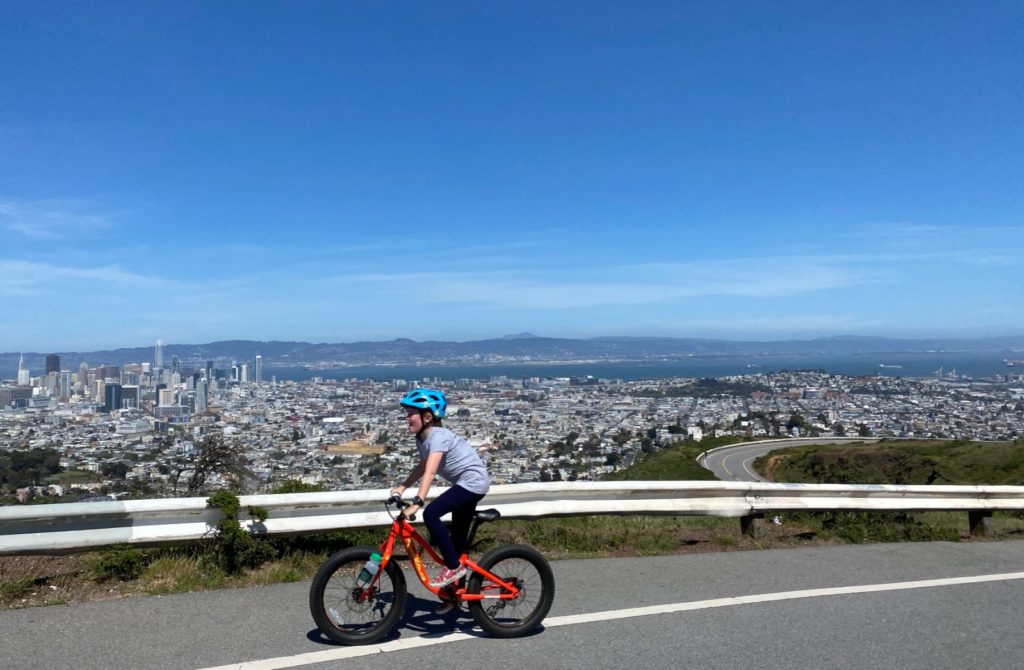
Use this verification card before you commit to an event:
| Question | Relevant source | What to establish |
|---|---|---|
| Does this event require permission? | Responsible road, city, county, or park authority | Event format, location, traffic impact, application timing |
| What activity and people are insured? | Your insurance provider and its policy | Covered rides, participants, territory, period, exclusions |
| Are waivers required? | Your insurance program and, where needed, a qualified adviser | Form, who signs, handling, retention |
| Do fees or nonmembers change arrangements? | Insurer, club program, event authority | Event classification, sanctioning, additional requirements |
Record the contact, the date of the response, and the document or answer you relied on. If obligations or liability remain unclear, get advice from a qualified local legal or insurance adviser before you proceed.
Decide when affiliation and a club budget are worth it
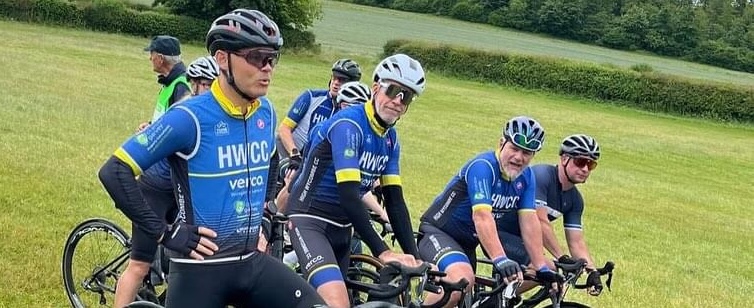
Formal affiliation gives you an established structure to organize through. Its value depends on what your group plans to do and which conditions it can meet.
USA Cycling offers registration through its member portal. Instructions updated July 30, 2026 name a racing license or non-racing fan membership as a prerequisite, then creation of an organization record with designated Team Super Admin and Primary Contact roles.
The published fee schedule separates individual membership from organization registration, and optional insurance is a separate charge.
| USA Cycling item | Amount | What the charge represents |
|---|---|---|
| Standard Club/Team registration with automatic renewal | $200 | Organization registration |
| Standard Club/Team one-time purchase | $225 | Alternative registration purchase |
| Non-Racing Fan Membership with automatic renewal | $40 | Individual membership option relevant to registration |
| Non-Racing Fan Membership one-time purchase | $60 | Alternative individual membership purchase |
| Optional club general-liability program, 1 to 25 members | $500 | Separate, conditional insurance program |
| Additional members above 25 under that program | $10 each | Additional program charge |
USA Cycling revised its fee schedule July 21, 2026. The optional club-insurance premium is fully earned when accepted, and the coverage period follows the policy’s effective and expiration dates. Check the official fees, membership conditions, and policy dates before you pay.
Your budget may also include communications, supplies, accessible meeting arrangements, venue charges, or event-specific costs. List each expected expense, mark which are necessary and which optional, and write down the amount before you choose a formal arrangement.
A small riding circle gains little from an extensive membership structure. A growing organization with recurring programs and broader responsibilities can justify the extra administration.
Keep the group running after the first ride

Ask riders three questions: Did the ride match the invitation? Did anyone feel isolated? Did the route, communications, and meeting time work?
Then set a repeat schedule your volunteers can keep.
If abilities or attendance diverge, adjust the format. Add a separately staffed group only when there is a real need and enough leaders.