A saddle sore is any rubbed patch, bump, blister or other lesion where you sit on the saddle, and chafing from repeated rubbing is one kind. Stay off the bike until raw or broken skin heals, then find the chamois edge, seam or saddle contact point that lines up with the sore. Spreading redness, sudden pain, fever or chills mean you need medical help right away.
Saddle sores vs. chafing: what’s the difference?
Chafing is an injury caused by repeated rubbing. Skin rubbing on skin or fabric turns red, tender and raw. Around a bicycle saddle, the usual trouble spots are the inner thighs, groin creases, buttocks and, for women, the vulva.
Saddle sore covers more ground. Cyclists use it for rubbed patches, painful bumps, blisters and lesions anywhere the saddle touches. The name tells you where the problem is and that it’s linked to riding. It says little about what’s going on in the skin.
Surface chafing needs a break from friction and basic skin care. A bump that keeps coming back, or a firm lump, is a different problem, especially if the area never fully settles between rides.
Some saddle pain leaves the skin looking normal. Sit-bone pressure, genital numbness and problems linked to riding position all belong here. Those point to saddle support and bike fit.
Rubbed skin, bumps, open sores or a lump
The Cleveland Clinic guide to saddle sores lists redness, inflammation, painful bumps, blisters and open sores. Inflamed hair follicles and other skin conditions look alike, so go by what you see and how it changes, and leave the name to a doctor.
| What you notice | Possible cause | What to do now | When to see a doctor |
|---|---|---|---|
| Red, stinging or rubbed skin at a contact point | Chafing from friction, worse when wet | Stop the rubbing, clean gently and protect the area while it heals | If it’s severe, gets worse or doesn’t improve |
| Small pimple-like bumps in hair-bearing skin | Irritated hair follicles, folliculitis or another skin condition | Don’t pick or squeeze; cut down contact | If bumps last, come back or stay unexplained |
| Blisters, bleeding or raw, open skin | Damage to the skin surface | Stop further rubbing and skip hard test rides | If the wound is serious, getting worse or worrying you |
| A deep tender bump or a firm, persistent lump | Deeper inflammation or another kind of lesion | Don’t drain it; book a doctor’s visit | Sooner if it grows or hurts more |
| Spreading redness, suddenly increasing pain, fever or chills | Spreading infection | Get medical attention | Right away |
A deep lump needs a doctor even when it sits exactly where the saddle presses.
One rider asked about small red bumps that showed up where her buttock meets her thigh after riding.
One uncommon condition described in cycling-medicine literature is perineal nodular induration, a persistent fibrous nodule linked to cycling. Published descriptions are largely case-based.
Why your skin breaks down on the bike
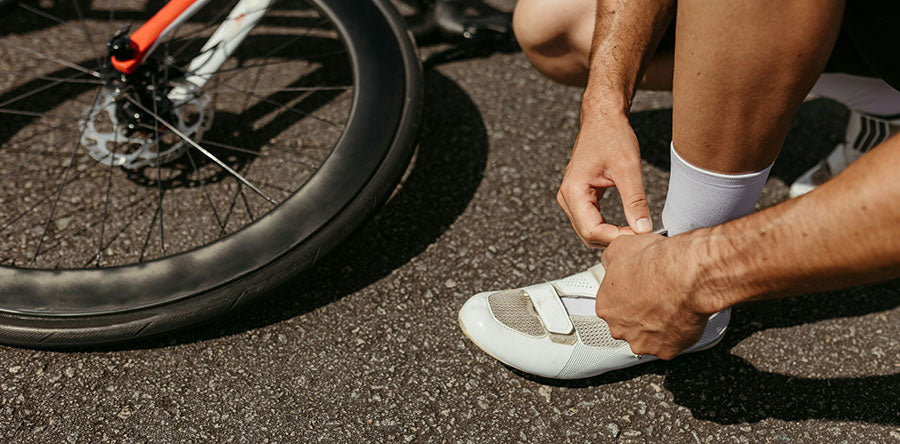
Pressure holds tissue against the saddle while pedaling creates repeated movement. Skin rubs against neighboring skin, a seam or the edge of the padded panel inside your shorts. One crease can rub raw while the saddle itself feels fine.
Sweat, rain and damp clothing make irritation worse on a long ride. Kit that feels fine for an hour starts to rub once it’s damp and shifting or bunching.
In a study published February 3, 2026, Burnie and colleagues interviewed 20 competitive female cyclists in the UK: three elite, seven subelite and ten club riders. They linked saddle sores to longer rides, wet conditions and clothing or saddle contact.
Hair follicles complicate things. The American Academy of Dermatology names repeated rubbing, tight clothing, shaving and waxing as causes of irritated hair follicles. So a raised bump after a ride can be a different problem from a flat chafed patch.
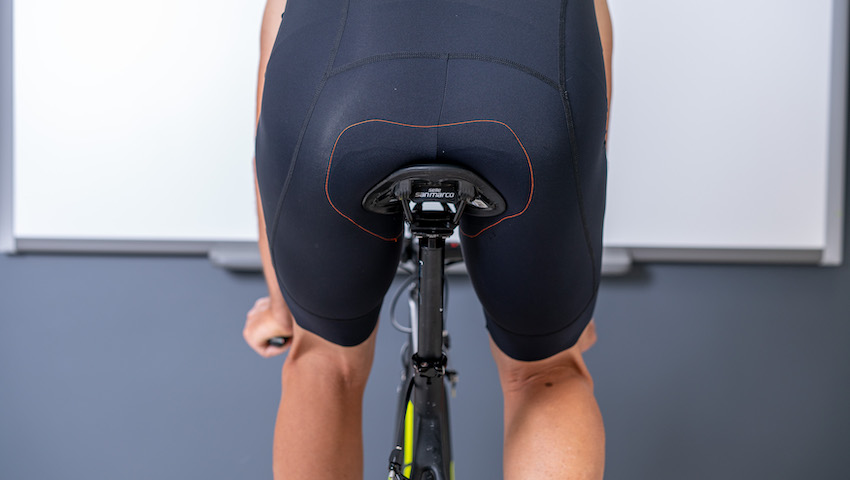
Look at the exact contact point. A saddle can support your sit bones well while the chamois edge rubs your upper thigh. For another rider, the trouble is soft-tissue pressure that changes as they shift position.
What to do when skin is already irritated
Stop riding on a raw patch. Every ride adds friction to skin that needs time to heal. On plain friction chafing, petroleum jelly shields the skin while it does.
- Take pressure and rubbing off the sore area. Don’t use a hard training session to test whether it has healed.
- Clean without aggravating the skin. Wash gently and don’t scrub.
- Keep clothing comfortable while it heals. Wear dry clothes that don’t press or scrape the sore spot.
- Leave raised bumps alone. Don’t pick, pop or squeeze them. Squeezing makes irritation worse and can complicate an infection.

One rider wrote about an open saddle-area wound that got worse after several hard rides in a row.
Warm compresses and antibacterial, antifungal or steroid creams each treat a specific skin condition. Don’t put them on a sore nobody has identified.
When to stop riding and seek medical care
Get medical help right away if redness or pain suddenly gets worse, especially with fever, chills or feeling generally unwell. The Mayo Clinic page on folliculitis lists these as signs of spreading infection.
See a doctor for bumps that keep coming back or won’t clear, a deep or growing lump, significant swelling, drainage or an open wound that isn’t improving.
A dermatologist or your own doctor can examine the spot and check for folliculitis, boils, cysts and other skin disorders.
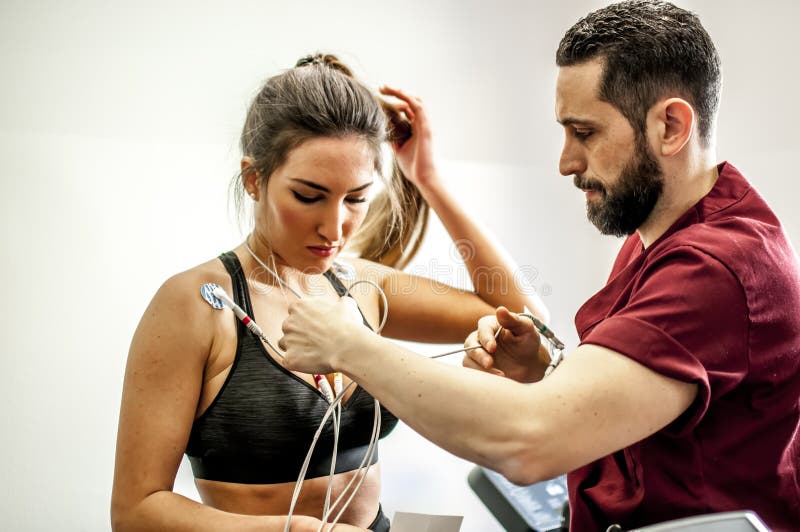
For folliculitis, Mayo Clinic advises booking an appointment if symptoms are widespread or don’t improve after a week or two of self-care.
When you go, describe the spot, how the skin looks or feels, when it started and whether it has opened or drained. Mention any earlier episodes and the shorts, creams or bike-fit changes you’ve already tried.
How to stop chafing before it starts
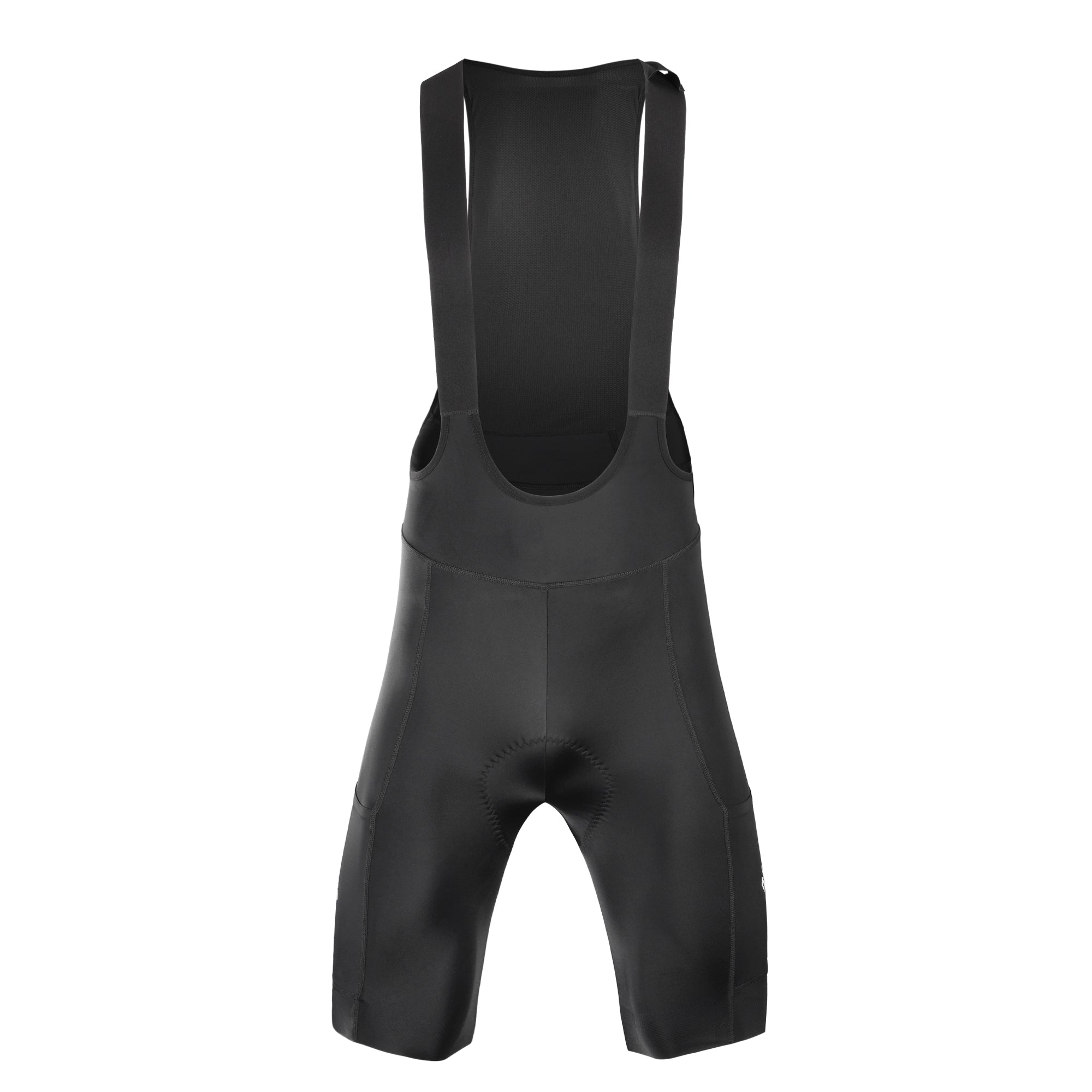
Clean, well-fitting shorts and dry kit cut down the avoidable causes of chafing.
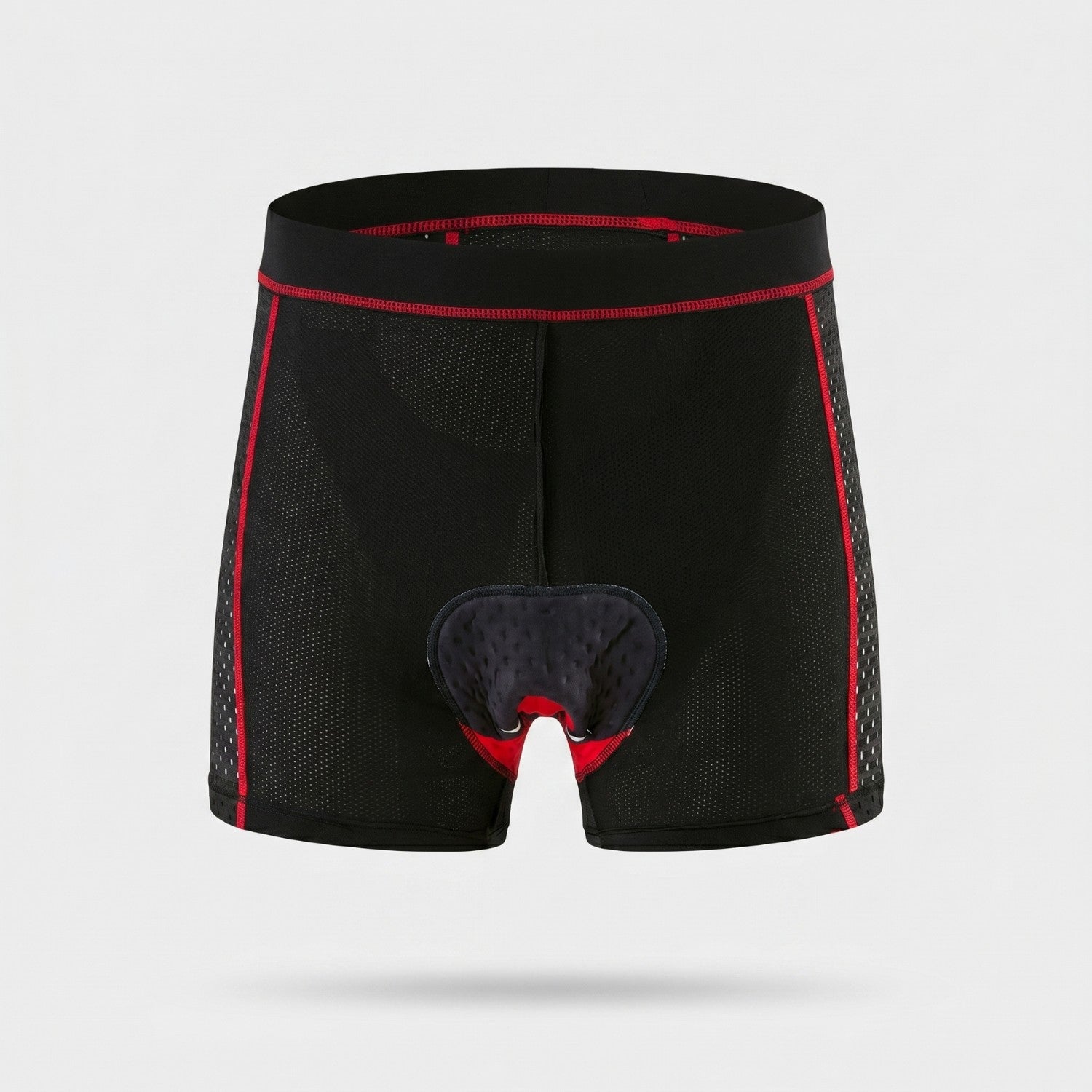
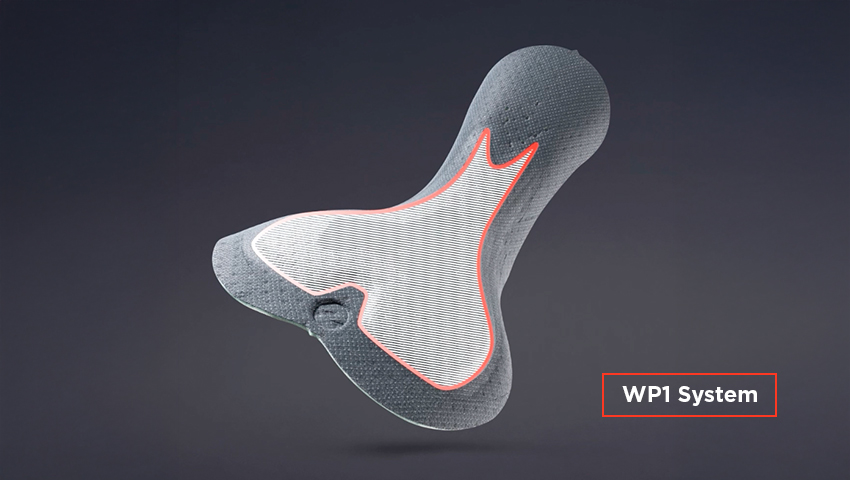
Padded cycling shorts are made to be worn without underwear. An extra layer adds seams and movement under the chamois. The pad has to fit you comfortably too. A thicker pad isn’t automatically a better one.
Before your next ride, check:
- Clean shorts. Wash your shorts after every ride and get out of damp kit quickly.
- Movement. Shorts that bunch, twist or shift will rub.
- Pinching. Tight fabric or leg hems that dig into a groin crease start to hurt on a long ride.
- Conditions. Heat, rain, long mileage and wet kit change how familiar shorts feel.
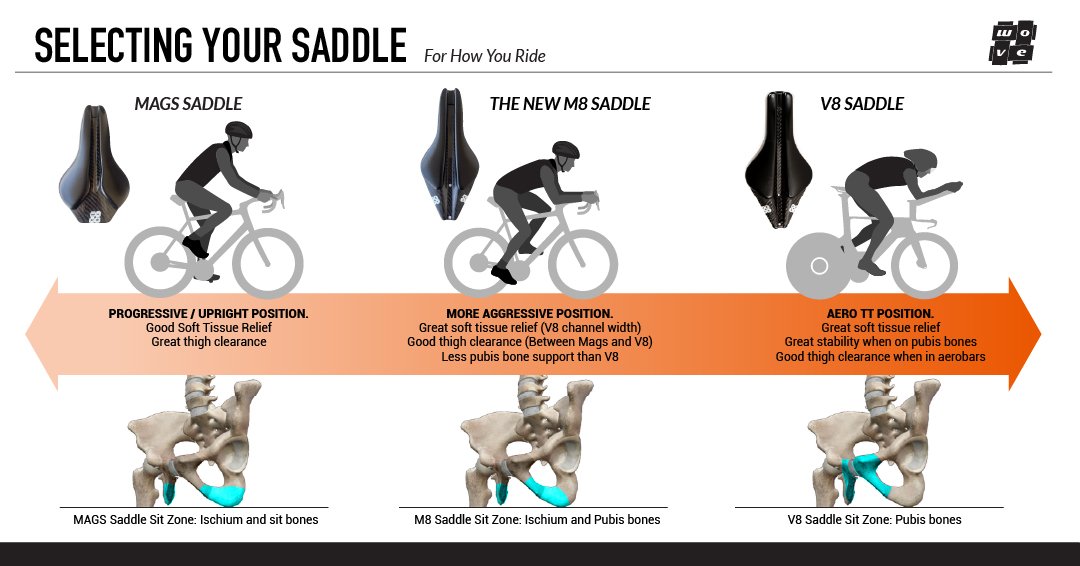
Saddle shape and position affect where the pressure goes. No single saddle, width or setting prevents sores for every rider.
Find the seam or edge that rubs
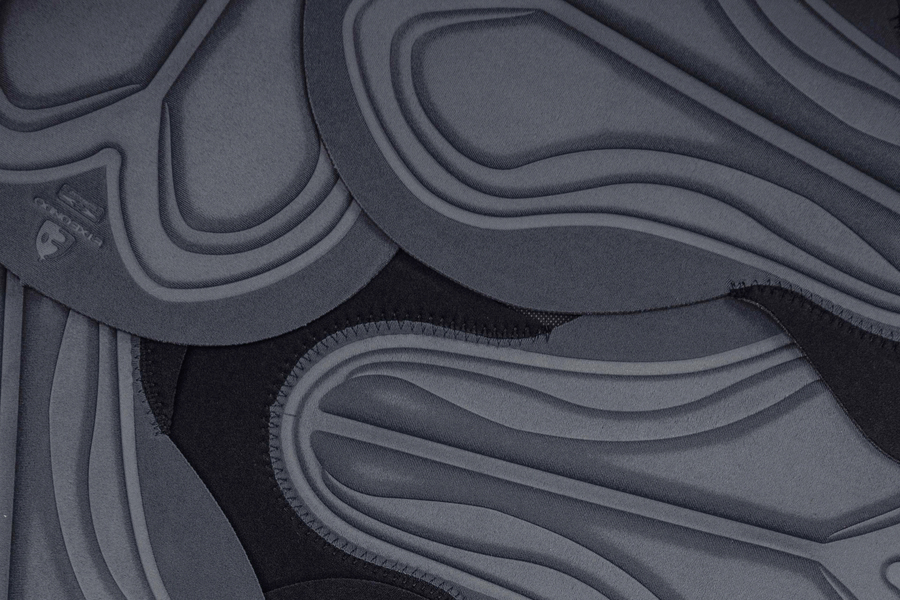
When irritation keeps coming back to the same spot, check what touches that spot before you shop for new gear. The location tells you where to look for fabric edges, movement and pressure.
Turn the shorts inside out. Run your fingers around the edge of the chamois and check where it joins the fabric. Feel for stitching, thick transitions and seams, then compare them with the spot that rubs when you ride.
| Where you notice irritation | What may be rubbing | Check before buying anything | Next step |
|---|---|---|---|
| Inner-thigh crease or bikini line | Chamois edge, side seam, leg fit or skin-to-skin movement | Compare the pad border and stitching with the sore spot | Try a different cut once the skin heals |
| Outer vulva or labia | Pad shape, saddle contact or riding position | Check whether the pad or a seam crosses the sore spot | See a doctor for lasting pain, swelling or numbness |
| Buttock-to-thigh junction | Fabric rubbing or irritated hair follicles | Note which shorts you wore and whether the same spot flares up | See a doctor if the bumps keep coming back |
| Symptoms with one pair of bibs | Pad placement, seams or garment fit | Compare that pair with another pair off the bike | Switch to a different cut |
| Irritation changes with riding position | Different pressure or movement at the contact point | Write down the position and any recent saddle changes | Use a bike fitter for detailed adjustments |
| Bumps persist after several equipment changes | Ongoing friction or a skin condition | List the changes you’ve made and whether the skin fully healed | See a doctor before trying more products |
A 5-foot-1 rider with a short torso and muscular thighs described chafing around her bikini line and wasn’t sure whether a chamois edge or a seam was to blame. She had a $200 clothing budget. Comparing pad placement, leg fit and return policies is a better use of that money than assuming the most expensive bibs will fit.
Another cyclist had severe labial chafing in padded bibs but felt more comfortable in ordinary spandex shorts on rides of roughly 40 to 50 miles.
Some problems go beyond fabric. If the saddle pushes pressure onto soft tissue, or your body moves too much on the pad, a qualified bike fitter can work on that.
Does chamois cream help?
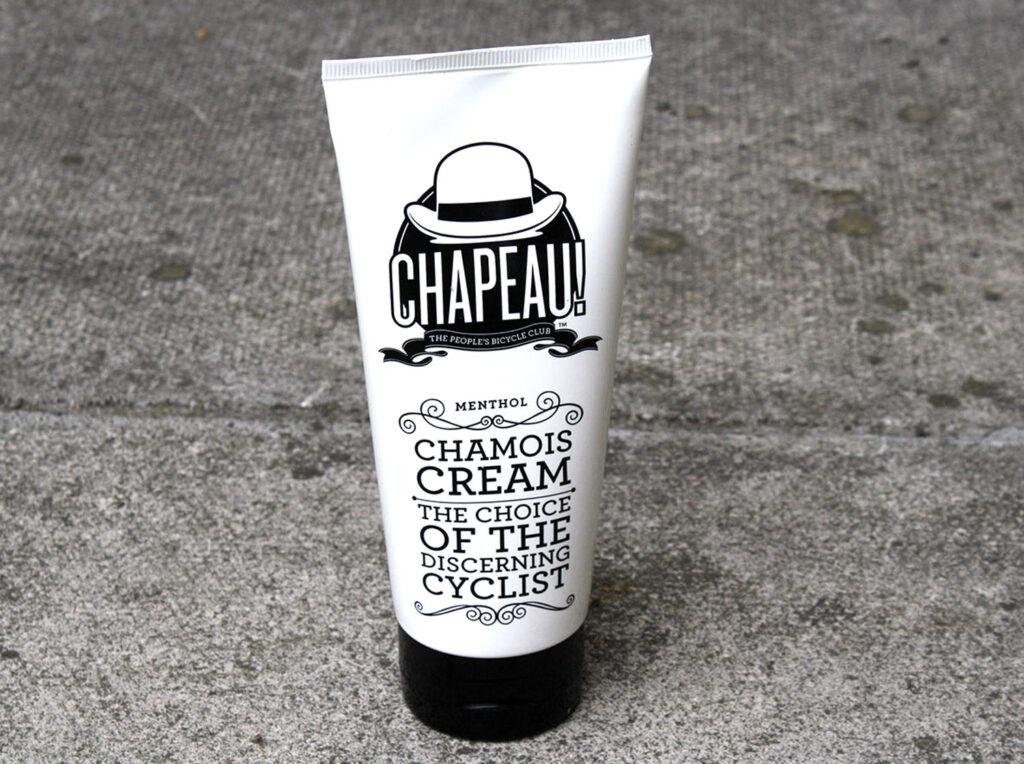
Chamois cream cuts friction between skin and shorts. Used on unbroken skin, as the label says, it makes the rubbing easier to live with for some riders.
Formulas differ, and so does skin tolerance. Some riders find cream useful on longer rides. Others react to certain ingredients, or find it does little where a seam keeps pressing on the same spot.
Read the ingredient list. Stop using any cream that makes the skin worse.
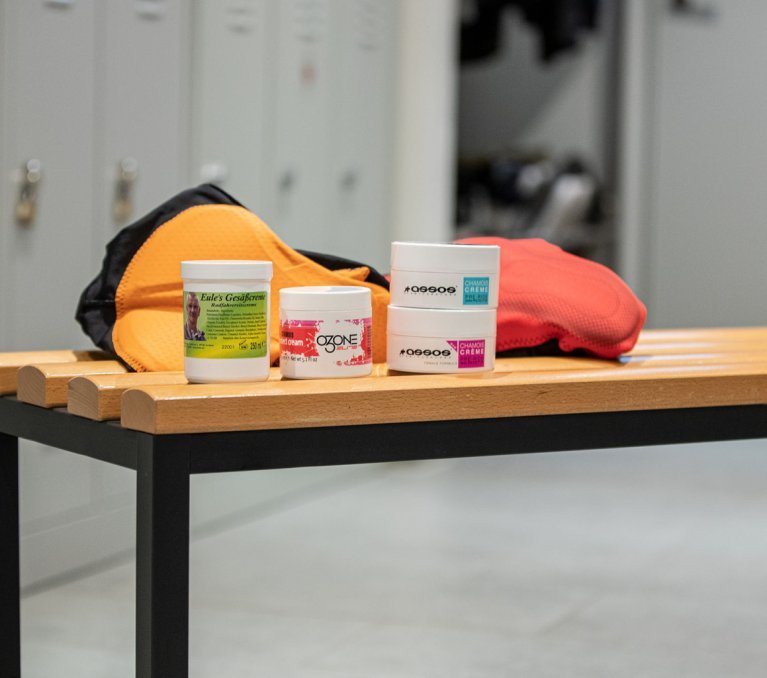
A 2022 review by Napier and Heron lists chamois cream among the commonly recommended preventive measures.
When saddle sores keep coming back
When a sore keeps coming back, track what happens to the skin and what was going on around each episode. After each ride, note:
- Date and ride length: when you rode and roughly how far or how long.
- Conditions: heat, rain, wet clothing or an unusually long session.
- Equipment: the shorts and chamois you used, plus any recent saddle or fit change.
- Skin: the exact spot, what you noticed, when it started and whether it improved once you cut down contact.
One entry per ride means you won’t have to guess, weeks later, which shorts you wore.
Change one piece of kit at a time. If you’re testing a new pair of shorts, leave saddle height, tilt and cream alone so you know what made the difference.
One rider kept getting bumps in the groin crease after trying ten saddles, two professional bike fittings, several pairs of bib shorts and different creams. After that many swaps, take your notes to a doctor.

Fifteen of the 20 women in the Burnie study (75%) said they put up with discomfort or pain. The interviews, published in Frontiers in Sports and Active Living, also covered not knowing which saddle to choose, conflicting advice, vulvar symptoms and embarrassment about raising the problem.
The wider evidence is thin. The Napier and Heron review included 17 studies: 13 focused on men and only two reported data on women. A separate 2021 review of female competitive cyclists included ten studies. That’s too little to compare creams or treatments, or to name one that prevents saddle sores.
Before your next ride

Where the sore sits tells you what to look at. Let raw skin heal first, because it shouldn’t go back on the saddle. Then check the shorts from the inside: does the chamois edge, a seam or the saddle line up with the spot? Alter just one thing per ride so you can tell what helped. A short note after each ride (date, length, conditions, shorts, saddle setup, the exact spot) gives a doctor or fitter something real to work with. Bumps that return after several changes and a firm lump both call for a doctor, not more gear. Spreading redness with fever or chills means medical help right away.