
Knee pain on the bike comes from your riding load, your bike setup, or a knee problem a doctor needs to see. Stop riding and get medical help promptly after a painful injury, or if your knee swells badly, looks deformed, gives way, won’t move normally, can’t take your weight, or turns hot and red with a fever. Otherwise, note which knee hurts, where and when it starts, and what changed before it began.
A knee that hurts in the first minute of a ride is a different problem from one that starts aching late in a long one. Work out which one you have before you start moving the saddle.
When knee pain needs medical attention

The Mayo Clinic lists these warning signs:
Get prompt medical help if you have severe pain after an injury, can’t bear weight on the leg, notice major swelling or an obvious deformity, or have a knee that gives way or won’t move normally. A fever with a red, hot, swollen knee needs prompt help too. Stop riding, and don’t go out again just to see which bike change eases the pain.
Book a doctor or physical therapist if you notice any of these:
- Pain that lasts or gets worse: it continues after the ride, comes back during normal activity, or bothers you more and more.
- Trouble walking or doing your usual activities.
- Severe pain from the first pedal strokes. Stop the ride.
- Pain that bike changes haven’t fixed.
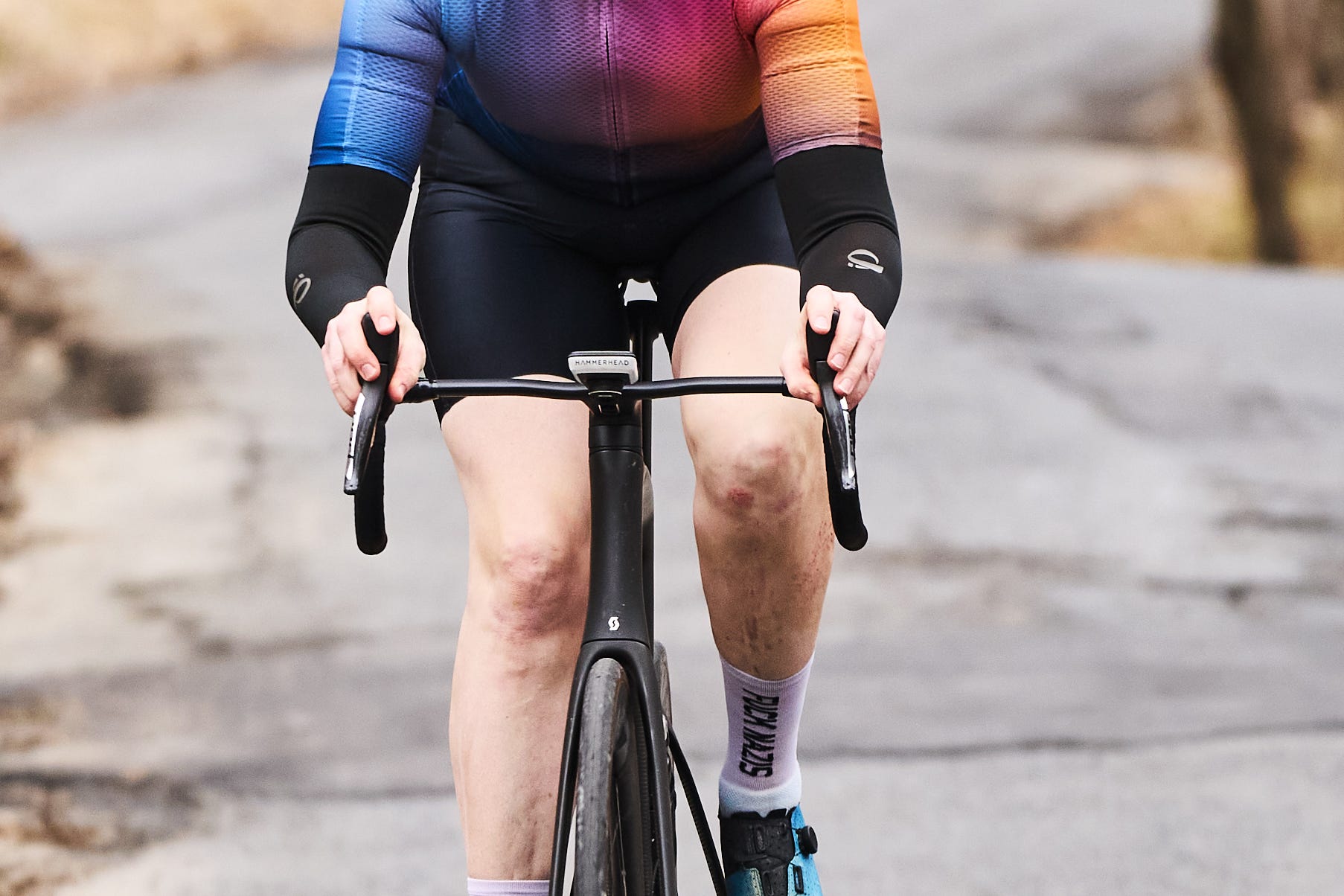
One rider reported severe knee pain starting about a minute into riding.
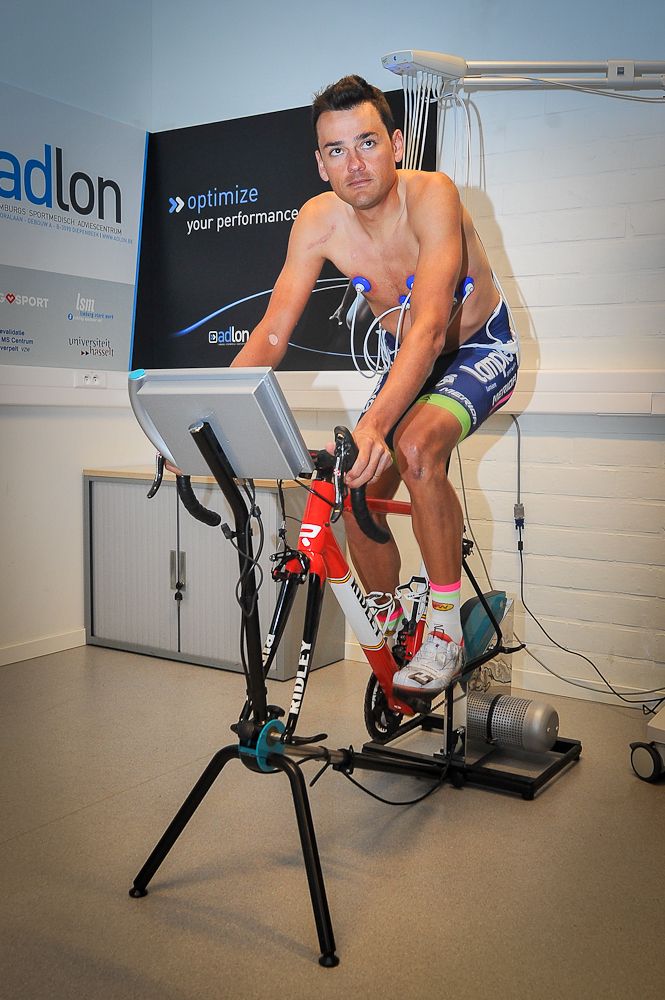
Where and when does your knee hurt?
Pin down three things: where on the knee it hurts, which knee, and when the pain starts.
Doctors and fitters use the anatomical names:
- Anterior: The front of the knee, including the area around the kneecap and patellofemoral joint.
- Posterior: The back of the knee.
- Medial: The inner side, toward the other leg.
- Lateral: The outer side, away from the other leg.
| What to record | How to describe it | Why it helps |
|---|---|---|
| Pain location | Front, back, inside, or outside | Gives the sore spot one name you can repeat |
| Side | Left, right, or both | Shows if only one knee hurts |
| Onset | Immediately, later in the ride, or afterward; sudden or gradual | Separates first-minute pain from late-ride pain |
| Pain off the bike | When walking or doing other daily activities, or not at all | Shows whether the problem goes beyond riding |
| Associated signs | Swelling, catching, locking, instability, or limited movement | These can change how soon you need a doctor |
One rider described pain on the inside of the right knee that used to show up after longer rides and later started much earlier. In a separate discussion, another cyclist said the outside of the left knee began hurting after roughly 90 to 120 minutes.
Keep your description short enough to repeat at an appointment. “Outside of my left knee after about two hours” tells a physical therapist far more than “my knee is bad.”
What changed before the pain began?

Think back to when riding last felt fine. Which routes were you riding, how long, and how often?
A new bike stands out, but smaller changes are easy to forget: replacement shoes, repositioned cleats, a different saddle, a harder route, or more frequent rides.
One commuter had been riding about 10 miles a day, five days a week, for about two months when her knee started hurting. She couldn’t tell whether her riding form, her gears, or her saddle height was to blame.
Another cyclist’s knee started hurting after a ride of about 30 km. The pain hung on for weeks and got in the way of other exercise.
Build a simple before-and-after record
| Previous pattern | What changed | Symptom timing | Also note |
|---|---|---|---|
| Usual distance, ride frequency, and route | Longer rides, more climbing, or harder efforts | When the pain began compared with the riding change | Duration, terrain, and effort |
| Previous bike setup | New saddle, shoes, pedals, cleats, or bike | When the pain started compared with the change | Old and new setup details |
| What you’ve already tried | Several adjustments or fitting sessions | Whether the pain changed, stayed, or showed up somewhere else | What was adjusted, and in what order |
Rough dates are fine. “After several weeks of commuting” is enough to put things in order.
Change the saddle, switch shoes, and add climbing at the same time, and you won’t know which one made the difference. Change one thing at a time and write each change down.
Old fit notes, photos of the bike, and parts records show what changed and when. If nothing changed, write that down too. The same bike and the same routine don’t rule out other causes.
How much and how hard you ride
More rides mean more time on the knee, and climbs and hard efforts make each ride tougher on it. Cadence is how many times the pedals turn per minute. If you know them, note cadence, gear, effort, and ride time separately. Studies show these change how the knee moves. None has set a safe mileage, a cadence that protects the knee, or a plan for getting back to training on a painful knee.
How bike fit affects your knees
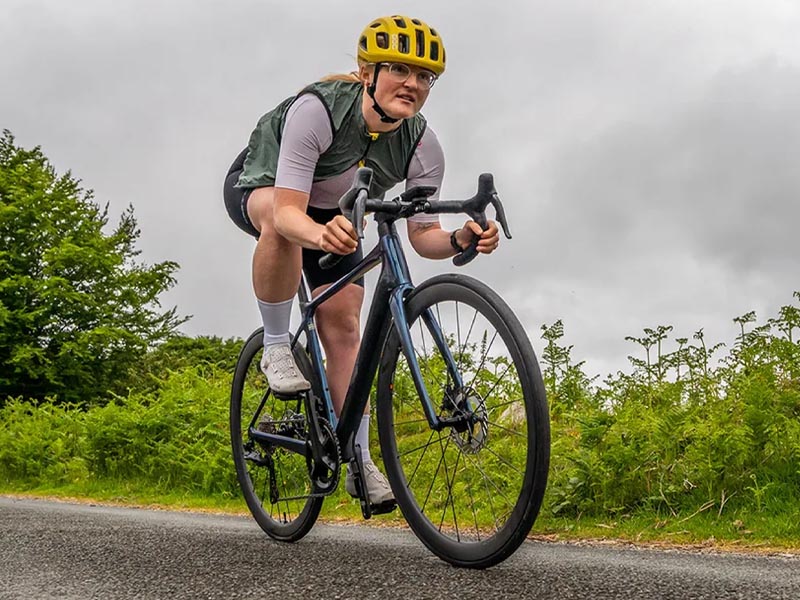
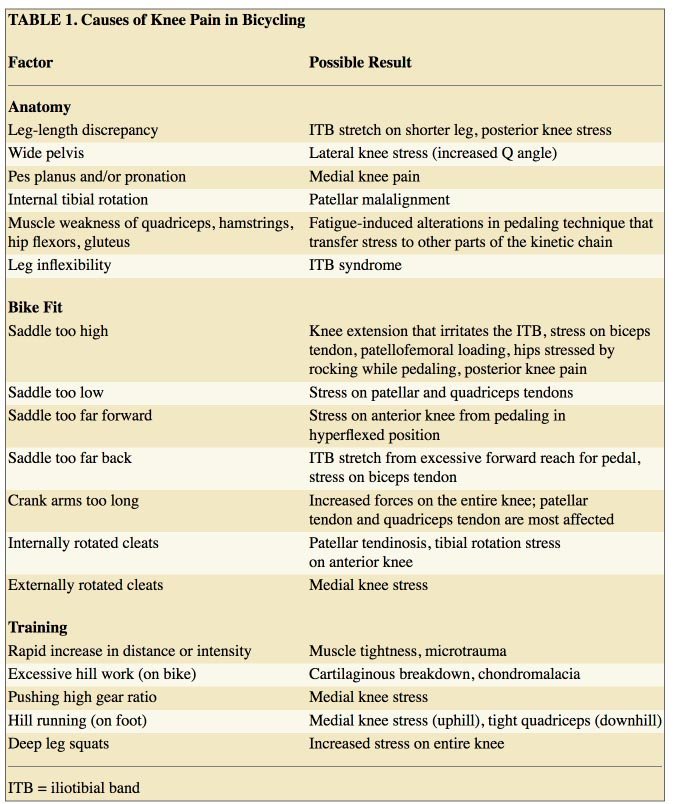
Your position on the bike sets how your legs move through each pedal stroke. Check the fit, especially if the pain started after a new bike or new parts.
Saddle height and setback
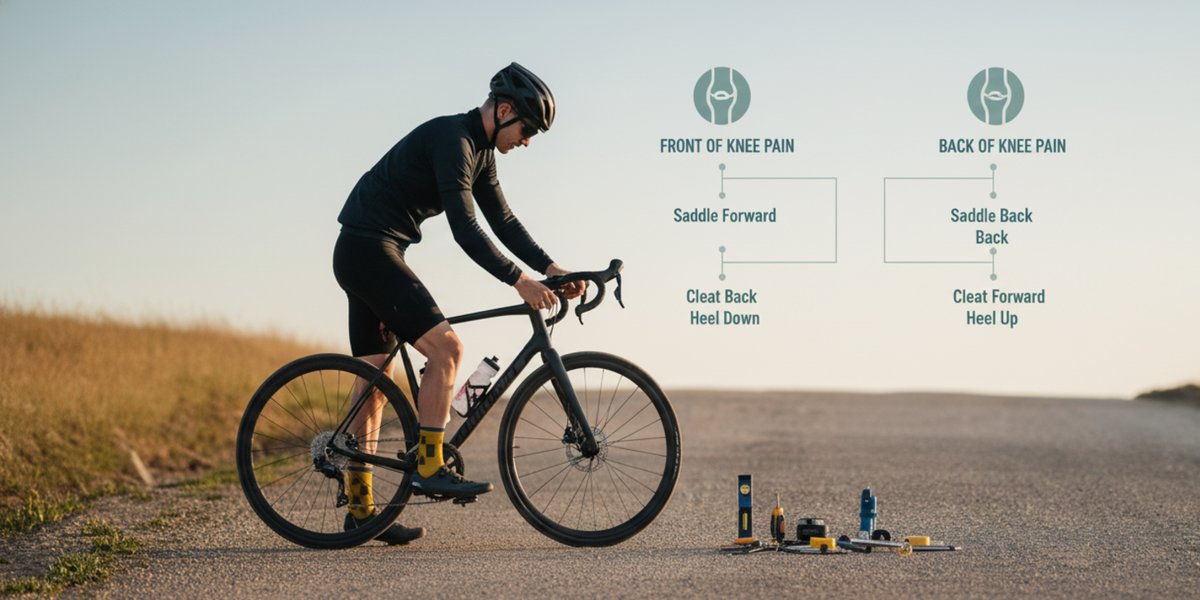
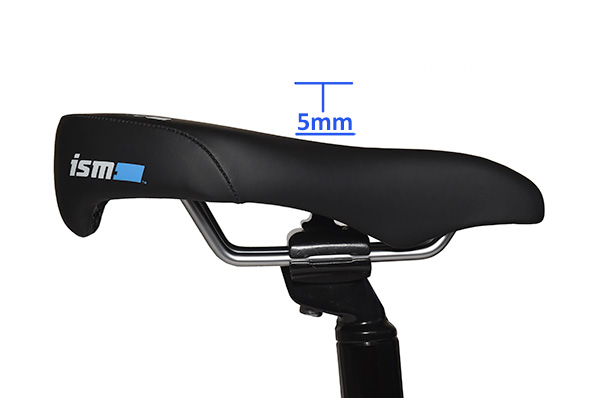
Saddle height and setback (how far forward or back the saddle sits) change how much your knee bends and straightens as the crank turns. Pain at the front or back of the knee won’t tell you which way to move the saddle. A fitter needs to see your actual setup and how you ride.
A 2022 systematic review by Bini and Priego-Quesada included 41 studies of saddle-height assessment. It found stronger support for setting saddle height with dynamic knee-angle measurements. The review is about measurement and offers limited evidence on preventing injuries or treating knee pain you already have.
Shoes, cleats, and pedals
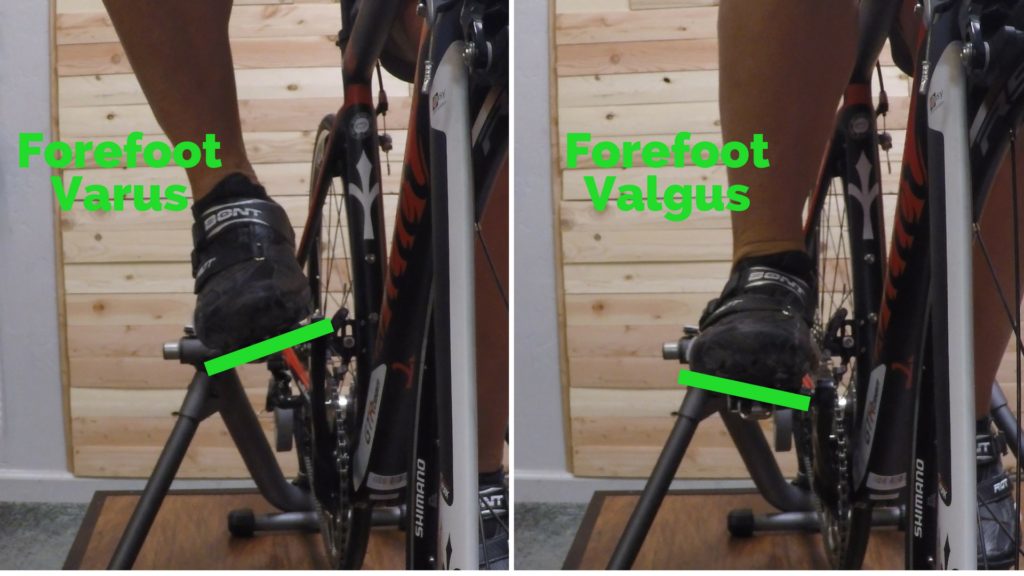
Cleats lock your shoes to the pedals. Where you bolt them sets where your foot sits on the pedal, and float is how far the shoe can rotate while you’re clipped in. If you changed shoes, pedals, or cleats around the time the pain started, include them in the fit.
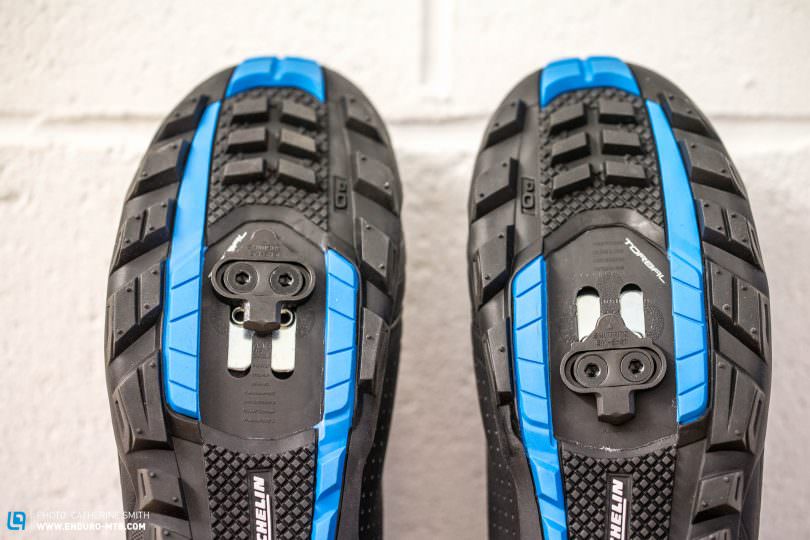
Online cleat advice contradicts itself. One reply tells you to angle your foot one way, and the next tells you the opposite. If a fitter suggests wedges, spacers, or other parts, ask why your setup needs them.
Crank length and what studies show
Crank length also changes the pedal stroke, so include it in the check if you’ve swapped cranks.
A 2018 systematic review by Bini and Flores Bini found 11 eligible papers, one of which couldn’t be fully assessed. Riders with knee pain showed different biomechanics from riders without it, though most of that evidence was retrospective.
A 2017 systematic review of extrinsic factors and knee biomechanics included 14 studies, and only four involved cyclists reporting knee pain. The samples were small.
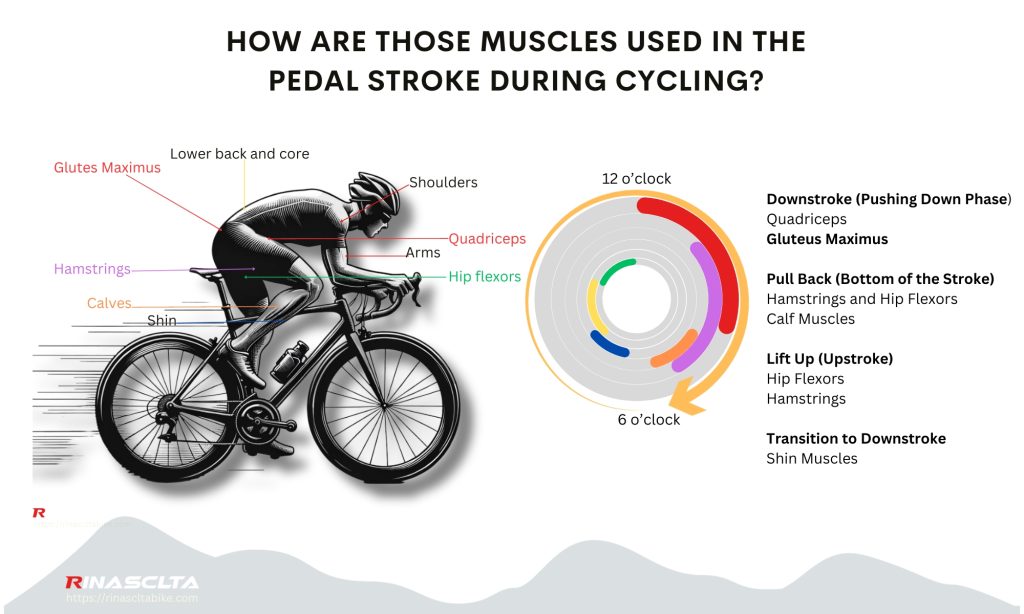
Saddle and foot position, crank length, cadence, and power all change measured knee biomechanics. None of these studies can tell you what’s causing your pain, or that changing one setting will fix it.
What should you do next?
| Your situation | Next step |
|---|---|
| Warning signs, or significant pain after an injury | Get medical help promptly |
| Pain lasts, gets worse, or gets in the way of everyday life | See a doctor or physical therapist |
| Pain started after a new bike or new parts, with no warning signs | Write down the change and book a bike fit |
| Pain started after longer, hillier, or harder rides | Log the riding changes and your symptoms, then get it checked |
| A fit and new parts haven’t fixed it | Ask for a reassessment and bring your list of past adjustments |
One rider still had knee pain after a professional fit, physical therapy, and several component changes. If the first fitter’s explanation no longer matches what your knee is doing, ask for a second look.
Bike fitter, physical therapist, or doctor: who can help?
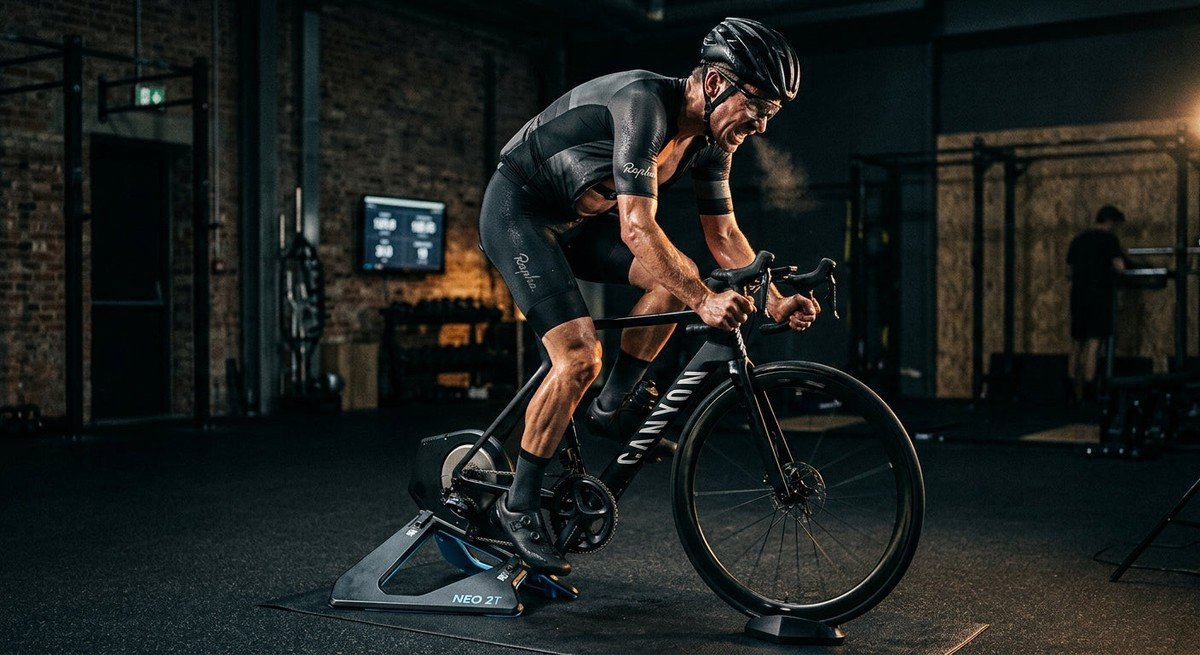
A bike fitter looks at the bike and how you sit on it: saddle position, contact points, cleats, your pedal stroke, and the changes you’ve made recently.
A doctor or physical therapist examines the knee itself and how the pain developed. They check how the joint works, whether it limits everyday life, what medical cause might be behind it, and whether you need more tests. When the problem is a bit of both, the two can work together.
Bike fit plus physical therapy: one study
In a 2025 study, Viau and colleagues put 76 recreational cyclists through a physiotherapy-led program that combined bike fitting, education, and exercise recommendations. After 12 weeks, their knee pain had dropped by an average of 1.81 points on a 0 to 10 scale (95% confidence interval −2.27 to −1.36 points).
There was no control group, and everyone got all three parts, so the study can’t credit the drop to the bike fit or any other single part.
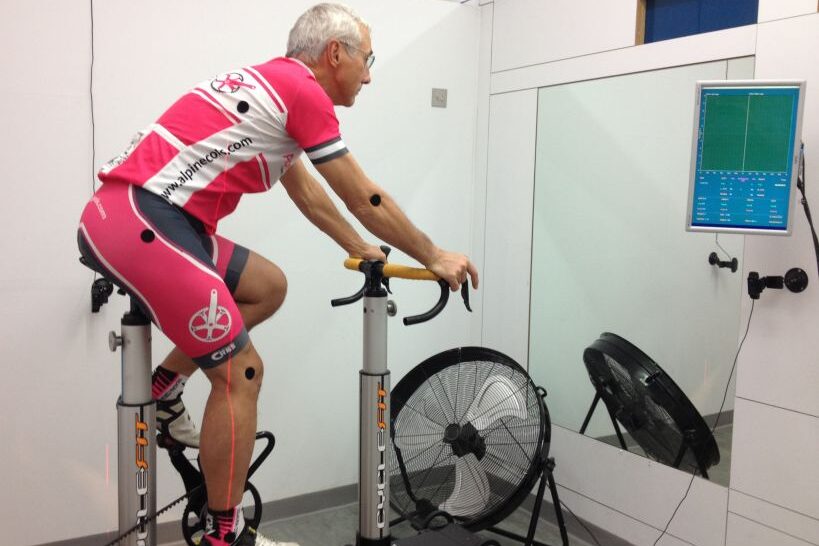
Will a bike fitter work with the bike I already own?
It depends on the fitter, so ask before you book. Check their qualifications, whether the session covers assessing and adjusting the bike you already own, whether any new parts they suggest are optional, and what written setup notes you’ll take home.
Keep a knee-pain log
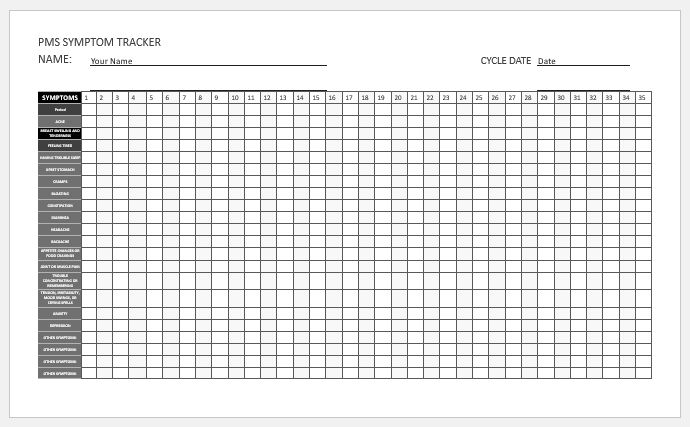
Dates, symptoms, and past adjustments blur after a few appointments. Copy this table into a phone note or notebook and bring it every time.
| Record | Knee location and timing | Riding or equipment context | Effects away from cycling | Questions to ask |
|---|---|---|---|---|
| First symptoms: date ___ | Side ___; location ___; onset ___ | Usual route ___; recent changes ___ | Symptoms after ride ___; other signs ___ | What needs checking? ___ |
| A later ride: date ___ | Side ___; location ___; timing ___ | Duration ___; effort/terrain ___; setup changes ___ | Walking or daily activity ___ | What changed since the first entry? ___ |
| After a fit or appointment: date ___ | Current symptoms ___ | Fitting or other changes made ___ | Effect on daily life ___ | Advice received or further tests ___ |
Leave a field blank if you’re not sure.

What to do now
Write down which knee hurts, where, when it starts and what changed before it did. That note matters more than any single adjustment, because the studies on saddle and foot position, crank length and cadence show these things change how the knee moves, but none can tell you what’s causing yours. A fitter can go through new parts or setup changes with you. A physical therapist or doctor should see pain that hangs on, keeps getting worse or interferes with walking. If the knee gives way, swells a lot, or is hot and red alongside a fever, don’t ride on it. Get it looked at promptly.