If one pair of shorts changes how the ride feels, start with the shorts: sit on the bike in your riding position and check where the pad lies, whether it bunches and which seam rubs. If the same pressure shows up in every pair, or began after a saddle swap or a position change, check the saddle and your position. Numbness, bleeding or worsening sores mean you stop riding and see a doctor.
Padded shorts that feel fine at home can turn miserable an hour into a ride. A saddle you know well feels different after a position change, and a new chamois changes how your body meets a seat you’ve ridden comfortably for months. The rider reports and studies in this guide come from women cyclists.
Is it the saddle, the shorts, or the bike fit?
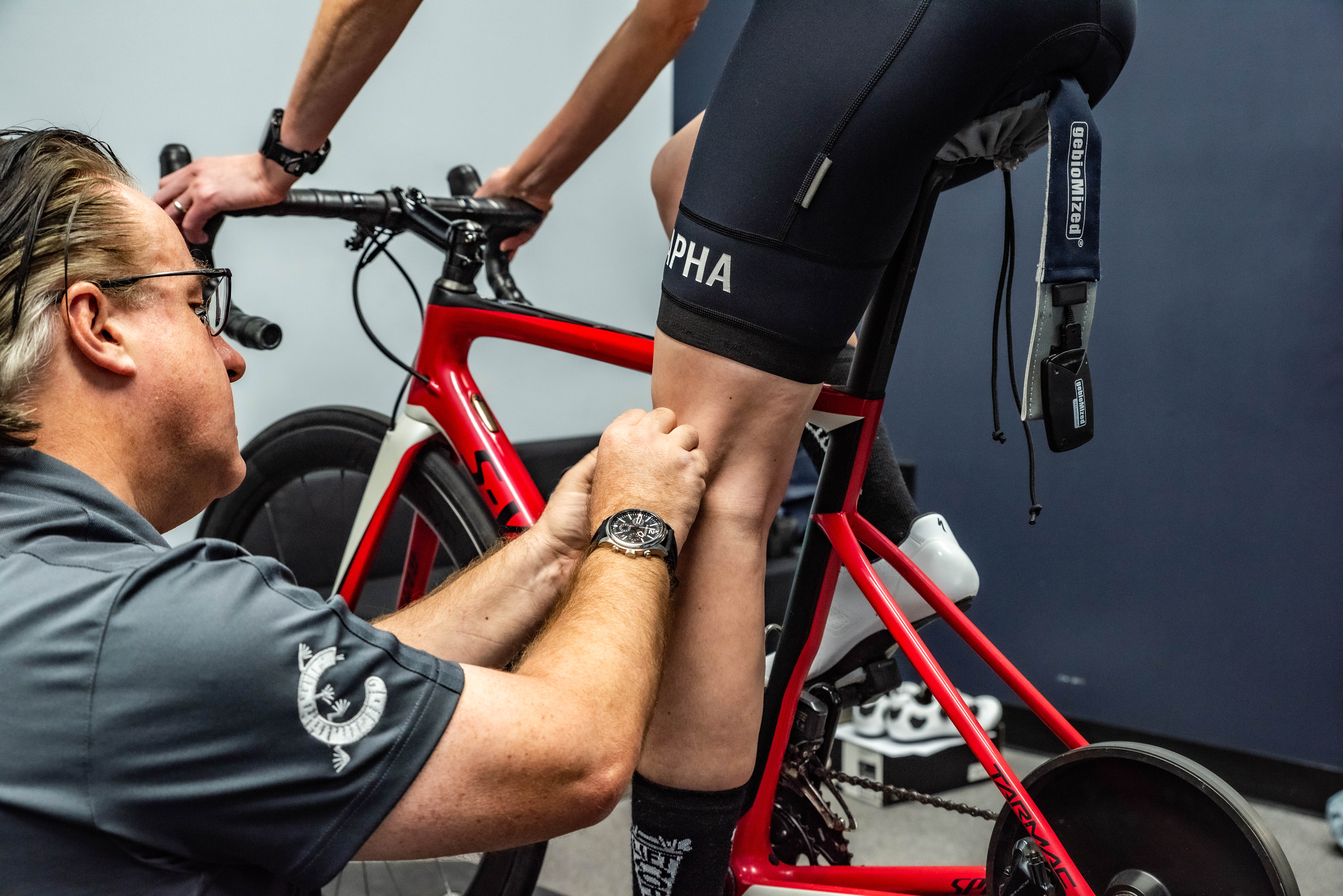
The saddle carries your weight through its width, shape, nose, and the surface you sit on. The chamois (pronounced “shammy”) is the padded insert in your shorts, and it moves with your body. Pad placement and seams affect rubbing even if you never touch the saddle. Saddle height, tilt, reach, and handlebar position change your posture and where pressure falls across your pelvis.
Where does it hurt?

Burning on the skin points to friction. A deeper ache or pressure points to saddle support and position.
| What you notice | Check first | Other possible cause | Next step |
|---|---|---|---|
| Sit-bone soreness after an unusually long ride | Saddle support, rear chamois coverage, ride duration | Weight or posture you’re not used to | Check where your weight rests |
| Burning at inner thighs or seams | Seams, pad edges, leg grippers, moisture | Saddle edge or pelvic movement | Find the exact rubbing point |
| Pressure at the front with new shorts | Front chamois thickness, position, and fit | Saddle nose, cutout, reach | Check the pad while seated on the bike |
| Pain started after a saddle change | New saddle shape, tilt, alignment | Old shorts meeting the new saddle differently | Compare with the previous setup |
| The same pressure in several pairs of shorts | Saddle support and riding position | Similar chamois designs or a skin problem | Check the fit before buying more shorts |
| Rubbing gets worse in heat or on long rides | Moisture and fabric movement | Posture changes or sustained pressure | Check how the shorts fit in those conditions |
| Rubbing or wear on one side of the shorts | Uneven fabric contact | Saddle alignment or riding posture | Watch how the fabric moves and check saddle alignment |
| Numbness, marked genital pain, bleeding, a worsening sore, pus, fever, or painful urination | Nothing on the bike | A medical, nerve, skin, or urinary problem | Stop riding and see a doctor |
Sit-bone soreness and pressure
Your sit bones are the bony points at the base of your pelvis that carry part of your weight on the saddle. If they’re tender, check whether the back of the saddle supports them and whether the chamois covers the spot where they press. A ride longer than usual or a new position also plays a part.
A soft saddle still feels wrong when its shape supports you in the wrong place. A plusher layer changes the feel without fixing the fit.
Burning, chafing, and hot spots
A hot spot along a seam comes from fabric moving against your skin. The edge of the chamois, a leg gripper, or the side of the saddle rubs the same spot over and over, and sweat and longer rides make it worse.
Pressure toward the front
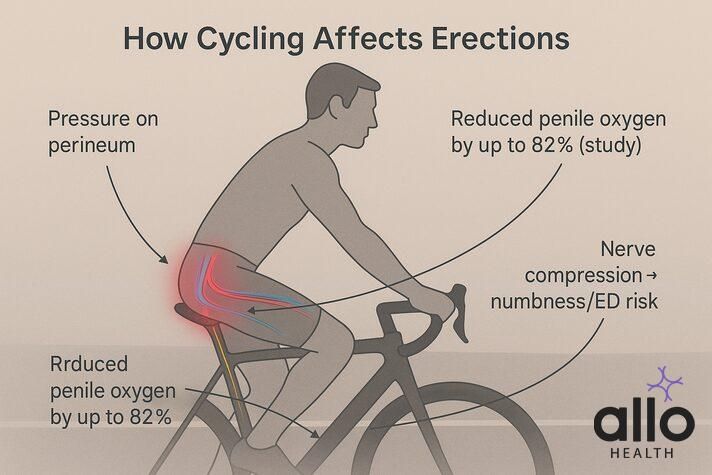
The vulva is the external genitals, including the labia. The perineum is the area between the genitals and the anus. Pressure here comes from the front of the chamois, the saddle nose or cutout, and the way your pelvis rotates toward the handlebars.
Signs it’s your shorts
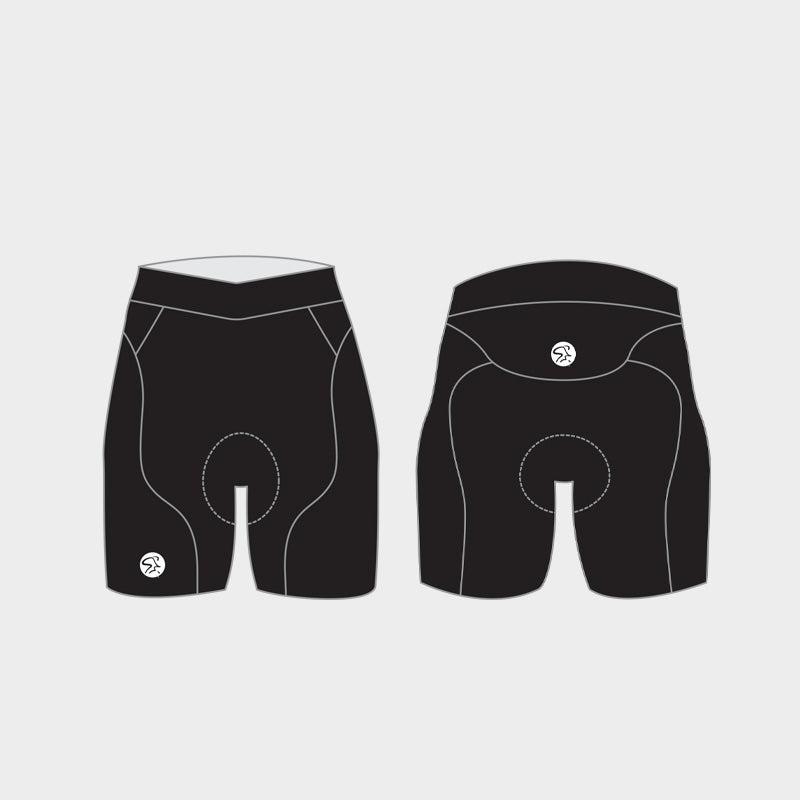
If the pain started with one pair of shorts, look at that pair first. A pad that looks generous on a hanger can still sit in the wrong place once you’re on the bike.
Inspect the chamois in your riding position
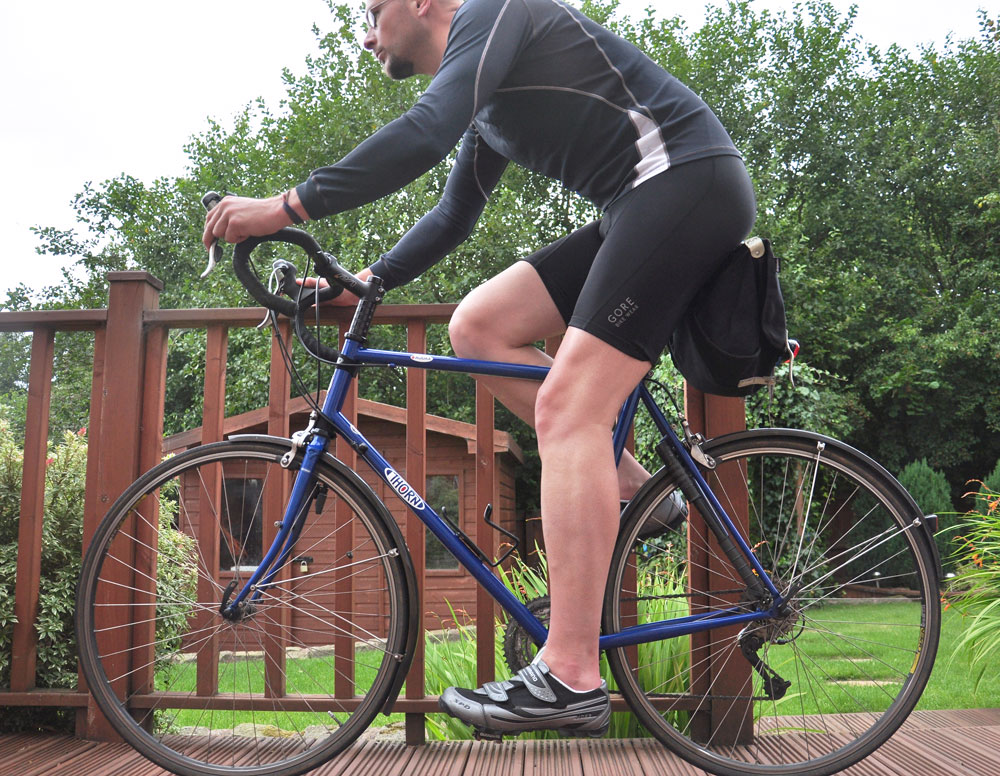
Put on the shorts and sit on the bike with your hands where you normally hold the handlebars. REI’s cycling shorts guidance recommends checking the pad in this position: look at how its rear wings line up with the saddle, whether the front covers the nose, and whether extra fabric folds near the front edge. A mirror check while standing misses these problems.
- Shifting or bunching: The chamois slides away from where you sit or folds beneath you.
- Seams and edges: A raised edge rubs your inner thigh, labia, or another sensitive spot.
- Grippers and waistband: Tension pulls the pad out of place when you bend forward.
- Front padding: The shorts support your sit bones but feel bulky or intrusive toward the vulva.
- Extra clothing layers: Underwear under padded shorts adds seams and fabric that move against your skin.
A good fit holds the pad in place without bunching or squeezing.
What riders report
One cyclist managed regular 40- to 50-mile rides in ordinary spandex shorts, yet padded bibs gave her severe labial chafing that bled on a longer ride when she kept going.
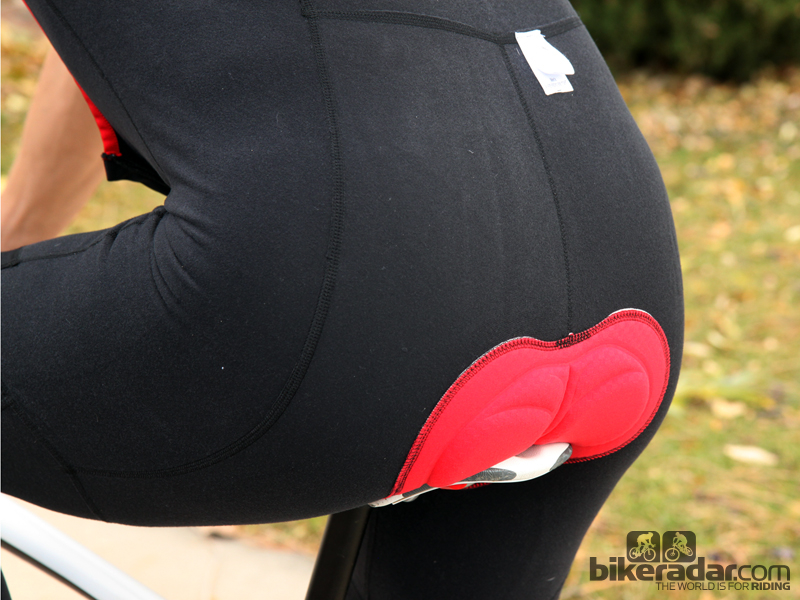
Another rider’s padded shorts felt comfortable at first and turned painful after about an hour, so a short test ride won’t show every problem.
Chamois cream helps with friction. It won’t fix a pad that slides out of place or a saddle that supports you in the wrong spot.
How the saddle and your position shift pressure
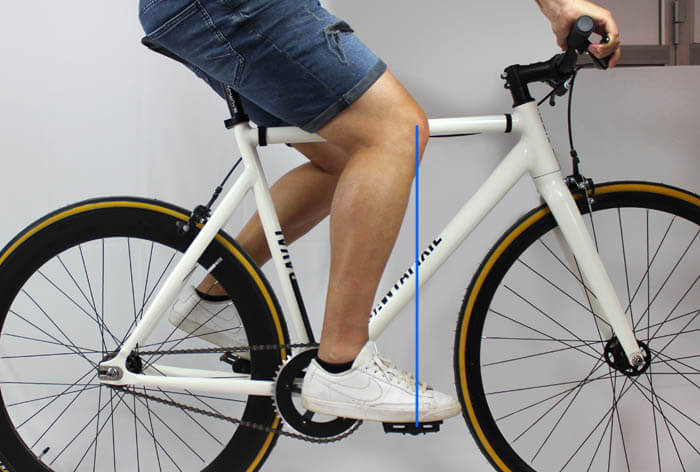
If the same pressure shows up in different pairs of shorts, or it started right after a new saddle or a position change, look at the saddle and your fit.
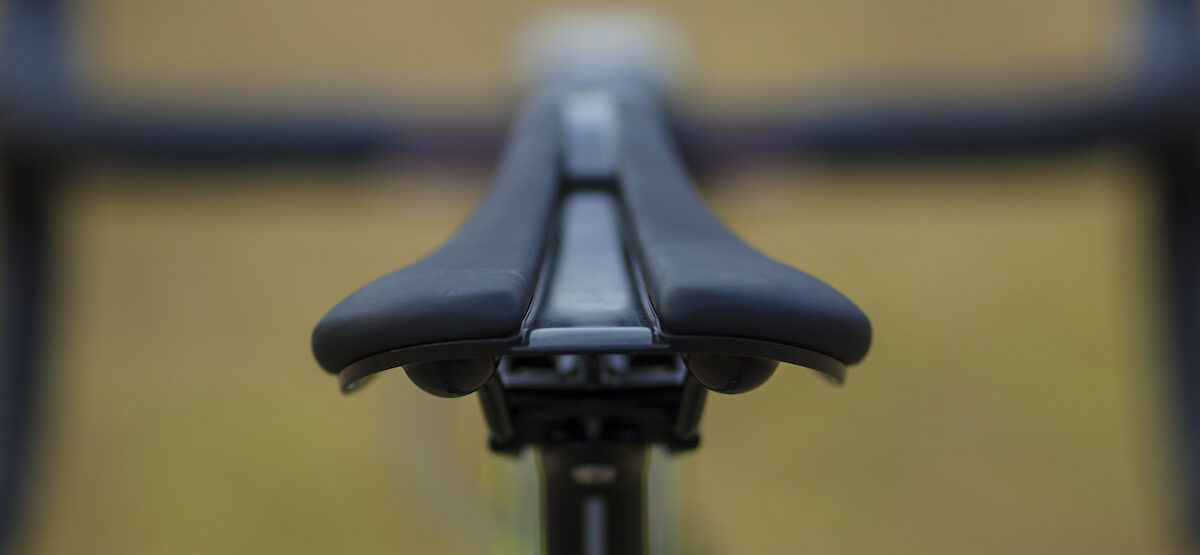
A new saddle puts a different shape under the same chamois. Its width, nose shape, firmness, and any cutout or channel decide where it presses on you. A saddle that feels soft on a short sit still hurts on a long ride if the shape is wrong for you.
How position changes pressure
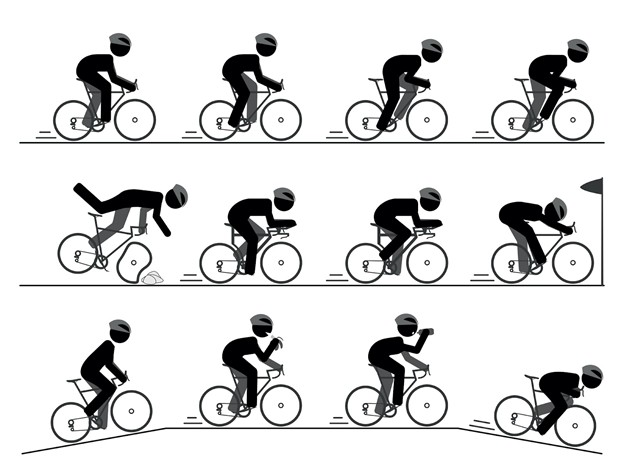
Saddle height and tilt affect where you sit. Reach and handlebar position affect how far you lean and how your pelvis rests on the saddle. A saddle set too high encourages side-to-side rocking. Too much reach puts more weight toward the front, even when the saddle itself looks right.
Terry Cycling’s fitting guidance points to reach and stem position as a source of pressure when new saddles haven’t helped. In a 2012 study of 48 competitive women cyclists, riders with lower handlebars had higher perineal pressure at some of the measured sites.
Look at the existing setup first
Check whether the saddle points straight and whether its height or tilt has changed. If the bike was transported or adjusted just before the pain started, start there.
Why more padding and saddle cutouts can feel worse
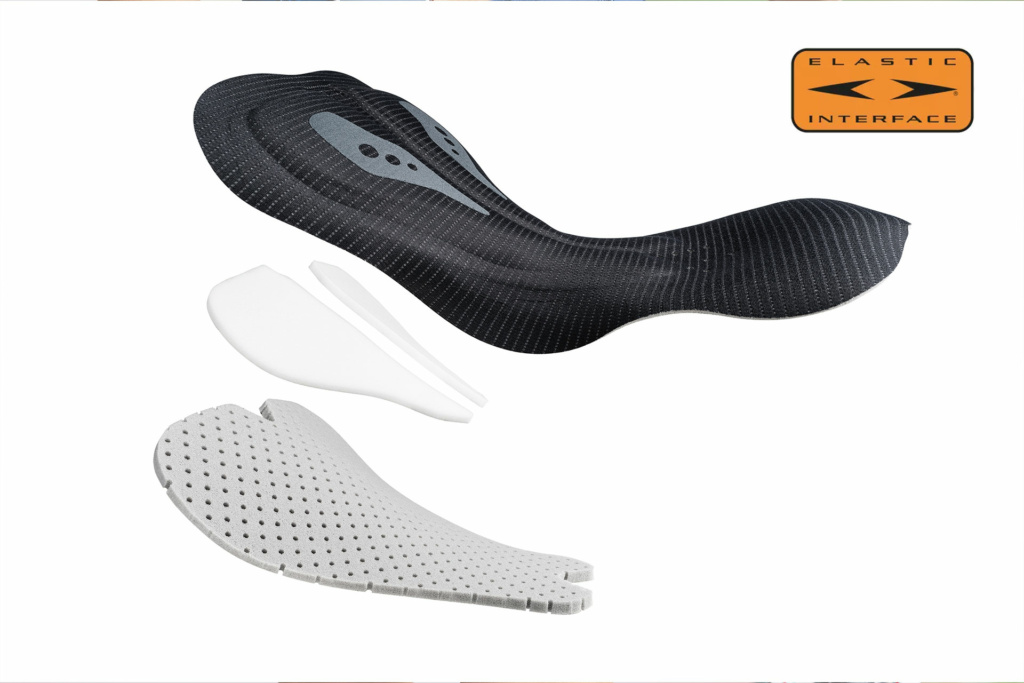
Padding helps only when its shape and position match where you press on the saddle. The chamois moves with your body, and the saddle stays put underneath it.
One cyclist found a cutout saddle relieved the front when she rode in leggings but left her sit bones sore, and adding Pearl Izumi 5-inch padded shorts changed the pressure she felt on the same saddle.
In a 2026 qualitative study, Burnie and colleagues interviewed 20 competitive women cyclists. Participants described discomfort tied to the way chamois seams met the saddle design, and some said gear experimentation became costly and time-consuming.
One rider covering roughly 200 km a week liked her firm Shimano PRO Stealth 152 mm saddle but wanted cushioning under her sit bones without more padding at the front.
If the front padding feels intrusive while the rear support feels right, look at where the chamois puts its padding. If a saddle cutout helps until you add padded shorts, check the two together before you write off either one.
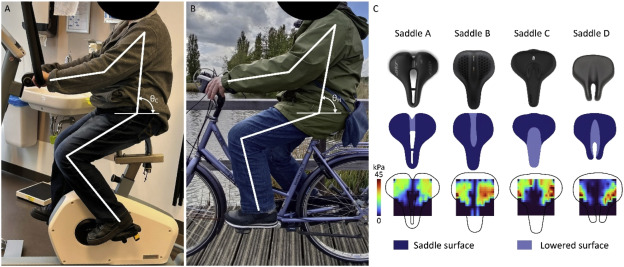
What pressure research says about cutouts
In a 2011 study by Guess and colleagues of 48 competitive women cyclists, riders on the cutout saddles tested had higher perineal pressure than riders on traditional saddles: 4 kPa higher adjusted mean pressure and 11 kPa higher peak pressure. A cutout doesn’t guarantee less pressure.
Write it down before you buy anything
Before you spend money on new shorts or a saddle, keep a four-field note:
- What changed: New shorts, a new saddle, a fit adjustment, a longer ride, heat, or a different route.
- What you felt: Rubbing or pressure, and exactly where.
- When it appeared: Before riding, during the ride, or afterward.
- What comes next: Keep the setup that works, fix the mismatch, book a fitter, or see a doctor.
Photograph your saddle height and tilt before you change anything. Bring these notes to a fitter or a doctor.
Change one thing at a time to see whether it helped
Once riding doesn’t hurt, change one thing and keep everything else the same. Use something you already own, such as an older pair of shorts.
If your old shorts were comfortable on this saddle and the new pair brought on pressure, ride the same route in each pair and compare. If pain or numbness comes back, end the ride.
If you’ve never had a comfortable setup to compare against, have a fitter set a baseline with you.
Ride length, heat, terrain, and posture affect the result, so keep them the same.
When to see a bike fitter and when to get medical help
A bike fitter looks at how the saddle, shorts, and riding position work together. A doctor checks for injury or a medical condition.
When to book a fitter
Book a fitter if you’ve tried several saddles or your reach may be the problem.
When to see a doctor
Stop riding and see a doctor for severe or persistent genital pain, numbness that doesn’t go away quickly, bleeding, painful or burning urination, or unexplained or worsening sores. The same goes for increasing redness, swelling, warmth, pus, fever, or lesions that don’t improve.
The Cleveland Clinic’s saddle-sore guidance names pressure, friction, and moisture as causes of skin problems and lists the warning signs of worsening injury or infection. Painful urination can signal a urinary condition, and it needs checking whatever shorts you wore.
Pain that outlasts new gear and a fit belongs with a doctor. One new cyclist still hurt after getting proper cycling shorts, a soft gel saddle with a cutout, and a professional fit.
Shorts first or saddle first?
Shorts or saddle? If the pain started with one pair, look at that pair first. If the same ache follows you from pair to pair, or began after a new saddle or a change in position, look at the saddle and your fit. More padding or a cutout isn’t a safe shortcut either: padding helps only when its shape and position match where you press on the saddle.
Write down what changed and when it started, and photograph your saddle height and tilt. A fitter is the next stop once you’ve tried several saddles without relief. Numbness that doesn’t clear quickly, bleeding or signs of infection need a doctor.