Your padded shorts decide the first step: if they fit well, keep them and add padless tights or leg warmers on top, and if they don’t, buy padded tights and make sure the pad stays centered while you pedal. Match the fabric to your weather and shop by inseam, because a letter size won’t tell you where the cuff lands. Then try the pair at home in your full kit.
Which cycling tights or knickers should you choose?
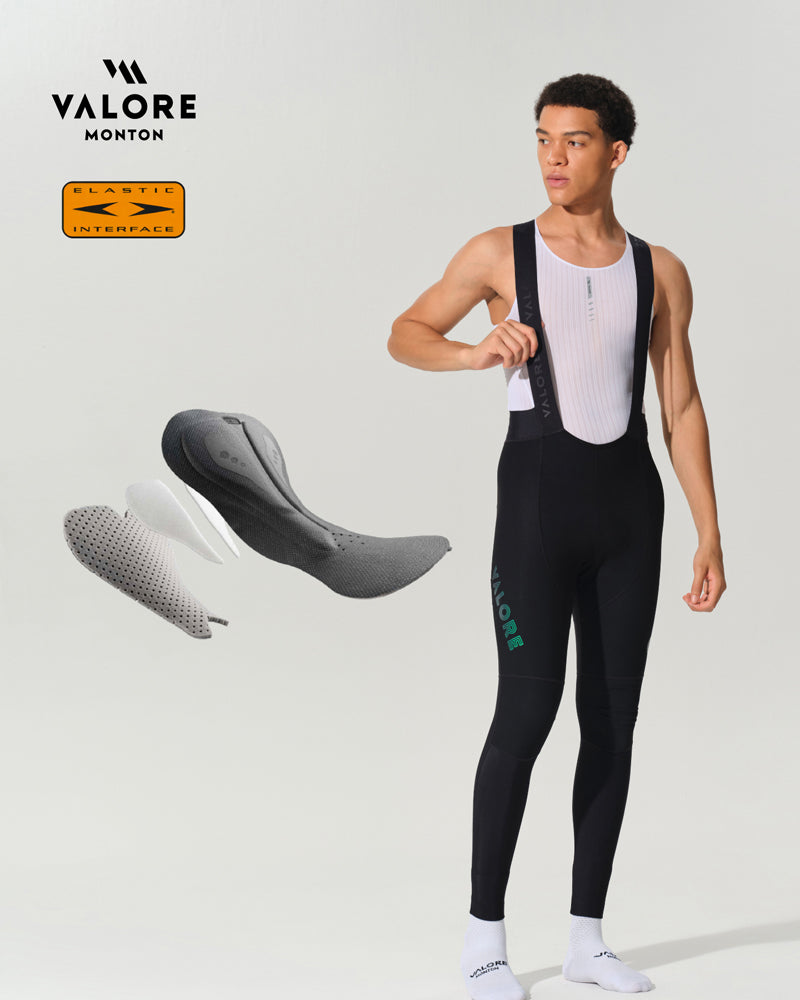
Start with what your kit already does well. Do your padded bibs feel good? Then you need leg coverage or weather protection. Does your pad hurt? That’s a different problem.
| Your riding situation | Start with | Look elsewhere if |
|---|---|---|
| Comfortable padded shorts, colder legs | Padless outer tights or leg warmers | Waistbands or seams overlap, or the wind gets through |
| You want one padded piece with long legs | Padded tights | The pad or the fit is wrong |
| You want your knees or calves covered | Padded or padless cycling knickers | The hem ends awkwardly or the insulation is more than you need |
| You want full-length legs in mild weather | Lightweight full-length tights without fleece | Fleece lining makes the outfit too warm |
| You ride in cold wind or road spray | Tights with wind panels or DWR in the specs | They’re not warm or windproof enough for your ride |
So the real question is simple: do you need a new padded bottom, or something to wear over the shorts you trust?
One Colorado rider heading into a first winter owned two pairs of padded bibs, rode twice a week and wanted to keep both pairs in use under an outer tight.
Write down the coverage you want, the weather you ride in and which padded piece sits against your skin. “Padless tights over my bibs for windy mornings” is far easier to shop for than “women’s winter tights.”
What’s the difference between tights, bib tights, knickers, and 7/8-length legwear?
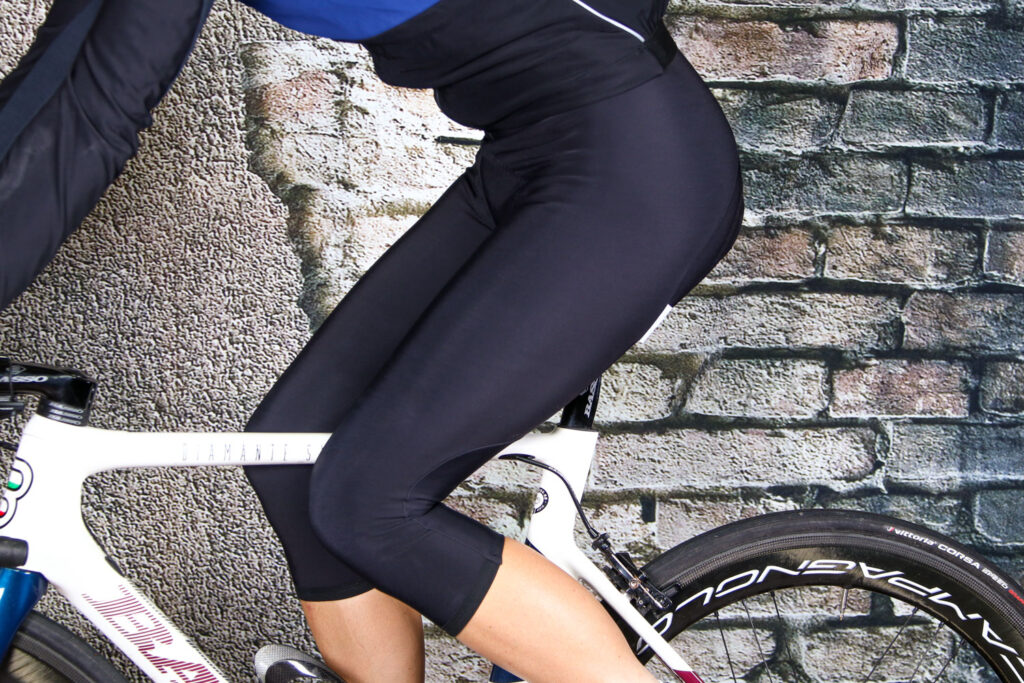
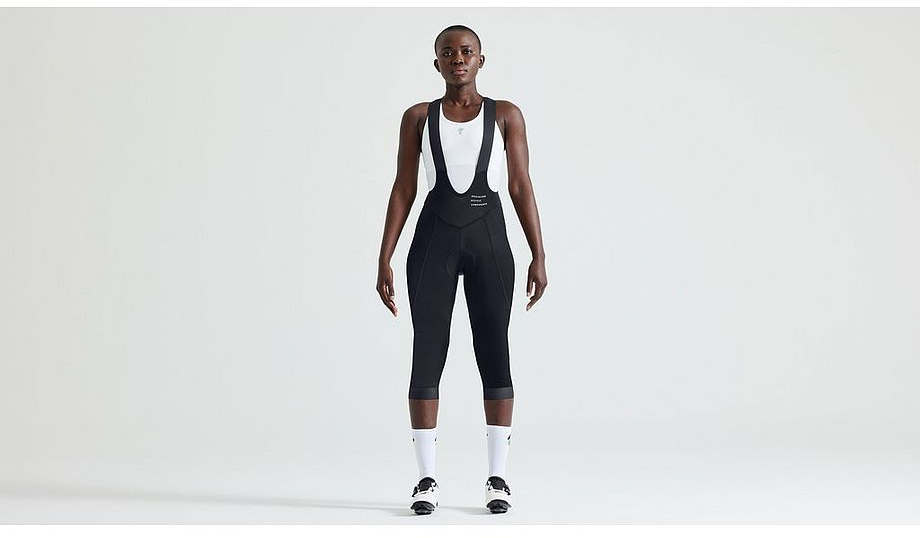
“Tights” only tells you the legs are long. Length, padding and the top (bibs or a waistband) are three separate choices.
Cycling knickers, often called capris, end around the knee or calf, between shorts and full-length bottoms. A 7/8-length pair is shorter than the brand’s full-length version, and ankle-length tights reach farther down. Where the hem lands depends on your legs and the brand’s cut.
Bib tights use shoulder straps to help keep them in place. Waist tights rely on a waistband. Either can have a pad built in. Neither tells you how warm the fabric is.
Running or yoga leggings can work over padded shorts. Check the seams, the crotch and what weather they’re made for.
When you compare listings, find the inseam, the pad description, bibs or waistband, and the fabric. Use the size chart for that exact model. Letter sizes and labels like “petite” or “7/8” won’t tell you how the pair fits on the bike.
Padded tights or padless tights over shorts?
Padded tights have their own pad. With padless tights, your shorts or bibs bring the pad and the tights cover your legs.
Terry’s Padless Winter Bike Tight is made to go over cycling shorts. Padded tights mean one layer at the waist and crotch instead of two. The trade-off: one more padded piece to wash.
| Setup | Where the pad sits | What it offers | Watch for |
|---|---|---|---|
| Padded tights | In the tights | Everything in one piece | Pad fit, inseam, waist or strap pressure |
| Padless cycling tights over shorts | In your shorts | Covers your legs and keeps the weather off | Pressure from two layers, overlapping seams, too much warmth |
| Ordinary leggings over padded shorts | In your shorts | Uses leggings you already own | Crotch seams, snagging, wind, fabric that shifts |
| Shorts with leg or knee warmers | In the shorts | Comes off mid-ride | Slipping, gaps, too little protection |
Wear the padded layer against your skin, with any padless tights on top. Don’t stack two pads. They bunch up and slide against each other. The outer tights still need enough stretch to move over your shorts.
Test leggings on the bike. A mirror won’t show the problem. In one thread about tights over cycling shorts, a pair of leggings caught at the crotch the moment the rider sat on the saddle. Another pair worked fine. Get on the bike and lean onto the bars before you rely on a pair.
Layering has a downside too. One rider preferred padded tights in the cold because two tight layers pressed uncomfortably on her stomach.
Leg warmers come off more easily than full tights when a ride warms up. Check that they stay up before you count on them.
Choose lightweight, thermal, wind-resistant, or water-repellent fabric
Pick the fabric for the job. Leg coverage, warmth, wind blocking and rain resistance are four different things, even when one listing claims several of them.
For covered legs in mild weather
If you only want your legs covered, start with lightweight tights without fleece. One rider shopping for summer bib tights wanted a full-length pair with no fleece. Warmer tights were uncomfortable, and separate warmers kept slipping.
For cool and windy rides
Brushed or fleece-backed tights are made for colder days. Wind-facing panels protect the parts of you that take the wind, and stretchier fabric elsewhere lets you move. Check the listing for where those panels sit.
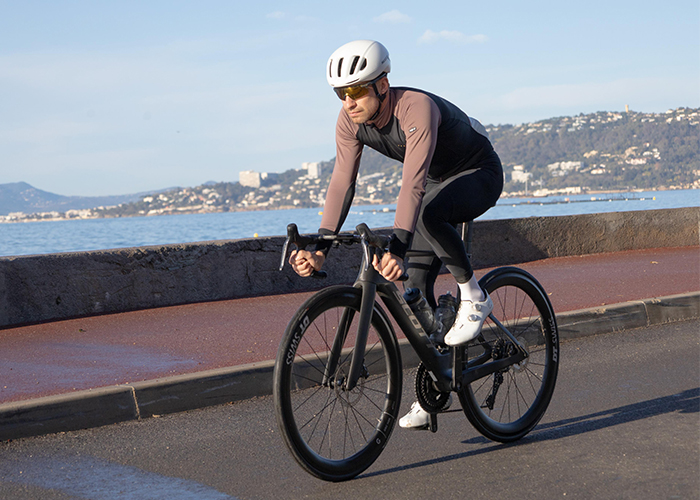
How warm you need to be depends on your effort, your stops, the wind and how wet it gets. Think about how your usual route starts and ends, and where it’s exposed.
For drizzle and road spray
Durable water repellent, or DWR, makes water bead on the surface. It won’t make tights waterproof.
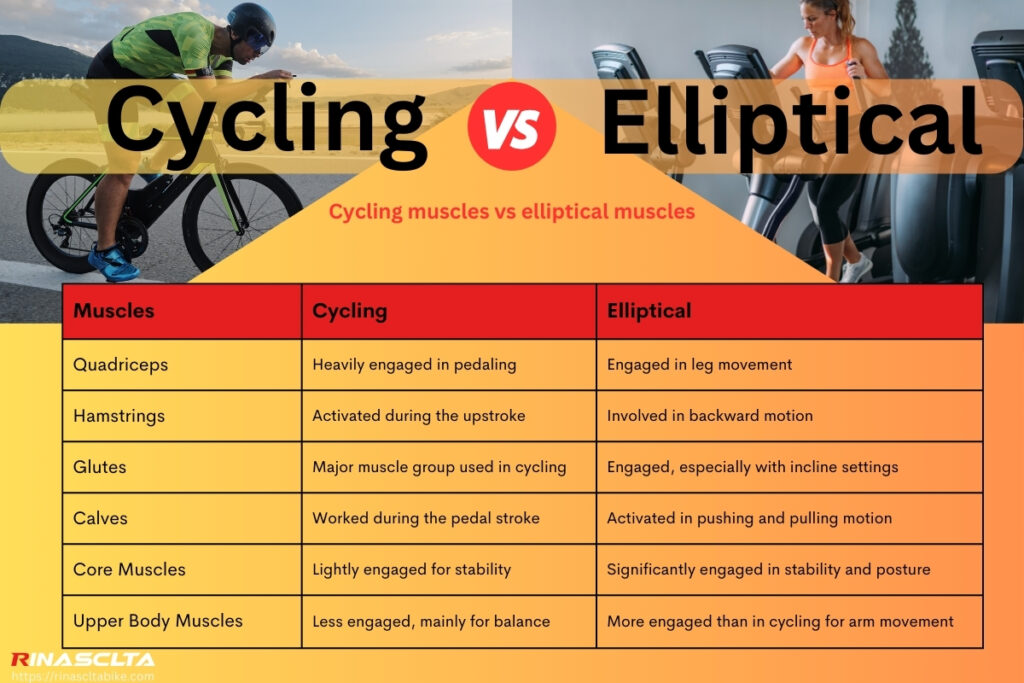
BikeRadar warns that the ankle zipper pulls on the Sportful Fiandre women’s bib tights can rub with winter boots. Get on the bike in your riding shoes or overshoes and check that no zipper or cuff touches them.
Fit checks: inseam, waist, thighs, knees, and ankle cuffs
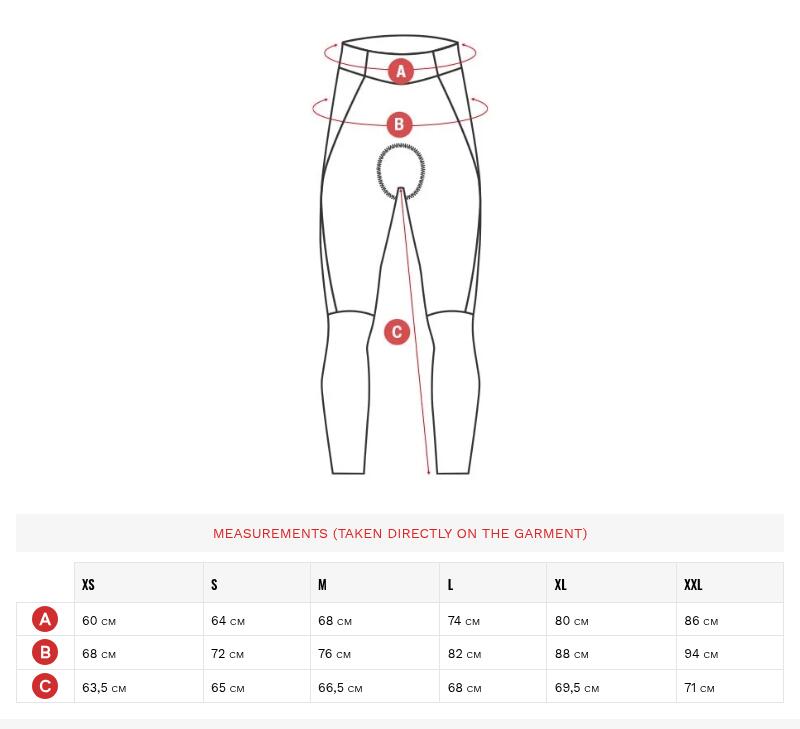
Tights can match your waist size and still fit badly everywhere else. Compare the inseam and cut of the exact model.
Don’t confuse the body-size chart with the measurements of the tights themselves. The size label gets you close, but the inseam tells you where the cuff will fall. If the brand sells more than one length, try another length before you change the size.
A 5’2″ rider kept finding fall and winter bib tights too long. Even when the torso and thighs fit, the extra length bunches at the ankle or behind the knee.
The opposite happens too. A 5’10” rider struggled to find winter tights long enough.
Waist and thighs
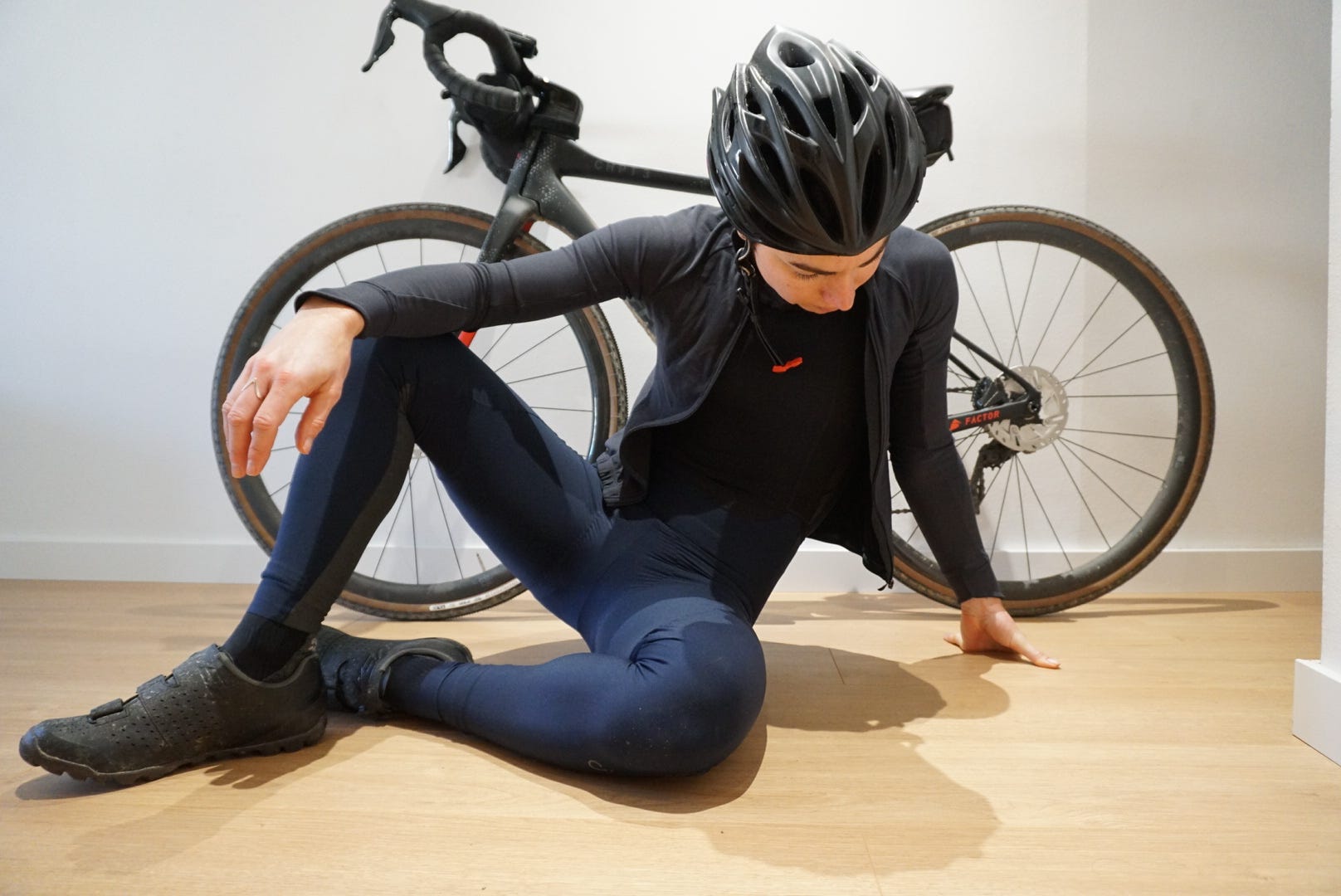
Sized up for your thighs? Check that the waist hasn’t gone loose and the crotch doesn’t hang low. In waist tights, lean toward the bars and feel for rolling or a spot that digs in. In bibs, the straps should hold everything in place without pulling hard on your shoulders.
Knees and ankles
Pedal a few strokes. The fabric behind your knee should flex without folding into a lump. A shorter length, another cuff or a different cut will fix what a bigger size won’t.
Check the chamois: where the pad sits when you pedal
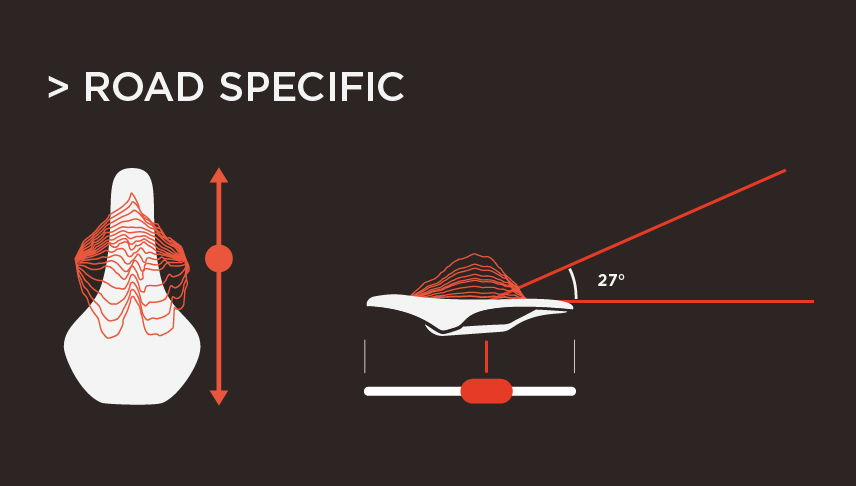
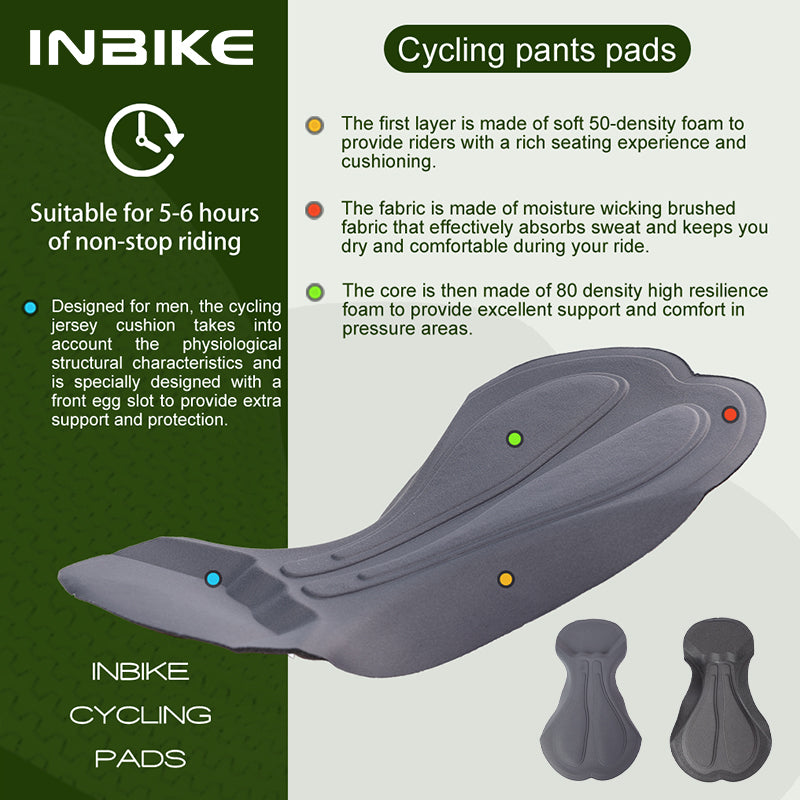
A chamois is the pad inside padded shorts, bibs, tights and liners. It handles contact and rubbing while you ride. It should sit centered under you, without bunching or sliding as you pedal.
The PEARL iZUMi chamois guide describes a snug, stable fit. Look for folds and edges that rub, especially where the shorts meet the saddle. A pad that slides out of place is a fit problem. Fix that before you think about foam thickness.
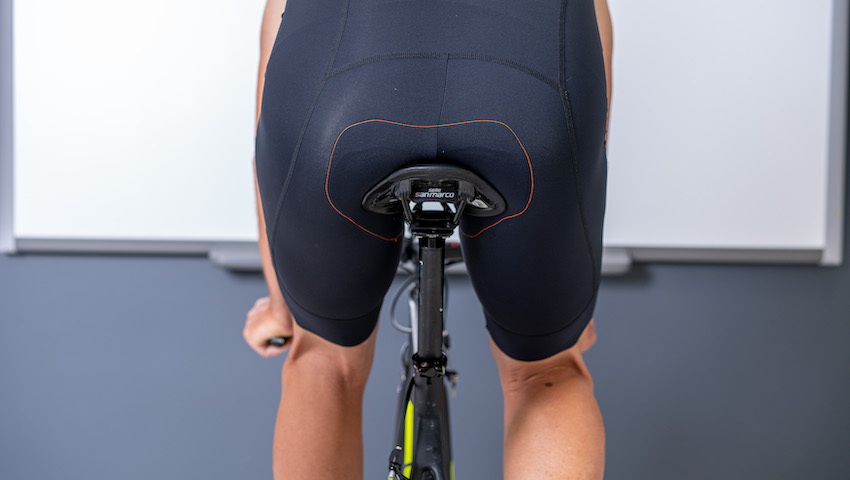
One rider’s Terry knickers were fine on shorter rides but got uncomfortable about 25 to 30 miles into longer ones. The same rider wondered if the saddle played a part. When a pad hurts late in a ride, check the saddle too.
If pain keeps coming back or gets worse, stop riding in that setup and get it checked by a doctor or a fitter. The same goes for numbness, bleeding or broken skin.
Bib tights vs waist tights: include the bathroom-break test
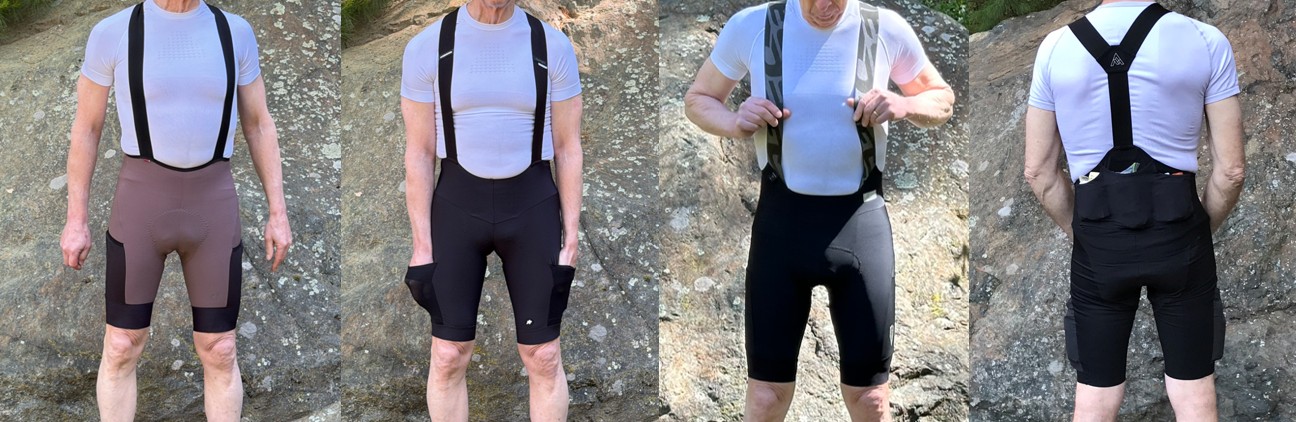
Bib straps hold the tights up, which takes the pressure off your waist. Waist tights skip the straps but can roll or dig in when you lean forward.
The catch with bibs is the bathroom stop. Once a jersey or jacket covers the straps, regular bibs are awkward to get down. Some models have a drop-tail, detachable straps or a stretch pull-down design. Others mean taking off your top layers, which is exactly what one rider shopping for full-length bib tights wanted to avoid. Put on your full outfit at home and try lowering them. Check the pockets you need while you’re wearing the tights.
Compare real garment constructions
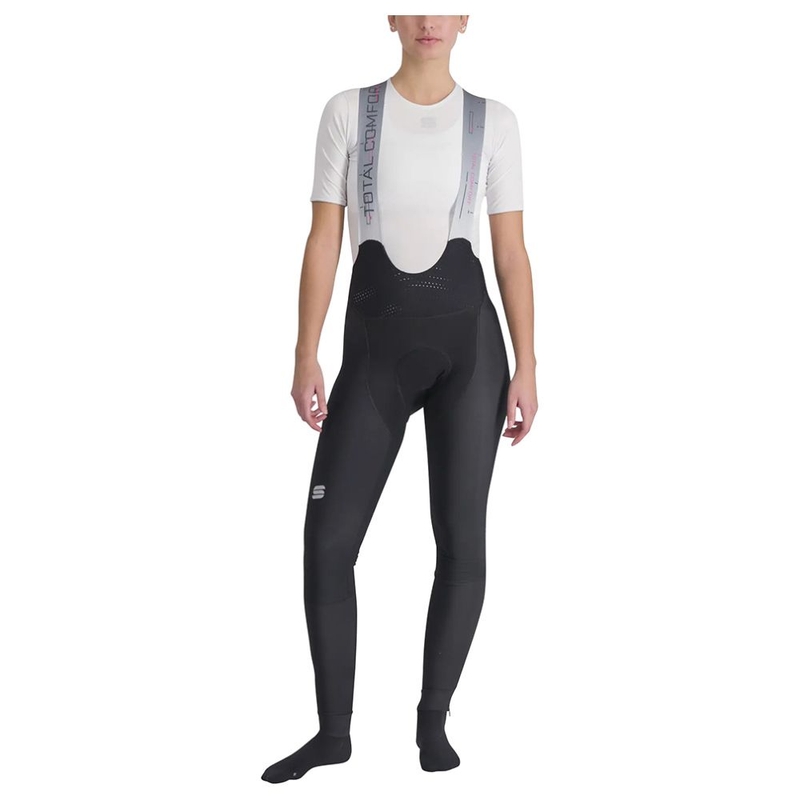
Take three Terry products. The specs come from Terry’s own listings.
| Garment | Built-in pad | Published inseam | Construction and use |
|---|---|---|---|
| Terry Coolweather Bike Tight | Flex chamois | 27, 29 or 31 inches by option (the product page lists 29 inches) | Waist tight with eight-panel construction, side zip pocket and soft leg gripper. Terry suggests 40 to 60°F for this model |
| Terry Padless Winter Bike Tight | None | 28.5 inches | Made to layer over padded shorts. Polartec Hardface Wind Pro with DWR at the front, Power Stretch Pro at the rear |
| Terry Bike Knicker | Flex Air Tour | 17 inches | Described as below the knee. Eight panels and side zip pocket. Terry reports 14% more foam than its Flex Air pad |
Check which length and pad a seller means before you order.
What should make you reject a pair before buying?
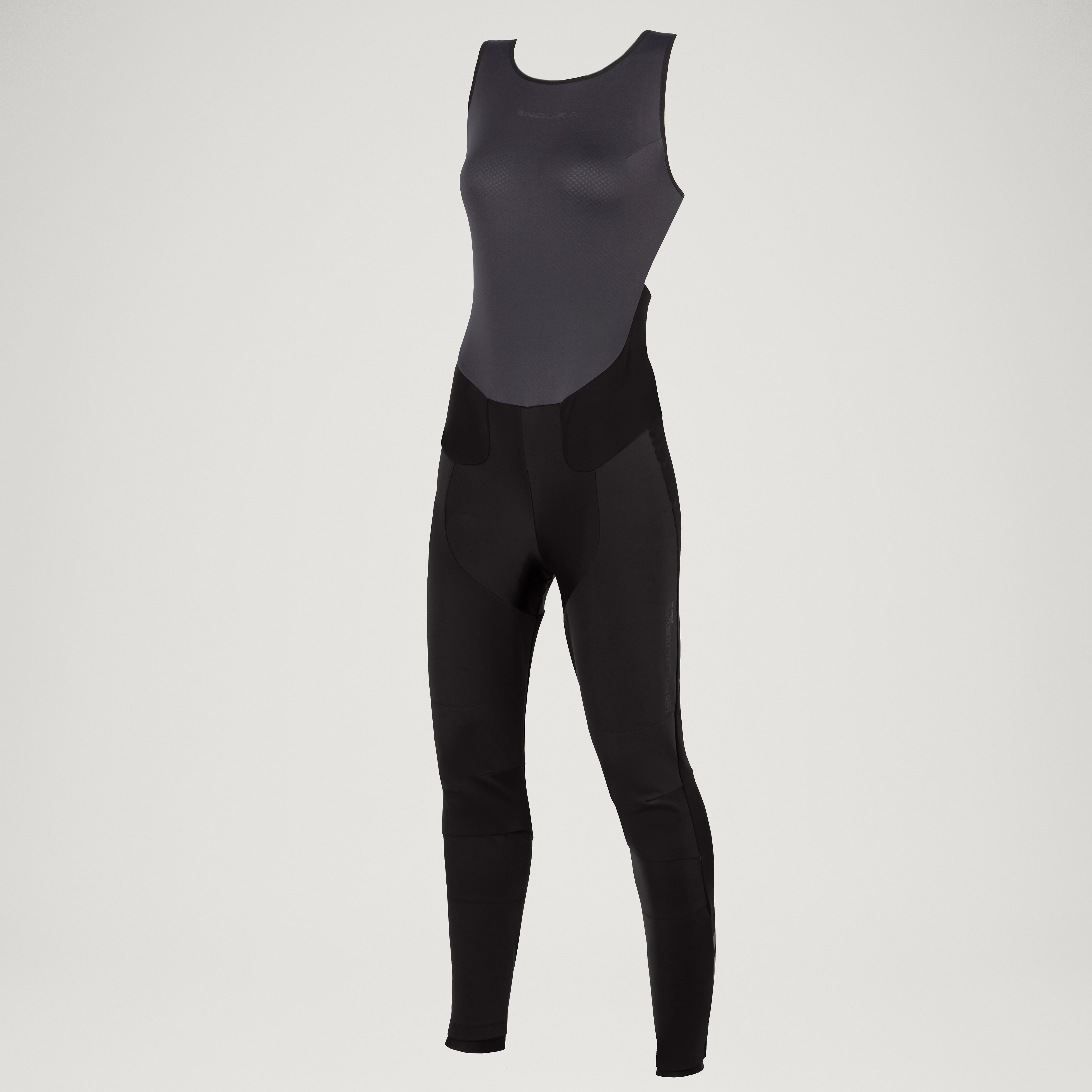
Run every pair through this table before you keep it.
| Check | Go ahead when | Change size or design when |
|---|---|---|
| Inseam | The hem lands where you need it while you pedal | None of the available lengths fixes it |
| Padding | One pad, right where you sit | Two pads overlap or your layers get in the way |
| Pad position | The chamois stays centered and smooth | It shifts or folds under the saddle |
| Waist or bib straps | It stays up and the pressure is bearable | Still digs in or slips after you adjust it |
| Thighs and knees | You can pedal freely | One area fits only by pulling another out of shape |
| Ankle closure | The cuff or zipper clears your riding shoes | A zipper or cuff rubs at the ankle |
| Weather | The fabric suits your weather | It lacks the warmth or wind blocking you need |
| Bathroom stops | You can manage them in your full outfit | Stops would be impractical on your rides |
| Care | You can wash the padded piece between rides | You can’t wash it often enough for how much you ride |
| Pockets and coverage | You get the storage and coverage you need | Something you use every ride is missing |
Need a thigh pocket on every ride? Then a knicker without one is out, however well it fits.
If you buy online, read the return policy before you ride outside in them, and do every indoor check while the pair can still go back.
Take a short test ride, then wash the pad
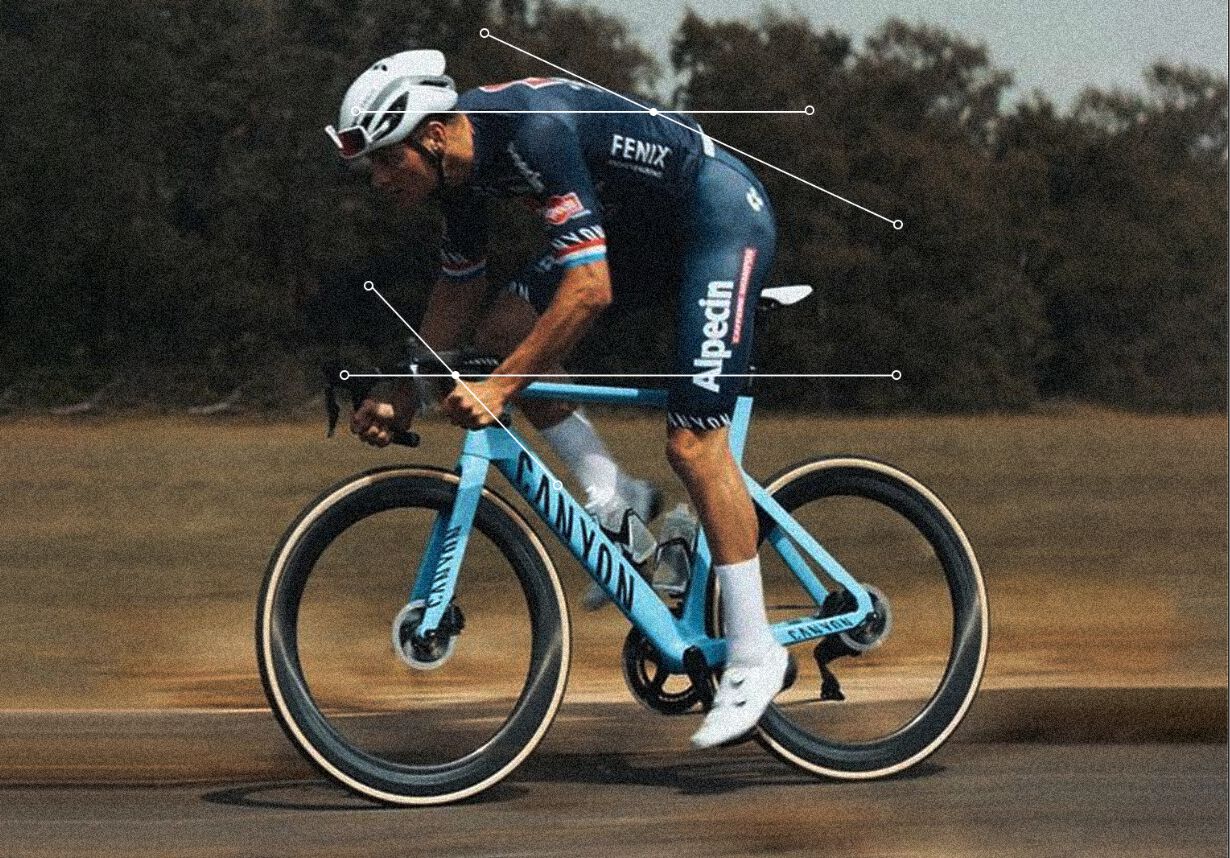
Once a pair passes at home, take it on a short ride you know well. Save the 50-mile ride and bad weather for after it passes.
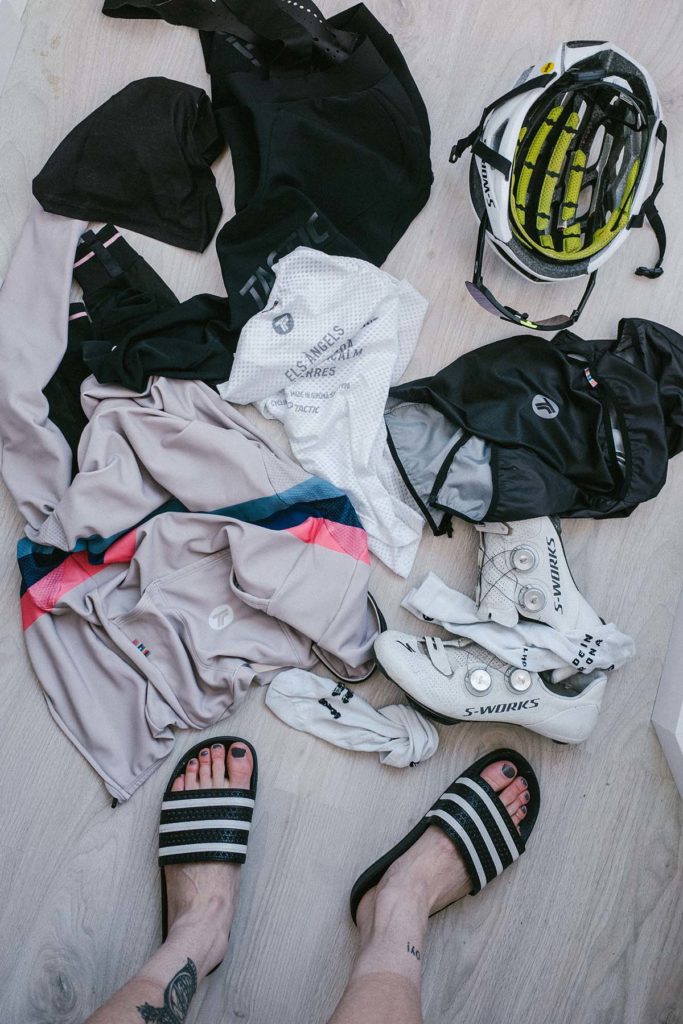
- Wear the real outfit: padded layer, outer tights, top layers and riding shoes.
- Check once you’ve been moving: pressure, chafing, bunching or fabric creeping that you didn’t feel at home.
- Fix one thing: smooth a layer or make an adjustment the tights allow. If the problem comes back, try a different setup.
PEARL iZUMi says to wash anything with a chamois after every ride in cold water with mild detergent, then hang it to dry. It also says to skip fabric softener and high heat. Follow the care label on your own pair. If your tights are padless, the shorts underneath go in the wash after every ride.
If the pad itself hurts, no layer over it will help. A pair is worth keeping if the hem lands where you want it, there’s only one pad under you, the cuff clears your riding shoes and you can manage a bathroom stop in your full outfit. Do those checks indoors while the pair can still go back, and take a short ride you know before a long one.