Dress for the temperature first, then adjust for wind, rain and the ride. At 70°F (21°C) and up, wear a light top, shorts and sun protection. From 50 to 69°F (10 to 20°C), add pieces you can take off, such as arm warmers, light gloves and a packable wind vest. From 32 to 49°F (0 to 9°C), wear a base layer, a thermal top, thermal tights, warm gloves, ear cover and warm socks, and carry a dry layer. Below freezing, ice and road conditions decide whether you ride outside at all.
Start with the weather, then check the ride
Check the forecast for when you leave and when you’ll head home: temperature, wind, rain and sun. The same forecast won’t mean the same outfit for a short neighborhood ride, a hard road workout and the commute to work.
What to wear cycling at different temperatures
These outfits assume you’re riding in dry weather. Wear a properly fitted helmet in every band. The “Hands, feet, and head” column lists what changes with the weather.
| Air temperature | Top | Legs | Hands, feet, and head | Add or carry |
|---|---|---|---|---|
| 80°F+ (27°C+) | Lightweight breathable top or jersey, sun-covering fabric for strong sun | Shorts or padded cycling shorts | Breathable socks and shoes, eye and sun protection | No extra layers |
| 70 to 79°F (21 to 26°C) | Light jersey or breathable athletic top | Shorts or padded shorts | Comfortable shoes, sun protection | An extra layer if rain, wind or a cool ride home is likely |
| 60 to 69°F (16 to 20°C) | Short- or long-sleeve top | Shorts or light leg coverage | Optional light gloves | Packable wind vest for open roads |
| 50 to 59°F (10 to 15°C) | Jersey with long sleeves or arm warmers, optional thin base layer | Shorts with leg warmers, or tights | Light full-finger gloves | Packable wind vest, especially for windy routes or stops |
| 40 to 49°F (4 to 9°C) | Base layer and thermal jersey or top, a wind layer on windy days | Thermal tights, or shorts with leg warmers | Warmer gloves, ear covering, warm socks | Wind shell or dry spare layer for long rides and stops |
| 32 to 39°F (0 to 4°C) | Warm base layer, thermal top, and insulating or wind-resistant outer layer | Thermal tights | Insulated gloves, helmet-compatible ear covering, warm socks, optional shoe covers | Dry spare layer and a place to warm up. Check the roads. |
| Below 32°F (below 0°C) | Full winter layers | Winter leg layers | Your warmest gloves, socks, and head and ear cover | Check for ice and decide whether to ride outside at all |
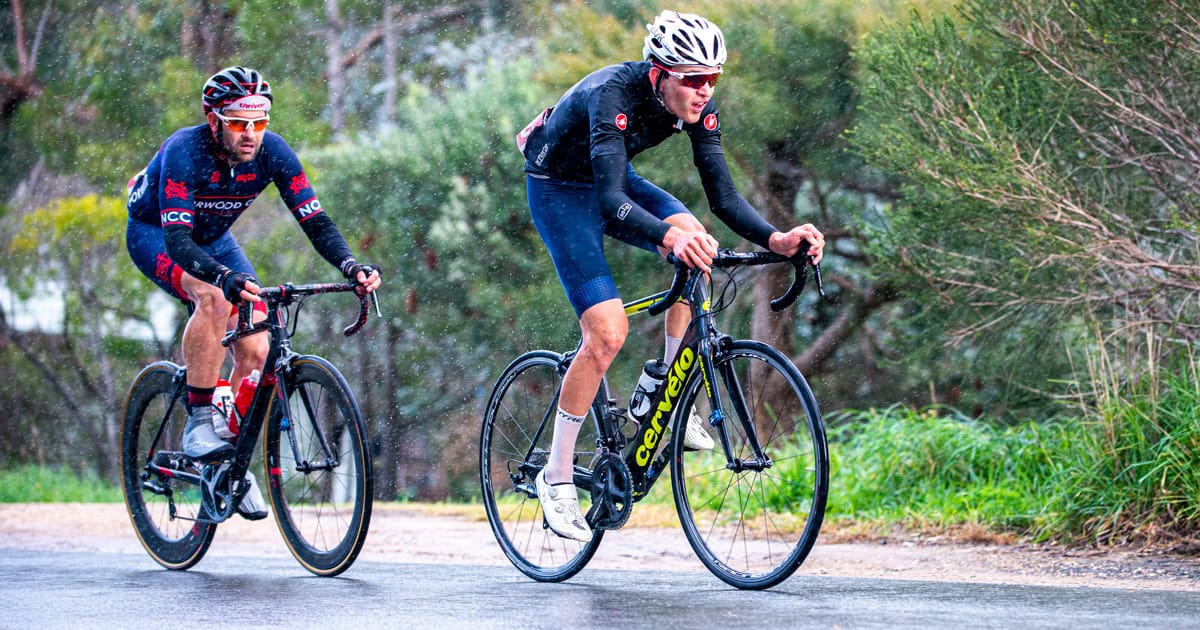
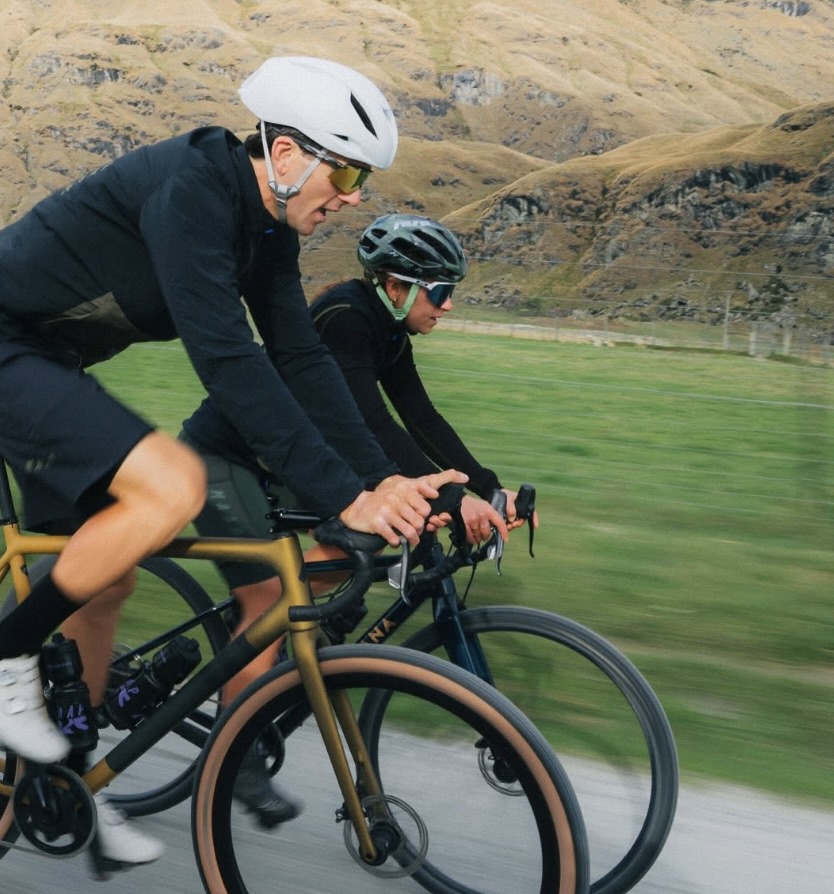
At 50 to 59°F, a short-sleeve jersey with arm warmers gives you more ways to adjust than one heavy top. You can pull the warmers off as the day warms up.
Build layers that can come off when you warm up
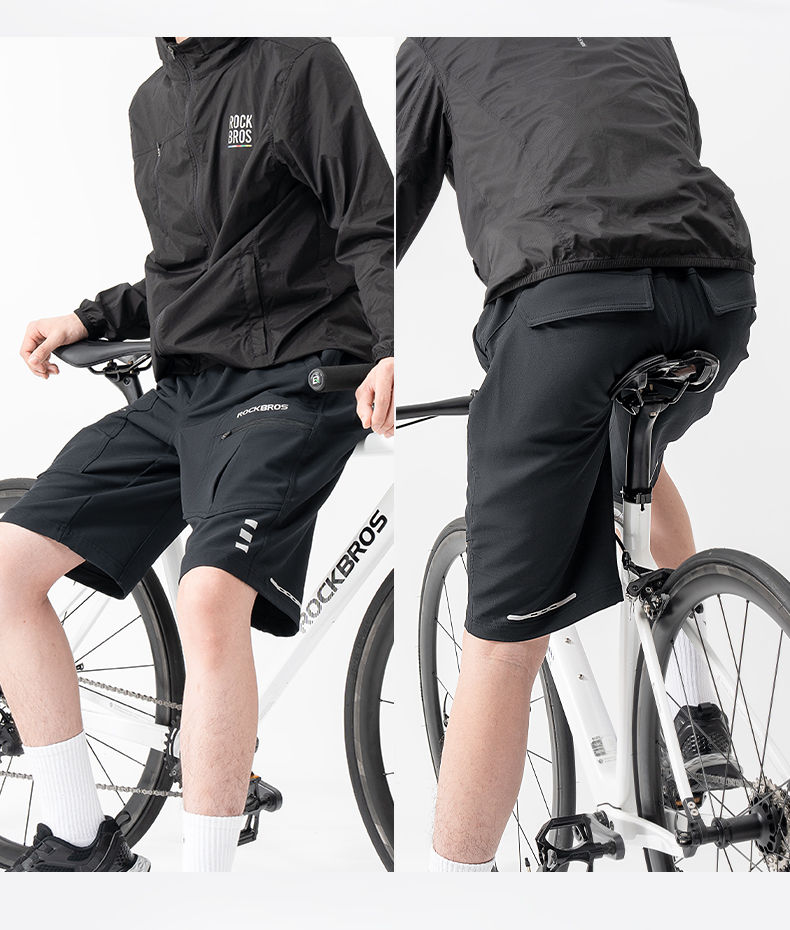
Each layer has one job: keep sweat off your skin, keep you warm, or keep wind and rain off. If one piece does the job, that’s all you need.
Under a jersey or thermal top, wear a thin base layer that wicks sweat. Skip it on hot rides. It’ll only hold in heat.
For warmth, add a thermal cycling jersey, a long-sleeve athletic top or a fleece. Match its warmth to the ride, and count the time you’ll spend standing around after a hard effort.
Over that goes a layer for wind or rain. A light wind vest, also called a gilet, covers your torso and packs away when the weather clears. A rain shell keeps the rain off, so pick one you can vent.
Arm warmers, leg warmers and zips let you make small changes. On a cool morning that turns mild, pull off the arm warmers or unzip the vest. That’s easier than carrying a heavy jacket the whole ride.
Cotton, synthetic fabrics, and wool
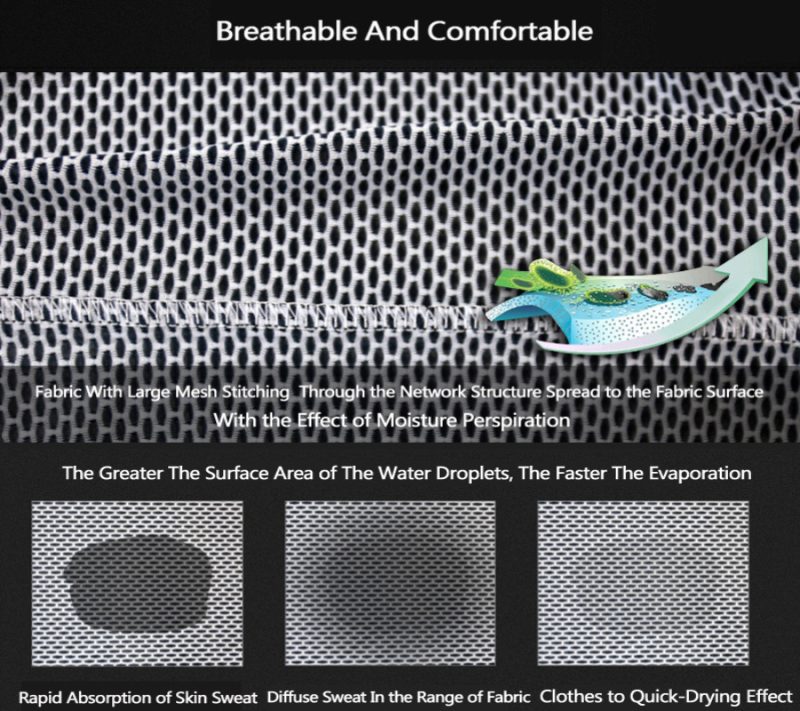
A cotton T-shirt is fine for a quick, easy spin where you barely sweat. For longer, wetter or harder rides, wear fabric that’s made to wick sweat. Wool works too, especially if you want to stay warm when you slow down or stop.
In one controlled 20-km cycling trial with 15 trained adults, five of them women, the synthetic outfit in the test gave a modest performance edge over the cotton one. A 2022 Sports Medicine–Open review, The Role of Sports Clothing in Thermoregulation, Comfort, and Performance During Exercise in the Heat found few consistent, significant differences in thermoregulation or performance between fabric types in the studies it examined.
So choose by thickness, construction and fit for the weather you’ll ride in. The fiber label won’t tell you how the outfit feels on a climb, in cold rain or after you stop.
Adjust for wind, rain, descents, and stops
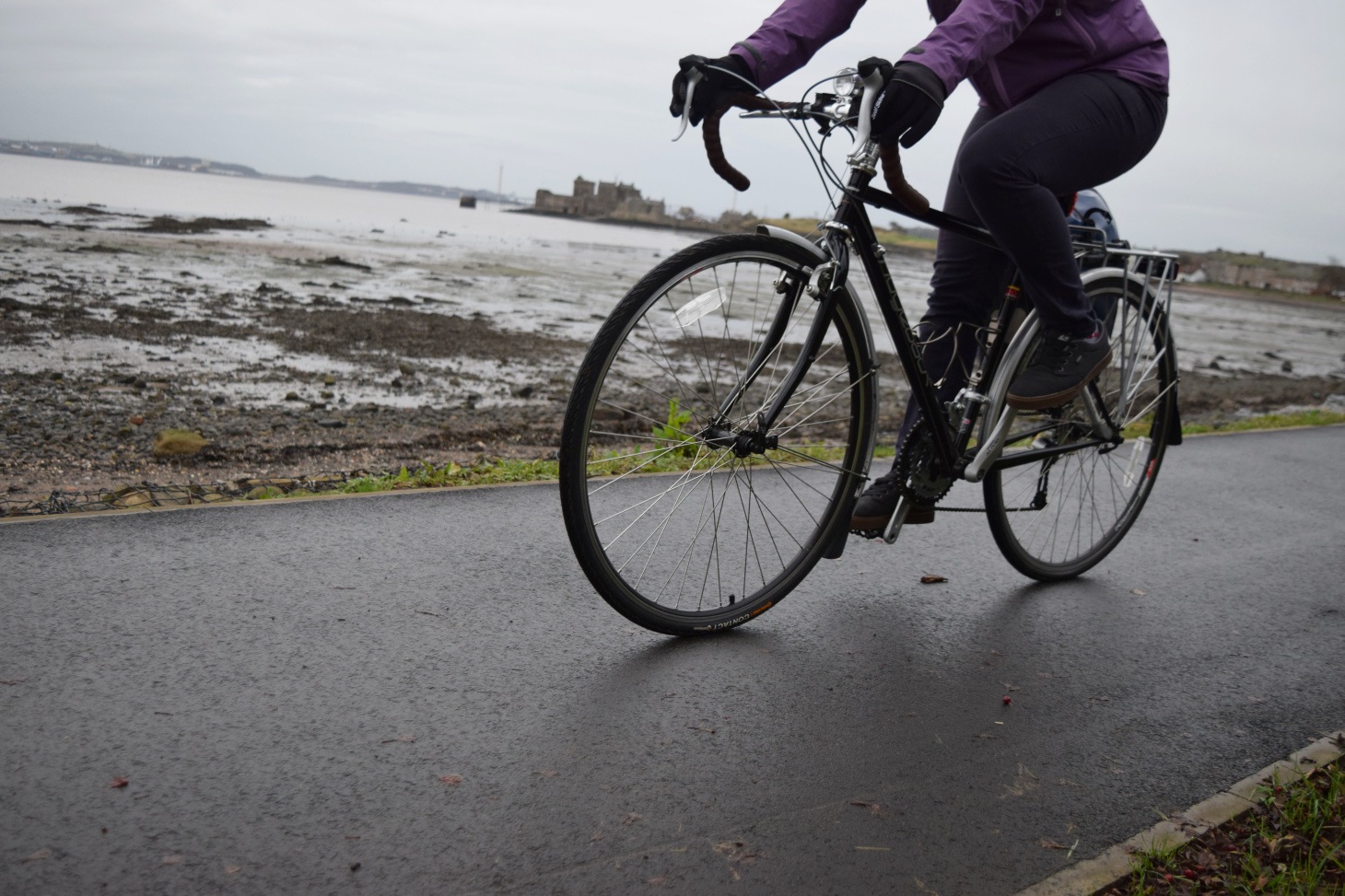
A headwind, a descent where you barely pedal, rain, or a stop in damp clothes all make the same air feel colder.
Wind and descents
On open roads, wear a light wind vest or jacket. When the air’s cool, add gloves and cover your ears. Before a long descent, stop safely. Put on the layer you’ll need while your hands are free.
Rain protection and perspiration
A waterproof jacket keeps rain out and traps sweat in. For a brief, mild shower, a lighter layer is enough. In steady cold rain, you’ll want the waterproof.
Open the front zip or the jacket’s vents to let heat out, and ease off the pace so you don’t sweat as much. For a short, flat ride of around 15 minutes or less, REI notes that venting matters less than it does on a longer effort.
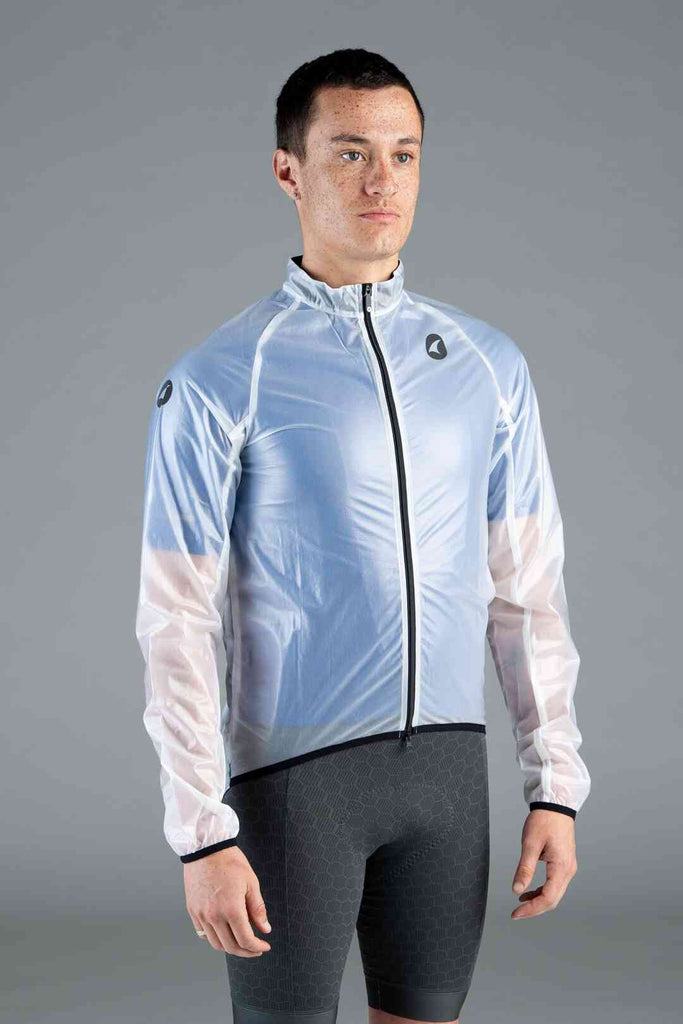
A cool, showery ride: two different outfits
Take a forecast of 55°F with possible showers. For an easy commute, start in a long-sleeve top, tights or pants, and light gloves. Pack a rain layer for the showers, and keep a dry shirt at work for when you’ve parked the bike.
For a longer road ride in the same weather, wear a jersey with arm warmers you can pull off, tights or leg warmers, and a wind vest. If steady rain is forecast, take a rain shell instead of the vest. Keep it where you can reach it for the descent and the café stop.
When you stop pedaling
An outfit that felt right on the climb often feels cold at a break. Once you’ve stopped working, damp fabric and moving air chill you fast. Pull on a dry or windproof layer for longer stops. If a wet ride ends at work or home, change clothes.
Dress for the kind of ride
| Ride | Start with | What changes the choice | Mistake to avoid |
|---|---|---|---|
| Casual neighborhood ride | Everyday activewear, plus a wind or rain layer if needed | Easy pace, shorter duration, staying dressed afterward | Buying road kit before you know you need it |
| Longer road ride | Top or jersey, optional padded shorts, removable layer | Saddle time, effort, wind, descents, stops | Dressing only for the hardest part of the ride |
| Gravel or mountain biking | Movement-friendly top, durable shorts, optional padded liner | Terrain, freedom of movement, changing sun and wind | Restrictive clothes or loose fabric that interferes with the bike |
| Office commute | Cycling clothes or your regular clothes, plus a rain or wind layer when needed | Sweat, what you have to wear at work, a dry change at the other end | Overlooking what you’ll wear after arriving |
On gravel or trails, loose outer shorts over a padded liner and close-fitting cycling kit both work. Pick the one you like.
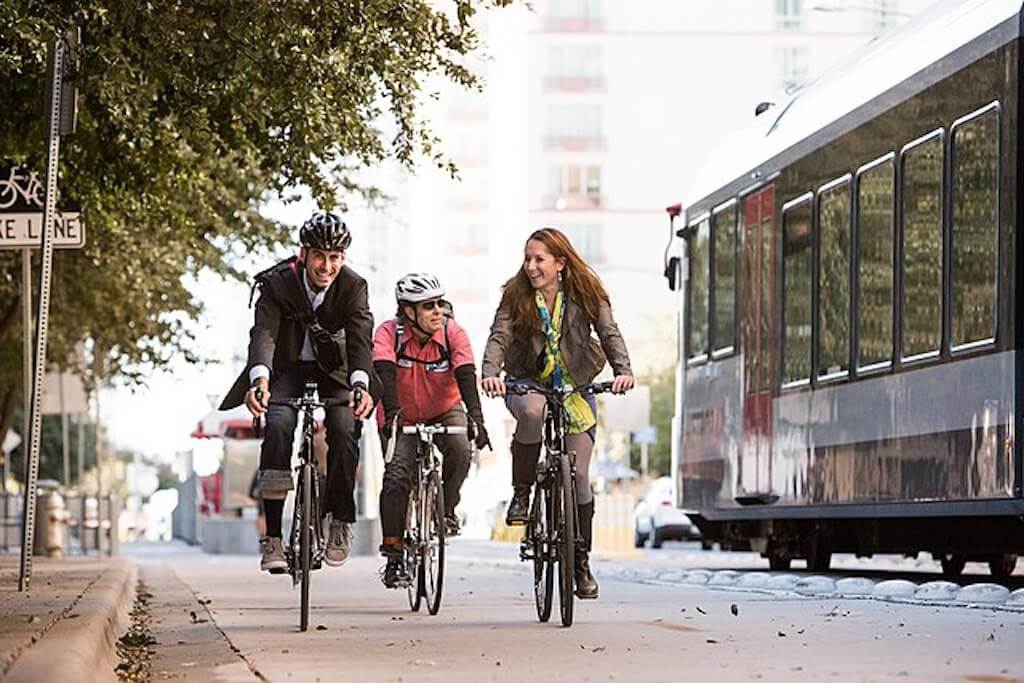
On a commute, think past the ride. If you’ll walk into an office or a store, or carry on with your day without changing, the outfit’s got to work off the bike too.
One commuter described a slightly hilly 3.75-mile ride and worried about arriving sweaty while feeling conspicuous in full cycling kit.
Check the fit on the bike
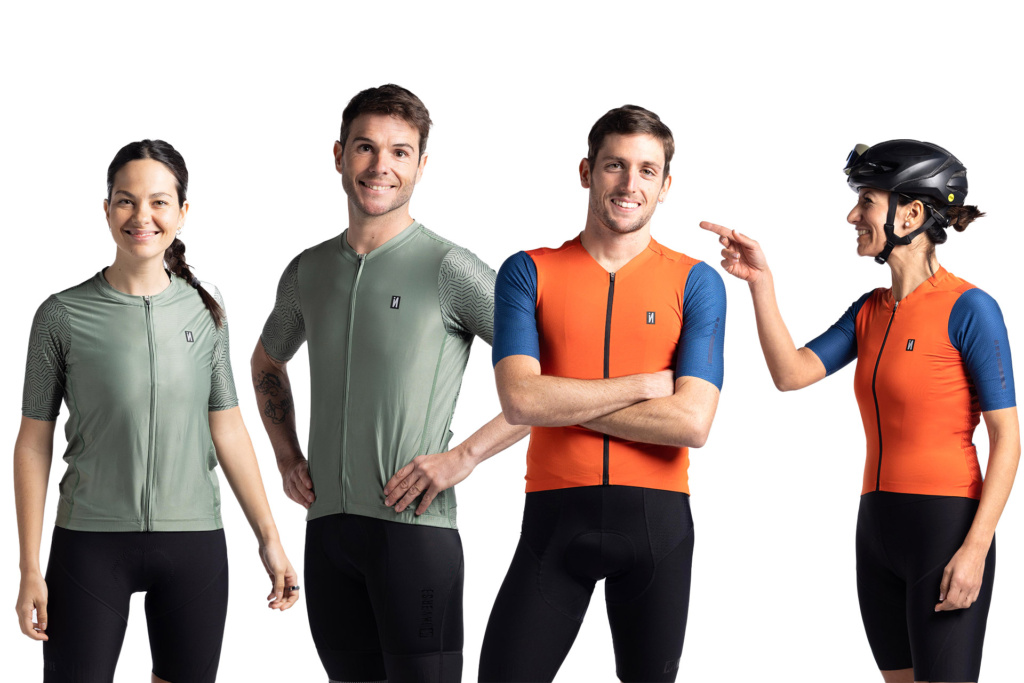
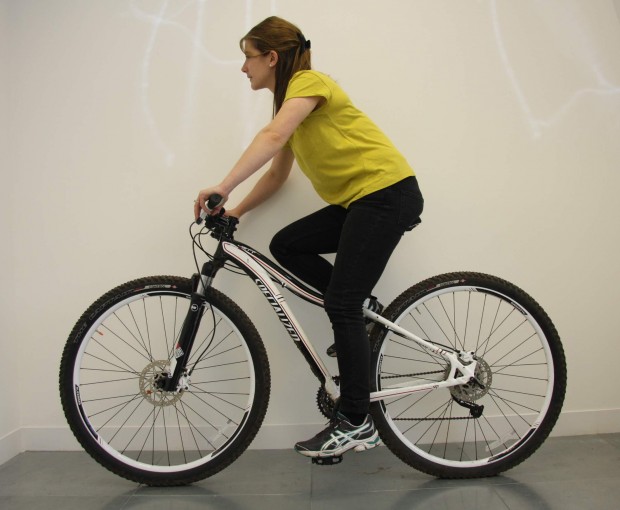
Cycling clothes have to fit while you ride. A shirt that looks fine when you stand can ride up once you lean over the bars, and snug shorts can shift when you pedal.
Start with what’s next to your skin. A running or yoga sports bra gives support but can run hot under a light summer jersey. Try the bra and jersey on together.
Then check coverage. A long-sleeve sun shirt can pull across your bust, stomach or shoulders in riding position. Try both women’s and unisex cuts, and check the listed measurements against the coverage you want.
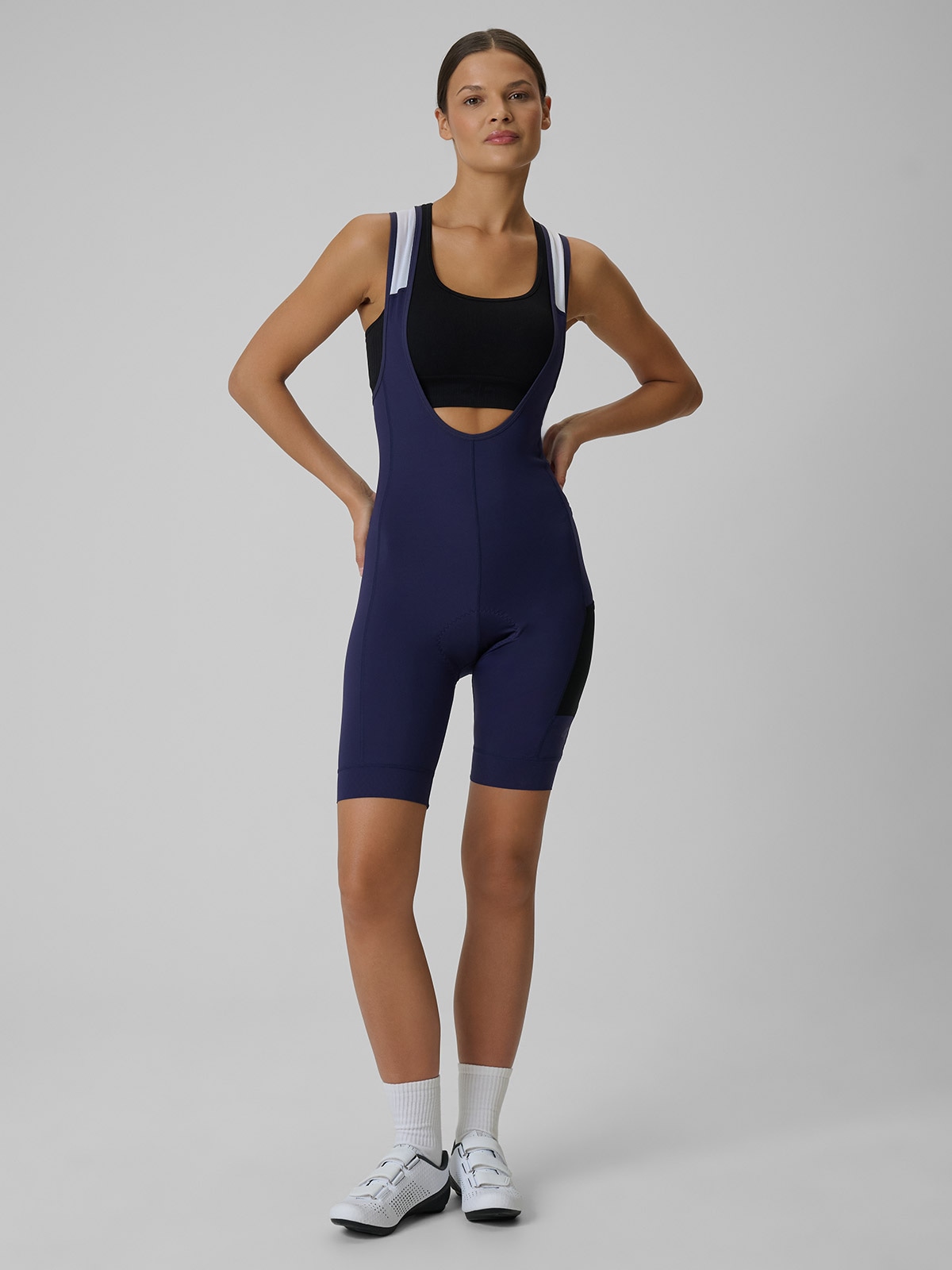
With padded cycling shorts, make sure the pad (the chamois) stays put and the seams don’t bunch as your legs move.
Strap down loose pant legs and tuck in dangling shoelaces so they stay clear of the chain, pedals and other moving parts. A winter cap or ear cover has to sit under your helmet without shifting its position or adjustment. In the US, bike helmets are regulated under CPSC standard 16 CFR Part 1203, and that standard doesn’t check how a cap fits underneath.
Sit on the bike in the full outfit, winter layers included. Reach forward, turn your head and the bars, and pedal through the full stroke. Check support, hem coverage and movement. Then test the brakes.
When it’s hot or very sunny
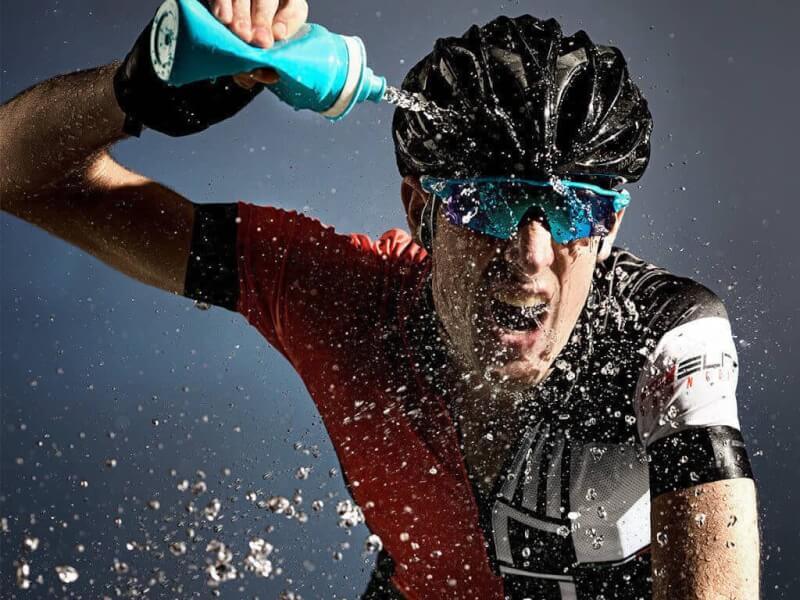
In hot weather, wear a light jersey or a breathable athletic shirt, and skip anything that adds warmth.
Close-fitting or loose, it’s your call. Check how the top moves, whether it runs hot, and how it sits over your bra or base layer.
Sun coverage has a different job
Long sleeves and clothes with a UPF (ultraviolet protection factor) rating cover your skin on sunny rides. UPF tells you how much UV the fabric blocks. How cool the shirt feels comes down to its construction, fit and airflow.
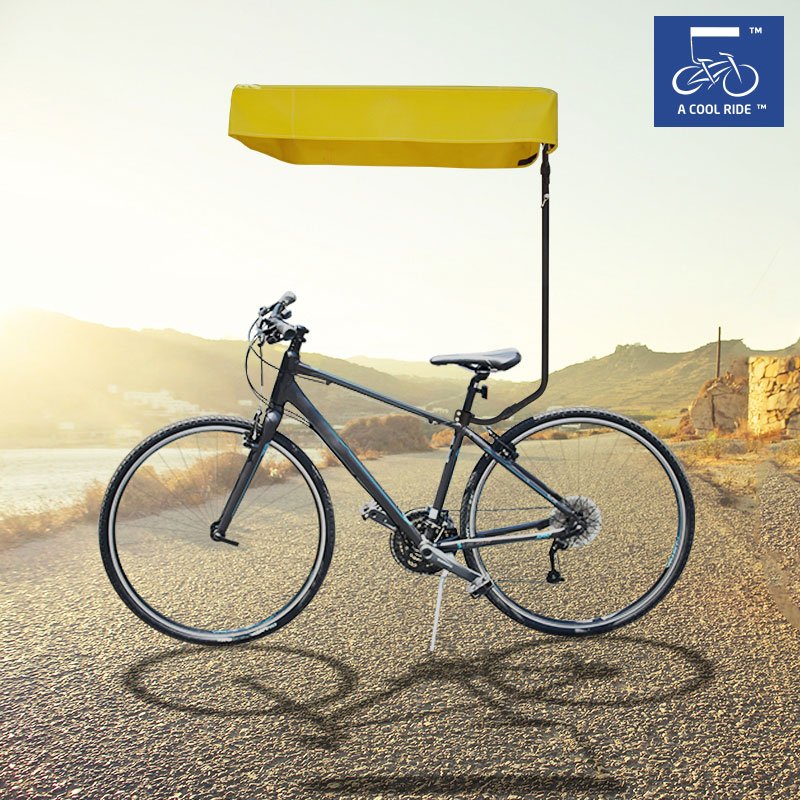
The American Academy of Dermatology recommends broad-spectrum, water-resistant sunscreen with SPF 30 or higher on exposed skin, with reapplication about every two hours and after sweating or swimming.
Heat can change the ride plan
On hot, humid days, ride at a cooler time or pick an easier route, and plan a stop where you’ll find shade.
The CDC’s guidance for athletes exercising in heat advises stopping and getting to a cool place if you feel faint or weak.
When it’s cold, dark, or conditions are changing
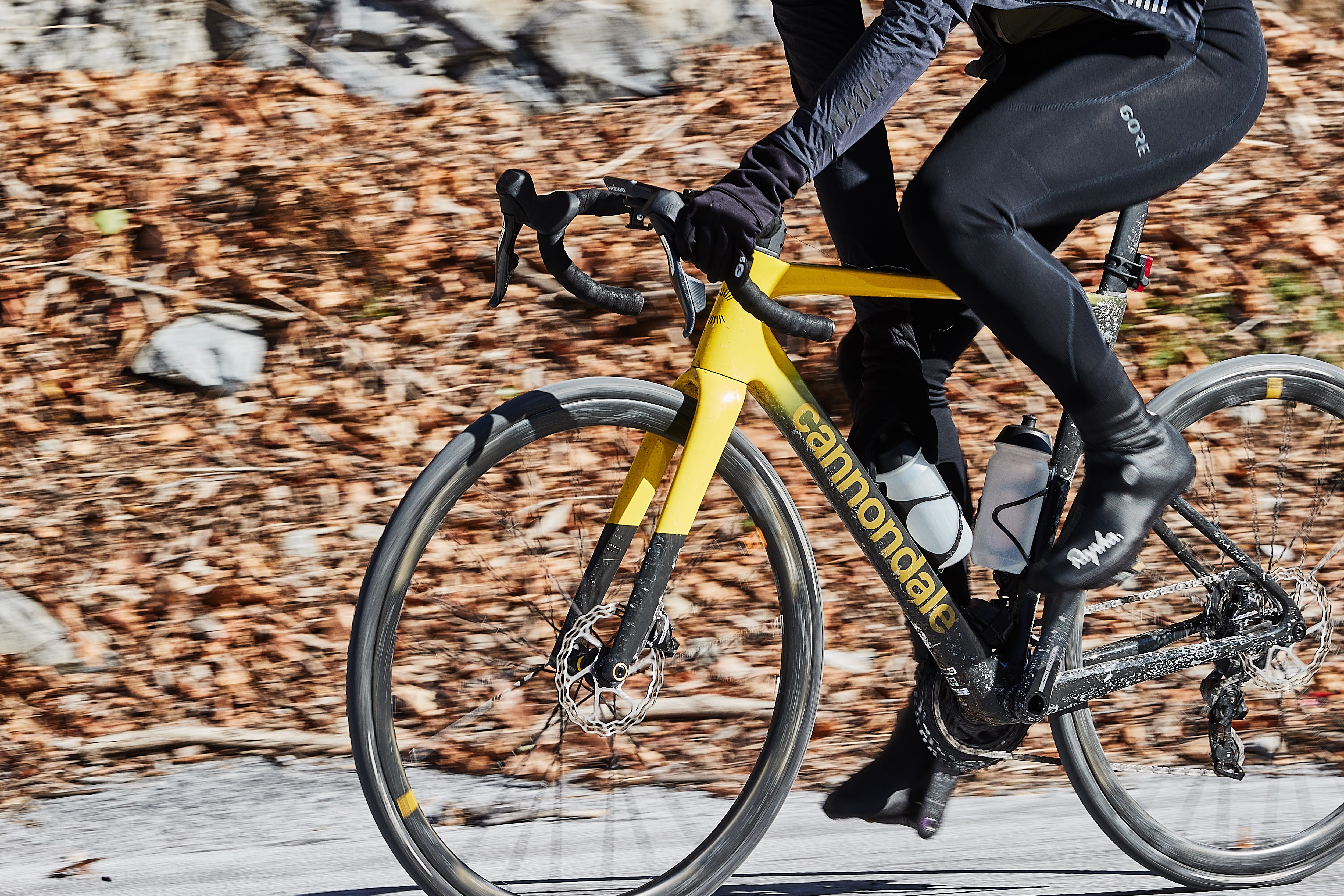
In the cold, it’s easy to forget your hands, feet and ears. A warm jacket won’t help if your fingers are too cold to work the brakes. Pick gloves that keep them warm without making braking clumsy.
On long, cold or wet rides, pack spare gloves or socks for when the first pair gets damp. The CDC’s NIOSH cold-exposure guidance supports layers, covered hands and feet, dry clothes and breaks to warm up.
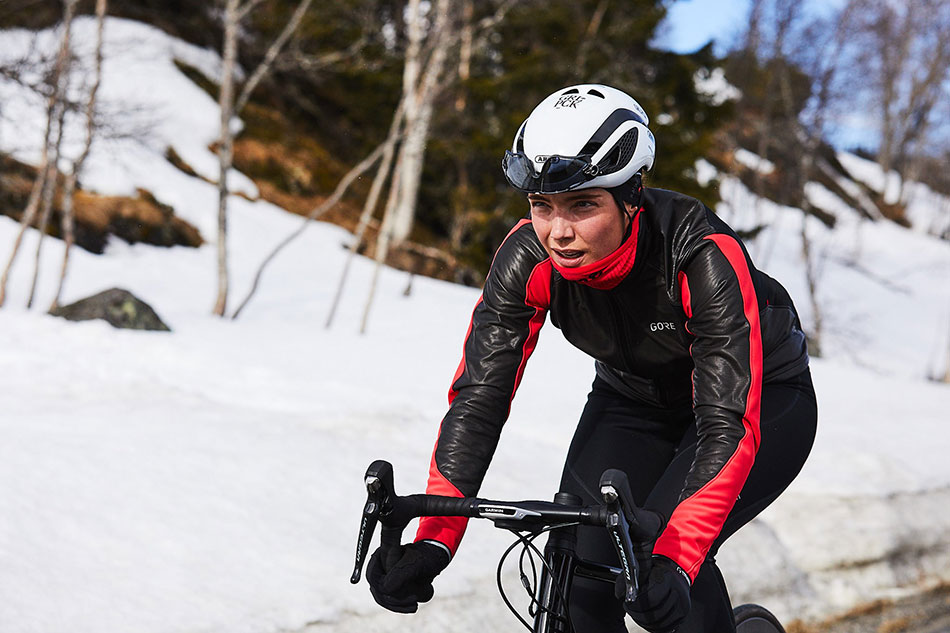
Bright colors by day and reflective details help other road users see you. The National Highway Traffic Safety Administration recommends a white front light and a red rear light in darkness or poor visibility. Run your lights even if your clothes are reflective.
Freezing rain, ice, severe cold and dangerous roads are more than clothing can handle. If the route’s unsafe or your gear isn’t enough, change the route or the time, or skip the ride outside.
What you can wear without buying a full cycling kit
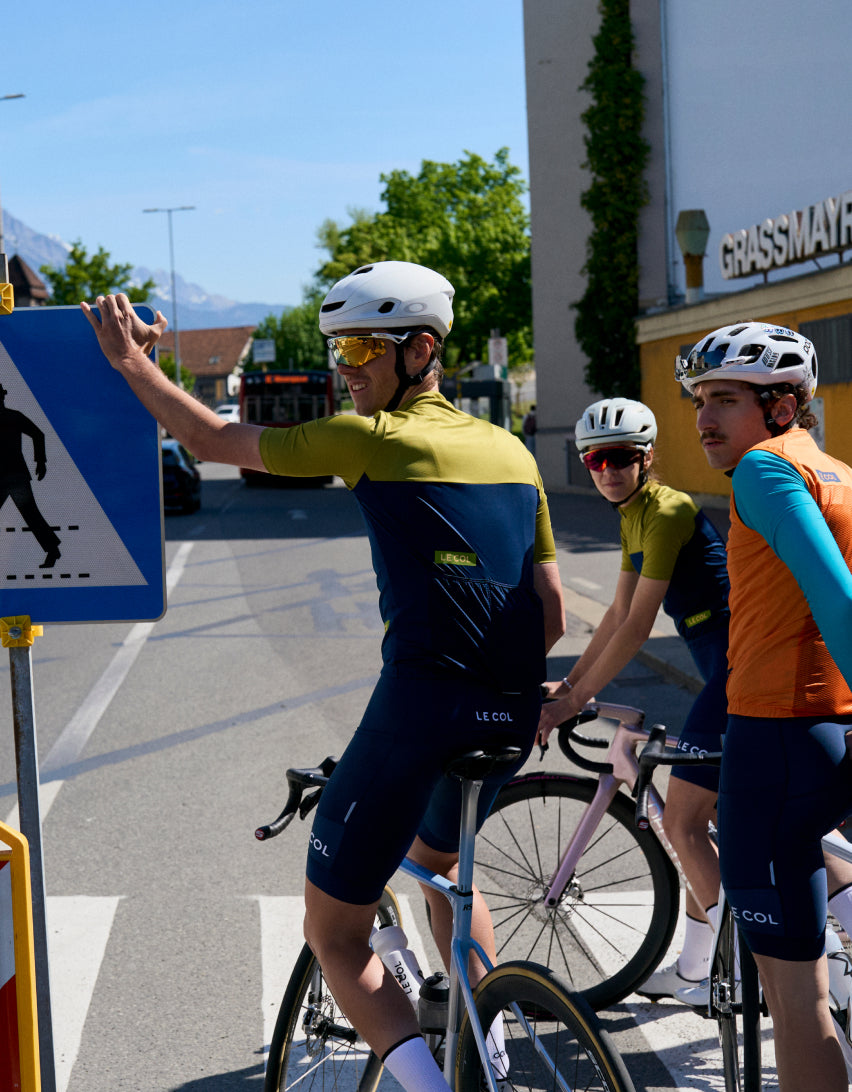
For a short, easy ride, an athletic top, shorts or pants, and shoes that work with your pedals are enough. Start with what’s in your closet.
If you’re stretching summer rides into fall, try your usual shorts with running tights or leggings and a long-sleeve top. Add a packable vest on windy routes.
Pay for cycling-specific features when they fix something. Padded shorts make long hours in the saddle easier. A jersey pocket holds a small item, and tapered pant legs are less likely to catch in the drivetrain. A good shell lets you wear an outfit you like in worse weather.
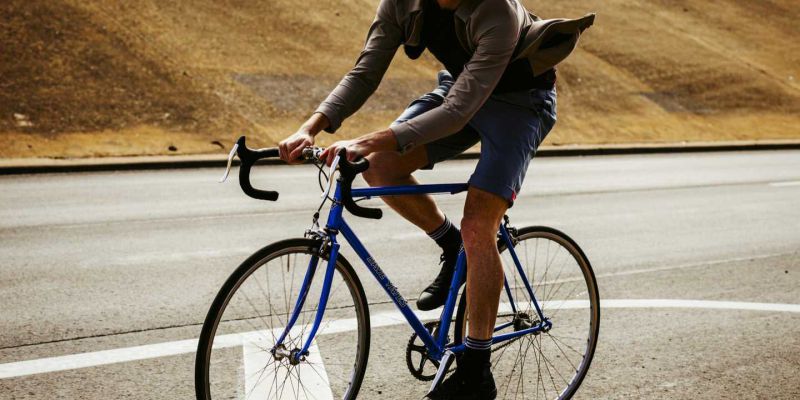
Before you buy anything, think about what went wrong on your last ride. Cold hands? Damp clothes? A shirt that pulled across your shoulders, or shorts that got uncomfortable?
Try a fix from what you’ve already got first. If it bunches, restricts your movement or leaves you cold or wet, buy the piece that solves that one problem.
Before you head out
Most of dressing for a ride is adjusting as you go. The forecast gives you a start, and then a headwind, a long descent, rain or a stop makes the same air feel colder. Layers that come off and a vest or shell you can reach take care of that. Sit on the bike in the full outfit first, because a top that rides up, loose pant legs near the chain or a cap that shifts your helmet cause more trouble than the fabric label does. After the ride, note what went wrong, whether cold hands, damp clothes or a shirt pulling across your shoulders. Try a fix from your closet first, and buy a cycling piece only if it solves that one problem.