
Choose the cut for how you ride, then take the size from that brand’s chart using your bust, waist and hip measurements; your usual letter size won’t carry over. Before you keep a jersey, lean toward the bars with your phone in a back pocket. If the zipper pulls, the hem climbs or the back sags, try another cut or size. Don’t like close-fitting tops? A relaxed one works too.
A jersey can look perfectly fine in a dressing-room mirror and become awkward the moment you reach for the bars. The zipper pulls across your chest, the hem climbs over your hips, or your phone drags the back down.
Each of those tells you the cut is wrong for your body or for the way you sit on the bike. The size label won’t show you that.
How should a women’s cycling jersey fit?
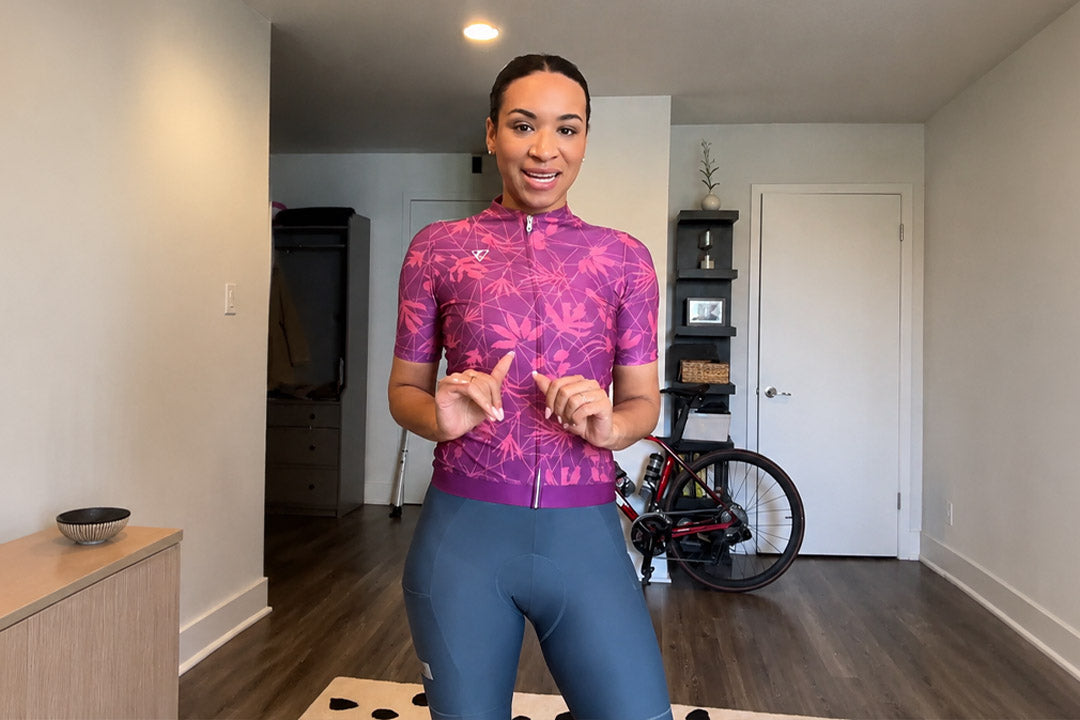
A good cycling jersey lets you breathe comfortably, reach the handlebars without restriction, and stay covered as you move. It can hug you or leave some room through the torso.
Road jerseys are often shaped for an arms-forward position, sometimes with a shorter-looking front and extra coverage at the back. That’s why a jersey that looks odd while you’re standing can sit naturally once you lean forward.
Choose the cut for the kind of riding you do
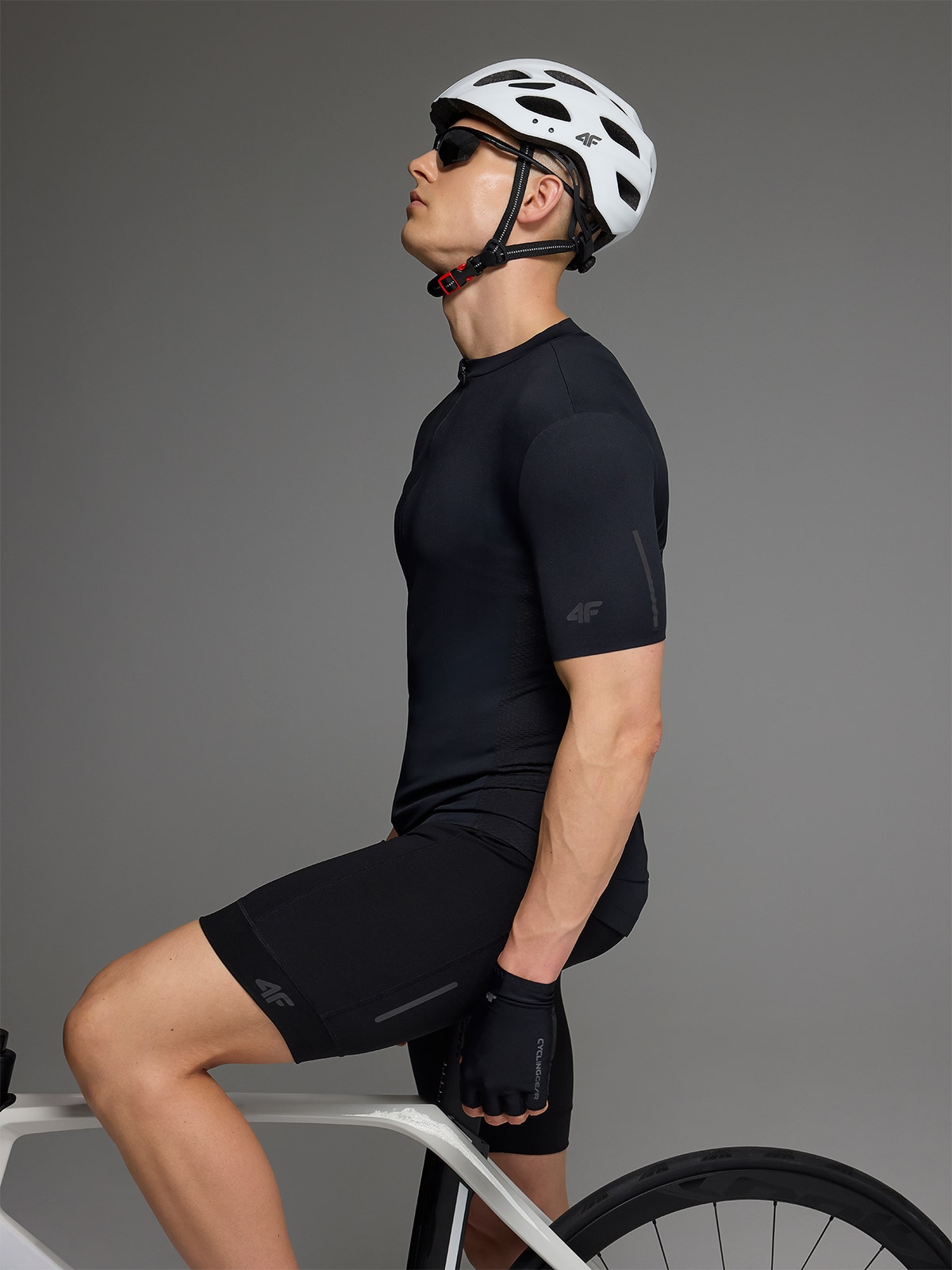
Decide how you ride before you pick a size. Like a fitted road cut? You’ll want less fabric moving around your torso and flapping in the wind. Easy gravel rides and commuting call for room to move, space for layers, or a casual look.
Brands call their cuts race, aero, performance, athletic, club, classic, semi-fitted or relaxed, and each brand uses these names its own way. For example, Terry’s fit guide distinguishes athletic, semi-fitted, and relaxed silhouettes.
| Fit family | Who it suits | What to expect |
|---|---|---|
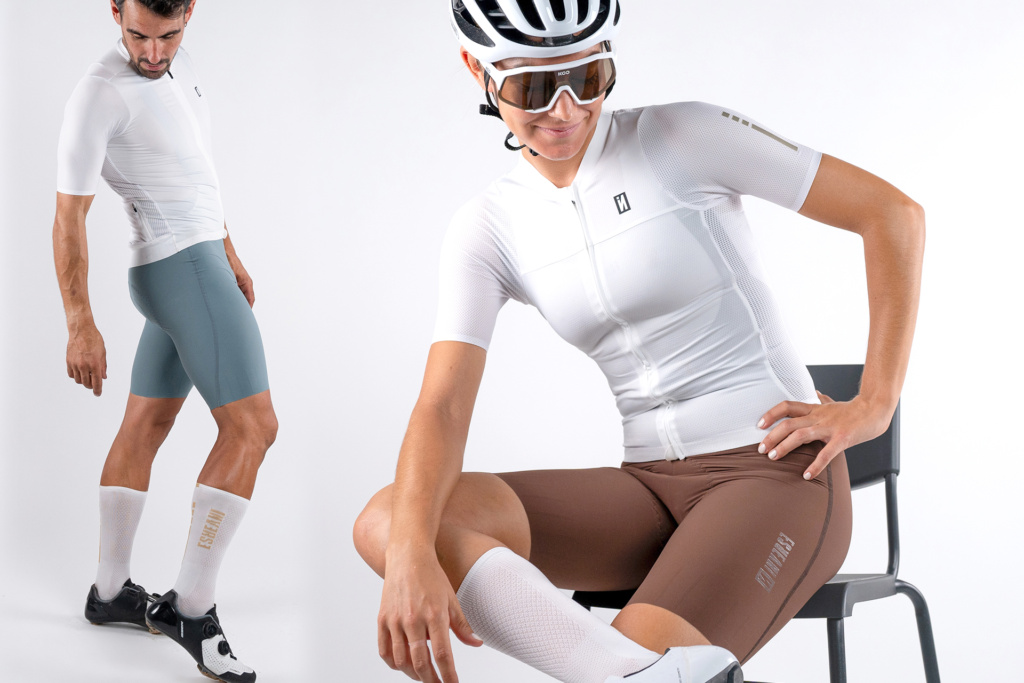
| Race or aero | Road rider who likes a very close fit | Fabric follows the body closely, with little loose material |
| Performance or athletic | Road rider who wants a fitted jersey | Shaped to the body, varies by brand |
| Club, classic, or semi-fitted | Group or leisure rider who wants some room | More room through the torso |
| Relaxed cycling fit | Leisure, gravel, or trail rider who prefers roomier clothing | Less body-hugging shape |
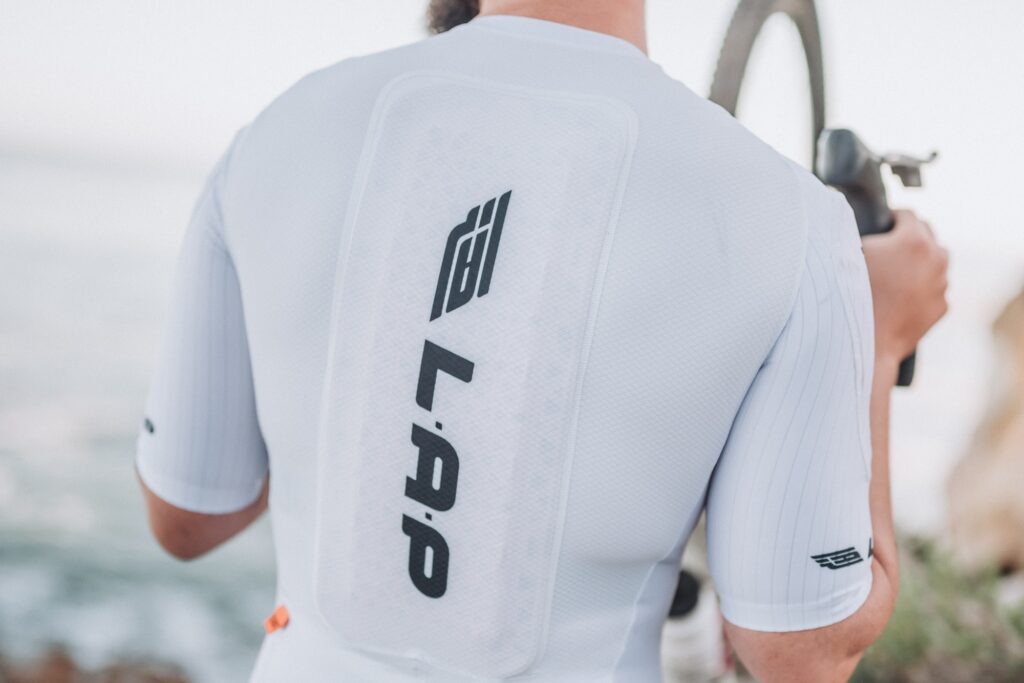
Look at the product photos as well as the description. Note the body length, how closely the waist is shaped, and where the hem is cut to sit on your hips.
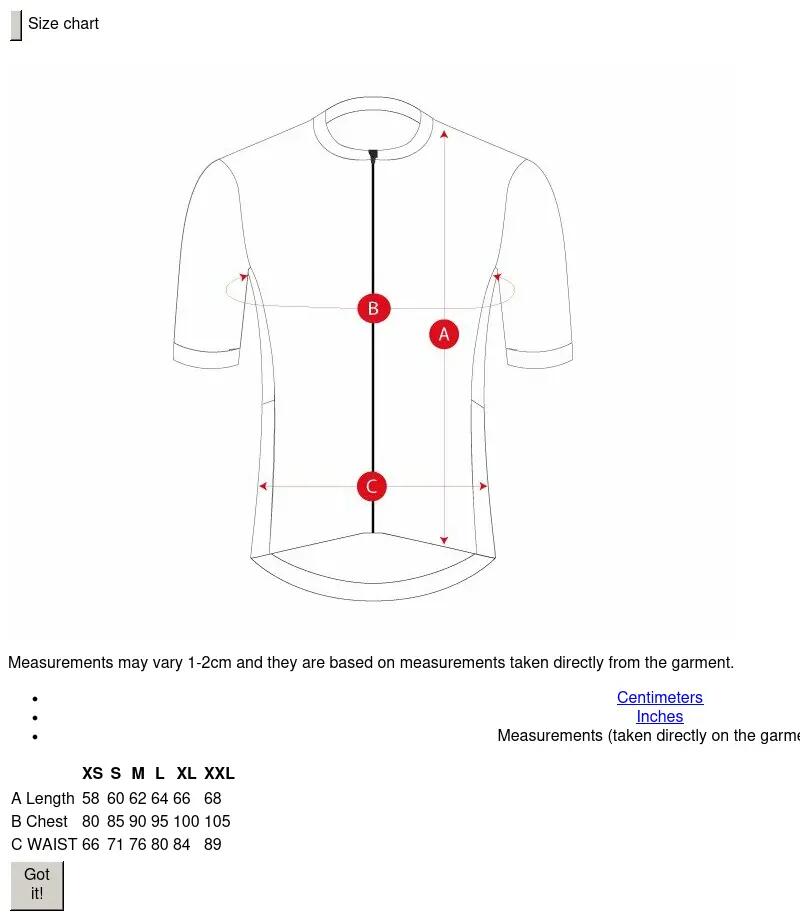
Measure bust, waist, and hips using the right size chart
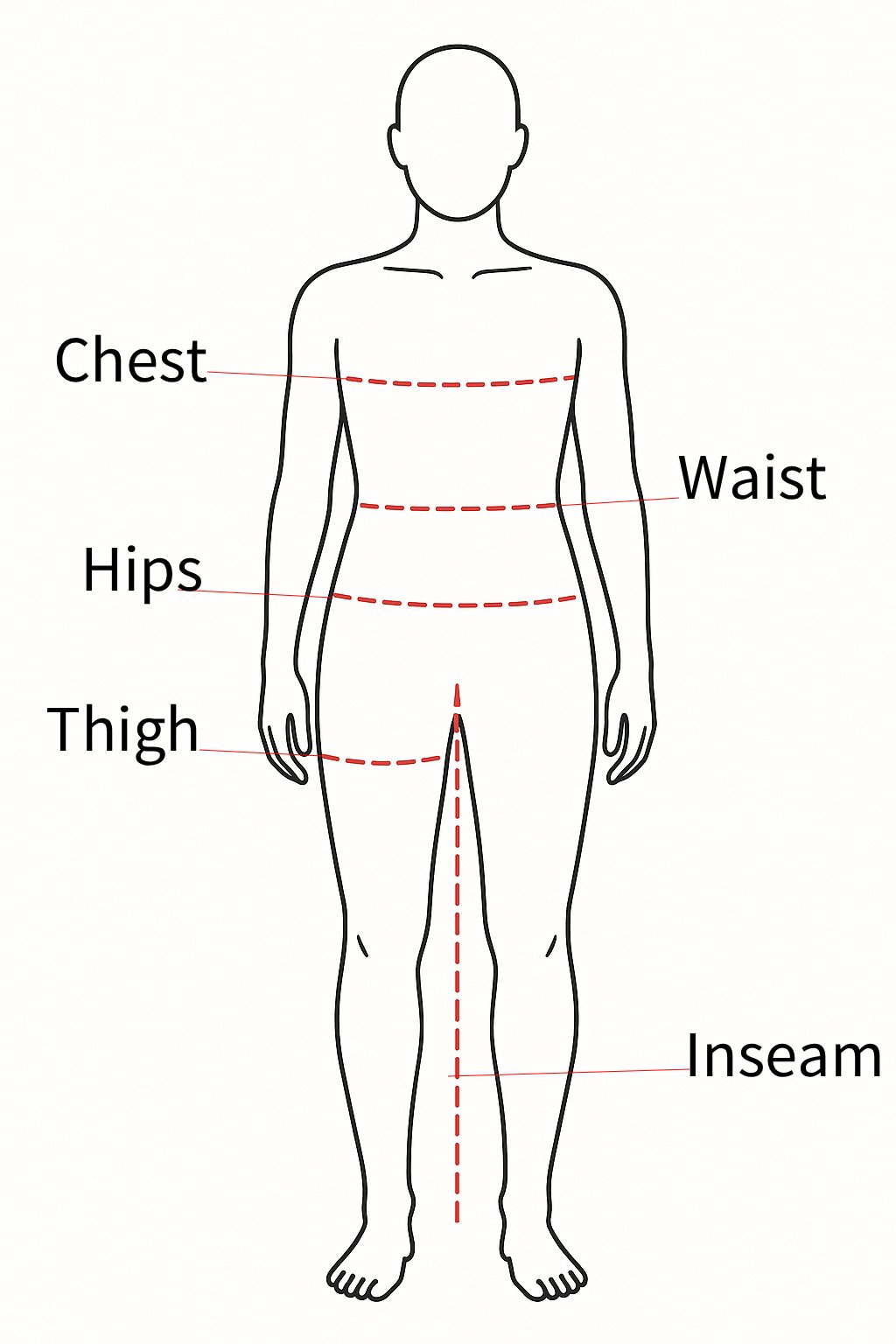
Use that brand’s size chart for that exact jersey. Your T-shirt size is a rough start at best. Cycling cuts vary too much for the letter to carry over.
Measure your bust, waist and hips in inches, where the brand tells you to. Some charts list two measurements, others add hips. Check every one the chart gives.
First, find out what the numbers describe. A body chart describes the person the jersey is made for. A garment measurement describes the jersey itself. Don’t mix them up. A body range won’t tell you how wide the jersey is or how much it stretches.
In the published women’s body charts, PEARL iZUMi lists a medium bust of 35 to 37.5 inches and waist of 28.5 to 30.5 inches. Endura lists a medium chest of 36 to 37 inches and waist of 31 to 32 inches. Their chest ranges overlap. Their waist ranges don’t.
These figures come from the PEARL iZUMi size guide and Endura women’s jersey size guide.
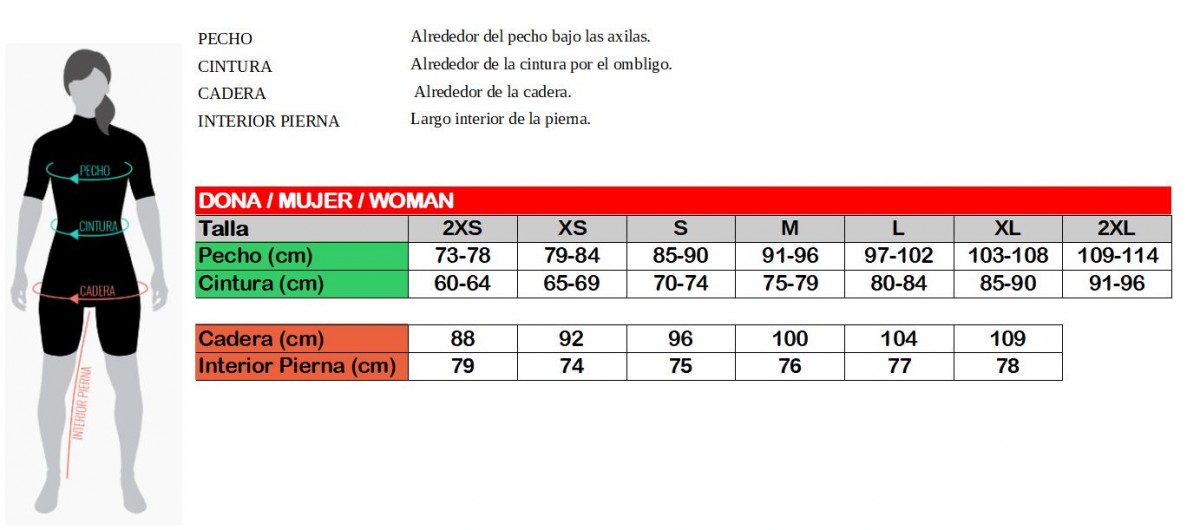
So check your waist too. A 30-inch waist is a PEARL iZUMi medium but falls outside Endura’s medium, which starts at 31.
What should you do when your measurements point to conflicting sizes? Start with that brand’s own rule. Endura, for example, says to go by your chest when chest and waist point to different sizes.
Then look at the cut and length. Sizing up can stop the pull across your bust and leave loose fabric at the shoulders. Hips above the range? Look for a cut with more room through the lower torso.
One rider with a short torso and fuller hips found jerseys kept riding up over her hips. A bigger size loosened the shoulders, and the hem still rode up.
Buying online? Keep the size chart, the fit description and the return terms open while you shop. If your numbers don’t fit one jersey’s shape, pick another cut before you order.
Check fit in your riding position
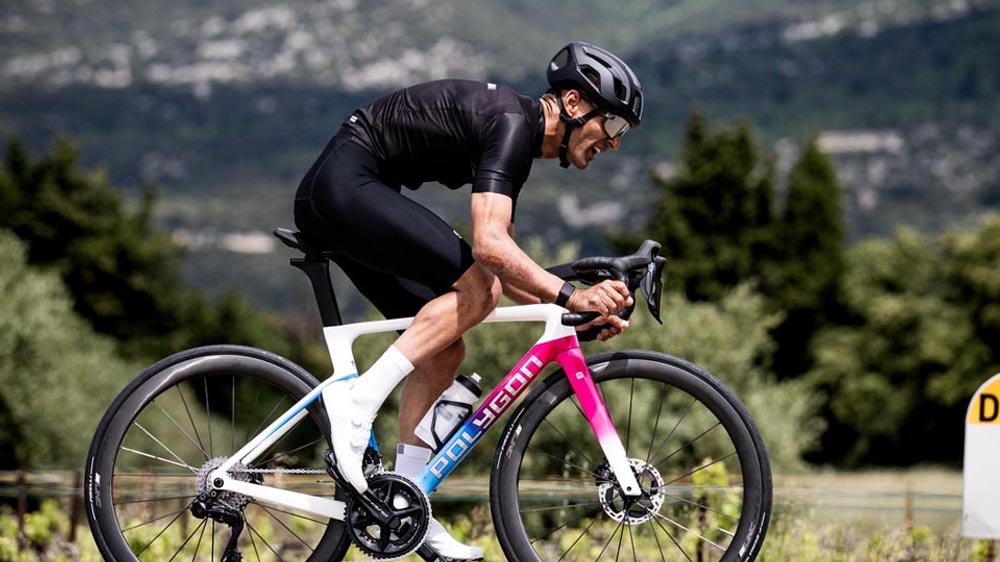
Lean forward and reach toward the handlebars. Shoulder, zipper and hem problems show up here and vanish when you stand up straight.
If your bike is handy, hold the bars while it stands still and secure. If not, reach forward like you do on the bike.
- Close the zipper. Zip up and lean forward. The front should stay snug without pulling across your bust.
- Move your shoulders. Reach forward and move your elbows as you would to steer or change hand position. Nothing should pull across your upper back. A jersey with room at the bust can still bind at the upper arms, so check the sleeves too.
- Watch the front hem. It shouldn’t bunch or climb as you lean.
- Check the back. When you reach forward, the back hem should cover you and lie flat, with no rolling or pull.
- Repeat the movement. Stand up, then lean forward again. If you keep tugging the jersey back into place, it fails.
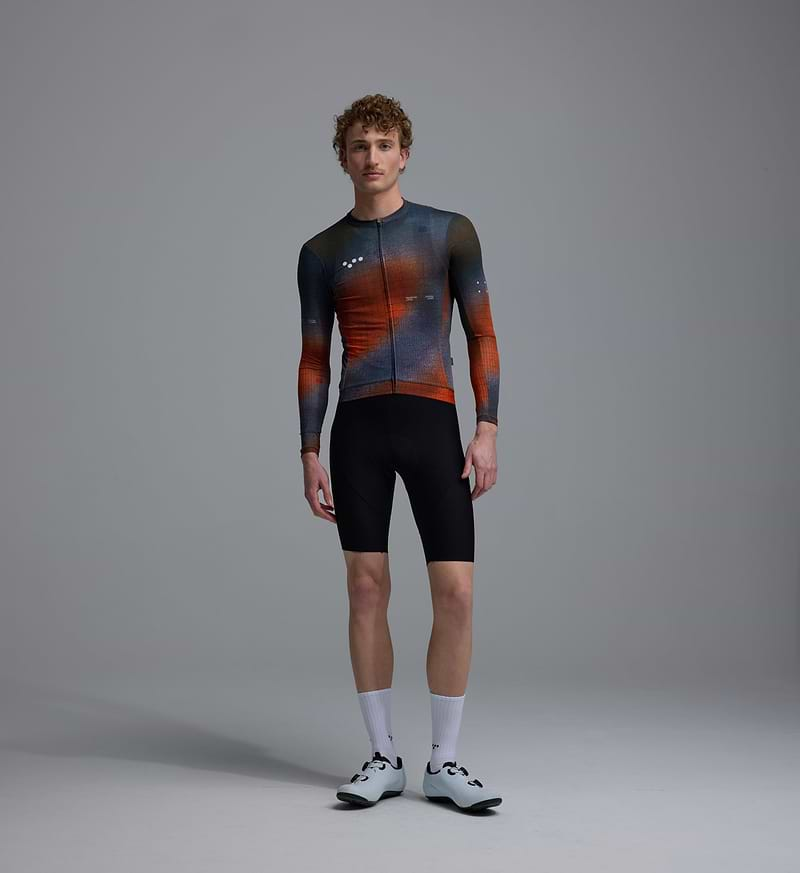
The mirror test catches the obvious problems. If the return terms allow it, take the jersey on a short ride.
Test the rear pockets with the gear you carry
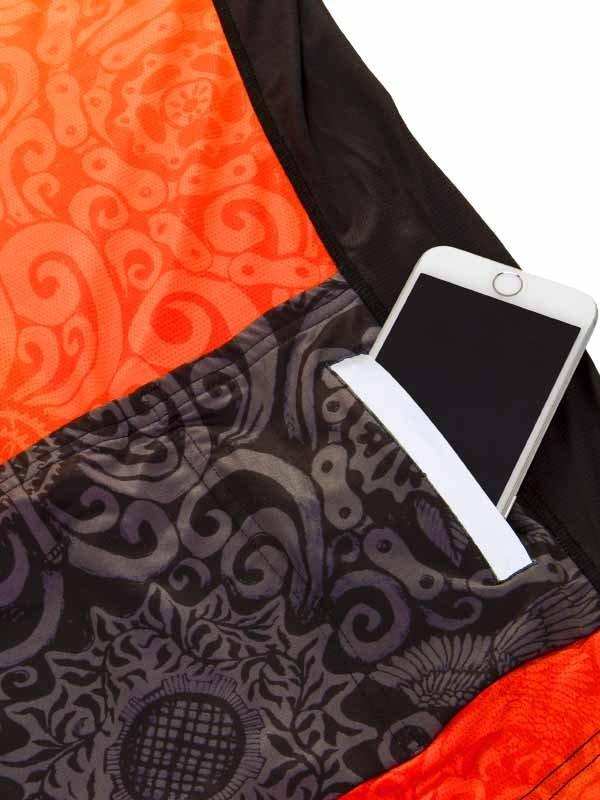
Test the pockets full. Empty, they tell you nothing about how your phone and snacks will pull on the back.
Put in what you usually take on a ride: phone, keys, snacks. Then lean toward the bars.
The back shouldn’t drop, the hem shouldn’t pull, and nothing should dig into you. Reach back for your phone while you’re still leaning. It should come out without the jersey twisting.
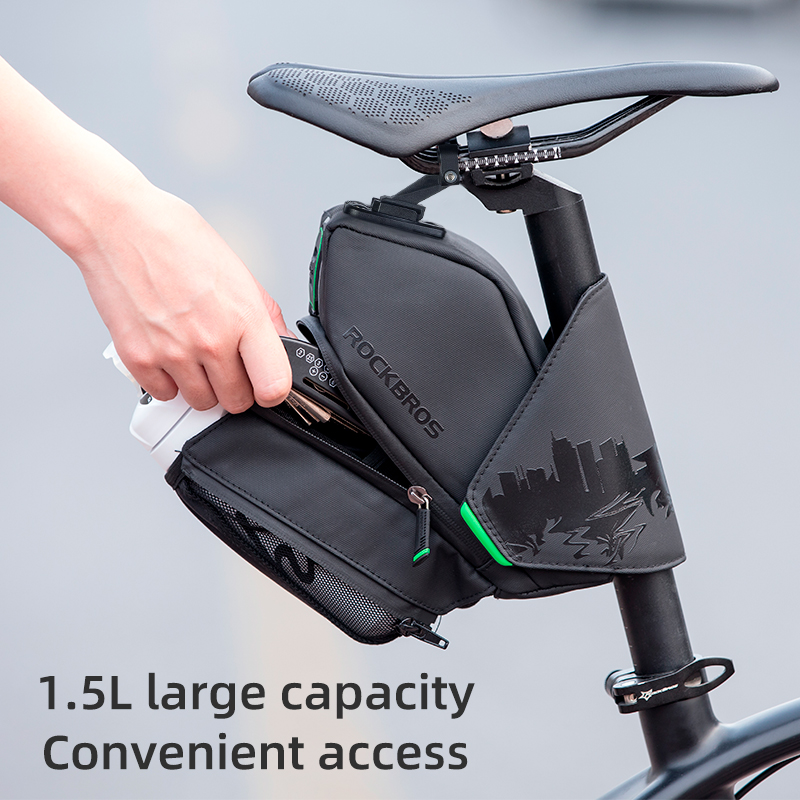
If full pockets drag the back down, try a jersey with a different pocket layout. Or move the phone to cargo bib pockets or a bike bag.
Choose fabric and coverage for the conditions
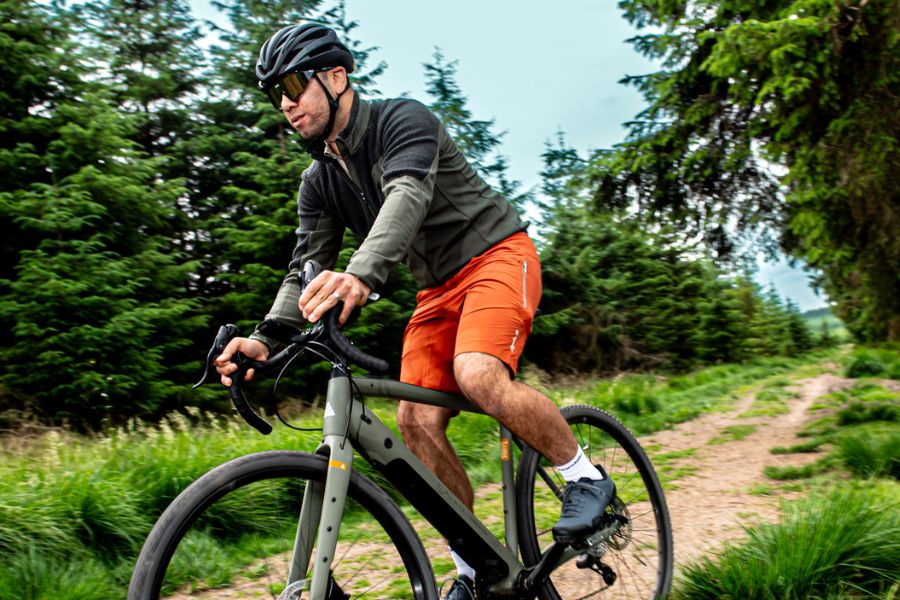
Buy for the weather you ride in most. You’ll find polyester blends, elastane or spandex, mesh panels and merino blends in cycling jerseys. Look past the fabric names to the whole jersey: its weight, sleeves, mesh panels, zipper, and how it works with the rest of your kit.
- Warm rides: Check the vents, fabric weight, sleeve length and zipper. A light, vented short-sleeve jersey does this job.
- Cooler rides: Longer sleeves or fuller coverage that works with the layers you already own.
- Mixed-purpose riding: Match the weather, and pick a cut you’d wear off the bike too.
Wear a base layer? Try both on together and do the lean-forward test again.
The REI bike-clothing guide covers vents, jerseys shaped for riding, and layers for different weather.
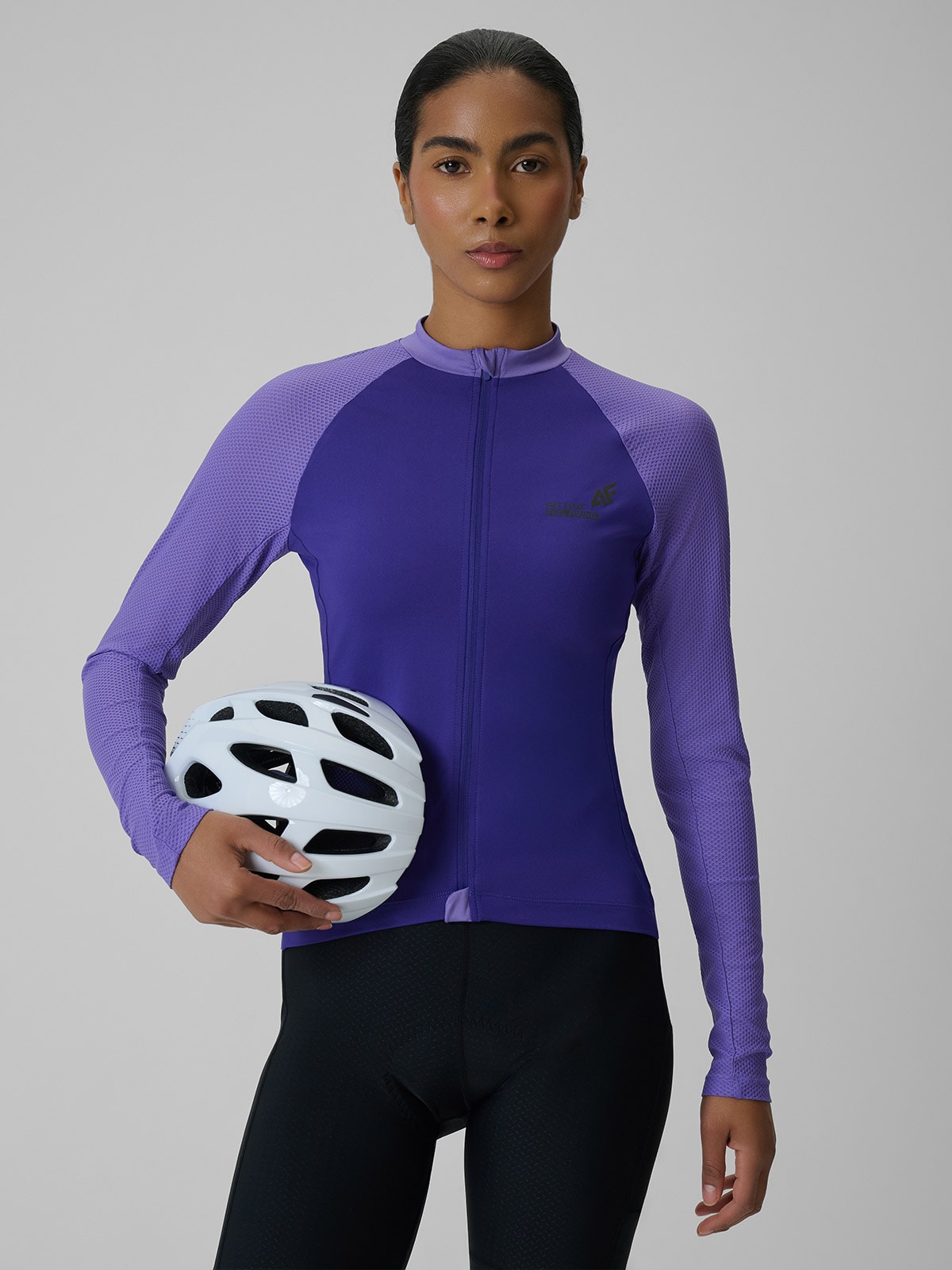
Riding in strong sun? Check the sleeve length and look for a published UPF rating on that exact jersey.
Fix riding-up hems, pulling zippers, and loose shoulders
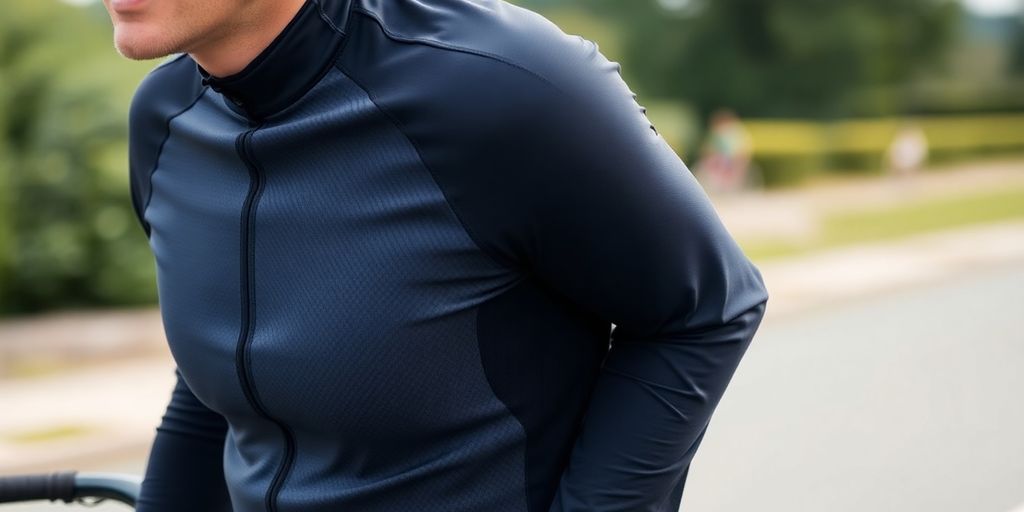
Find where it goes wrong before you change the size.
| What you notice | Fix |
|---|---|
| Hem rides up over the hips | Try a different length, or a cut with more room at the hips |
| Zipper pulls across the bust | Go up a size or try a roomier chest cut |
| Shoulders become baggy after upsizing | Pick a cut with more room at the hips and less at the shoulders |
| Sleeves restrict your reach | Try another cut or size, and test it leaning forward |
Run the same lean-forward test on every jersey you try.
You don’t have to wear a tight cycling jersey
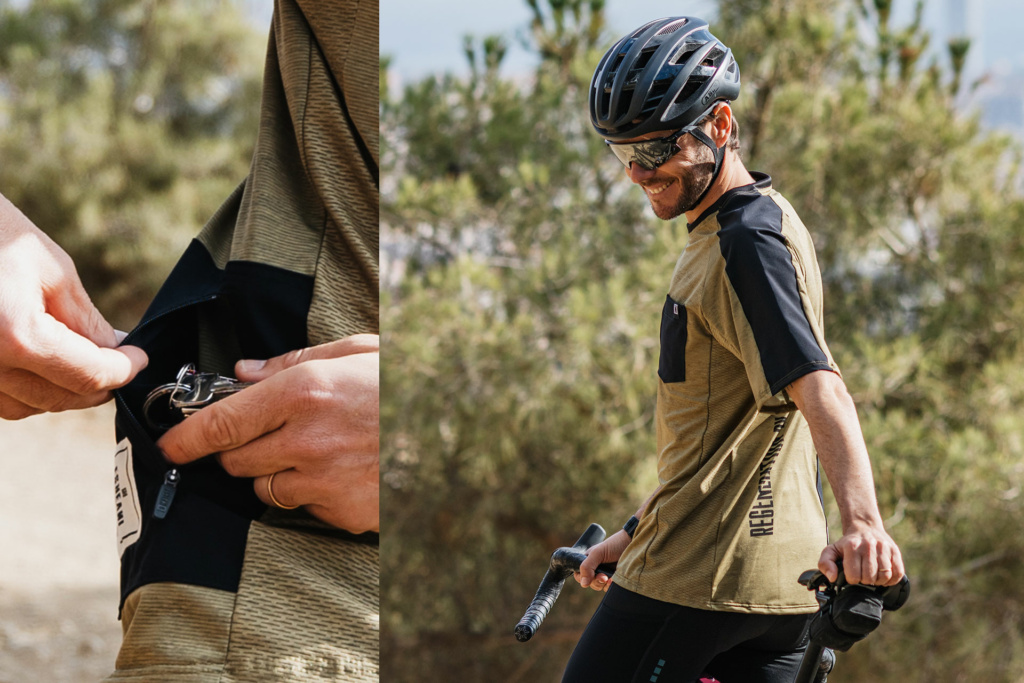
If close-fitting tops bother you, skip them. A relaxed cycling top, an MTB-style shirt or a technical T-shirt is the better pick.
You’ll still need somewhere for your phone and keys. A saddle bag or a frame bag does the job.
The before-you-buy or keep-it checklist
Run through this before you order, and again before you decide to keep a jersey.
| Check | Ready to keep | Try another |
|---|---|---|
| Cut | The cut suits how you ride | It restricts your reach or feels too loose |
| Size | Your bust, waist and hips all fall in that brand’s range for the size | You picked your usual letter, or your measurements point to two sizes |
| Riding position | Leaning forward, the zipper lies flat, the sleeves let you reach and the hem stays put | It pulls, binds, bunches or rides up |
| Pockets | Your phone and snacks come out easily and the back doesn’t sag | Full pockets drag the back down or are hard to reach |
| Weather and returns | Fabric and sleeves suit your weather, and you know the return terms | Wrong fabric or sleeves for your weather, or return terms you haven’t checked |
Whichever jersey you’re trying, do the lean-forward test with the pockets loaded and a base layer on if you wear one, and keep it only if it clears every row above. Check the return terms before you order, so a failed test costs you nothing.