
Pick the next pair by the spot that bothers you: a pad edge that pinches, a hem or waistband that digs in or rides up, or fabric that stays damp after you sweat each point to a different part of the shorts. If you react to a material, ask the maker what the pad, grippers and elastic contain. A rash, sores or swelling that stays after you change shorts needs a doctor.
A pair can feel smooth in your hands and become miserable on the bike. The pad catches at its edge, the leg hem creeps upward, or the chamois stays damp against your skin. Those details tell you where to look before you buy another pair.
Why sensitive skin doesn’t point to one kind of cycling short
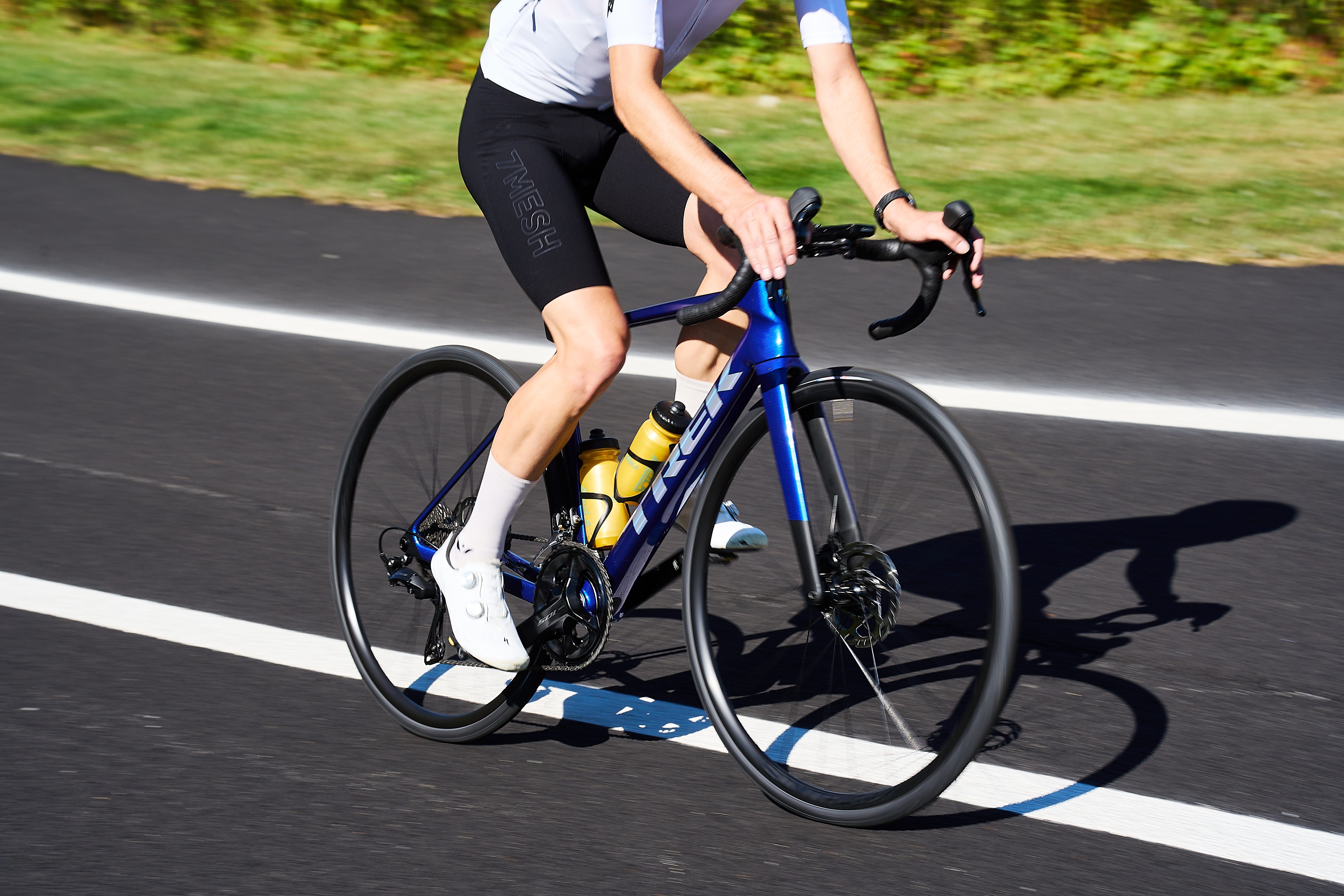
Skin trouble from cycling shorts comes from pressure, rubbing, sweat, the shorts moving as you ride, or a particular material. The chamois edge, inner seams, leg hems, and waistband each touch a different area, so where it hurts tells you what to inspect.
Match the problem to the part of the shorts worth checking
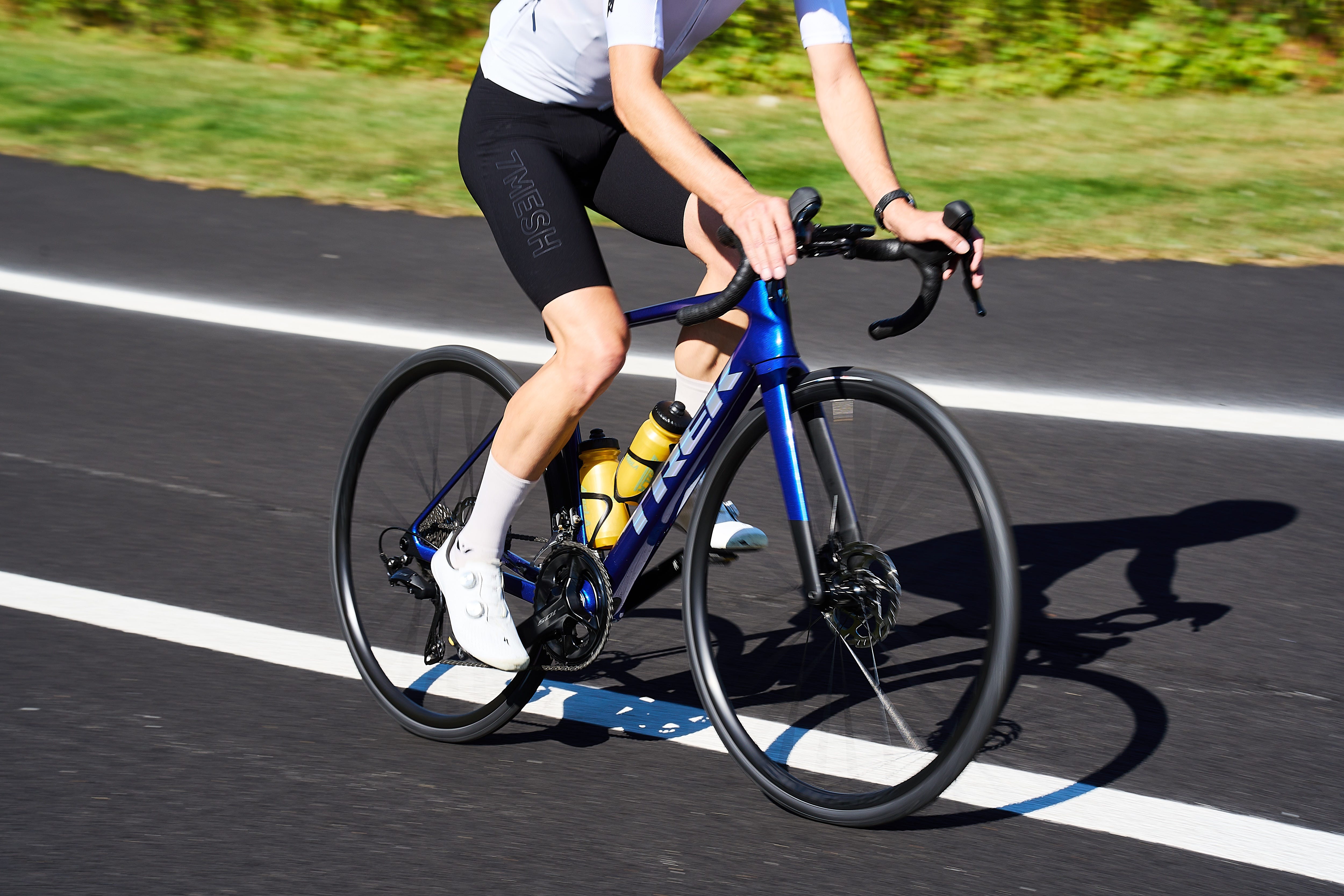
A pad that pinches before you’ve even got on the bike needs a different check than a hem that shifts as you pedal or a chamois that turns uncomfortable once you sweat.
| What you notice | Check first | What to seek in another pair | Next step if it persists |
|---|---|---|---|
| Pad edge pinches when you put the shorts on | Chamois shape, seams, placement, compression | A pad that lies smooth in a riding position | Recheck fit and saddle pressure |
| Rubbing at the hem or waistband | Gripper pressure, rolling, ride-up, inside seams | Leg openings and a waist that stay put without digging in | Check for a material you react to or another rub |
| A damp chamois becomes uncomfortable | How the fabric holds moisture, pad movement | A construction that suits the conditions you ride in | Look for other causes |
| Known reaction to a material or ingredient | What the gripper, elastic, pad, and fabric are made of | Clear information that covers the material you react to | Skip the pair if the maker can’t tell you |
| Persistent rash, sores, swelling, or substantial pain | Whether symptoms continue after you change shorts | Don’t count on another purchase to fix it | See a doctor |
Several causes can overlap, especially when damp fabric and a moving seam meet in the same place.
One rider found a damp chamois uncomfortable after roughly half an hour and considered merino or unpadded shorts instead. Another cyclist had a pad that pinched the moment the shorts went on, before any riding.
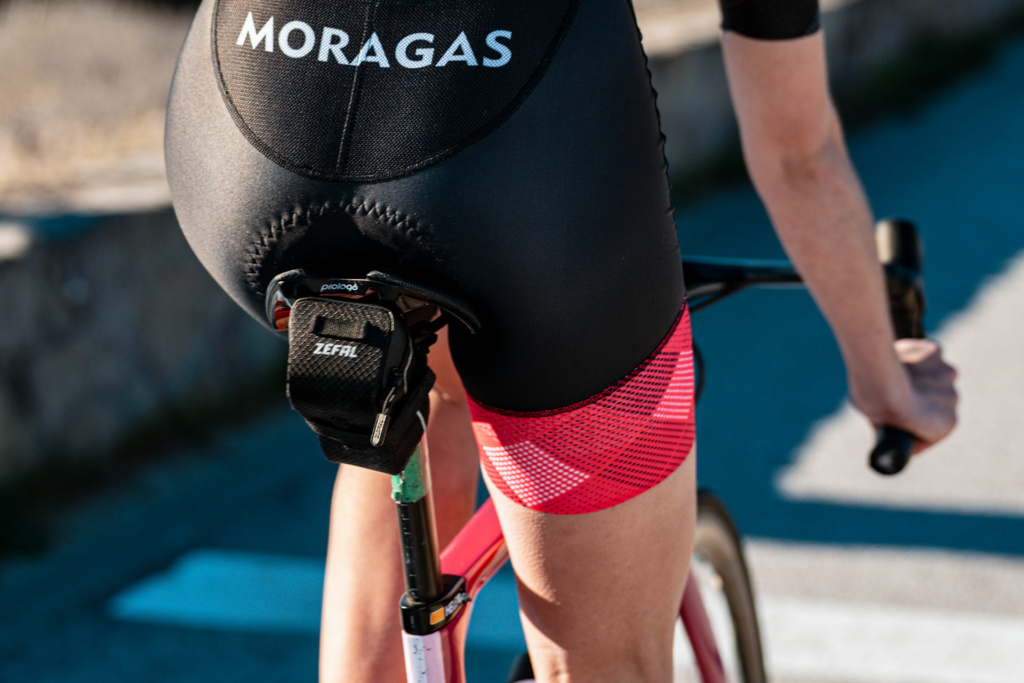
A third rider’s shorts had been comfortable until they started bunching and rubbing near a pad seam. If that happens to you, check the leg openings as well as the pad.
Check the chamois: shape, padding, and seam placement
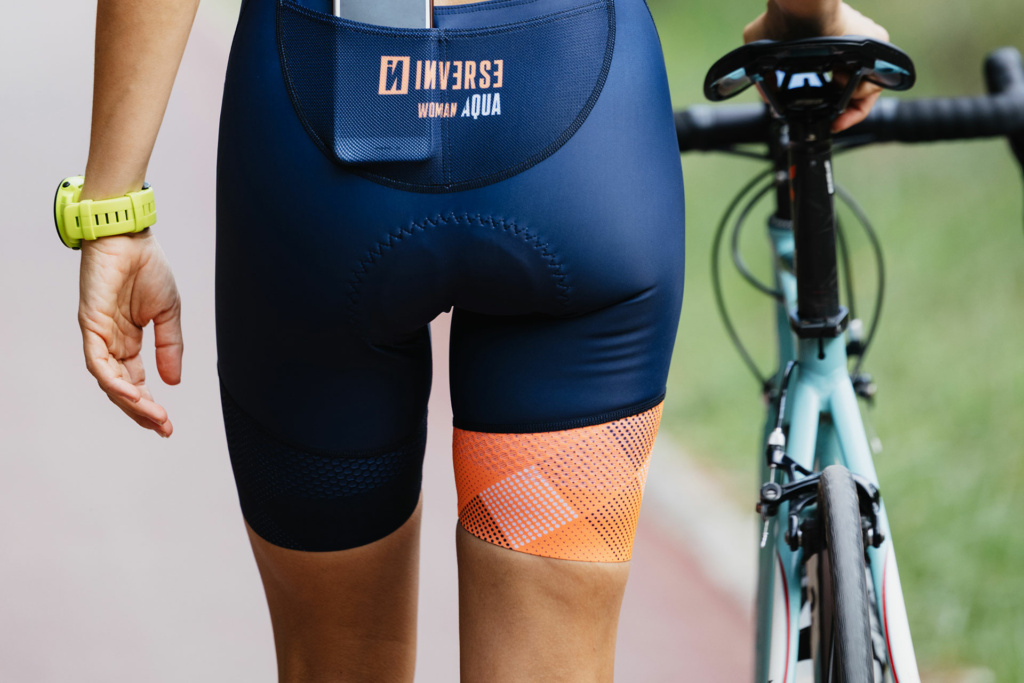
The chamois is the pad inside cycling shorts. Its shape, position, edges, and how well it stays put matter as much as its thickness. A pad that feels plush in your hand can still sit in the wrong place when you pedal.
Turn the shorts inside out. Find the thicker padded areas, their edges, and any stitching where the pad joins the fabric around it. Feel for a raised edge near the spot that caused trouble in your old shorts.
Then put them on and get into your normal riding posture. Does the pad lie flat, or does it fold, bunch, or catch as you move? It should stay where it supports you without gathering against a sensitive spot.
More padding changes the fit
A thicker or more structured pad puts more material between you and the saddle. Some riders find that supportive; others find the extra bulk gets in the way at the edges. A thinner chamois cuts the bulk and changes how the cushioning feels.
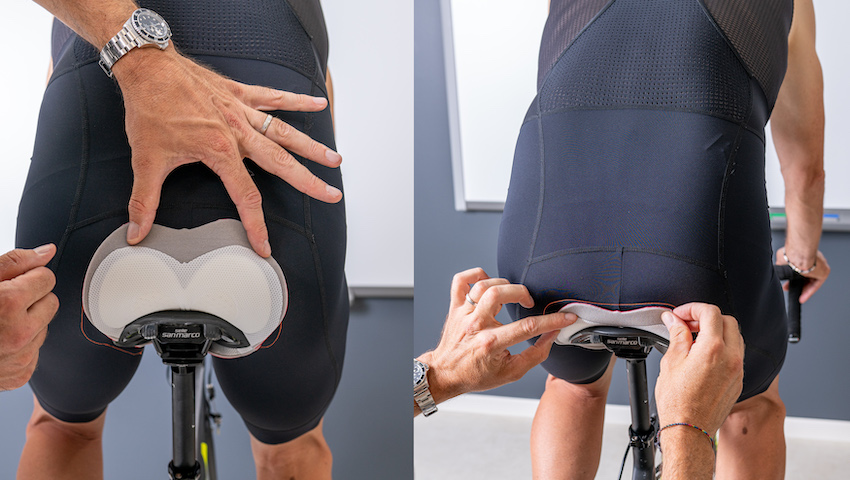
If a pad pinches before you leave the house, a pair sold as extra cushioned won’t tell you whether the pad sits better. Compare shape and edge placement first.
Inspect seams, leg grippers, and waistband pressure
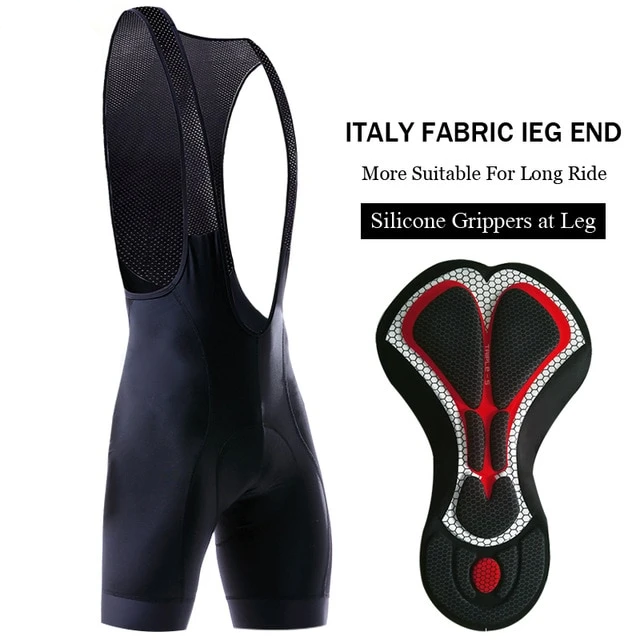
One small rub can ruin an otherwise comfortable pair. Feel the inner-thigh seams, the stitching around the pad, the inside of the leg hems, and the waistband where it sits on your body.
Flat seams leave less of a raised edge to rub, but where they sit matters too. Run your fingertips along the inside of the shorts and see where each seam lands when you bend into a riding position. If one lands on the spot that hurt in your old pair, look for a pair with the seam somewhere else.
Leg grippers hold the shorts in place. Enough grip stops the hem from creeping up, but an opening that presses too hard or rolls as you pedal creates a new rub. Check how the gripper is made and how the leg fabric behaves when you move.
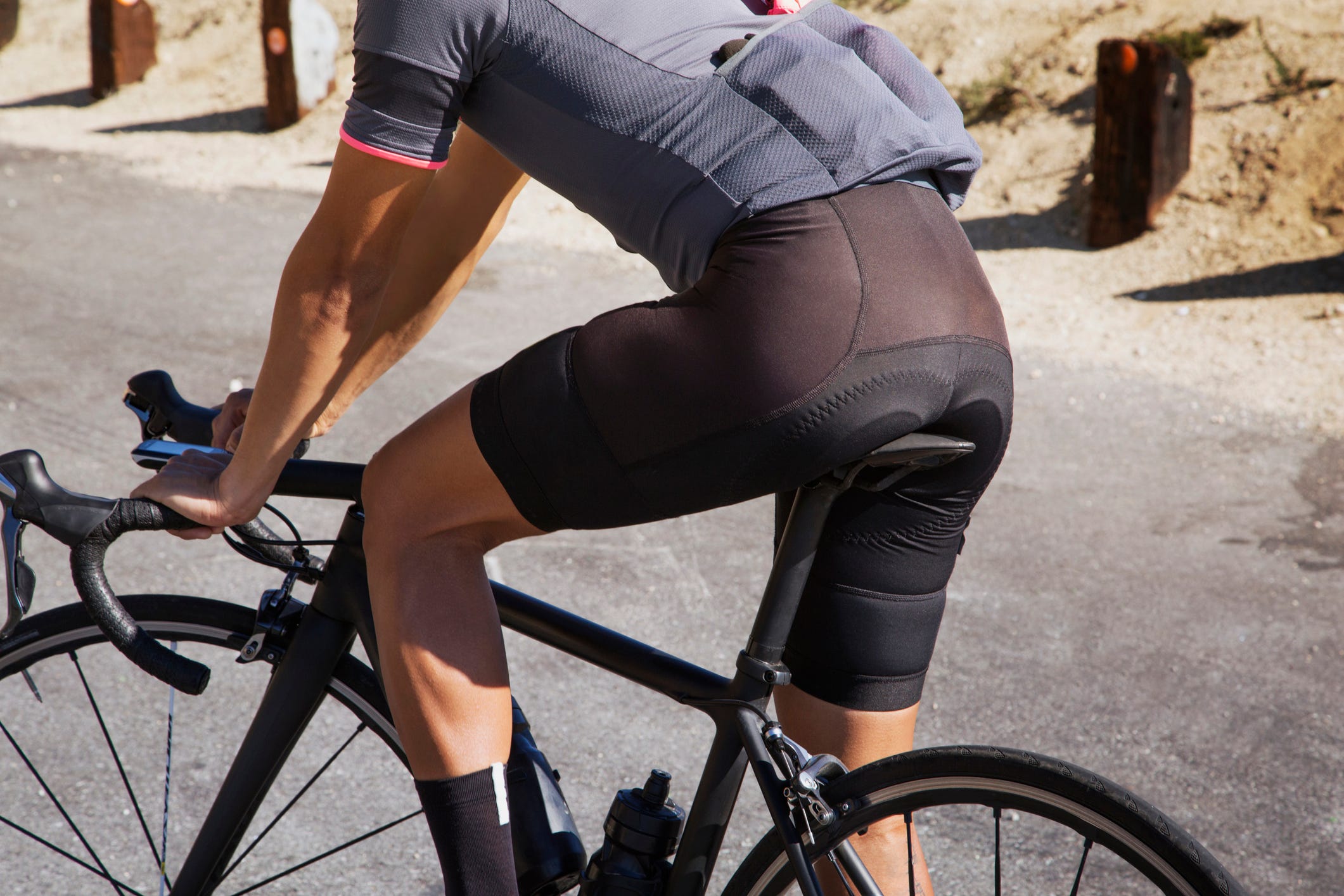
Elastic, elastane, silicone grippers, and latex or rubber parts are different materials with different jobs. Elastane in the main fabric doesn’t mean the shorts contain latex.
In a Cyclingnews review of the Castelli Entrata 2 bib shorts, the tester saw imprints left by internal seams that weren’t flatlock, but reported no irritation from them. He found the leg grippers comfortable and said they caused no irritation.
Silicone-free shorts suit riders who react to silicone, but the seams, pad, and leg openings still have to fit.
Choose fabric and components with your riding conditions in mind

Think about how the material feels against your skin and what happens to it once you’ve pedaled long enough to sweat. The American Academy of Dermatology discusses soft cotton clothing in its guidance for people with eczema. Cycling adds movement and moisture, and sweat that stays in the fabric adds to chafing.
| Material or component | Potential benefit | Trade-off to consider | What to verify |
|---|---|---|---|
| Cotton-rich fabric | A soft feel some riders prefer | Holds sweat during active riding | Fiber content and how it feels when damp |
| Moisture-managing synthetic blend | Made to move or manage sweat | Fit and your own tolerance still matter | Fiber mix, seams, and finishes |
| Silicone-type leg gripper | Keeps the hem in place | Can press too hard or contain a material you react to | What the gripper is made of and how it moves |
| Dyes, finishes, or rubber-related components | Part of how the shorts are made | Some of these substances can trigger textile contact reactions | Whether the maker lists the one you react to |
The fiber names on the label cover the main fabric. If your trigger is in the pad, grippers, finish, or elastic, the label won’t tell you.
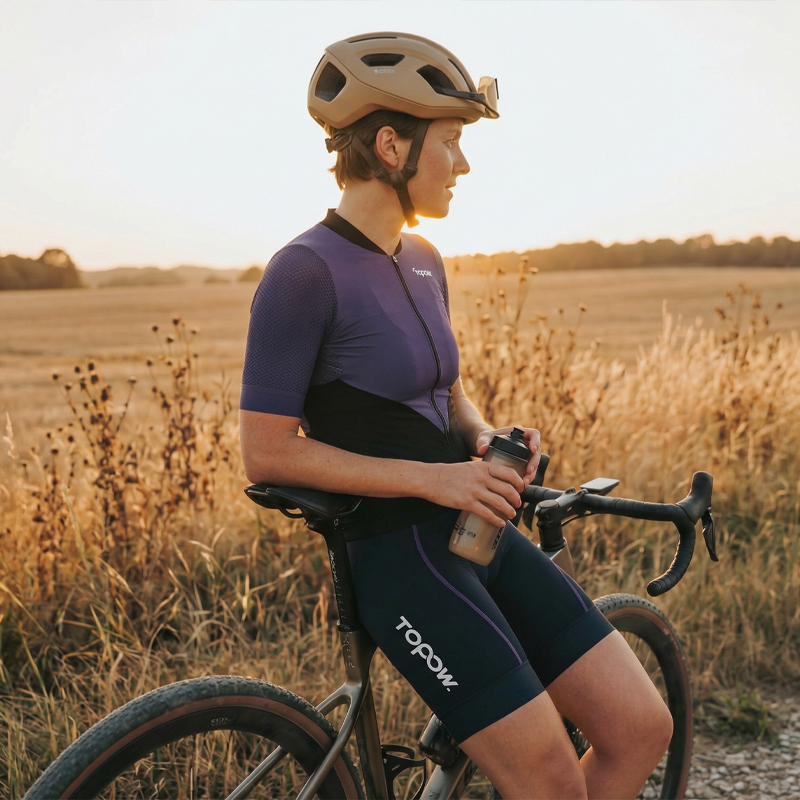
DermNet lists dyes, finishing chemicals, and certain rubber-related components among the possible causes of textile contact dermatitis.
In an online discussion, a rider with a latex allergy also worried about sweating in the alternatives she was considering.
Compare bib shorts, waist shorts, liners, and unpadded options
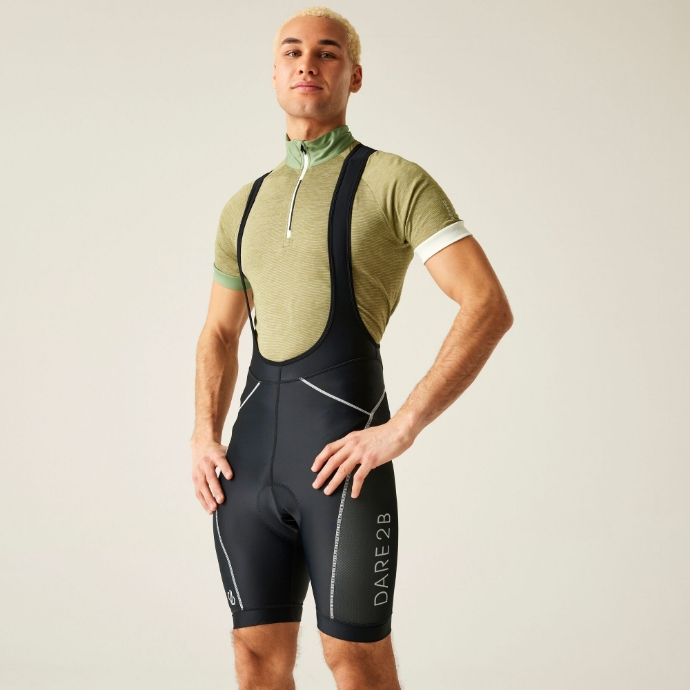
Each style puts fabric and pressure on different parts of your body. If the same waistband, pad, or layer keeps causing trouble, try a different style.
| Format | Contact points to inspect | Trade-off | Fit check |
|---|---|---|---|
| Bib shorts | Shoulder straps, torso, leg hems, chamois | No standard waistband; the straps sit on your shoulders and torso instead | Check the straps and pad while leaning forward |
| Waist shorts | Waistband, chamois, leg openings | Simple, but the waistband can press or roll | Check that the waist holds without digging in |
| Separate padded liner | Liner pad and where it meets the outer shorts | Flexible layering, but the layers can shift | Check how both layers move together |
| Reduced or no padding | Fabric directly against the saddle | Less pad bulk; your cushioning needs change | Think about your saddle and the rides you plan |
If the waistband is the problem, bib shorts drop it, but you still have to check the pad and leg openings.
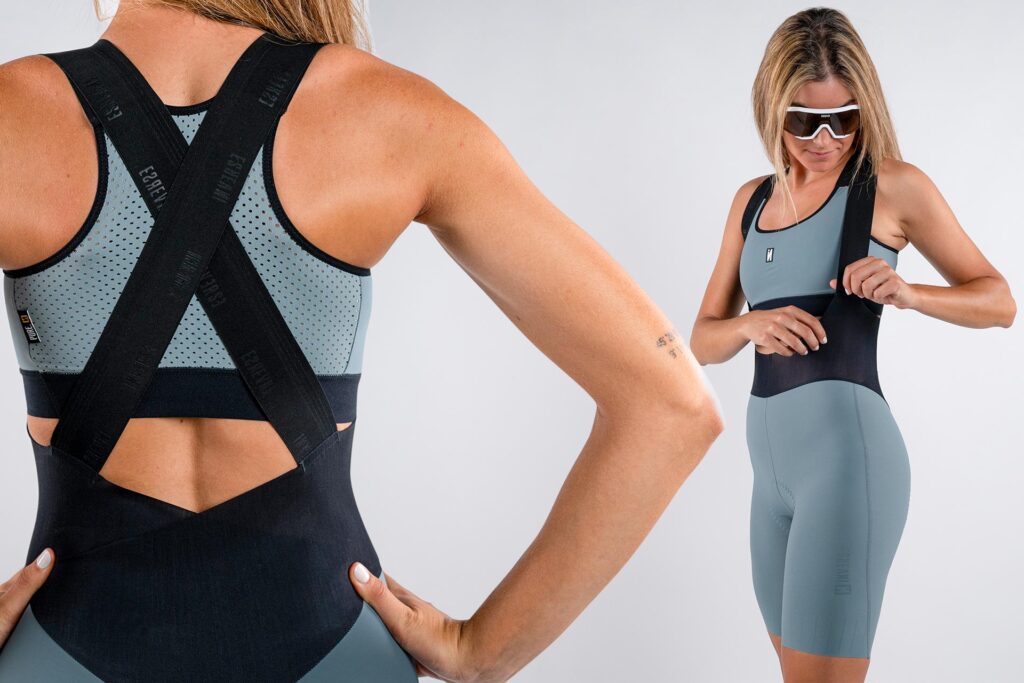
A separate padded liner works with loose outer shorts as long as the two layers move together comfortably. Watch whether the outer fabric pulls or twists the liner as you pedal.
Check detergent, washing, and chamois products
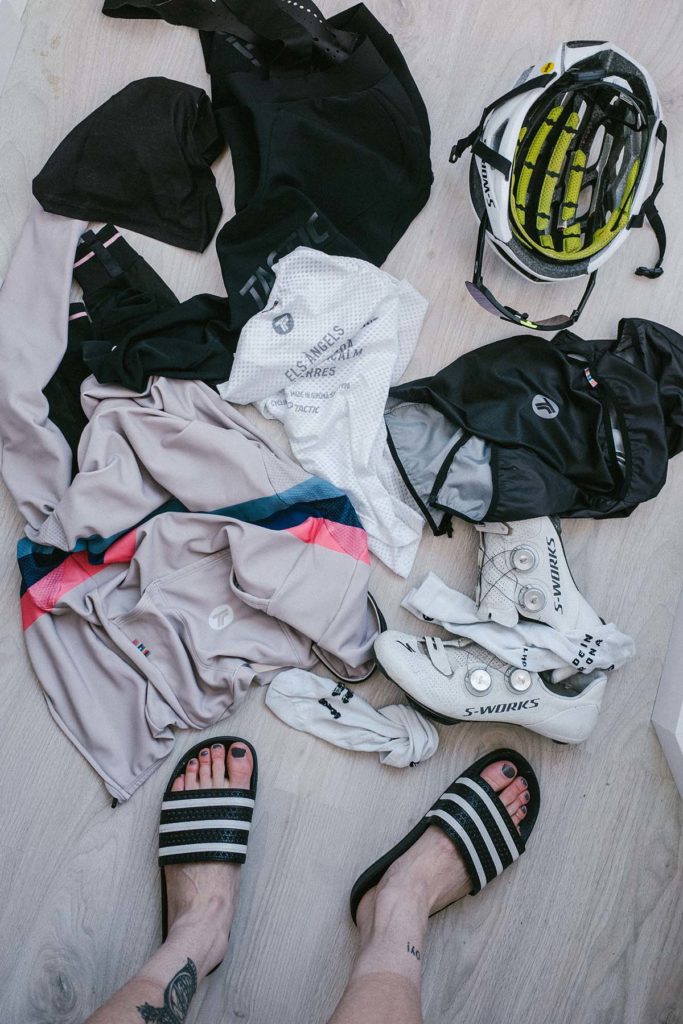
Detergent and chamois cream bring their own exposures, separate from the shorts. If discomfort starts or changes after you switch detergent or cream, note it.
Unscented and fragrance-free mean different things. Unscented products can contain fragrance that masks other smells. If fragrance bothers your skin, read the ingredient list and product information.
Riders talking about chamois creams have raised concerns about fragrance, essential oils, and cooling ingredients. Check the formula against what you know irritates you, and don’t test an unfamiliar product on irritated or sensitive intimate skin.

Wash new shorts according to the care label before you wear them. After that, follow the care instructions and use a detergent you already tolerate.
Check shorts before buying and during the first ride
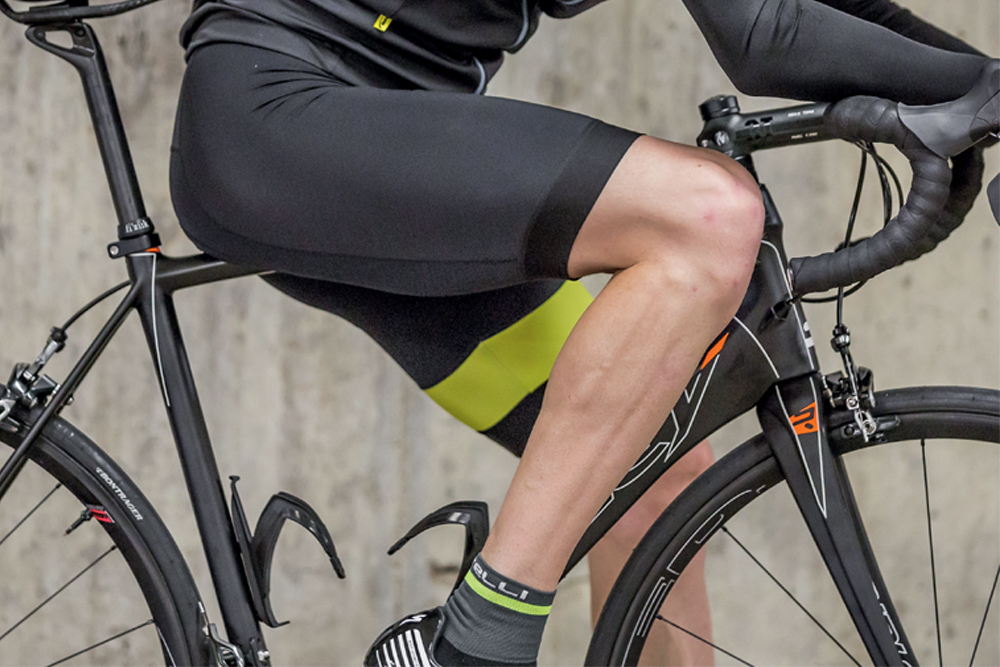
Inspect the shorts first, then try them while moving.
Wear standard padded cycling shorts with the chamois against bare skin; ordinary underwear adds fabric and seams that rub. A padded liner under loose outer shorts is a different setup, made to be layered.
Before buying or trying on
- Use the model’s size chart. Compare your measurements with the maker’s guidance for that exact model.
- Check the materials. If you react to a material, ask the manufacturer whether the pad, grippers, elastic, waistband, or any finish contains it.
- Check care and return terms. Read the care label and find out what the retailer allows before you take the shorts on an outdoor ride.
During a fitting
Stand, then get into a supported cycling posture. The hems and waistband should hold without digging in. If the shorts pinch while you stand or sit, don’t buy them.
During a manageable first ride
- Watch the old trouble spot. Notice whether the old pain comes back, and when.
- Notice movement. Look for legs riding up, rolled hems, shifting layers, or a bunching chamois.
- Track moisture. If wet fabric was part of the original problem, note when the damp feeling starts.
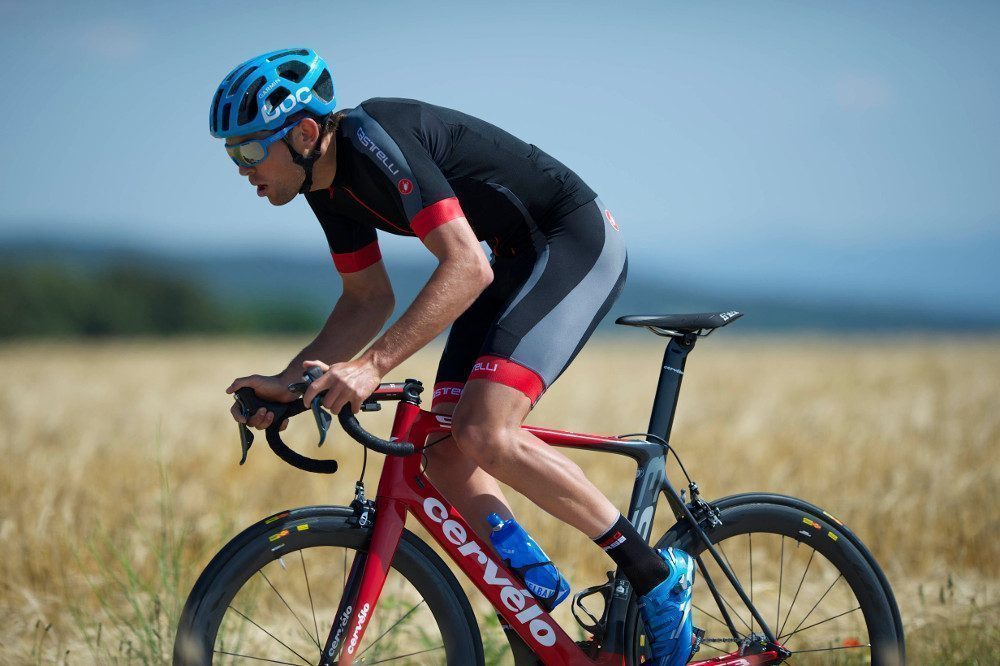
A Roadman Cycling buying guide describes a ride of about 30 minutes to check gripper and fit comfort. It won’t tell you how the shorts feel on a long ride.
When changing shorts isn’t enough
If the same spot hurts whatever pad or seam you try, the saddle or your position is the next thing to check. A bike fit covers both.
Contact dermatitis doesn’t always show up right away. If you suspect a contact allergy that won’t go away, a doctor can assess it and decide whether patch testing makes sense.

See a doctor for a rash that persists or gets worse, open sores, swelling, or substantial vulvar pain, and don’t keep testing shorts that cause them.