Wash padded cycling shorts after every wear, inside out on a gentle cycle with mild detergent, and keep the bib straps from snagging. Hand wash if you have only one pair or no full load. Several brands specify a maximum of 30°C (86°F) and dryer rules vary, so read the label before you use heat.
How often should you wash cycling shorts?
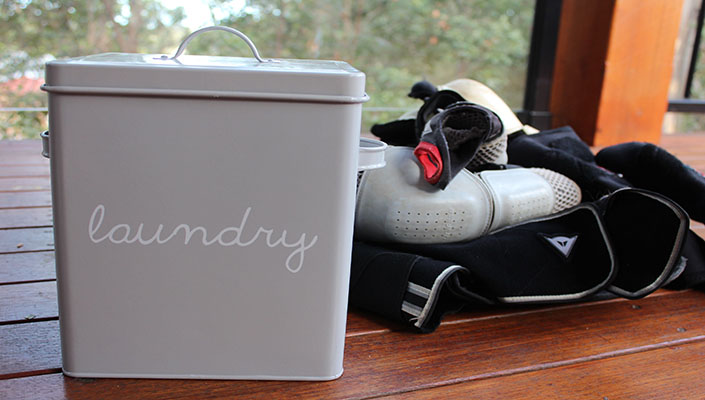
Wash your shorts after every wear. The chamois sits against your skin and soaks up sweat, body oils and any chamois cream. AGU and Terry both say to launder cycling clothing promptly after a ride.
That sounds like a lot if you ride several times a week and own two pairs. It works, though: worn pairs can wait for a single machine load.
| Situation | What to do |
|---|---|
| Just finished riding | Take off the shorts and set them aside for washing |
| Several pairs are waiting | Keep them aired out until a load is ready |
| One pair is needed again soon | Hand wash if the label allows it |
| Getting dressed for a ride | Choose a clean, dry pair |
Keep used shorts apart from clean ones, give damp fabric airflow, and never seal wet shorts in a bag. Airing does not clean the chamois, so wash each pair before you wear it again.
Check the care label and prepare your shorts
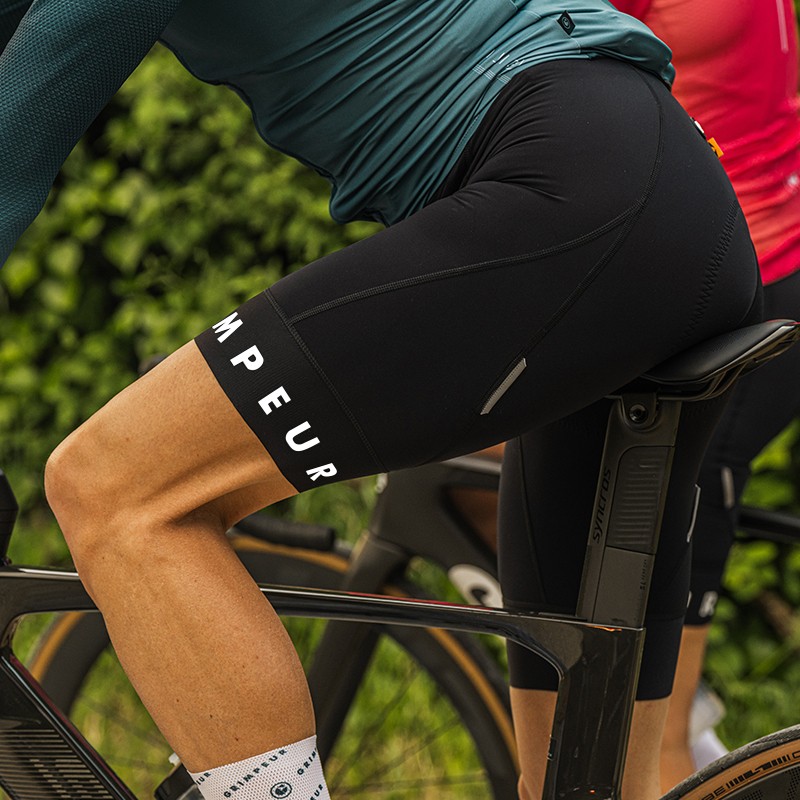
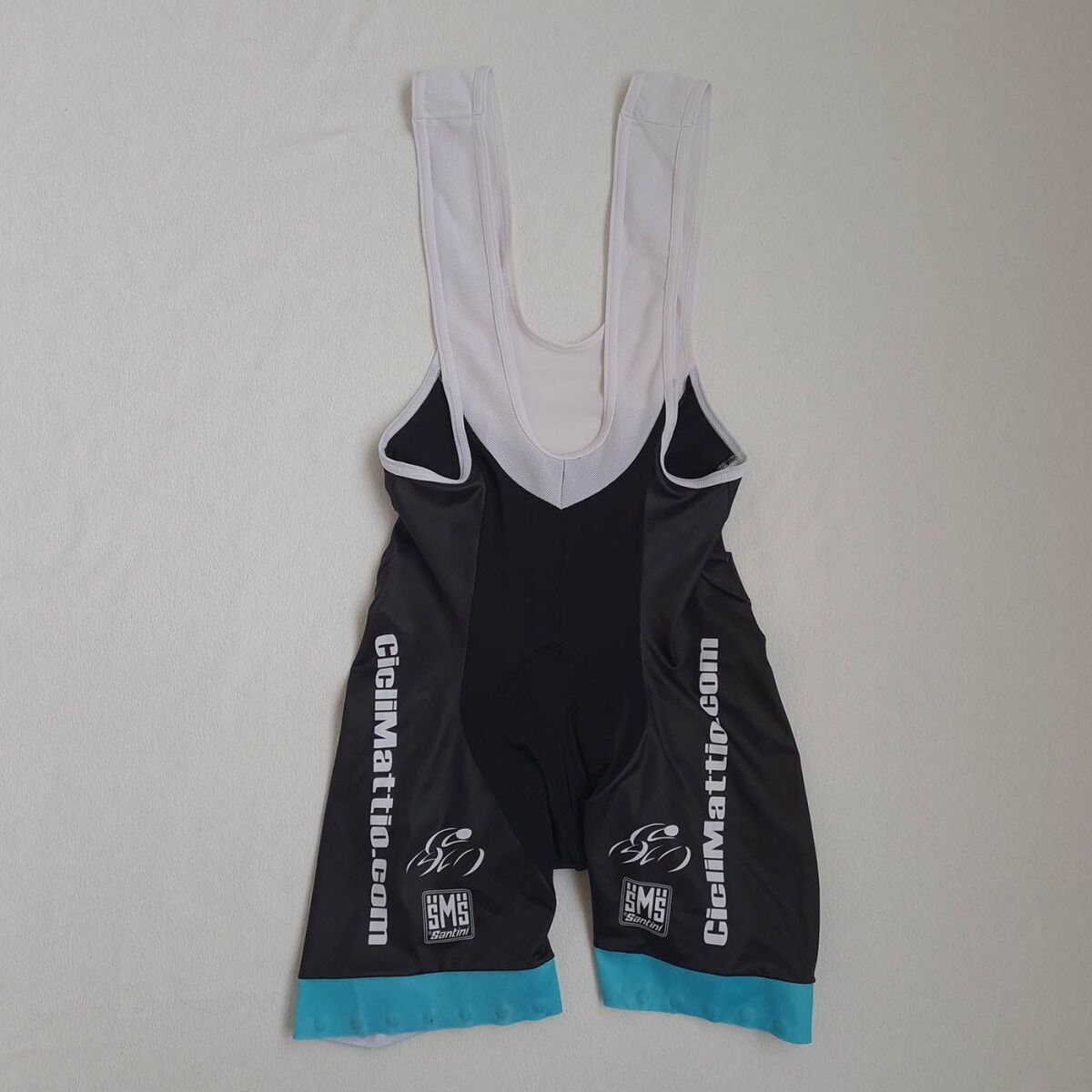
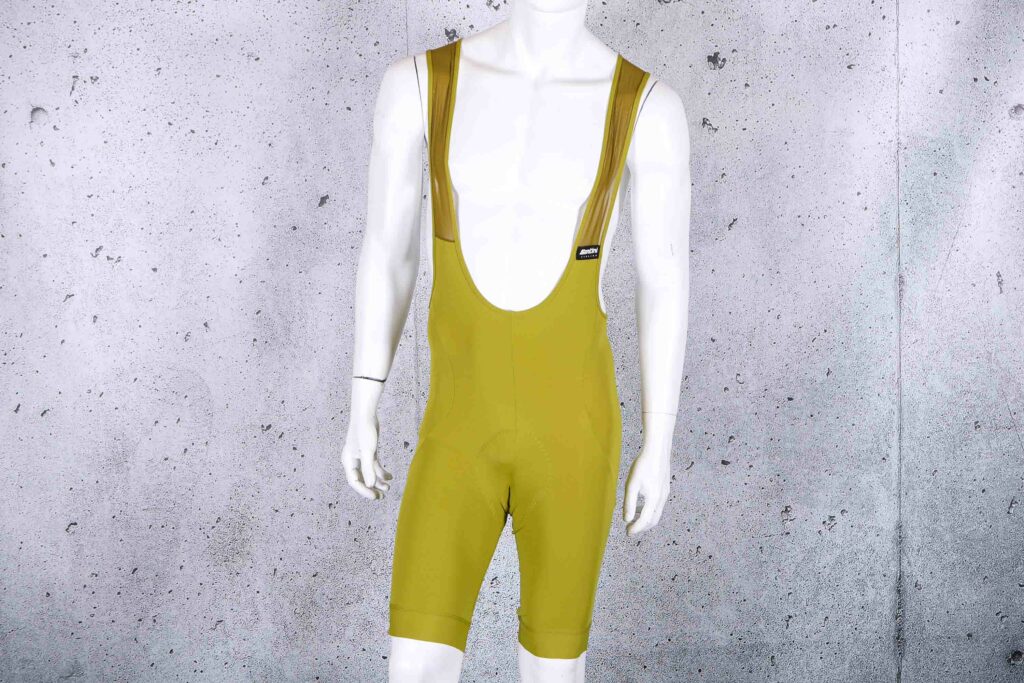
Find the sewn-in care tag before you pick a wash or dry setting. It sits inside the waistband or in the bib construction. Use the manufacturer’s instructions to decode unfamiliar symbols. Bib shorts mix stretch panels, silicone grippers, foam padding and long straps, so one care instruction affects several materials.
| Manufacturer | Washing guidance | Drying guidance |
|---|---|---|
| Castelli | Follow the label; turn inside out; up to 30°C (86°F); a small amount of liquid or powder detergent | Hang or lay flat; no tumble drying |
| AGU | Inside out; up to 30°C; low spin; do not soak | Air dry, laying shorts flat to protect straps |
| Terry Liberty Lite Bike Short | Delicate cycle at 86°F; neutral detergent | Avoid the dryer |
| PEARL iZUMi | Cold water; wash inside out with fragrance-free detergent, following the garment label | Air dry when possible; the guide also describes gentle machine drying at medium or low heat when the garment allows it |
Then prepare the load:
- Turn the shorts inside out so the chamois surface gets cleaned.
- Empty pockets and remove loose items that could damage the fabric or the washer.
- Close zippers and hook-and-loop closures on the other garments in the load.
- Separate incompatible colors and rough clothing from delicate stretch fabrics.
- Put bib shorts in a mesh bag. It keeps the straps contained and reduces snagging, especially in a washer with a center agitator.
What if the care label has worn away?
Look up the exact garment model in the manufacturer’s product or care instructions. Until you know what it allows, handle the fabric gently and air dry it. A brand’s general guidance covers products with different restrictions.
How to machine wash padded cycling shorts
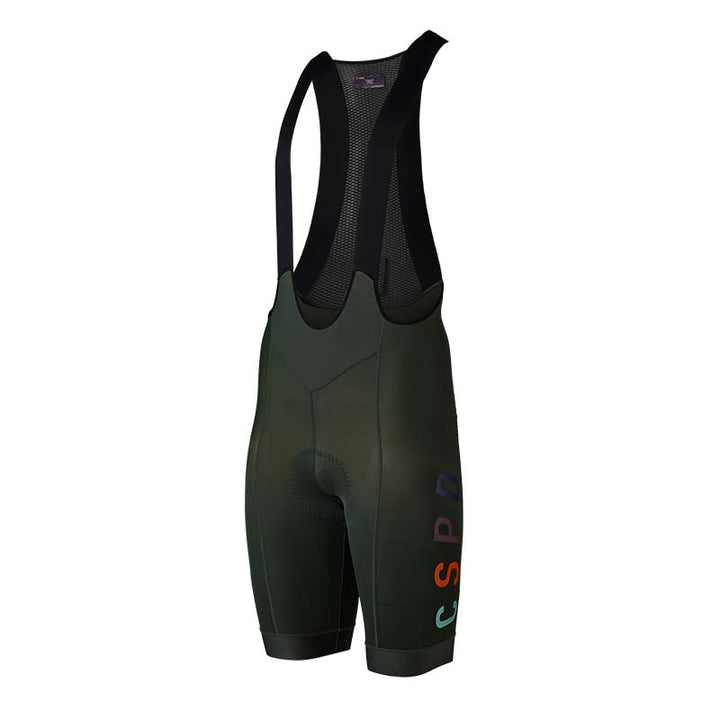
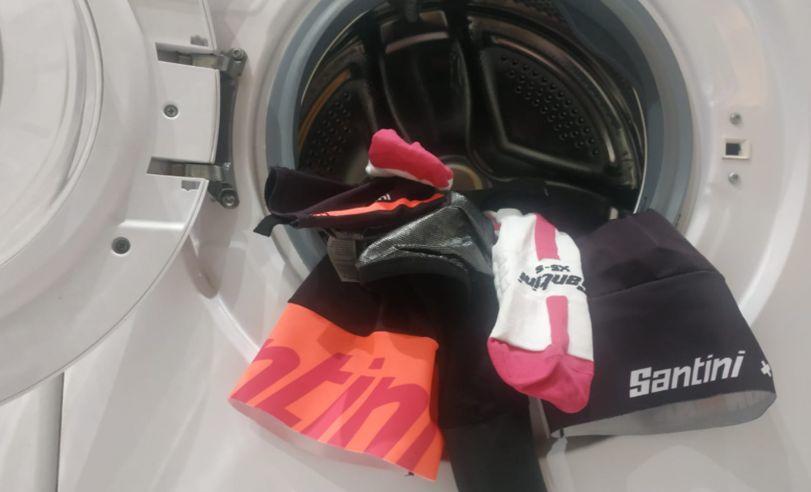
Many padded shorts can go in the machine on a gentle cycle if the label allows it. Protect the pad and straps, pick the right companions for the load and take the shorts out promptly.
- Load the shorts inside out, with bibs in a mesh bag.
- Add clothes of a similar color that tolerate the same settings. Keep abrasive items and exposed closures out of the load.
- Select a delicate or sportswear cycle with low agitation and low spin.
- Add detergent according to its load directions.
- Take the shorts out when the cycle ends. Check the chamois for soil or soap residue, and rinse again if any remains.
How to hand wash bib shorts in a sink
A sink wash works when you have only one pair or no full machine load.
- Fill a clean sink with cool water and a modest amount of detergent, following its directions.
- Turn the shorts inside out.
- Move the shorts through the water, paying attention to sweat, body oils and chamois cream residue. Don’t scrub hard.
- Rinse with clean water until the soapiness and slippery detergent residue are gone from the fabric and padding.
- Press out the excess water by squeezing gently. Don’t twist the foam, elastic or bib straps. A clean towel absorbs more moisture.
AGU advises against soaking, so keep the wash brief. If your label allows a soak, follow it.
Which detergent and water temperature should you use?
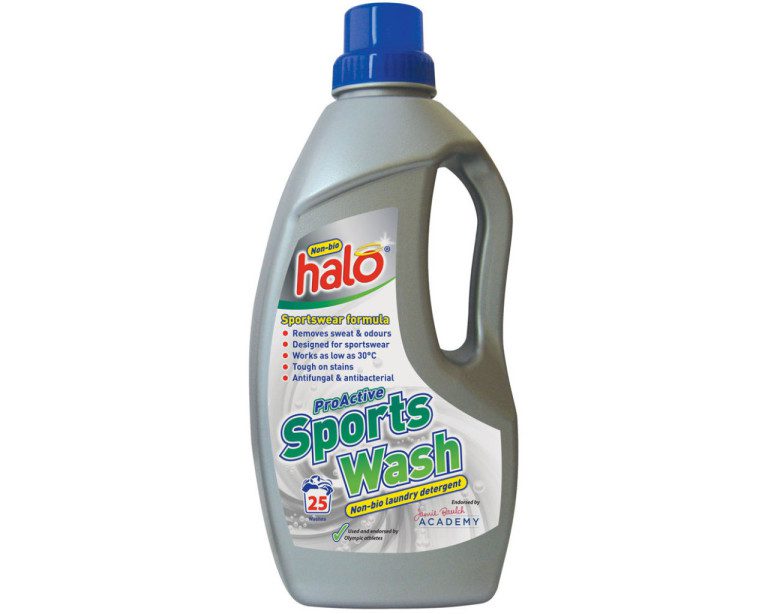
A mild or neutral everyday laundry detergent does the job. Castelli accepts a small amount of liquid or powder detergent, AGU also allows powder, and Terry specifies a neutral, nonaggressive detergent for its Liberty Lite shorts.
Skip fabric softener, which the manufacturers cited here advise against. Bleach and some stain-removal chemicals can also conflict with their care instructions, so read the product label before you add a booster or treat a stain.
Several of the cited garments specify a maximum wash temperature of 30°C (86°F). A US washing machine may show only Cold and Warm, without degrees. Check the machine settings to find the program that stays within the label.
If detergent remains in the chamois after washing, rinse again instead of turning up the heat.
How to dry cycling shorts and bib straps safely
Dry the shorts the way the care label says. Air dry any pair whose instructions prohibit tumble drying.
After washing, press out the excess water. Lay the shorts flat, or hang them so the straps aren’t carrying all the weight. Leave space for air to circulate around the chamois and fabric. Flat drying is especially useful for bibs with long straps.
If your shorts allow machine drying, use only the heat and cycle the label gives.
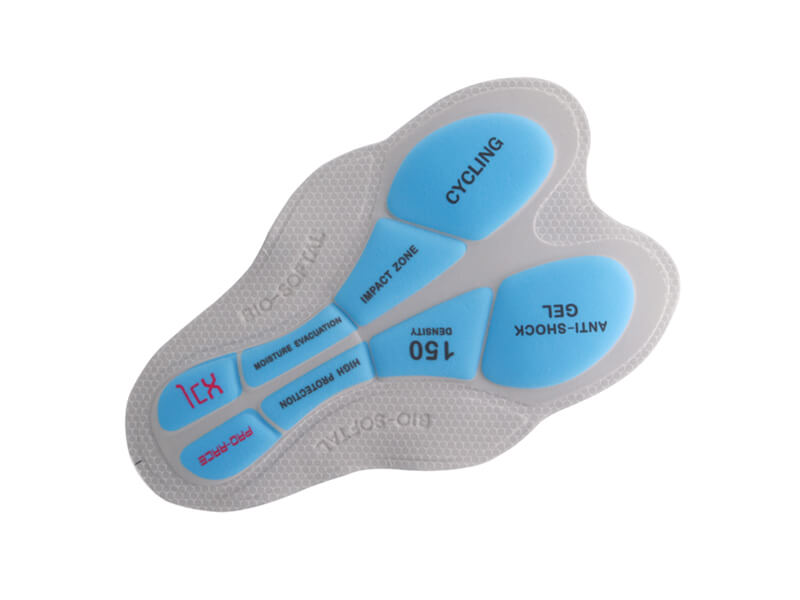
The foam pad can stay damp after the thinner fabric panels feel dry. Before you fold the shorts, put them in a drawer or pack them for a ride, check the center and edges of the chamois. If the pad is still moist, keep drying until it is completely dry.
What if you can’t wash or dry them right away?
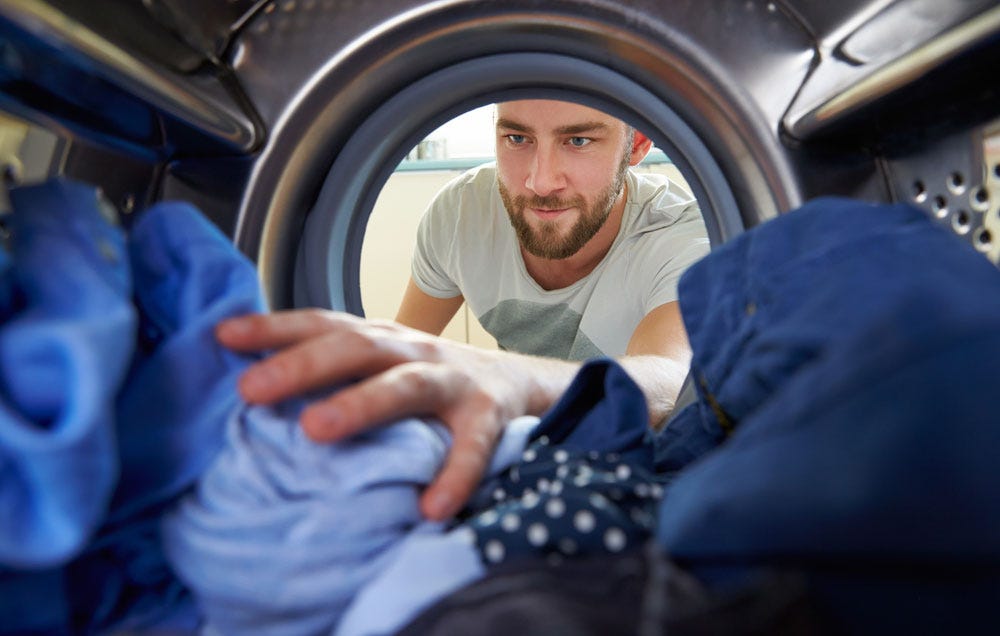
Limited laundry access changes your routine, especially if you ride often or travel with one pair.
If you have water but can’t do a full wash, rinse the sweat out of the shorts, then air them out and let them dry.
On a multi-day ride, clean water and a place to dry matter as much as how easily you can wash the shorts. Thick padding can stay damp when the rest of your kit feels ready to pack.
In a May 2025 r/ladycyclists bikepacking discussion, a rider planning four to five days on the road described having about 2.5 gallons of water per person per day. The question was how to care for padded shorts within that limited supply.
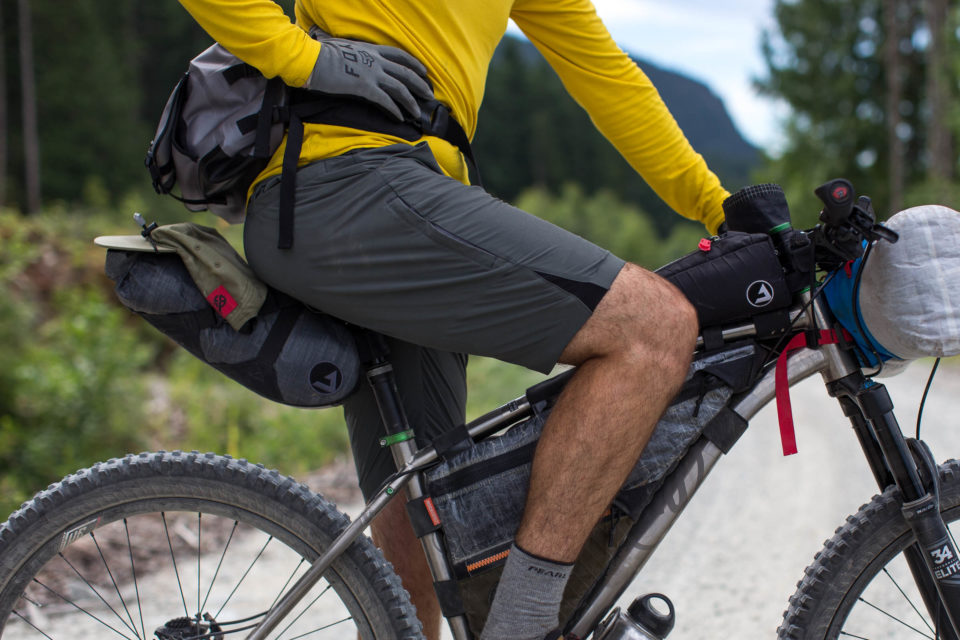
Pack a clean spare pair. It gives you something to wear while the washed shorts dry, and it solves the problem when washing or drying is uncertain.
How to remove odors and stains without damaging the chamois
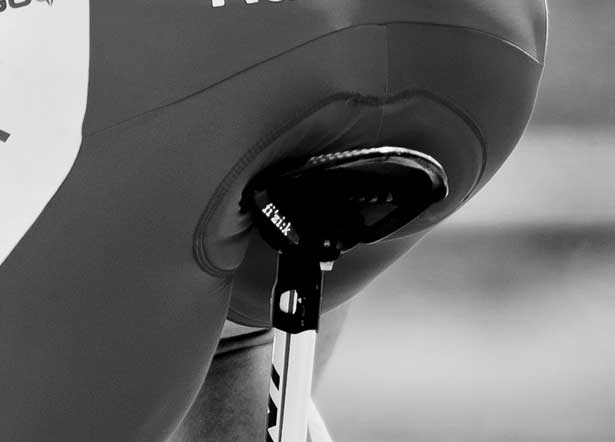
If shorts still smell after washing or the chamois shows residue, review your wash, rinse and drying steps before you reach for stronger chemicals. Stains need a more focused treatment, using products the label allows.
| What you notice | First action | What to check afterward |
|---|---|---|
| Odor remains after washing | Review how the shorts were stored, washed, rinsed and dried; repeat a wash if needed | Whether the smell persists after full drying |
| Blood or another visible stain | Pretreat with cool water and detergent before washing | Whether the mark has gone |
| Thin, torn or distorted fabric | Inspect the padding for distortion, the elastic for lost stretch, and the fabric and seams for thinning | Whether the problem is physical wear that cleaning cannot repair |
Bicycling’s cycling-laundry guidance describes detergent spot treatment and warns that hot water can set protein stains such as blood. Make sure the stain is gone before you use any heat to dry.
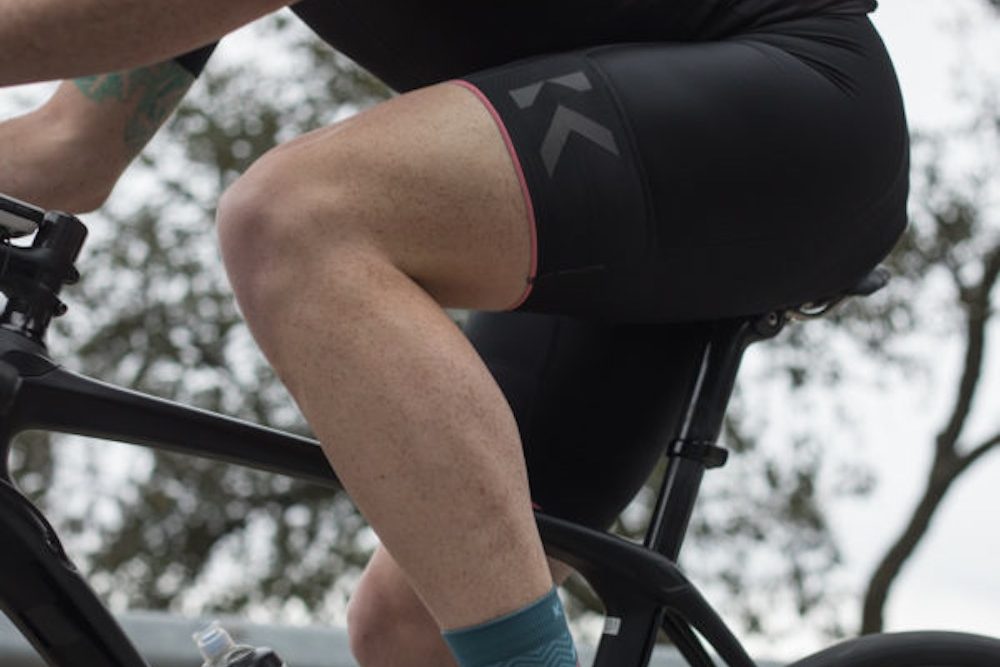
Vinegar, laundry stripping and alcohol sprays are sometimes suggested for persistent odors. Check the care instructions before using any of them on a chamois, stretch panel or fabric finish.
A low-temperature household wash cleans the chamois but does not sterilize it or guarantee protection from infection.
Replace shorts whose pad or fabric has deteriorated.
Before you pack them away
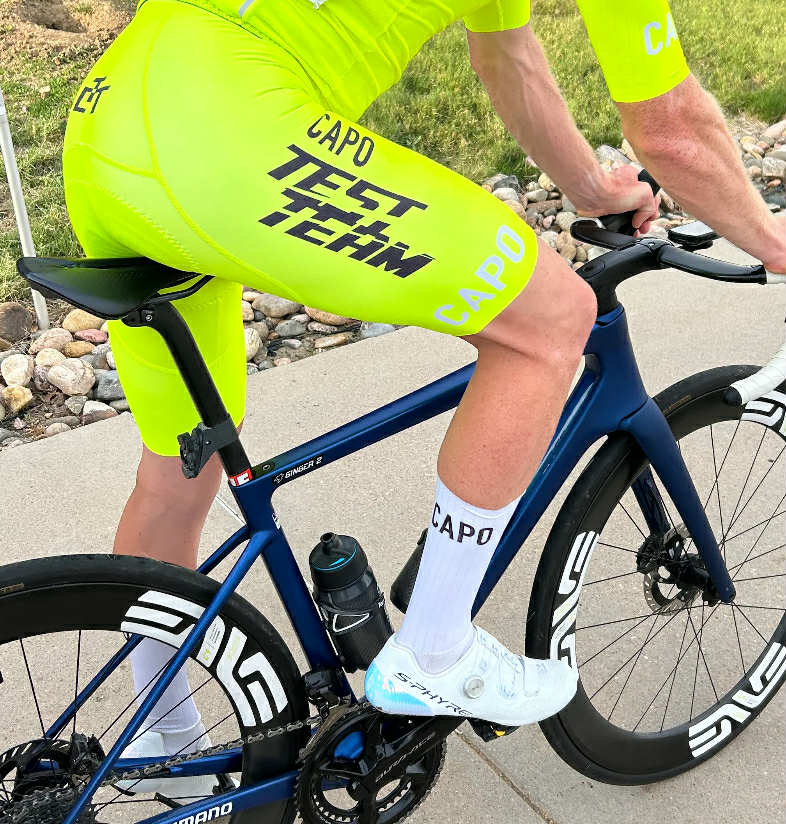
Drying takes more care than washing. The foam pad can stay damp long after the fabric feels dry, so check the center and edges of the chamois before you fold the shorts or pack them. For the wash itself, stay inside what the care tag allows. If yours has worn away, look up the exact model and air dry until you know. And if the pad has gone thin or the elastic has lost its stretch, replace the pair. Washing won’t bring it back.