Women’s padded cycling underwear is a liner with a chamois sewn in, worn against your skin under unpadded clothes. Let the outfit on top choose the cut, since a padded brief hides under short or casual clothes and a longer liner suits loose MTB baggies, and check that the pad stays put when you sit on your bike and pedal. If you can change at work, padded bike shorts are simpler.
What counts as women’s padded cycling underwear?
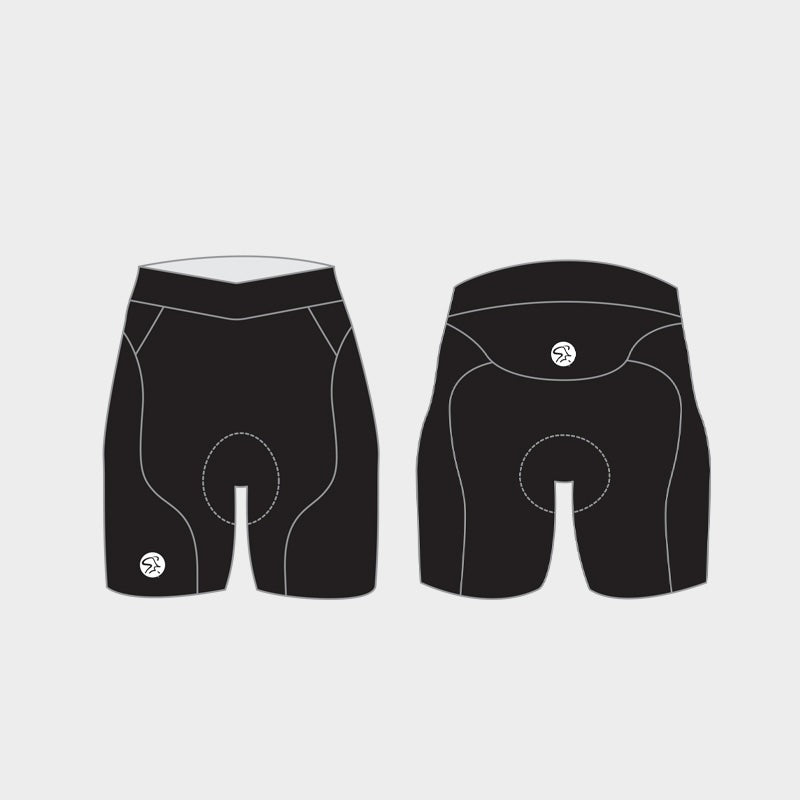
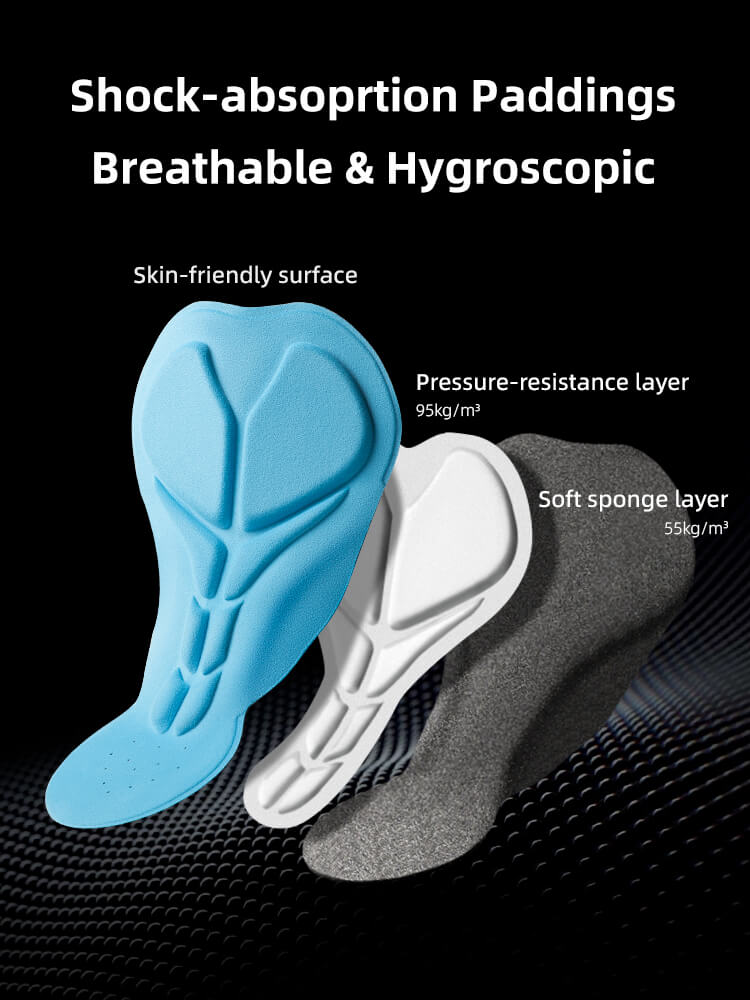
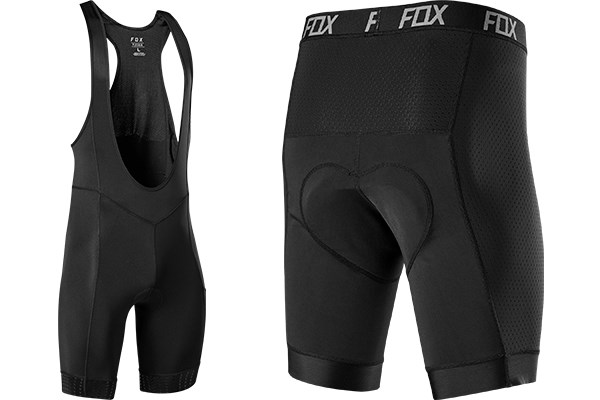
A chamois (say “shammy”) is the pad sewn into cycling underwear and padded bike shorts. A liner holds that pad against your skin, and you wear unpadded clothes on top. Liners come as briefs, boxers or longer shorts. Padded bike shorts and bibs have the chamois built in, so you wear nothing under them.
Choose a liner style for the ride and clothes you wear
Let the clothes on top pick the cut. A padded brief has little fabric on your thighs, so it fits more easily under short clothes. Boxers and short liners cover more of the upper leg. Longer MTB liners are made for loose mountain-bike shorts. They have more fabric, and their hem is more likely to show under a short shell.
| Option | Best for | Main plus | Check |
|---|---|---|---|
| Padded brief | Casual clothes and short outer layers | Little fabric on the thighs | Pad position, coverage, what goes on top |
| Boxer or short liner | Casual or sport layers with room for a short leg | More thigh coverage | Waistband, seams, leg openings |
| Longer MTB liner | Loose mountain-bike shorts | Covers you under a sport shell | Inseam, cuff pressure, visible hem |
| Padded bike shorts or bibs | Rides in full cycling kit | One piece, pad built in | Overall fit, and where you’ll change |
| Unpadded clothing | Rides where you don’t need a pad | Fewer layers | Comfort on your usual ride |
Need to arrive in regular clothes, with nowhere to change? Look at a brief, a short liner or an MTB liner.
A brief for a discreet outfit
Pearl Izumi pitches its Women’s Transfer Minimal Liner Brief at shorter rides and commuting, worn under casual or mountain-bike clothes. With so little leg, it’s the one to try when a longer liner would show below your hem.
A longer liner for MTB baggies
Patagonia’s Women’s Dirt Roamer Bike Liner Shorts (style 24682) have an advertised 8-inch inseam and are made for off-road riding with shorts on top. Compare those 8 inches with the inseam of the shorts you’ll wear over them. Hems sit differently once you’re seated and pedaling.
Check chamois placement, size, waist and leg fit
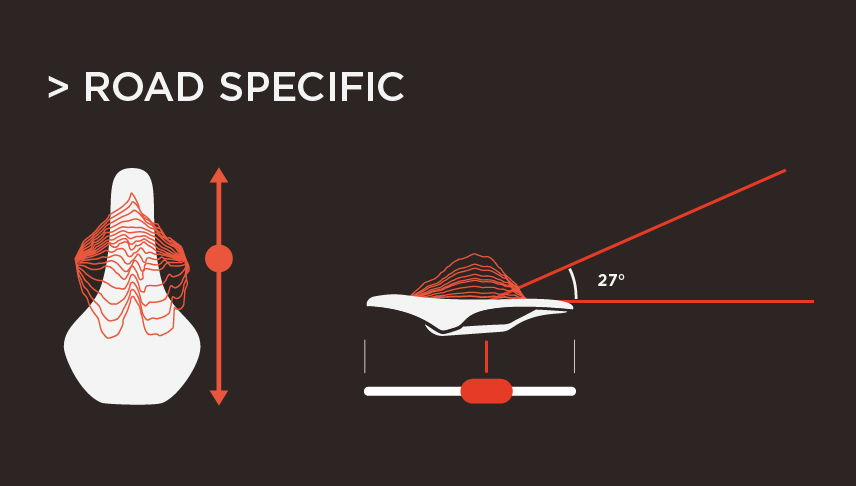
A liner fits when its pad stays under you on the saddle in your usual riding position. Use the size chart for that exact model and match the measurements it asks for, then check the cut and how tight it feels on your bike. Your jeans size won’t tell you where the chamois lands.
Lean toward the bars the way you normally ride and start pedaling. Does the pad stay put, or creep forward or back? A seam pressing between you and the saddle, or a chamois folding into a ridge, means it’s time to try a different fit. A mirror won’t show you any of this.
Then the waistband. It should stay in place when you bend at the hips, without folding over or digging into your stomach. Check the leg openings too: a rolling cuff bunches fabric under your shorts, and a tight gripper makes its own pressure point.
SHREDLY calls the Yogacham low-rise and compressive, and suggests sizing up if you don’t like that snug feel.
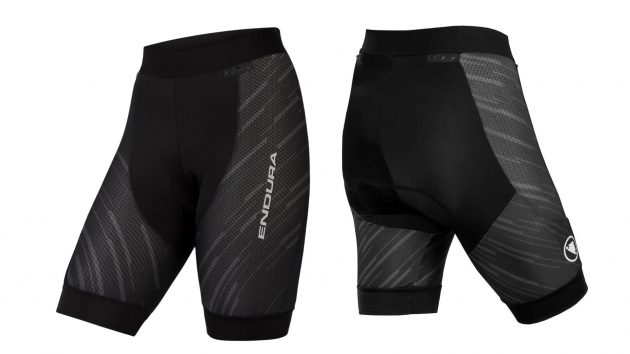
Bike Perfect’s reviewer wore the Gore C3, listed with a 4.1-inch inseam, and it came closer to 6 inches. Read a listed inseam as a rough guide.
Does it work under jeans, skirts, leggings and MTB shorts?
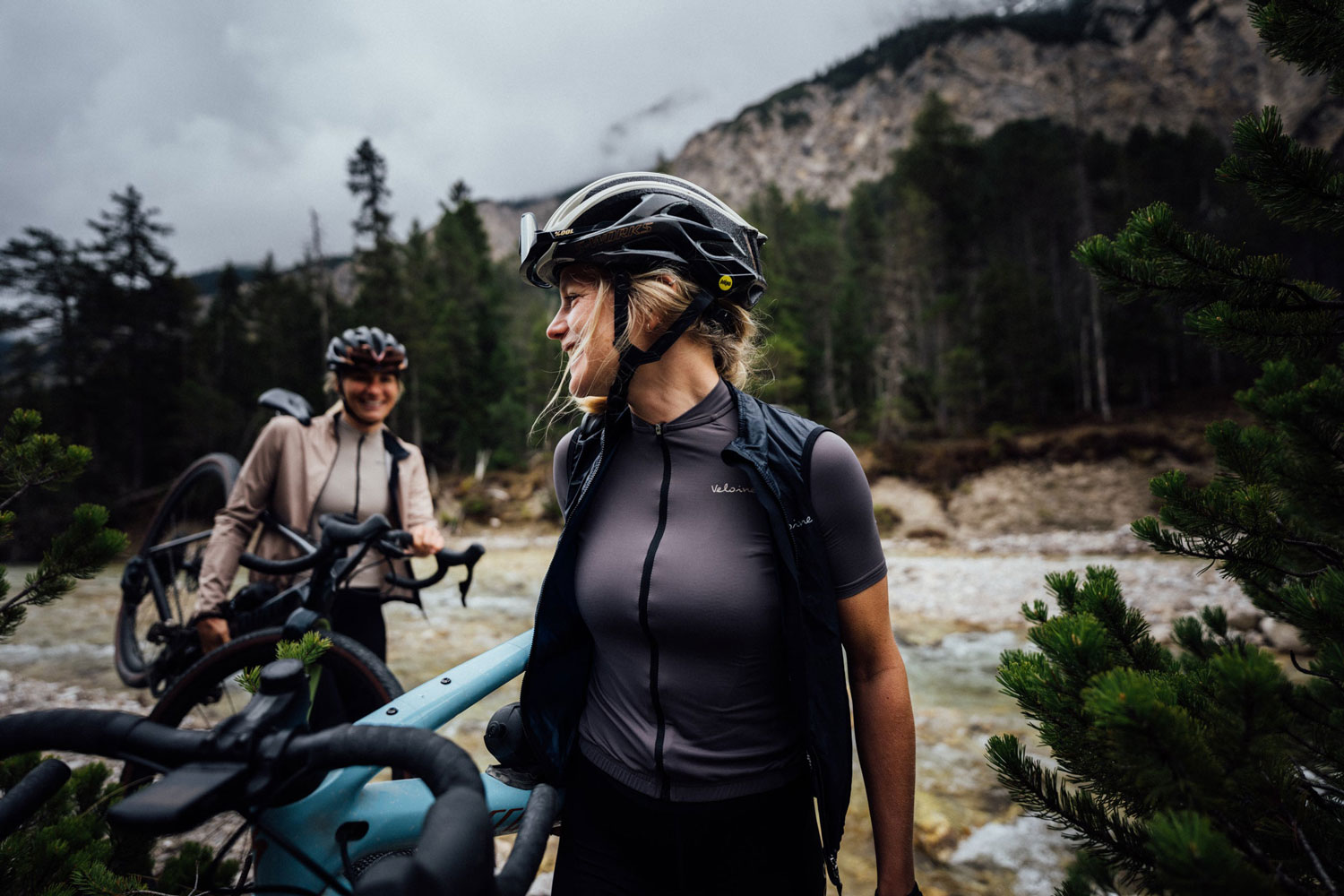
What you wear on top decides whether a liner works at all. Your clothes set how hard fabric presses on the pad. They also control how much the seams rub and if the liner’s cuffs stay hidden. Check what the liner’s maker says it’s for. Then look at how your pants, skirt, tights or shorts are cut and how they move.
Commuting adds a catch. One rider in a women’s cycling discussion wanted padding under work jeans so there’d be no changing clothes. Another rode about 30 minutes each way and wanted to keep semi-casual office clothes on.
| What you wear on top | Liner to try | Check on the bike | Skip it when |
|---|---|---|---|
| Loose MTB shorts | A longer sport liner | Hem coverage, waistband, pad position | The liner legs show and you don’t want them to, or the pad shifts |
| Casual shorts or skirt | A brief or short liner its maker approves | Coverage, fabric movement, seams | You can see the pad’s outline, or it bunches or rubs |
| Jeans or work pants | One its maker lists for casual layering | What the maker says, pressure when seated | The maker warns against jeans, or the jeans’ seams press on the pad |
| Leggings or tights | A liner under unpadded leggings | Compression, movement, existing padding | The leggings have their own pad, or it presses |
Jeans need the closest check. GripGrab makes its Women’s RIDE Padded Underwear Shorts for loose sport shorts or long unpadded bib tights, and tells you not to wear that model under jeans. Pearl Izumi lists casual layering as a use for its Transfer Minimal Liner Brief.
Can padded cycling underwear be worn without outer shorts?
Yes, if the maker says so. GripGrab lets you wear its RIDE padded underwear on its own for indoor cycling at home. For any other model, or for riding outside, check what its maker says first.
How much padding is enough: thicker, gel or neither?
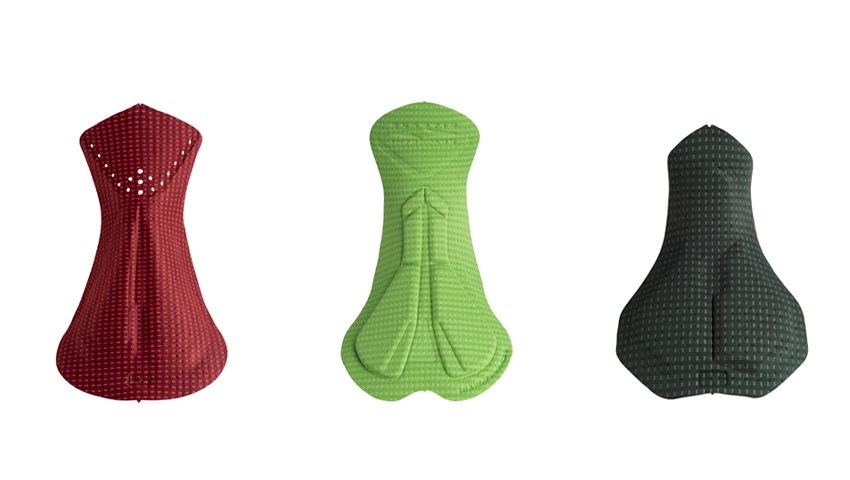
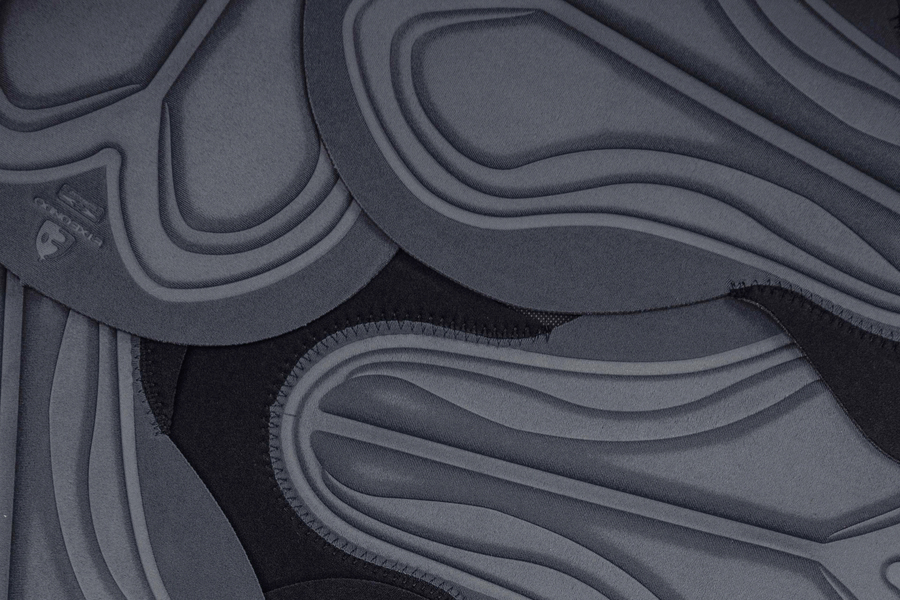
Thickness is one number among several. A chamois also has a shape, a material, a density and a spot inside the liner. None of that matters if the liner doesn’t hold the pad where you need it while you pedal.
Pearl Izumi lists a 9 mm single-density pad in its Transfer Minimal Liner Brief. Patagonia uses a three-layer, three-dimensional chamois in the Dirt Roamer MTB liner. They’re built for different outfits.
Foam and gel have different trade-offs
REI’s bike-clothing guidance says standard foam chamois are bulkier and compress with use. Gel pads are thinner and firmer, but they breathe less and often cost more. Use that to pick which one to try first.
What ride-length claims tell you
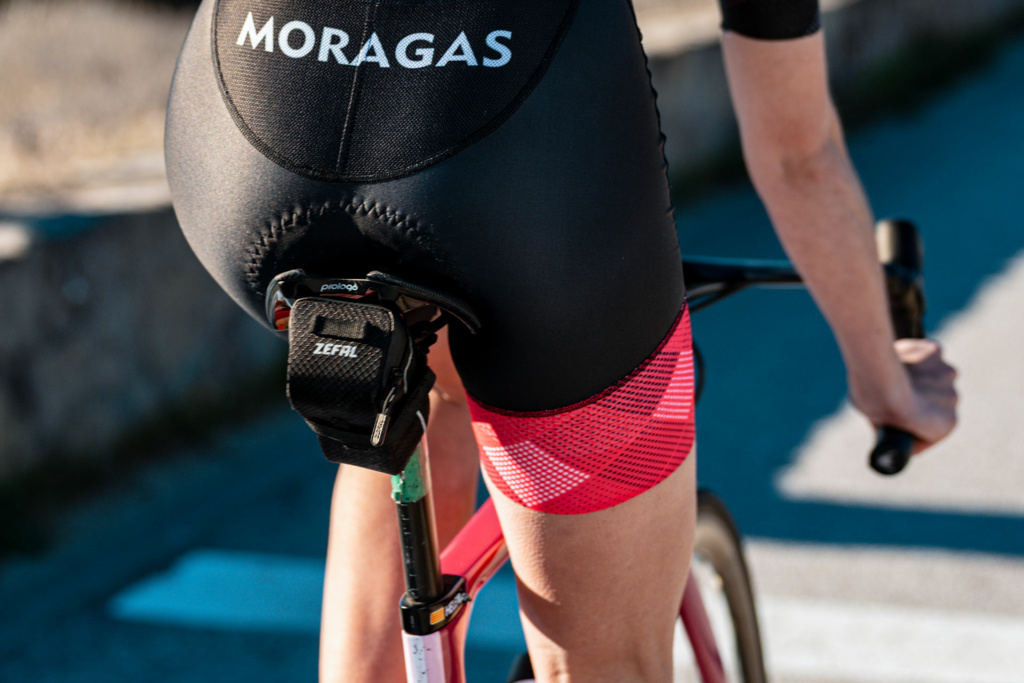
A stated ride length shows what the maker built the liner for. Bike Perfect’s reviewer found one VeloVixen liner comfortable on rides of about 3 to 4 hours.
A pad that feels soft in your hand feels different once you’re sitting on it. Compare what each liner is made for, how it’s built and how firmly it holds the pad. Greater bulk won’t correct a liner that slips or bunches.
Padded underwear vs padded bike shorts vs riding without padding
A separate liner makes sense when you want a pad under clothes of your choosing. Padded bike shorts put everything in one layer. That’s simpler if you don’t mind changing into cycling kit.
If you ride mountain bikes in loose baggies, the liner and the baggies each do a job. The liner carries the pad. The baggies give the coverage and look you want. A road rider in fitted padded shorts already has the pad.
Commuting works either way. Can you change at work? Then ride in padded shorts and put on dry work clothes when you arrive, so you don’t spend the day in sweaty cycling kit. If changing is a hassle, a liner under your normal clothes skips that step, as long as the outfit works on the bike.
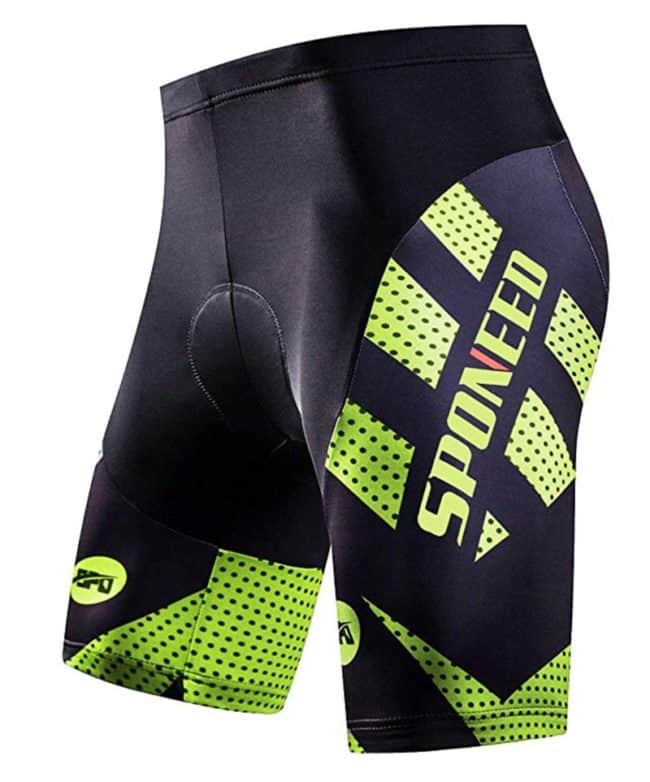
Some riders are happy in unpadded clothes on their regular trips, and REI’s clothing guidance recognizes that. If you’re comfortable now, you don’t need a chamois to keep riding.
How to wear, wash and change cycling liners
Padded cycling underwear goes straight against your skin, with an unpadded layer on top. Regular underwear under the chamois adds seams and moving fabric right where you sit. A second padded layer adds a second pad and bulk you don’t need.
A rider new to Zwift found that a thong under padded bibs rubbed uncomfortably, and ended up rethinking the extra layer and the extra laundry.
Wash it the way the label says
Pearl Izumi says to machine wash its Transfer Minimal Liner Brief cold on a gentle cycle, drip dry it and skip fabric softener. GripGrab tells RIDE owners to wash at 30°C with the liner turned inside out, clean it after every ride and never tumble dry it.
Your own liner’s label has the final say on heat and laundry products. Riding to work most days? You need a clean liner for every ride, so count how many you’ll go through between washes.
Test your liner and outfit before a long ride
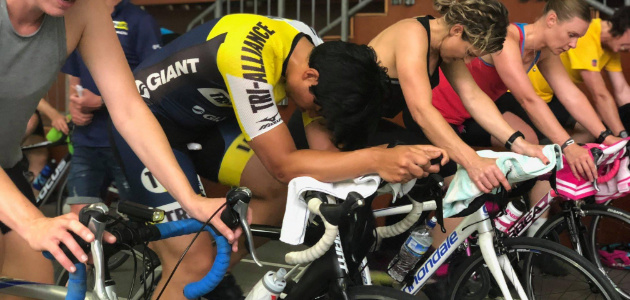
Take a short ride in the clothes you plan to wear before you trust a new liner on a long one. Use your own bike and the exact shorts, skirt or pants you’ll ride in.
- Read the listing for your model. Check the size chart, ride type, inseam, approved outer layers and care label. Skip any outfit the maker warns against.
- Put on the full outfit. Liner against your skin, unpadded clothes on top.
- Sit, pedal, look. Get into your usual riding position. Check that the chamois stays under you without folding or creeping. The waistband, cuffs and seams should sit flat, and the liner hem should stay hidden.
- Try a short local ride. Change position as you go. Stop if sharp pressure or rubbing starts.
- Fix one thing. Constant readjusting means the fit or the outfit is wrong. Try a different cut or swap what you wear on top.

Once a setup passes, work up to your longer rides from there.
If the padded liner still hurts, check more than the underwear
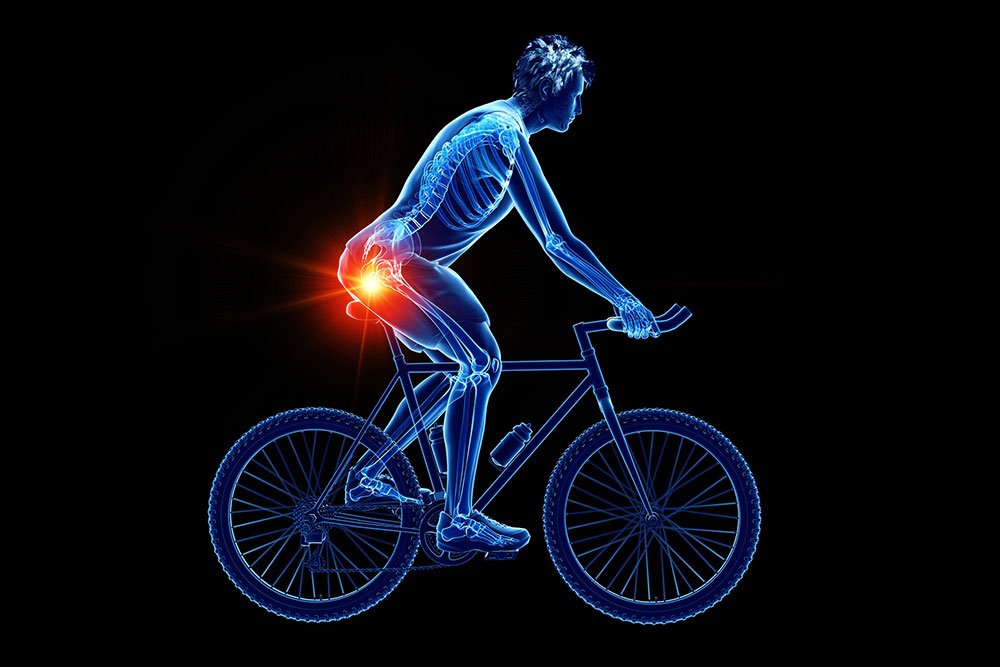
Start with what you can see. A rolling cuff, a shifting pad or a rubbing seam is a clothing problem. If the liner stays put and it still hurts, look at the saddle and your riding position.
A 2011 study of 48 competitive women cyclists looked at saddle design, pressure and genital sensation. In a simple side-by-side comparison, riders on traditional saddles had lower average perineal pressure than riders on cutout saddles.
A related 2012 study on handlebar position looked at 48 cyclists from a study that also included 22 runners. Handlebars set lower than the saddle were linked to more perineal pressure and less sensation at some measured sites. Neither study tested padded underwear.
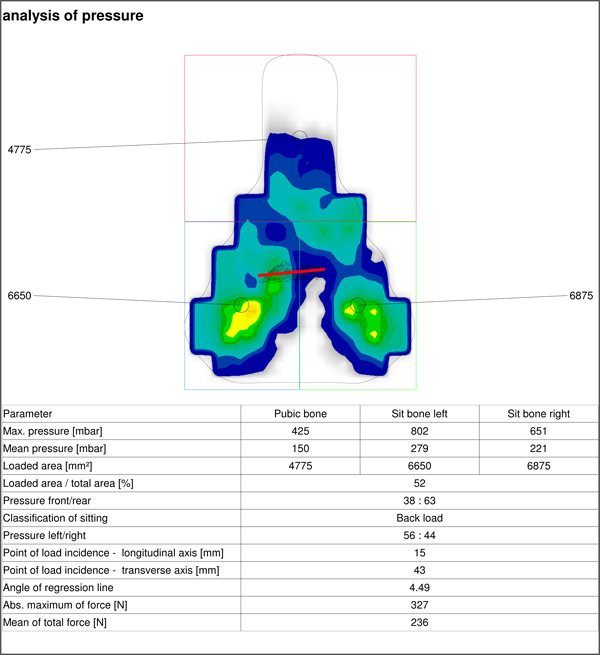
Still getting saddle pressure with an outfit that doesn’t shift? A bike fitter can check your position and saddle setup. See a doctor about numbness that doesn’t go away, pain that gets worse, or broken skin.
Before a long ride, put on the full outfit, get on your own bike and spin the pedals. The pad should hold its place, and nothing at the waist, cuffs or seams should roll or rub. If you ride most days, count how many clean liners you need between washes. If it still hurts while the liner holds still, take your saddle and riding position to a fitter.