
To sell a used bike in the U.S., price it from sold listings that match your bike and choose the channel where what you keep justifies the effort and risk. If few matching sales exist, widen your range. Describe the condition accurately, agree on the terms up front and confirm payment before the bike leaves your hands.
Maybe you’re replacing an old road bike, or clearing space for something you’ll ride more often. Either way, your bike has a history that affects its value: a different wheelset, a new drivetrain, a recent service, or damage the original product page never mentioned. Start the sale with those facts.
Know what you’re selling
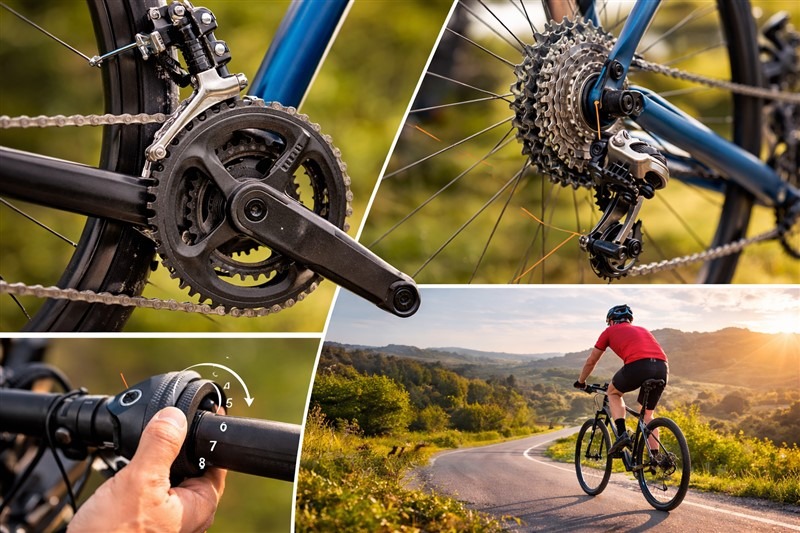
Before you look up prices, work out exactly what you have. Brand, model, model year, frame size and fitted components decide which other bikes make useful comparisons.
Buyers looking at condition and components can use Used Bike Buying Checklist; it also helps you anticipate questions.
The model year can differ from the year you bought the bike. Check your purchase paperwork, frame labels and the manufacturer’s specifications to confirm it. Write “unknown” beside anything you can’t confirm.
| Bike detail | What to record | How to find it |
|---|---|---|
| Brand, model, year and size | Exact name and variant, model year, marked frame size | Frame markings, purchase record, manufacturer specifications |
| Current build and changes from stock | Wheels, drivetrain, suspension and other significant parts, plus anything replaced, upgraded or removed | Inspect the bike and compare it with the original specification |
| Condition | Wear, defects, repairs and suspected damage | Visual inspection and any service assessment |
| Maintenance | Service performed and dates | Receipts or records |
| Ownership and extras | Purchase evidence and items included in the sale | Documents and the included equipment |
Keep the serial number and ownership records on hand for ID checks, and don’t post sensitive details publicly.
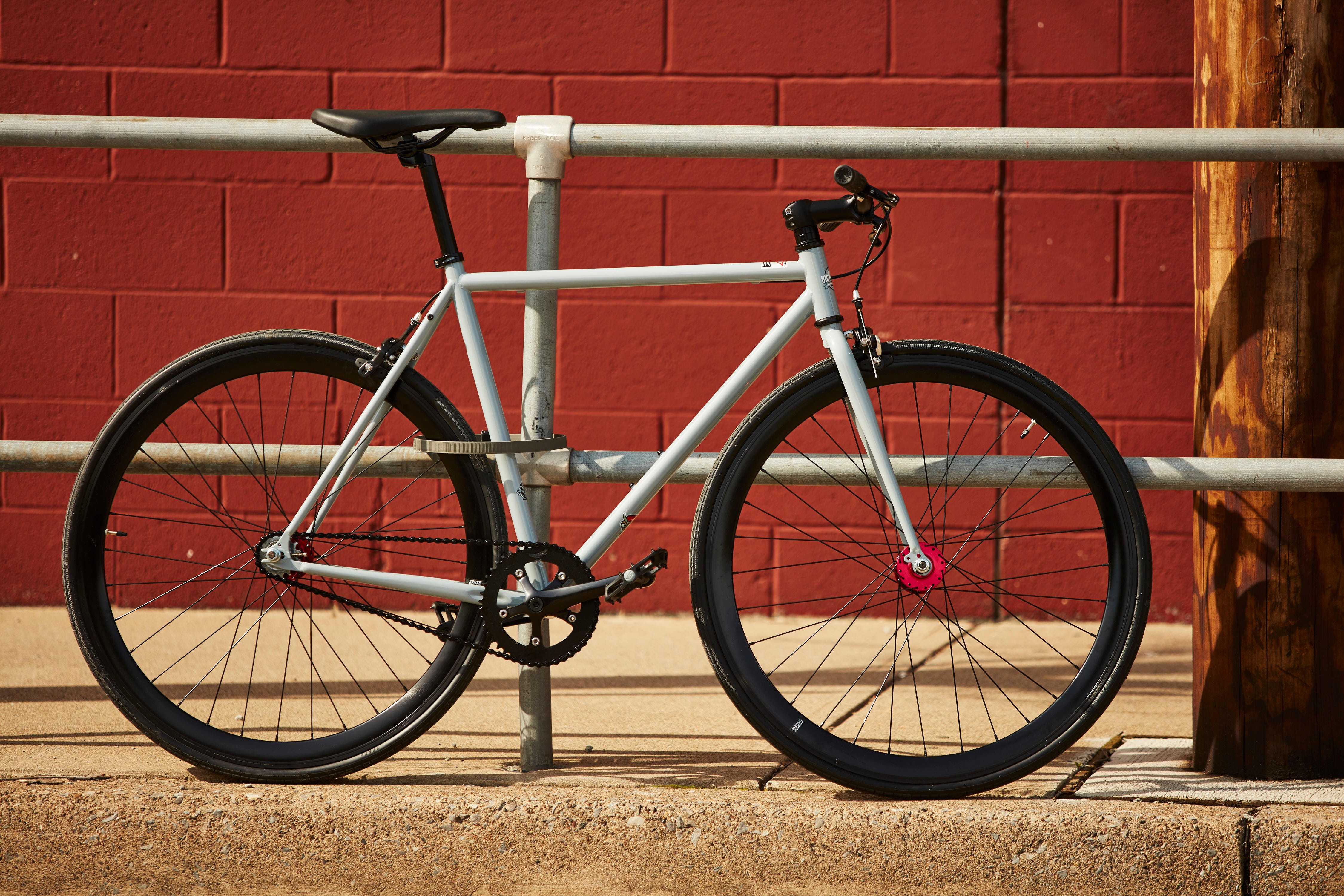
Describe cosmetic wear exactly: scratches, paint chips, corrosion and worn tires are visible facts. Suspected cracks, crash damage or defects in safety-critical parts are a different matter. Until a qualified mechanic has assessed them, don’t call the bike safe to ride and don’t offer test rides.
Price it from sold listings
Start with bikes that have actually sold and match yours in model, year, size, spec and condition. An asking price is what an owner hopes to get. A sold price is what a buyer paid. Listings also end without a sale. Check that the bike sold before you use its price.
eBay Product Research shows actual sold prices, including accepted offers, and has filtering tools. Its data goes back up to three years.
Log your comparables
Add one row per candidate sale. Leave a row out of your range if the outcome is unclear or the bike differs too much from yours.
| Source + link | Date | Sold (Y/N/unknown) | Match to your bike | Sold price (USD) |
|---|---|---|---|---|
| [Source and URL] | [Date] | [Y / N / unknown] | [Model, year, size, build, condition, location; include or exclude, and why] | [Verified sold price] |
A sale of the same frame with a very different build is useful background but a poor direct match. Note the difference so you don’t treat the two as equal.
Once the rows are filled in, look at the range and at what pushes sales toward the high and low ends. Pick an asking price that leaves room to negotiate. Bicycle Blue Book gives an extra reference value based on brand, model, year and condition, but an estimate isn’t a verified sale.
Older, unusual and heavily modified bikes have few convincing sold comparisons. Keep the range broad or ask a specialist for a quote. An exact figure would be false precision.
Pick where to sell
| Route | Advantage | Your work | Costs and terms to check |
|---|---|---|---|
| Local classifieds or cycling group | Local buyers and pickup | Photos, messages, viewings, meetings | Listing costs, travel, meeting arrangements |
| Specialist bike marketplace | Buyers interested in particular bike types | Detailed listing, buyer questions, possibly packing | Seller fees, who pays shipping, payout terms |
| eBay | Broad exposure | Listing, messages, pickup or shipment | Selling charges, coverage, delivery costs |
| Dealer sale or trade-in | Less selling work for you | Request a quote, inspection, transfer | Eligibility, offer revisions, cash versus store credit |
| Shop consignment | The shop handles part of the sale | Agree terms, leave the bike with the shop | Commission, custody, selling period, payout conditions |
What you keep
What you keep = sold price − seller fees − packing, shipping and insurance you pay − prep costs − consignment commission.
Count each expense once. A higher offer can leave you with less after deductions. Your time answering messages, arranging inspections and packing is also a cost, but don’t put a made-up dollar figure on it.
In a March 2026 Femme Cyclist account, the writer handled the sale of a friend’s 2022 Pivot Firebird after an unsuccessful Pinkbike listing. Cycle Limited offered $3,400 in store credit or $3,050 in cash. Credit suits someone who’d buy from that dealer; cash you can spend anywhere. It’s one reported sale, so don’t read it as a standard dealer payout.
Write the listing
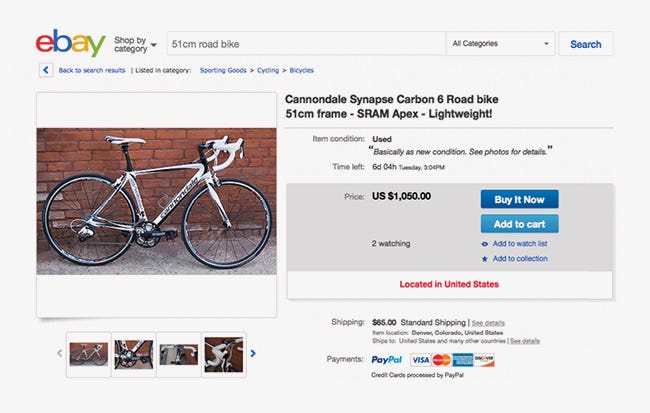
A good listing lets a buyer recognize the bike, judge its condition and decide whether to arrange an inspection. Describe the fitted components and visible wear clearly enough that your photos back up your words.
For an accurate description of maintenance work, see Bike Maintenance for Beginners and distinguish work completed from work still needed.
- Title: [Brand] [Model], [confirmed model year], [frame size].
- Current build: [Drivetrain, wheels, suspension and other important fitted parts].
- Condition: [Cosmetic wear, known faults, damage and repairs].
- Service: [Maintenance backed by records or what you know firsthand].
- Included items: [Accessories and parts included or excluded].
- Price: [Chosen asking amount in USD].
- Location and terms: [Area, pickup or shipping arrangements].
Check the finished description against your notes before you publish.
Photos
Shoot the bike from both sides, then add close-ups of key components, the frame-size marking, the saddle, bars and pedals, worn areas, visible defects and included accessories. Show any repair or scuff you mention in the condition description.
Replacement wheels are the obvious case. Name the wheels on the bike today and show them in your photos. A manufacturer’s catalogue photo can’t show the condition of the bike you’re selling.
Words like “perfect,” “like new” or “recently serviced” need support from the bike’s real condition and your records. Specific observations work better.
Handle offers

Before replies arrive, decide the lowest amount you’d accept after costs, weighing money, space and time. Decline a low offer politely or counter with a clear number.
Once you agree, confirm the bike, price and timing in writing. A buyer who keeps rescheduling or changing the terms isn’t worth chasing.
Get paid and hand over the bike

Meet in a public, visible place, in daylight if you can. Bringing another person along helps. Some police departments provide designated exchange areas, such as the Vancouver Police Department in Washington.
Before traveling, agree on the buyer, the meeting spot and the payment method. OfferUp’s local-meeting guidance recommends cash and sticking to the app’s messaging. That advice is for OfferUp; other services handle payment their own way.
Payment scams to watch for
The Federal Trade Commission lists several online-selling scams: fake payment notifications, check-overpayment requests that lead to refunds, and attempts to get your account verification codes.
A screenshot or emailed confirmation can fake a completed payment.
A U.S. seller on r/Scams, describing an advance-payment proposal and pickup by another person, asked in May 2026: “If this is a scam, how does it work if they’re the one sending money? I’m so confused.”
A third-party collector isn’t proof of fraud by itself. Unexpected instructions, unclear payment status and pressure to change the agreed arrangement are all reasons to stop and reassess. Make sure the location and the people who show up match what you agreed.
Before you release the bike: confirm through the payment service itself that the agreed amount has arrived. Never give out a verification code or send back an unexplained overpayment. If the meeting feels unsafe or you can’t confirm payment, stop the handover and switch to a more controlled arrangement.
Shipping and Bike Index
Shipping adds packing, carrier rules and paperwork. Before you accept a shipped sale, settle who packs the bike, which carrier service suits it, and what evidence that carrier wants if damage or loss is reported.
Some sellers don’t want to pack the bike themselves. One owner of an older secondhand road bike discussed that on r/bicycling in September 2026. When shipping is part of the sale, the carrier’s rules set the packing method. If you can’t prepare the bike confidently, professional packing is an option.
Photograph the packing
BikeFlights recommends documenting the bike before packing, during packing and after you close the box.
- Before packing: Photograph the whole bike and any condition details.
- During packing: Record each packing stage your carrier requires.
- Closed package: Photograph the sealed box and keep the shipment information.
- After delivery: Keep any condition and delivery evidence in case of a dispute.
These records support a shipping claim but don’t guarantee reimbursement.
Electric bikes need a separate check for carrier eligibility and battery handling. Follow the provider’s e-bike instructions for permitted services and packing.
Transfer a Bike Index registration
If you’ve registered your bike with Bike Index, its help pages explain how to transfer the registration to the buyer’s email address. That updates an optional private registry entry, while legal ownership and transfer requirements depend on your jurisdiction.