
A used bike is worth buying when it fits you, the frame and fork show no cracks or crash damage, and the serial number matches the seller’s account. Check those first, then recalls, brakes, wheels and steering, and ride it only once they pass. Worn parts only change the price.
Your used-bike inspection checklist
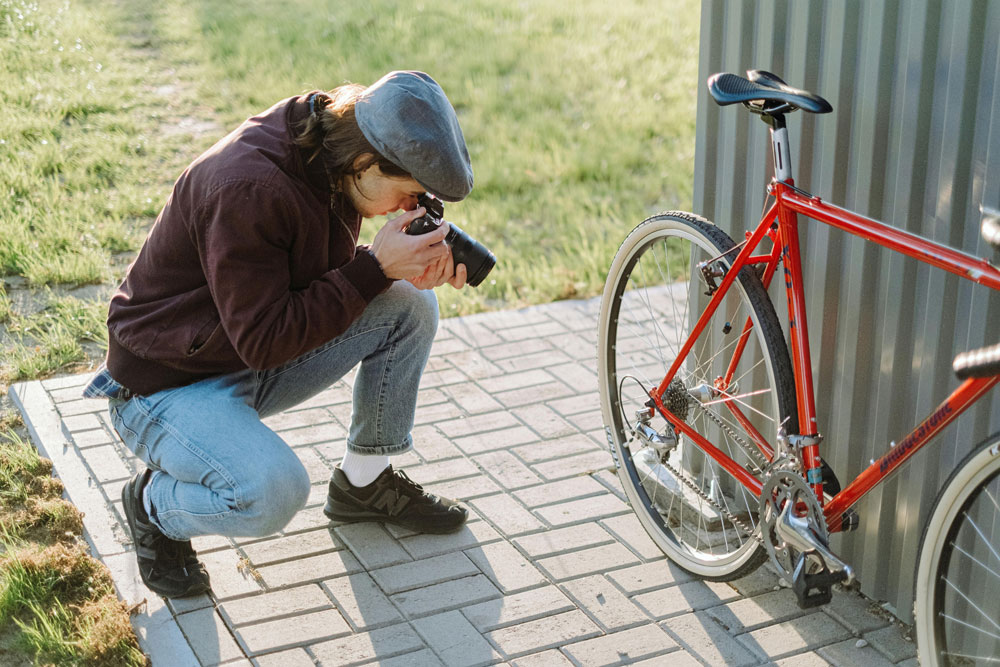
You don’t need to know every part on a bike to size one up. Work down the table in order. Anything you can’t judge yourself goes in your notes, along with what you saw and who could check it for you.
The checklist to use beside the bike
| Stage | What to check | What to look for or do | If there’s a problem |
|---|---|---|---|
| Before meeting | Bike type | Right for the riding you plan | Skip it |
| Before meeting | Model and size | Make, model, year if known, marked size | Ask the seller for them |
| Before meeting | History | Crashes, repairs, service, modifications | Note what the seller can’t answer |
| On site | Fit | Standover, reach, seatpost adjustment, reach to the controls | Doesn’t fit: walk away or ask a shop |
| On site | Serial and seller | Frame serial number and any records | Mismatch: sort it out before you pay |
| On site | Recalls | Exact model or part against recall notices | Get the recall remedy done first |
| On site | Frame and fork | Cracks, dents, bends, crash marks | Stop: get a specialist’s opinion or pass |
| On site | Brakes | Each lever works its brake | Have a mechanic fix it |
| On site | Wheels and tires | Damage, obvious wobble, tire wear | Get it looked at and priced |
| On site | Wheel attachment | Wheels seated and secured | Ask someone who knows that axle type |
| On site | Steering | Play, knocking or noise | Have a mechanic find the cause |
| On site | Chain and gears | Wear, damage, shifting, swapped parts | Get a quote for compatible parts |
| If fitted | Suspension or e-bike system | Condition and service records | Specialist check if you’re unsure |
| If safe | Test ride | Fit, braking, steering, shifting, noises | Stop if anything feels wrong |
| Before paying | Repair costs | Parts, labor, inspection, missing items | Get quotes and list unknown costs separately |
| Decision | The whole bike | Fit, condition, history, total cost | Buy, negotiate, inspect or walk away |
What you find will land in one of two piles. A bald tire goes on the repair quote, and if the rest of the bike is sound you simply knock its price off your offer. A suspected frame crack goes to a specialist before you ride the bike or pay a cent for it.
Questions to ask the seller before you go
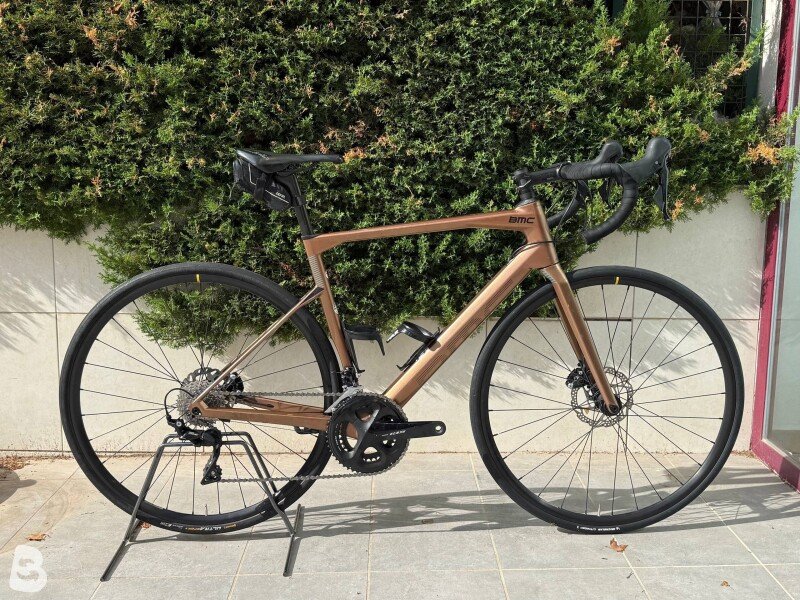
Asking a few direct questions first can save you a wasted trip.
Ask for clear photos of the actual bike: the whole frame, fork, wheels, drivetrain, controls and any damage the seller mentions. Photos help you prepare. They won’t show hidden or moving parts.
| Ask the seller | What the answer tells you | If the answer is unclear |
|---|---|---|
| What make, model, year and size is it? | Which frame it is and which specs to look up | Ask for photos of the markings |
| How long have you owned it, and why sell? | Whether the story adds up | Compare it with any records |
| Any crashes, damage, repainting or structural repairs? | Where to look hardest | Ask where, when and who did the work |
| Which parts were replaced or changed? | What it means for fit, compatibility and upkeep | Find out what’s fitted now and what came stock |
| When was it last serviced? Is anything not working? | What to test and what you might pay to fix | Check it on site or get a quote |
| Do you have purchase or service records? | Part of the bike’s history | Note what you can check another way |
| Can I see the serial number and look the bike over? | Whether it’s the bike in the listing, and its condition | Walk away |
| Can I test ride it after the safety checks? | How it fits and works on the move | Ask for a bike-shop check instead |
If the seller mentions a crash, concentrate on the frame and fork.
Changed parts were exactly what worried a buyer looking at a used Liv Avail on r/ladycyclists in April 2026. The gearing wasn’t original, and the buyer was wary of “hidden wear and tear.”
Meet in daylight, somewhere public. Bring a friend who knows bikes, or tell someone you trust where you’re going and who you’re meeting.
Does the frame actually fit you?
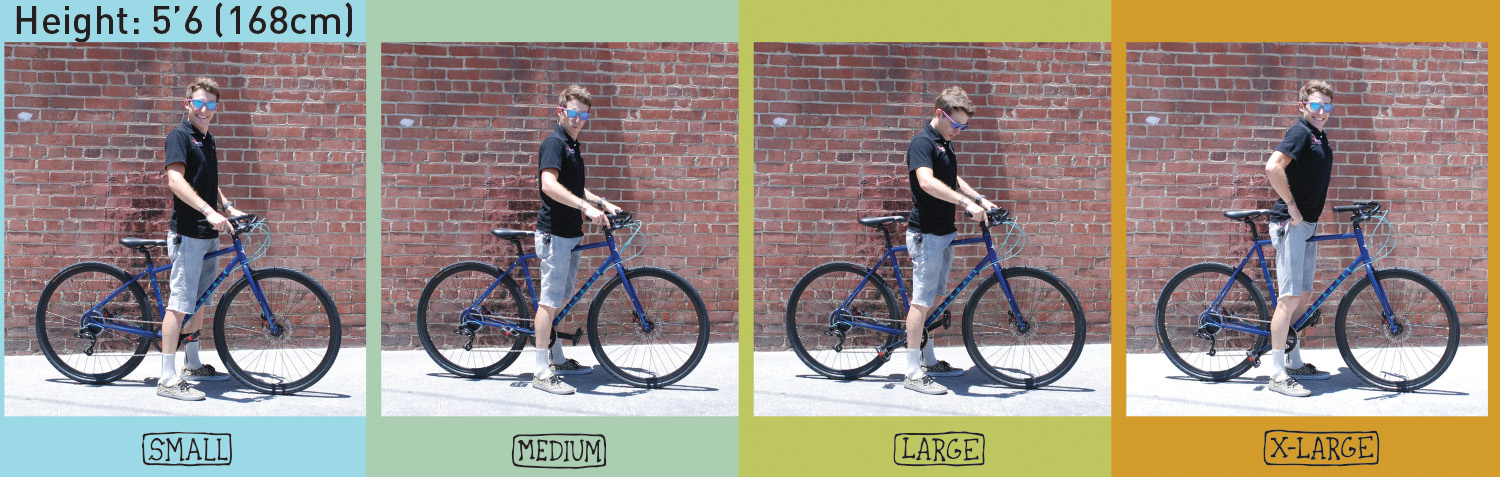
Even a mechanically sound bike is a poor buy if its frame doesn’t suit you.
Find the bike’s actual model and marked size, then look up that model’s geometry and size chart. Don’t trust the size in the listing. Size letters mean different measurements on different bikes.
REI’s bike fitting guide treats frame size, standover and upper-body reach as three separate checks. Do all three on the bike in front of you.
Try these fit checks in person
Stand over the bike and feel how the frame sits under you, then put a foot down the way you would when you stop. Judge it against the riding you plan, since you’ll sit one way on a relaxed recreational bike and another way entirely on a sporty road bike.
Next, sit on it with your hands on the brakes and shifters. Is the handlebar too far away? Are you cramped? You should reach and work every lever without stretching your fingers.
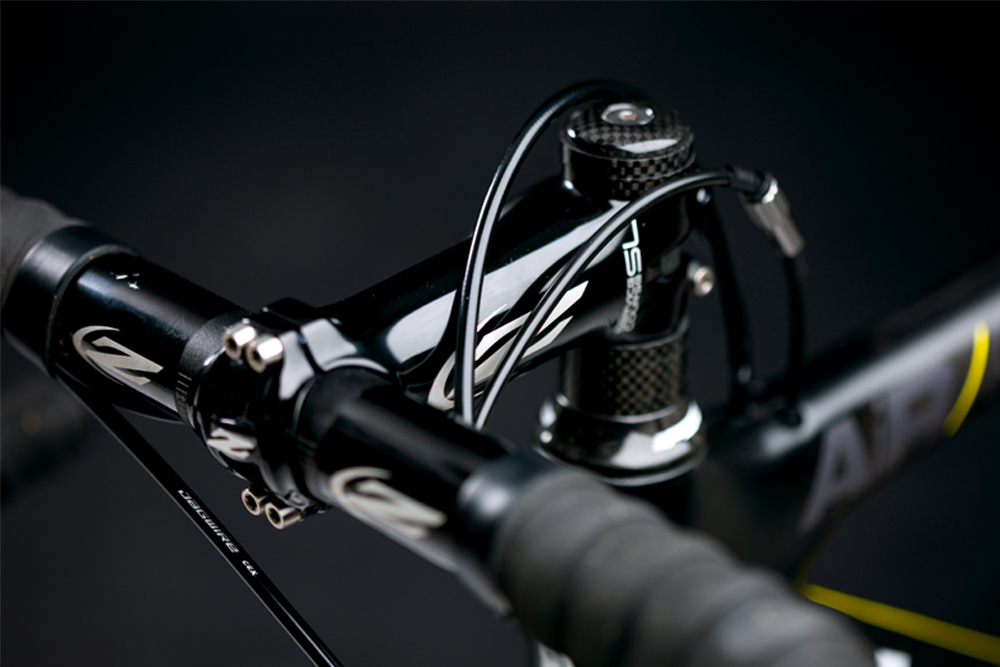
The saddle and handlebar adjust a little, but the frame’s geometry sets the limits. Moving the saddle or swapping a part won’t rescue the wrong frame size.
Ask the seller first, then check that the seatpost slides to the saddle height you need. A seized seatpost is hard and expensive to get out. Don’t force an unfamiliar clamp or a stuck post; let a mechanic look at it.
Listings get sizes wrong. In a June 2026 r/ladycyclists thread about a Marketplace find, a bike advertised as large wasn’t the size the ad claimed, and seeing it in person and riding it settled the question for the buyer.
However tempting the listing, it can still be the wrong bike. Buy the frame that gives you a comfortable position and easy reach to the controls, whether or not it’s sold as a women’s bike.
Serial number, theft records and recalls
Before any money changes hands, check whose bike it is and whether a recall covers it.
Look up the identifying details
Ask to see the frame serial number, write it down with the make and model, and compare the markings on the bike with the listing and with any purchase or service papers the seller has.
Search Bike Index’s registrations and Project 529’s 529 Garage registry for records on the bike, including theft reports. Coming up clean doesn’t prove the seller owns it.
A missing receipt for an old bike doesn’t mean much on its own. Sort out any mismatch between the serial number and the seller’s story before you pay.
Check manufacturer recalls
Search the US Consumer Product Safety Commission’s recall database by manufacturer and model, and read each notice closely enough to tell whether it covers this exact bike or part.

Match the listed model, production details and identifying marks against the bike, then find out whether the remedy has been done. The CPSC states that recalled products generally may not be resold until the recall remedy has been completed. An open recall puts the sale on hold until it’s fixed.
Frame and fork: cracks, dents and crash damage
Look at the frame and fork in good light before anything else. Cracks, bends, suspicious dents or signs of a hard crash send the bike to a specialist or end the sale.
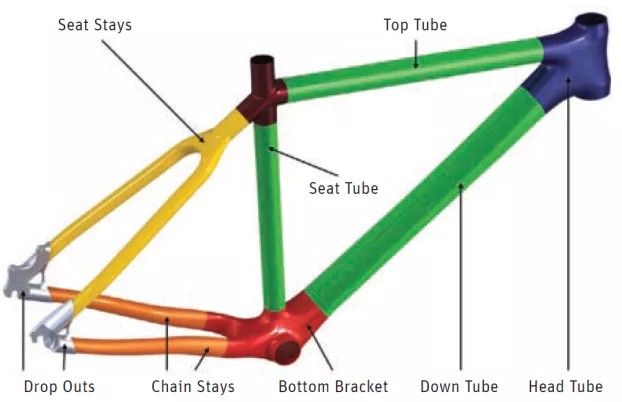
Work around every tube and joint, along any welds, then down the fork. Found an odd mark? Ask whether the bike has been crashed, repainted or repaired, and check the answer against what you’re looking at. Scuffed paint doesn’t prove a crash. Fresh paint doesn’t prove the frame is sound.
Extra care with carbon
Carbon can hide cracks under a clean surface, and you won’t spot them by eye. If the frame or fork has suspicious damage or a crash nobody can explain, get a specialist to check it or pass on the bike. Don’t tap it, flex it or ride it to find out.
Brakes, wheels and steering before you ride
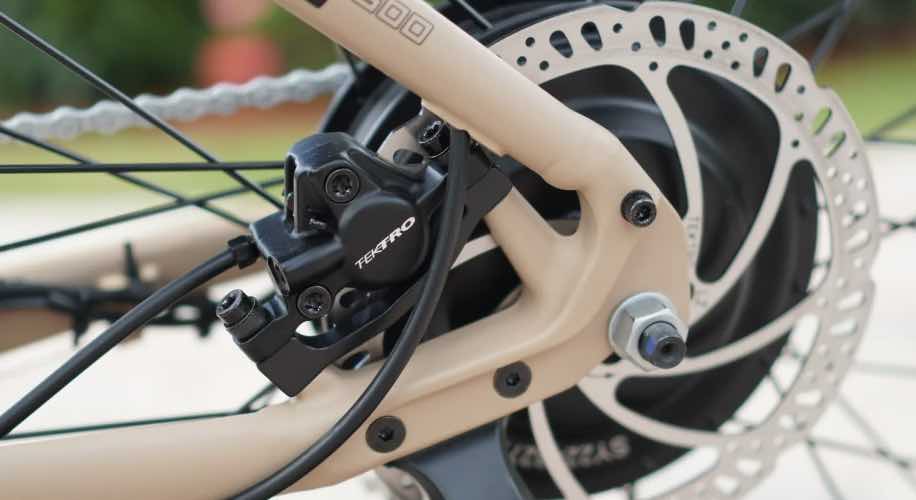
You can do all of these with the bike standing still.
Test each brake while stationary
Squeeze the front and rear levers one at a time. Each should bite smoothly and predictably. Watch for a lever that feels wrong, a brake that doesn’t grab, or damage around the brake parts.
Spin the wheels and inspect the tires
Run your eye along each tire’s tread and sidewalls for cracks, heavy wear or a damaged casing. Note a flat or very soft tire, but don’t guess the right pressure for a tire you can’t identify.
If you can hold the bike steady, spin each wheel by hand and watch the rim go round. If it wobbles side to side or hops up and down, or a spoke or the rim is damaged, get it looked at.
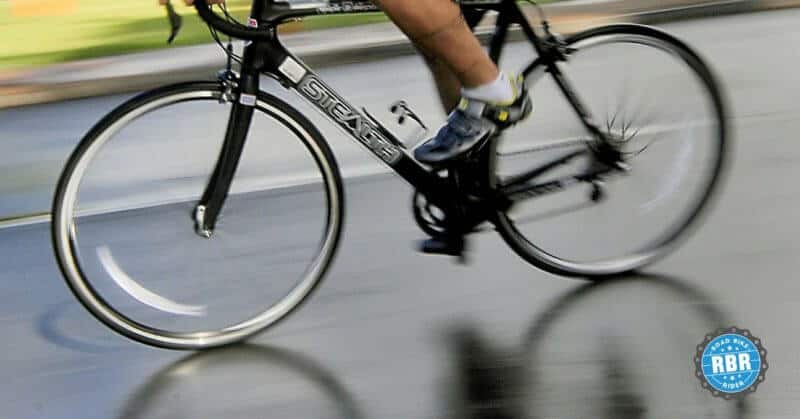
Then check how the wheels attach to the frame and fork. They have to be seated and secured with the right mechanism for that bike, whether that’s a quick-release or another axle system. Don’t know the mechanism? Ask for help.
Feel for movement at the headset
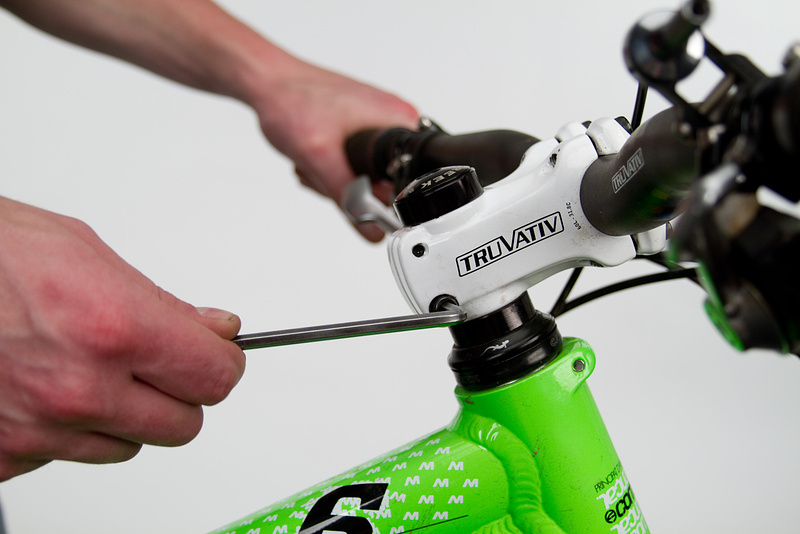
Squeeze the front brake, rest your other hand over the joint between the headset and the head tube, and rock the bike gently back and forth. Park Tool describes this check as a way to feel for movement in the steering bearings.
The steering should turn smoothly, with nothing loose or damaged. A knock or a shift under your hand means it needs a mechanic.
Chain, gears and other costly wear
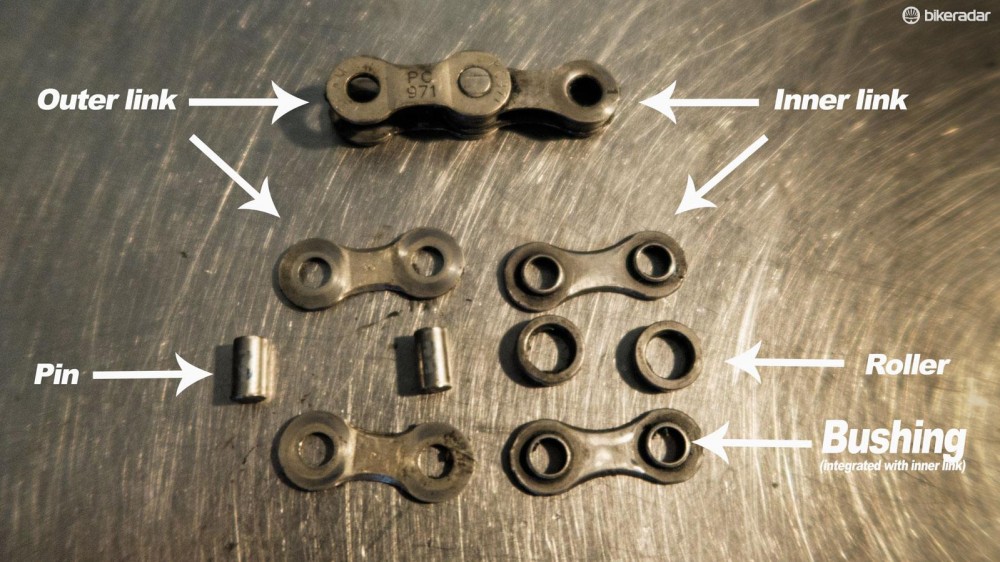
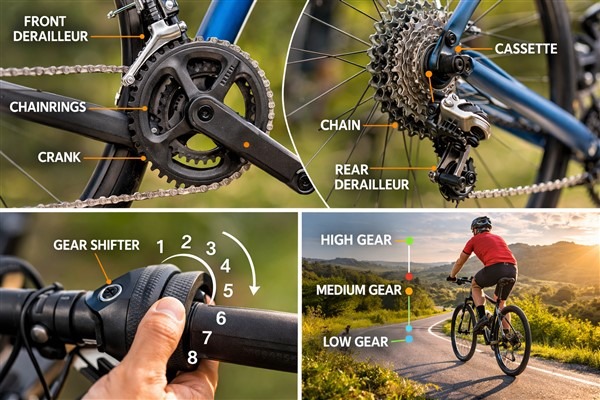
A tidy-looking bike can still need expensive mechanical work. Look over the chain, cassette, chainrings, derailleurs and any bearings you can see.
Check the chain and the parts it wears
How the chain looks tells you whether to look closer. A chain-wear gauge tells you how worn it is.
Follow the gauge’s instructions and compare the reading with what this bike’s drivetrain allows. Park Tool’s chain replacement guide explains why the measuring method and the replacement limit matter. That limit depends on the drivetrain, so check the maker’s figure for this one.
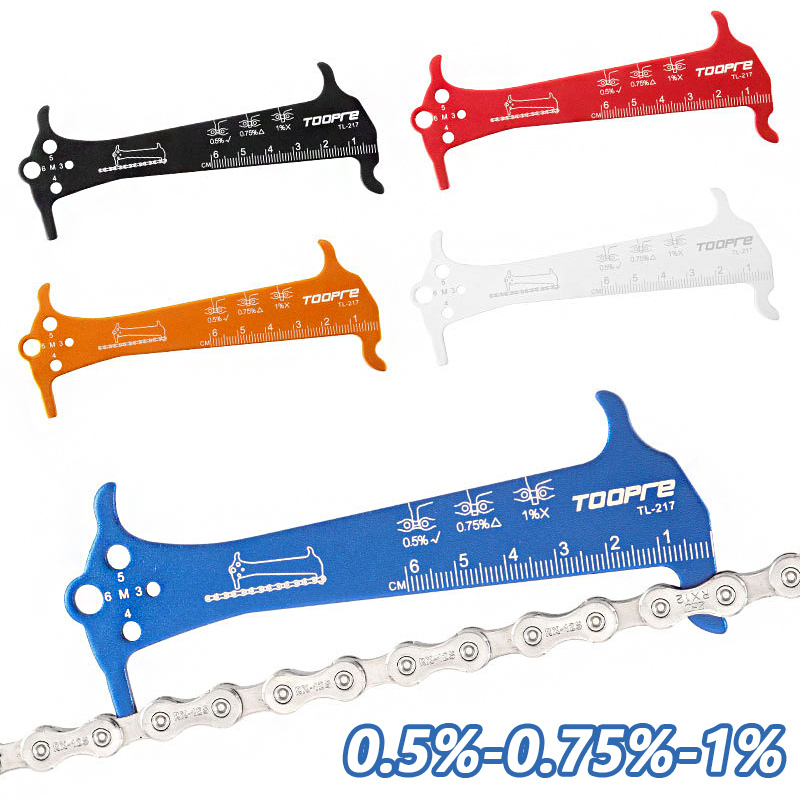
A worn chain wears the cassette and chainrings with it. If the gauge shows a problem, ask the shop whether those need replacing too, because a quote for a chain alone can leave out work the bike needs.
Look at shifting and component changes
Check the derailleurs, shifters and cables for damage or anything sitting at an odd angle. Then ask which parts previous owners changed. A different cassette, crankset or derailleur changes what the shop has to quote, so find out exactly what’s fitted.
If the cranks, pedals or wheel bearings feel loose or rough, get them checked, especially when you can’t tell which part the feeling is coming from.
When the bike has suspension or a motor
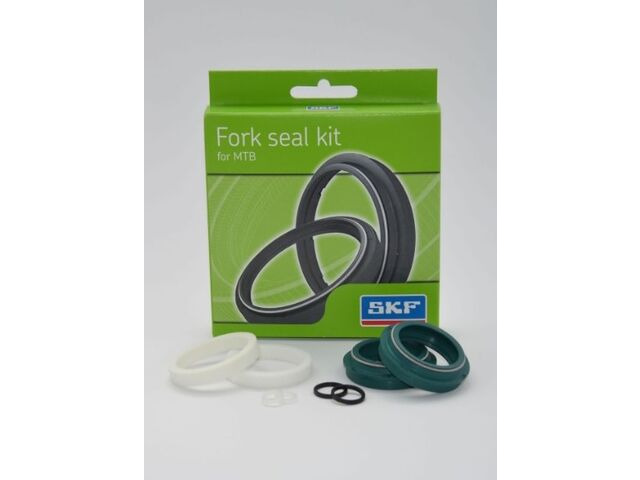
Suspension forks and shocks bring seals, stanchions, more moving parts and more questions about service history. Look for damage, odd movement, signs of leaking and skipped servicing. Get a suspension specialist’s quote before you judge the price.
An e-bike adds a battery, electronics and the maker’s own systems, and nothing on this checklist tells you what condition they’re in. Get an e-bike specialist to check them before you buy.
What the test ride should tell you
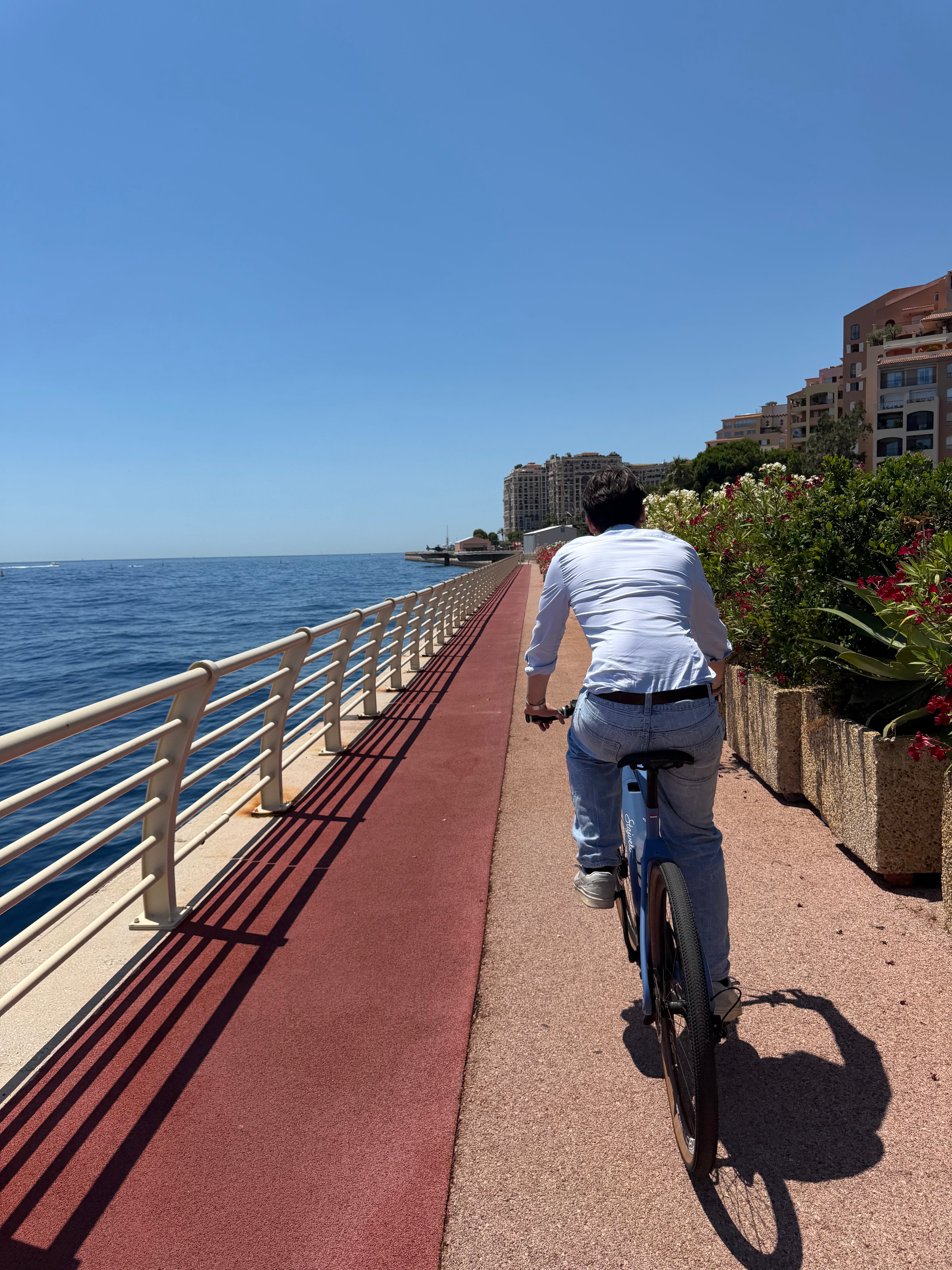
Ride it only after the frame, fork, brakes, steering and wheels have passed.
Pick a quiet, safe spot and start slowly. Feel how the bike pulls away, steers and stops. Run through the gears in normal riding. Every shift should be clean, and a gear that skips or hesitates needs a look before you put a price on the repair. Listen for odd noises, and feel for vibration or handling that seems off.
If something feels wrong, stop. Get it diagnosed before you guess at the cause.

The ride is also where fit problems show up that the stationary check missed, such as being stretched toward the bars, cramped between saddle and handlebar, or struggling to work the brakes and shifters on the move.
A short ride won’t show every hidden fault. If the seller won’t allow one, ask whether a bike-shop inspection can answer what’s left. And if fit or safety is still an open question, don’t buy yet.
Work out the real cost before you make an offer
The sticker price tells you how much the seller wants. What you’ll actually spend also covers the parts, labor and extra checks it takes to make the bike rideable. Take your inspection notes to a local bike shop and get the bigger repairs quoted for the parts actually fitted to this bike.
What goes into the real cost
| Cost line | Where the figure comes from | Watch for |
|---|---|---|
| Asking price | The listing | |
| Replacement parts | A shop quote for this bike’s actual parts | |
| Labor | The same quote | Don’t count parts twice if the quote bundles them |
| Inspection | Shop or specialist fee | |
| Missing essentials | Your own list | |
| Your total | The five lines above, added up | |
| Problems with no quote | Nobody yet | Keep it on its own line until a shop quotes it, and don’t count it as $0 |
| Another bike you’re weighing | Its own total, worked out the same way |
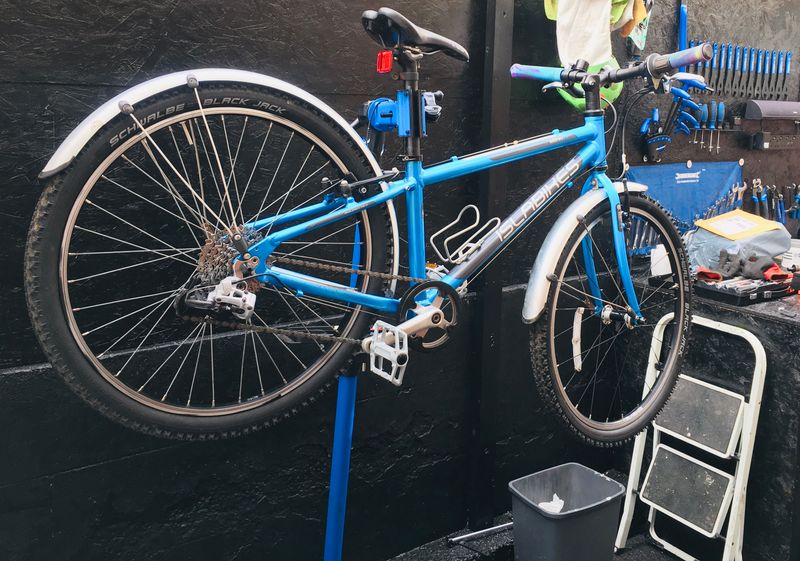
Now set that total against your budget and the other bikes you’re looking at. A serviced bike from a shop or bike co-op usually costs more up front and needs less work right away. A cheaper private sale wins if you know exactly what it needs.
Put the itemized costs in front of the seller when you make a lower offer. If the expensive part of a problem hasn’t been diagnosed yet, get the inspection done first. Haggling over a repair bill you’re only imagining helps nobody.
Buy, negotiate, inspect or walk away?
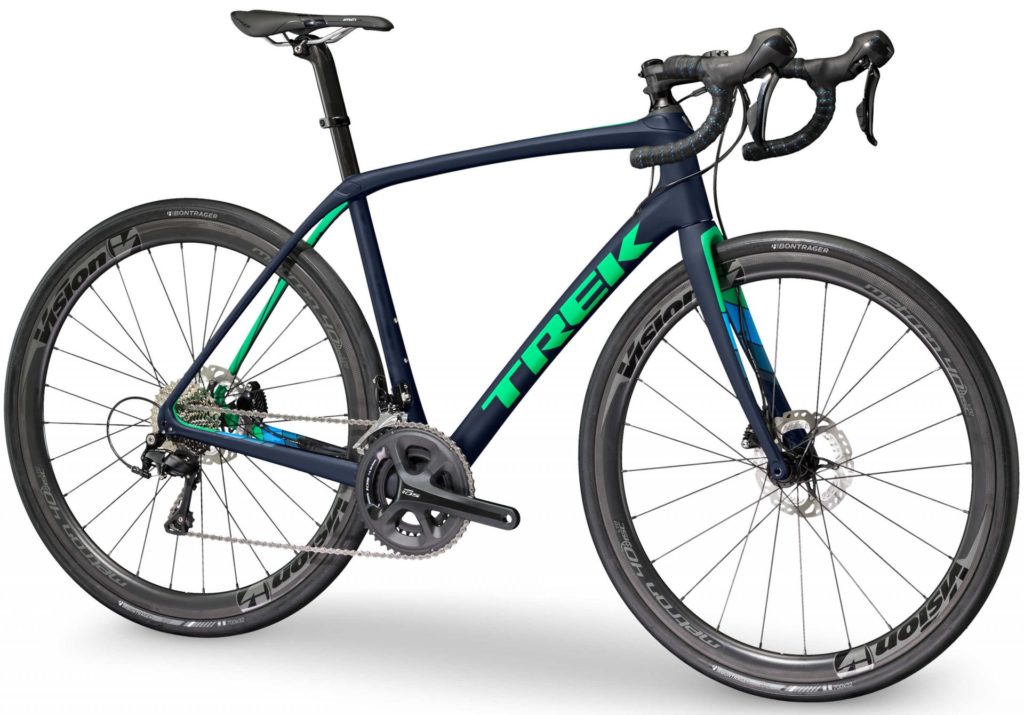
Your notes now point to one of four answers.
| Decision | When it makes sense | Next step |
|---|---|---|
| Buy | Fits you, frame and fork are sound, paperwork matches, repair costs are quoted | Record the deal and book any service it needs |
| Negotiate | Wear with a credible repair quote, on a bike that’s otherwise right for you | Offer a price based on the actual work |
| Get it inspected | Frame, mechanical, suspension or compatibility questions you can’t answer yourself | Pause until a shop or specialist gives you an opinion and a written estimate |
| Walk away or wait | Wrong fit, a bike that may be unsafe, an unexplained serial-number mismatch, or too many unknowns | Decline, or hold off until the problem is resolved |

You don’t have to decide at the viewing. The seller’s deadline isn’t yours.
Paperwork, first service and the bottom line
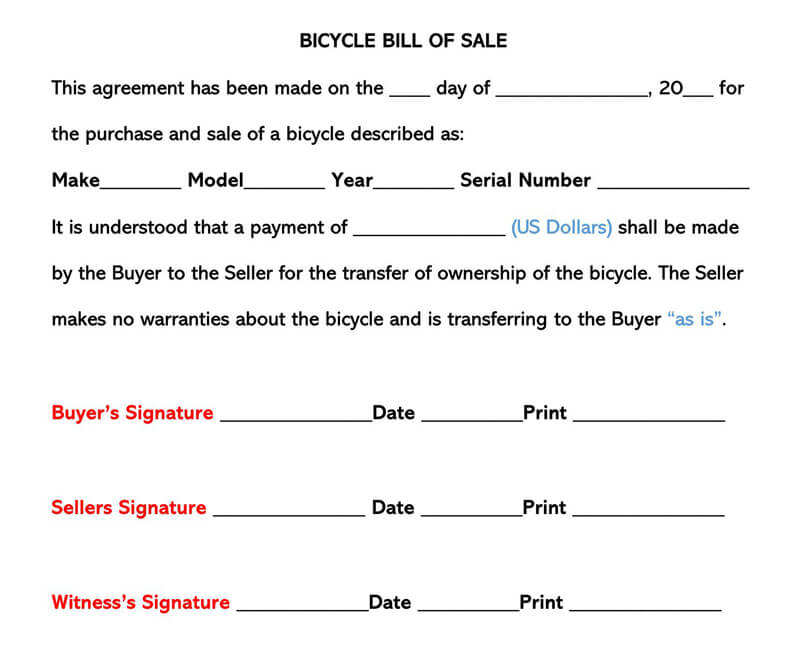
Before you pay, write down the agreed price, the bike’s make, model, model year if known and serial number, and everything included in the sale.
Keep the receipt or sale record, any service papers, the list of modifications the seller disclosed and your inspection notes, plus proof the recall remedy was done if there was one. Book whatever safety-related work the bike needs. Then give it a basic pre-ride check before you start riding it regularly.
Wear is a negotiating point, not a reason to walk away. Have a shop quote the chain, tires or anything else that’s worn, take that total off your offer and buy the bike. A frame that doesn’t fit, a frame or fork you can’t trust and a serial number that doesn’t match the seller’s story are different: no discount fixes them, so don’t haggle. Walk.