Start with up to three short cycling sessions per week at an effort that still lets you talk, then extend your rides once the current week feels manageable. If even a 10-minute ride is too much, shorten the sessions. This four-week plan shows what to ride and when to hold back. Jump to the four-week schedule.
How to choose your beginner starting level

Pick your starting level by how long you can ride comfortably today. Someone who struggles with 15 minutes and someone who rides 10 miles but has never followed a plan need different starting points.
A woman with her first gravel bike wrote in r/cycling, “Right now, I can only manage to ride for about 15 minutes max; just the other day I rode 7 minutes away from my house and had to turn right back around…”
| Time you can ride now | Starting point | How to use it |
|---|---|---|
| Less than 10 minutes | Short start | Ride 5 to 8 minutes or less on two or three days a week. Join the main table once those rides feel comfortable. |
| About 10 to 15 minutes | Main four-week plan | Start with week 1. |
| 20 to 30 minutes or longer | Already active | Keep your current ride length. The 10-minute rides in the table offer too little challenge, so follow only the plan’s effort and adjustment advice. |
Some beginners already cover 10 to 15 miles at about 13 mph, while others are working toward a trip to a nearby park.
If you’re still learning to balance, brake or steer, get comfortable with those basics before starting a timed routine.
The four-week cycling training plan
If you’re comfortable riding 10 to 15 minutes, this plan uses three easy sessions a week: Tuesday, Thursday and Saturday. That leaves at least one non-riding day between rides. Move the days to fit your calendar.
Each number is the total time on the bike, including the gentle minutes at the start and finish.
| Week | Tuesday: easy ride | Thursday: easy ride | Saturday: longer easy ride | Weekly total | Purpose |
|---|---|---|---|---|---|
| 1 | 10 min | 10 min | 15 min | 35 min | Learn your pace and find a routine you can keep |
| 2 | 10 min | 15 min | 15 min | 40 min | Same routine, 5 more minutes |
| 3 | 15 min | 15 min | 20 min | 50 min | Two 15-minute rides plus a 20-minute one |
| 4 | 15 min | 20 min | 25 min | 60 min | See if the 25-minute ride still feels easy |
Saturday adds time at the same easy effort. The schedule has no sprints or hill repeats.
If you only have two riding days, schedule two separated easy sessions and accept a lower weekly total.
How hard should a beginner cycling workout feel?
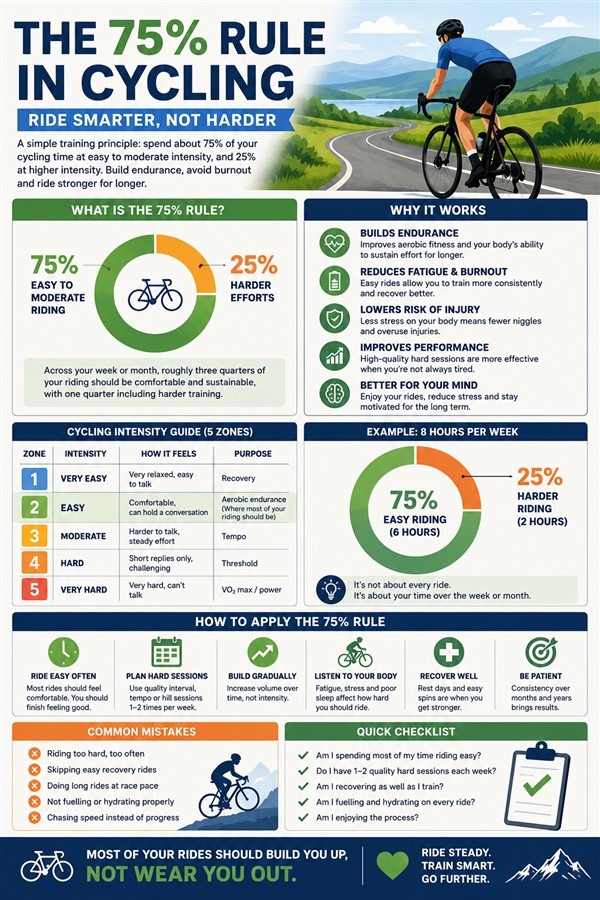
An easy ride lets you talk in full sentences, so if speech gets strained, slow down or reduce resistance.
The CDC’s physical activity intensity guide describes moderate relative effort as about 5 to 6 out of 10. At that level you can talk but not sing. Vigorous effort starts around 7 to 8 out of 10, when speaking more than a few words gets difficult.
Some of these easy rides will feel lighter than the CDC’s moderate band. For a new rider, an easy conversational pace is the right target.

Wind, hills, gearing and road surface change how hard you work at the same speed. A flat-road pace that allows easy conversation takes much harder pedaling on a climb. Average speed in miles per hour is a poor target for these rides.
Heart rate, power and cadence data are optional. FTP, or functional threshold power, is an estimate used to set structured cycling workouts.
TrainerRoad’s six-week Low-Volume Sweet Spot Base I begins with an FTP Ramp Test, an approach for riders ready for power-based workouts.
If another cyclist passes you, keep the conversational effort you planned.
Riding outdoors or on an indoor bike

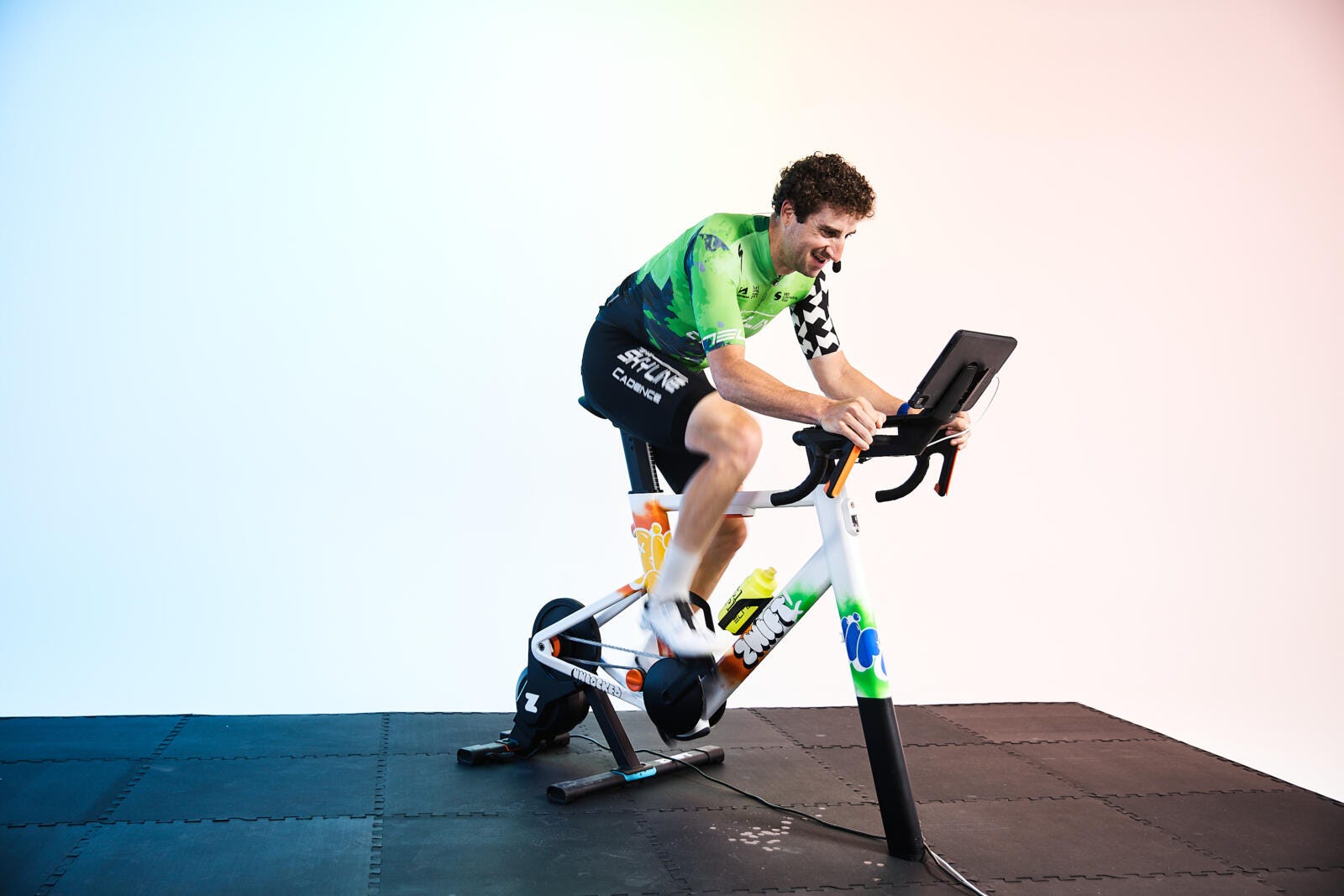
A short loop outdoors and a stationary bike indoors both work for timed sessions. Pick a setting where you can finish the planned time at an easy effort and stop early if you need to.
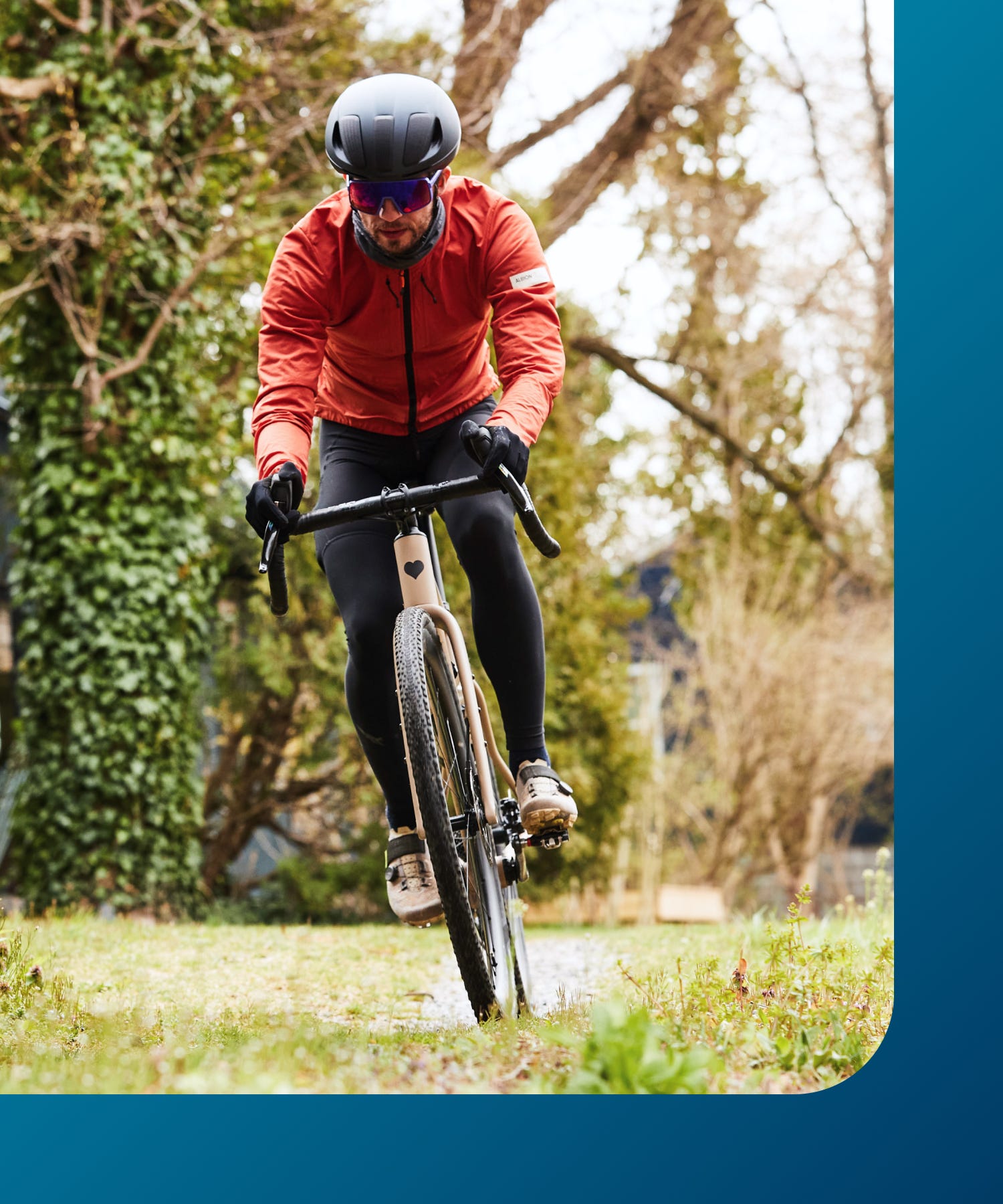
Outside, a familiar, fairly flat park loop or quiet path keeps you close to home while you learn your range. Before you set off, check that the bike works, the helmet fits and the route suits your handling skills.
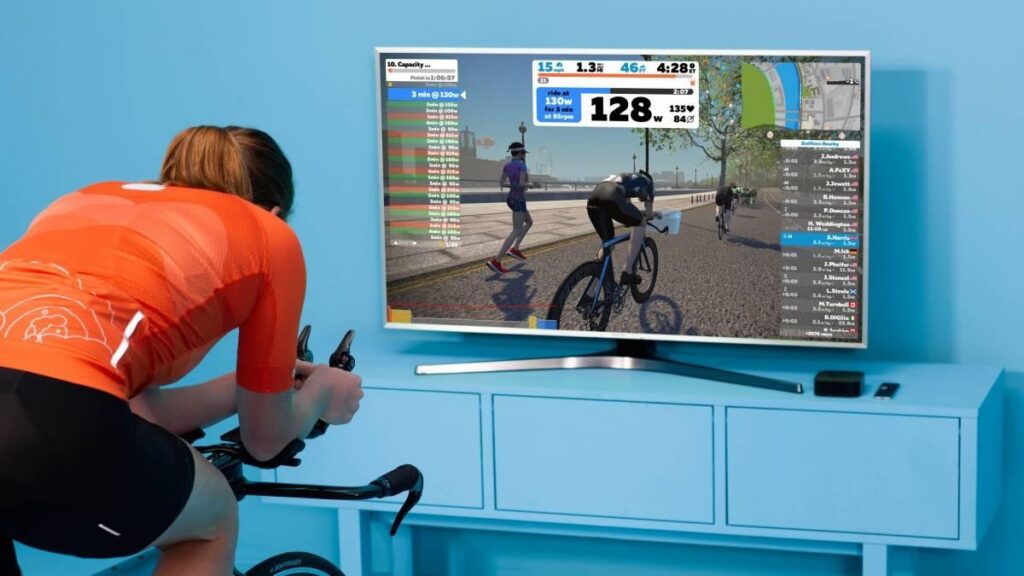
On a stationary bike, track elapsed time and use a resistance you can adjust while pedaling. You don’t need an app subscription, smart trainer or power meter.
A rider considering road cycling in Pennsylvania wanted to move from indoor cycling (Peloton, three to five times a week for 30 to 90 minutes) to outdoor road riding.
Indoor aerobic fitness and outdoor bike handling are different skills. Outdoors, you also manage braking, shifting, turns, route choices and traffic. Handling a long indoor workout doesn’t mean you’ll feel at ease outdoors right away.
When to progress, repeat a week or take more recovery
At the end of each week, decide what comes next based on how the rides felt and how well you recovered. A missed workout or a tiring session changes the plan without ending it.
| Decision | What you observed | Next step |
|---|---|---|
| Advance | You finished the rides and felt recovered the next day | Move on to the next week |
| Repeat | The rides stayed hard or were difficult to fit into your week | Keep the current ride durations |
| Reduce or rest | Riding felt uncomfortable, or tiredness disrupted your normal activity | Shorten the rides or take more rest |
If work travel wipes out Thursday’s ride, leave it out and pick up again when you have time. Cramming those minutes into Saturday turns it into a different session.

You may come across a rule that says weekly training time should increase by 10%. A 2018 systematic review by Damsted and colleagues looked at four studies of running training load and injury and found very limited evidence for any particular threshold. It didn’t cover cycling.
How to measure improvement without chasing mph
Progress looks like riding longer on a familiar route at an easy effort, or finishing the same ride with easier conversation and better recovery. Use comparable riding conditions so the changes are easier to notice.
After each ride, record the date, minutes, setting or route, how easily you could talk, comfort and recovery. The entries below are fictional examples.
| Ride | Minutes | Setting | Talk test | Comfort | Recovery |
|---|---|---|---|---|---|
| Week 1, Tuesday | 10 | Flat park loop | Conversation easy | Comfortable | Recovered next day |
| Week 1, Thursday | 10 | Indoor bike | Speaking comfortable | Comfortable | Recovered next day |
| Week 1, Saturday | 15 | Familiar path | Talking harder near a hill | Tired legs | Needed more recovery |
Saturday’s hill makes its talk-test rating hard to compare with the flat-loop and indoor rides.
A 2011 commuter-cycling study by Møller and colleagues randomly assigned 48 adults in Denmark to a usual-lifestyle control group or a cycling-commute group.
The cyclists were asked to ride at least 20 minutes daily for eight weeks and improved cardiorespiratory fitness relative to controls. Its population and schedule differ from this four-week example.
After four weeks, compare a first-week ride with a later one.
What to do when a ride hurts or breathing feels wrong
Ordinary muscle tiredness feels different from persistent numbness, significant pain or unusual symptoms during exertion. If easy riding repeatedly brings hand, foot or saddle discomfort, stop extending the rides and check your bike fit and equipment before you continue.
One rider in r/ladycyclists wrote, “My first bike ride outdoors was awful, my feet and hands went painfully numb. I was in tears by the time I got home.”
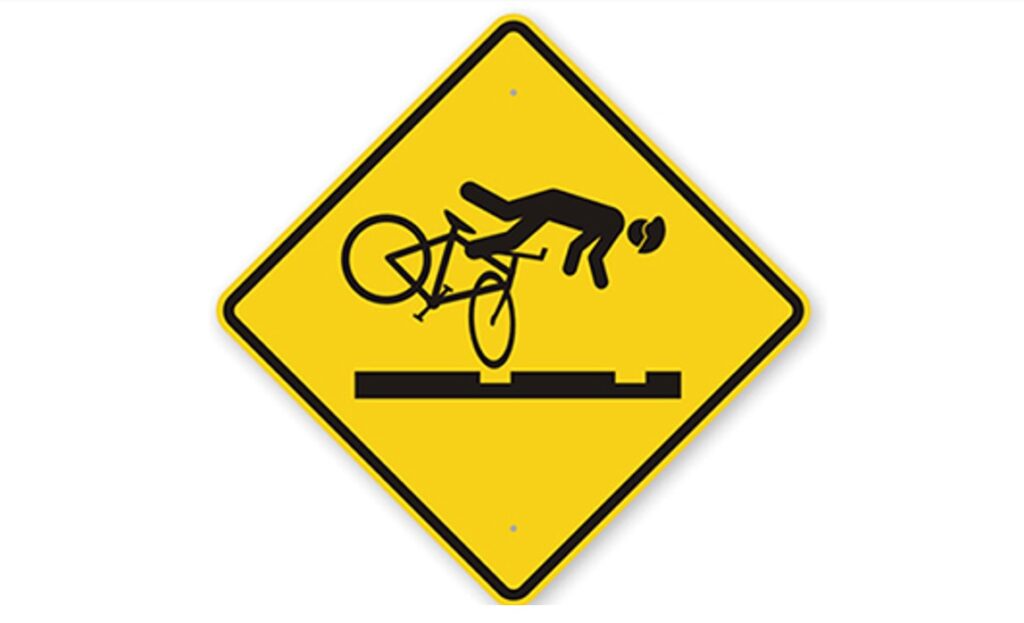
Stop riding and get medical advice for chest discomfort, faintness, dizziness or unusual or severe shortness of breath. The American Heart Association’s physical activity planning guidance describes warning signs to watch for during activity. If you have a health condition that affects exercise safety, get professional advice before you increase your training.
What to do after four weeks
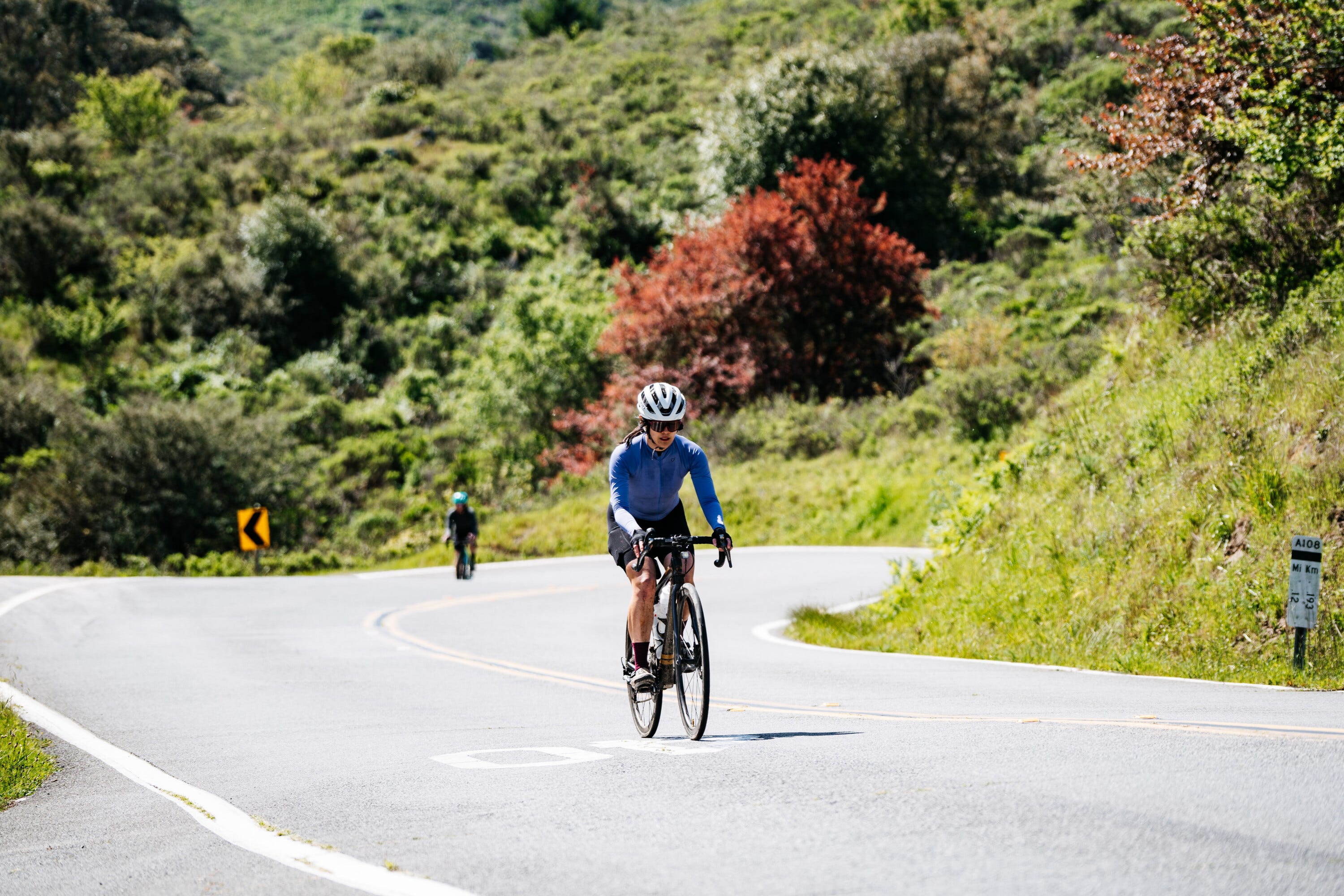
If the last week’s rides felt comfortable, pick a modest local destination or work toward a first 10-mile ride. If they’re still hard, stay at your current level.
If a distance goal helps you progress, Plan a first 10-mile ride around manageable effort rather than rushing into longer rides.
The CDC’s activity guidance for adults recommends 150 minutes of moderate aerobic activity weekly, plus muscle strengthening on two days. You can reach that goal with cycling and other activities.