Let the ride set the kit. A short, familiar daytime outing needs only the basics. Night, distance, weather, and remote routes each add specific items, and a quick bike check comes first.
Which cycling gear is essential, and which depends on the ride?
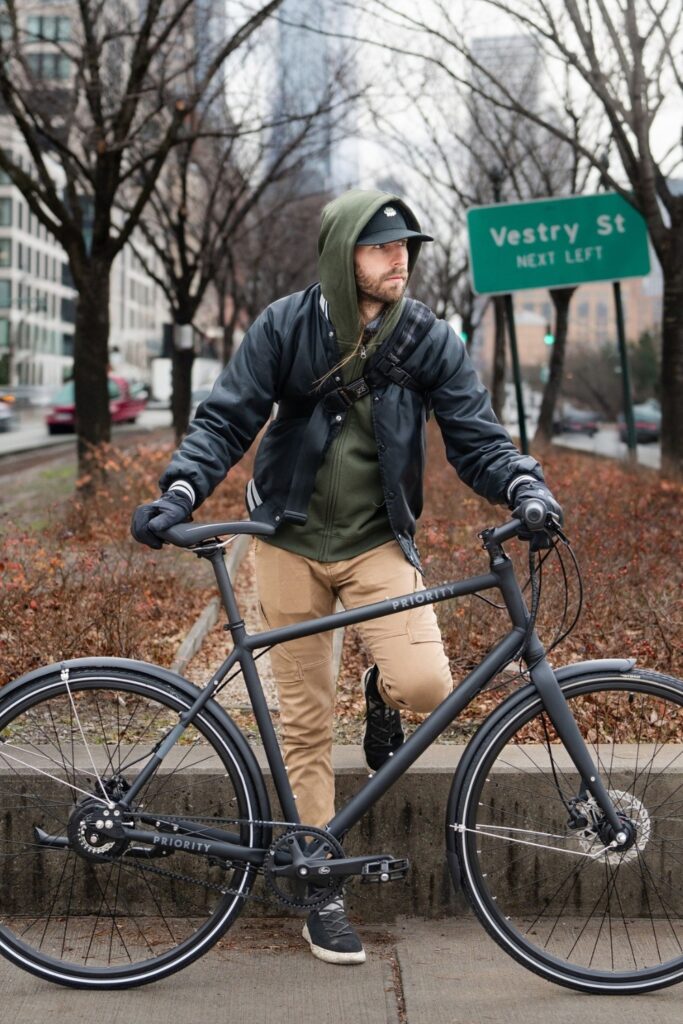
What counts as essential depends on your route. A working bike, a helmet that fits properly, water, and a way home are the starting point. Go through what you already own and sort it into three groups:
- Core for this ride: What the planned outing needs, including protection and a bike in working order.
- Add when conditions demand it: Lights for low visibility, a lock for parking, repair supplies when you ride alone, layers when the weather could turn.
- Can wait: Electronics and specialized clothing with no clear job on your next ride.
REI’s Basic Cycling Checklist covers essentials, repair supplies, and comfort accessories. It also says plainly that you don’t need the whole list on every outing.
A first-bike owner planning short rides on pavement asked what special biking clothes they need, if any. For rides like that, regular workout clothes work. Pick anything that touches your body for fit and comfort, whatever the marketing says.
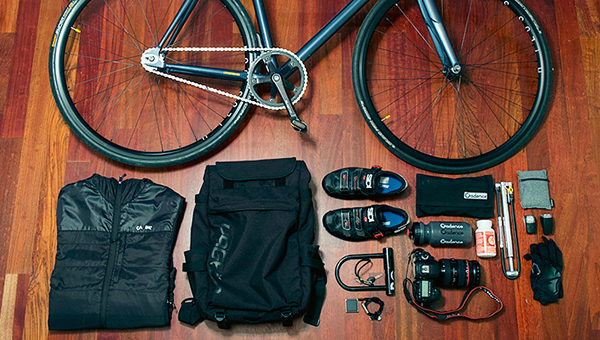
Your way home might be a riding companion, nearby transit, a bike shop, or someone who can pick you up. Each has limits on availability and location.
Cycling gear by ride type: road, commuting, gravel, and trails
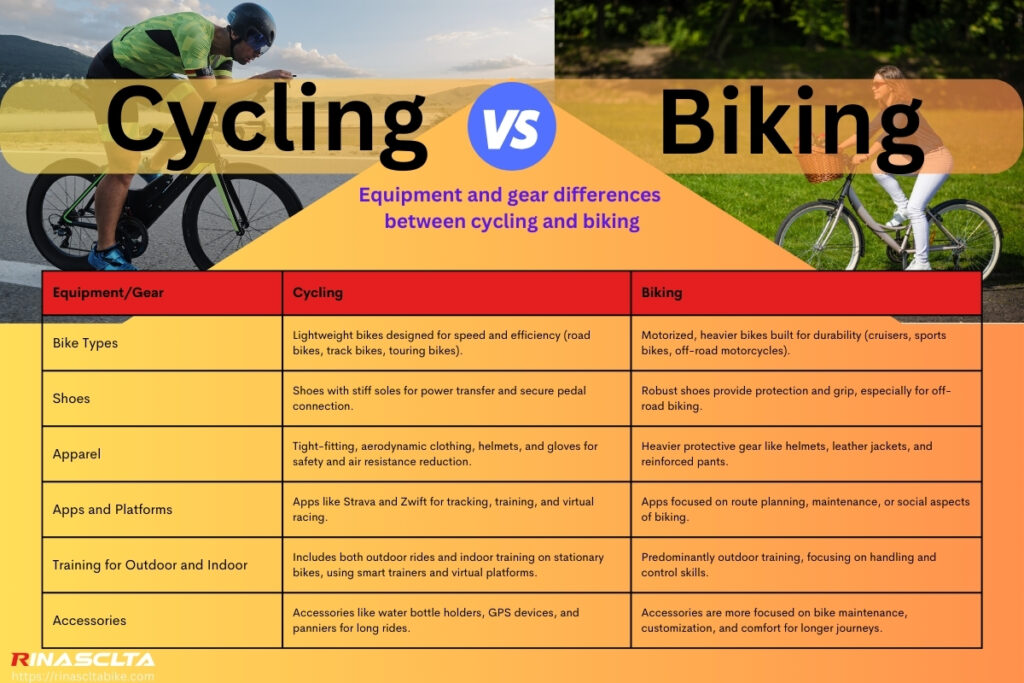
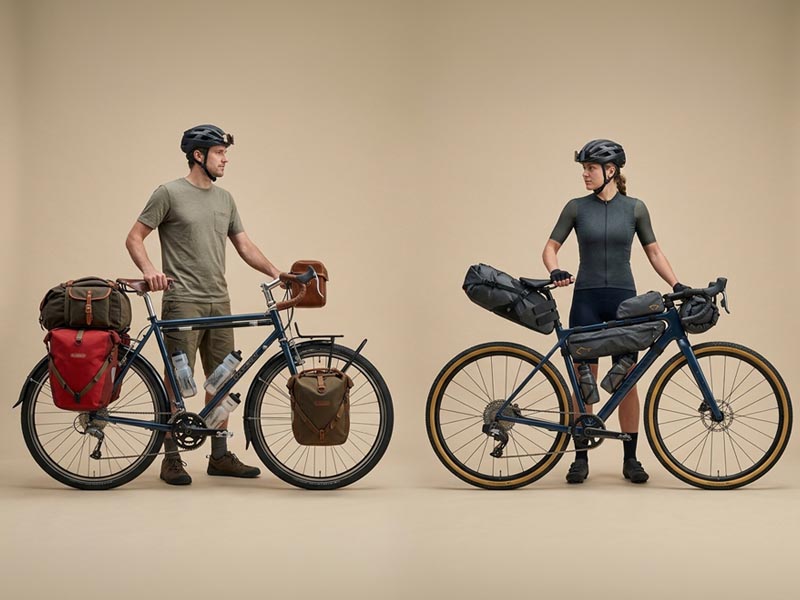
Pick the row closest to your ride, then adjust for light, remoteness, expected time, weather, and nearby help. The table shows what each ride prioritizes, what adds supplies, and what you can usually skip.
| Ride | Main equipment priorities | What changes the kit | Usually optional |
|---|---|---|---|
| Short familiar daylight ride | Working bike, fitted helmet, water, way home | Far from help: a compact puncture kit. Fading light: lights | Race clothing, power meter |
| Fitness road ride | Hydration, route information, puncture plan | More time away or fewer services: food, layers, and a repair kit you can use yourself | Premium wheels, training computer |
| Urban commute | Visibility, a way to carry work items, destination arrangements | Unattended parking: a lock. Wet weather or a change of clothes: storage | Race-oriented upgrades |
| Gravel outing | Tire-compatible repairs, water, route information | Remote terrain: more water, a first-aid kit, and a broader repair plan | Aero accessories |
| Mountain bike trail | Helmet, hand and eye protection, water, trail repair supplies | Technical terrain or distance from help: extra protection and first aid | Commuter luggage |
| Longer day ride | Water and food, map or navigation, layers, repair plan | Few refill points or exposed weather: more carrying capacity and backup supplies | Specialist electronics with no defined use |
| Low light or night on any bike | Working white front light, red rear light, reflectors | Unlit roads or trails: a light that also shows the route ahead | Performance electronics |
Ride conditions beat a mileage rule
A short gravel loop far from help can demand more self-sufficiency than a longer rail trail with reliable services. The same goes for an easy trail near a trailhead compared with a demanding route that takes you farther out.
Commuting adds a destination. If you lock up outside an office and change clothes there, you need a different setup from someone heading out for an uninterrupted workout.
Helmet, lights, and visibility
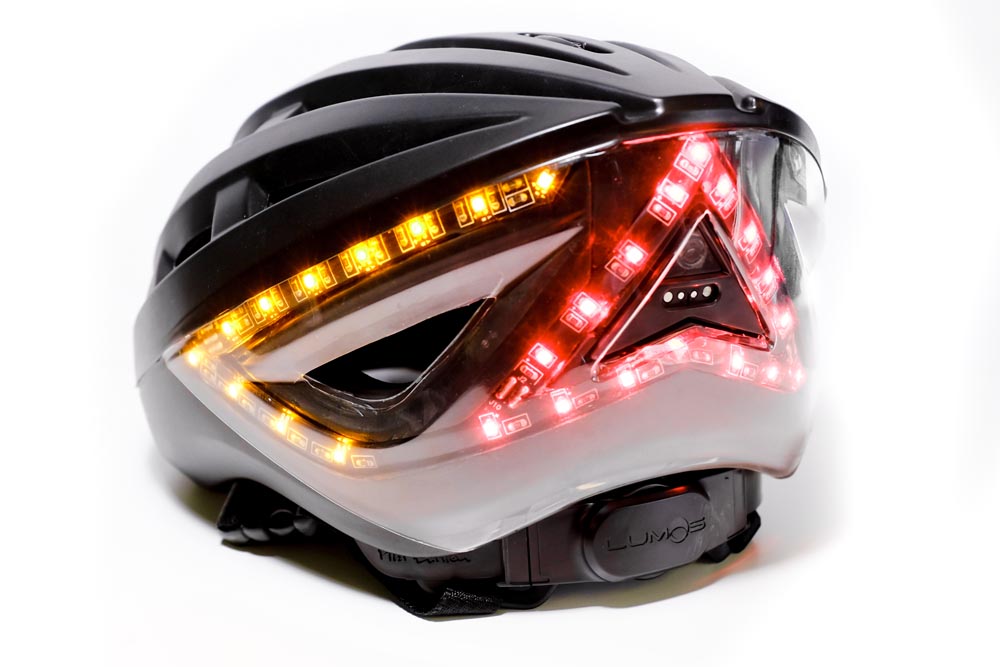
A bicycle helmet should fit securely and carry the US compliance certification. The U.S. Consumer Product Safety Commission sets bicycle-helmet requirements under 16 CFR Part 1203, including tests for peripheral vision, positional stability, retention strength, and impact attenuation.
Look for a label stating that the helmet complies with the CPSC bicycle helmet standard, then follow the manufacturer’s fit instructions. A higher price or a trendy design doesn’t buy better impact protection.
A helmet that has taken an impact can have hidden damage. CPSC’s required warning tells you to return it to the manufacturer or destroy and replace it.
Lighting for visibility and the road ahead
For darkness and poor visibility, the National Highway Traffic Safety Administration recommends a white front light, a red rear light, reflectors, and conspicuous clothing. Reflective clothing helps other road users notice you, but it doesn’t replace working bicycle lights.
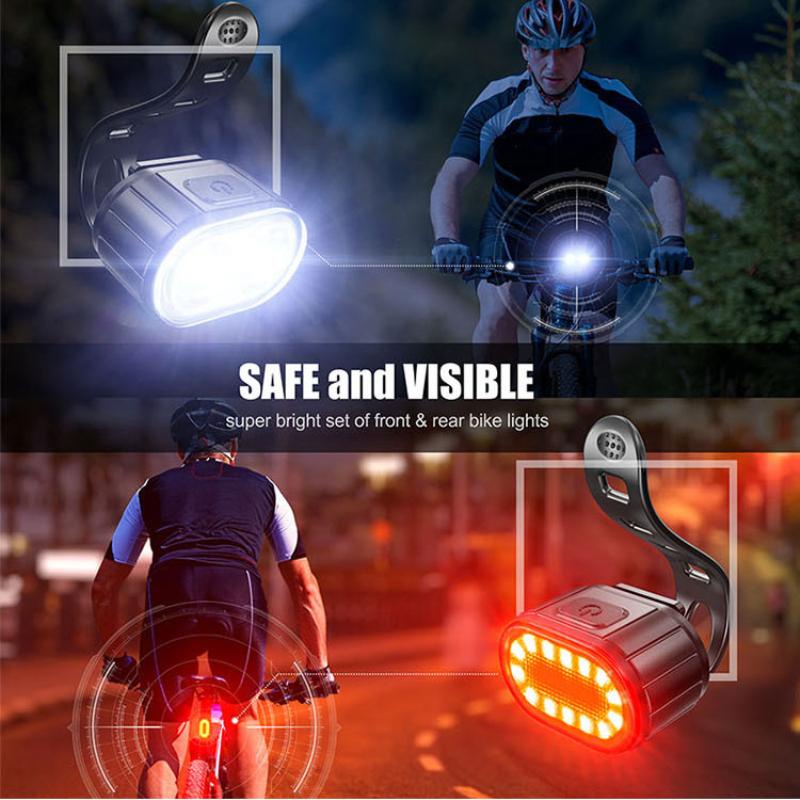
A familiar road ride that runs into dusk becomes a lighting question, even if the distance never changes. Lights also do two separate jobs: making you visible to others and showing you the surface ahead. A dark trail or unlit road needs light beyond what makes the bike noticeable. Don’t look for a universal brightness figure. The route and the light’s job decide.
Before a ride where visibility matters, switch on both lights and check the reflectors. State and local lighting requirements can differ from the national guidance.
A repair kit that works with your tires
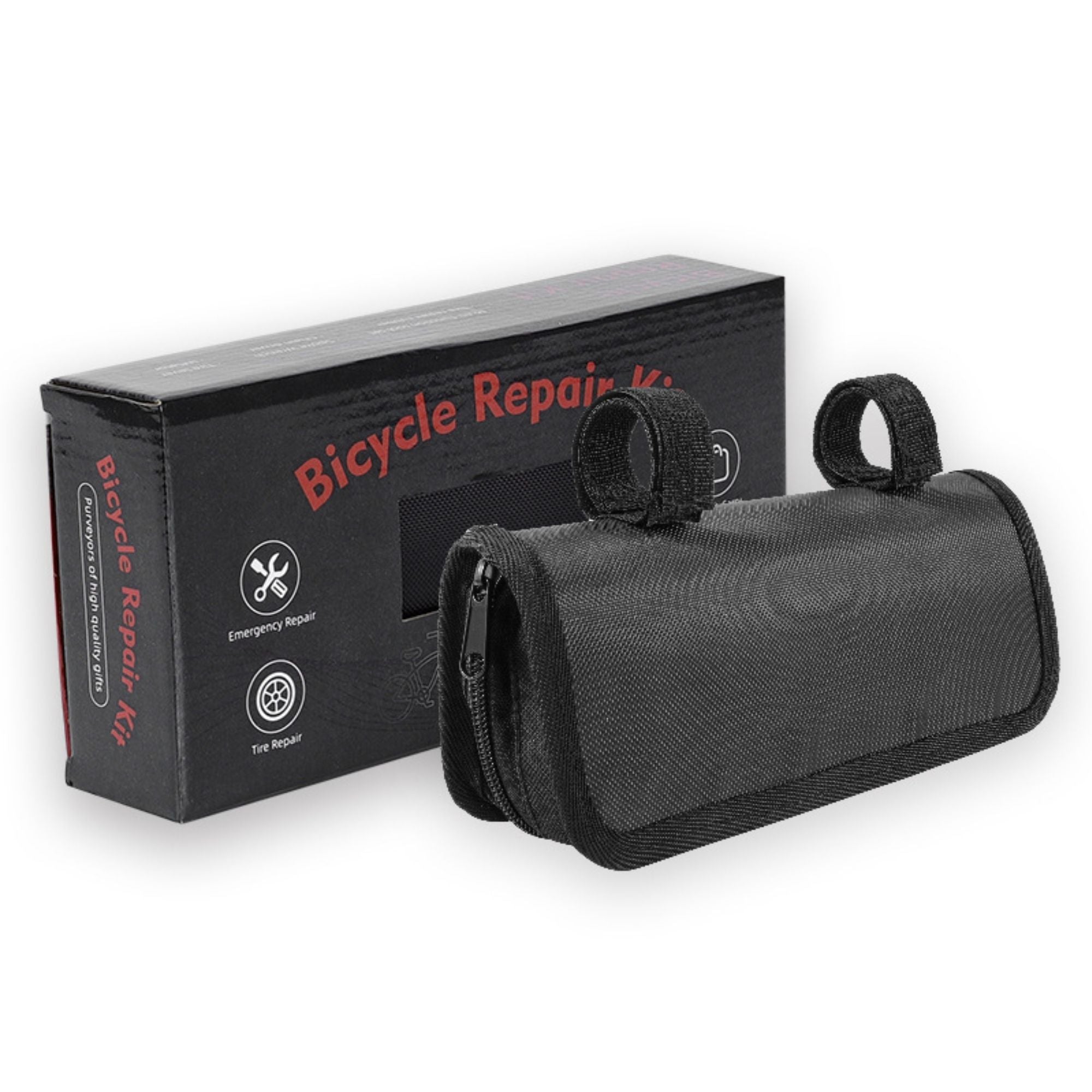
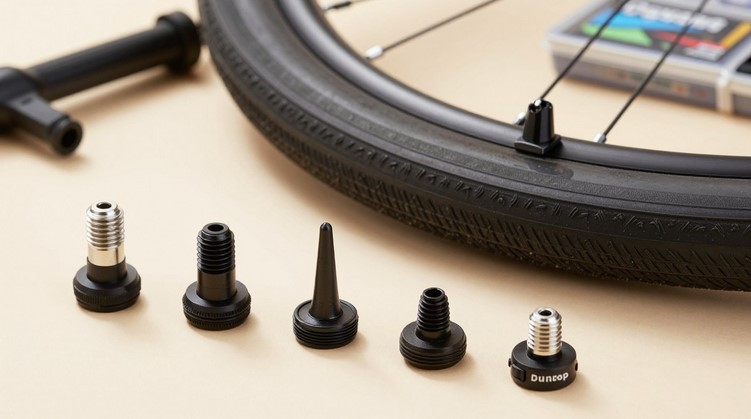
A spare tube only helps if it fits your tire, and a pump only helps if its head fits your valve. Those two checks separate carrying gear from having a puncture plan.
REI’s compact repair checklist includes a spare tube or patches, tire levers, a bicycle pump, and a multi-tool with the right hex keys. Each does a separate job:
- Tube or patches: Fix punctures in a tire with an inner tube.
- Tire levers: Get the tire off so you can reach the tube.
- Portable pump: Re-inflates the tire when its head matches the valve.
- Multi-tool: Covers adjustments when it has the right tools for your bike’s fasteners.
| Question | What to check | Effect |
|---|---|---|
| Tubed or tubeless? | The actual tire setup | Changes the puncture-repair supplies you carry |
| Which tire size? | Markings on the sidewall | Decides which spare tube fits |
| Which valve? | Presta or Schrader | Decides the pump head or adapter you need |
| How does the wheel come off? | Axle and fastener type | Decides which tools remove the wheel |
| Which fasteners are fitted? | The bolts and fittings on your bike | Decides whether your multi-tool has the right functions |
On tubeless tires, a plug kit fixes some punctures. Larger damage calls for a compatible spare tube, another repair method, or outside help.
Pump or CO₂ inflator?
A compact pump is reusable but takes physical effort. A CO₂ inflator uses compatible cartridges, takes some technique, and needs enough gas for the job. A floor pump belongs at home, so leave it off ordinary rides.
Longer or remote routes can justify more supplies, such as a chain tool or replacement link, if it fits your bike and you have the skills to use it. Liv Cycling’s beginner maintenance guidance separates roadside preparation from home maintenance.
Practice inflating a tire and fixing a puncture at home. A mismatched pump head is easier to discover in your kitchen than beside an unfamiliar road.
Water, food, and weather layers
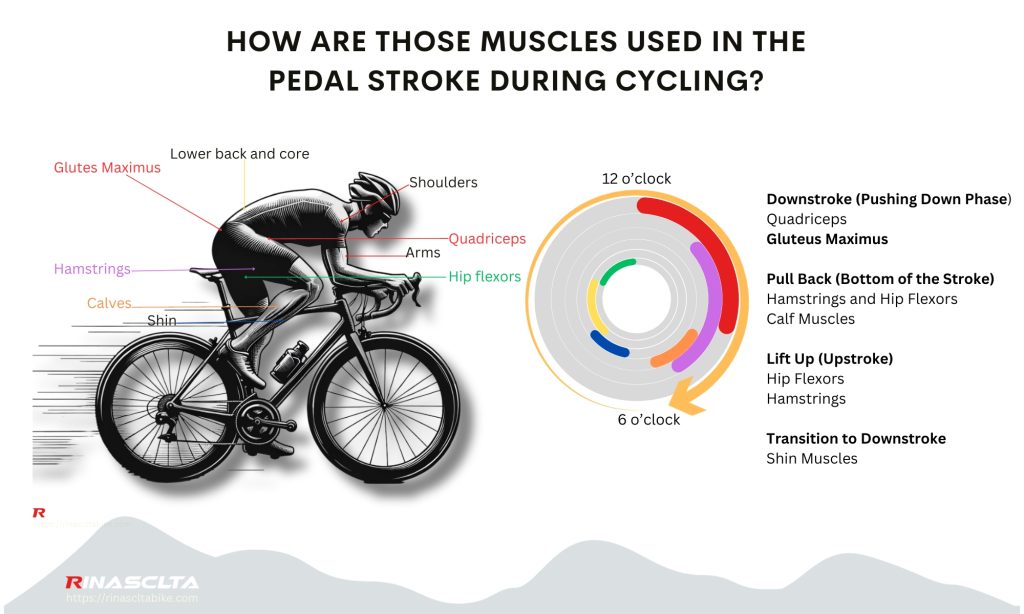
On longer or less-supported rides, plan your drinking and eating around how long you’ll be out and where you can restock. REI’s day-touring checklist lists bottles or a hydration pack, snacks, route information, and weather layers. How much you carry depends on you and the conditions.
A bottle is enough on a route with refill stops. Farther from water, a hydration pack or extra carrying capacity does the job.
Check the forecast and your ride time, find realistic stops, then add the food, water, rain shell, or insulation the trip needs.
Cycling clothing and shoes for comfort and pedal fit
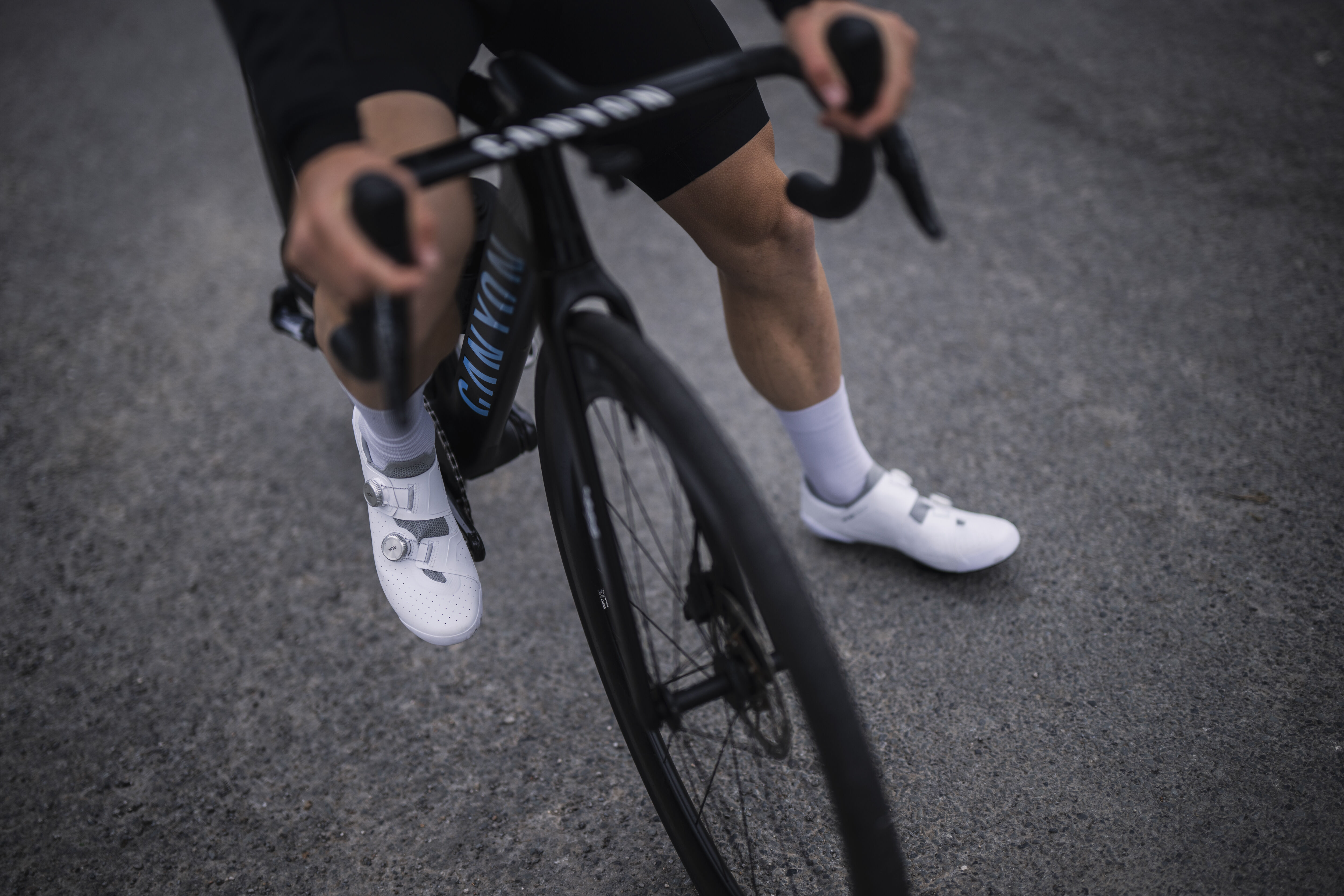
Cycling-specific pieces make sense when their cut, padding, pockets, or weather performance fixes something you notice while riding.
A runner in the US Northeast getting into road cycling asked which cycling clothes riders can’t live without. The pieces below are the ones worth weighing first.
Shorts, jerseys, gloves, and everyday clothes
Padded cycling shorts have a chamois, a pad where you contact the saddle, which makes longer seated rides more comfortable for many riders. Bib shorts are held up by shoulder straps, while waist shorts have a waistband. Pad shapes, cuts, and sizing vary.
A cycling jersey gives you rear pockets and clothing built for repeated riding. Gloves add comfort or grip, especially on rough surfaces, and eye protection helps with wind or debris.
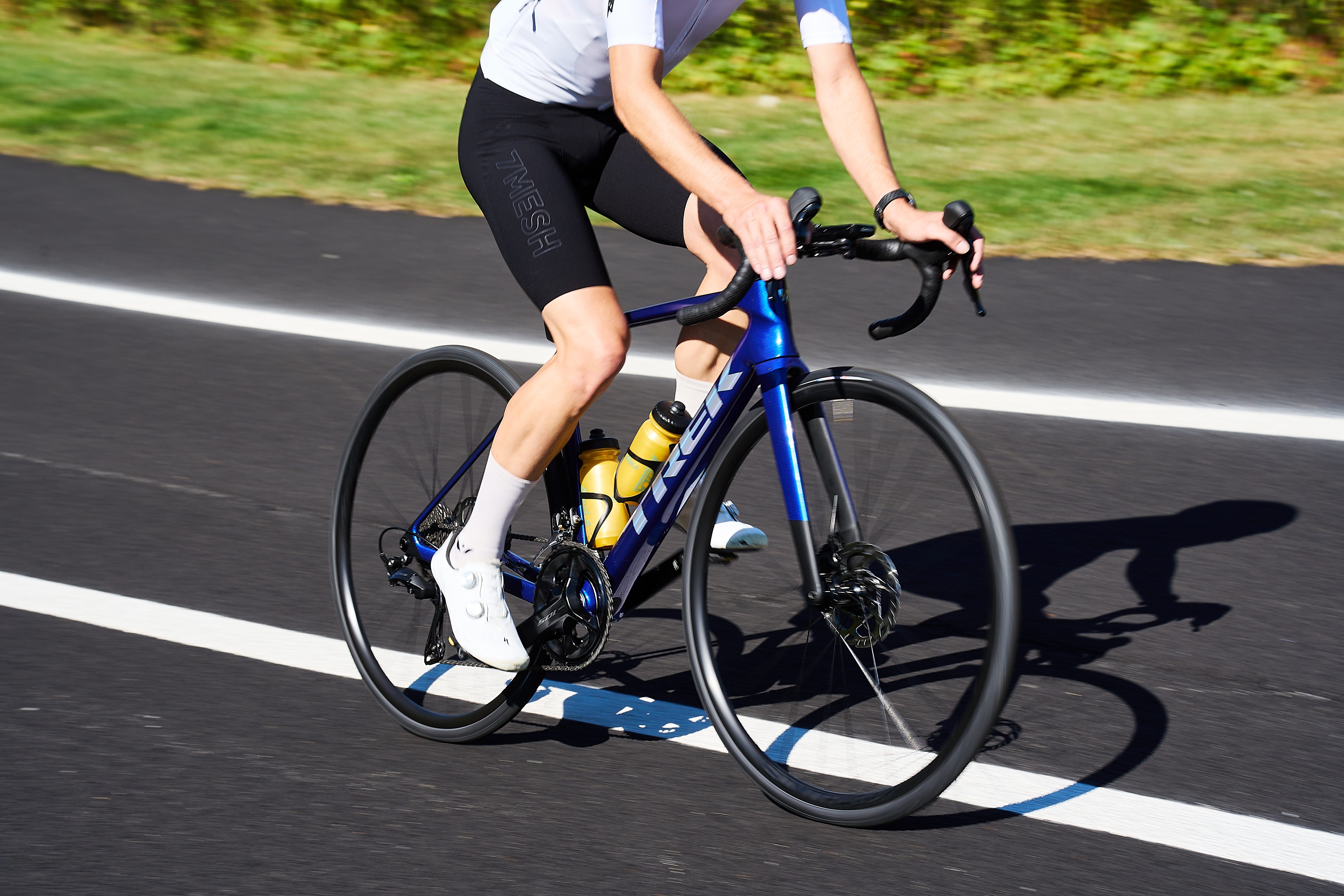
With everyday clothing, keep loose pant legs and hanging fabric clear of the chain, wheels, and brakes. Roll up or fasten a loose cuff on the chain side before you ride.
Flat pedals and clipless shoes
Everyday shoes work with many flat pedals. Clipless pedals secure compatible cycling shoes through cleats, so the shoes, cleats, and pedals must belong to a matching system. Don’t assume indoor cycling shoes fit a different outdoor pedal setup. A low-priced shoe that fits poorly won’t solve a comfort problem.
Swap out only what rubs, catches, or doesn’t fit your pedals.
Bike bags and optional electronics for different loads
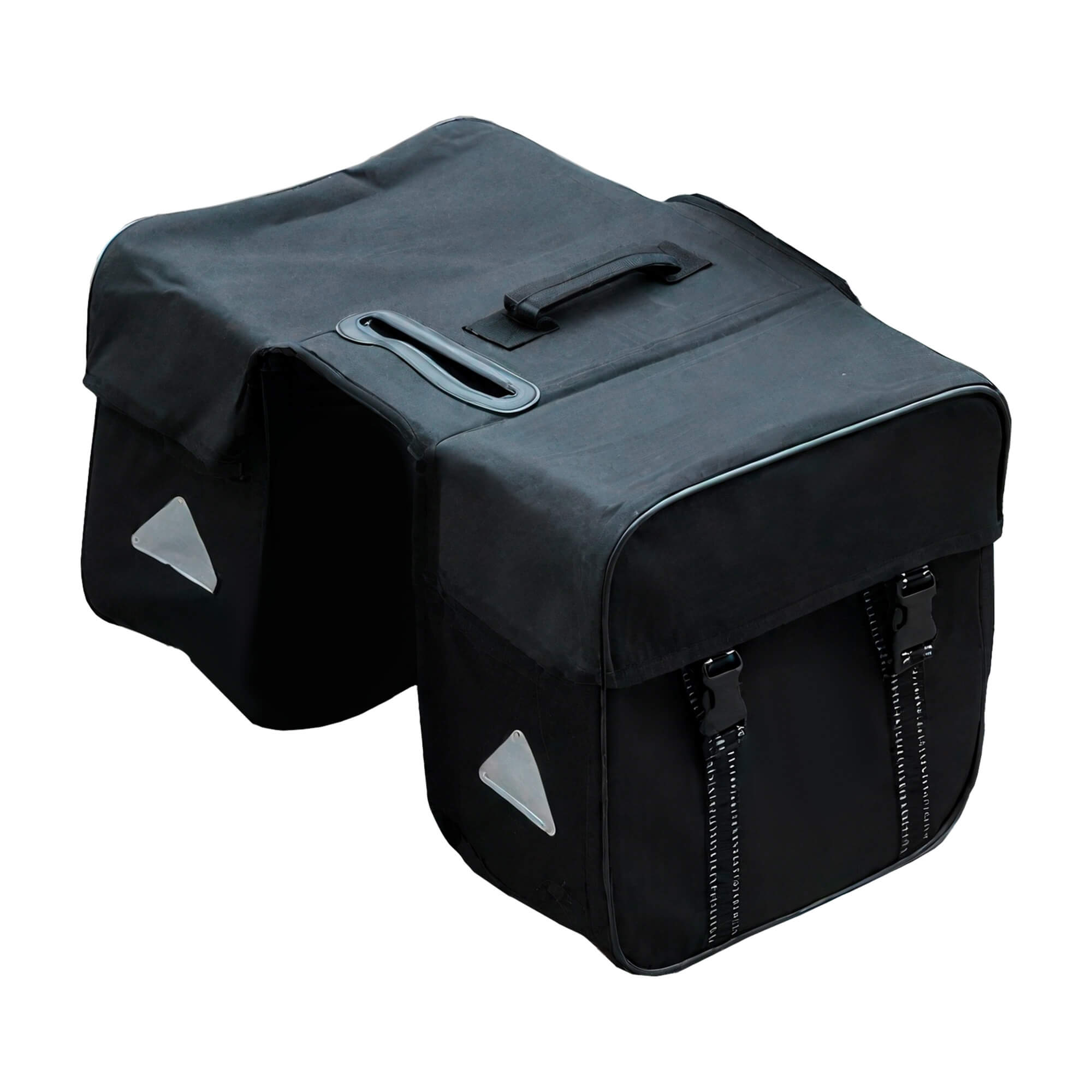
A small saddle bag carries compact tools and personal items on a road ride. A frame or handlebar bag keeps a few items within easier reach, depending on your frame shape and mounting points.
If you are weighing a separate head unit against your phone, Choose a navigation device only when it adds value.
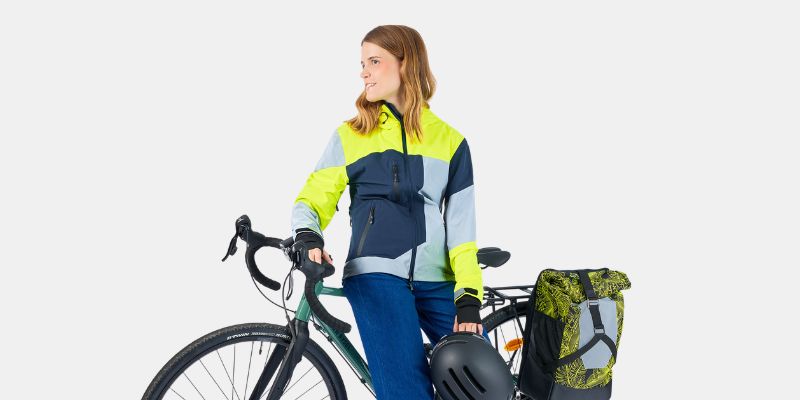
A commute often needs more space. A backpack stays with you after you park, and a rack with compatible panniers carries bulkier work items or clothing. If the bike will sit unattended, you need a lock.
When a phone, computer, or radar makes sense
A phone or map handles navigation on a simple route. A cycling computer is worth it when navigation, recording, device handling, or power management keeps being a hassle.
Some bicycle radar systems send alerts to compatible phones or displays. Radar adds information about approaching traffic, but it doesn’t replace your own observation and judgment.
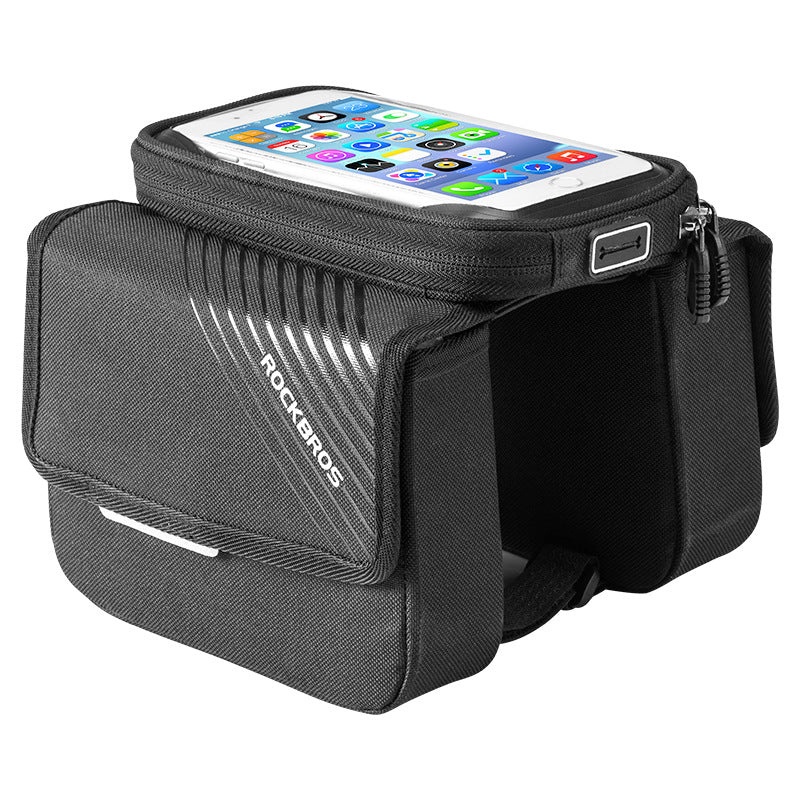
Pack your real load in the bag and secure its mounts. Turn the handlebars, work the controls, and look for contact with tires, wheels, brakes, or other moving parts. A bag that fits one bike can interfere with another.
What to buy now, reuse, or upgrade later
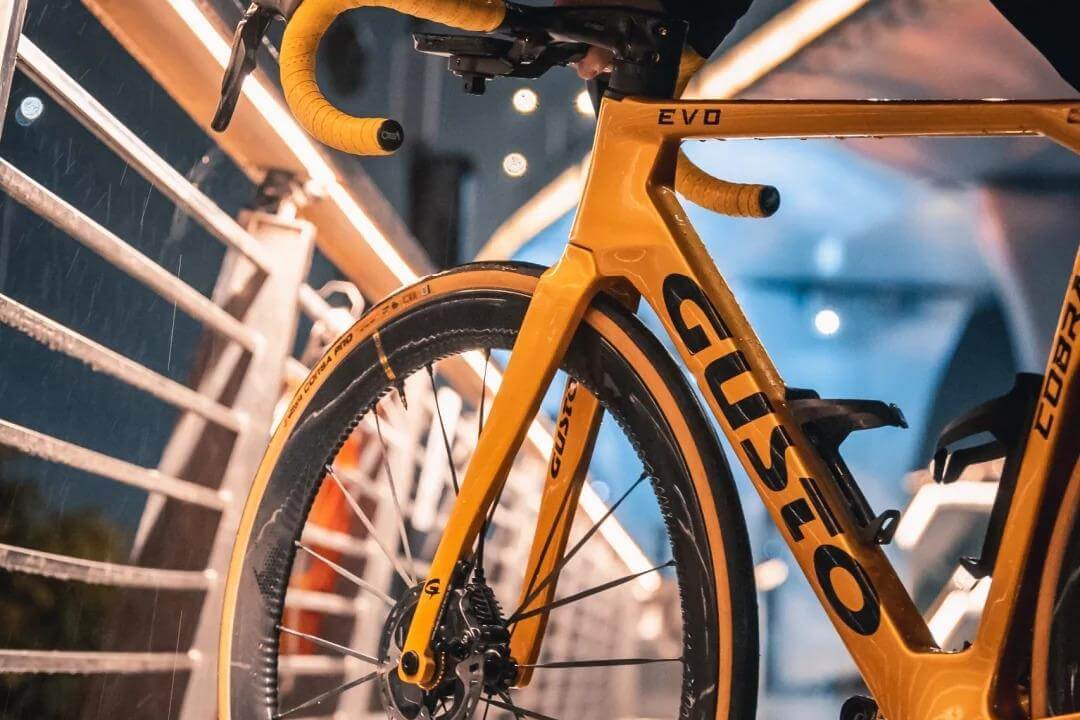
Missing lights or a repair setup you can’t use come first. A performance upgrade with no immediate purpose can wait.
A road cyclist who had bought a bike for $300 asked what is most important to get first and what is okay to cheap out on. Shoes, bib shorts, radar, and a power meter were among the upgrades under consideration.
| Purchase decision | Situation | Example |
|---|---|---|
| Fix before this ride | Current gear can’t handle the expected conditions | Replace a faulty light before a low-light trip |
| Keep using what works | Your gear already does the job | Comfortable sports clothing or a phone navigation setup that works |
| Compare total setup cost | One purchase requires other compatible items | Clipless shoes also need compatible cleats and pedals |
| Upgrade after repeated need | The same limit keeps interfering with real rides | More secure cargo space or a better navigation setup |
Pricey accessories often depend on other parts. A rack has to fit your bike and your bags. Radar alerts need a supported phone or display. A tubeless repair product has to suit your tire system. A lower price says nothing about fit, certification, reliability, or compatibility.
In a September 8, 2026 BikeRadar equipment feature, editors questioned starting out with costly aero bikes, deep carbon wheels, and stiff road shoes.
After a few ordinary rides, the problem usually shows itself: shorts that chafe, a phone setup that makes navigation a hassle, or a work bag that won’t hold what you need.
Final pre-ride check: is the bicycle ready?
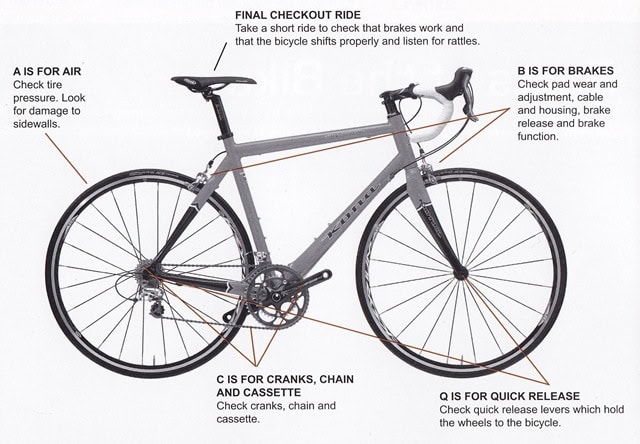
The League of American Bicyclists teaches the ABC Quick Check as a way to inspect key functions before you leave.
- A, Air: Look at the tires and their inflation.
- B, Brakes: Confirm the front and rear brakes respond normally.
- C, Chain and cranks: Inspect the drivetrain and confirm the cranks turn normally.
- Quick releases: Check wheel and component closures. Through-axle bikes need checks that suit their retention system.
- Check: Make a short, controlled functional test in a safe area.
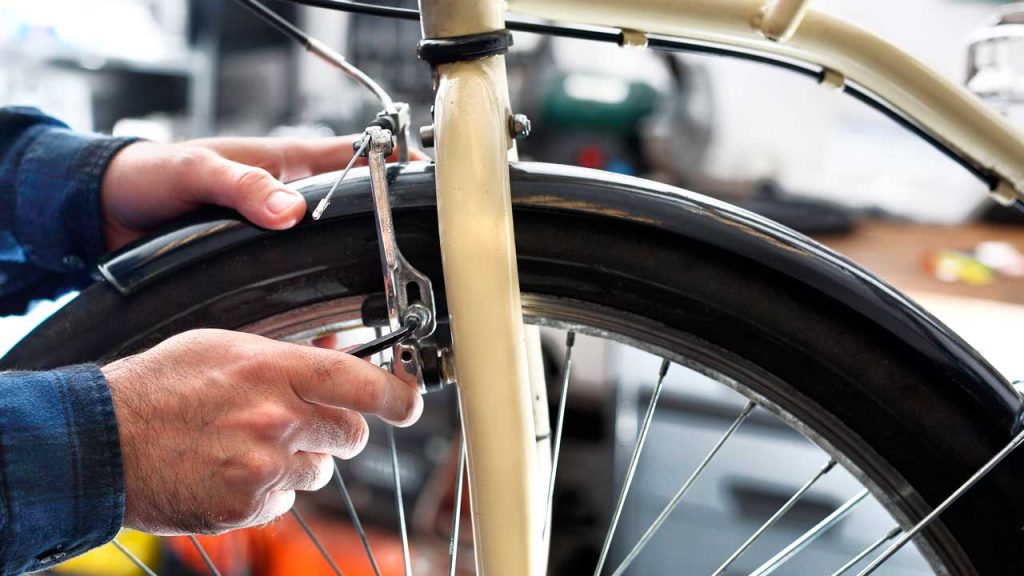
Keep your route information and communication or pickup arrangements handy. On a remote route, phone coverage or help can be limited. If you can’t confirm that the brakes, steering, and wheel retention work, don’t start until the problem is fixed or the bike has been serviced.
Before the next ride
Before you buy anything for the next ride, look at what you already own and what the route actually asks for, and buy only the piece that closes a gap you’ve felt. Then run the ABC check before you leave.