Buy a cruiser if your rides are short, flat and paved; choose gears if your route has a hill, and test a low-step city bike too if you commute daily or carry the bike upstairs. Whichever you pick, you should be able to get on it easily, reach the grips and brakes with the saddle at pedaling height, and lift it at home.
Is a cruiser bike right for the way you ride?
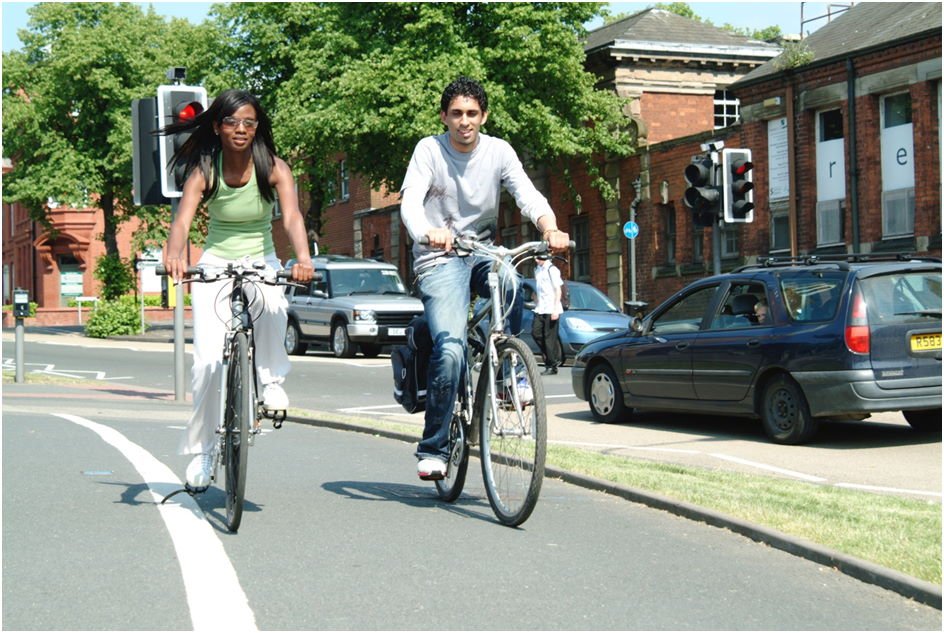
A traditional beach cruiser makes sense when the ride is unhurried and the route is forgiving. Picture a few miles through a neighborhood, a paved coastal path or an easy trip to a nearby café. You sit upright, the handlebars sweep back toward you and the tires are fairly wide.
For daily transportation rather than occasional leisure, Assess whether a cruiser suits your everyday commute.
It gets harder when that same bike has to climb a long hill on every shopping trip, carry groceries or handle a regular commute.
| Your ride or constraint | Start by comparing | Deal-breaker | What to check |
|---|---|---|---|
| Short, relaxed rides on mostly flat pavement | Properly sized single-speed or geared cruiser | Awkward frame or hard-to-reach controls | Getting on, steering and stopping |
| Rolling streets and occasional inclines | Cruiser with gears for those inclines | Lowest gear is too hard on your hill | Gear range on a similar incline |
| Repeated long hills or daily commuting | Geared cruiser, city bike and comfort hybrid | Too much effort to pedal or move the bike | Climbing, riding position and total bike weight |
| Easy mounting and longer rides | Low-step city bike and step-through cruiser | Easy to get on, but the bars are too far away | Entry height, saddle adjustment and brake access |
| Grocery trips or rainy coastal errands | Upright bike with rack mounts and the gears your route needs | No mounts or no published load limits | Rack ratings, fenders and what you plan to carry |
| Stairs or frequent car loading | Any bike that fits you and that you can lift | Too heavy for you to handle | Lift it where you’ll store it |
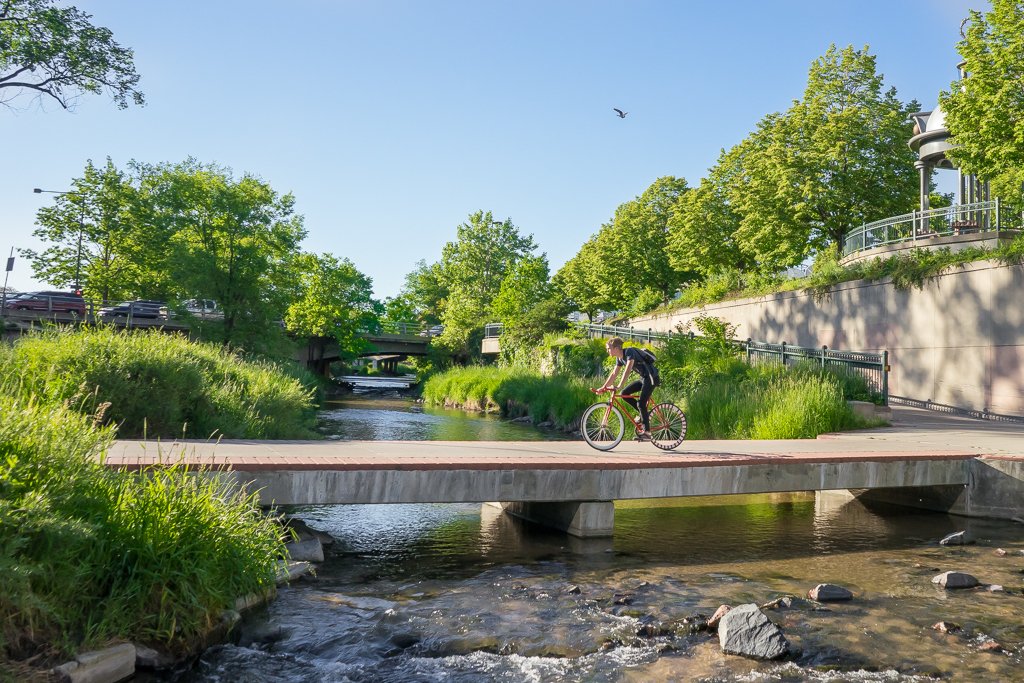
One rider who’d loved simple cruisers on flat streets found them impractical after moving to hilly Baltimore. She started looking for gears, hand brakes and a bike that could handle everyday transport.
Before you look at models, write down your usual surface, your rough one-way distance, the climbs you can’t avoid, how often you ride and any stairs, car loading or cargo you deal with.
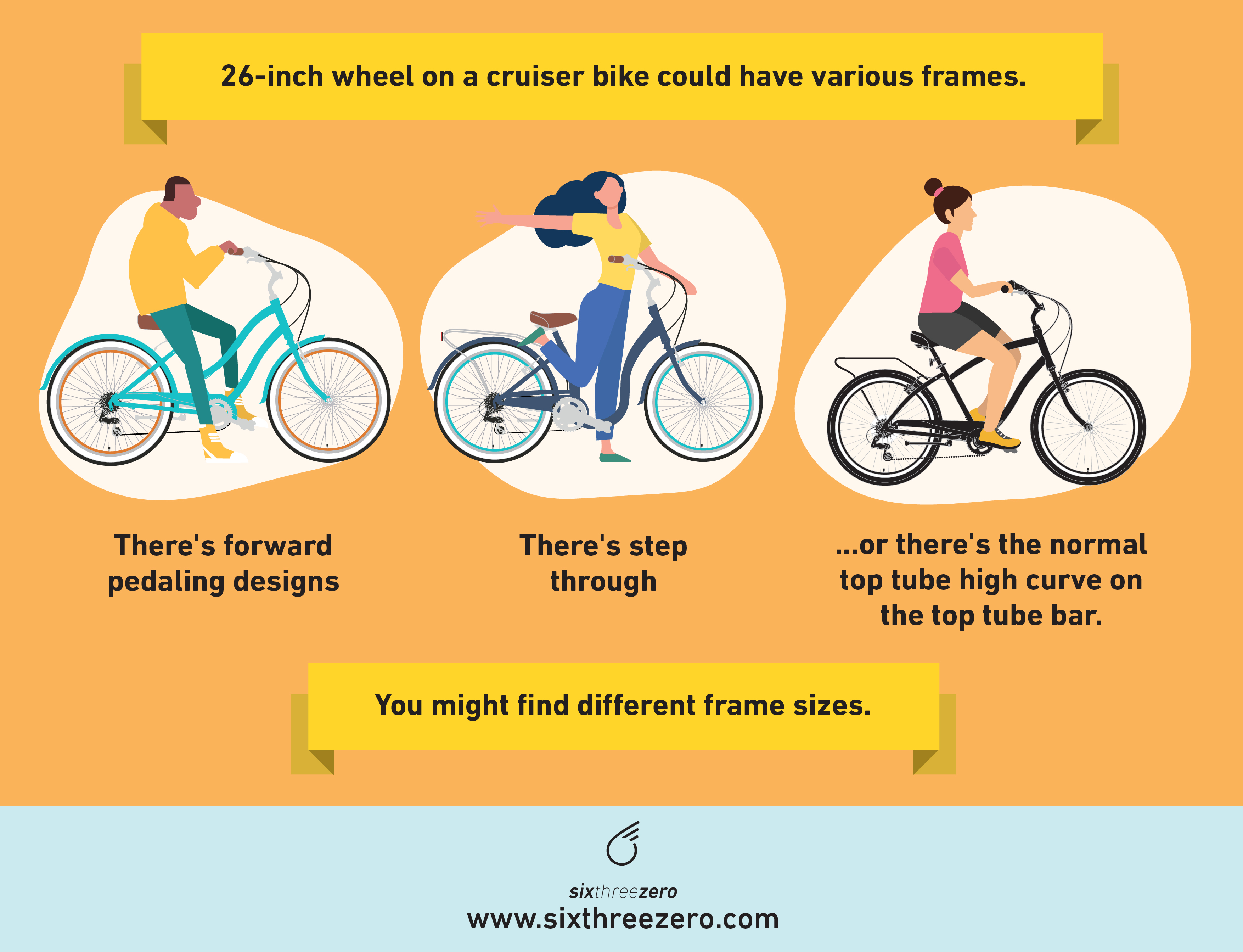
Step-through, step-over or crank-forward
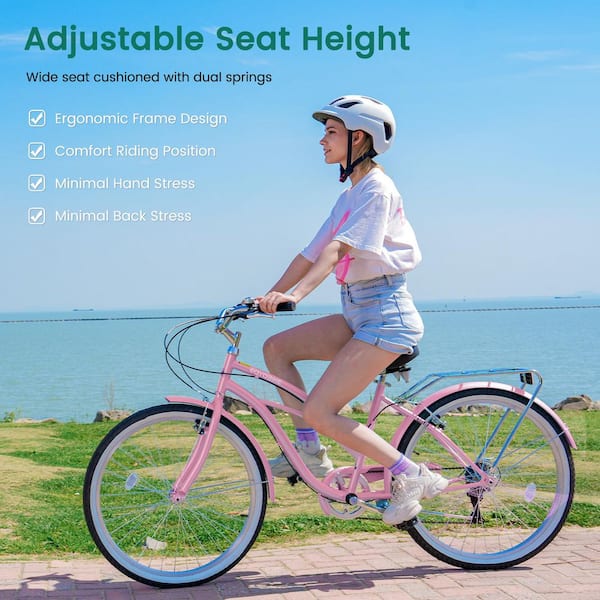
Cruiser frames come with higher step-over tubes or lower step-through openings. Priority’s Classic Coast lists a 19-inch minimum step-through height. That number tells you how easy the bike is to step through. Reach to the grips is a separate check.
Electra’s Townie moves the pedals forward (Electra calls it Flat Foot Technology), which changes where your feet land when you stop. Pick the frame that’s easy to get on and control, then judge the riding position on that bike.
How do you check cruiser-bike fit before buying?
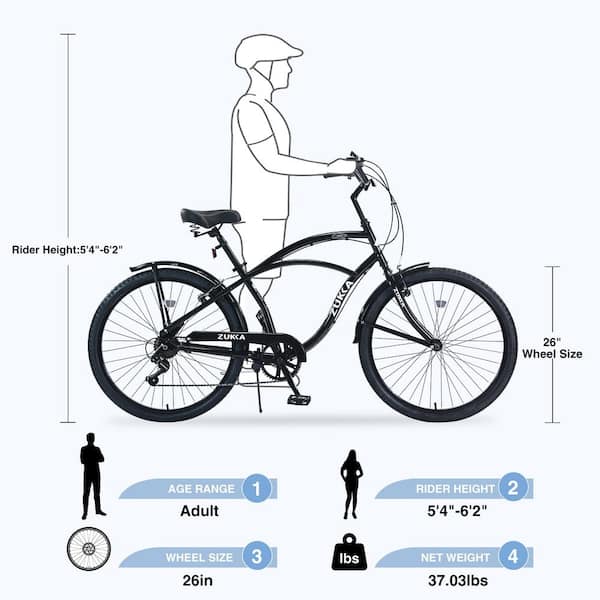
Start with your inseam and the maker’s frame numbers, then see how the bike feels with your hands on the bars. Height charts narrow the search. Seated reach, saddle adjustment and brake access decide the fit.
To measure your inseam, stand against a wall, press a stiff book up firmly between your legs and measure from its top edge to the floor. Use the footwear rule of the sizing guide you’re following: REI’s bike-fitting procedure has you in cycling shoes, while Priority’s Coast sizing instructions say shoes off.
Wheel size is one part of the fit
The 24- or 26-inch label gives you the wheel diameter. Frame geometry, saddle range and handlebar position decide the rest.
Electra’s Townie 7D materials give an approximate rider-height range of 4 feet 7 inches to 5 feet 5 inches for the 24-inch-wheel version and 4 feet 11 inches to 6 feet for the 26-inch-wheel version. Between 4 feet 11 inches and 5 feet 5 inches, you’re on both charts. Ride both before you choose.
For comparison, Priority’s Classic Coast step-through lists an inseam range of about 26 to 30 inches.
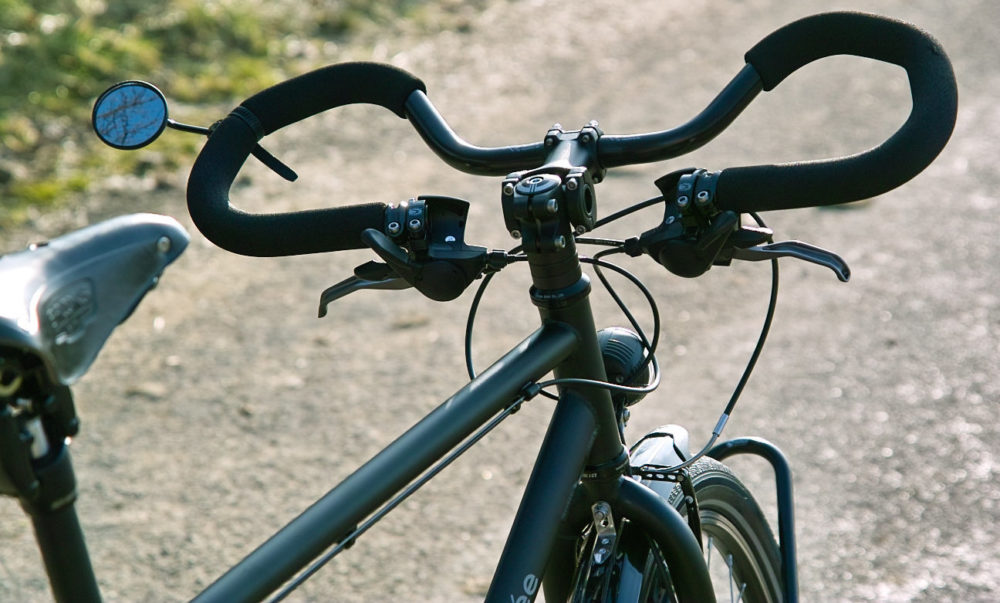
Check your position at the controls
Sit on the bike, set the saddle for pedaling and hold the grips the way you would on a ride. You should be able to turn the bars without stretching forward and squeeze the brake levers with confidence. How far away the bars feel depends on where the saddle sits and on the shape of the handlebars themselves.
One rider who was 5 feet 1 inch tall bought a used Electra Townie step-through and then found the handlebars too far from the saddle. She ended up taking it to a shop for help.
Keep the seatpost within its adjustment limits. Dropping the saddle just to get both feet flat leaves you pedaling in an awkward position. On a forward-pedal design like the Townie’s, stopping feels different.
Need an extreme adjustment to reach the controls? Pick a different frame, and ask a shop to confirm it.
One gear, three or seven
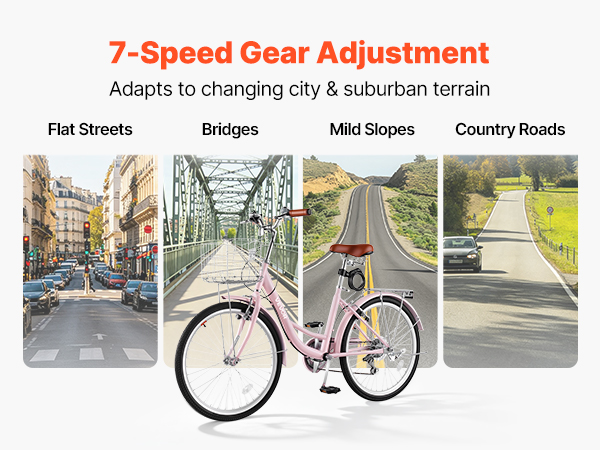
Choose gearing by the climbs on your regular route and how much shifting you want to do, and look at the gear range, lowest gear included, as well as the number of gears.
Single-speed cruisers have one fixed gear ratio for the whole ride. On flat neighborhood streets, shifting adds little. On a long climb, the same ratio takes a lot more effort.
A three-speed cruiser with an internally geared hub keeps the shifting parts inside the rear hub, so it needs different upkeep from an exposed derailleur.
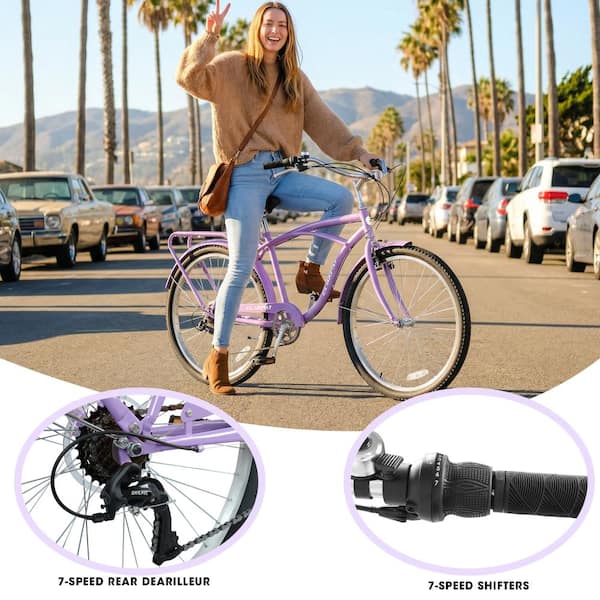
Seven-speed cruisers come both ways. The geared Priority Coast builds use Shimano Nexus internal hubs, while the Retrospec Chatham 7-Speed uses a Shimano Tourney rear derailleur with a Revoshift twist shifter. Same gear count, different upkeep, different shifter.
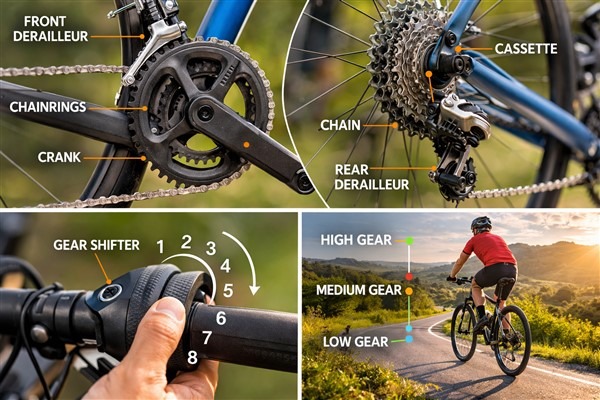
On a flat coastal loop with one short rise, a single-speed does the job.
If a real hill shows up on nearly every errand, the lowest gear is the number that counts. Gear count alone says little about which bike climbs more easily, so compare the range and the shifting system on paper and save the final verdict for the test ride.
Coaster brakes or hand brakes?
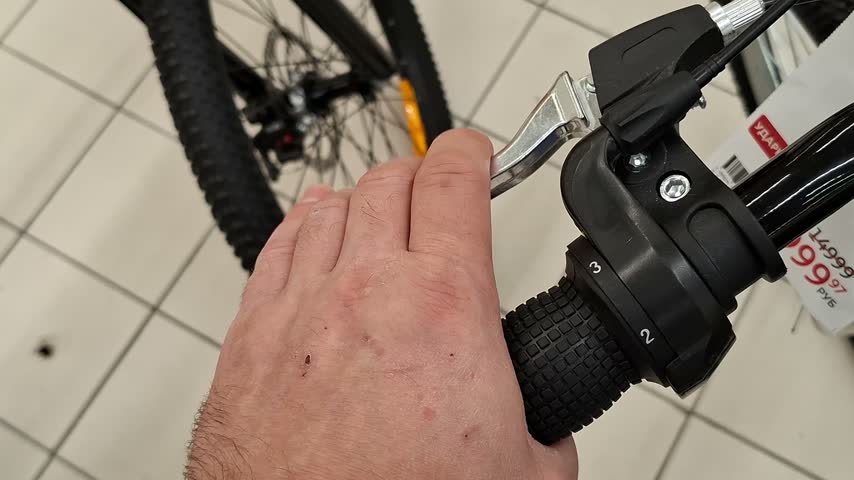
Cruisers stop in one of three ways: a coaster brake, hand levers on the bars, or both together.
A coaster brake works when you pedal backward. If you grew up on one, it’ll feel natural. It also changes how you set a pedal before you start off, because backpedaling engages the brake.
With hand brakes, what matters is how easily you reach the levers and how firmly you can squeeze them, especially if you stop often, ride downhill or carry loads.
The Retrospec Chatham Single-Speed has a rear coaster brake. Its seven-speed sibling uses front and rear side-pull hand brakes. Geared Priority Coast builds pair a front caliper hand brake with a rear coaster brake, and the Electra Townie 7D uses linear-pull hand brakes.
US federal rules for bikes, including 16 CFR §1512.5, cover foot brakes, hand brakes and bikes with both. They’re a product standard for the brakes. The test ride tells you whether you can stop with confidence.
Weight, stairs and storage
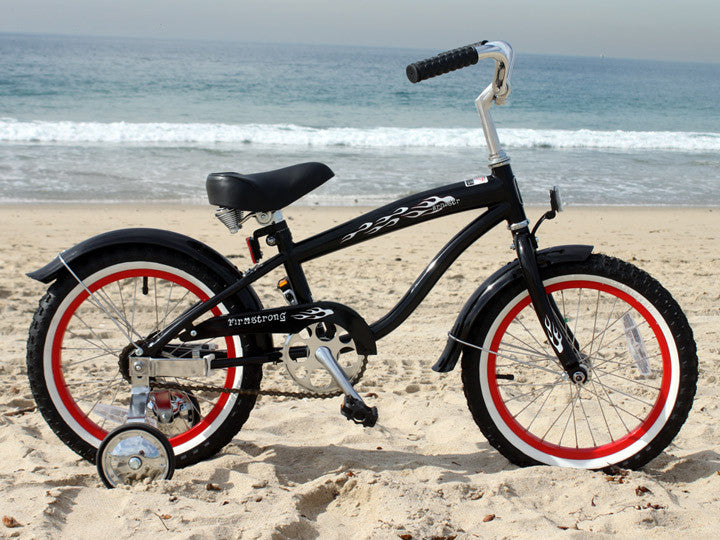
How a cruiser rides tells you nothing about how awkward it is to carry into an apartment or load into a car.
Priority’s Classic Coast weighs about 26 to 30 pounds depending on the build, and one Townie 7D build comes in at 31.31 pounds (14.20 kg), heavier than any Priority Coast build.
One 5-foot-2 shopper wanted a casual bike she could carry up her apartment stairs and load into a Honda CR-V.
The frame material (steel or aluminum), the gearing, the wheels and any rack or basket all add to what you lift.
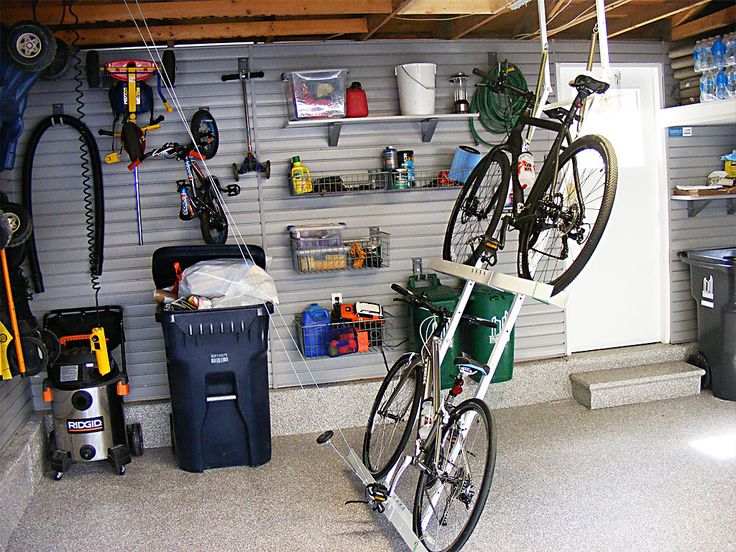
Before you pay, carry or wheel a bike set up the same way through the moves that matter where you live: a narrow doorway, a stair landing, an indoor parking area or the back of your car.
Four cruisers to test-ride
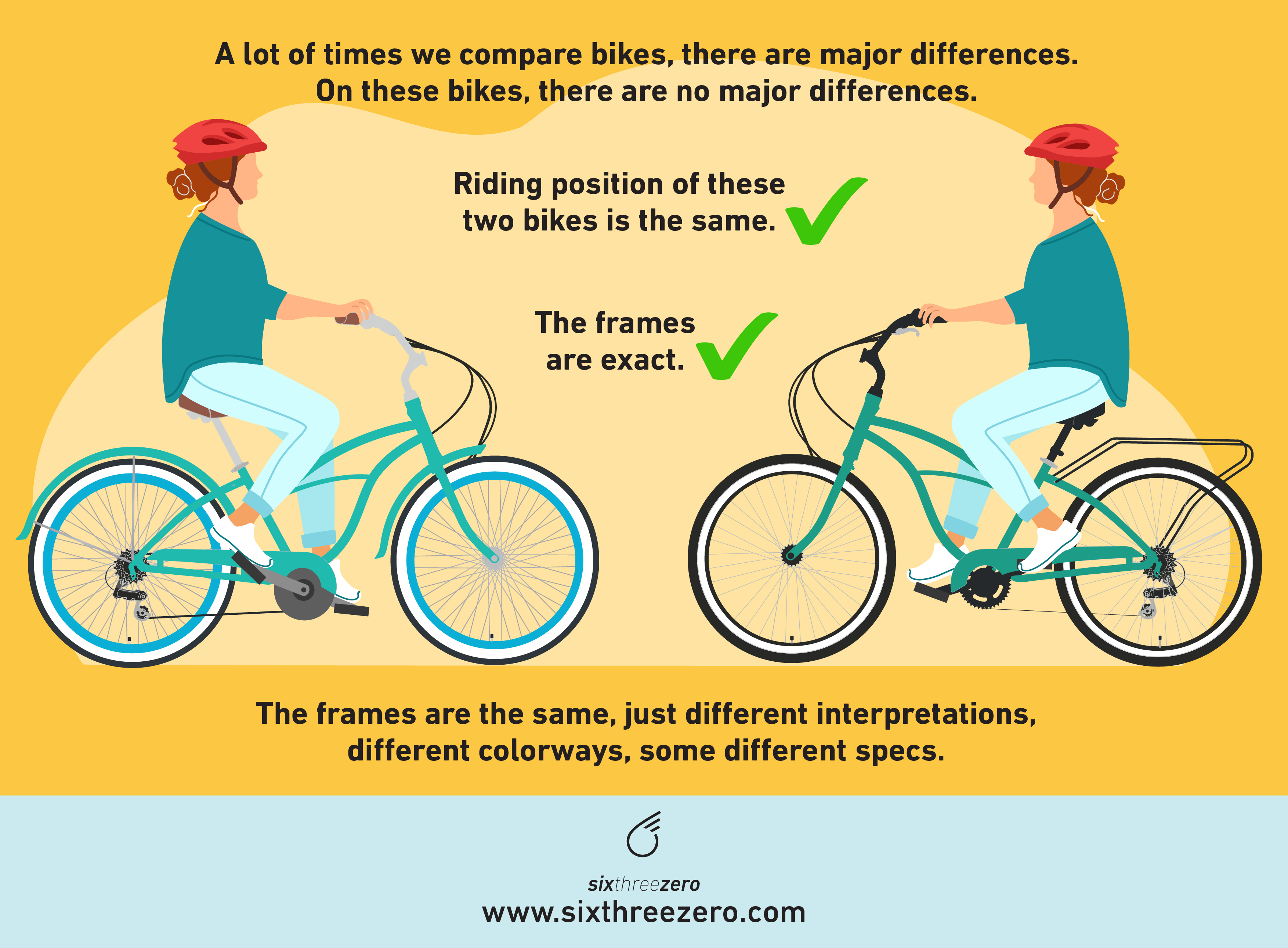
These four cruisers have published specs and cover coaster brakes, hand brakes, derailleurs and internal hubs.
| Model | Drivetrain | Brakes | Size and weight | Buyer check | Source |
|---|---|---|---|---|---|
| Retrospec Chatham, 26-inch Single-Speed family | Single-speed chain drive | Rear coaster | Sizes vary by version | Flat routes, frame style and back-pedal control | Retrospec |
| Retrospec Chatham 7-Speed, 26-inch wheels, 18-inch step-over/cantilever frame | Shimano Tourney 7-speed rear derailleur; Revoshift twist shifter | Hand-operated side-pull brakes | 26 × 2.125-inch tires; 32-inch standover for this 18-inch step-over frame | Frame clearance, low gear and hand-brake reach | Retrospec |
| Priority Coast Classic Step-Through, geared builds | Belt drive; three- and seven-speed Shimano Nexus internally geared hub options; single-speed version also offered | Geared builds use front caliper hand and rear coaster brakes | Approx. 26 to 30-inch inseam; 19-inch minimum step-through; builds about 26 to 30 lb | Gearing, reach, combined load and service access | Priority Bicycles |
| Electra Townie 7D Step-Thru | Shimano seven-speed drivetrain | Linear-pull hand brakes | 24-inch-wheel version: about 4 ft 7 in to 5 ft 5 in; 26-inch-wheel version: about 4 ft 11 in to 6 ft; one build 31.31 lb | Wheel size, reach and forward-pedal position | Electra |
For flat routes, start with the Chatham Single-Speed, as long as you like back-pedal brakes. Want gears and hand brakes for a hilly route? Look at the Chatham 7-Speed.
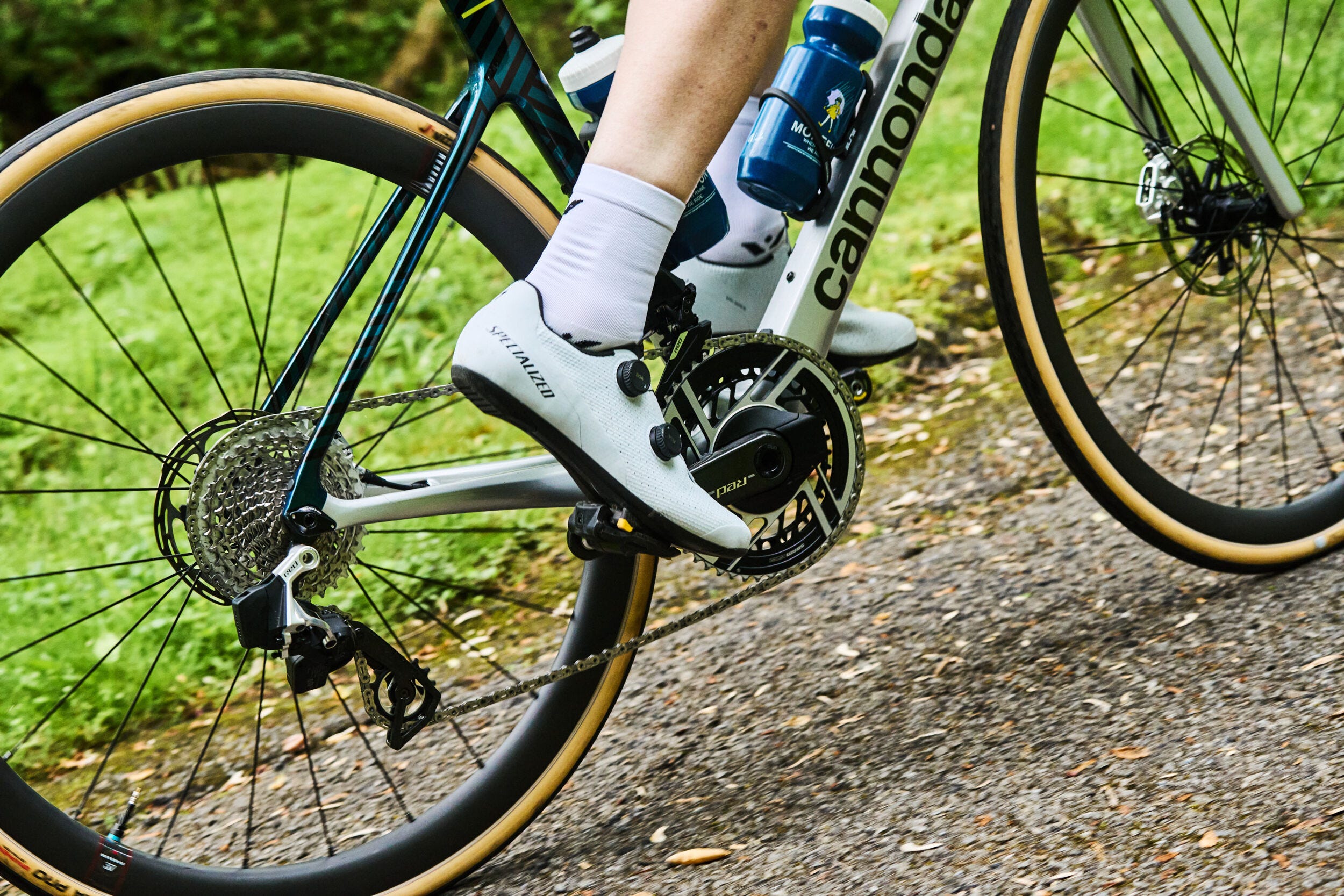
If you want enclosed gears and a belt drive, the three- or seven-speed Priority Coast is the one to try, and you’ll brake with a hand lever up front and the pedals at the back. If the Townie’s upright forward-pedal position is what draws you, check whether it puts the saddle, grips and brake levers where you can use them easily.
The Chatham 7-Speed listed here is the step-over frame, so check the step-through’s measurements before you order it.
Shortlist two or three bikes whose controls, gearing and frame suit your route. Write down the model, wheel size and model year of each, because parts, sizing and availability change by model year and build.
When a city bike or hybrid fits better

Low-step city bikes and comfort hybrids are just as easy to mount. They differ in gearing, handling and what bolts on. Test one if you ride for transport or ride far.
| Criterion | Traditional cruiser | Upright city or comfort hybrid |
|---|---|---|
| Typical purpose | Relaxed paved routes and short outings | Everyday transport and recreational trips |
| Gearing | Often simple, with geared versions available | Different drivetrain choices; compare the range |
| Riding position | Upright with cruiser-style bars and geometry | Upright, with other handlebar setups |
| Mounting access | Step-through models available | Low-step frames available too |
| Errands and equipment | Check mounts and load limits model by model | Some utility models have rack and fender mounts |
For regular commuting, compare how hard each bike is to pedal on a real route and how easy it is to handle once you’ve parked.
The 2024 Momentum Vida Low-Step is a concrete alternative, and its geometry chart lists three rider-height bands of about 4 feet 9 inches to 5 feet 4 inches, 5 feet 3 inches to 5 feet 8 inches, and 5 feet 7 inches to 5 feet 10 inches. Size it from that chart, since the spec page doesn’t label sizes the same way.
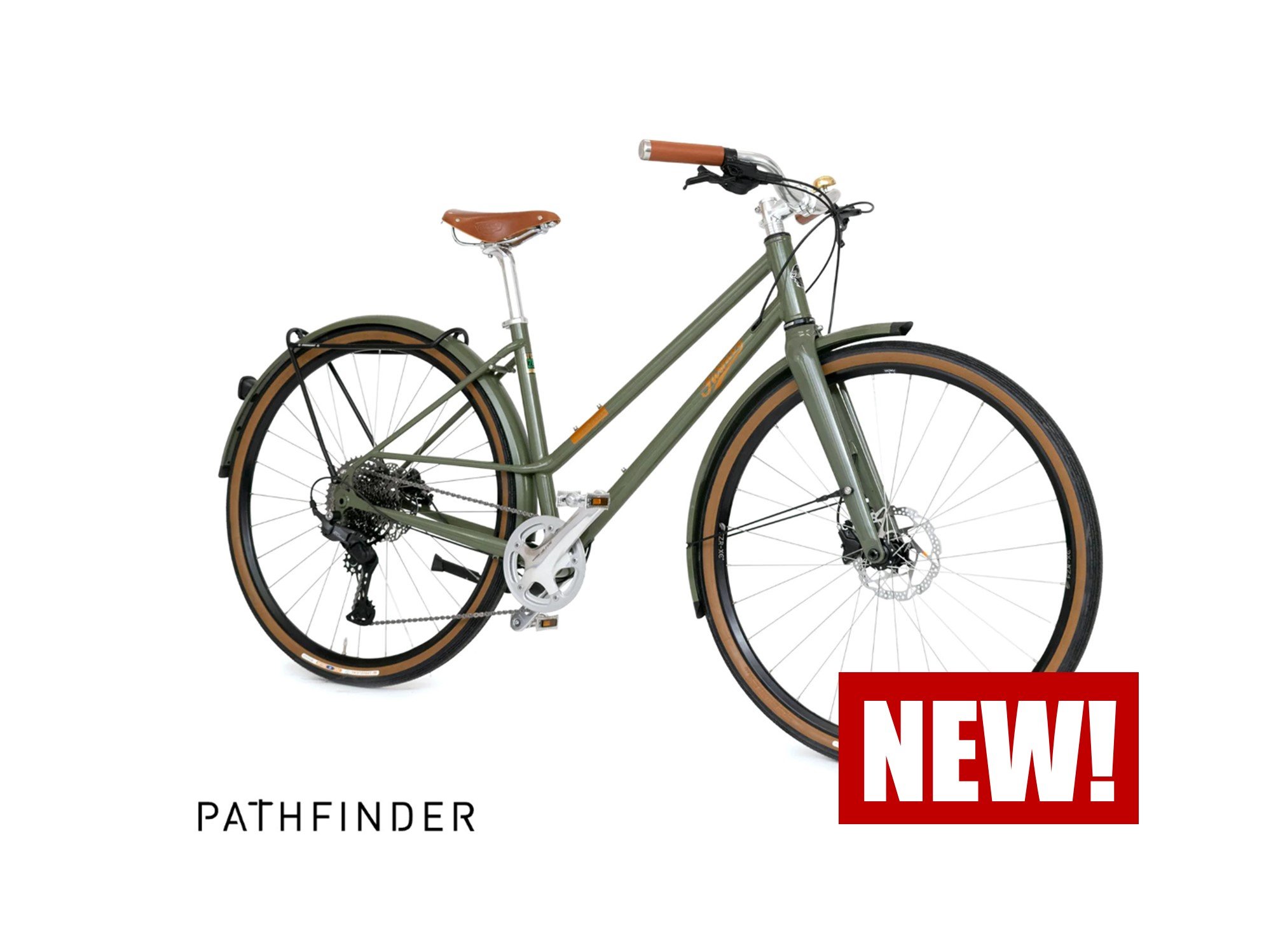
The same 2024 Vida has Shimano shifting, mechanical disc brakes and mounts for racks and fenders.
If you ride about ten miles a day and need a low-step frame, test a cruiser and a city bike back to back on the same short route. Compare pedaling effort, steering, braking and how each one handles when you stop.
Racks, salt air and the ready-to-ride price
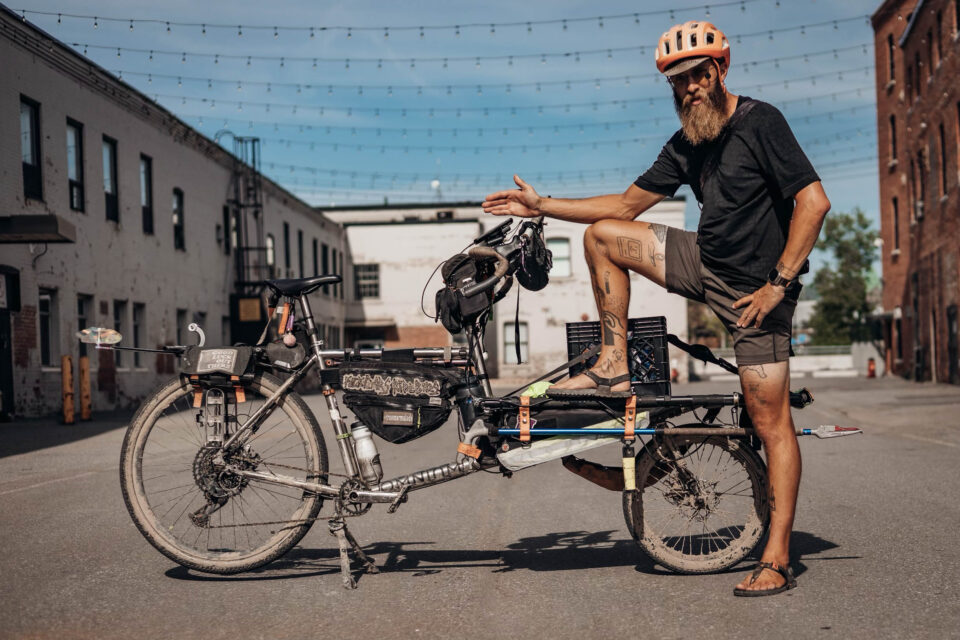
Groceries and salt air raise three questions: what bolts on, how much the bike carries and how much care it’ll need.
If you’ll carry grocery bags every week, check the frame mounts, the fittings and the maker’s load limits for both the rack and the bike before checkout.
Priority Coast publishes a combined maximum of 275 pounds for the bike, rider and cargo. Subtract the weight of the bike to find what’s left for you and your cargo, then follow any stricter rack or component rating.
For a child seat or trailer, confirm that both the bike maker and the accessory maker approve the combination, including the mounting method and weight limits.
Aluminum and corrosion-resistant parts cut some of the exposure to salt air, and a belt drive skips some of the chain upkeep. You’ll still need to clean the bike, check it and store it well.
Before you set a budget, add up the rack, basket or fenders you plan to use, assembly and inspection if the bike arrives by delivery, and the service its drivetrain and brakes will need. A cheap bike isn’t cheap anymore if it needs a lot of work before the first ride. Buying online? Size it from the maker’s geometry chart, ask a shop about any fit question, and know the assembly and return terms before you order.
The test ride and which cruiser to buy
Ride two or three bikes and run the same checks on each.
- Step through the frame and back out again.
- Set the saddle at pedaling height, inside the seatpost’s limit.
- Hold the grips and reach every brake lever without stretching.
- Make a slow turn, then a few firm stops in a quiet spot.
- Ride your usual hill in the lowest gear.
Put each bike through the same five checks, and let the lowest-gear hill test decide how many gears you need, since gear count alone says little about which bike climbs more easily.
A bike you can’t step through, steer and stop from the saddle, or carry to where it lives is the wrong bike, however good it looks.