
As a short adult woman, you want the bike whose frame, controls and riding position suit your proportions and your rides, whatever the size label says. If frame clearance, reach, brake access or a controlled test ride fails, try a different size or frame design before you pay.
An XXS sticker can look reassuring until you stand over the bike or reach for the brakes. Two bicycles sold in the same size can have strikingly different dimensions, and a bike that is easy to straddle can still feel too long once your hands are on the bars.
Start with the rides you plan to take. Then check the frame geometry, the controls, and how the bike feels when you get on it.
Start with the rides you want to take
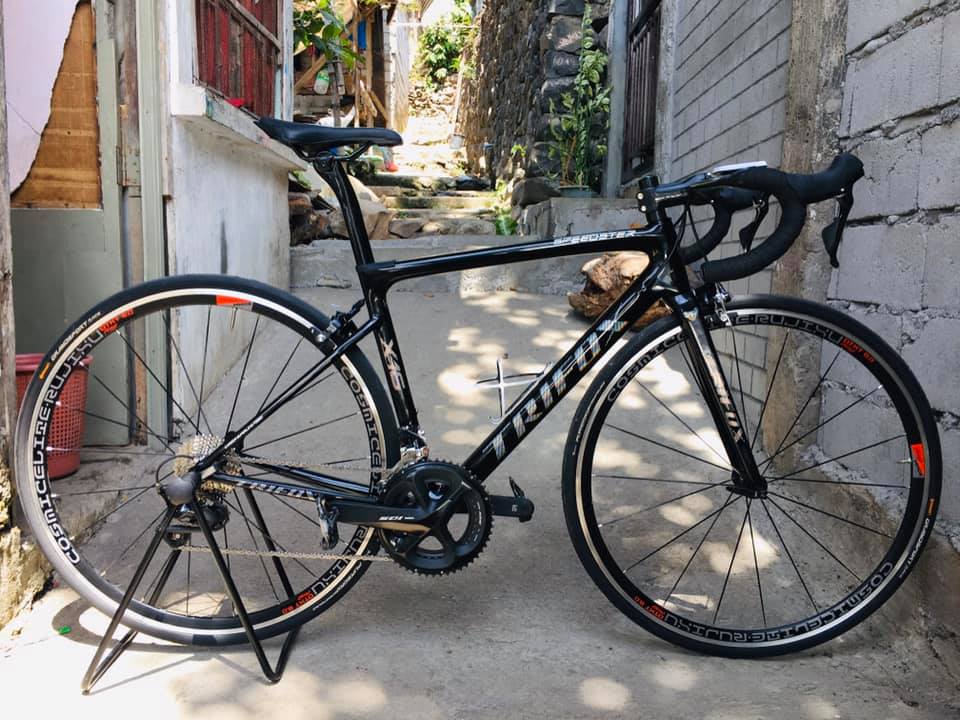
Errands call for a different bike than long road rides or unpaved routes. Decide what the bike has to do: which surfaces, which riding position, and whether you’ll commute or carry loads.
| Rides | Bike type | What to check first |
|---|---|---|
| Errands and paved paths | Hybrid or city bike | Upright position and everyday practicality |
| Commuting with frequent stops | Hybrid, city or low-step bike | Easy mounting and useful accessories |
| Fitness on paved roads | Road or endurance-style bike | Drop-bar position and reach to the brakes |
| Pavement and unpaved routes | Gravel bike | Drop-bar fit, tires and handling on mixed surfaces |
A step-through or mid-step frame gives you more room to mount and dismount. Saddle position and reach still have to suit you.

Flat bars put your hands in a different place than the hoods and drops of a road or gravel bike. If you’re used to a relaxed city-bike position, you may want the same on a new bike. Other riders like leaning further forward. Women’s-specific and unisex ranges both offer either.
Pick one or two categories that match your regular rides.
Use your inseam and the geometry chart
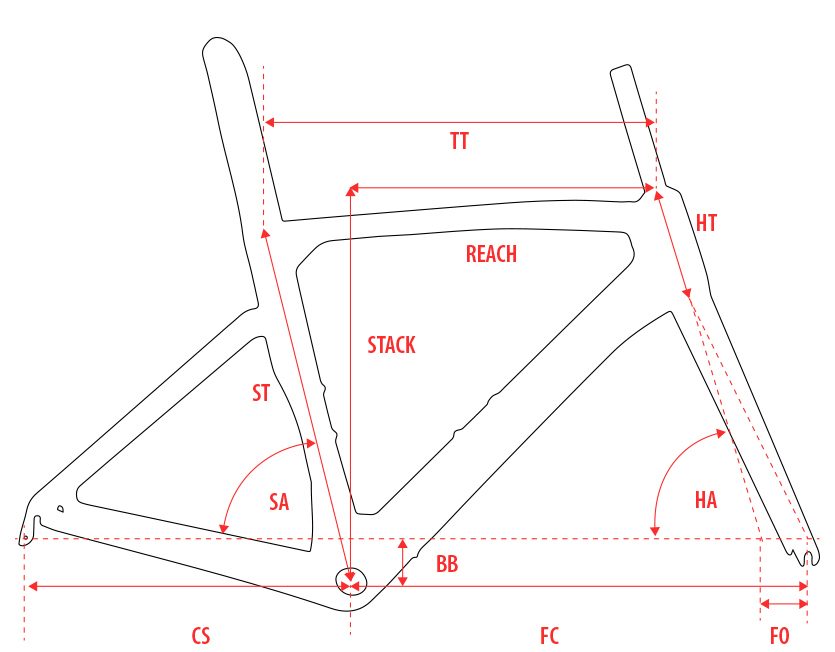
Manufacturers assign size labels like Small, XS, XXS or 44 cm to their own frames. BikeRadar’s sizing guidance points out that no industry-wide standard exists. Your height tells you which charts to read. Your proportions and the frame dimensions tell you which size fits.
One five-foot rider learned this at a Canyon store in California, where a visit confirmed that at 152.4 cm (5 feet) they were too short for a 2XS.
Measure cycling inseam
Stand upright on level ground. Hold a firm book between your legs at the reference point the manufacturer uses for cycling inseam, then measure straight up from the floor. Write the result down next to your height, in the same units. Your pants inseam can differ from this number.
Two women of the same height can have different leg and torso proportions, so the same size letter can fit them differently.
Read the dimensions separately
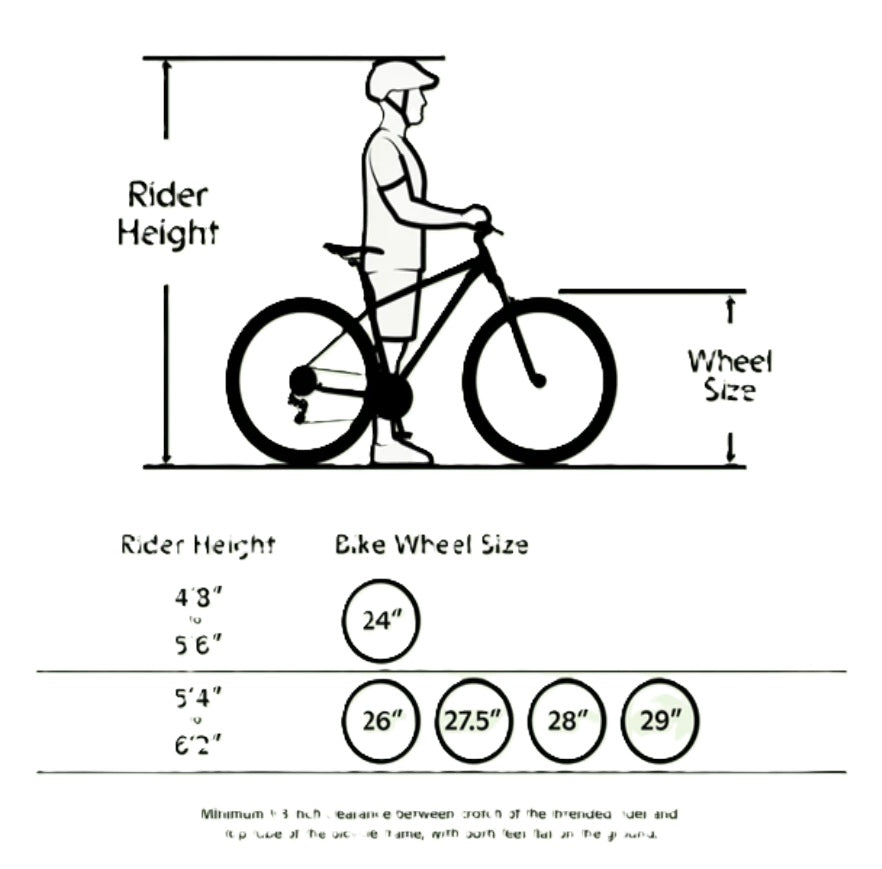
Standover is the height from the ground to the top tube, at the point the manufacturer defines. Compare it with your cycling inseam to see how much room you have over a conventional frame. Saddle height is a pedaling adjustment. Whether both feet touch the ground while you’re seated is another question.
Reach is the horizontal distance from the bottom bracket to the top of the head tube. Stack is the vertical distance between the same two points. Effective top tube is another horizontal measure of frame length. Saddle position and seat-tube angle change how far you actually reach when seated.
Read the size chart for the exact model and model year, then pick the one or two sizes worth comparing.
Compare real small-frame dimensions before comparing brands
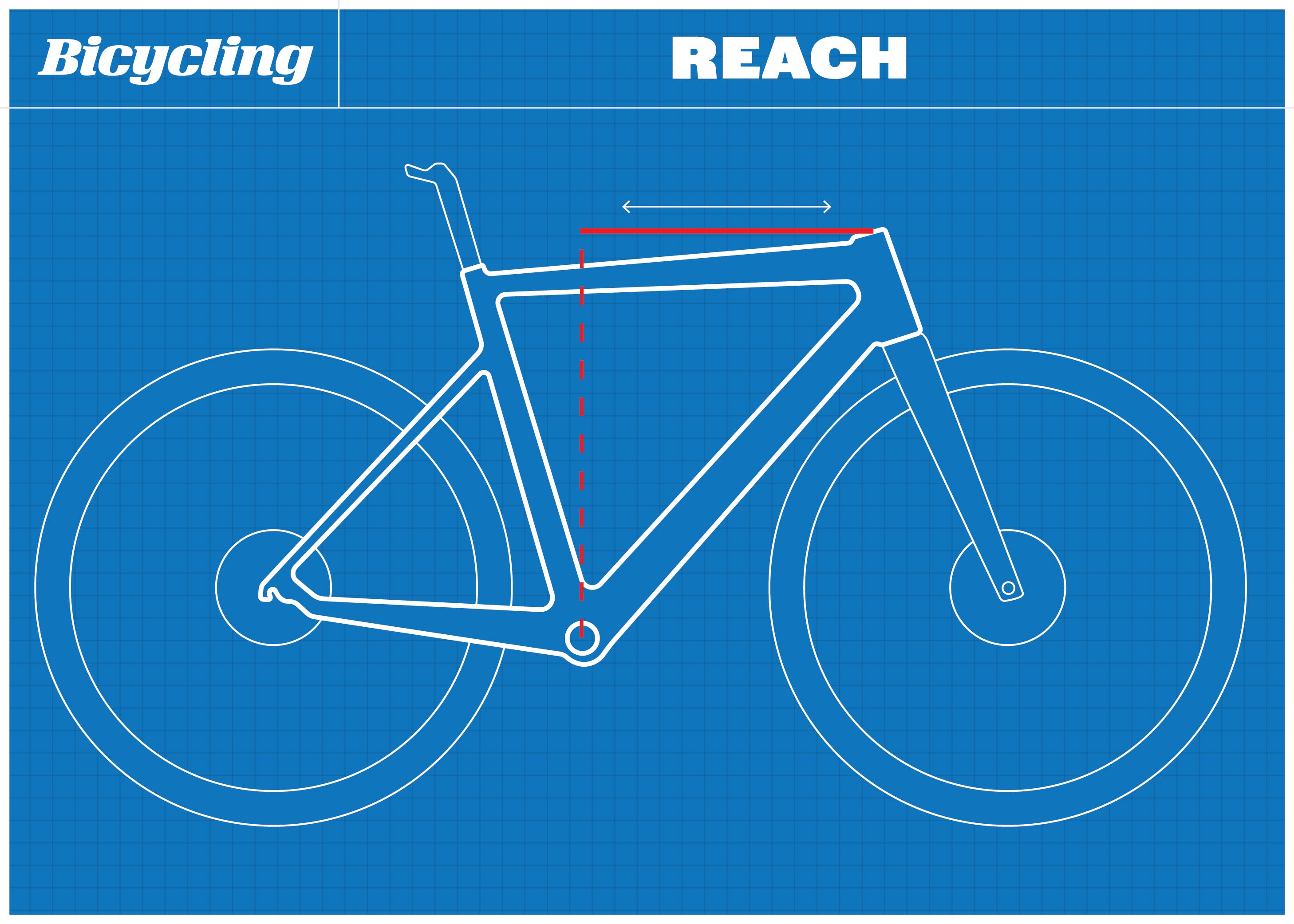
Two XXS bikes can put the front of the frame in different places. The manufacturer’s geometry chart shows the difference in millimeters before you visit a shop or buy.
For a fuller explanation of geometry numbers, see Measure reach and standover on small frames.
| Bike and model year | Frame size | Standover | Reach | Stack |
|---|---|---|---|---|
| Liv Alight Disc 2 (2025), low-step | XS | 591 mm | 371 mm | 554 mm |
| Specialized Sirrus X 1.0 (2026) | XXS | 702 mm | 373 mm | 536 mm |
| Specialized Sirrus X 4.0 (2020) | XXS | 700 mm | 355 mm | 587 mm |
Both Specialized frames are labeled XXS, yet reach differs by 18 mm and stack by 51 mm. They come from different model years and builds.
The Liv’s 591 mm standover is low because of its low-step design, which lowers the frame opening. Don’t rank it against the Specialized numbers.
The 2025 Liv Alight Disc 2 XS lists 700C wheels and an 80 mm stem.
These are manufacturer specs for specific model years, not stock listings or road tests.
Check cockpit reach and brake controls

Once a frame looks right, check your hand position. Stem, handlebars, grips or hoods, and saddle position all change the distance between your saddle and the controls.
A 5-foot-1 rider with a Trek FX1 Gen 4 Stepover XS described the problem on r/ladycyclists, “My concern with my current bike is the reach. I feel as if I am over extended and don’t have much ability to straighten my spine upright at any point.”
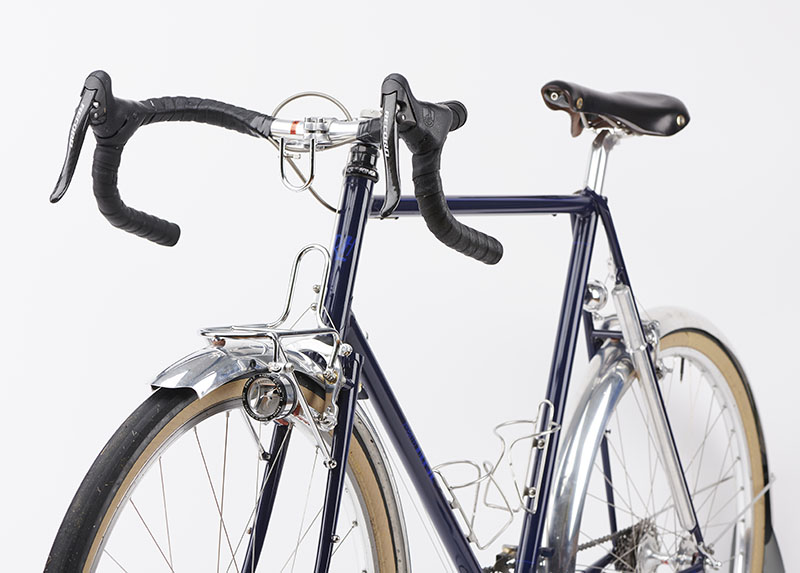
On a drop-bar bike, the hoods and drops give you hand positions a flat-bar hybrid doesn’t. Drop bars feel strange at first. If you stay overstretched or can’t reach the brakes with confidence, the fit is wrong.
Hold the bike still and put your hands where you’ll ride. You should steer without stretching, hold a controlled position and work both brake levers reliably.
Wheel size and toe overlap on small frames
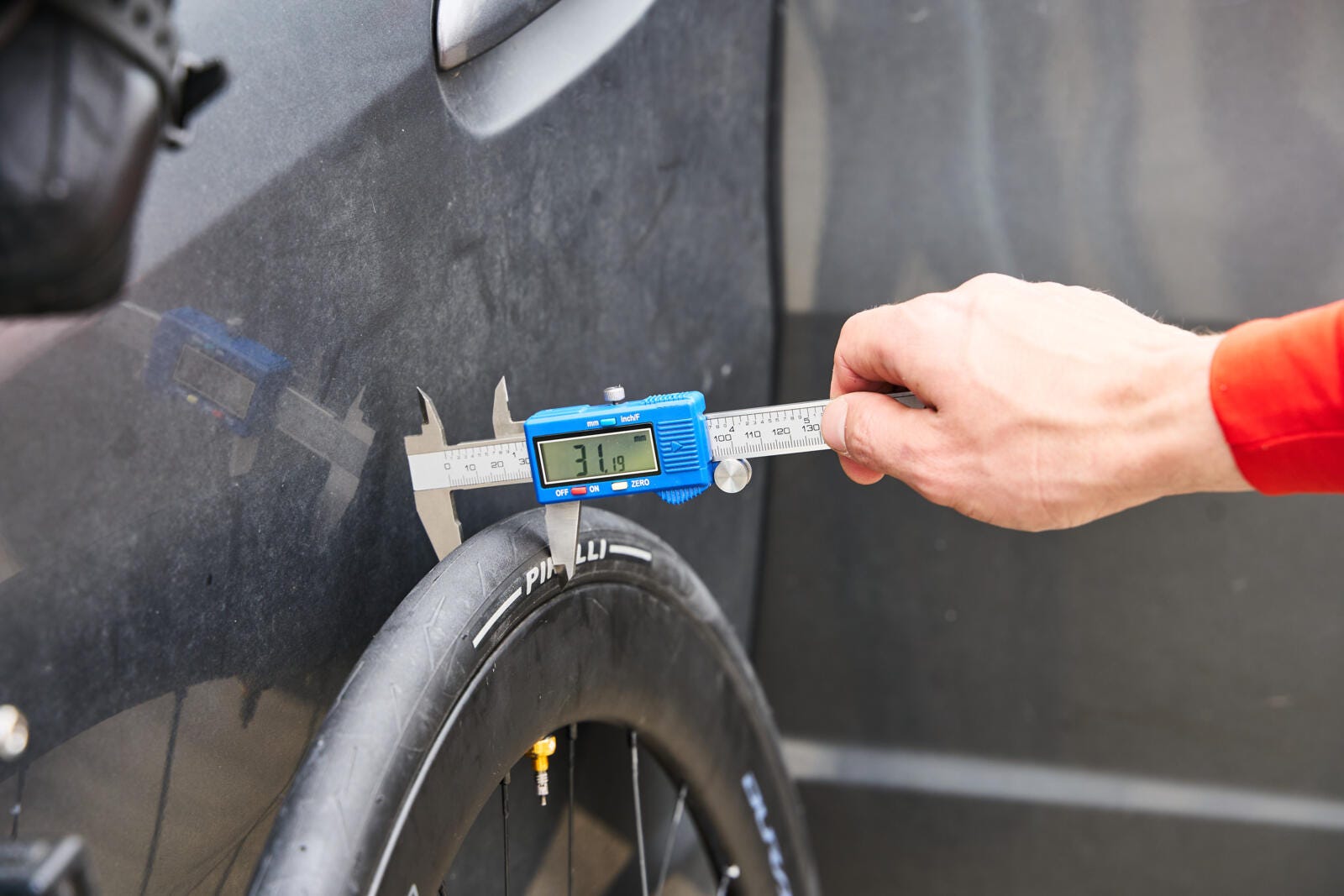
A smaller wheel gives designers more room on a very small frame. Even so, some small frames that fit well still use 700C, and others use 650B or another standard. Fit and handling depend on the complete bike.
| Wheel designation | ISO bead-seat diameter | Where you see it |
|---|---|---|
| 700C | 622 mm | Common road and hybrid wheels |
| 650B / 27.5-inch | 584 mm | Gravel and mountain bikes |
| 650C | 571 mm | Some small road and triathlon designs |
| 26-inch decimal MTB | 559 mm | One common 26-inch standard |
A tire’s inflated outside diameter depends on the tire you fit. The label “26-inch” covers more than one historical standard.
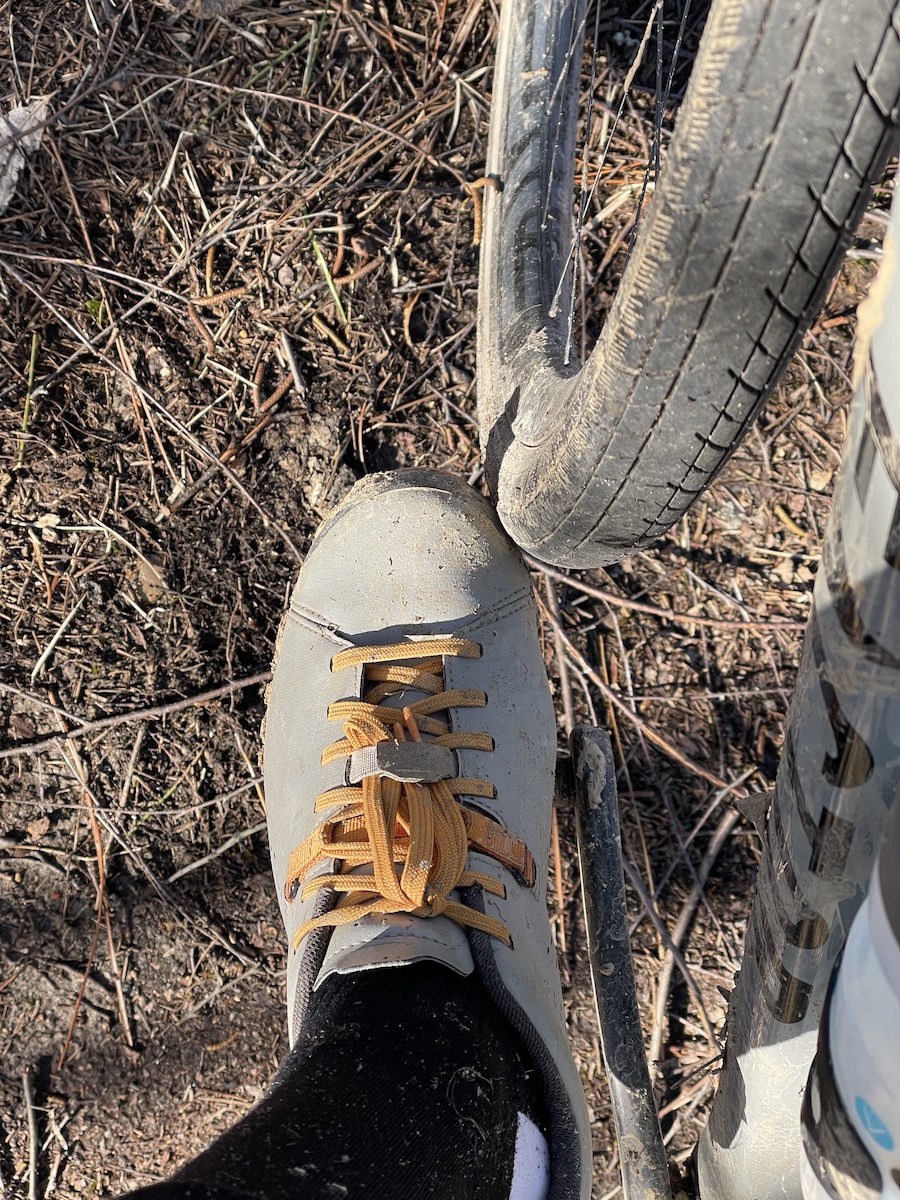
Toe overlap happens on compact frames when your forward shoe touches the front wheel or fender as you turn the bars sharply. Shoe length, crank position, tire and fender size, and frame design all affect it. You notice it most in slow moves like a tight U-turn.
Read the ISO marking on the tire or rim before you buy a replacement. Then make a slow, controlled turn on the bike you’re considering and see whether your foot touches the wheel. Some riders accept a little overlap. If it makes slow turns feel unsafe to you, pick another bike.
What you can adjust, and when the frame is the problem
Normal setup changes can improve a bike that’s close. A fundamental mismatch in frame geometry, saddle-height range or safe control leaves too little room for a fix.
| Part or setting | What it changes | Limit |
|---|---|---|
| Saddle height and fore-aft | Pedaling position, within its adjustment range | Frame and seatpost limits |
| Compatible stem or bars | Hand position and bar width or reach | Fixed frame geometry and steering behavior |
| Brake controls | Lever reach, where the lever is adjustable | Lever and component compatibility |
| Crank arms | Crank length and pedal path | Drivetrain compatibility and extra cost |
A very short stem changes steering feel, especially on loose surfaces. A swap that looks simple can fix your reach and still change how the bike handles.
What crank-length research shows
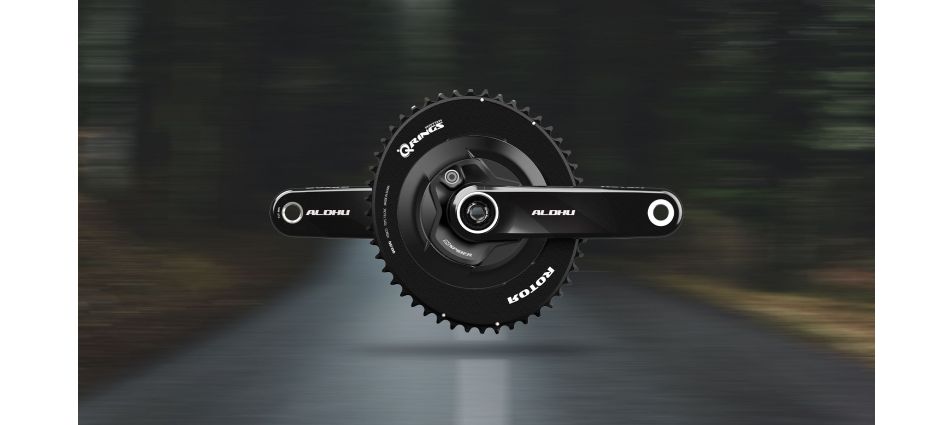
Each of the three manufacturer examples above lists 165 mm cranks. In a small test of 14 amateur cyclists, shorter crank settings changed several measured knee, hip and pelvic movements, while mean power didn’t change significantly across the brief trials.
A 2024 systematic review of 47 studies found too little evidence for universal recommendations on several cycling-position variables, including crank length. The research can’t tell you which crank length to buy. That comes down to fit and what your frame and drivetrain accept.
If a bike needs modifications, ask a qualified shop or fitter to check each change for compatibility, adjustment range, handling and total added cost before you buy.
Build a realistic shortlist for your riding and budget
A usable shortlist names specific bikes you can afford and actually get to try. Local access matters most when your size is hard to find or the bike needs several component changes.
Take the Liv Devote 2 gravel bike as an example. The Liv Devote 2 (2026) geometry chart lists two rear dropout positions.
In the SHORT position, the XS lists 681 mm standover, 380 mm reach and 523 mm stack. In the same SHORT position, the S lists 708 mm standover, 384 mm reach and 544 mm stack.
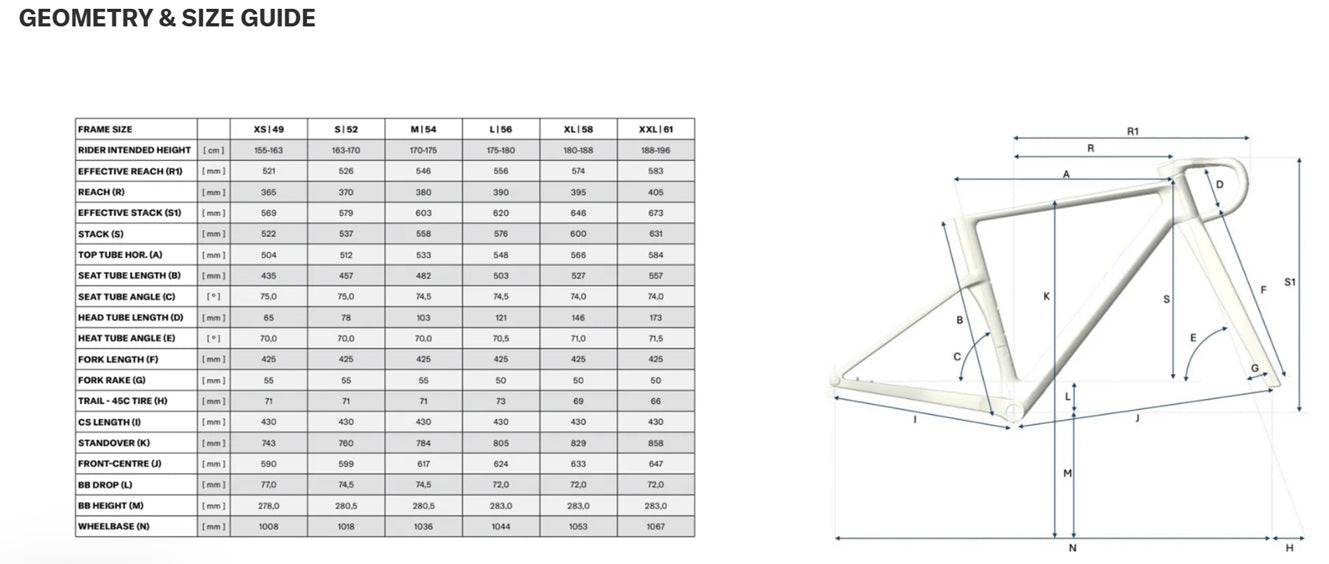
Reach differs by only 4 mm, but standover differs by 27 mm and stack by 21 mm. The XS lists 165 mm cranks and the S lists 170 mm. Those numbers tell you more than the letters XS and S do.
An S in stock can still be the right size once you’ve checked clearance, reach and brake access. A 160 cm gravel-bike buyer was in that spot, unable to try an XS yet. Pick the size that clears your standover, reach and brake checks. If neither is confirmed, ask the dealer for the other size or a comparable frame.
On a tighter budget, you may end up looking at used bikes, where size choice is smaller and parts may have been swapped. A low asking price means little if you can’t identify the model or it needs big changes to fit.
- New or dealer bike: Choose a bike with a geometry sheet you can trace and a real chance to try your size.
- Used bicycle: Confirm the exact model year, frame size and any swapped cockpit or drivetrain parts before you trust the seller’s size description.
- Alternative design: If standard adult frames don’t work, consider a smaller-wheel frame, a youth cyclocross bike with the right proportions, or a custom build. Check that it suits adult use and that the parts fit.
Before you pay, ride the actual bike

A chart narrows your list. The decision comes from the actual bike as built, ridden under controlled conditions.
A rider choosing between XS and Small on a Liv Tempt 4 put her update first and her original worry after it on r/ladycyclists, “UPDATE: got the small and I’m very happy with my choice!! … The frame PRESSES into my crotch.”
Your test ride
- Mount and dismount: Step on and off the bike and straddle the frame. You need clear room over it.
- Set the saddle: Find a pedaling position that works inside the saddle’s adjustment range.
- Operate the controls: Brake and shift while rolling, with your hands where you’ll ride.
- Ride a suitable route: Start, stop and steer on safe terrain that looks like your usual rides. A short ride won’t show how the bike feels after hours.
Pass, investigate or reject
- Pass: You can straddle the frame, reach both brakes and turn slowly without your toe hitting the wheel.
- Investigate: One problem, such as lever reach or stem length, might be fixable by an adjustment, but you haven’t confirmed it yet.
- Reject: Frame clearance, control access, reach or handling is wrong and stays wrong. Unreliable brake operation alone is enough to end the ride.