There is no single best bike for women. Pick the type that matches the riding you do most, then the model and size you can control comfortably. Drop any bike that fails your fit, braking, terrain or storage needs. Narrow the field to two or three and test-ride them before you buy.
Which kind of bike fits the riding you do most?

Start with your usual rides: surfaces, hills, distance, how often you ride and what you carry. A bike that feels effortless on a short paved path can frustrate you on a long, hilly commute, and a trail bike has strengths a city bike rarely needs.
| Most of your riding | Bike type to consider | Trade-off to expect |
|---|---|---|
| Relaxed neighborhood roads and paved paths | Cruiser, comfort bike, hybrid | Relaxed position, less efficient over long distances |
| Paved commuting and fitness | Hybrid or fitness bike | Versatile, with no specialist riding position |
| Longer rides on paved roads | Endurance road bike | Efficient on pavement, sportier position |
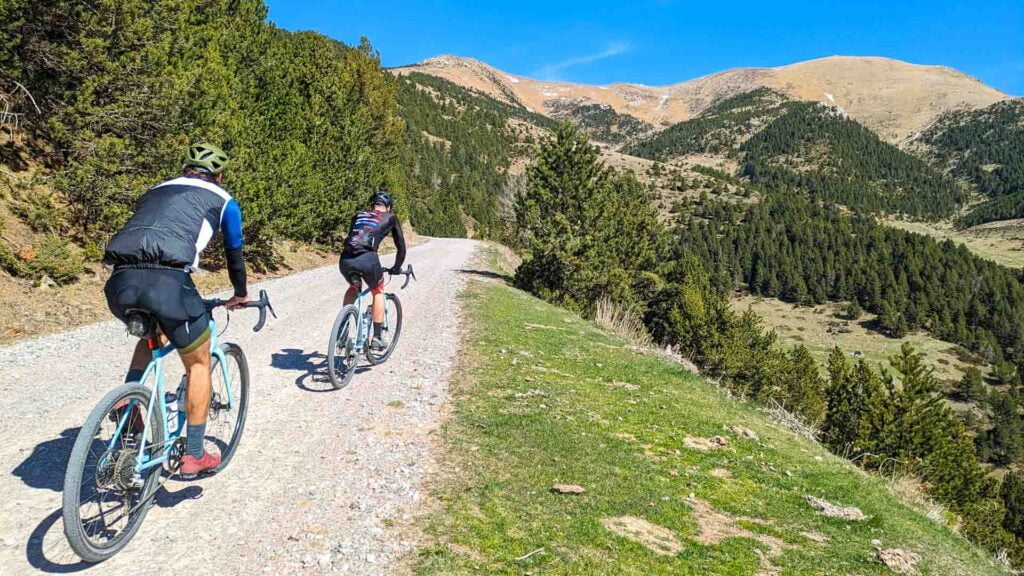
| Pavement and maintained gravel roads | Gravel or all-road bike; suitable hybrid | More route options, not a pure road setup |
| Rough, technical singletrack | Mountain bike suited to the trail | Strong on trails, with different priorities from a commuter bike |
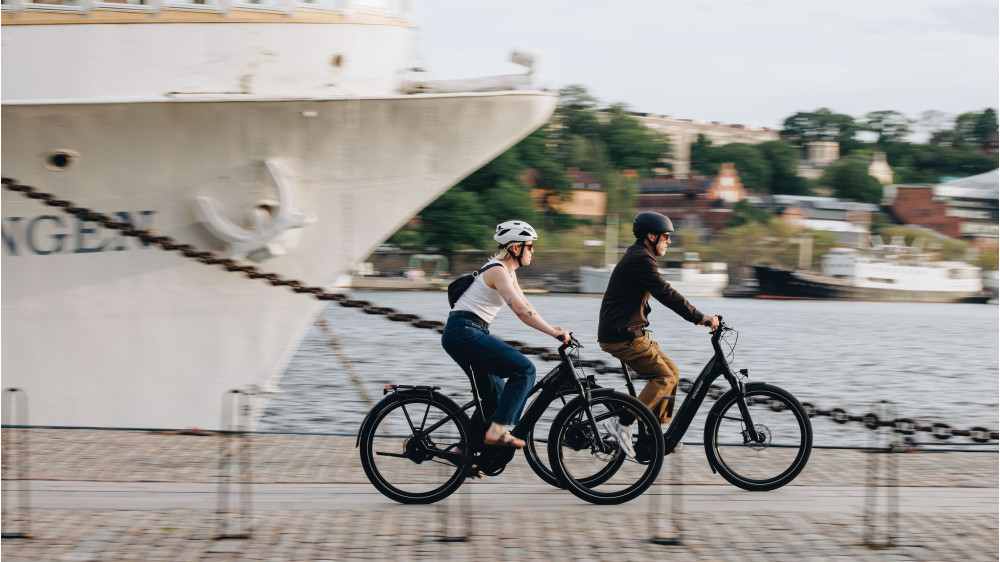
| Routes where powered assistance is desirable | An e-bike suited to that terrain | Motor assist, plus charging, weight and ownership demands |
A dirt path through a park and a rocky mountain trail are different environments. A gravel bike opens up more routes but won’t match a dedicated mountain bike on technical terrain. Let your route pick the category.
Mixed riding is harder to plan for. A Canadian shopper with a steep one-hour commute wanted one women’s bike for touring trips, the commute and casual road and gravel fitness rides. Those uses call for different gearing, tires and ways to carry things.
Buy for the rides you do most and for the ones where a poor match would cause the most trouble. Occasional rides on another surface can work if the tires, the build and your skills allow it.
Bike models worth comparing for different riding styles
These picks come from two published sources. In its September 28, 2026 buying guide, Two Wheeling Tots reports testing more than 20 bikes, mostly in casual, hybrid, recreational mountain and electric categories. The road and gravel entries come from BikeRadar’s women’s road and gravel reviews, published in March 2024.
| Riding job | Models to look at | Why it fits / What to know |
|---|---|---|
| Casual, relatively flat riding | Retrospec Chatham | The review covers a single-speed with a coaster brake and a seven-speed with handbrakes. The single-speed suits relaxed flat riding better than repeated steep climbs. The seven-speed is the one for hillier routes. |
| Recreational comfort and paths | Electra Townie 7D; Priority Classic Plus | Two Wheeling Tots found the Townie 7D easy to balance. The Priority Classic Plus is a three-speed belt-drive. |
| Paved commuting and fitness | Co-op Cycles CTY 1.1; Priority Turi; Cannondale Quick CX 3 | The CTY 1.1 has different XS geometry in two product records. Two Wheeling Tots describes the Priority Turi as a belt-drive option. |
| Recreational dirt riding | Trek Marlin 4; Polygon Xtrada 5 | Listed for recreational mountain biking. For technical trails, check the exact build against the trail conditions. |
| Assisted recreation | Retrospec Chatham Rev+2; Aventon Pace 5 REC | Electric picks from the guide. Storage, transport and charging can decide the choice. |
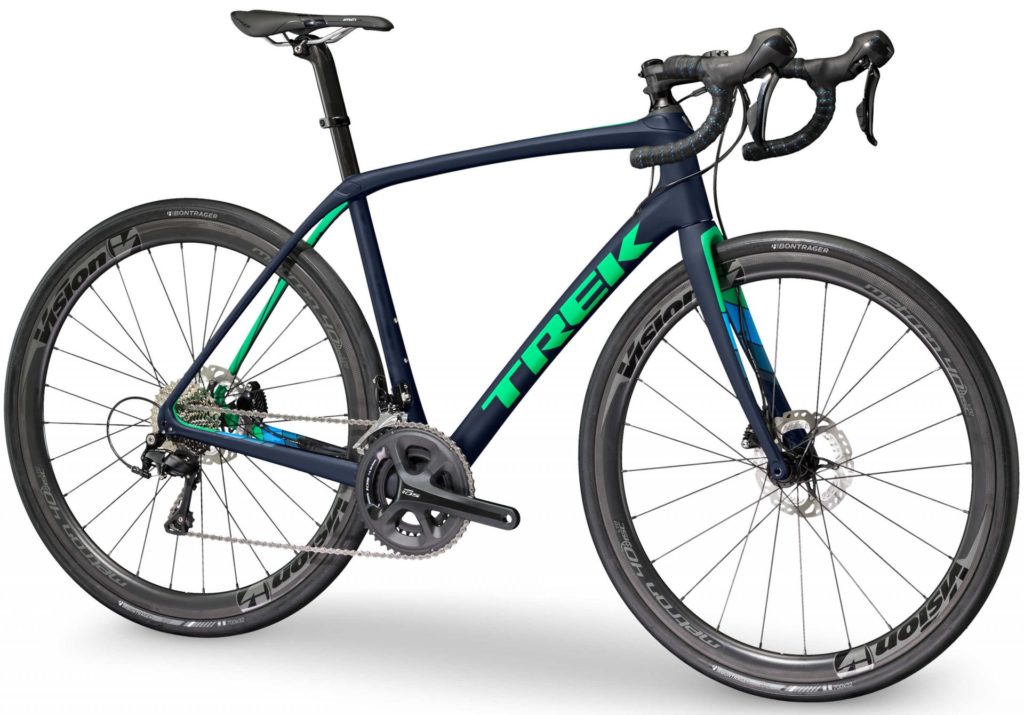
| Endurance road riding | Trek Domane SL5 | BikeRadar calls it comfortable and notes the integrated storage, but says it is heavy for the price. |
| Mixed road and gravel | Canyon Grail 6 WMN (discontinued) | BikeRadar found it versatile on roads and gravel, with uncomfortable handlebar tape and no rack mounts. BikeRadar says the Grail 6 WMN was discontinued and replaced by the Grail 7 WMN. |
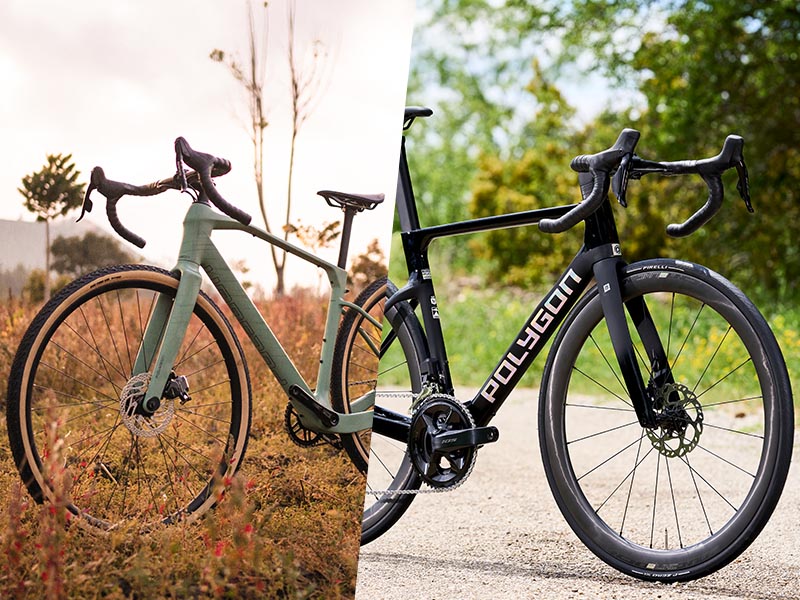
Frame fit is more than a size label
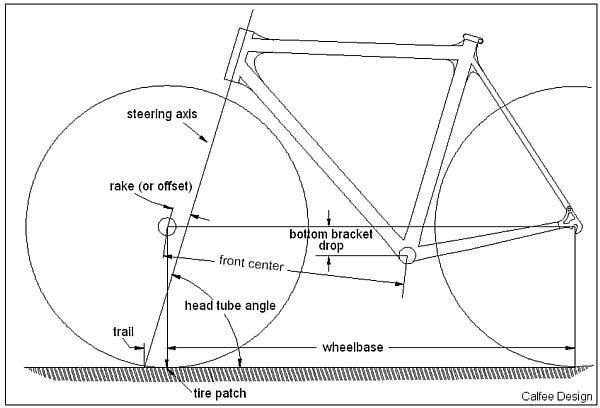
Start with the manufacturer’s size options, then compare the dimensions that affect access and riding position. An XS label helps you find candidates, but two XS frames can have different proportions.
Reach is the horizontal distance from the bottom bracket to the top of the head tube. Stack gives the matching vertical distance. Standover is the space around the top tube when you straddle the frame. The stem, bar and controls also change where your hands sit.
A short inseam can make frame access hard even when the advertised height range looks right. A 4-foot-8 (143 cm) rider found that on every XS bike with 700c wheels they sat on the top tube, up on their toes and uncomfortable.
Two XS frames with the same model name
REI’s two Co-op Cycles CTY 1.1 product records show why you need the exact product, not just the model name. Note the model, frame size and product ID for every bike you compare. Both records list an XS rider-height range of 5 feet 0 inches to 5 feet 3 inches, but the published geometry differs:
| XS specification | CTY 1.1 product C08927 | CTY 1.1 product 197842 |
|---|---|---|
| Frame reach | 370 mm | 380 mm |
| Frame stack | 571.29 mm | 546 mm |
| Drivetrain | 2×8 | 3×8 |
The reach differs by 10 mm and the stack by 25.29 mm. Compare the REI CTY 1.1 C08927 record with the REI CTY 1.1 197842 record.
The C08927 XS record lists a 680 mm handlebar and an 80 mm stem.
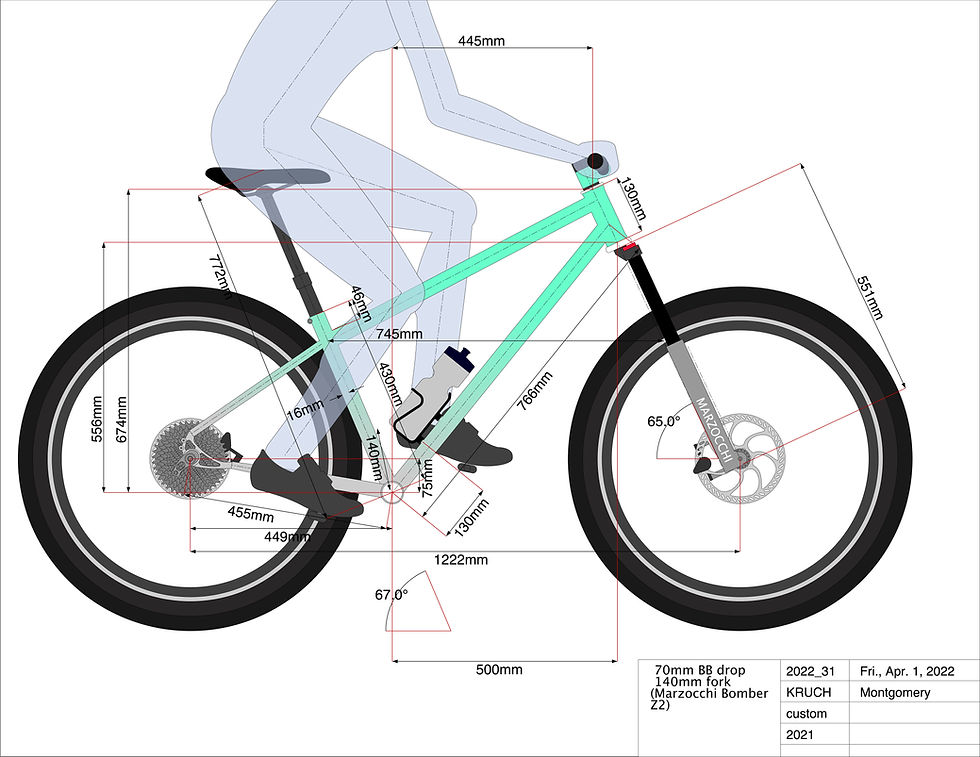
A size chart and the standover measurement narrow the search. The cockpit, control access and your proportions decide the rest. Small changes to the bars, stem or saddle are reasonable on a frame of the right size. A large structural mismatch is a different problem.
Women’s and unisex bikes: choosing by fit
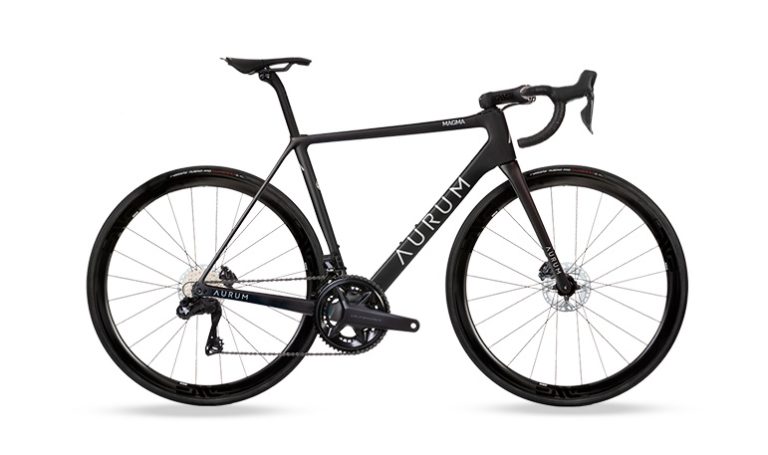
A women’s bike can offer useful size options or contact points. A unisex design can suit the same rider just as well. Liv’s bike-fit guidance treats its sizing charts as reference points, because body proportions and preferences differ. If you have long legs and a short torso, you may need a different cockpit setup than someone of the same height with other proportions. Compare women’s and unisex bikes by geometry, available sizes and control components.
To judge these labels against actual fit, see Assess whether a women-specific bike is necessary.
Which bike specifications change the decision?
Specs matter when they change how a bike handles your route or your load. A fancy component name counts for nothing if your daily rides don’t need it.
- Tire suitability and clearance: Gravel roads, rough paths and smooth pavement need different tires. Check what the exact frame and fork can accept for your surface.
- Usable gearing: Hills and cargo make low gears matter. A label like 3×8 names the drivetrain only, so look up the chainring and cassette sizes.
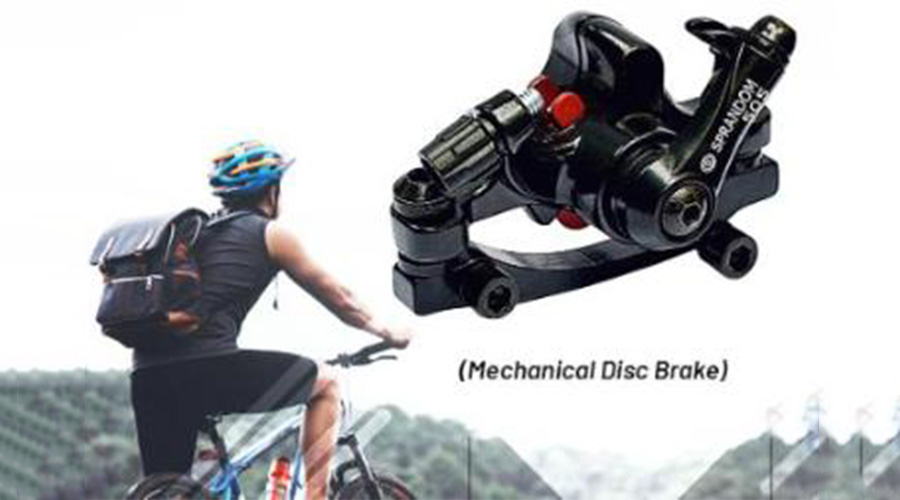
- Brakes and controls: Check which brake system the build uses and whether its control layout suits you.
- Rack and fender provisions: If you carry daily belongings or luggage, check the frame for compatible mounts and plan how you’ll carry the load.
- Suspension and premium upgrades: These help on demanding terrain. They add little if your routes are paved and simple.

On a paved commute with work gear, mounts and low gearing beat performance upgrades. On maintained gravel roads, tire clearance and component compatibility come first.
Account for the full purchase and setup cost
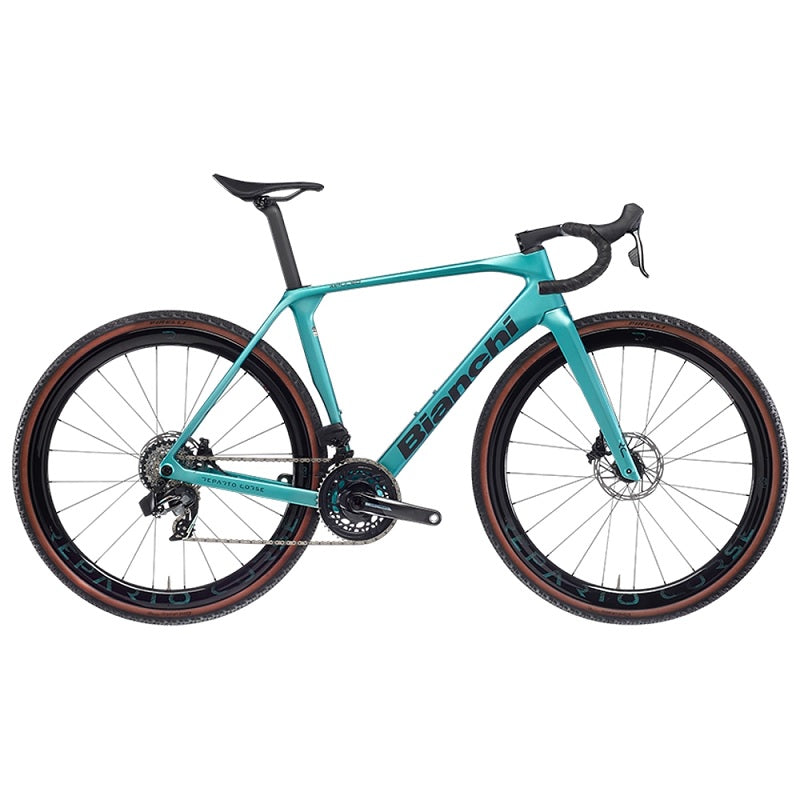
A bike can fit your body and still push the cost past what you’re comfortable paying. Leave room in your budget for the gear and setup the bike needs.
Extra costs can include pedals if the bike comes without them, a lock, lights, a helmet, commuting accessories, initial adjustments and planned service. What you need depends on what you already own and what comes with the bike.
In September 2024 on r/ladycyclists, a runner considering cycling and a possible triathlon wrote: “I am so intimidated by the gear aspect. Running is so much less complicated!” The poster was weighing a purchase budget of $1,500 to $2,000.
Prices for the same bike vary by source, so check the current price for the exact model and size.
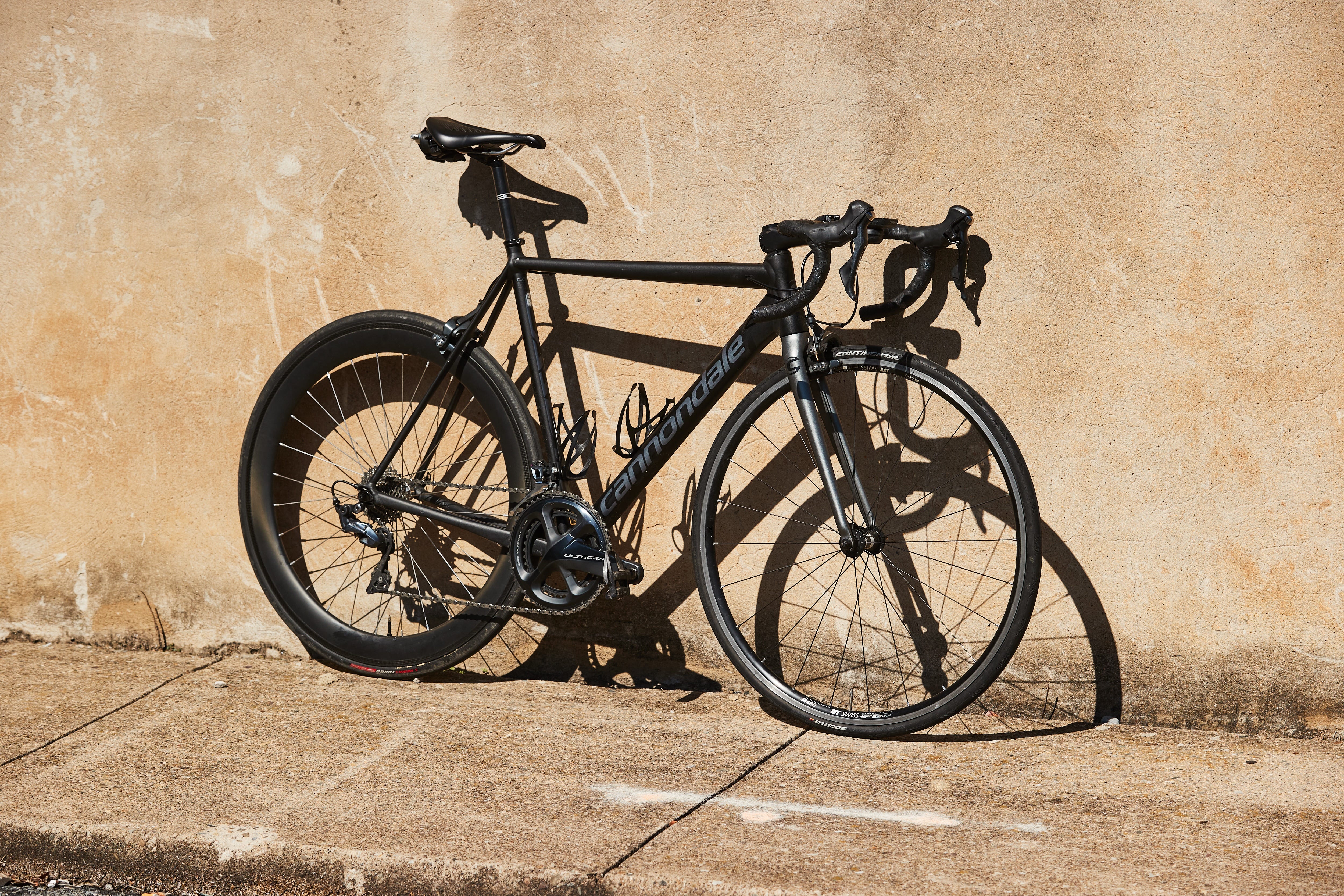
A used bike saves money when you know its condition. Frame damage, worn components and needed service all change what you really pay. If you can’t judge condition yourself, have a shop inspect the bike before you buy, and add that cost to your budget.
E-bike weight, storage and transport can change your choice
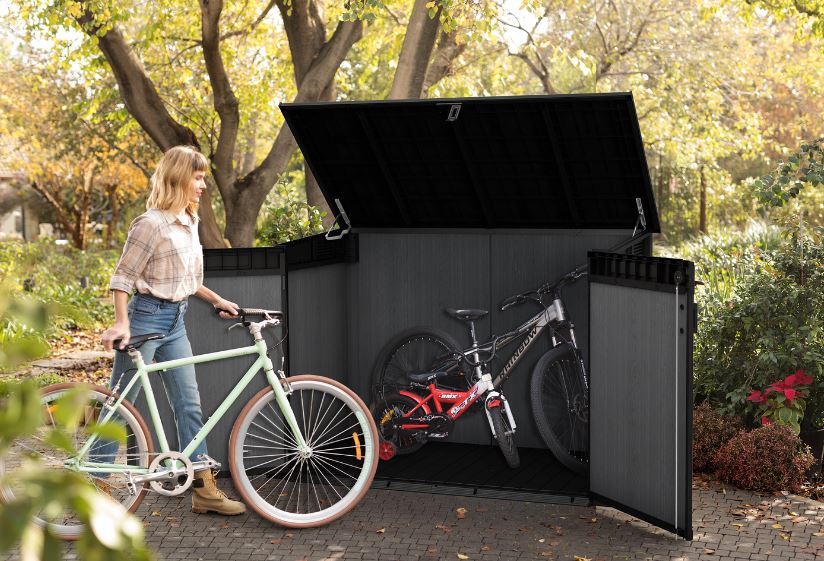
A motor helps on hills and longer routes, but you still have to get the bike to its storage spot and onto any vehicle you use to transport it. Riding a bike and lifting it are different jobs.
In August 2026 on r/ebikes, a first-time e-bike shopper wrote: “When I lifted it it felt quite heavy.”
If you live upstairs, you lift the bike every day, however good the ride is. A car rack adds its own limit. Storage dimensions, security and access to charging also decide whether an e-bike works for you.
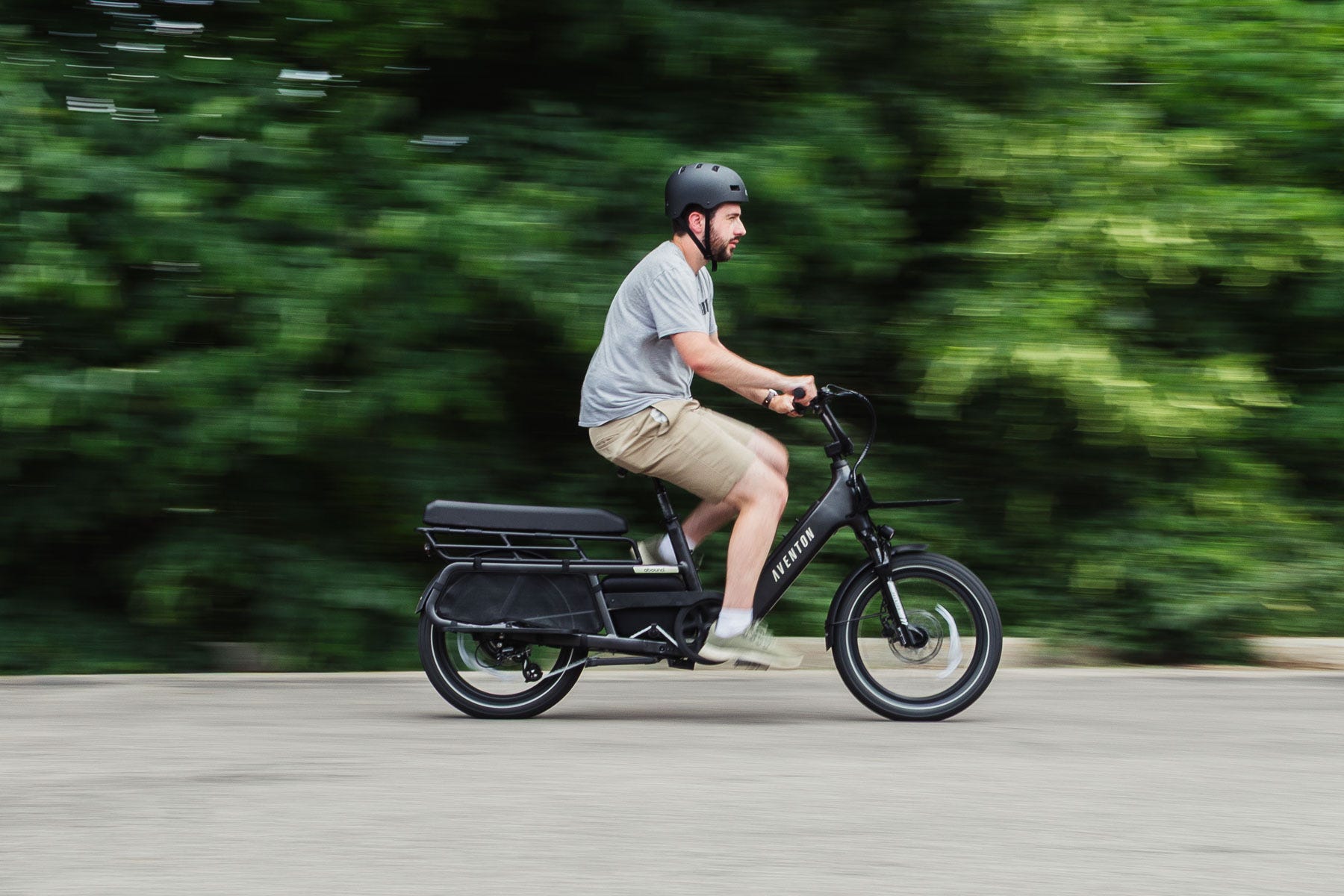
The Retrospec Chatham Rev+2 and Aventon Pace 5 REC are the electric examples in the buyer guide. This comparison has no verified weights for either, so look up the weight and set it against your route out of storage: doors, stairs, racks and charging access.
Use a test ride to verify fit and control
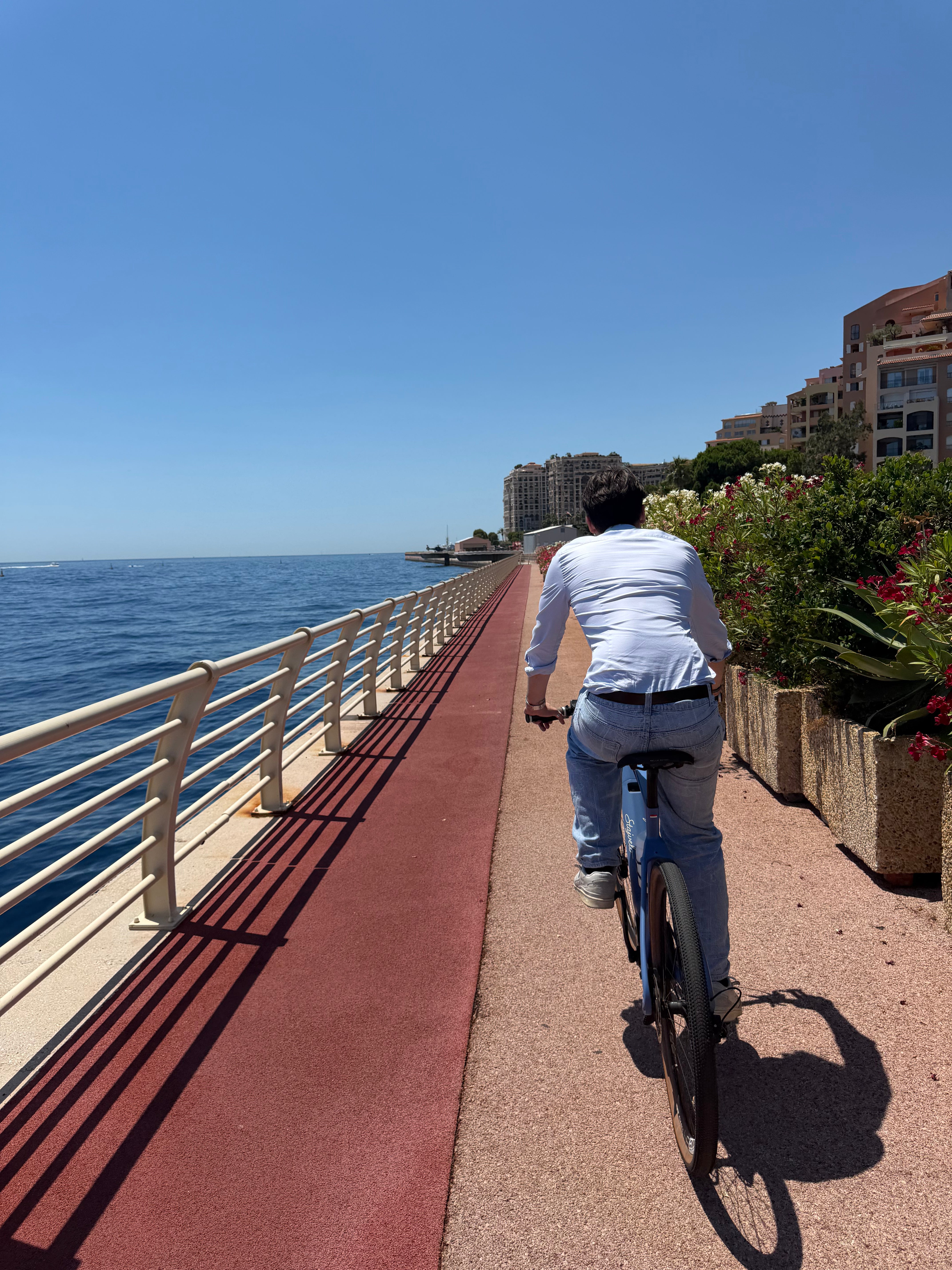
The right size lets you mount, start, brake, steer and stop with confident control. Ride a short, safe route that matches your experience. If the bike type or riding position is new to you, ask a bike shop or fitter for help. Check five things:
- Mount and stop: See how easily you get on the frame, then start and stop under control.
- Operate the brakes: Reach and pull the levers from your normal grip. You should operate them confidently.
- Steer and maneuver: Make ordinary turns and try slow-speed handling.
- Use relevant gears: Shift through the gears you would use on your routes, as far as the test route allows.
- Assess contact and posture: Notice whether the bars, saddle and hand position feel workable, and whether a sensible adjustment would fix what doesn’t.
A 2019 retrospective international survey of 849 cyclists linked bike-fitting experience to reported comfort and less pain. It found no link to injury in the preceding year. Persistent pain or control problems that don’t go away call for a professional assessment before you commit to the bike.
Use the evidence to narrow your shortlist
Only bikes that pass the essentials belong in the final comparison. A missing measurement leaves a question open. A failed braking, fit or terrain requirement removes the bike, however attractive its other qualities are.
| Candidate | Main ride | Fit and control | Equipment and cost | Storage | Test ride | Decision |
|---|---|---|---|---|---|---|
| A: ______ | Pass / fail / unknown | Pass / fail / unknown | Pass / fail / unknown | Pass / fail / unknown | Pass / fail / unknown | ______ |
| B: ______ | Pass / fail / unknown | Pass / fail / unknown | Pass / fail / unknown | Pass / fail / unknown | Pass / fail / unknown | ______ |
| C: ______ | Pass / fail / unknown | Pass / fail / unknown | Pass / fail / unknown | Pass / fail / unknown | Pass / fail / unknown | ______ |
In each box, write pass or fail, or unknown if you haven’t been able to check it yet.