
Yes, you can ride a unisex bike, including models once sold as men’s bikes, and it might fit you better than the women’s model. In one 2026 comparison, Liv’s women’s Avail has a higher top tube than Giant’s unisex Defy (4 mm higher in size S, 7 mm in XS). Go by the geometry chart, shortlist two sizes and ride both before you pay.
Can a woman ride a unisex bike?

Yes. Any unisex road, hybrid or other bike will work for you as long as its size, riding position and controls fit. Start with bikes built for the riding you plan to do. Then check each frame size you’re considering against the manufacturer’s geometry chart.
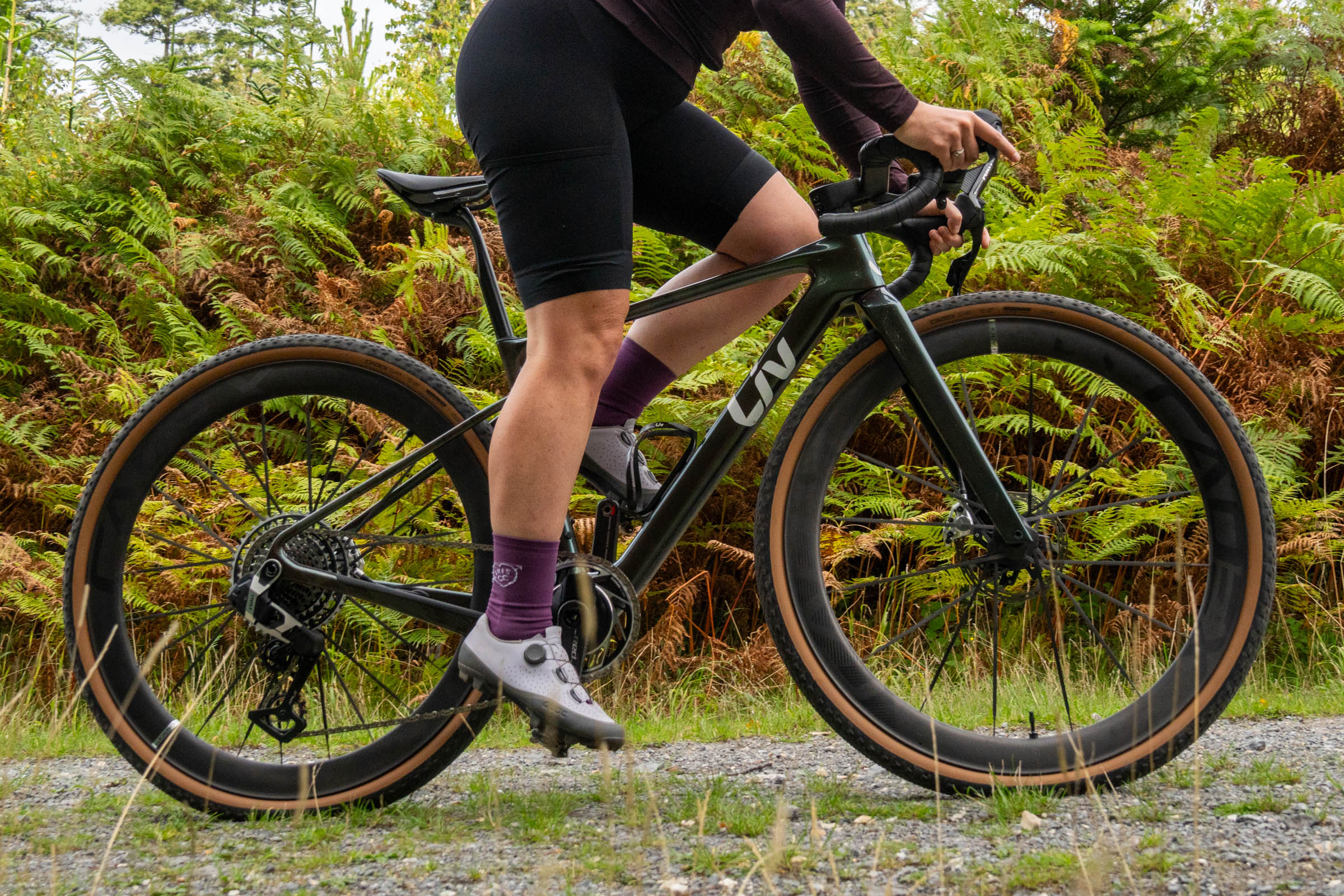
Women’s-specific design means different things at different brands. Some, like Liv, build separate frames around women’s fit. Others sell one shared frame range and change the stock parts on certain models, or stretch the size range so it covers riders of every gender.
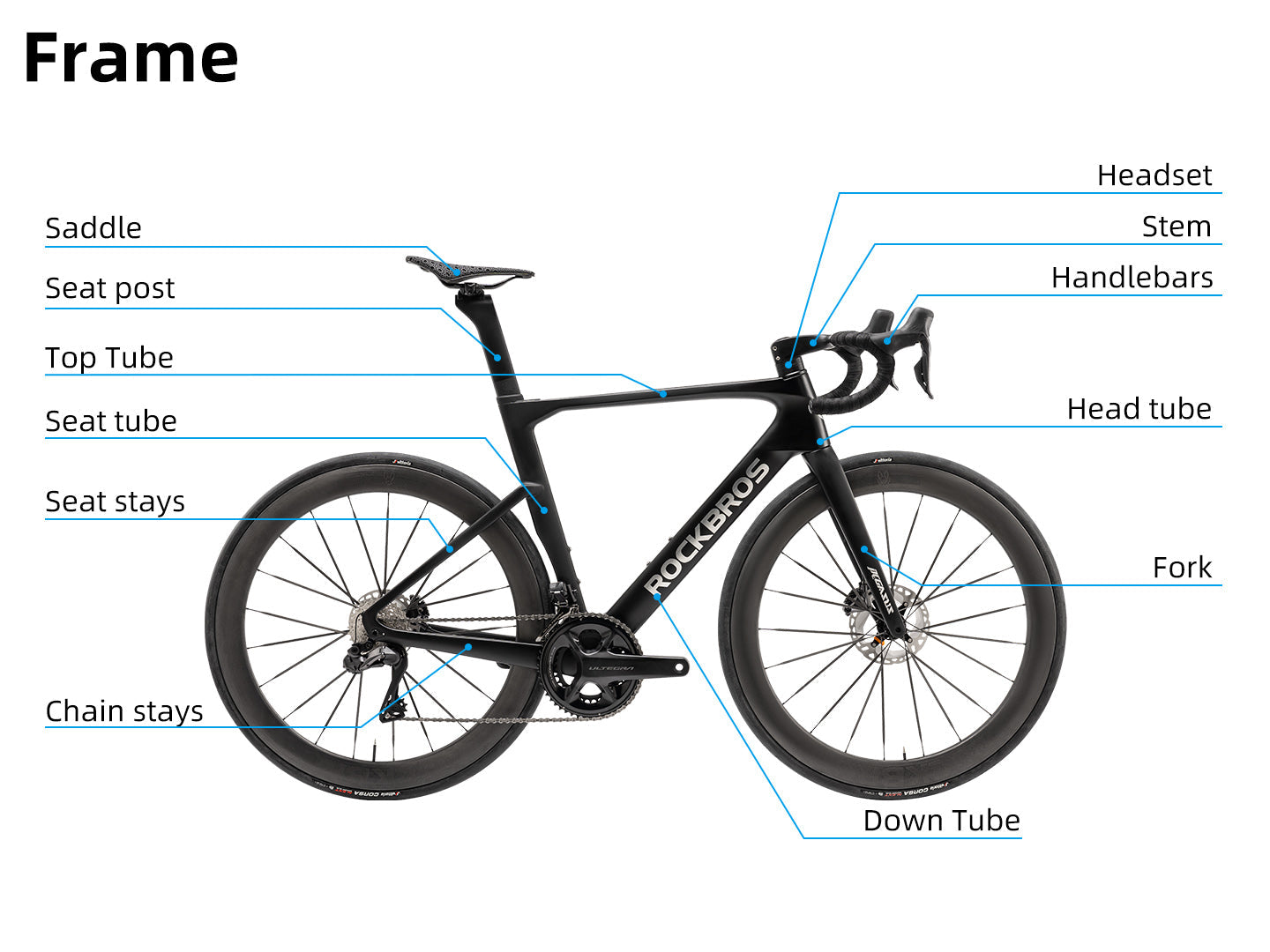
So you’re making two comparisons. First the frame: its reach, stack, standover and the sizes it comes in. Then the complete bike, including the saddle, stem, handlebar, crank arms and controls. The frame fixes the basic geometry you’re working with. Where your hands, feet and pelvis end up depends on the parts bolted to it.
Liv and Specialized made opposite choices
Liv calls its approach 3F: Fit, Form, Function. The brand says it builds research on women’s body measurements into its frame designs and its choice of parts.
Specialized went the other way. By 2019 it had retired the Ruby, its big-selling women’s endurance bike, and stopped making separate women’s road frames. The evidence came from Retül, the fit company it owns. Its review of about 7,750 fits over 11 years found no need for separate frame geometry by gender, and found that the parts should match the frame size. CyclingTips covered the decision in October 2019. Specialized’s approach rests on a range of frames, with parts matched to riders of different proportions.
The 2026 Liv Avail vs. Giant Defy in S and XS
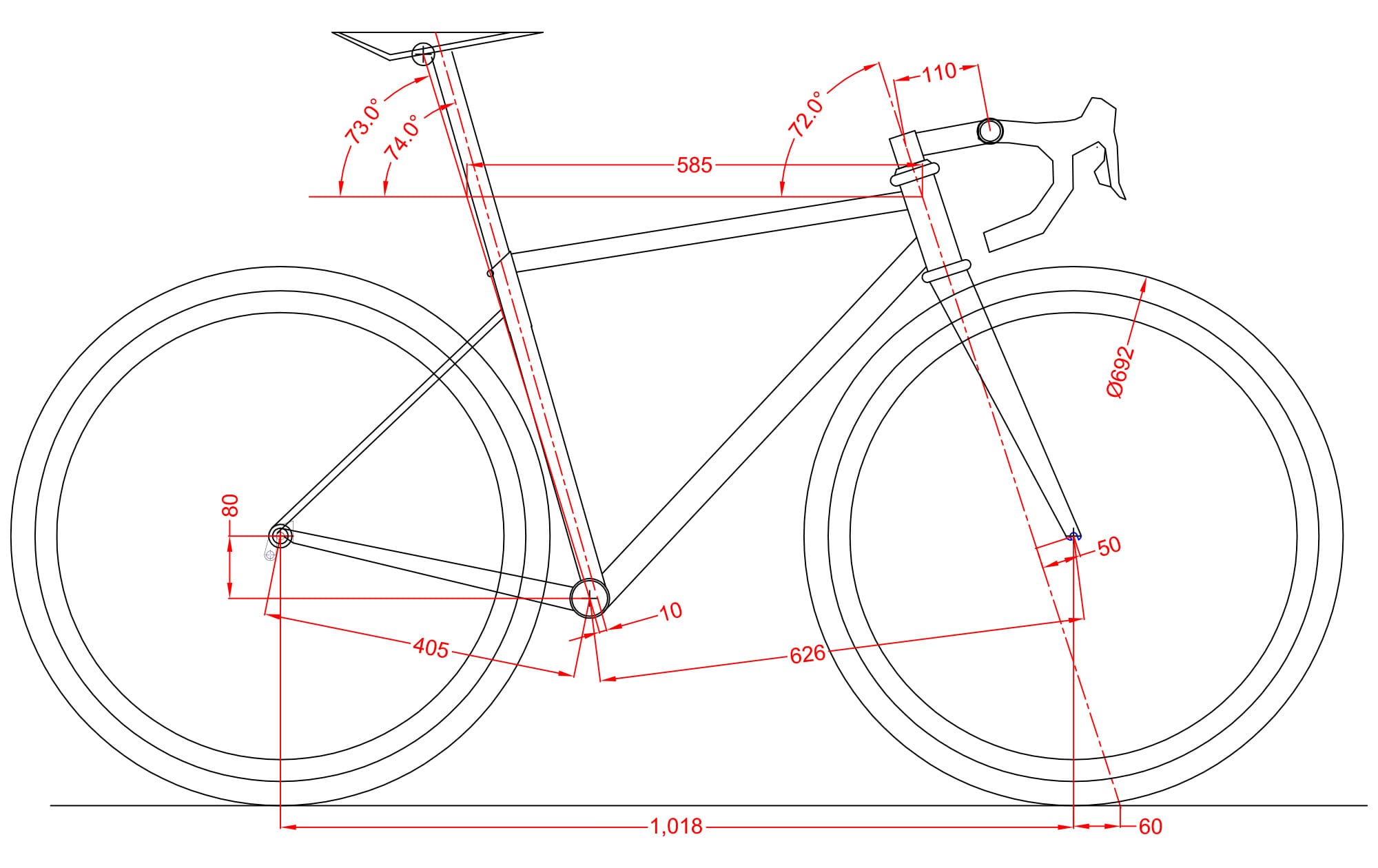
In both sizes, the women’s Liv has the higher standover. The 2026 Liv Avail Advanced 2 and Giant Defy Advanced 2 make a fair pair because both are endurance road bikes and both brands publish full geometry charts. The Avail is part of Liv’s women’s range. Giant sells the Defy in its broader road range. You’ll see the same size letters on both bikes, yet the numbers behind those letters differ enough to change which sizes you put on your list.
What the 2026 charts show
These figures come from the manufacturers’ US spec pages for the Liv Avail Advanced 2 and Giant Defy Advanced 2, in the listed 2026 builds.
| Size | Measurement | Liv Avail | Giant Defy | Liv minus Giant |
|---|---|---|---|---|
| S | Reach | 373 mm | 375 mm | −2 mm |
| S | Stack | 547 mm | 541 mm | +6 mm |
| S | Standover | 737 mm | 733 mm | +4 mm |
| S | Effective top tube | 525 mm | 530 mm | −5 mm |
| XS | Reach | 373 mm | 369 mm | +4 mm |
| XS | Stack | 528 mm | 527 mm | +1 mm |
| XS | Standover | 712 mm | 705 mm | +7 mm |
At size S, the Liv has 2 mm less reach and 6 mm more stack, which puts the front of the frame a little closer to you and a little higher. At XS that flips. The Liv is 4 mm longer. Its standover is higher in both sizes. Seven millimeters is just over a quarter inch, so it only decides the purchase if you have little clearance on either bike. Check it with the bike under you.
Sizing a 5 ft 3 in (160 cm) rider
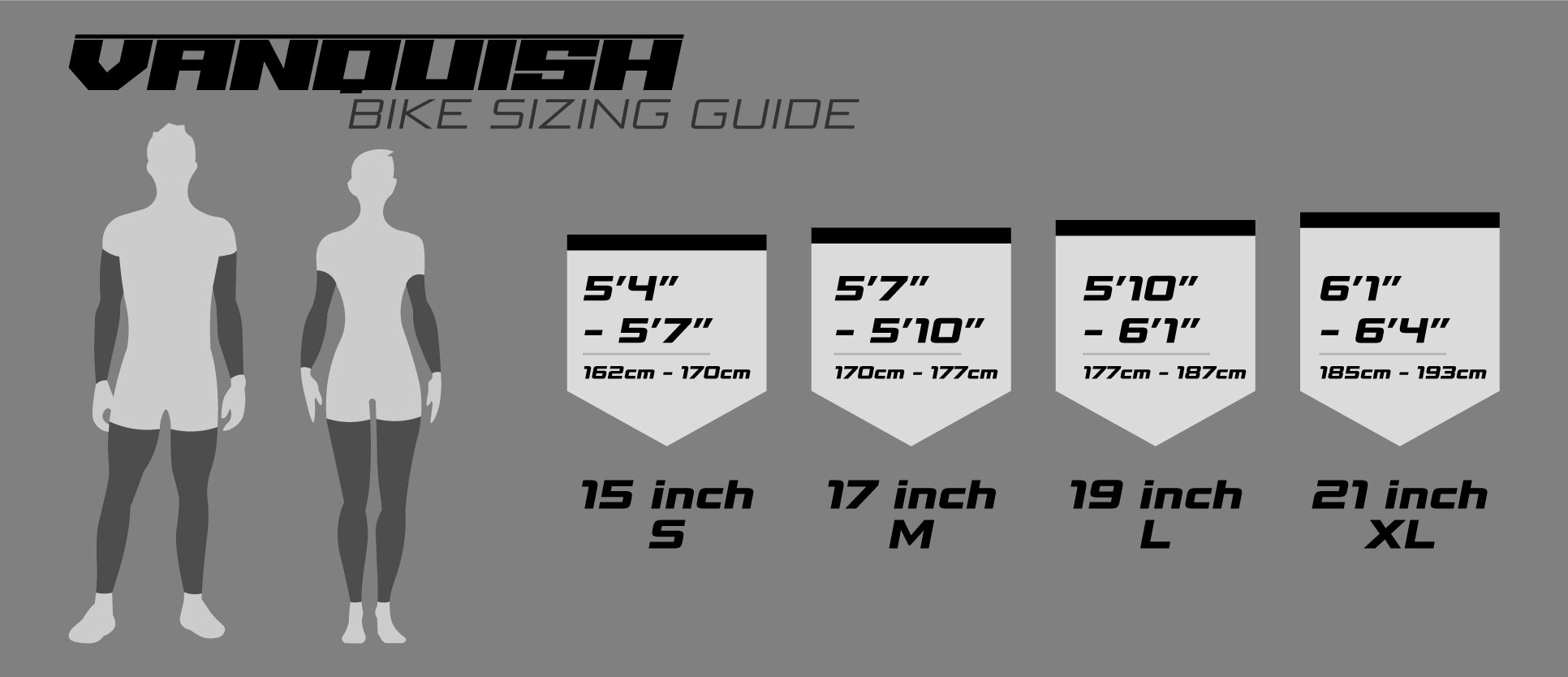
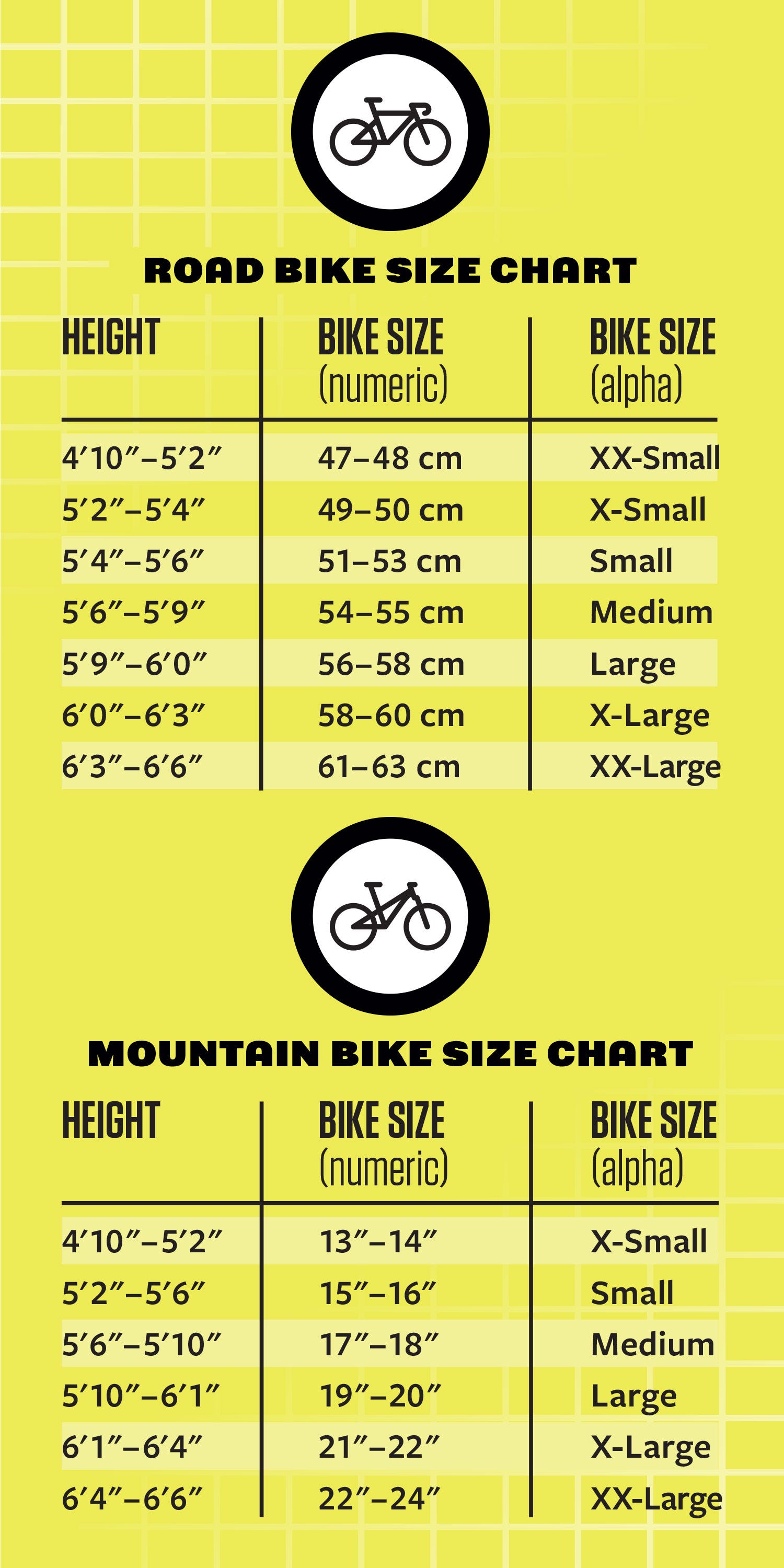
The height ranges on each size chart narrow your list further. For the same 2026 models, Liv lists XS for riders 5 ft 0 in to 5 ft 4 in (153 to 162 cm) and S for 5 ft 2 in to 5 ft 6.5 in (158 to 169 cm). Giant lists XS for 5 ft 3 in to 5 ft 6 in (160 to 168 cm) and S for 5 ft 5.5 in to 5 ft 8.5 in (166 to 174 cm).
At 5 ft 3 in (160 cm), you fall inside three of those four ranges. Giant’s S starts at 166 cm, so cross it off your list. That leaves three sizes to try:
- Liv Avail XS
- Liv Avail S
- Giant Defy XS
Compare those three on the chart. Then factor in your inseam and torso length, and ride the ones that still make sense.
Four frame measurements to compare
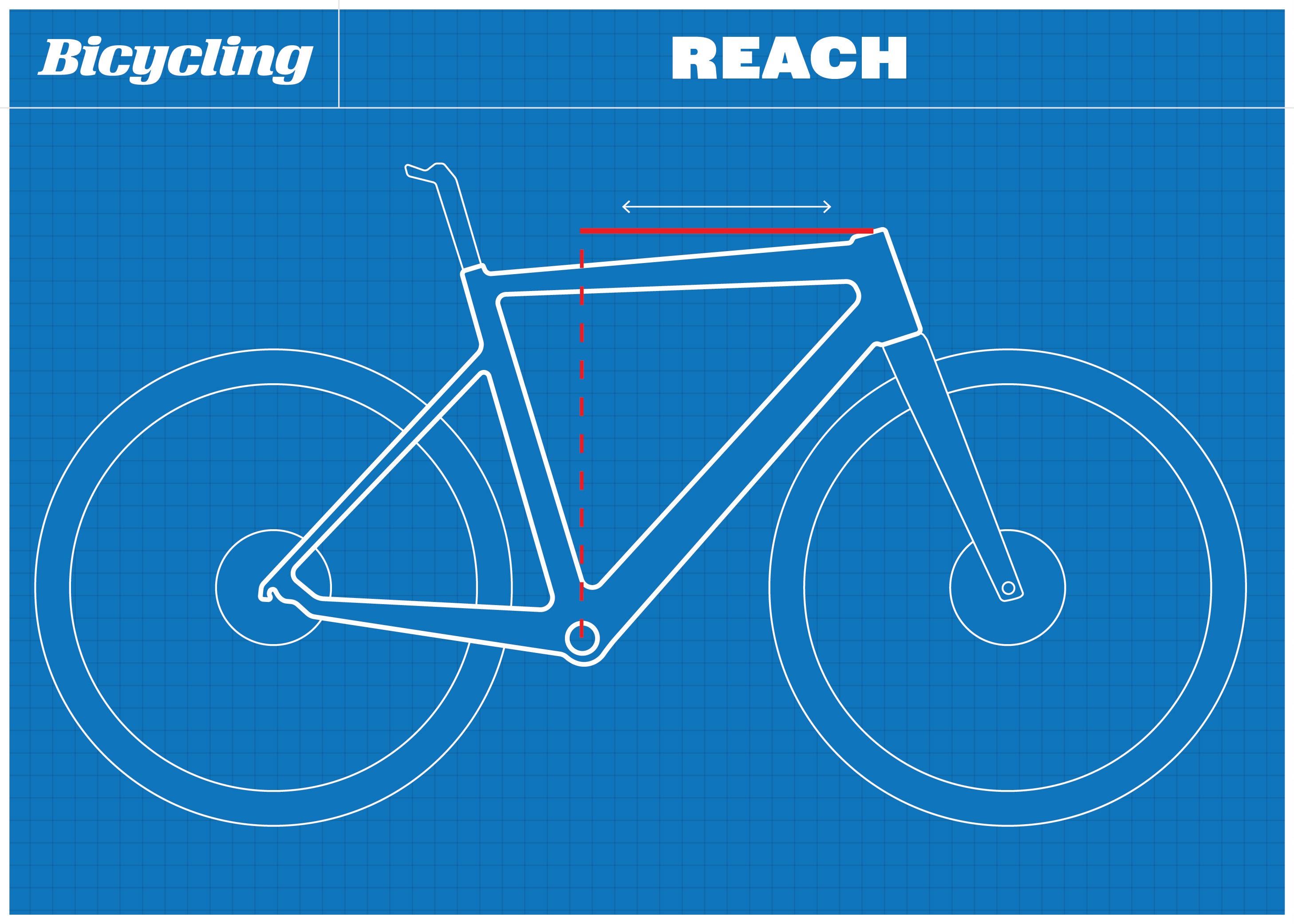
Four numbers on a geometry chart explain most of the difference between two frames: reach, stack, standover and effective top tube. Look for all four before you look at anything else.
| Measurement | What it tells you |
|---|---|
| Frame reach | Horizontal distance from the bottom bracket to the top of the head tube. More reach puts the front of the frame farther ahead of you. It doesn’t measure the distance from saddle to bars. |
| Stack | Vertical distance from the bottom bracket to that same point. More stack means a more upright frame. Your hand height also depends on the stem, spacers and bar. |
| Standover | Height of the frame where the manufacturer measures it. It tells you how much room you have when you straddle the bike. Check where each brand takes the measurement and how you’ll ride. |
| Effective top tube | Horizontal length used to describe the top tube. It adds detail about frame proportions. It isn’t a separate measure of how far you reach. |
Read stack and reach as a pair. More stack raises the front of the frame, and more reach pushes it forward. The stem and handlebar then set where your hands rest, and your saddle setup sets where you sit behind them.
Inseam and torso: check both
Height alone won’t pick your size. With long legs and a short torso, you’ll clear the top tube with room to spare and may still feel stretched at the bars. With a short inseam and a long torso, the reach can feel fine while the top tube sits close. That’s how two riders of the same height end up on different frames.
Use your height and inseam to find the sizes worth a look. Compare their reach and stack, then check the whole bike with you on it. A test ride tells you whether the saddle, stem and bars have enough adjustment left to get you comfortable.
REI’s bike fitting guide walks through frame sizing, standover checks and basic adjustments in more detail. If you’re spending a lot and your proportions make the fit tricky, book a professional fitter before you buy.
Which parts can you adjust or replace?
Once the frame fits, fine-tune your position with normal setup and compatible parts. Start by sorting what’s fixed from what you can move or swap.
| Part | What you can change | What to check |
|---|---|---|
| Frame geometry | Nothing: the dimensions are fixed | Pick a frame with reach, stack and standover you can work with |
| Saddle | Move it or replace it | How far it adjusts and whether the shape suits you |
| Stem | Replace it | Compatibility, position, handling and fitting work |
| Handlebar | Replace it | Width, shape, control mounting and cable routing |
| Crank arms | Replace them on compatible setups | Lengths available and drivetrain compatibility |
| Brake and shift controls | Some position and lever-reach adjustment | How far they adjust and whether you reach them easily |
| Integrated cockpit | Limited options | Compatible parts and how hard the install is |
Get your frame size right first. If its numbers fall outside what works for you, a string of small part swaps will leave the main fit problem in place.
On the 2026 size-S builds, Liv specifies an 80 mm stem for the Avail Advanced 2, while Giant lists a 90 mm stem for the Defy Advanced 2. Both list 165 mm crank arms.
Do the math on size S. The Liv frame is 2 mm shorter in reach. Its stem is 10 mm shorter too. With the same saddle position, spacers and bar, that’s about 12 mm less stretch to the hoods. If the Giant feels a little long, a shorter stem closes most of that gap with one part swap.
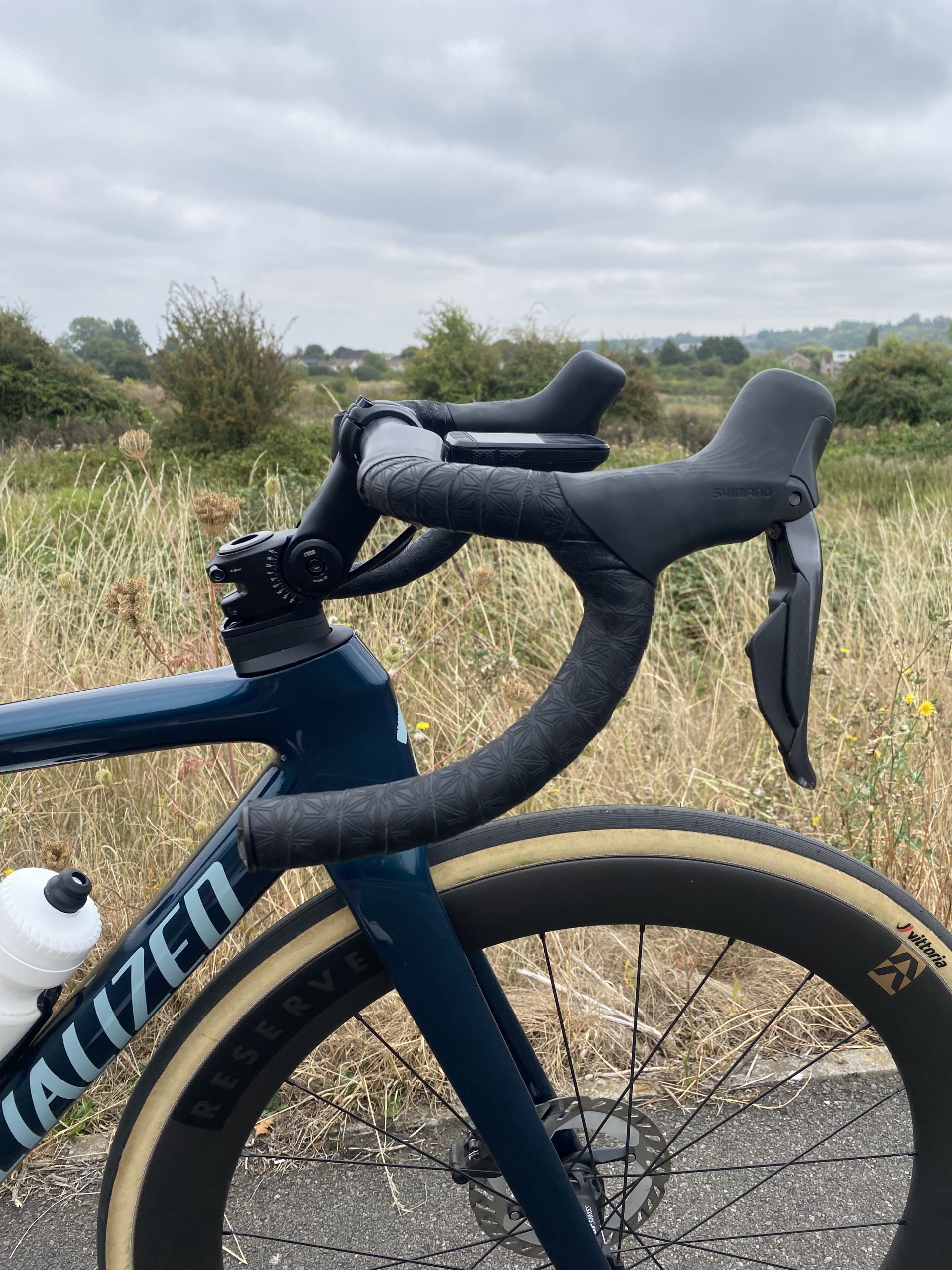
Handlebar widths: check how each brand measures
Liv’s size-S chart lists a 400 mm handlebar. Giant’s chart says 410 mm, and its parts list gives more width figures. Before you read that as a 10 mm difference, find out how each brand measures bar width. If the brands measure at different points, the printed widths won’t line up.
Count fit changes in the price
A used or discounted bike is still a good buy if the frame fits and the changes it needs are small. Add up the full cost of getting it ready for you before you decide.
- Bike price: Use the real offer for the exact model and size.
- Parts: List only the ones needed to fix a specific problem at the saddle, bars or pedals.
- Fitting: Ask the shop what the work involves, especially with integrated parts or internal cable routing.
- What’s left: Make sure the bike still handles well and you can reach the controls after the changes.
Ask your shop for an itemized quote. Then compare the total with the price and fit of another frame.
What cycling research shows about riding position

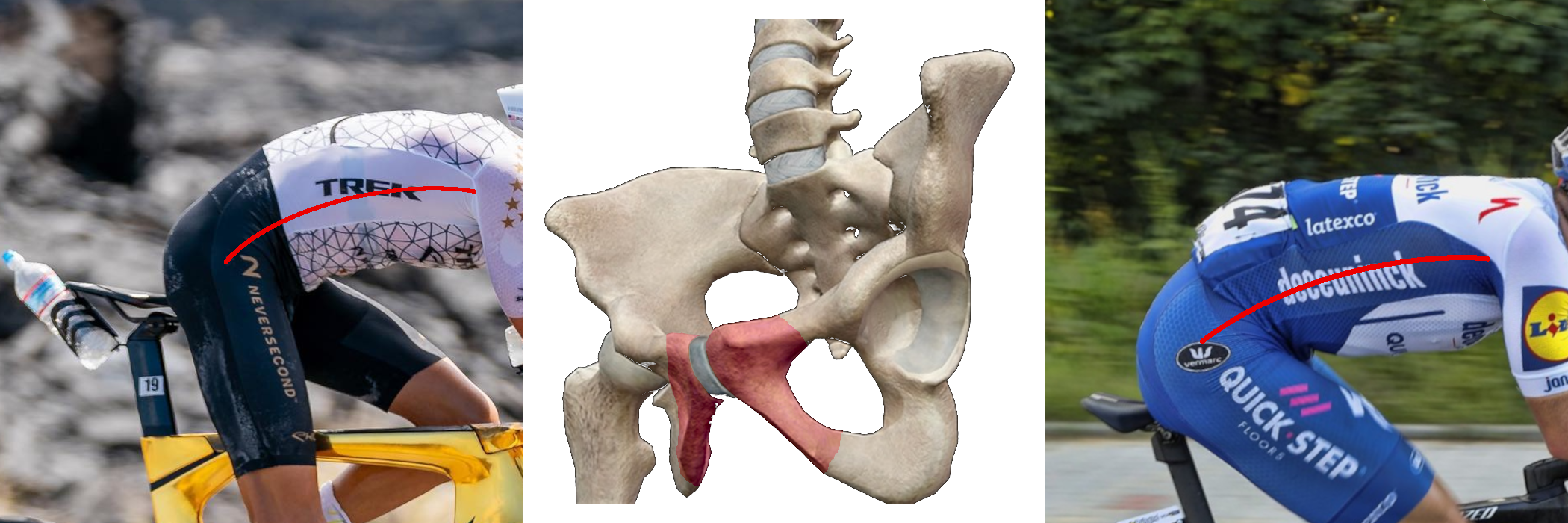
Saddle pressure and pelvic tilt
In a 2007 study by Sauer and colleagues, 26 experienced cyclists (14 women, 12 men) rode at three power outputs on the tops and in the drops. In the drops, the women tipped their pelvis further forward than the men: 24 degrees on average against 21. A 2008 study by Potter and colleagues tested 22 experienced riders (11 women, 11 men) on an adjustable stationary bike with a pressure-sensing saddle. In the drops, peak pressure on the nose of the saddle rose for the women and didn’t rise for the men. Both studies appeared in Medicine & Science in Sports & Exercise.
Saddle-height methods
A 2021 study by Encarnación-Martínez and colleagues tested saddle-height methods on 30 experienced indoor cyclists, 15 women and 15 men. The methods didn’t suit both groups equally well. In 2022, Gatti and colleagues built saddle-height equations from body measurements, bike geometry and knee movement in 40 adults (17 women, 23 men). Their equations didn’t depend on sex in that group.
These are group results, so none of them picks a frame for you. If you plan to ride in the drops, test the saddle there as well as on the tops.
Should you buy the women’s or the unisex bike?
Start with these four rules:
- Under about 5 ft 4 in (162 cm)? Check both brands. A women’s range sometimes gives you an extra size to try. At 5 ft 3 in (160 cm), Liv’s chart allows XS or S, and Giant’s allows only XS.
- Short inseam? Check standover first. On these two bikes, the women’s model has the higher top tube.
- Long legs, short torso? Start with stack and reach. You’ll likely clear the top tube with ease and find the bars harder to get right.
- Right size out of stock? Buy the bike that fits, whatever the label says.
Riders asking for sizing help in public discussions show how differently this plays out. One 158 cm (5 ft 2 in) rider with long legs and a short torso was upgrading from a used Scott, and the leg clearance was fine while the front-end reach looked hard. Before paying for the upgrade, that rider needed to compare reach, stack and cockpit position across the candidate frames. Another buyer was choosing between a used unisex road bike and a women’s model, and the unisex bike could need a new saddle or stem. In that case, compare what each bike costs once it fits you, shop quote included. A third shopper heard a sales pitch based on bike category, and the hybrid test rides didn’t back it up. Test the bikes that fit, whatever category they sit in.
A 5 ft 10.5 in (179 cm) rider on a size L Liv
One rider, about 5 ft 10.5 in (179 cm) tall, asked whether a large Liv Avail Advanced 1 would feel too small. She bought it and later reported that it fit well. Her relatively short arms, she said, were part of the reason. If you’re tall, don’t write off the top size of a women’s range before you check the numbers. Keep in mind she rode the Advanced 1, a different build from the Advanced 2 in the chart comparison.
When your size is out of stock
Another rider, about 5 ft 2 in (157 cm) tall with a 26-inch (66 cm) inseam and a longer torso, was weighing a Liv Rove in XS against an S that was easier to get. The Rove is a different kind of bike from the Avail and Defy, and the same logic applies. Judge the S on its own frame numbers and how you sit on it, and test ride it only if those numbers make sense. Stock convenience does not change standover or reach. If the S doesn’t fit, you need another size or another model.
The same goes for a used-bike bargain. A frame that fits and needs one easy part swap is a good deal. A frame that needs major work with no guarantee it will fit deserves a much harder look before you pay.
How to compare and test two bikes before buying
Compare two real bikes, with the exact frame sizes and spec sheets in front of you. That keeps the decision on things you can check, adjust or ride.
A six-step buying check
- Pick the riding and the candidates. Decide whether you need an endurance road, commuter, gravel or other type of bike, and compare models built for the same riding. Write down each brand, model, model year and the size you’re considering.
- Read each size guide. Note the height ranges, factor in your inseam, and use them to shorten the list.
- Compare the frame numbers. Look at reach and stack together for the exact size you’d buy. Then check standover on the bike itself, and note where the manufacturer measures it.
- Check the parts and price the changes. Go over each bike’s saddle, stem, bar, cranks and levers. Ask which changes are compatible, and get a quote when they’re substantial.
- Book a properly adjusted test ride. Check that you can reach the controls, hold the position you want, sit comfortably, keep your hands comfortable and handle the bike with confidence.
- Choose, reject or get a fit. Keep the frames that fit. Drop the ones that don’t. Book a professional fitter if you’re spending a lot or big fit questions are still open.
Make the test ride count
Before you judge any bike, have the shop set your saddle height and roll the levers to where you can reach them. It takes five minutes. Skip it and you can’t tell whether you’re feeling a bad setup, which a mechanic fixes in the shop, or the wrong frame, which nothing fixes.
Once that’s done, ride in the position you expect to use most. Can you reach and operate the brakes comfortably? Does the front end feel manageable? Can you hold the riding position without feeling awkwardly stretched or compressed?
A short ride shows you the obvious fit and handling problems. It won’t show you how the bike feels at the end of a long ride, so for an expensive or tricky decision, a professional fit before you buy is still worth booking.
Then put the geometry charts for your top two bikes side by side and cross out any size that failed a fit check. For the rest, write down the part changes each one needs and what you noticed on the test ride. If one bike works with basic setup and the other needs big changes nobody has tested, count that against it when you decide. If the XS you wanted is gone, the larger size has to pass the same checks, and if a women’s range stops short of the numbers you need, add a unisex model to your list.
Take those two geometry charts to the shop and ride the sizes that passed your first check.