
Start with one women’s professional road race. Learn its format, recognize the riders’ roles, and watch how a breakaway and chase develop. In a stage race, follow the overall classification alongside the day’s result.
What is women’s professional road cycling?
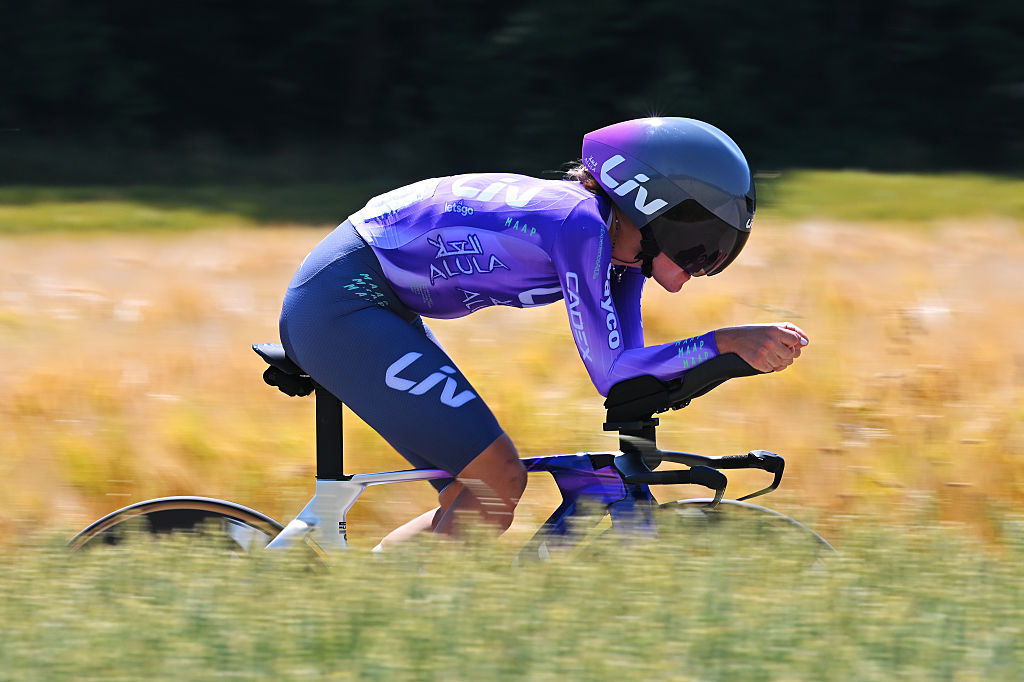
Women’s professional road cycling is elite racing on the road. Riders compete in teams across one-day events, multi-day stage races, and time trials. The UCI Women’s WorldTour is a leading series of these races. Professional women’s cycling also includes track, mountain biking, cyclocross, and other disciplines. The WorldTour began in 2016, succeeding the Women’s Road World Cup, which ran from 1998 to 2015.
How the Women’s WorldTour and pro teams are organized
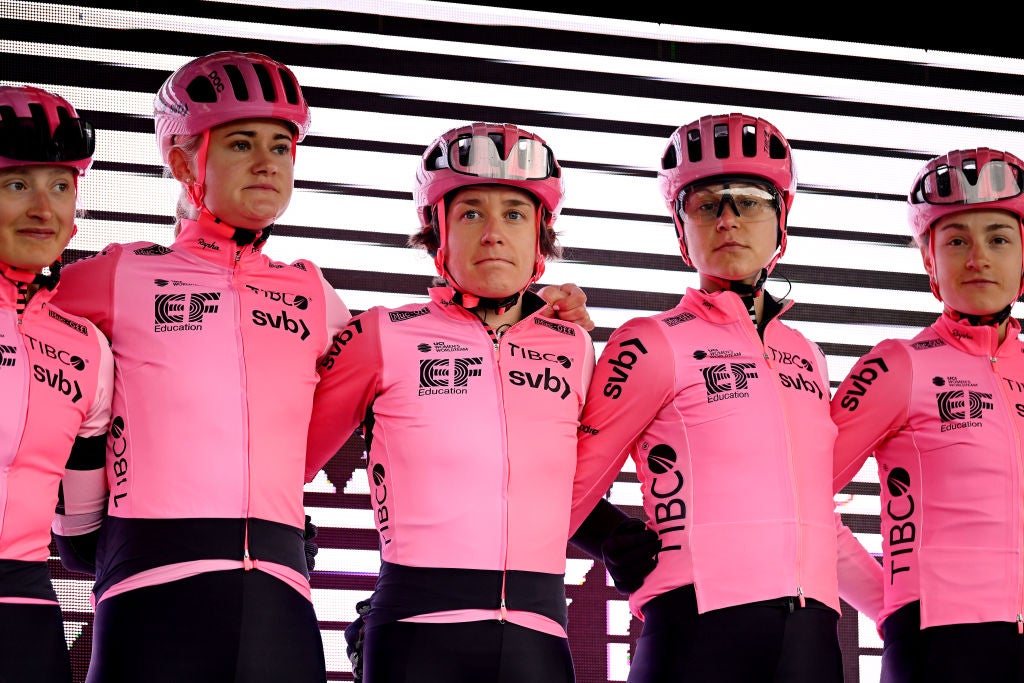
The Women’s WorldTour is a series of races. A Women’s WorldTeam is a first-division team, and a Women’s ProTeam is a second-division team. You’ll see WorldTour on a race listing and WorldTeam next to a team’s name.
| Term | What it describes |
|---|---|
| UCI Women’s WorldTour | A series of leading road races, both one-day and multi-day |
| UCI Women’s WorldTeam | First-division professional road team; 14 registered for 2026 |
| UCI Women’s ProTeam | Second-division professional road team; seven registered for 2026 |
| Women’s Continental Team | Another road-team category, separate from the two higher divisions |
The Women’s WorldTeam category began in 2020; the Women’s ProTeam tier arrived in 2025.
The UCI’s 2026 registered-team announcement lists each team’s division for that season. The 2026 first-division list included FDJ United–SUEZ and Team SD Worx–Protime.
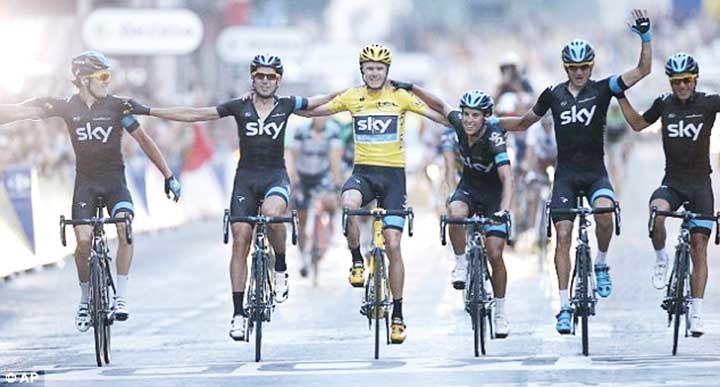
Teammates do different jobs in the same race.
One-day races, stage races and the events worth recognizing
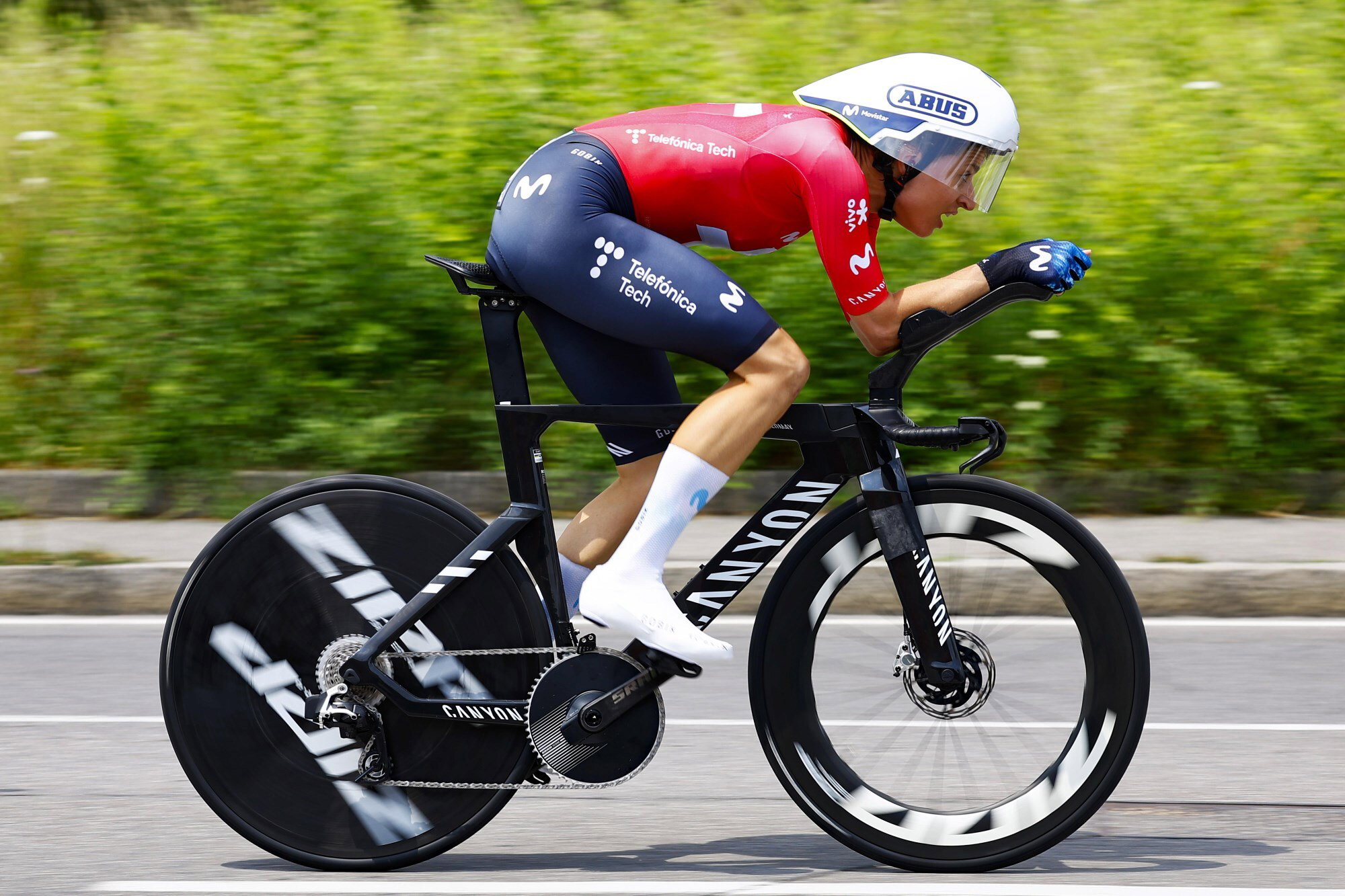
A one-day Classic has one finish that settles the event. A stage race has daily winners and a separate overall competition that builds over several days. Time trials are a race against the clock.
| Format | What decides the result | What to notice |
|---|---|---|
| One-day Classic (Tour of Flanders Women, Paris-Roubaix Femmes) | The result of a single race | Attacks, terrain, the leading group and the finish |
| Multi-day stage race (Tour de France Femmes, Giro d’Italia Women, La Vuelta Femenina) | Each stage has a result; overall standings run across stages | Today’s contest and its effect on the overall race |
| Individual time trial | Each rider’s time | Pacing and the clock |
| Team time trial | A team’s time | Coordinated effort against the clock |
If you want a single contest with a clear finish, start with a Classic. The Tour de France Femmes gives you a longer story, with the overall standings changing across several stages.
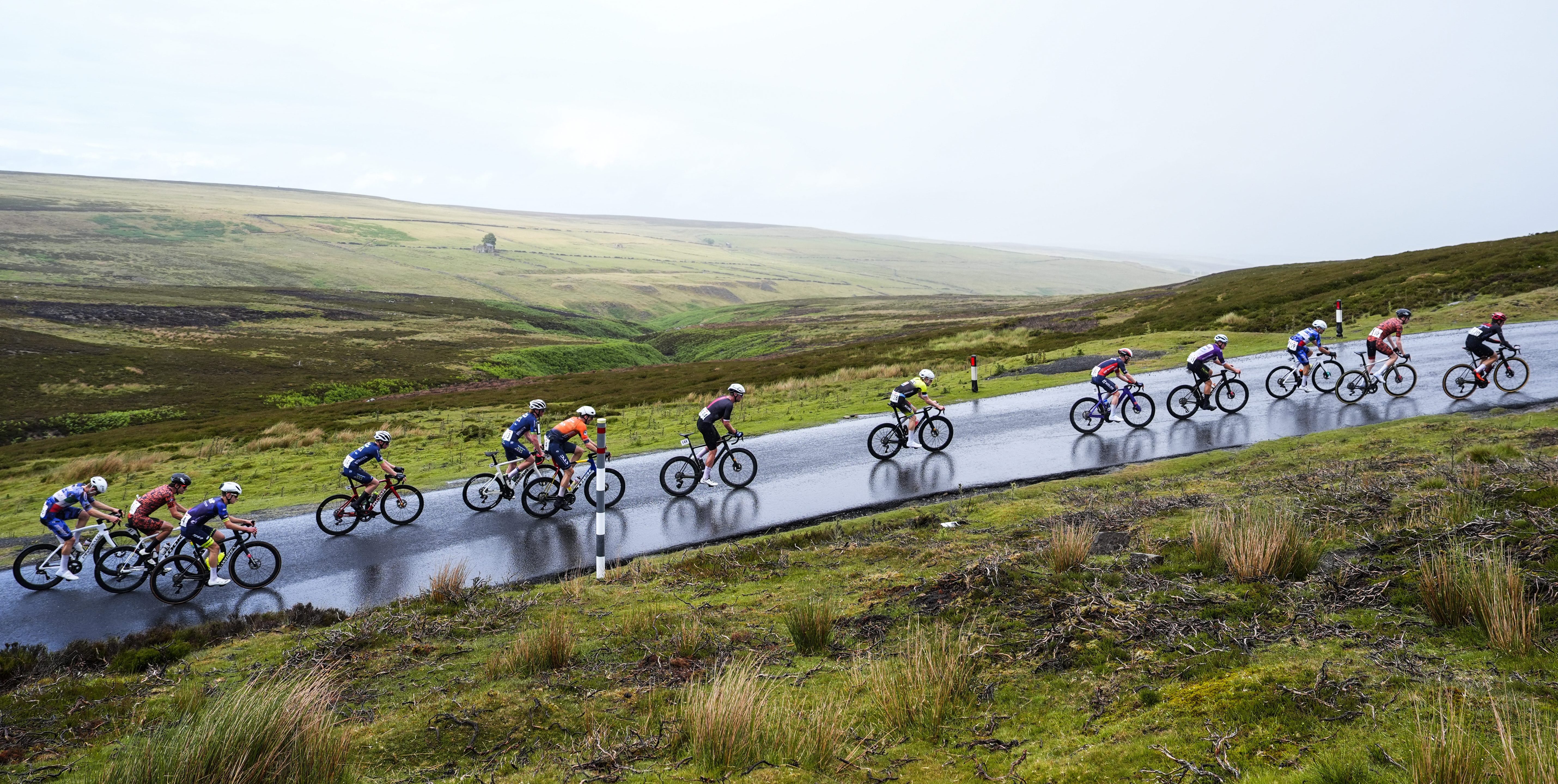
Terrain tells you which riders are likely to feature. A flat finish favors a sprinter with good positioning and a lead-out. Climbs give a strong climber room to attack. A hard Classic can split a large peloton into smaller groups long before the line.
How to read the race: peloton, breakaways and teamwork
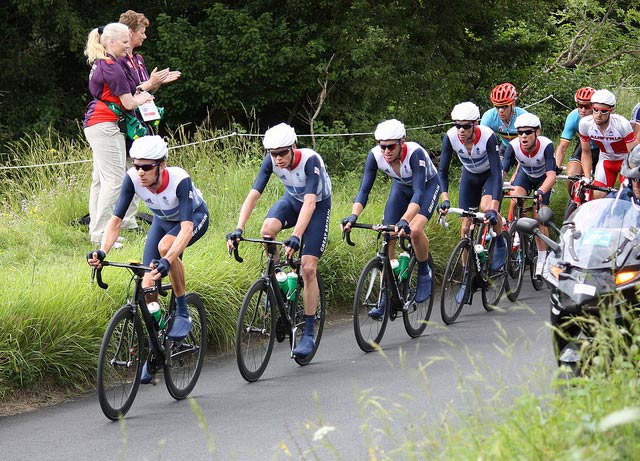
Most road races come down to riders who attack and teams that chase them.
The peloton is the main group of riders. Riding close together lets them use drafting, the reduced wind resistance behind another cyclist. A rider who accelerates to create separation is attacking. If riders open a gap and stay away, they form a breakaway.
The chase is the effort to close that gap. On-screen graphics show the gap as a time difference: a breakaway 30 seconds ahead is roughly half a minute in front of the peloton at that moment. The riders involved, the terrain still to come, and the organization of the chase decide what that advantage is worth.
A rider who works for the team leader is called a domestique. When a team wants a group sprint, its riders form a lead-out and deliver the sprinter to the finish in a strong position.
A team might protect one rider for the last climb while teammates shelter her from the wind, keep her well positioned, or ride at the front to set the pace. A team planning for a sprint has different priorities from one that hopes its climber breaks away.
If the tactics feel opaque, you’re in good company. One viewer following the women’s Tour wrote in an r/ladycyclists discussion, “I’m clueless about the tactics but love watching the competition!”
Two teams can want opposite outcomes
Say five riders are 1:30 ahead with 20 km to go. One of them rides for Team A. Team B has a fast sprinter back in the peloton.
Team A wants the breakaway to stay clear, because its rider already has a chance at the finish. Team B sends riders to the front and sets a fast pace to pull the attackers back.
Now the road turns uphill. Riders who worked well together on the flat start to lose contact, and a strong climber attacks the smaller leading group. Team C begins to chase because the rest of the course suits its leader.
This explains a sight that puzzles new viewers: a rider does a huge amount of work at the front and finishes well behind the winner. Her effort shaped the race for a teammate.
Read three clues on the screen
Follow one attack from the moment the gap opens until the groups rejoin or the attackers reach the finish. Check these three things along the way.
- Who’s ahead? Is one rider alone, or is a group working together?
- Which teams are represented? A team with a rider up front wants the gap to hold. A team with a sprinter behind wants it closed.
- Who’s chasing? Watch who takes turns at the front, and whether the whole peloton works together or one team does the pulling.
Stage wins, GC, jerseys and rankings: who leads what?
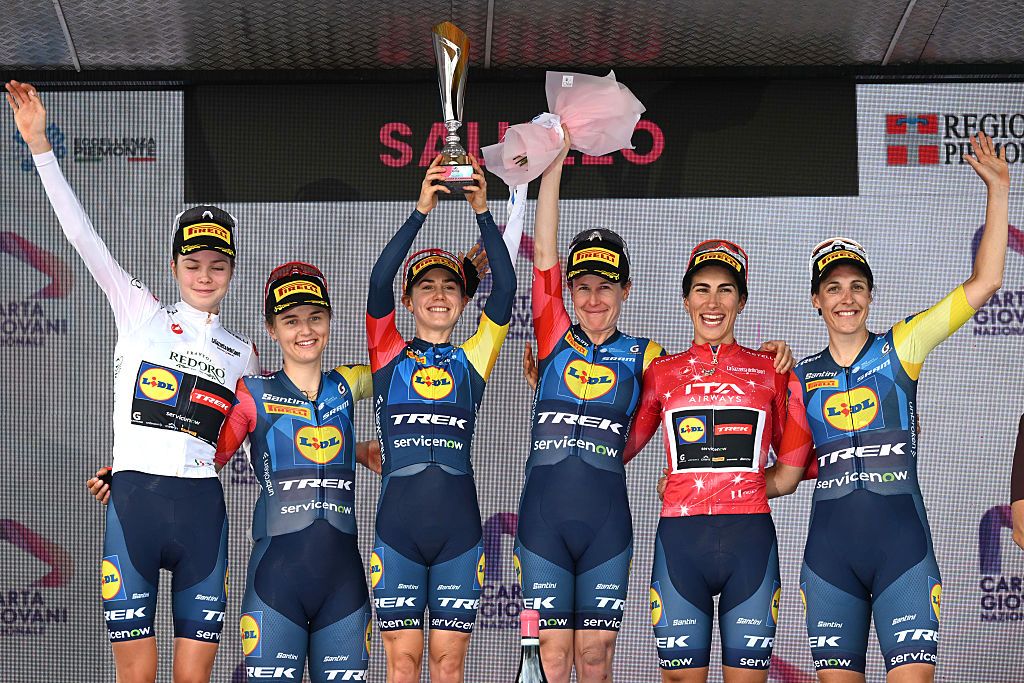
The stage winner and the overall leader can be different riders. In a multi-day race, general classification (GC) ranks riders by their accumulated race times, with adjustments set by each event’s rules.
Say Rider A wins a mountain stage, but Rider B still has the best cumulative time. Rider B leads the GC.
| Result or classification | What it measures |
|---|---|
| Stage winner | Result of one stage |
| General classification (GC) | Overall standings across stages |
| Points classification | Points awarded under the event’s rules |
| Mountains classification | Points at designated climbing opportunities |
| Young-rider classification | Standings among eligible younger riders |
| UCI Road World Ranking | Points from eligible race results |
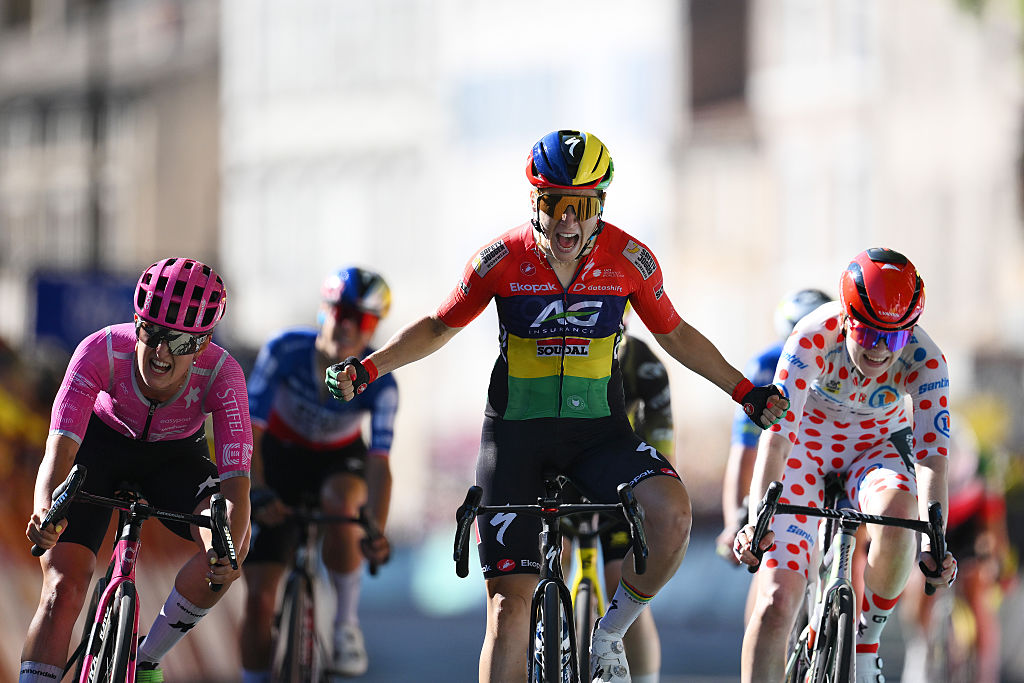
At the Tour de France Femmes, the yellow jersey marks the GC leader, green the points leader, polka dots the mountains leader, and white the young-rider leader. Other races use different jerseys and rules.
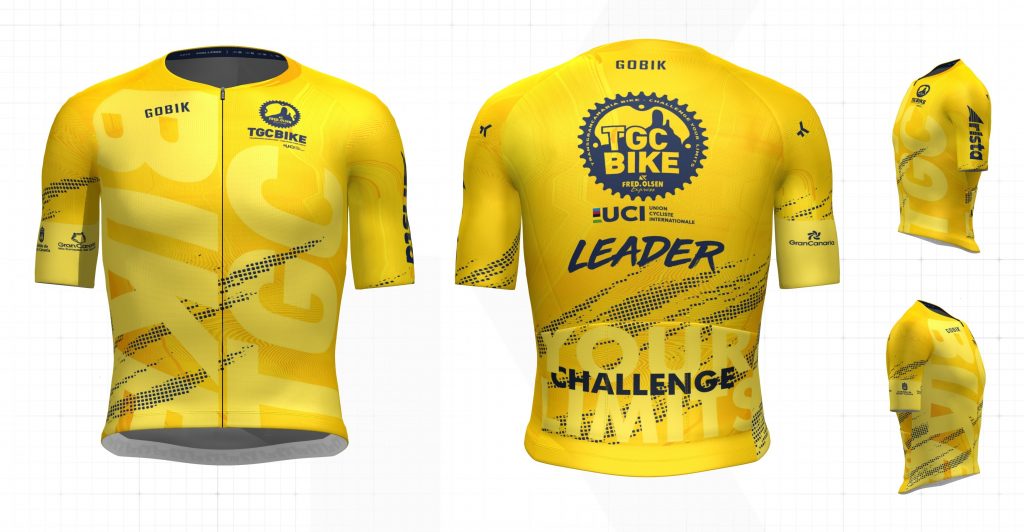
The UCI Road World Ranking also appears in coverage, but it covers a broader set of eligible results. A rider can rank high without leading the stage race on screen.
Which riders should a new fan recognize?
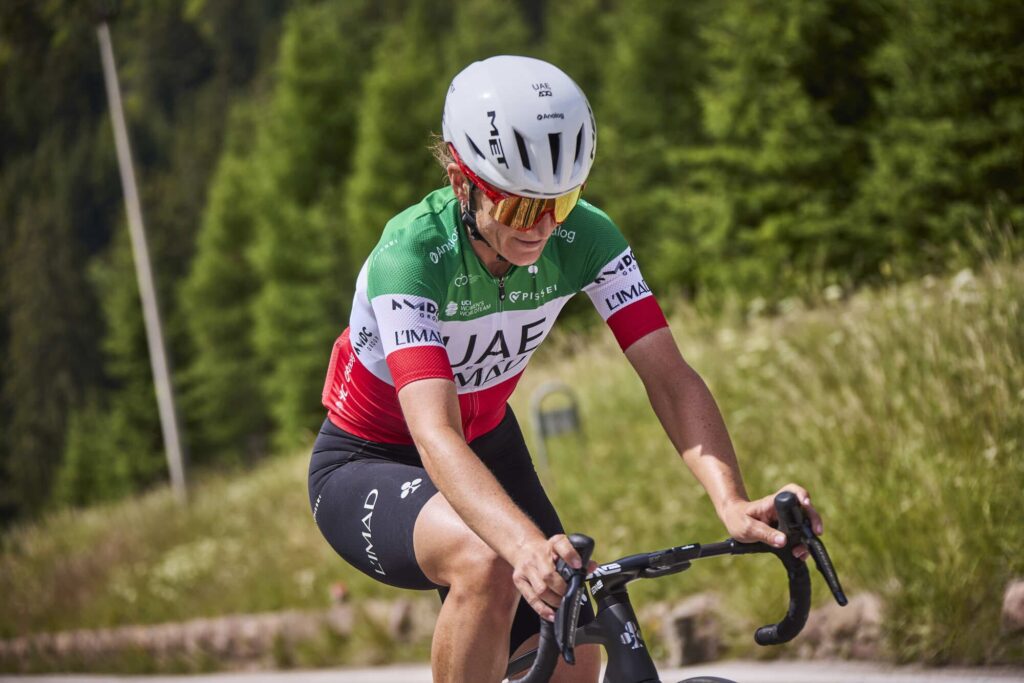
Knowing a few riders by their strengths is more useful than memorizing a long team roster.
A fan familiar with men’s road racing didn’t know who to cheer for in the women’s peloton.
| Rider | Strength in 2026 coverage | What to watch |
|---|---|---|
| Demi Vollering | Climbing and GC racing | Moves on climbs and their effect on the overall contest |
| Lorena Wiebes | Sprint finishes | Positioning and acceleration as a group finish develops |
| Katarzyna Niewiadoma-Phinney | Stage racing and GC | Time gains or losses across a multi-day event |
These are examples from 2026 coverage.
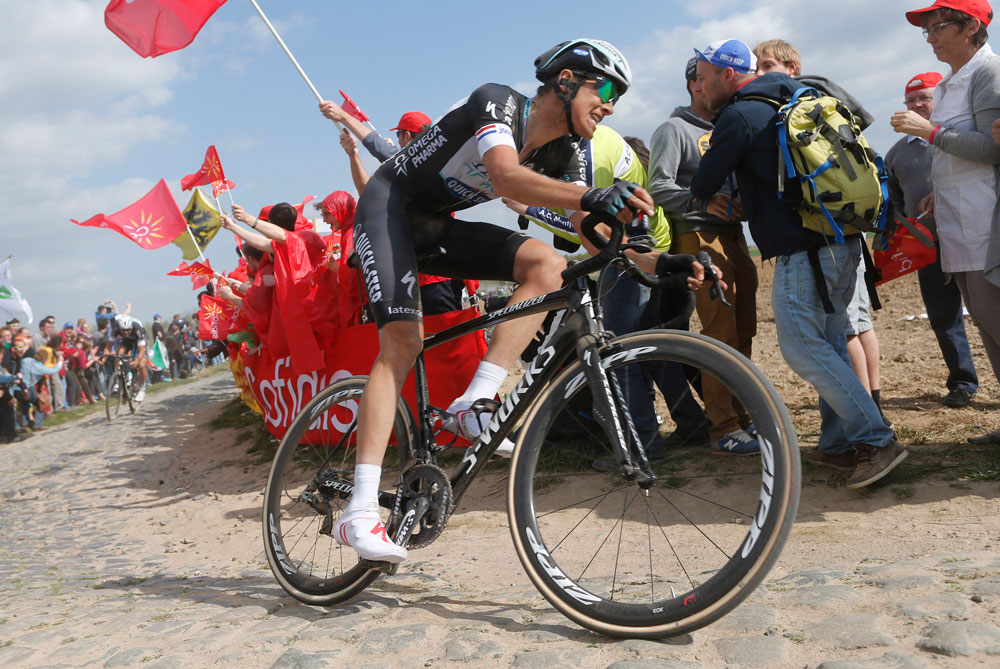
A Classics contender can thrive on repeated hard efforts and tactical positioning without being known as a sprinter.
Before an event, pick two or three riders from its official start list and learn what kind of finish or move suits them. When their names show up in a breakaway or chase, you’ll have a reason to follow along.
How to watch women’s professional cycling in the United States
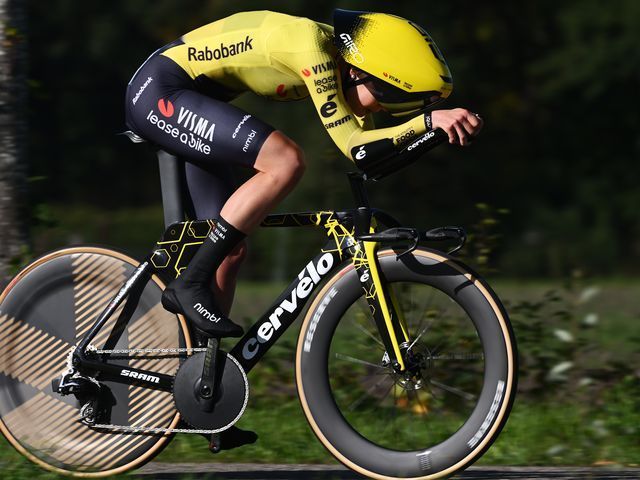
US viewing rights depend on the individual race and its organizer. Start with the event’s official broadcaster listing and select the United States as the viewing country.
For example, the Tour de France Femmes broadcaster page listed NBC Sports / Peacock for the United States when the site was displaying its 2027 event edition.
A May 2026 guide from ProCyclingUK linked Peacock with many ASO-organized races, HBO Max/Max with several Italian or RCS-related events, and FloBikes with several Flanders Classics events.
Depending on the race, coverage comes as a live broadcast, a short recap, a full replay, or analysis of how the race developed.
For a specific upcoming event:
- Open the race organizer’s official website and find its broadcasters or how-to-watch page.
- Select the United States and the edition you want.
- Check whether the listed service offers live coverage, a replay or recaps.
- Check the access and subscription terms before you pay.
Your first race: what to notice and what to follow next
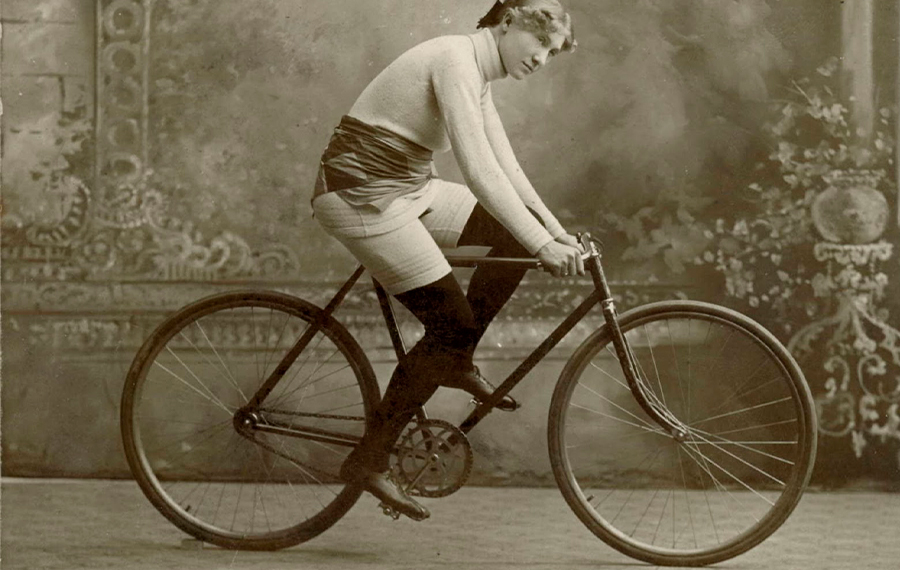
If the moment that sticks with you is a late attack the peloton can’t catch, try a one-day race next. If you like watching the overall standings shift between stages, pick a multi-day event.
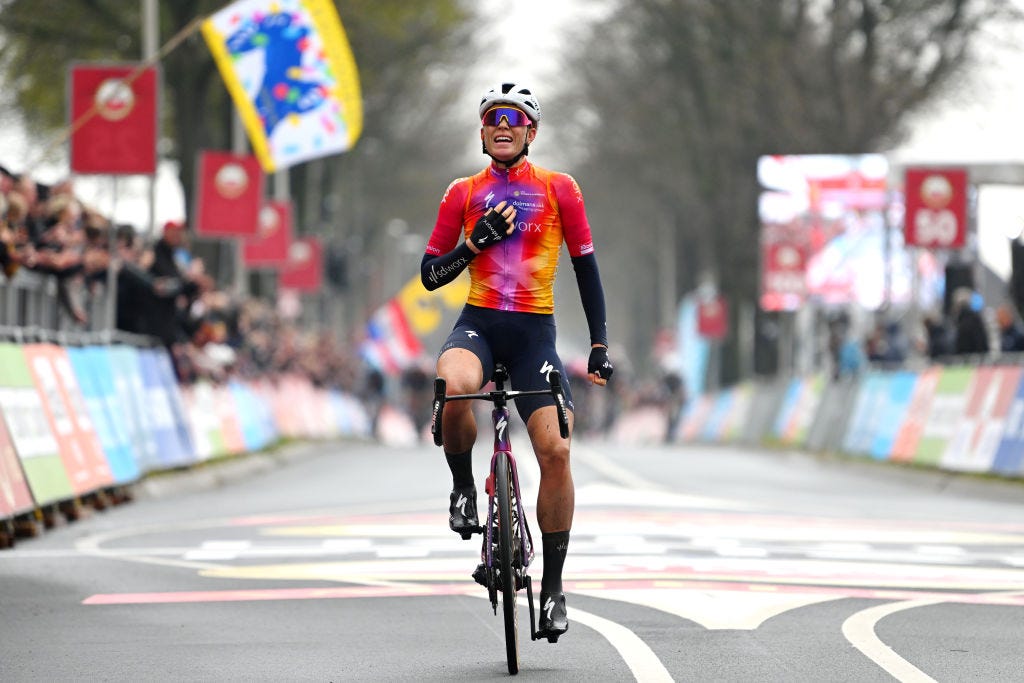
A finish-line clip shows only the result. A longer recap or tactical analysis shows the move behind it, such as an early breakaway or a team spending its riders to protect a leader.
After your first race, read one credible recap and find the moment that changed the outcome.