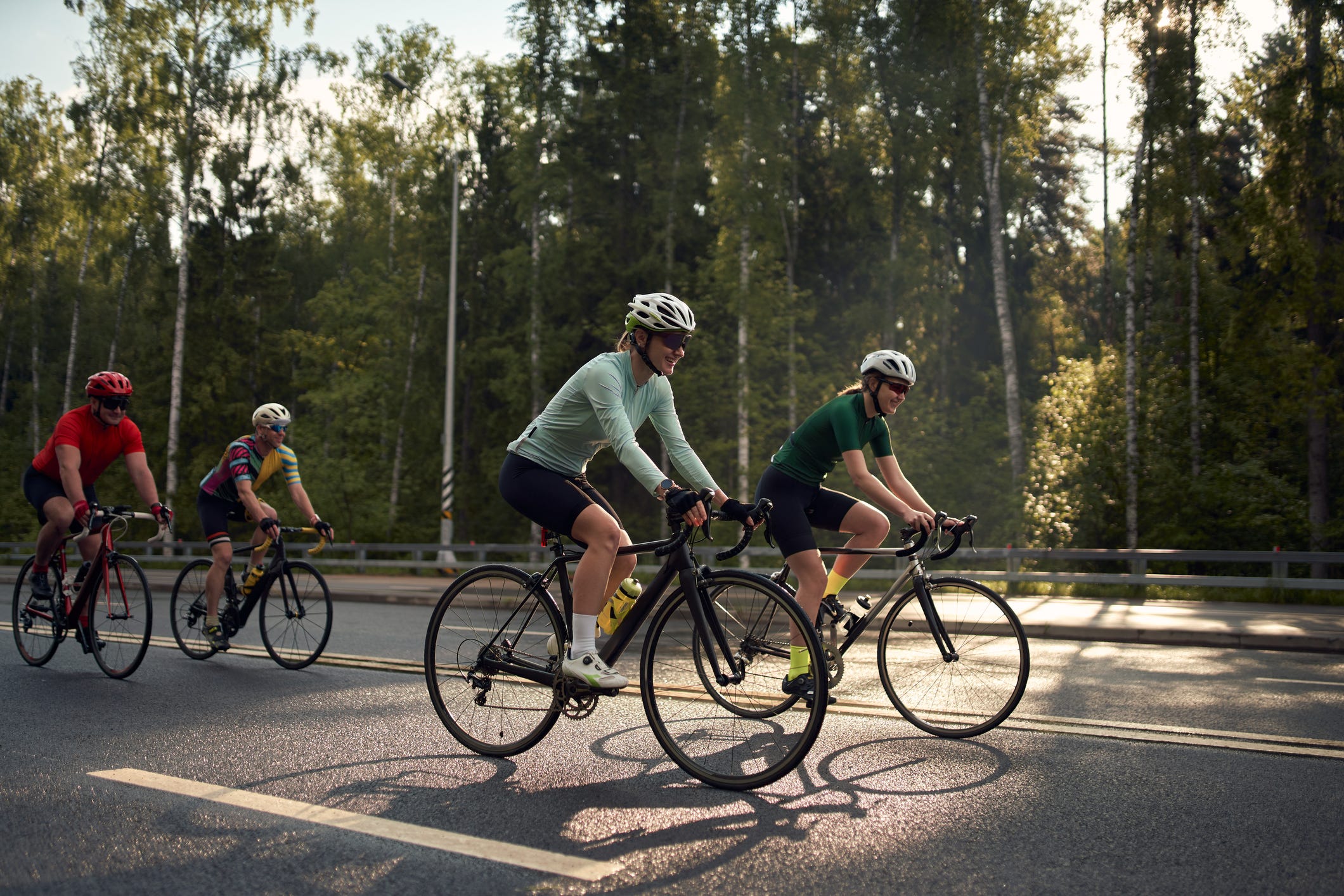
For general cardiovascular fitness, indoor and outdoor cycling both work. Pick the one you’ll repeat at a real effort, in conditions you can handle. That changes if your goal needs real-world bike handling. Stationary riding can’t supply those skills.
Which kind of cycling works best for your goal?
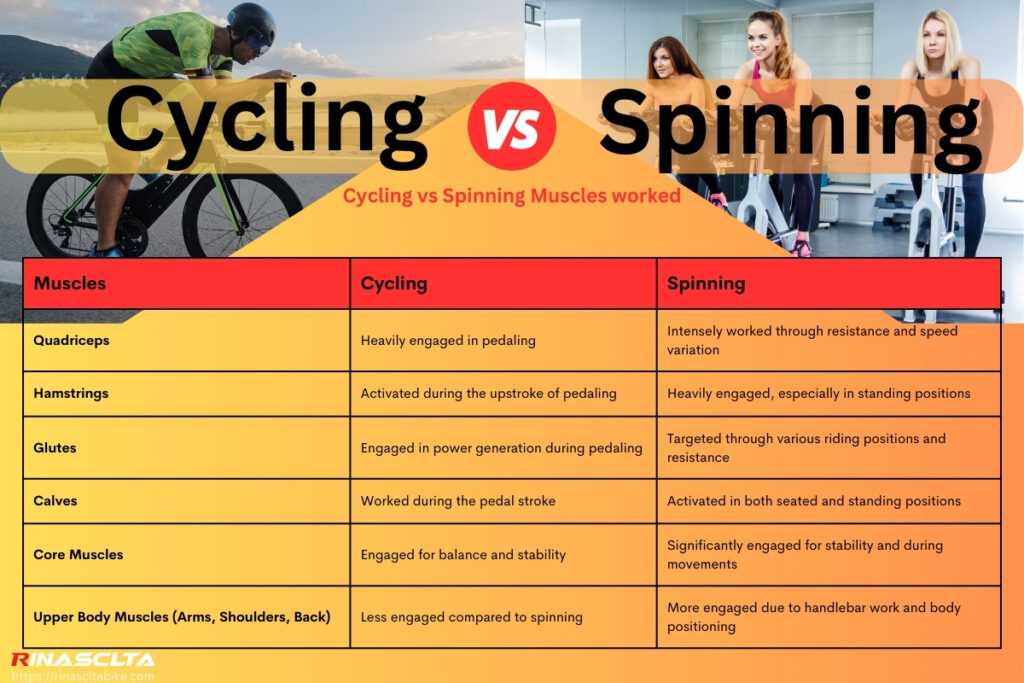
Both give you a worthwhile aerobic workout. Separate three things and the choice gets clearer: the exercise your body does, the skills you want to build and the conditions you can ride in.
Indoor cycling means a stationary exercise bike, a spin class or a regular bicycle on a trainer. Outdoor cycling means riding a moving bicycle through real terrain, weather and surroundings. Either way, you pedal steadily, push harder and ease off to recover.
Your goal decides it. For general aerobic fitness, either setting works as long as you ride at the right intensity for long enough. For handling streets, corners and changing road surfaces, you’ll need a moving bicycle, because those skills can’t come from a stationary one.
| Your main goal or constraint | Indoor cycling | Outdoor cycling | Decision criterion |
|---|---|---|---|
| General cardiovascular fitness | Works with enough effort and duration | Works under the same conditions | Pick the one you’ll repeat at a real effort |
| Short, predictable sessions | Convenient when the setup is ready to use | Works with a nearby route and enough time | Pick the one that gets you pedaling sooner |
| Preparing for outdoor rides or events | Supports aerobic preparation | Adds moving-bike experience on relevant terrain | Add outdoor rides if your goal is road-specific |
| Enjoyment and motivation | Classes, controlled sessions, virtual rides | Scenery, exploring, company | Pick the one you look forward to |
| Unfavorable weather or road conditions | An alternative to riding in those conditions | Depends on the route and the weather | Pick whichever setting the day allows |
| Setup or comfort difficulties | May need equipment adjustments or a different indoor option | Easier with a bike and route that fit | Choose the setup that’s comfortable and correctly adjusted |

Outdoor events show the difference most clearly. Indoors, you get aerobic training. Outdoors, you practice what the actual route demands.
How to compare indoor and outdoor workout effort
Compare how hard you ride and how long you hold that effort. Recorded miles and speed vary with terrain, interruptions, equipment and software, even when two sessions feel equally demanding.
CDC’s physical activity intensity guidance gives recreational riders a usable reference. On a relative effort scale of 0 to 10, moderate activity is about 5 or 6. Vigorous activity is about 7 or 8.
Try the talk test too. At a moderate effort, you can talk but you’d have trouble singing. At a vigorous effort, you can say only a few words before you have to pause for breath.
For adults, general CDC activity guidance recommends at least 150 minutes of moderate-intensity aerobic activity per week, 75 minutes of vigorous activity, or an equivalent combination. It also recommends muscle-strengthening activity on two days per week.
Which numbers are useful when you compare rides?
| Measure | What it describes | How to use it in a comparison |
|---|---|---|
| Talk test | Broad relative intensity | Tells you whether a session is moderate or vigorous |
| Rating of perceived exertion, 0 to 10 | How hard the work feels | Compare rides with similar ratings, and allow for different conditions |
| Time at the intended effort | Minutes of real work | Count the minutes you spend at the intended intensity |
| Heart rate | Your body’s response during exercise | Read it alongside effort, environment and session structure |
| Power in watts | Mechanical workload a device records | Use the same measurement method and equipment settings |
| Outdoor speed or virtual miles | Route progress or platform-specific distance | Use for tracking and context, and judge intensity separately |
| App calorie estimates | Estimated energy expenditure | Treat them as estimates in your workout totals |
Two sessions of equal length can hold different amounts of sustained work. Outdoors, a downhill lets you coast and a stoplight breaks your effort. Stationary sessions keep resistance on throughout.
Even measured power depends on the testing setup. In a study of 14 elite male cyclists, outdoor critical power averaged about 19 watts higher than indoor critical power, with wide variation between individuals.
When indoor cycling fits a busy schedule
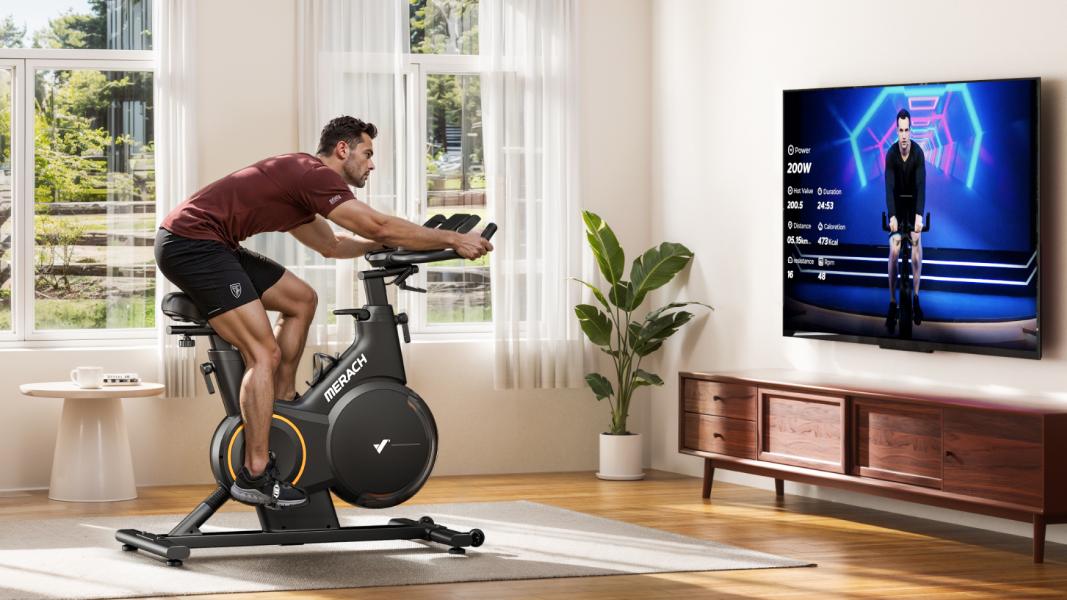
Indoor cycling fits a crowded day when the equipment is nearby and ready to use. You start a controlled session without first reaching a trail or finding a stretch of road that suits the workout.
Short windows make the difference. Thirty minutes at home costs you thirty minutes. Thirty minutes on a route you have to travel to costs more.
Studio classes don’t always save time. Travel, changing clothes and waiting for a scheduled start can take longer than riding an accessible outdoor route.
Complicated trainer setups work the same way. Getting a bike out of storage and preparing the equipment can take up a big part of the session.
Look at the riding windows you really have this week. Count the time each format takes to get started, including travel and setup. Whichever gets you pedaling sooner fits your tight days.
Why indoor cycling can feel harder
Indoor rides can feel far harder for reasons that have little to do with a sudden change in fitness. Cooling, continuous resistance, measurement differences and mechanical setup all change how the ride feels.
Airflow changes how much work feels doable
Outside, you ride through moving air. On a stationary bike in a warm, still room, there’s little of it.
In a controlled study, 16 recreationally active adults, eight women and eight men, cycled indoors with and without fan cooling. Each participant completed two 40-minute bouts at a prescribed target of 70% heart-rate reserve.
With a fan blowing at about 4 meters per second, riders did 15% more work on average. They used 9% more oxygen and said they felt less hot.
Another experiment, published in 2014, compared outdoor riding with laboratory cycling at similar perceived effort. It involved 12 recreationally trained male cyclists completing 40-kilometer trials.
Riders produced about 208 watts outdoors and 163 watts indoors. Mean heart rates were about 152 beats per minute outdoors and 143 indoors. That helps explain why a similar perceived effort comes with different measured workloads.
Steady resistance and equipment faults are different problems
Stationary workouts keep load on the pedals for long stretches, and some trainer sessions prescribe resistance through ERG mode or another controlled setting. If the trainer feels unexpectedly heavy or drags, the equipment may be at fault.
An experienced rider investigating unusually hard indoor sessions found the cause: a missing drive-side spacer left the cog body rubbing against the trainer frame.
If an indoor workout feels much harder than a comparable outdoor effort, work down this table.
| What to examine | Likely cause | Next step |
|---|---|---|
| Room heat and airflow | Poor cooling adds heat strain | Improve ventilation and add airflow where practical |
| Workout and resistance mode | Continuous load or prescribed resistance differs from an interrupted outdoor ride | Check the workout structure and resistance settings |
| Mechanical installation | Incorrect assembly or rubbing parts add resistance | Stop using the trainer until the manufacturer’s installation guidance confirms the setup or a qualified technician assesses it |
| Measurement source | Different sensors, devices or estimates give different readings | Stick to one measurement source, and calibrate it when possible |
| Remaining effort mismatch | Several environmental and equipment factors combine | Fix the setup problems you’ve found, then reassess at a comfortable effort |
If an unusually hard effort comes with serious or concerning symptoms, stop exercising and get help.
What stationary training cannot teach you outdoors
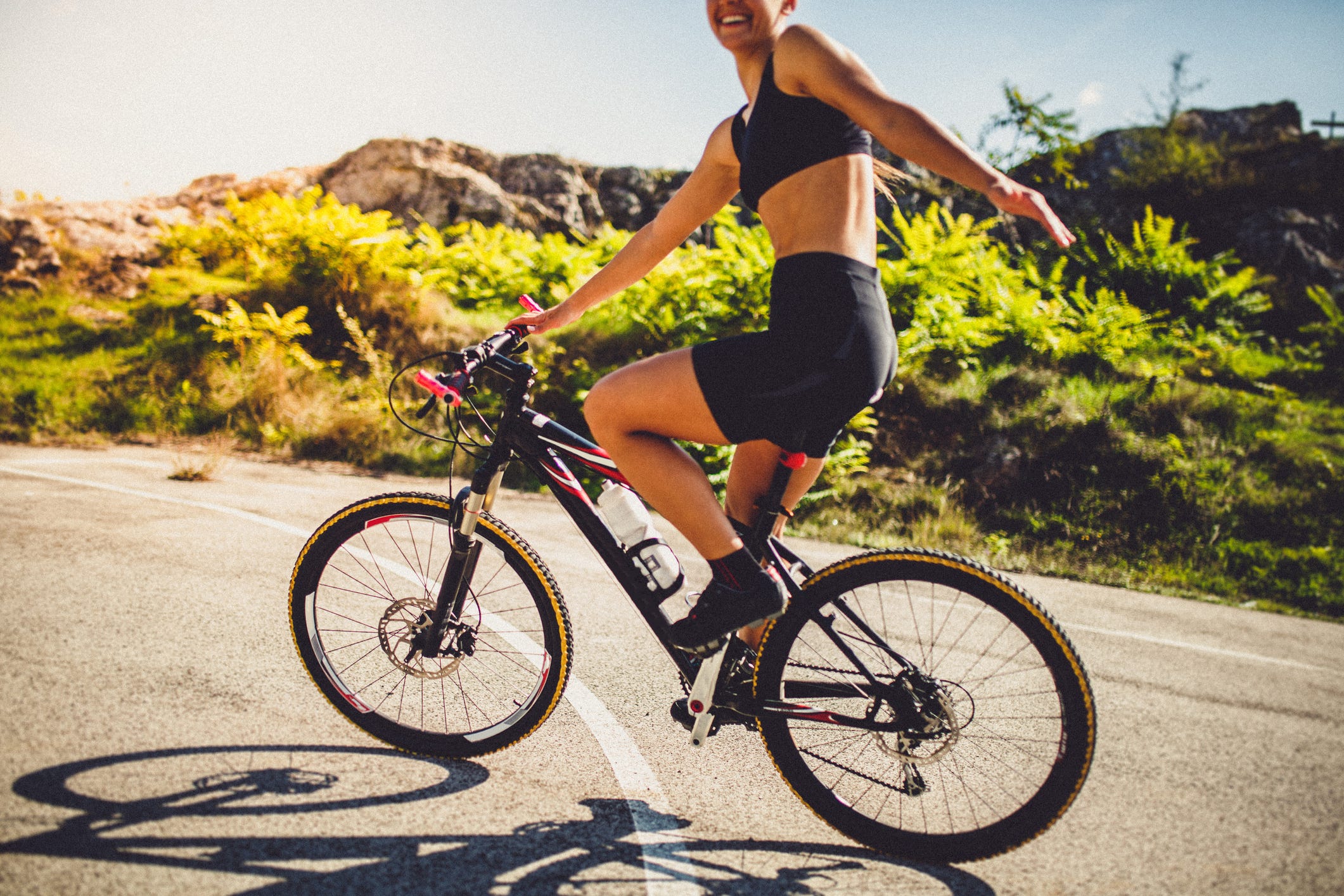
Stationary bikes build the cardiovascular fitness you use outside. Riding in the real world also takes balance, steering, braking, handling terrain and awareness of other road users.
On a stationary bike, the bicycle is supported while you pedal. Outside, it moves beneath you. Corners call for steering and balance. Approaching intersections call for controlled braking. Loose or uneven pavement changes how the bike handles.
One rider replying on r/ladycyclists put it this way: “I have to actually be in charge of balancing.”

If you train indoors and want to commute or join a group ride, you’ll also need to get comfortable with the actual route, other riders and traffic. If you’ve never handled a moving bicycle with confidence, outdoor practice is a separate step.
Your first ride after spin class or Zwift
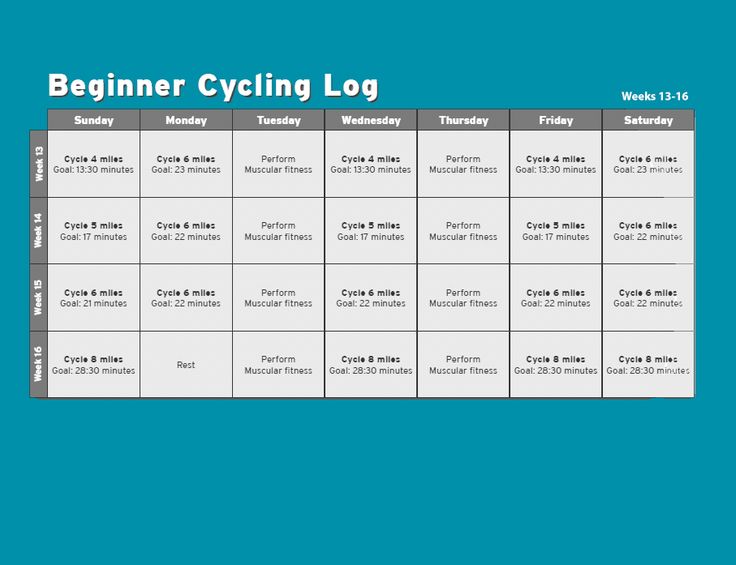
Work through these steps:
- Use a working bicycle that fits well enough for you to control. Check that the brakes work.
- In a low-traffic practice area, rehearse starting, balancing, steering, turning, braking and stopping until you can do each one reliably.
- Once you can control the bicycle, move on to a route that fits your skills. Don’t make a busy road your first practice session.
- If these skills are new to you, a qualified learn-to-ride class or a local instructor will help.
When weather and road conditions change the choice

Heat, poor visibility, heavy traffic, bad road surfaces or a lack of accessible routes make an outdoor ride difficult or unwise.
Riding indoors takes you out of road traffic for the session. It still needs the right equipment, space and ventilation.
Before you head outside, check the local conditions, the available daylight, the route and whether you can handle it. If any of those is a problem, ride indoors. You still get your aerobic exercise.
Enjoyment matters to the routine
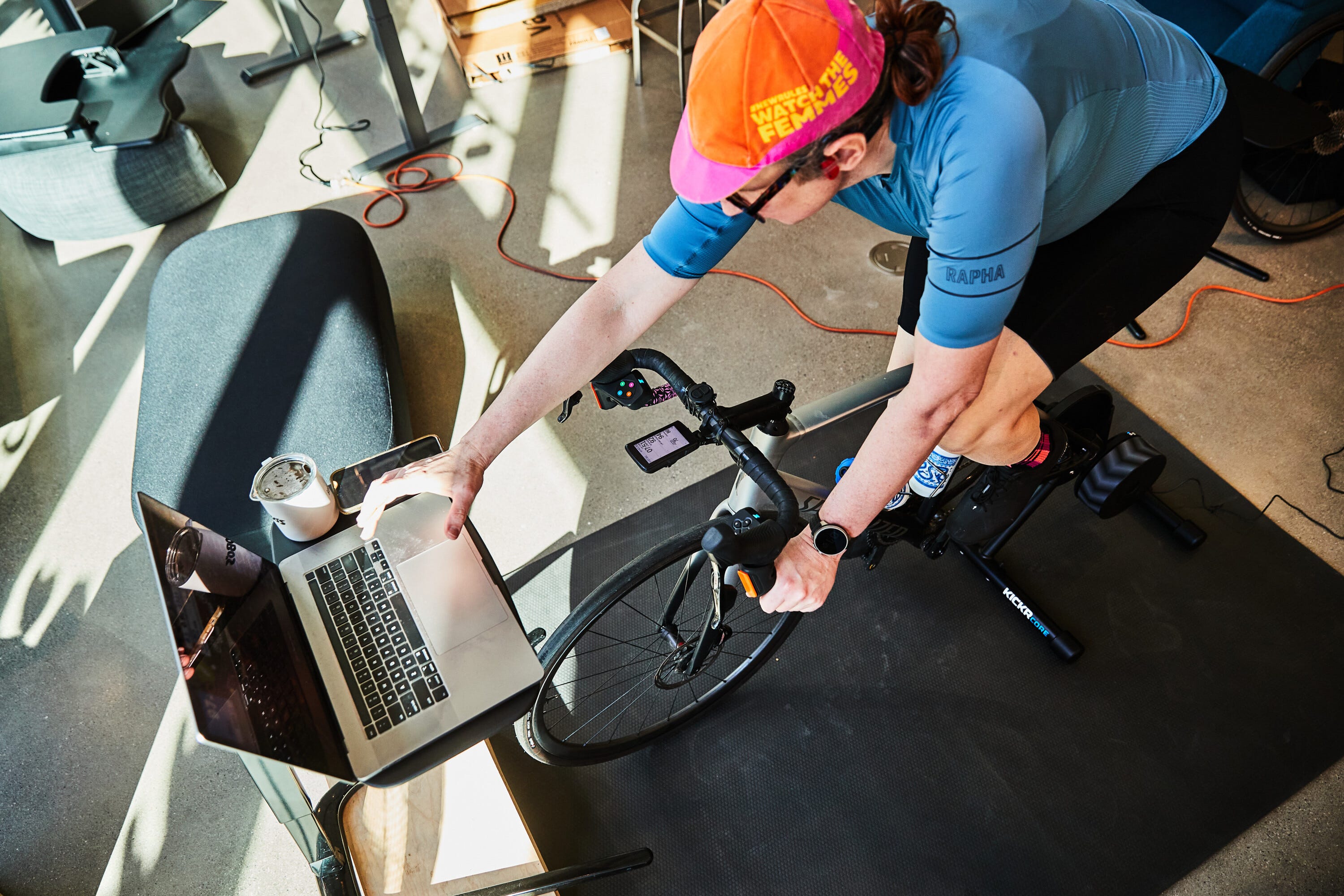
You’ll make room more often for a format you look forward to. That’s a practical advantage.
Some riders enjoy the focus of an indoor class or virtual course. Others want to see where the road goes, ride with friends or spend their exercise time outdoors.
In a 2024 systematic review of 38 studies and 1,168 participants, some pooled comparisons favored outdoor exercise for enjoyment. Many physiological results were nonsignificant or inconclusive. The authors also identified substantial risk-of-bias concerns.

Another review, from 2023, examined longer-term studies. It included 10 trials with 343 participants, seven of them randomized controlled trials. Of 99 reported comparisons, 25 were statistically significant and favored outdoor exercise. Evidence for additional long-term benefits remained limited. Both reviews covered varied forms of exercise and different environments.
Open greenways, busy city roads, studio classes and engaging virtual rides are different experiences. You’ll like one far more than another. Notice which sessions you’re glad to return to.
When the stationary bike feels uncomfortable
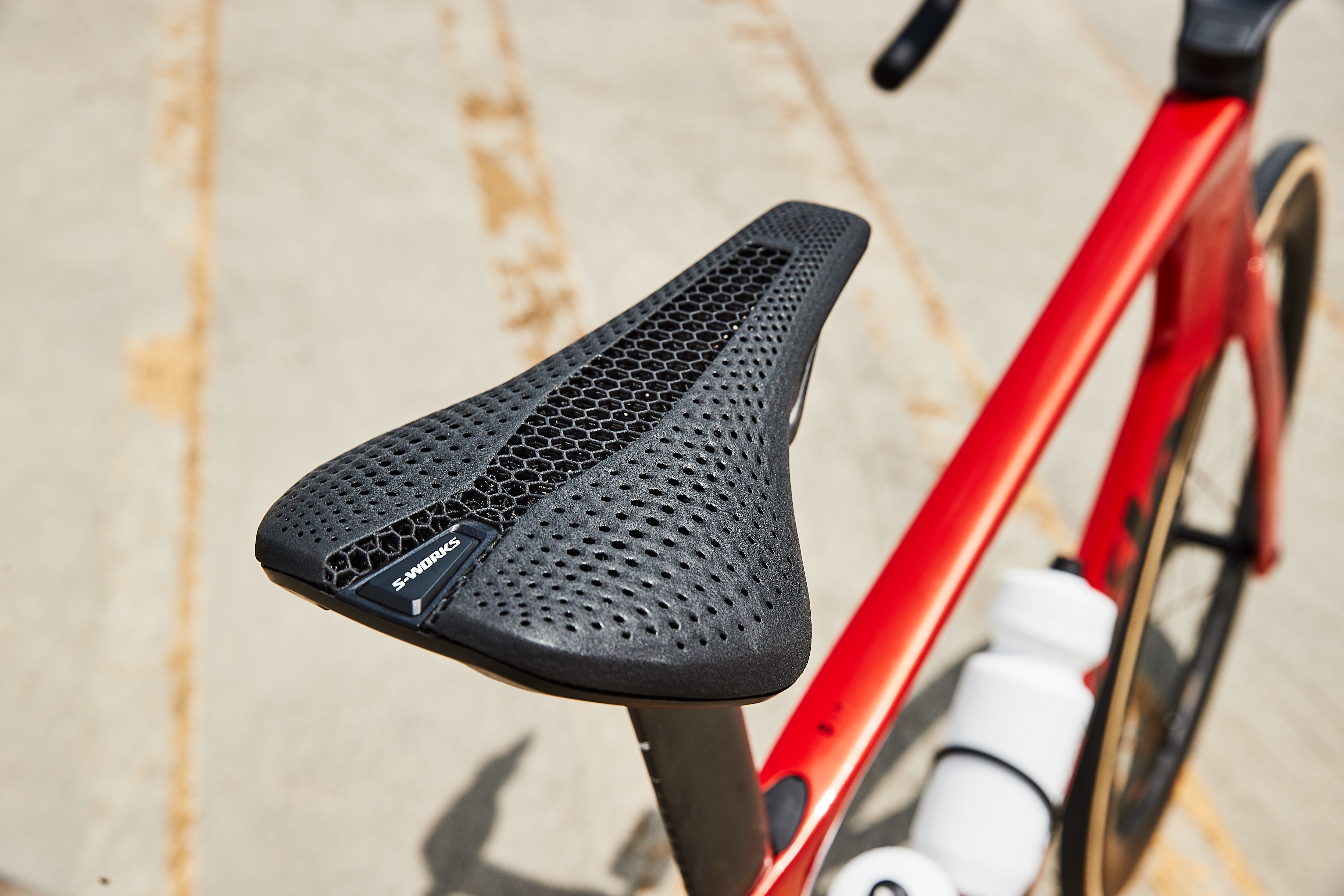
Stationary cycling can feel different at the contact points even when you’re comfortable on an outdoor bike. Your position, your movement and the time you spend against the saddle all change between the two settings.
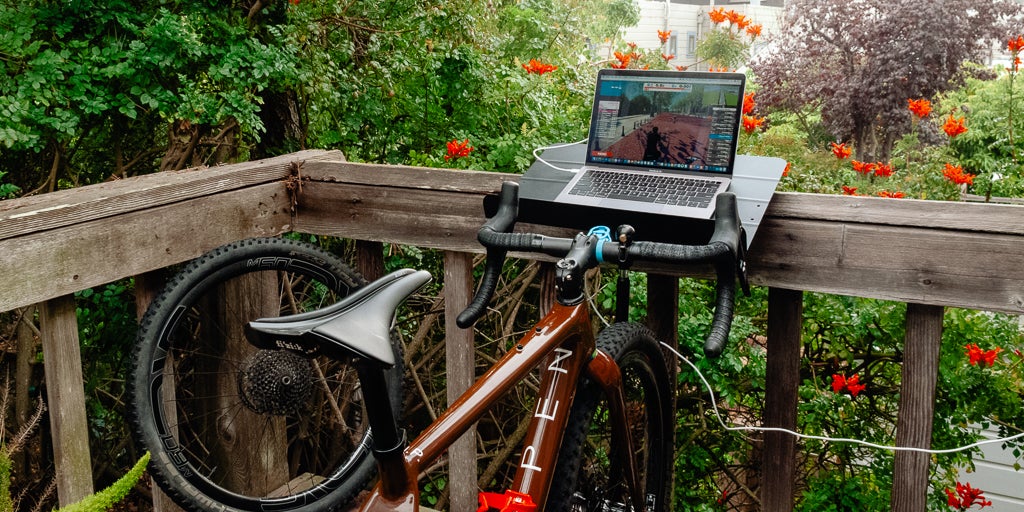
One rider’s indoor setup was a Stages SB20 on a rocker plate, fitted with the same saddle they can ride for more than 100 km outdoors without problems.
Compare a comfortable ride with an uncomfortable one. Look at posture, uninterrupted saddle contact, equipment adjustment and room conditions.
Follow the basic fit and adjustment guidance for your stationary setup. Don’t make large or arbitrary equipment changes without a plausible reason.
If you have persistent, severe or concerning pain or numbness, stop the session and get a professional assessment.
How your equipment and space affect the choice
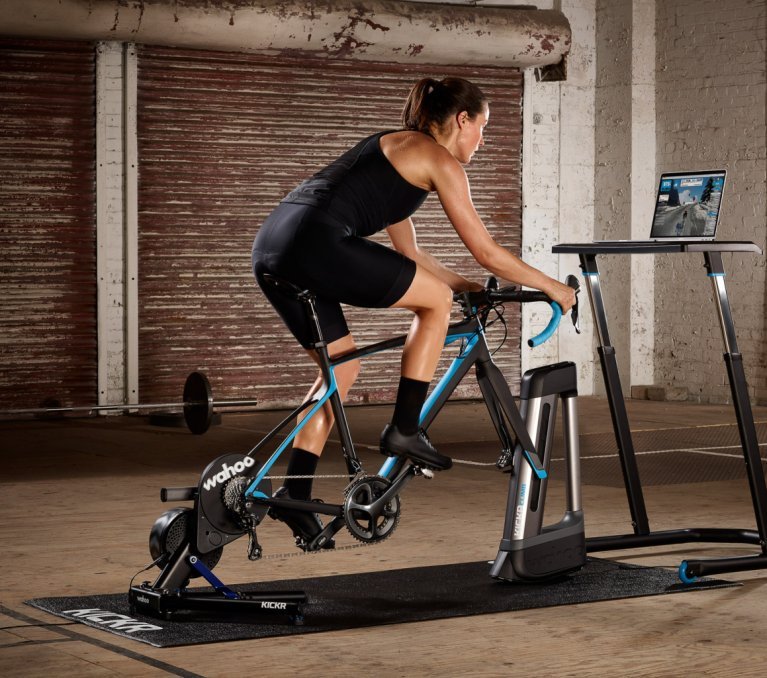
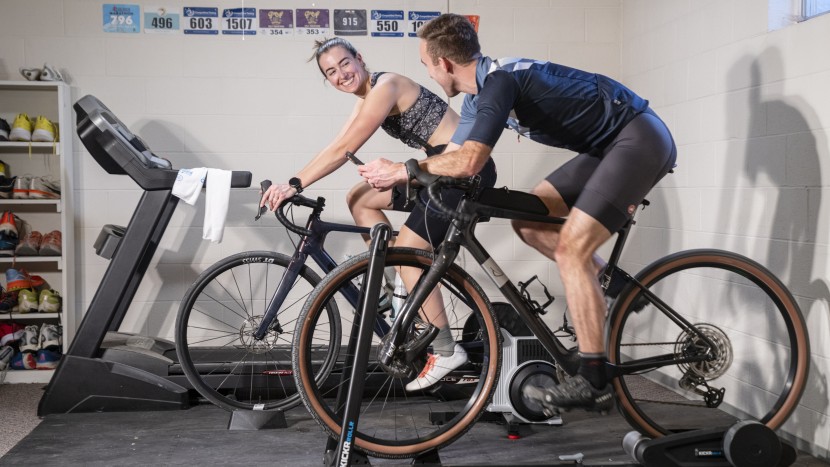
Home bikes, gym bikes and outdoor bicycles on trainers each take different amounts of preparation.
A home exercise bike mainly needs floor space, ventilation and a setup you understand. Studio classes add travel and scheduling. Trainers add compatibility and installation.
Outdoor riding has its own needs: a working bicycle, somewhere to store it and a route you can reach and ride safely.
Check the equipment you have, the space available and the exact setup requirements. If you’re mounting a road bicycle on a trainer, use the manufacturer’s compatibility instructions for those specific models.
Choose your next month of riding
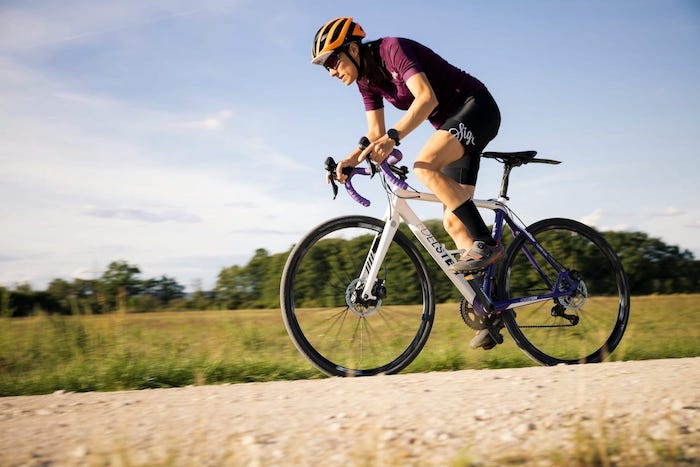
If you’re able to use both settings, mixing them fits ordinary life. One example is a convenient indoor workout during the week and an outdoor ride when the route and conditions suit you.
Pick your goal for the next month. Then schedule your next ride.