Add strength training to your cycling when it supports your goal. Start with a few well-executed movements and one or two sessions a week. If lifting repeatedly hurts your key rides, cut a set or move the session. If riding undermines your key gym work, scale back the riding. Pick your main goal, build a session you can repeat, and put it in next week’s calendar.
A strength workout can look sensible on paper and still leave your legs exhausted for the ride you care about. Exercise choice is only part of it. What you already do on the bike, what equipment you have and how much recovery time you can spare decide what works.
Does strength training help cyclists?
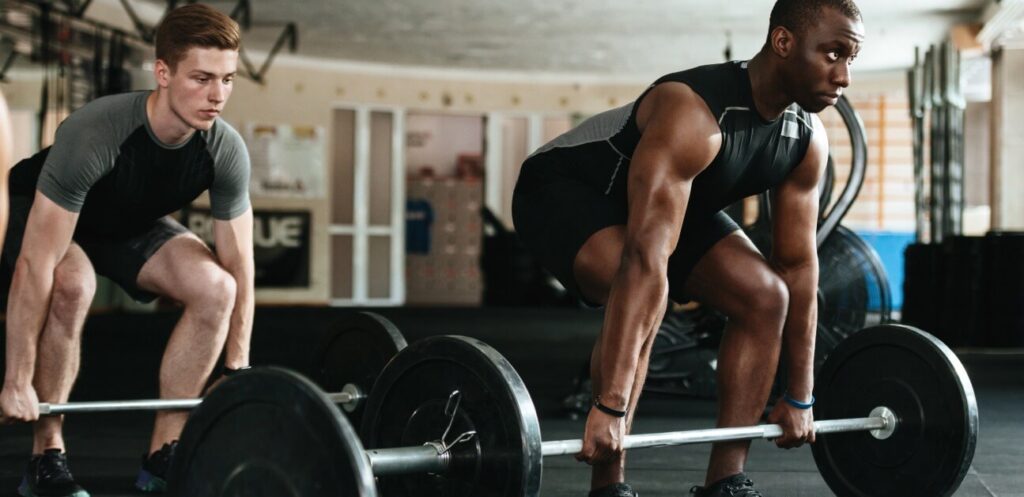
Yes. In trained endurance cyclists, resistance training improved cycling efficiency, anaerobic power and measured performance, and it builds muscular strength alongside endurance fitness. A systematic review and meta-analysis by Llanos-Lagos and colleagues pooled 17 studies involving 262 cyclists, 60 of them women, with interventions lasting five to 25 weeks. Effect sizes were 0.353 for cycling efficiency, 0.560 for anaerobic power and 0.463 for measured performance. VO₂max, power at VO₂max, maximal metabolic steady state and anaerobic capacity showed no statistically significant changes. The evidence is low certainty and comes mainly from trained endurance cyclists.
For general adult health, the CDC recommends at least 150 minutes of moderate aerobic activity and muscle-strengthening activity on two days per week.
Decide what comes first: riding, strength, or general fitness
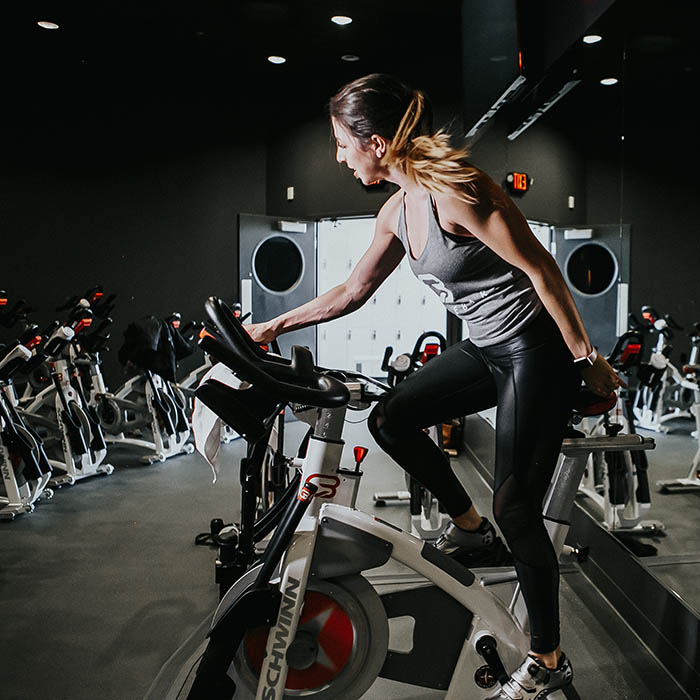
The workout that deserves your best energy depends on what you’re trying to improve. Preparing for a demanding Saturday group ride is a different scheduling problem from wanting to get stronger in the weight room.
One cyclist puts the gym first, using it to get stronger and bigger and treating cycling as cardio.
| Primary goal | Protect | Ease off | You’re on track if |
|---|---|---|---|
| Cycling performance | Important intervals, long rides or event preparation, such as a midweek hard session and a long Saturday ride | Strength volume and the fatigue it brings | Your hard rides stay productive |
| Strength or muscle growth | Demanding lifting sessions and progression. Build the week around gym days | Ride duration and intensity. Use rides as enjoyable aerobic exercise | Gym sessions stay recoverable |
| General fitness or commuting | A routine you can repeat. Commutes happen when work requires them | Unnecessary training complexity | Both activities fit your ordinary life |

Your goal can change across the season. You might chase more strength in a quieter riding period, then keep gym work steady while preparing for an event. Pick one goal for the next block of training: cycling performance, strength or muscle growth, or general fitness.
Choose strength exercises by movement pattern
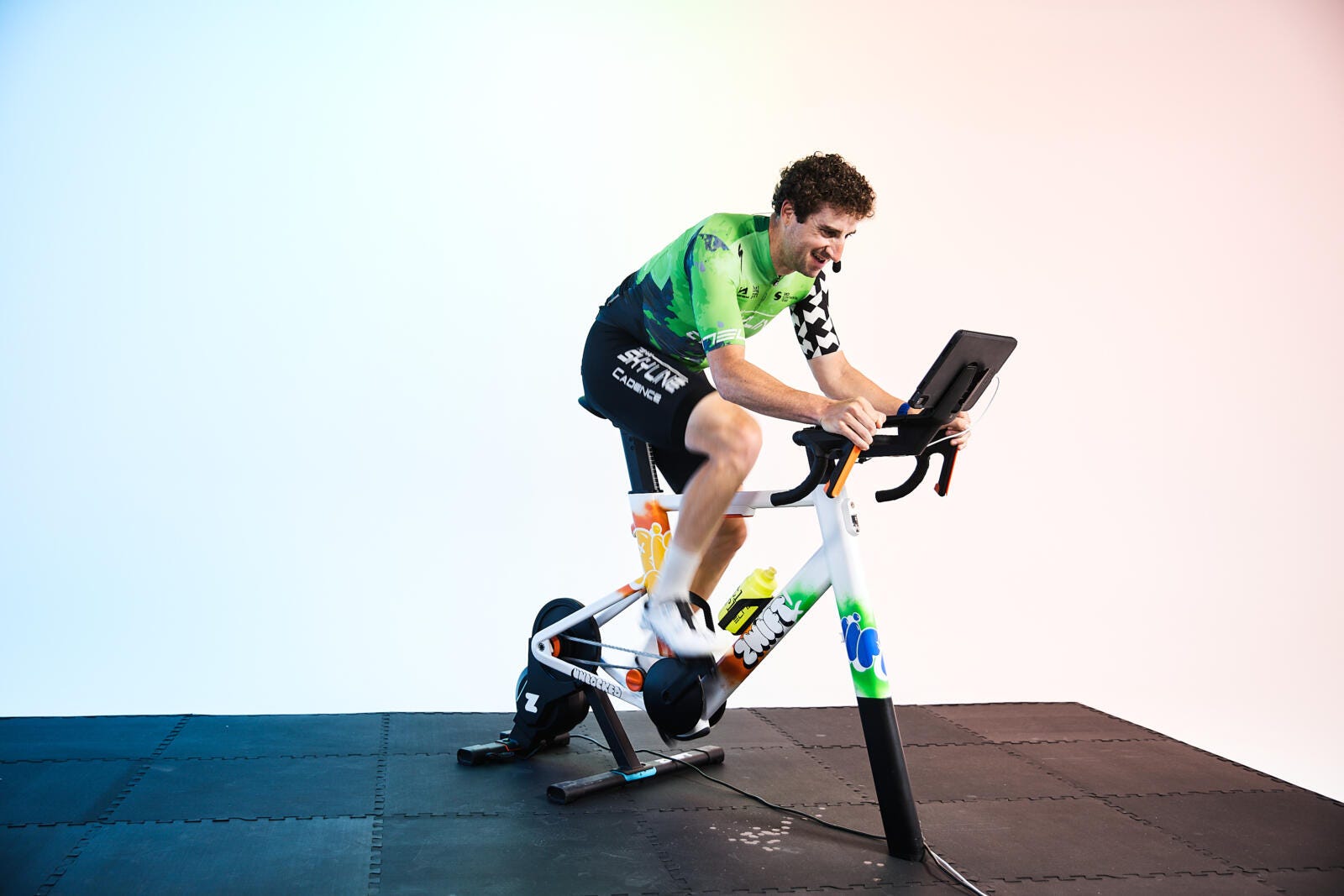
A few movement patterns are enough to build a useful session. They also give you substitutes when you have one dumbbell at home, a small gym, or no barbell experience.
- Knee-dominant movement: A squat bends and straightens the knees and hips. Try a supported bodyweight squat, goblet squat or machine squat.
- Hip hinge: An unloaded hip hinge or Romanian deadlift (RDL) bends you at the hips while you control your trunk position. Pick a version where you hold that position.
- Single-leg movement: A step-up, supported split squat or lunge works one leg at a time. It challenges balance and coordination as well as strength, although it does not duplicate pedaling.
- Upper-body pulling and pushing: Rows train pulling. Presses and push-up variations train pushing. A fuller session includes both, and a shorter one can use one, depending on your goal and time.
- Trunk control: A plank variation adds a simple stability task. End the hold when your position starts to break down.
A cycling-specific resistance-training review discusses compound lower-body exercises in performance-oriented programs, and squats and hinges fit that category. Upper-body and trunk work turn it into a full-body session without a separate bodybuilding split.
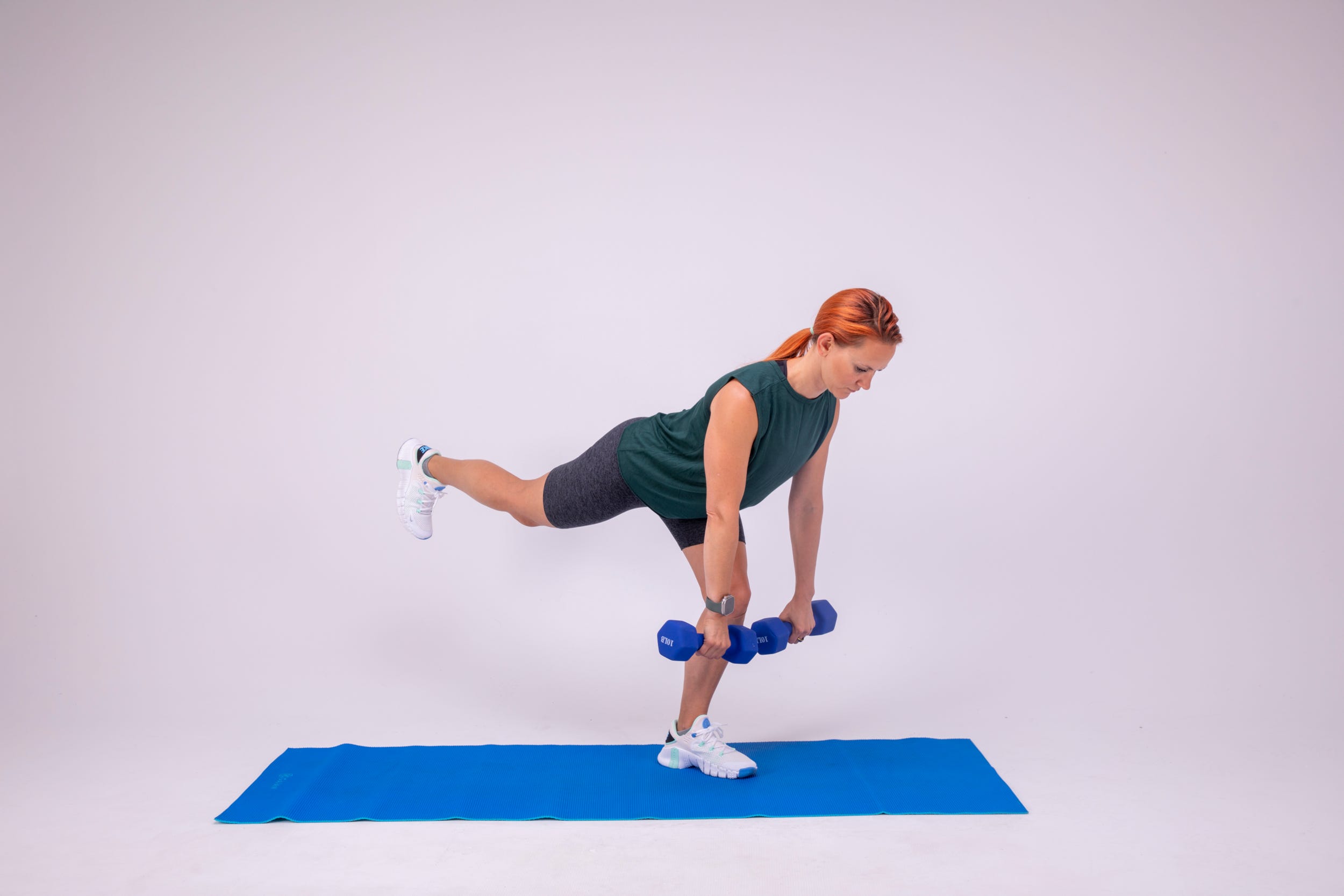
Equipment limits how much resistance you can use. A supported squat and a barbell squat serve a related movement purpose, but bodyweight and light-band versions eventually give a smaller loading stimulus than progressively loaded weights.
Pick a version of each pattern that fits your equipment and skills, and skip the rest.
Build a strength workout you can repeat
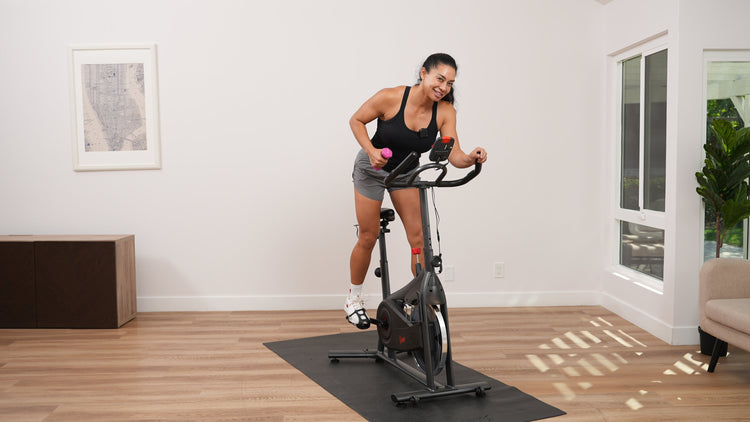
Start with lower-body movements and add supporting work that fits your time. The session below assumes you already do the movements comfortably.
One experienced functional-bodybuilding participant on r/ladycyclists, looking for cycling support, wrote: “Ideally, 2 short sessions per week at home with minimal equipment.”
One example session, with gym and home options
| Movement | Gym option | Minimal-equipment option | Starting work |
|---|---|---|---|
| 1. Knee-dominant | Goblet or machine squat | Supported bodyweight squat | 2 sets of 5 to 8 controlled reps |
| 2. Hip hinge | Dumbbell or barbell RDL | Unloaded hinge, then light dumbbell hinge | 2 sets of 5 to 8 controlled reps |
| 3. Single-leg | Step-up or split squat | Low step-up or supported split squat | Optional 1 to 2 sets of 5 to 8 per leg |
| 4. Upper-body support | Cable row; add a press for a fuller session | Band row; add a push-up variation if useful | 1 to 3 sets of about 10 reps per chosen exercise |
| 5. Trunk | Plank variation | Plank variation | A steady hold |
A BikeRadar coaching example recommends two or three key movements for two to three sets of five to eight repetitions. The first two rows fit that range, and the rows below extend the session to full body.
Rest long enough to keep control on the next set. Heavy sets need longer pauses, and TrainerRoad describes rests of three minutes or more. With unloaded beginner movements, rest until you feel ready for another clean set.
When there is time for only a short session

Keep a knee-dominant movement, a hip hinge, and one upper-body or trunk movement. You’ll do less total work and cover fewer functions, but the short session is easier to fit in when a long gym visit isn’t realistic.
How often and how heavy should cyclists lift?
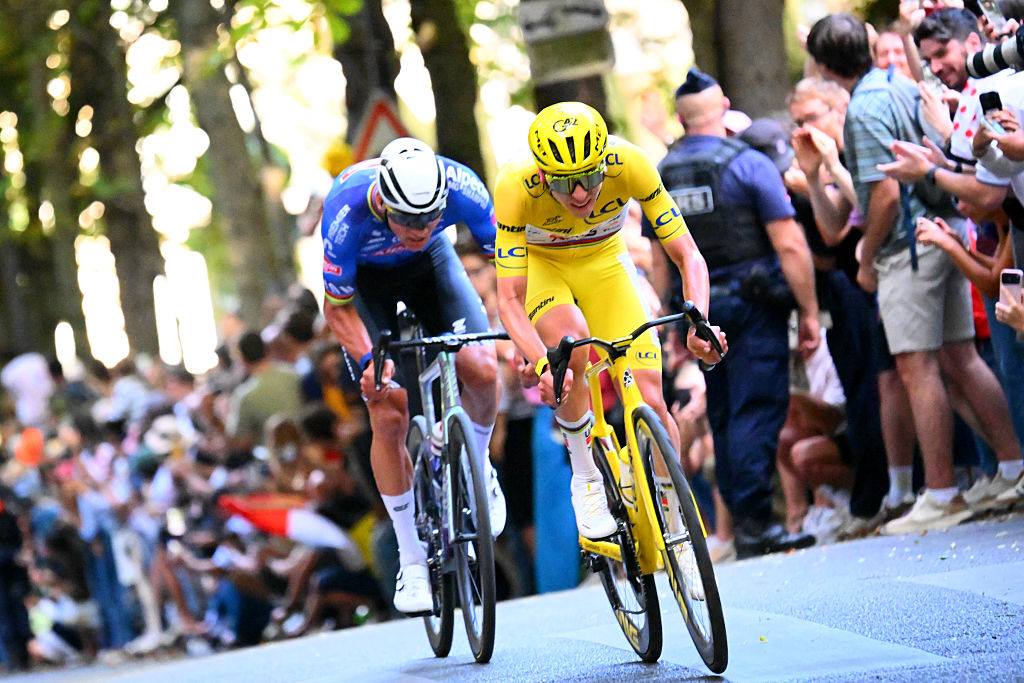
One or two strength sessions a week works for a cyclist with a heavy riding load. Match the resistance to the session’s purpose and to your experience.
What the research doses mean
A cyclist-specific review by de Pablos and colleagues discusses one or two sessions per week with 60 to 85% of one-repetition maximum (1RM), two to four sets per exercise and three to five compound lower-body movements. It says optimal protocols are still uncertain.
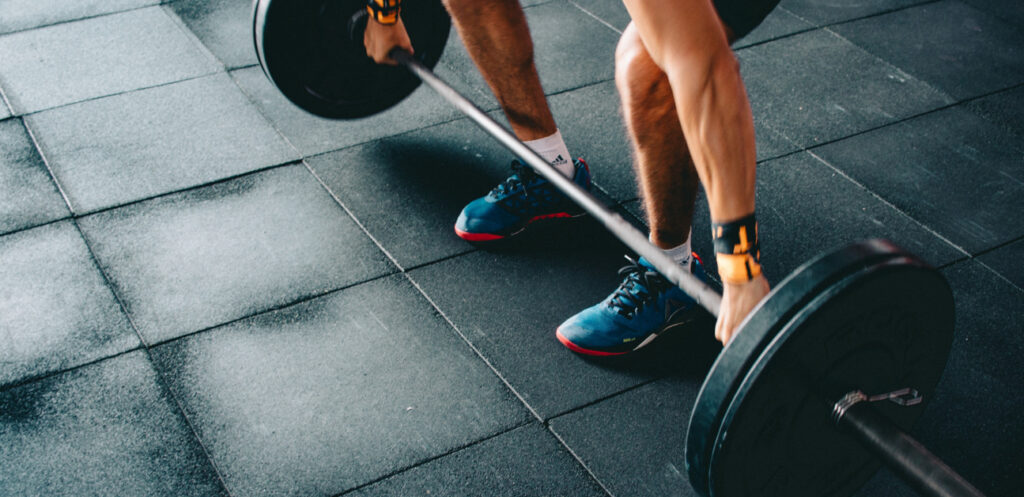
The American College of Sports Medicine’s 2026 position stand synthesized 137 systematic reviews involving more than 30,000 healthy adults. Maximal-strength improvements were enhanced by conditions including loads at or above 80% 1RM, two to three sets, and at least two weekly sessions.
Muscle-growth findings emphasized higher weekly volume, including ten or more sets. Power outcomes involved different loading conditions and movement intent.
These numbers target different adaptations. Don’t blend them into one prescription, and don’t treat any of them as a starting target if you’re new to lifting.
A beginning load and one progression rule
For your first session, learn the movements with no external load, or with resistance light enough that you finish each set with your technique intact and no forced last rep. If you’re experienced, choose a heavier effort that fits the adaptation you want.
Two terms describe effort. Rating of perceived exertion (RPE) is how demanding a set feels. Repetitions in reserve (RIR) is how many more technically acceptable reps you could complete before stopping. Neither requires you to test a maximal lift.
Pick a weekly frequency you can repeat and record the exercise, load and repetitions. When the work is consistently clean and your fatigue stays tolerable, raise one variable, such as resistance or repetitions, and leave the other alone.
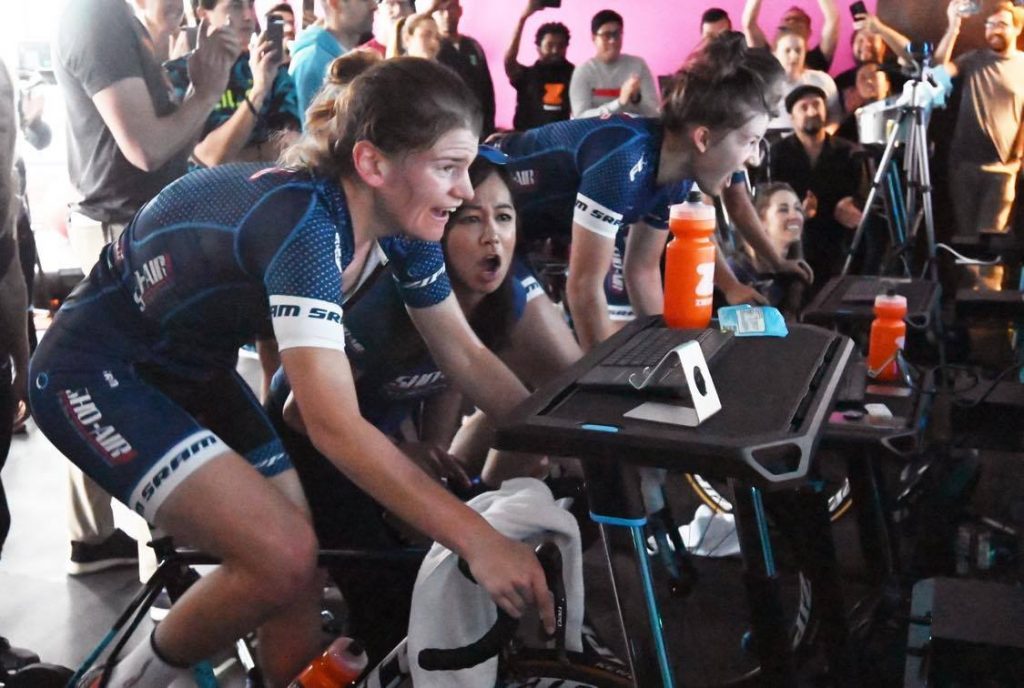
In a heavy riding block, hold your strength work at lower volume instead of adding sets. A lighter block leaves room for more ambitious gym progression.
Schedule lifting around your most important rides
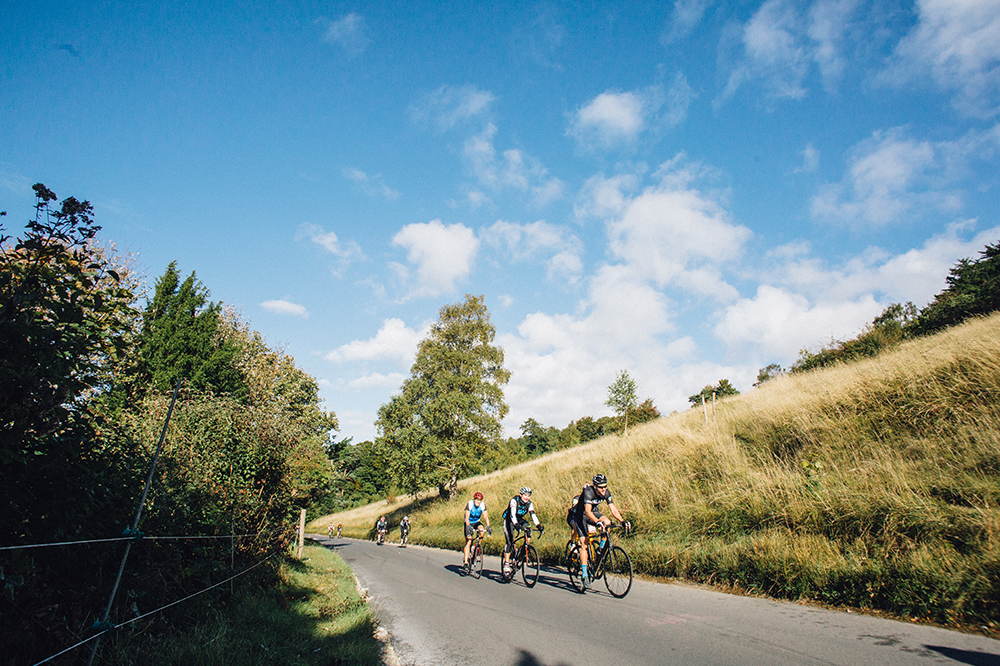
Place demanding lifting where it leaves you fresh enough for the sessions you care about most. A hard interval workout and an easy commute both count as cycling, but they load your week differently.
One participant who combines bodybuilding and riding asked how to combine gym sessions and rides. Your goal from earlier decides which one you protect.
Two sample weekly calendars
Both weeks leave room for work and recovery, and the weekdays are examples.
| Day | Cycling-first week | Strength-first week |
|---|---|---|
| Monday | Main strength session | Main gym strength session |
| Tuesday | Easy ride or rest | Easy ride or commute |
| Wednesday | Hard cycling workout | Rest or easy aerobic ride |
| Thursday | Second strength session, if recovered | Gym strength session |
| Friday | Easy ride or recovery | Recovery or easy ride |
| Saturday | Long ride | Optional recreational ride |
| Sunday | Rest or gentle recovery | Rest or gentle recovery |
When the week gets crowded, keep the key workout where it is and shorten or shift the optional ride or second strength session.
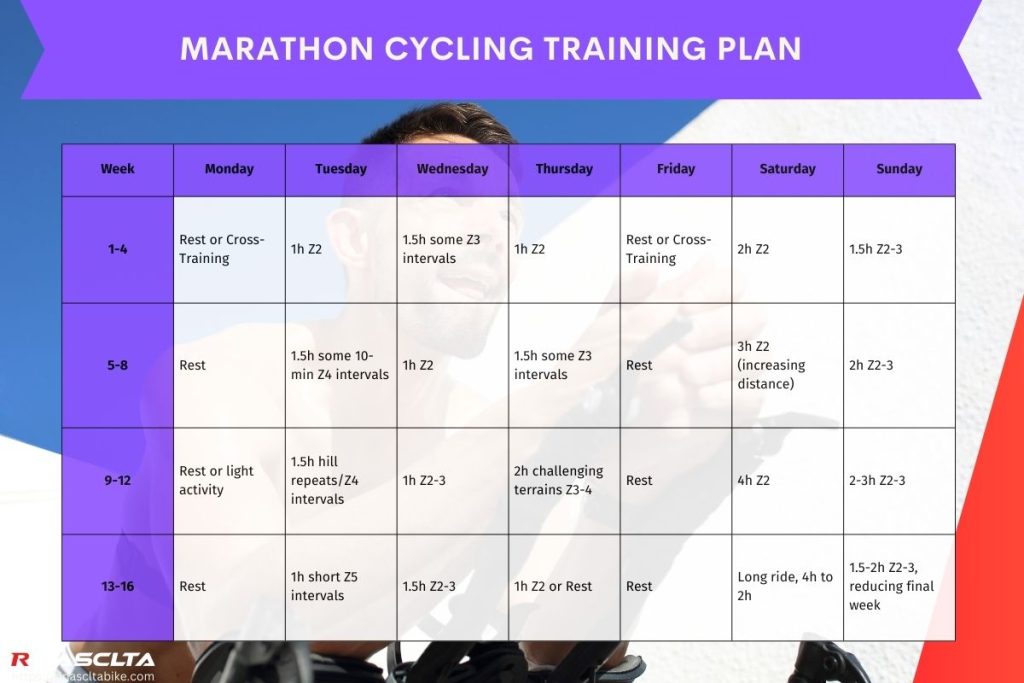
Lift before or after riding?
The answer depends on what you want from the session. Meta-analyses found larger lower-body strength gains when resistance training came before endurance training, with no matching order effect on aerobic capacity, hypertrophy or VO₂max.
Both analyses look at the order of activities within concurrent-training sessions. TrainerRoad separately suggests, as coaching guidance, leaving at least six hours between same-day cycling and lifting sessions.
When both land on the same day, ride first if cycling quality is your main goal and lift first if gym progress is. If you’re learning an unfamiliar movement, practice it while fresh before a tiring ride, even in a cycling-first week.
Adjust the plan when soreness disrupts riding

Some soreness comes with unfamiliar strength work. Change your workload if it keeps interfering with important rides, your fatigue gets worse, or your lifting technique slips.
One r/ladycyclists rider described how hard it is to make strength training stick: “I’ve tried and burned out on strength training several times, but am finally ready to start again.”
Keep a brief record of what happens after lifting
Add two things to your training log: how fatigued you feel after lifting, and how your next planned ride goes (as expected, substantially harder, shortened or missed). Two weeks of notes will show whether a rough session was a one-off or a pattern.
| What you see | First change | Check next |
|---|---|---|
| Unusually heavy legs after starting a new routine | Reduce the amount or effort of strength work | Does the next ride feel easier? |
| Key rides keep suffering after leg training | Reduce secondary lifting or move the session | Does ride quality improve? |
| Sharp, severe, unusual, persistent or worsening pain | Skip generic training fixes and get assessed | Follow the guidance you receive |
Make the smallest change that fixes the problem. Cut a set when lifting volume is too high, and move the session when it sits in the wrong spot in your week. If the same disruption continues after one change, cut the overall workload further or rearrange the week. The ACSM evidence review found that momentary muscular failure did not consistently change training outcomes, so you don’t need to reach complete exhaustion on every set.
Do women cyclists need different strength training?
Women benefit from combining cycling and resistance training. Research on trained female cyclists shows improvements in strength and cycling performance, while broader evidence leaves questions about sex-specific prescriptions unresolved.
A randomized trial by Vikmoen and colleagues, published in 2016 in Scandinavian Journal of Medicine & Science in Sports, followed 19 well-trained female cyclists for 11 weeks. Eleven added heavy strength training to cycling, while eight continued cycling without the added lifting.
The combined group improved one-legged leg-press strength, quadriceps muscle size, cycling economy, fractional utilization of VO₂max, and average power during a 40-minute all-out effort compared with controls. This is direct experimental evidence from a small group of trained women.
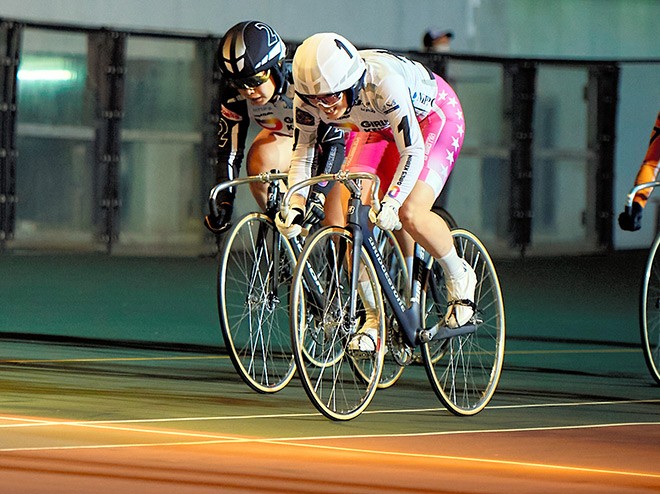
A wider meta-analysis by Huiberts, Wüst and van der Zwaard combined 59 concurrent-training studies involving 1,346 healthy adults. It found reduced lower-body strength adaptation with concurrent training in the male subgroup. It did not detect the same reduction in the female subgroup, and the between-group difference had a reported P value of 0.03.
The analysis detected no sex differences in upper-body strength, power or VO₂max adaptation, and data on muscle hypertrophy were too thin for a firm sex-specific conclusion.
Bone health also comes up in some competitive cycling contexts. If you suspect low bone density, have an existing bone condition or have a clinically significant health concern, get an individual assessment.