
Pedal at a smooth, sustainable rhythm. On steady ground, 70 to 90 rpm works as a reference, and reaching 90 is optional. If terrain, gearing, or your control makes that rhythm hard, let the number change.
On your next easy ride, count your natural cadence and shift one gear easier to compare how it feels. A saved ride average can also include the time you spent coasting.
What cycling cadence measures (and what it doesn’t)

Cycling cadence is the number of complete crank revolutions you make in a minute, measured in revolutions per minute (rpm). At 80 rpm, your right foot returns to the same position 80 times in 60 seconds. Cadence alone does not tell you your speed or your power. On a geared, freewheeling bicycle, two riders at 80 rpm can travel at different speeds and produce different amounts of power because their gearing and resistance differ.
What is a good cycling cadence for a beginner?
On steady ground, 70 to 90 rpm is a reasonable range to try. Published recommendations differ because they address different riders and situations.
| Source | Cadence guidance | Context |
|---|---|---|
| REI beginner guide | 70 to 90 rpm | General introductory guidance |
| REI road-cycling guide | 80 to 100 rpm | Road-biking instruction |
| TrainerRoad | General guidance of 80 to 100 rpm. Beginners often pedal at 60 to 85 rpm. | General recommendation plus description of beginner behavior |
| Cycling Weekly coach Alex Welburn | About 80 to 95 rpm | Advice for flat ground |
The cadence people pick on their own is not always the one that uses the least energy. In a 1997 laboratory study of 32 men, participants chose a higher cadence than the one that minimized aerobic demand under the tested workloads.
Most of the 55 inactive men and women in a 2017 experiment preferred 60 rpm during very light cycling at 5 to 50 watts. That low-power setting differs from a normal road ride.
A 2021 systematic review of 13 studies found no clear answer on which training cadence best improves later neuromuscular performance, meaning how well your muscles and nerves work together. Riders, test methods, and cadence definitions differed too much between the studies.
Your comfortable rate shifts with workload and conditions. Use a published number to spot a gear that is too heavy or a pace your legs cannot control smoothly.
How to measure cadence without buying a sensor
You can estimate cadence with a 15-second count, using one foot as your reference. Do it on an indoor trainer, a stationary bike, or a steady, traffic-free stretch, and ask a helper to time it or use an audio cue so your eyes stay on the road and your hands on the controls.
- Choose one foot. Watch it return to the same point in the pedal circle. One complete return counts as one revolution.
- Count for 15 seconds. Keep pedaling steadily through the interval, then multiply the number of full revolutions by four.
- Repeat under steady conditions. A second interval lets you compare estimates without a stop, turn, or acceleration in the mix.
Example: If the right foot makes 20 complete turns in 15 seconds, cadence is 20 × 4 = 80 rpm. Counting the downward push from each foot as a separate full revolution would double the result.
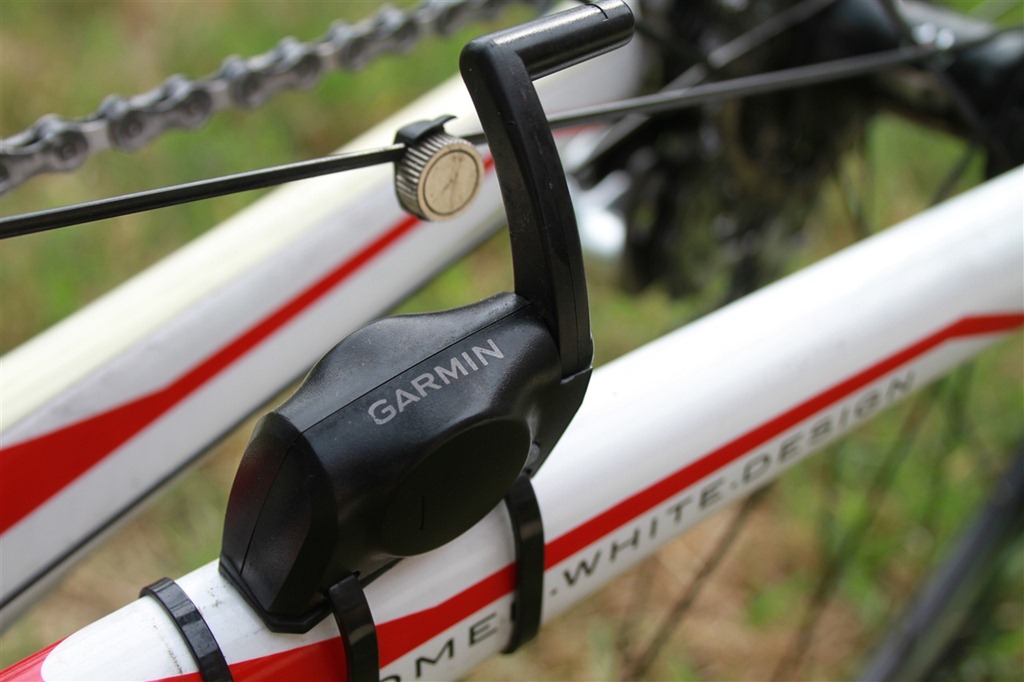
A bike computer, power meter, or compatible trainer can show live cadence automatically. A separate sensor is optional, and whether it pairs with an app or display depends on your equipment.
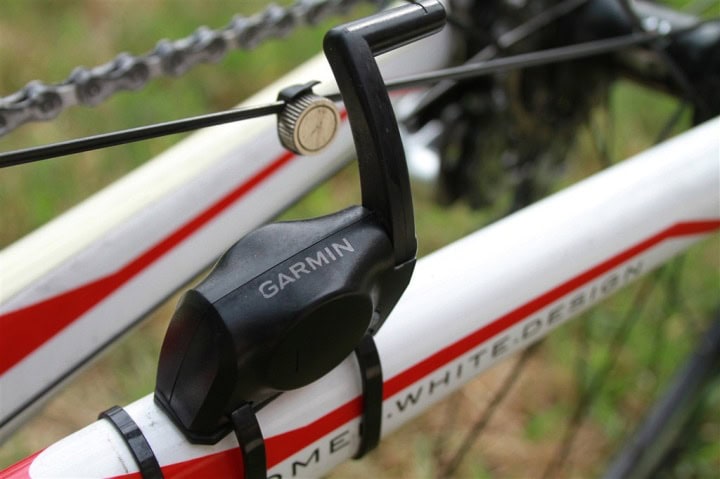
Garmin’s Cadence Sensor 2 pairs with compatible devices through ANT+ or Bluetooth. Garmin does not document it as a standalone way to record cadence directly into the Garmin Connect smartphone app.
How gears change cadence and pedaling effort
Gears change the resistance you feel with each pedal stroke. A harder gear makes every turn a heavy push. An easier gear lets the cranks turn more readily under broadly similar riding conditions.
If your legs are grinding through slow strokes at an effort that feels too demanding, shift to an easier gear and notice the change in pedal pressure. If the pedals spin so freely that you lose a controlled rhythm, shift one gear harder to bring back some resistance.
Mechanical power equals average crank torque (the twisting force at the crank) multiplied by angular speed: P = τ × ω, where ω = 2π × rpm / 60. At the same power, faster pedaling therefore takes less average torque per revolution. Out on the road, a shift can also change how much power you produce and how fast the bicycle moves.
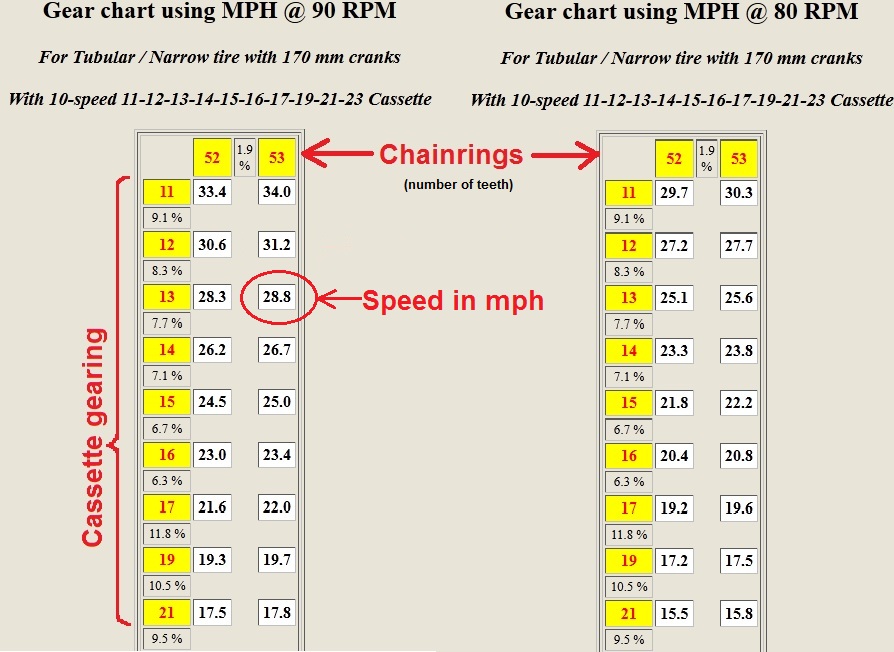
Some drivetrains, including certain 1x setups with a single chainring, have noticeable jumps between adjacent gears. One shift can change resistance enough that a precise 5 rpm increase is impractical.
Heavy pedaling, bouncing, or unstable feet: what to check
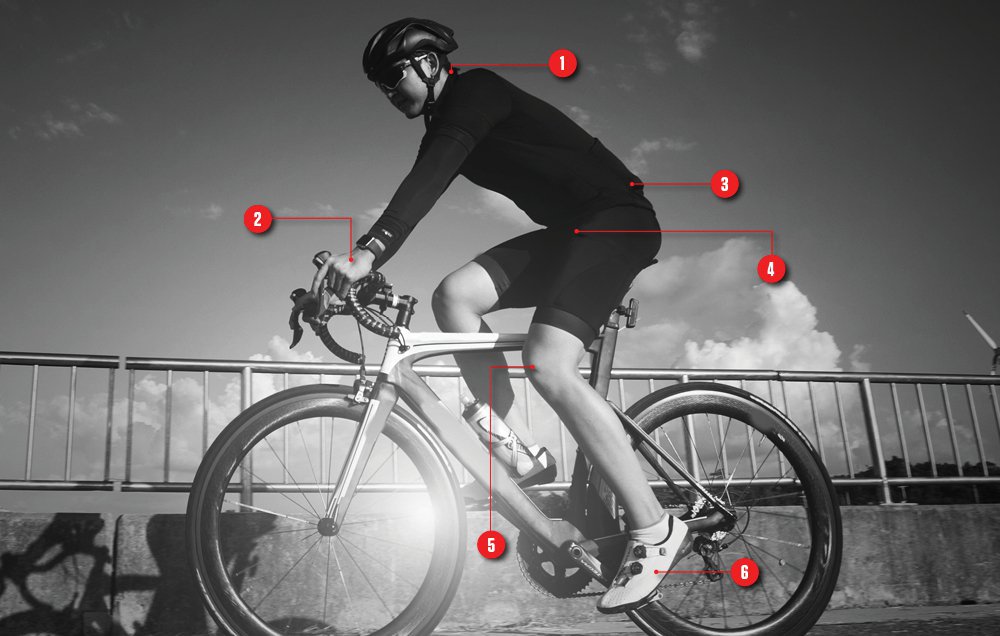
Heavy pedaling and unstable pedaling have different causes. Pushing slowly against heavy resistance is one problem. Feet and hips that go unstable while you spin fast are another.
| What you notice | Likely cause | What to do |
|---|---|---|
| Slow, forceful pedal strokes, legs tire quickly | Gear resistance is too high for the effort you intend | Shift to an easier gear |
| Hips rock or bounce at high rpm | Leg speed exceeds what you can control comfortably, or resistance is too light | Settle at a rate with stable hips and a relaxed upper body |
| Feet feel insecure on the pedals | Fast movement or unstable contact | Lower the cadence and check that your feet sit securely, in a safe setting |
| Persistent or localized discomfort | Fit, workload, or another factor | Stop the drill |
A rider in an r/Zwift beginner-workout discussion described the feeling: “Often when I’m doing high cadence in the training sessions for beginners I feel like I’m pedaling my feet straight off the pedals!”
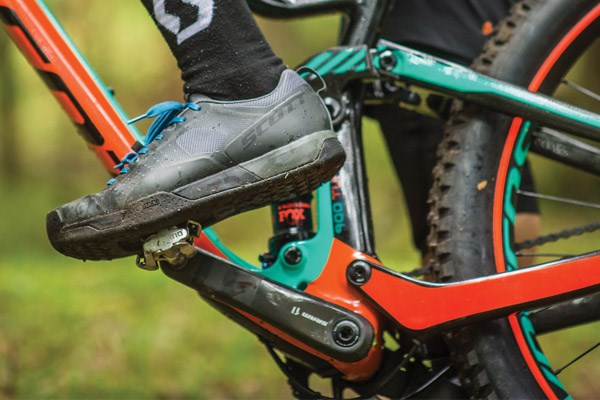
You do not need a special shoe or clipless pedal system to judge basic foot stability. Secure contact and controlled movement come before any harder cadence exercise.
Research on knee pain supports only a narrow conclusion. A 2017 systematic review examined 14 papers on cycling knee biomechanics, but only four included cyclists experiencing knee pain. The evidence did not establish a particular cadence that prevents knee injury. If pain is sharp, worsening, persistent, or limited to one side, stop the exercise and seek a fit or medical assessment instead of pushing through it.
A simple way to practice a smoother cadence
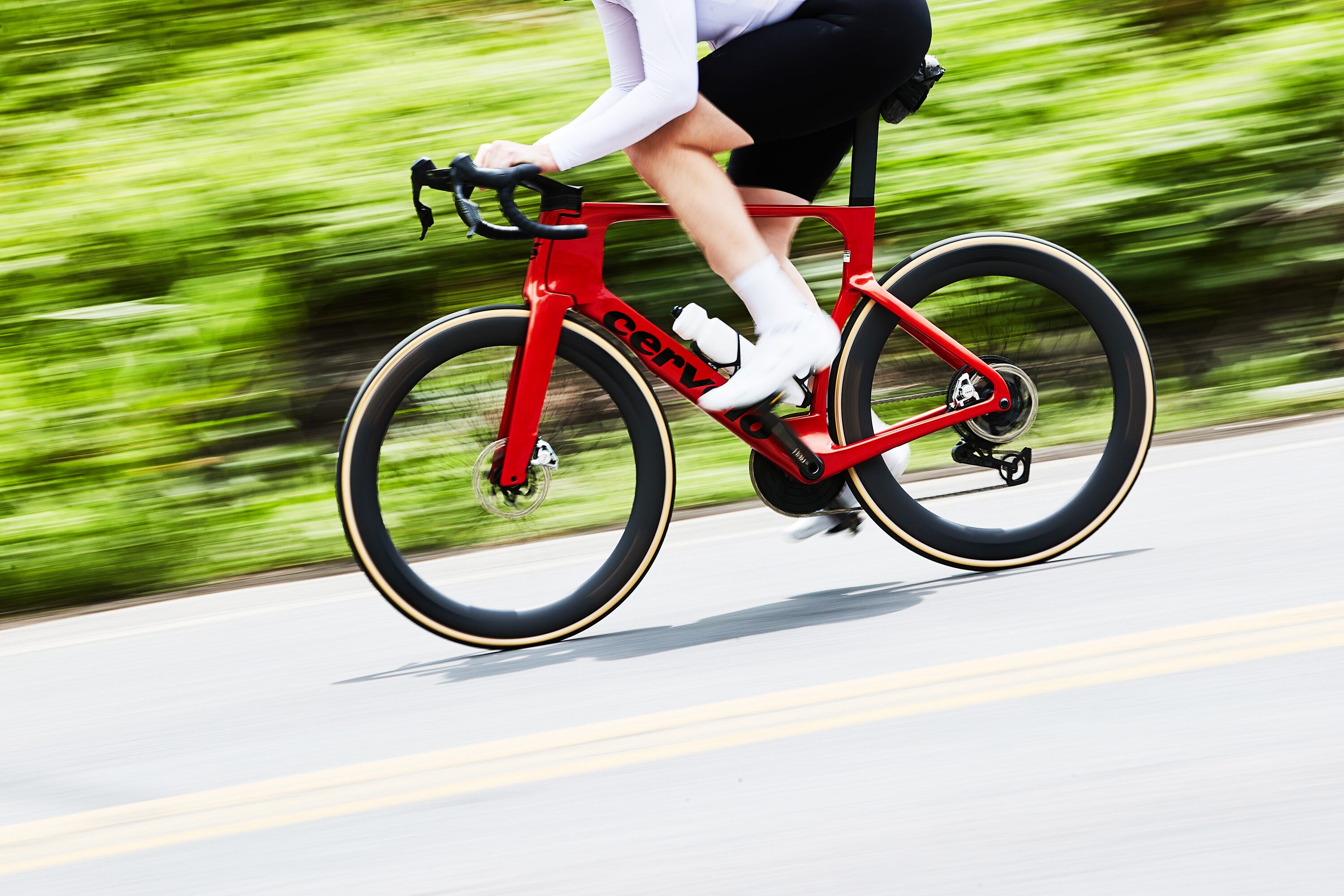
Spinning a little faster feels awkward at first, especially if you are used to pushing a relatively hard gear. A short, controlled exercise lets you explore the sensation without turning the session into a speed test.
A recreational rider with about two years of experience and a 1x drivetrain averaged about 60 rpm by choice and felt that spinning faster wasted energy going in circles.
TrainerRoad’s Endurance Spinning drill offers a restrained way to try a higher cadence.
- Begin comfortably. Settle into your usual rhythm on a trainer or a quiet, steady road.
- Increase slightly. Raise your cadence about 3 to 5 rpm above your comfortable rate for up to five minutes. Keep the pedal stroke smooth and the effort easy or moderate.
- Watch your movement. If your hips start bouncing, your feet lose contact, or the effort becomes uncomfortable, lower the rate or stop.
- Return to baseline. Compare how the two rhythms felt, paying attention to control and perceived effort.
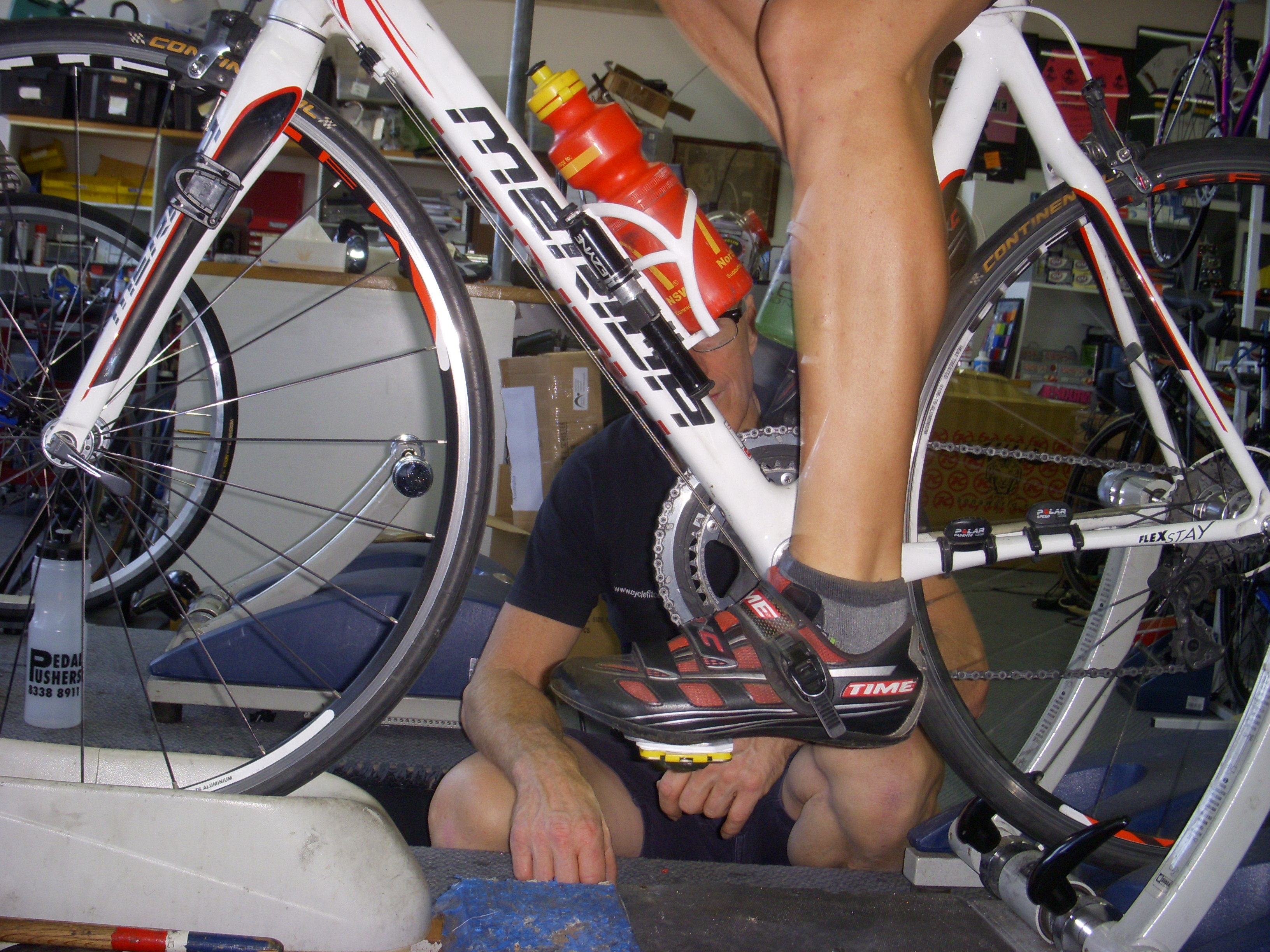
Why cadence changes on hills and indoor trainers
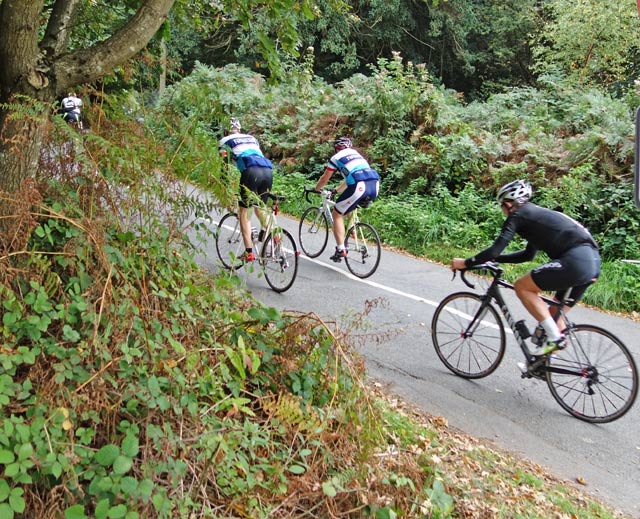
Terrain and training equipment change the rhythm your legs can sustain. A cadence that feels easy on level pavement becomes demanding when resistance rises.
Climbing
As a grade steepens, a gear that felt comfortable on the flat demands heavy pushes. Shift toward easier gears before the climb gets difficult to keep a manageable rhythm. Even the easiest gear has limits. On a steep climb you may pedal more slowly, reduce your intended effort, or need a break, because the grade and drivetrain cap the cadence you can maintain.
Descending and coasting
On a descent, the bike keeps moving while you stop turning the cranks. Cadence falls to zero even though road speed stays high. When you start pedaling again, you face a different mix of speed, gear, and resistance.
Indoor ERG mode
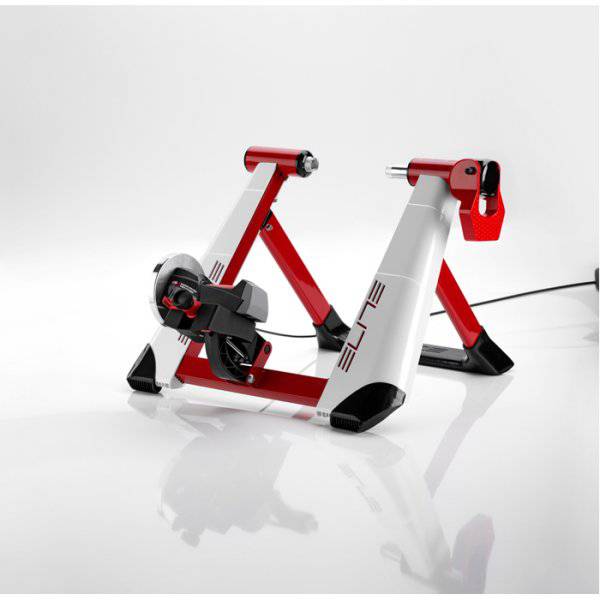
In ERG mode, a compatible smart trainer adjusts resistance to hold your chosen power target. Pedal faster and resistance drops. Slow down and it rises. Outdoors, you change gears instead.
Why your average cadence can mislead you
The number you see while pedaling and the average saved after a ride answer different questions. A live reading shows how quickly the cranks are turning right now. A ride average combines readings across time, and its result depends on how the device treats periods of zero cadence.
Garmin’s zero-averaging documentation gives a simple illustration.
One minute of riding: You pedal at 100 rpm for 30 seconds and coast for 30 seconds. With zero averaging ON, the reported cadence average is 50 rpm. With zero averaging OFF, the reported average is 100 rpm.
During the active 30 seconds, the pedals turned at the same rate in both calculations. Compatible Garmin Edge computers offer separate zero-averaging choices for cadence and power. Other devices and apps may process zeros differently.
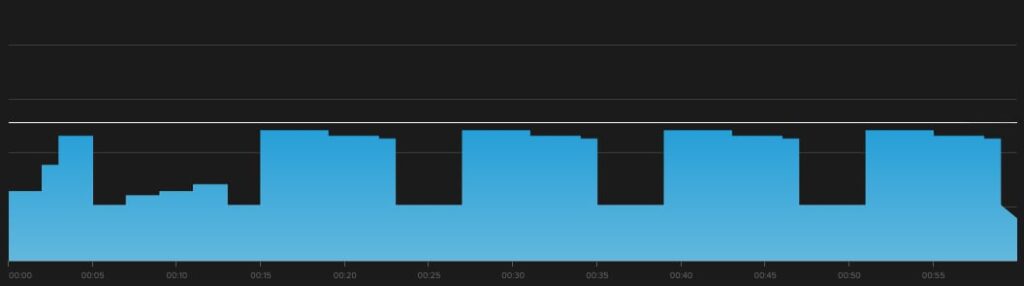
A live display that reads unusually low is a separate problem. A beginner in an r/Zwift discussion wrote: “I’ve seen people talking about aiming for 70-80 RPM but mine firmly sits around 60-65 ish on the screen, however I feel that my legs are turning over significantly faster.”
If a live reading looks wrong, compare it with your 15-second count first. If the two still disagree, inspect the sensor or trainer pairing. For a puzzling ride average, check whether the calculation includes zero-cadence periods before you compare it with another rider’s number.