Practice bike control away from cars, pick roads with light traffic and easy crossings, and add one traffic skill at a time. If a road is beyond you, take a different route or get instruction.
A bike path feels fine until it ends at a street full of cars. You know how to pedal and turn. The hard part is guessing where vehicles will go, how much room you have, and what to do next.
Those questions get easier when you split them into three: bike handling, traffic decisions, and the road itself. Start with the one that’s giving you trouble.
Identify what makes riding around cars difficult
Finish this sentence: “I feel least sure when…” Your answer points to one of the three.
If the bike drifts when you look over your shoulder, you have a handling problem. Practice holding a straight line somewhere quiet. If a turn at a traffic light leaves you wondering who might cross your path, learn that junction and how traffic moves through it. If you ride steadily but hate a fast multilane road with no room, the answer is a different route.
Different riders need different fixes. Someone back on a bike after years away may struggle to restart after a stop and just needs a few controlled starts. A gravel-trail regular may handle the bike well but have little experience judging passing vehicles, and would do better with an instructor and quiet streets.
You can have more than one problem. Fix the one that affects your next ride first.
Check your bike-handling skills before entering traffic
Before you ride among cars, you should be able to start, stop, steer and look around without wobbling. Practice these away from motor traffic, where all your attention can go to the bike.
| Skill | What to check | How to practice |
|---|---|---|
| Braking | Slow down and stop with the bike under control. | Repeat controlled stops away from cars. |
| Starting and restarting | Move off without an abrupt swerve. | Practice starts from a full stop. |
| Steering | Hold a steady line and turn deliberately. | Ride straight lines, then smooth turns. |
| Looking behind | Scan over your shoulder without drifting. | Rehearse rearward checks where there’s no traffic. |
| Hand signaling | Keep steering and braking control while indicating a movement. | Practice in a controlled setting or get coaching. |
| Bike condition | Check that brakes, tires and steering work properly. | Fix mechanical problems before you ride. |
The shoulder check tells you the most. In a traffic-free spot, look behind you and watch whether your line changes. If the bike veers toward the curb, you’re not ready to do that beside cars. Keep at it until the line stays straight.
A hand signal adds a second job: you steer and brake with one hand while the other points. Learn the signaling rules where you ride, and practice until you can meet them with full control. If you can’t signal and still steer straight, keep practicing before you try it in traffic.
Choose a road that gives you room to learn
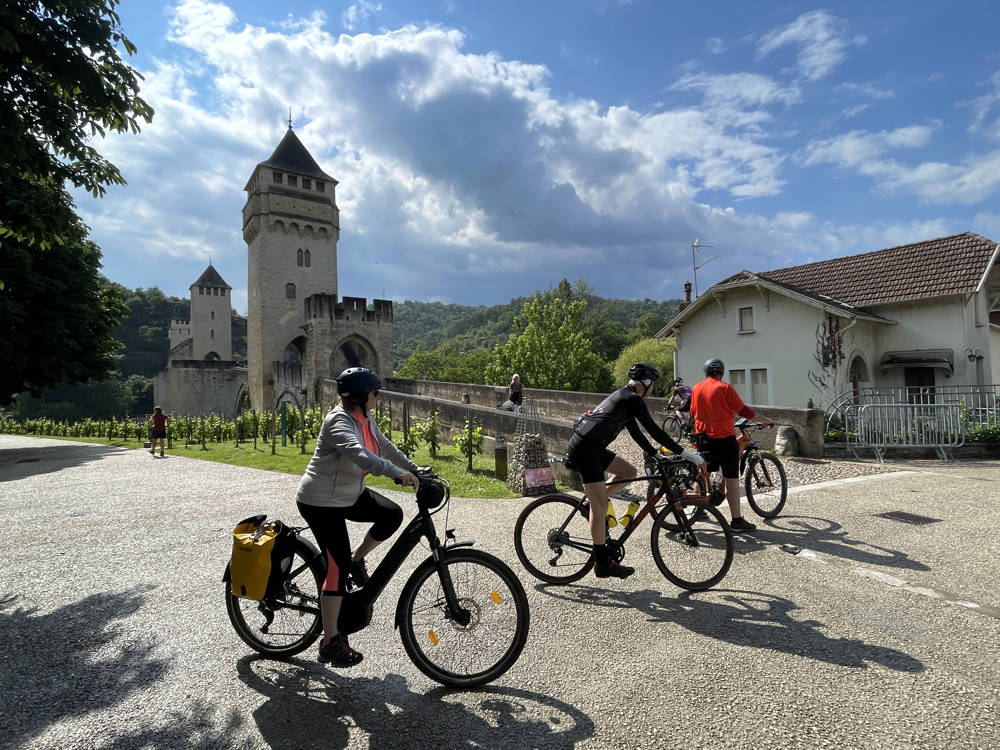
A good first road route lets you focus on handling and traffic without facing several hard decisions at once. Check vehicle speed and volume, how much separation you get, intersections, sight lines, road surface and visibility. Note where you could stop or switch to another street.
The National Highway Traffic Safety Administration recommends practicing away from traffic and starting on roads with fewer, slower vehicles. Federal Highway Administration guidance also recognizes that separating bicycles from motor traffic can reduce conflicts.
| Route setting | What it offers | What could change your choice |
|---|---|---|
| Shared-use path or separated bike facility | Less contact with motor traffic along the separated stretch. | A difficult crossing, driveway or exit at the end of the facility. |
| Quiet neighborhood street | A repeatable place to watch ordinary road movements. | Parked cars, blind corners, changing traffic or complicated turns. |
| Painted bike lane | Marked riding space on the road. | Door zones, obstructions, turning vehicles or a lane that ends abruptly. |
| Busy multilane road | Sometimes the most direct route. | More exposure to traffic, complex junctions and no alternate path. |
A painted lane and a physically protected lane give you different levels of separation. Check the whole route, especially where a bike facility crosses a street or ends. The route that works for practice may take longer than the direct way across town.
Picture two ways to reach the same place. One is a direct busy road with several turning conflicts. The other is a set of quiet side streets with one crossing you can read. Compare them before you leave, and compare the return trip too.
Good riding skills can’t control every driver or make a bad road safe. Choosing a lower-stress route is sound at any experience level.
Is a quiet road after dark a good place to practice?
Only with proper lights. Low traffic isn’t enough once it’s dark, because lighting and visibility become part of the route decision. NHTSA recommends a white front light and a red rear light, and local equipment rules apply. If you can’t judge the crossings or the surface, ride in daylight.
Build experience in manageable steps
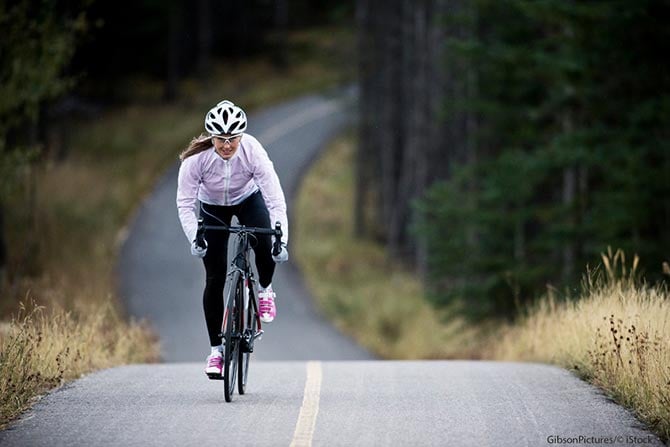
Pick one skill and a setting where you can practice without rushing. Make that task easy before you add a harder road situation.
- Start away from cars. Drill your weakest skill in a controlled area.
- Pick a short route. Look at the crossings and traffic first, and choose a quiet street.
- Keep the task narrow. On a familiar stretch, work on that one skill while you keep watching the whole road.
- Change one thing at a time. Once the route and skill feel easy, try a new crossing or road condition. Go back to the familiar setting if you need more practice.
There’s no set number of rides after which a busy road becomes a good idea. A calm route can stay your everyday choice for good. If a key skill stays unreliable, an instructor is a better choice than practicing alone.
Ride predictably and follow US traffic rules
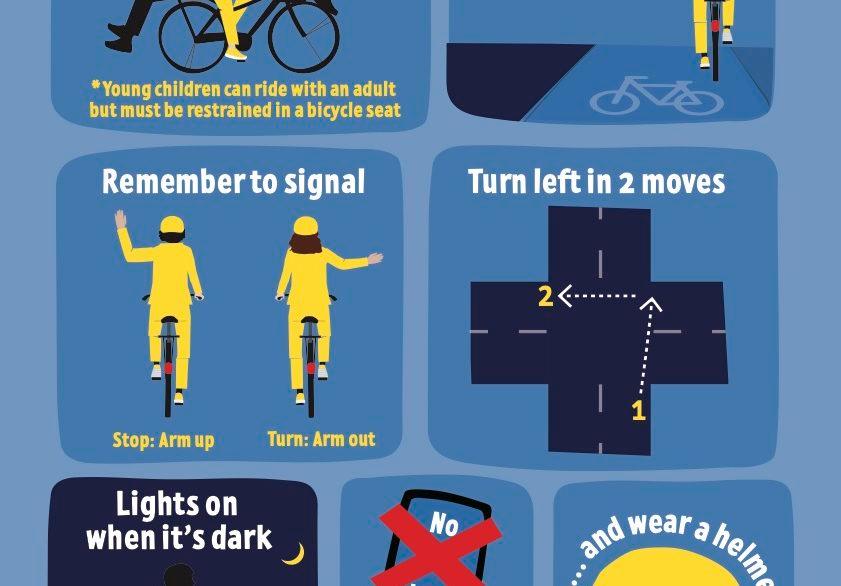
Predictable riding lets other road users anticipate you. On US roads, ride in the direction of traffic and obey signs, signals and road markings. Check local rules for lane position and signaling.
Look ahead for changes in the road, then scan behind before you change position or direction. Practice the glance until you can hold your line. Signal turns where the law requires it and you can keep control. A signal doesn’t prove a driver has seen you or will yield.
Road position matters around drains, rough pavement and narrowing lanes. Watch farther ahead so you can plan a steady line, and avoid riding tight against the curb where a hazard would leave you no room.
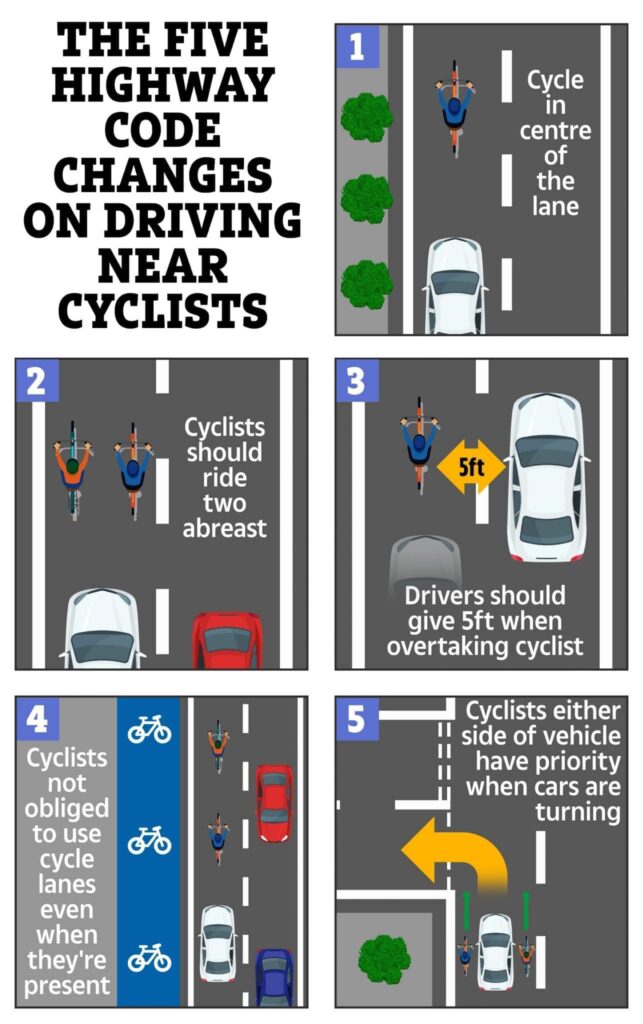
You’ll hear riders talk about taking the lane, meaning occupying more of a traffic lane when conditions call for it. The right position depends on the road, the traffic, the hazards and your state and local rules. The League of American Bicyclists explains general US traffic principles.
Handle intersections, turns and parked cars deliberately
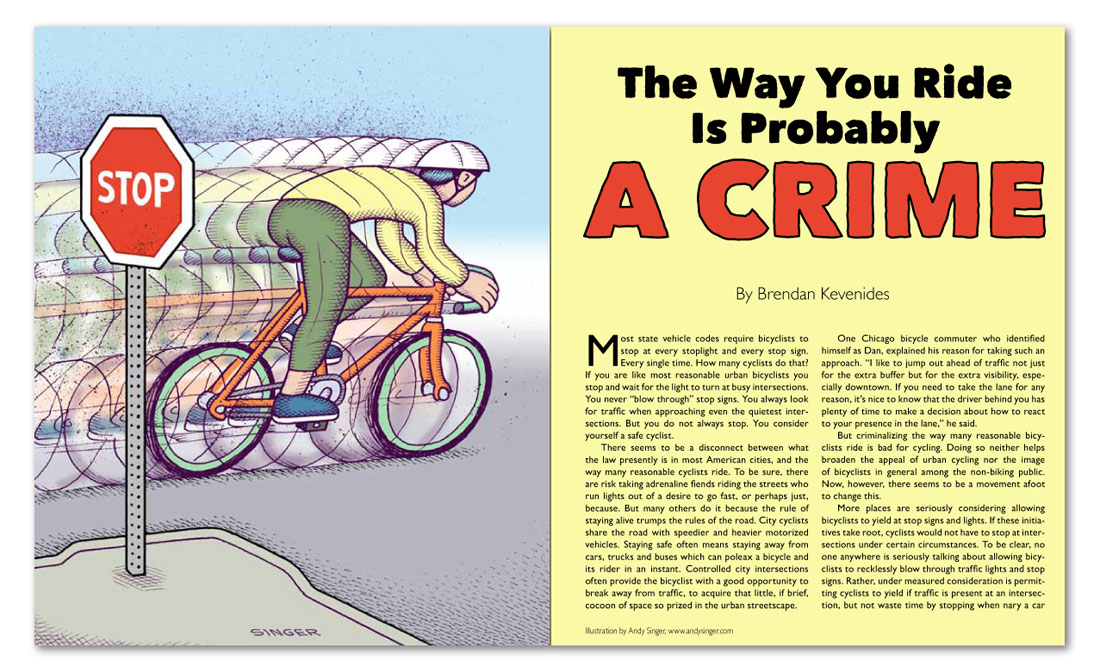
At an intersection, identify the traffic that could cross your path before you turn or continue. Read the signs and signals, and yield to crossing traffic when it has the right of way. Before you move into a lane to get around an obstruction, check behind and yield to traffic already there.
A turn onto an unfamiliar street can combine vehicles going straight, vehicles turning across your path and traffic entering from the side. Look for each movement early. If you can’t read the situation, stop somewhere legal and safe, or pick a simpler crossing.
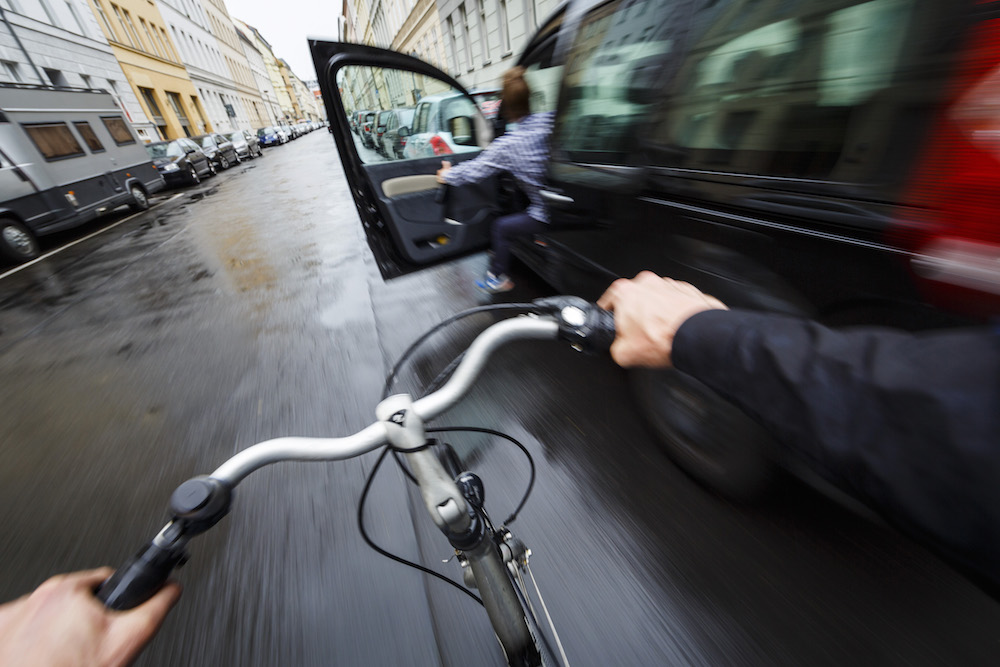
Parked cars add a different problem. A door can open or a car can pull out into your path. Look well ahead, allow for the usable roadway and hold a steady line. Don’t dart into a gap between cars and then swing out around the next one. If you can’t keep a steady path, choose another route.
Change the plan when a road exceeds your abilities
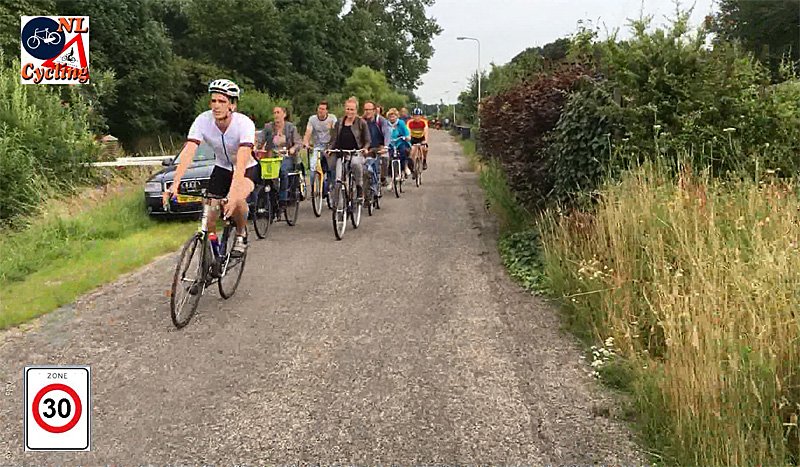
Traffic may be heavier than you expected. An unfamiliar intersection may ask too much at once, or poor visibility may make vehicles hard to judge. Reconsider the route at that point, before a rushed move becomes necessary.
A close pass is frightening even when you’ve ridden predictably. Keep control, pause somewhere safe if you need to, and decide whether the rest of the route still suits you. Don’t confront the driver or react in a way that creates another conflict.
Continue, simplify, or stop. Continue when you can control the bike and read the traffic. Simplify by taking a lower-stress route or practicing the hard skill elsewhere. Stop at a legal spot when carrying on would exceed your skills, and walk the bike if that’s the sensible option.
Some roads stay a bad fit no matter how experienced you get. Taking another route solves that without asking you to accept exposure you don’t need.
If distress after a serious road incident lingers or interferes with daily life, see a mental health professional. A cycling class won’t address that.
Choose support that matches the problem
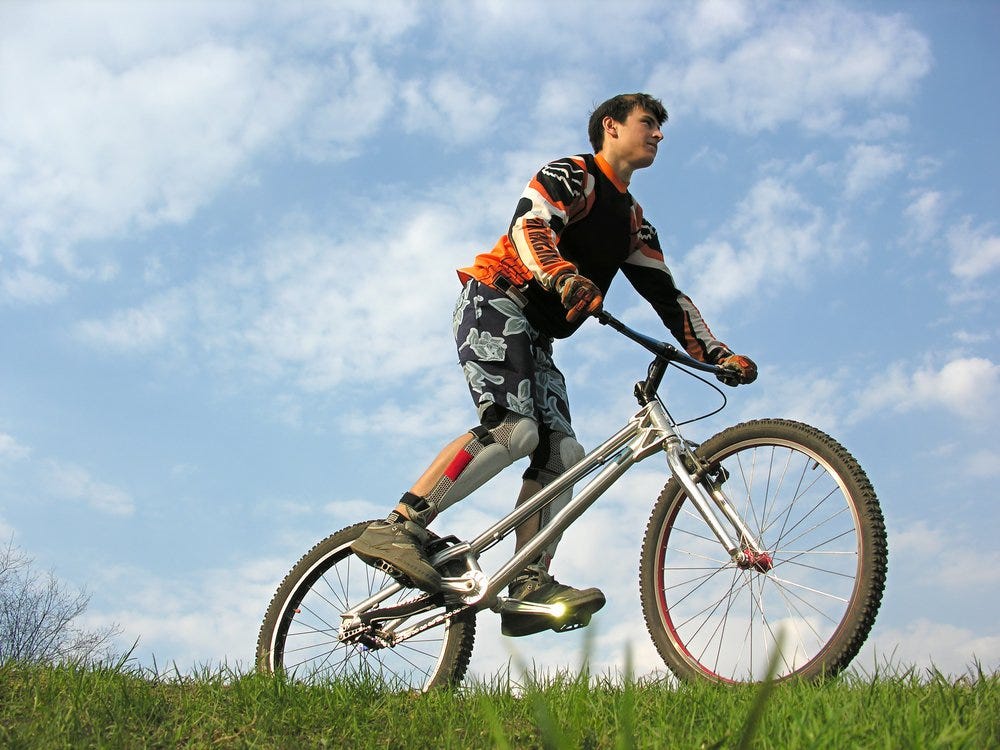
On-bike instruction helps when you can’t perform a basic move consistently or can’t work out a situation in traffic. An instructor chooses the setting, watches what happens and coaches the specific skill.
The League of American Bicyclists class directory is a place to start. Look for an adult skills course that covers your concern; offerings vary by location.
A companion who knows a quieter route can help you plan the ride, talk through crossings and settle on a pace. A group ride offers company, but the route, speed and group behavior bring their own difficulties. Before you join, ask about the pace, the roads and how the group regroups.
A 2023 evaluation of a two-hour classroom cycling course in the San Francisco Bay Area, by Nachman and Rodríguez, reported greater confidence riding in traffic and in car-free settings, greater perceived safety in car-free settings, and better knowledge of road rules. It found no overall increase in bicycle trip counts.
A 2019 Canadian study by Sersli and colleagues reached a different result. It included 135 course participants and 43 comparison participants. At the 12-month follow-up, the researchers found no confidence gain relative to the comparison group and no sustained increase in cycling. The Bay Area course was classroom-based, while the Canadian courses included practical on-road instruction.
When you’re stuck
If you’re stuck, name the one situation where you feel least sure and work on that. An instructor can coach a specific move you can’t do consistently, a companion who knows a quiet route can help you plan, and a group ride adds its own pace and route to manage. Holding your line through a shoulder check, spotting a bad crossing early and taking the quieter street home all count as progress, and so does ending a ride that has become too much.