A ponytail-friendly bike helmet has the right shell size and a rear fit system that leaves room for your hair, either through a dedicated opening or an adjustable cradle. Try it on with the hairstyle you actually ride in, and keep it only if it stays low, level and snug.
What makes a bike helmet ponytail-friendly?
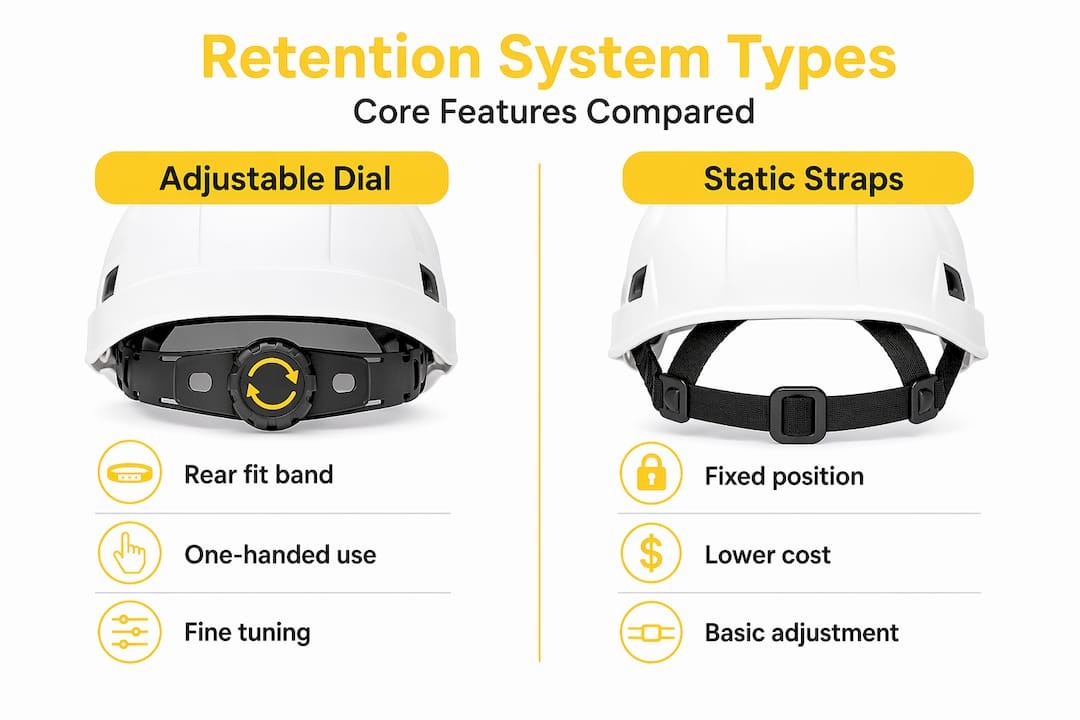
Look behind a typical cycling helmet. A plastic cradle wraps around the back of your head, and a dial usually tightens it. That hardware can sit exactly where your ponytail goes.
If the tie presses on the cradle, turning the dial hurts. If the ponytail pushes against the rear shell, the front tips up and leaves your forehead exposed.
Helmets deal with this in three ways:
- Dedicated ponytail opening: a clearance area the manufacturer designed for tied hair.
- Adjustable rear cradle: its height or position can sometimes give room above or below the hair tie.
- Ordinary rear vent: a ventilation opening. Its looks say little about whether a ponytail clears the fit system.
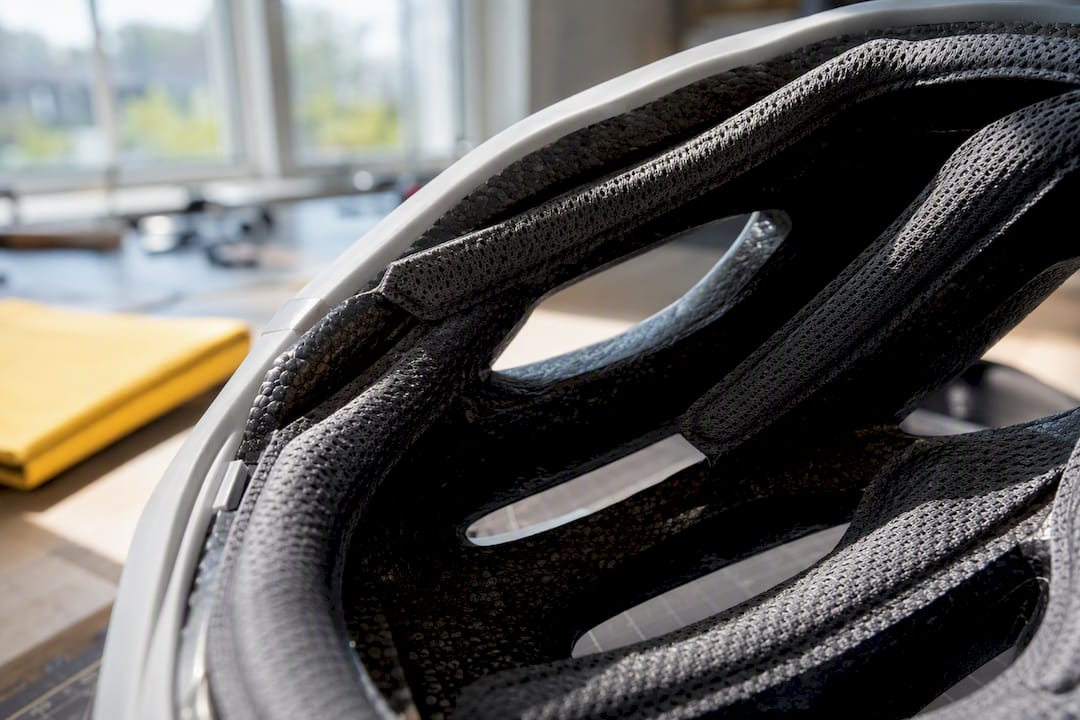
Where you tie your hair matters. A low ponytail may clear a cradle that blocks a high one, and some helmets put the opening above the dial, which changes which style works.
Check head size first
A generous rear opening does nothing if the shell is the wrong size or shape for your head. Measure your head circumference with the manufacturer’s method and compare it with the size chart for the exact model. Lazer, for example, says to measure around the head about 2.5 cm (1 inch) above the eyebrows.
One rider measured 62 cm (about 24.4 inches) and found several women’s helmet recommendations too small. She ended up with a unisex Giro Syntax. Rule out sizes outside your range before you think about ponytail clearance.
According to the Giro Trella Mips product specifications, its Universal Women’s size covers 50 to 57 cm, so a 62 cm head falls outside it.
Lazer lists a wider spread for the Tonic KinetiCore:
- Small: 52 to 56 cm.
- Medium: 55 to 59 cm.
- Large: 58 to 61 cm.
- XL: 61 to 64 cm.
The XL range includes 62 cm, so that size is worth trying. If two sizes both include your measurement, take the one that stays stable with your riding hairstyle.
Circumference is only the first filter. The helmet also has to sit level, with no pressure points and no movement. A bigger shell that gives your hair room but wobbles on your head fails.
Match the rear design to your hairstyle
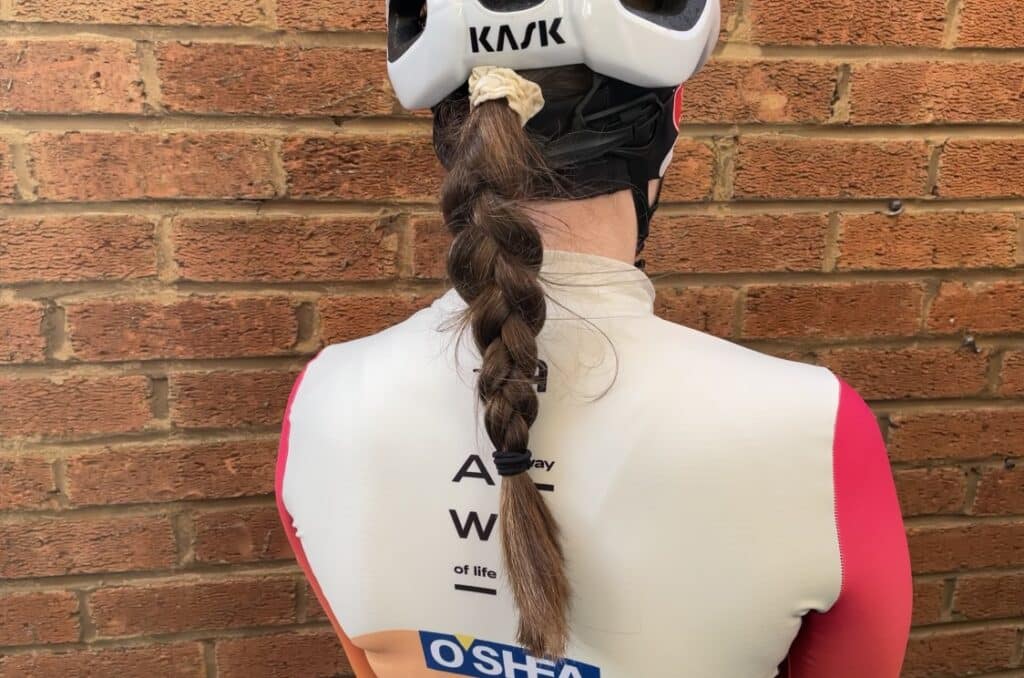
High ponytails, low ties, braids, buns and thick natural hair each put volume in a different spot behind your head.
| Riding hairstyle | Where interference may occur | What to inspect |
|---|---|---|
| High ponytail | Tie presses against rear shell or cradle | Opening height and cradle position |
| Low ponytail | Tie or braid rubs beneath the dial or near the neck | Clearance below the rear adjustment system |
| Single braid or two braids | Braid bases occupy cradle contact points | Fit-system shape and adjustment range |
| Thick natural hair, twists, or braid-out | Hair volume changes shell seating and retention contact | Head-size range, shell shape, and cradle contact |
| One bun or two buns | Concentrated volume meets the rear shell | Opening position and alternative rear geometries |
High ponytails
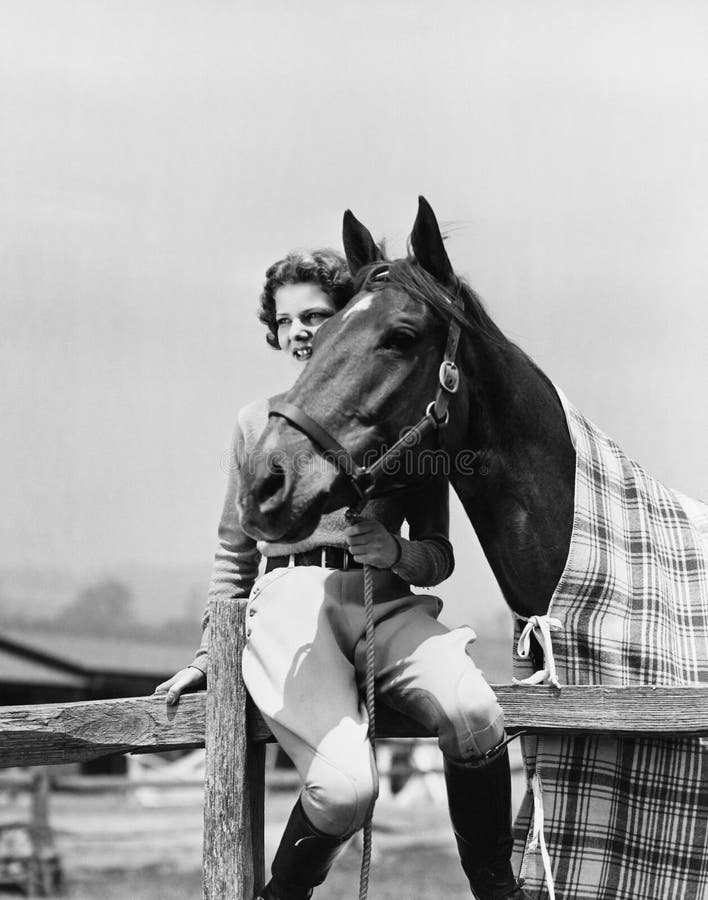
A high ponytail can run into the rear shell, depending on how high the tie sits and where the cradle crosses your head. One commuter wanted to keep her high ponytail instead of switching to braids or a low bun for every ride. An adjustable cradle might help her, but the opening and shell shape still have to suit that position.
Low ponytails and braids
Lowering the tie can free space around some cradles, but a low ponytail can rub your neck or tangle while you ride. One rider complained about exactly that, and other cyclists suggested braids. A braid spreads hair differently from a bulky ponytail. If you prefer one, check where it starts and whether its base presses on the fit system.
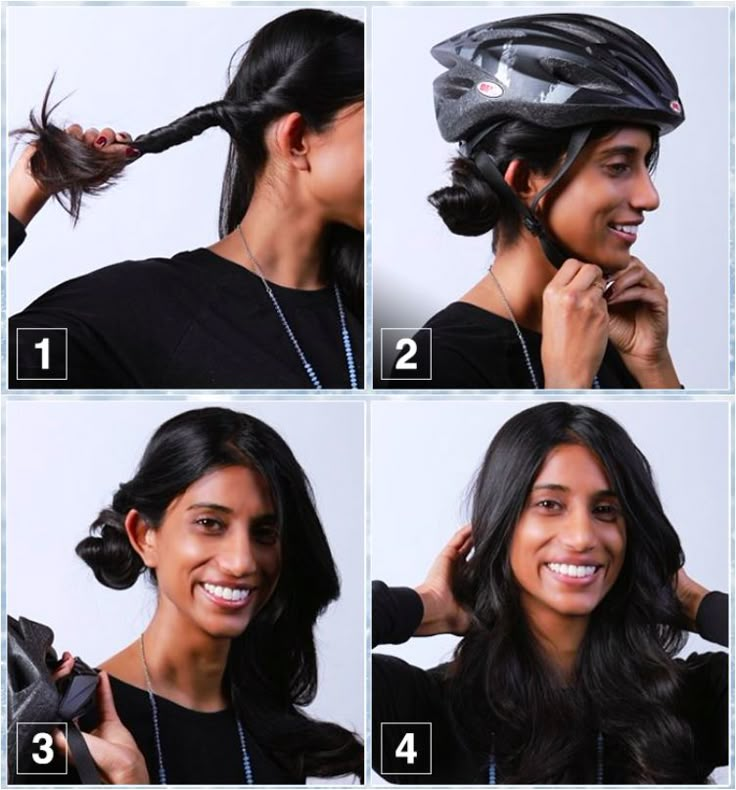
Thick natural hair
One cyclist with thick 4B/4C hair could not get her helmet to fit even with a low ponytail, and cornrows for every ride were not an option for her. Riders also mention wash-and-go styles, braid-outs, protective braids and two buns. The question is the same each time: does the helmet seat on your head as intended, with the cradle able to adjust and hold it?
Helmet models with ponytail-related features
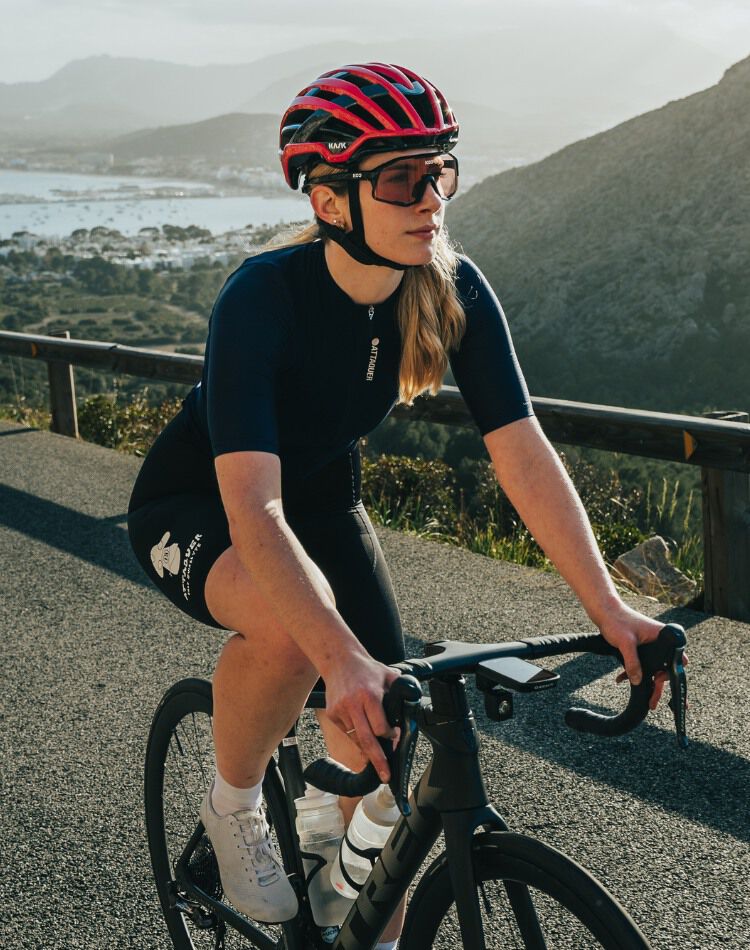
These models document rear openings or adjustment systems that matter for long hair. Check the exact US model and size before buying, since specifications and variants differ.
| Helmet model | Documented rear design | Size evidence | Buying implication |
|---|---|---|---|
| Giro Trella Mips | Ponytail-compatible Roc Loc Sport | Universal Women’s: 50 to 57 cm | Worth a look if the size fits you |
| ABUS Urban-I 3.0, US version | Ponytail Fit opening in the adjustment system | – | Check the size chart and where the opening sits |
| Sweet Protection Falconer 2Vi Mips | Rear opening with adjustable 360 Occigrip | – | Check cradle height against your hairstyle |
| Lazer Tonic KinetiCore | Advanced TurnSys adjustment | S to XL: 52 to 64 cm overall | Pick the right size, then test hair clearance on your head |
Start with Giro and ABUS if you want a manufacturer-named ponytail feature and the size fits. Sweet Protection’s adjustable rear opening is worth a look too. Lazer’s size range helps when smaller helmets are already ruled out, but you still need to try it on for hair clearance.
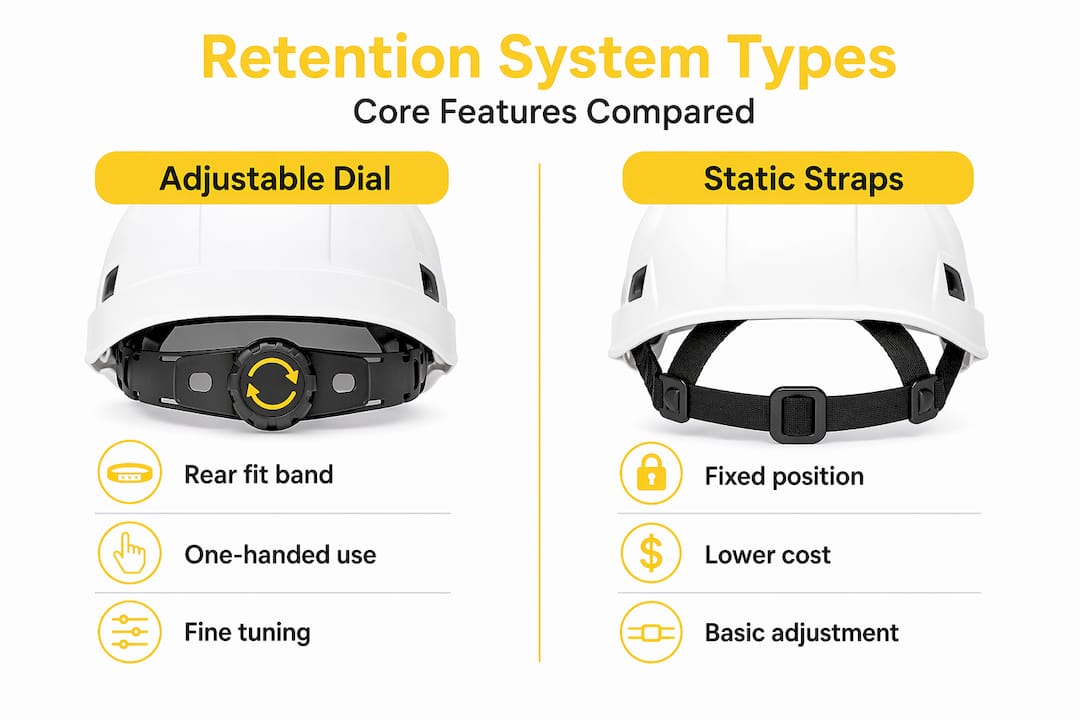
Specialized’s 2019 Propero III used HairPort FSL II with four height positions. It is an older example of how moving the rear hardware changes the room for tied hair.
How to check the fit with your hair in place
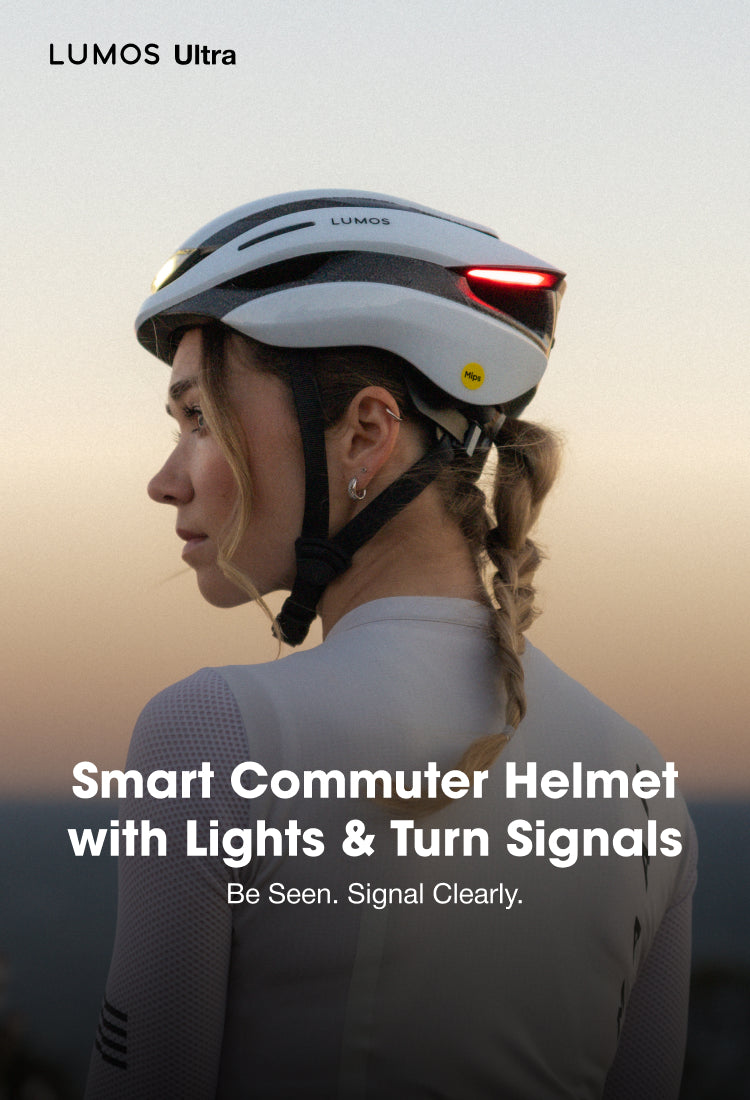
Put your hair in its riding position before you fit the helmet. A helmet adjusted over loose hair sits differently once a ponytail, bun or braid fills the space behind your head. The NHTSA bicycle helmet fitting guide illustrates checks for helmet position, side straps and chin-strap snugness. Use it together with your manufacturer’s instructions.
Fit the helmet in six steps
- Arrange your riding hairstyle. Tie your ponytail at its usual height or wear your braids, twists or bun as you plan to ride. Put the helmet on without forcing it over the tie.
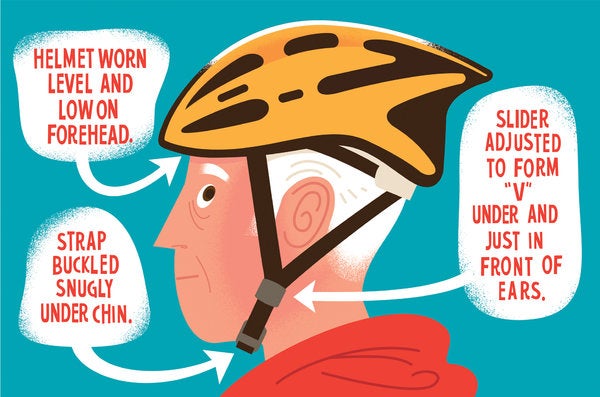
- Position the shell. Keep it level and low on your forehead. NHTSA’s check places two fingers on your forehead above your eyebrows, with the front rim just above them.
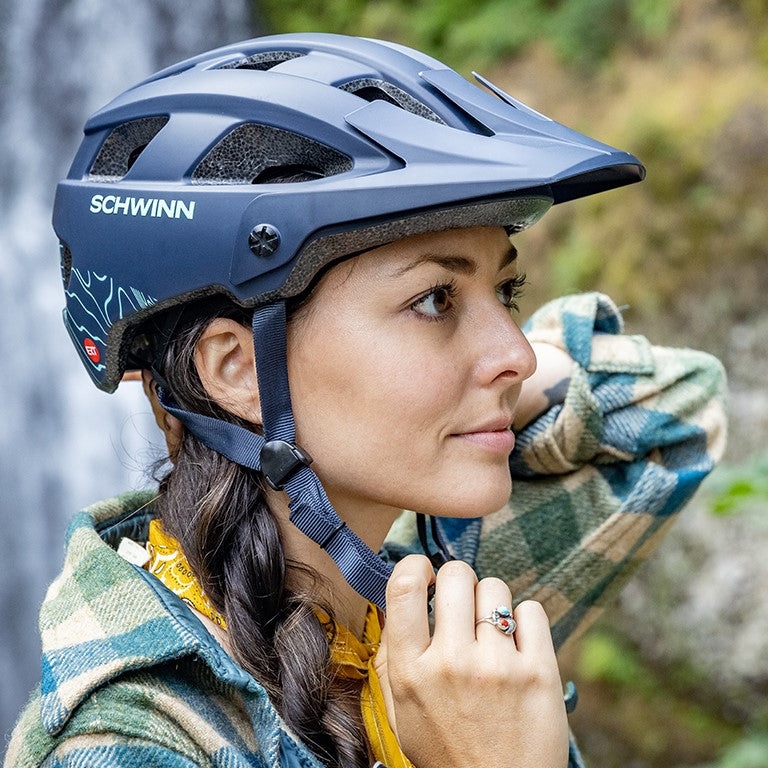
- Adjust the rear cradle. Use the dial and height settings the manufacturer designed. The cradle must seat firmly against the back of your head, and your tie or braids must not block its movement.
- Set the side straps. Form a V around each ear, with the junction placed as the manufacturer and NHTSA direct.
- Fasten the chin strap. Make it snug. NHTSA’s illustrated check allows about two fingers under it.
- Check stability. Move your head and watch for shifting or tipping. Look for pressure from the rear dial, and confirm your hairstyle has not pushed the front of the helmet up.
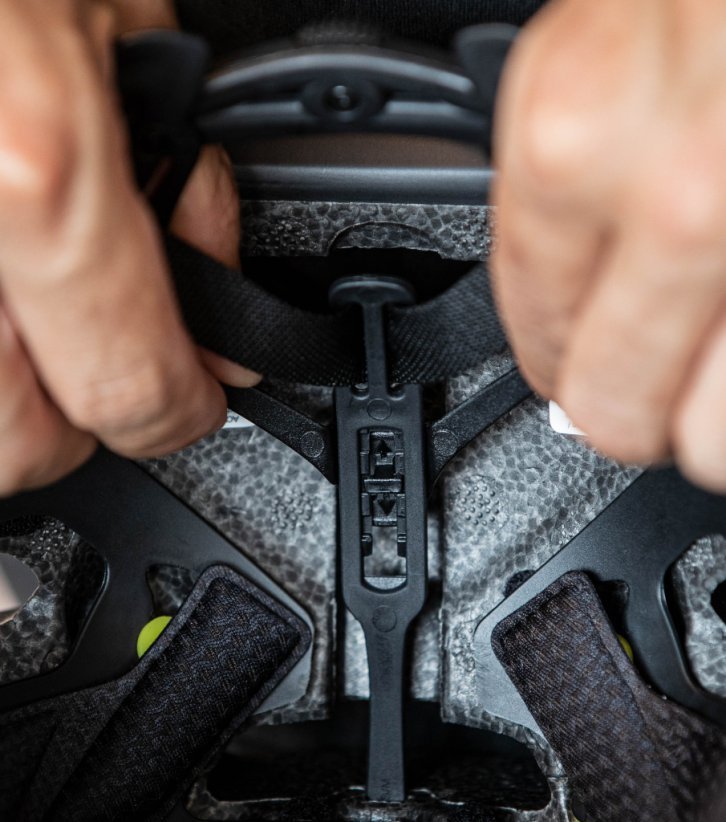
A mirror helps with shell angle and forehead coverage. If the dial tightens on a braid while the helmet stays loose, your hair is blocking the contact the cradle needs. Repeat the whole check whenever you change your hairstyle, for example when you swap a low tie for two buns or change the volume of your braids.
Do not ride with a hairstyle that displaces the helmet or prevents secure retention. Never loosen necessary straps, cut the shell, drill openings, or alter protective components to make room for hair. Use a different intact helmet or a hairstyle that passes the full fit check.

If the fit fails
| What you notice | Possible explanation | What to try |
|---|---|---|
| Front edge sits too high | Ponytail or bun presses the rear shell | Refit with the same hairstyle, or try another shell shape |
| Rear dial presses into braids or tie | Hair sits in the cradle’s contact area | Try an approved height adjustment or another rear system |
| Shell moves despite tightening | Wrong size or unsuitable shell shape | Recheck circumference and the model’s size |
| Straps cannot be adjusted correctly | Helmet position or hair arrangement interferes | Drop that setup and try another intact helmet or style |
When a hairstyle change helps
Moving the tie lower or wearing two braids can clear a particular cradle, as long as you find the new style comfortable and practical.
When a different helmet is the answer
If the shell stays unstable, the dial cannot engage or pressure will not go away, go back to your head-size range and the rear fit system. Try another properly sized model with your hairstyle already in place. Not wanting to change your hair is a fair reason to look for a differently shaped helmet. A bike-shop fitter can help you compare shell shapes and rear systems.
Safety standards and ratings
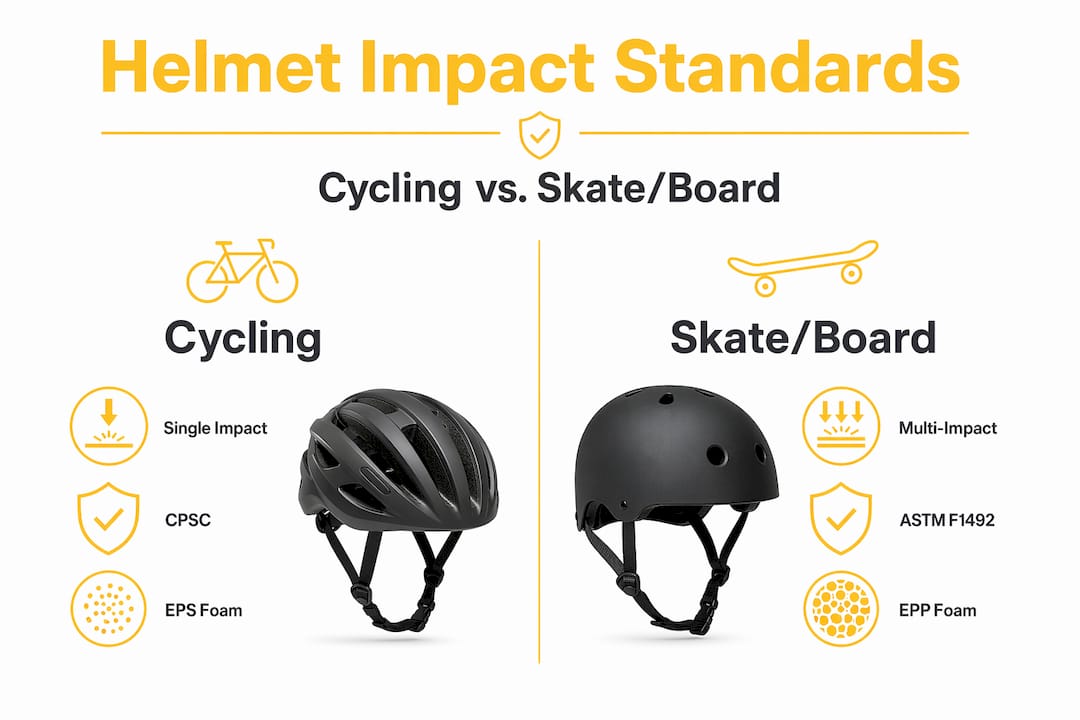
Look for the required CPSC certification label on any bicycle helmet sold in the United States, and for the manufacturer’s fitting instructions. The CPSC bicycle helmet guidance explains the requirements under 16 CFR Part 1203.
Virginia Tech’s STAR system adds a separate comparison. It rates tested models using laboratory impacts and measurements of linear and rotational head motion. Its published method describes 24 impact tests and recommends considering models with four or five stars. You can look up tested models in the Virginia Tech bicycle helmet ratings. A helmet without a Virginia Tech rating is not automatically unsuitable. Check its CPSC compliance and your individual fit.
Why a star rating can change
Virginia Tech revised the bicycle helmet star thresholds in July 2025. The change affects how existing numerical STAR scores map to star categories.
| Rating | Earlier STAR-score threshold | Revised STAR-score threshold |
|---|---|---|
| 5 stars | Below 14.0 | Below 10.1 |
| 4 stars | Below 19.0 | Below 13.0 |
| 3 stars | Below 24.0 | Below 16.0 |
A recorded STAR score of 14.30 was four stars under the earlier thresholds and is three stars under the revised ones. The score itself stays 14.30.
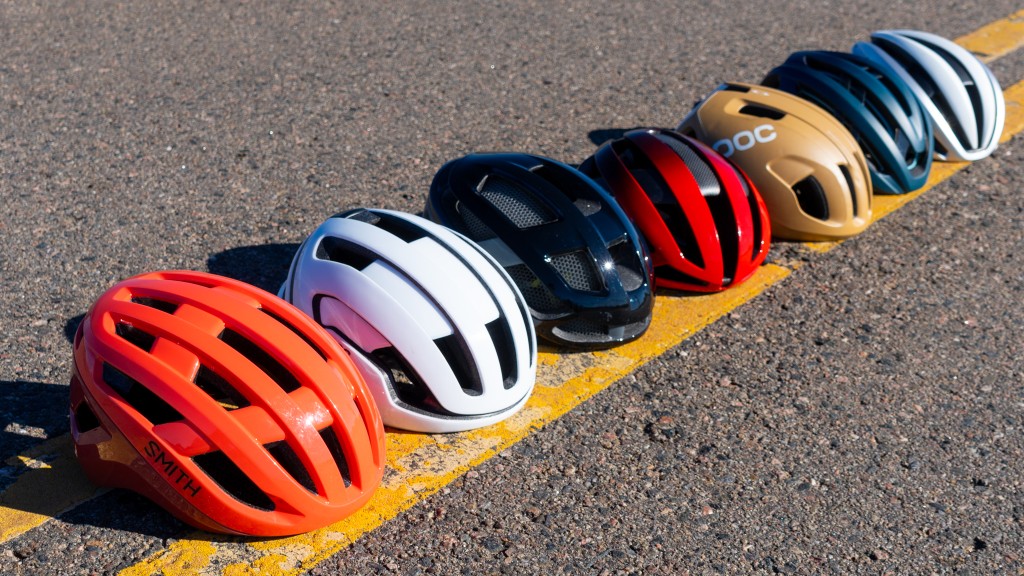
Check a conflicting rating claim: A buying guide called the Lazer Tonic KinetiCore a five-star Virginia Tech helmet. Virginia Tech’s published entry reports a STAR score of 14.30, which is three stars under the July 2025 thresholds. Neither set of thresholds places 14.30 in the five-star category. Confirm that the tested model matches the version you are buying before you rely on the comparison.
Lazer calls its rotational-impact approach KinetiCore. Other makers use names such as MIPS and WaveCel, so compare the evidence for each tested model before weighing performance claims across these technologies.
What impact research shows
A 2017 systematic review and meta-analysis by Olivier and Creighton included 40 studies in the quantitative analysis, with data from more than 64,000 injured cyclists. Helmet use was associated with lower odds of head and serious head injuries in the crash and fall settings studied.
Size first, hair second
Check the size before you check the ponytail. A rear opening or adjustable cradle can’t help a shell that is the wrong size or shape, so measure first and chase the ponytail opening second. Then fit each helmet you like with your riding hairstyle in place, because a high ponytail, a low tie, braids and thick natural hair each push on the helmet in a different spot. If your hair keeps the helmet from sitting level, look for a different shell shape instead of giving up the style, and repeat the check whenever you change it. Never loosen the straps or cut the shell to make room.