
Match the glove to the rides you do, size it from the brand’s own chart and try it on a stationary bike before you commit. Keep it if your palm stays smooth, your fingers move freely and braking and shifting feel normal.
Which cycling gloves suit your type of ride?
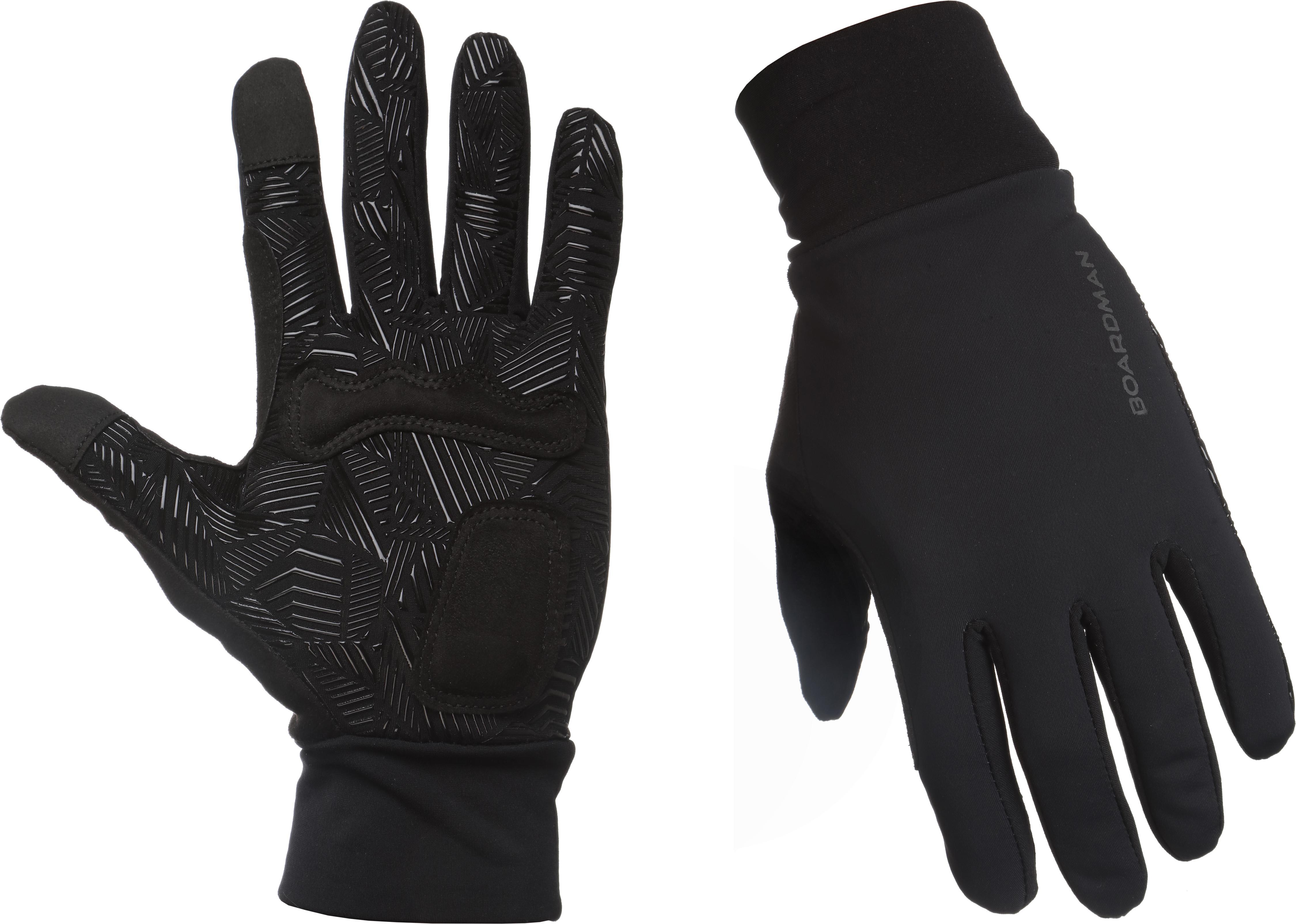
Start with why you want gloves. If your palms slip in summer heat, you need grip. If the bars bother you with pressure, you need a different feature. On a wooded trail, finger coverage often matters more than either.
A lightweight mountain bike glove can feel fine on road bars, and some road riders prefer full fingers.
| Ride or conditions | Consider | What to look for | Skip it if |
|---|---|---|---|
| Hot road rides | Fingerless or light full-finger gloves | Ventilation and secure grip | The palm slips or folds against the bar |
| Mountain biking | Lightweight full-finger gloves | Finger coverage and control | The fabric restricts finger movement |
| Gravel and rough roads | Either finger style, with the padding you prefer | Stable palm contact on uneven surfaces | The padding creates a pressure ridge |
| Everyday commuting | Coverage that suits the route and weather | Dexterity and a comfortable grip | The cuff or palm interferes with control |
| Cold or wet outings | Gloves with stated weather features | Insulation or weather protection to match the ride | A thin summer glove sold on finger coverage alone |
If your bare hands are comfortable on easy rides, you can skip specialist gloves.
Fingerless or full-finger gloves?
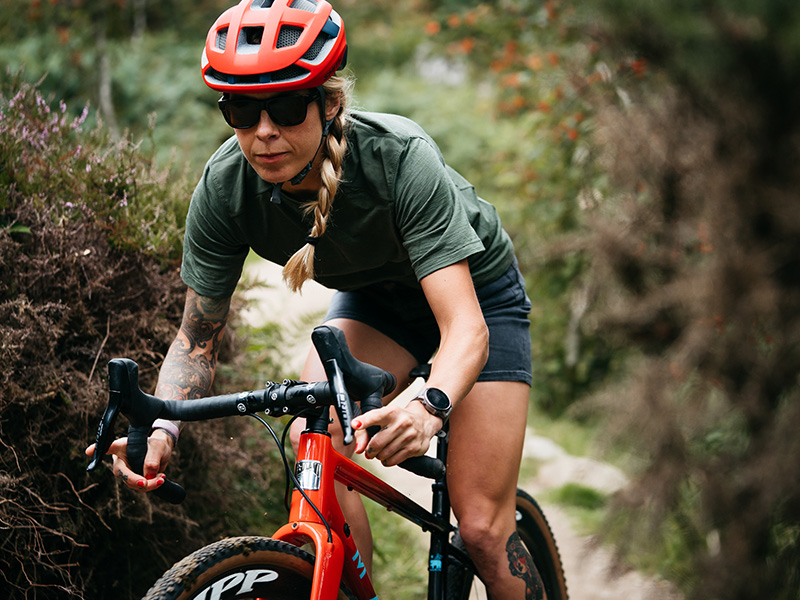
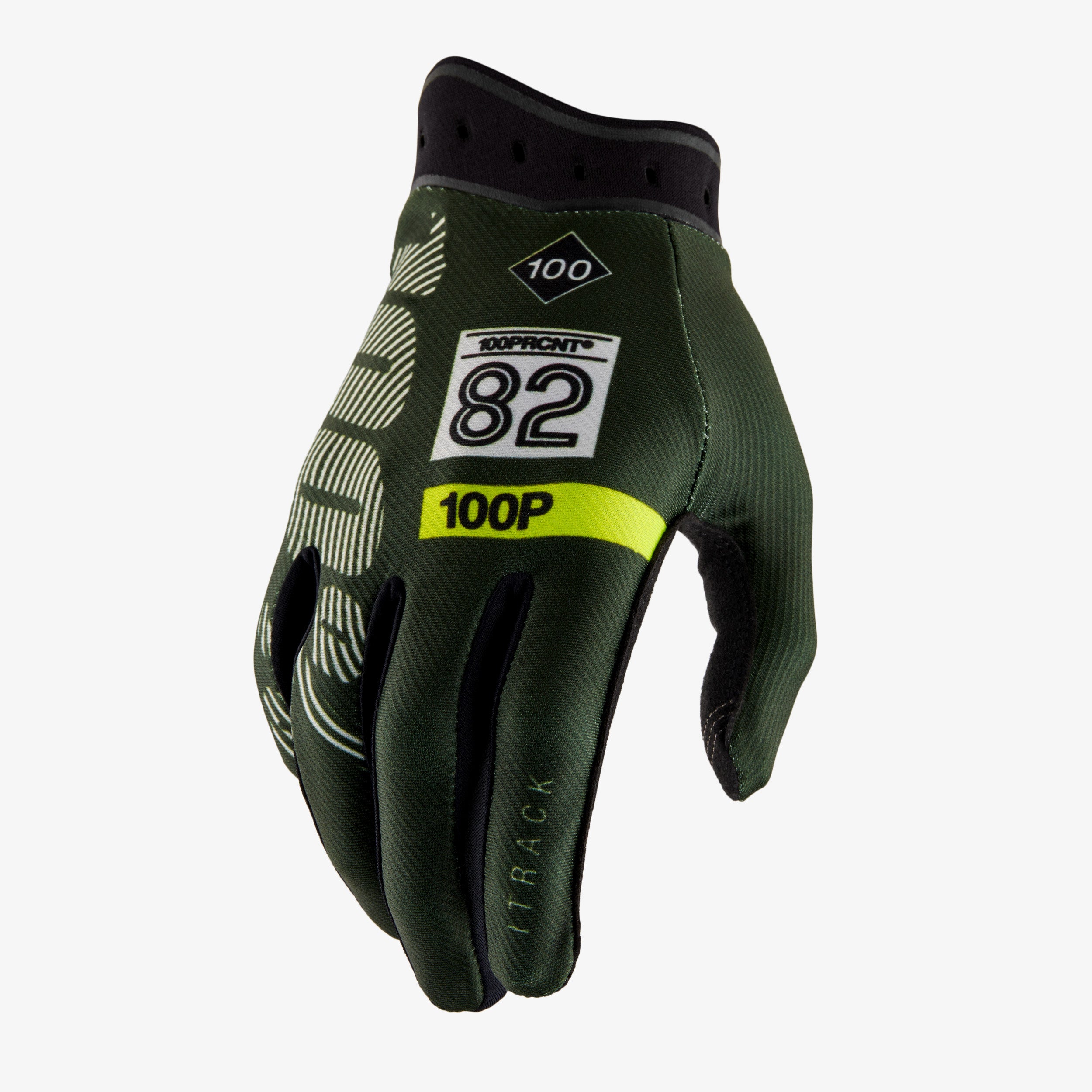
Fingerless gloves suit hot rides. Your fingertips stay free and air reaches your hands. Full-finger gloves cover more skin, which some trail riders want around branches and rough surfaces. A thin summer full-finger glove and an insulated winter glove are different products, because coverage says little about warmth or weather resistance. Neither cut guarantees crash protection.
How to measure your hands and choose a size
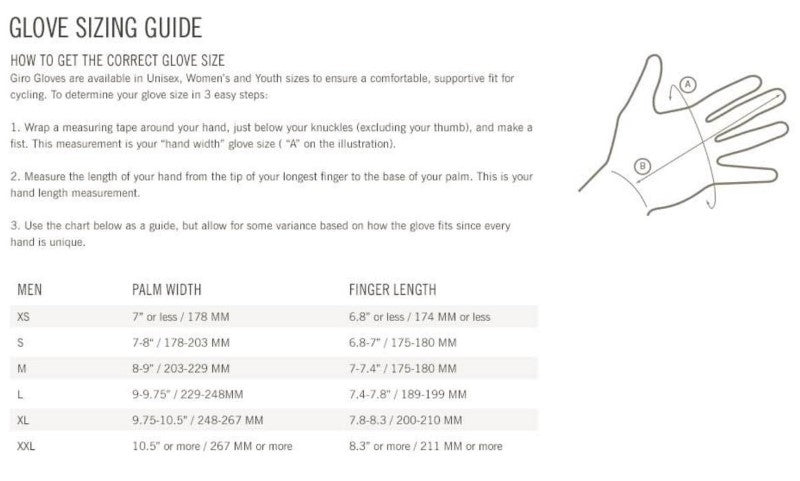
A Medium fits differently from one brand to the next. Measure your hand using the chart for the glove you plan to buy, including hand length when the maker lists it.
Wrap a flexible tape around your palm as the brand’s diagram shows. For hand length, measure from the tip of your longest finger to the base of the palm at the wrist. Write down both numbers before you compare size letters.
Giro’s glove size guide labels its wrap-around palm measurement “Hand Width” and tells you to take the tape around the widest part of the palm. It also lists hand length. PEARL iZUMi’s size guide uses the label “palm girth” for a measurement around the fullest part of the palm.
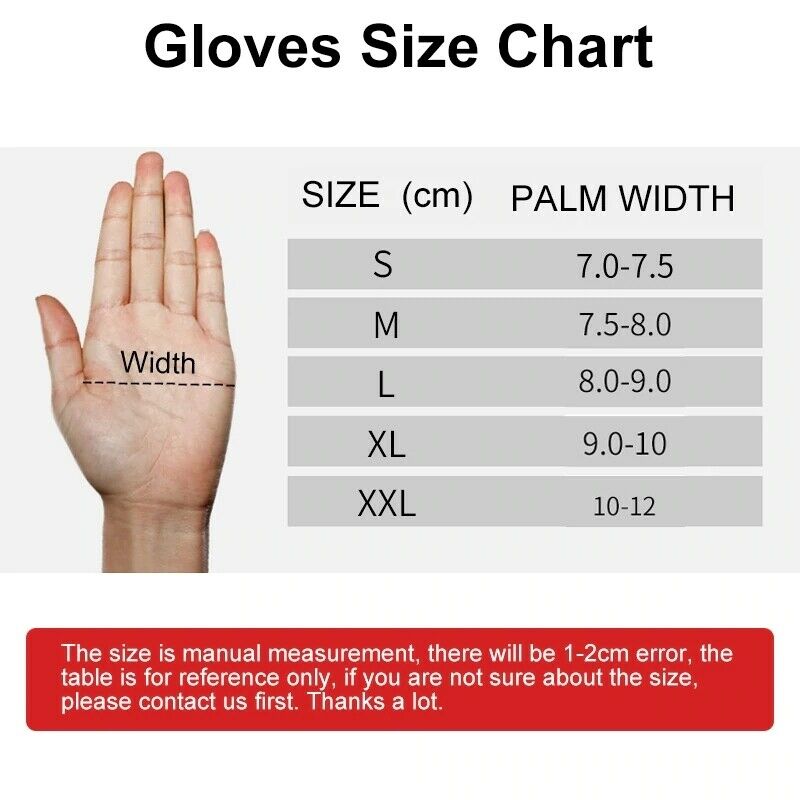
| Brand and women’s size | Maker’s measurement label | Published palm range | Published hand length |
|---|---|---|---|
| Giro Medium | “Hand Width,” measured around palm | 6.7 to 7.4 in (170 to 189 mm) | 6.7 to 7.2 in (170 to 183 mm) |
| PEARL iZUMi Small | Palm girth | 6.5 to 7.3 in | Not given in the cited glove chart |
| PEARL iZUMi Medium | Palm girth | 7.3 to 8.0 in (18.5 to 20.5 cm) | Not given in the cited glove chart |
Follow each maker’s labels and diagrams. The two systems are separate and not interchangeable. PEARL iZUMi also sends shoppers considering unisex gloves to the men’s sizing column.
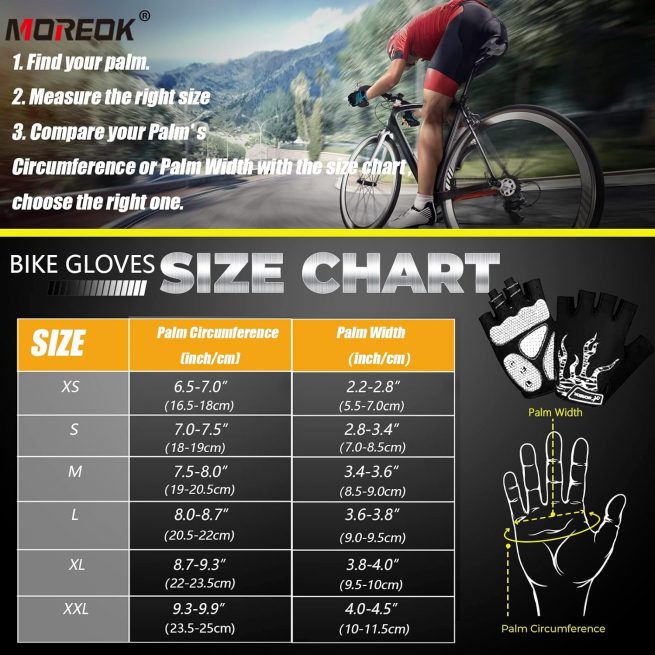
Proportions matter within a size too. One road rider with long hands and fingers but comparatively narrow palms found men’s sizing often too wide in the palm and too short in the fingers.
If your hands look like that, sizing up gives you finger length but leaves loose material under the palm. A different cut works better. Check women’s and unisex charts alike, and pick whichever matches your hand.
Test the fit on a stationary bike
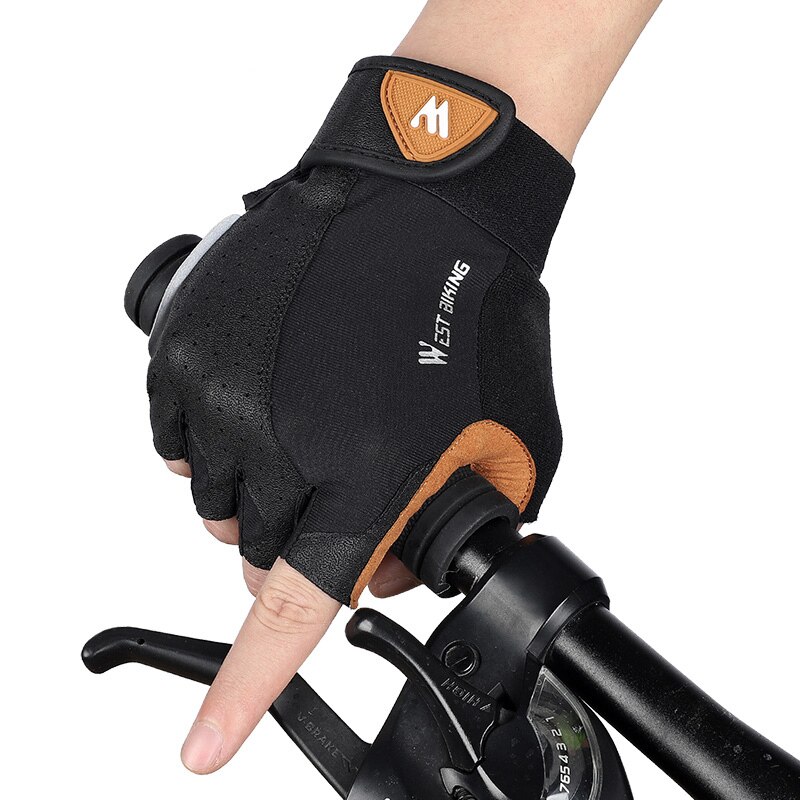
Try gloves with your hand wrapped around the bars. Fingers extended in a shop tell you little about pressure at the webbing, folds in the palm or reach to the controls.
One rider on r/ladycyclists learned this after three long rides: “They fit ok in the LBS when trying them on but they now give me a lot of problems after three long rides: middle finger numbness, tightness at the webbings, numbness along the exterior of the palm.”
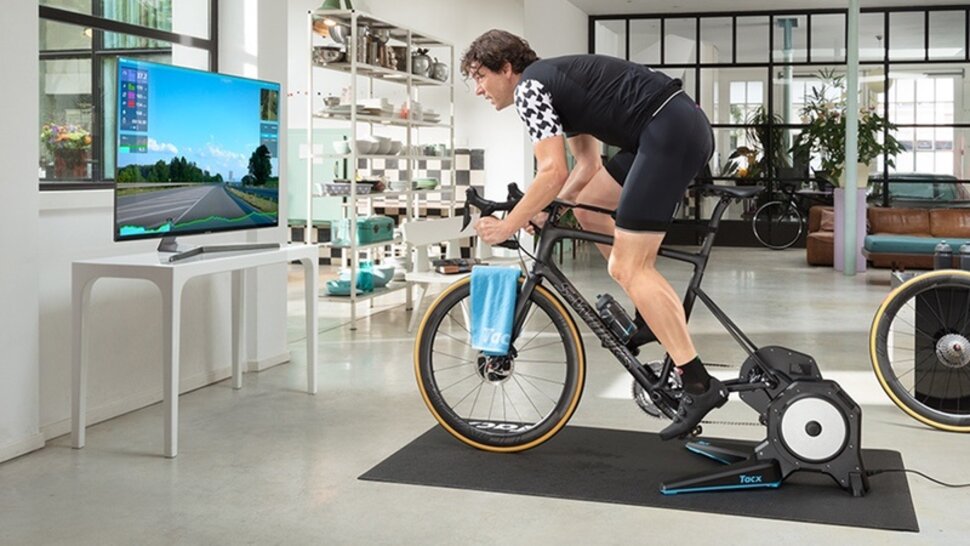
Put the gloves on while your bike is stationary. Hold the grips or drop-bar positions you normally use and run through these checks.
- Finger webs and knuckles: Curl your fingers around the bar. The glove should follow the movement without pulling tight between the fingers or across the knuckles.
- Palm surface: Feel for large folds, twisted seams or loose fabric trapped under your grip.
- Thumb and fingertips: Reach for the controls. No seam or tight finger section should limit the movement.
- Cuff: It should hold securely without a tight band around the wrist.
- Brakes and shifters: Work both through their normal travel. Return any pair that gets in the way of either.
Gel, foam or no padding: what changes?
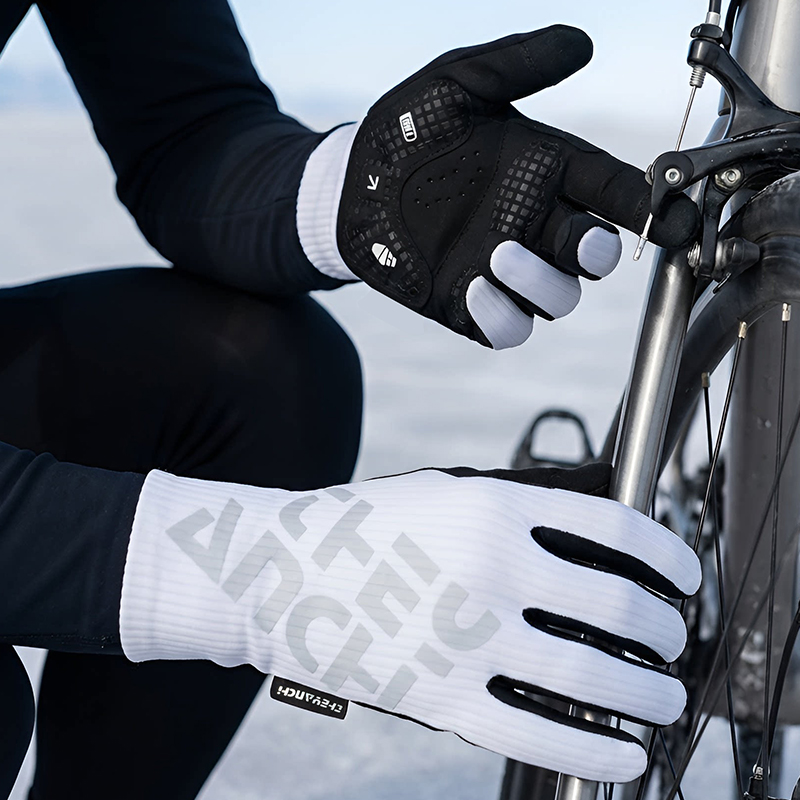
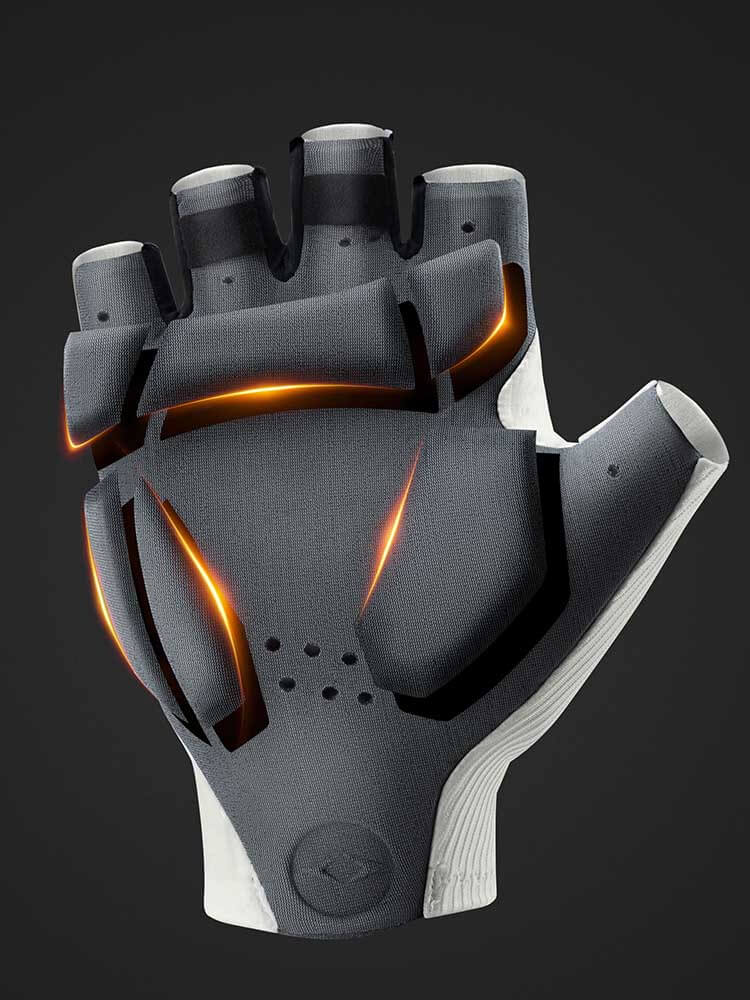
Foam and gel labels don’t tell you where a model puts its cushioning, so check where the pad sits against your palm. A thick insert away from your main contact point feels different from a thinner pad directly under it. Loose padding can also form a ridge as your palm settles onto the bars.
| Palm construction | Reason to pick it | Skip it if |
|---|---|---|
| Foam padding | Cushioning without much bulk | Pad edges or position press against an uncomfortable spot |
| Gel padding | A different cushioning feel at the contact area | A bulky insert changes grip feel or concentrates pressure |
| Little or no padding | Closer contact with the bars, with coverage and grip | You want more cushioning |
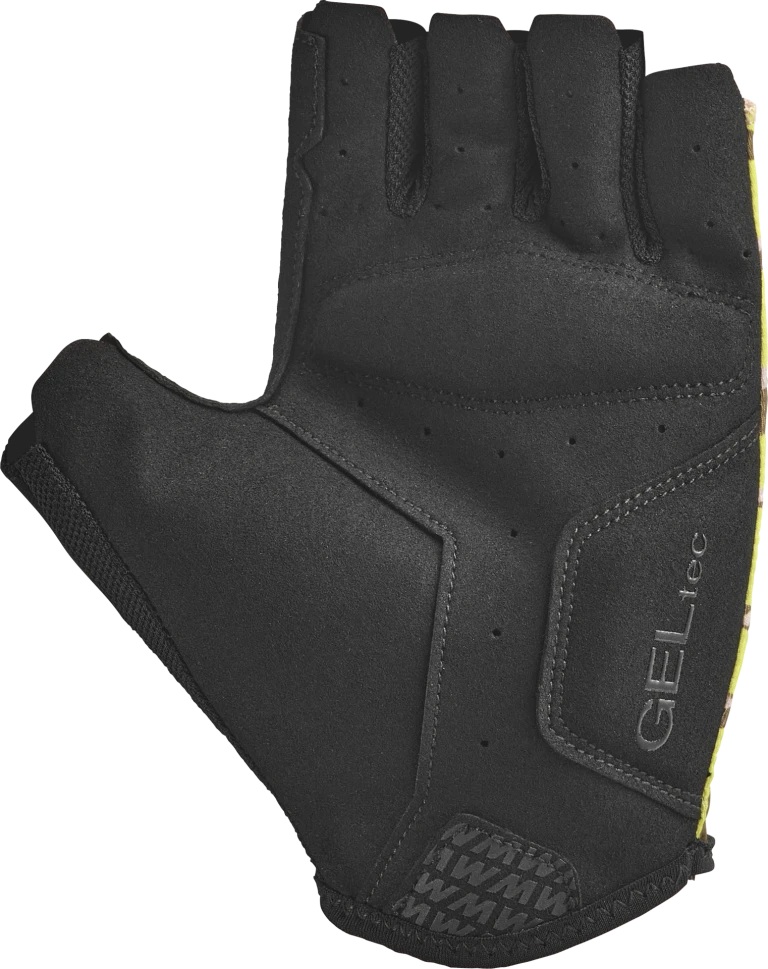
A 2011 study by Slane and colleagues in Clinical Biomechanics examined 36 experienced cyclists on a stationary bicycle. The researchers compared bare hands, unpadded gloves, foam and gel padding across the tops, hoods and drops of road handlebars.
Without gloves, average peak pressure over the hypothenar region, the fleshy heel of the palm near the little finger, ranged from 134 to 165 kilopascals. Padded gloves reduced measured peak pressure by 10% to 28%. Thin foam did slightly better in that protocol, and pressure was greatest in the drops. These were laboratory readings on drop handlebars. They do not show that gloves prevent nerve injury or that foam works best in every glove.
Grip, breathability and closures
If your hands get slippery in the heat, grip becomes the deciding feature. One cyclist described the first hot, humid New England rides of the summer as leaving remarkably sweaty, slippery hands.
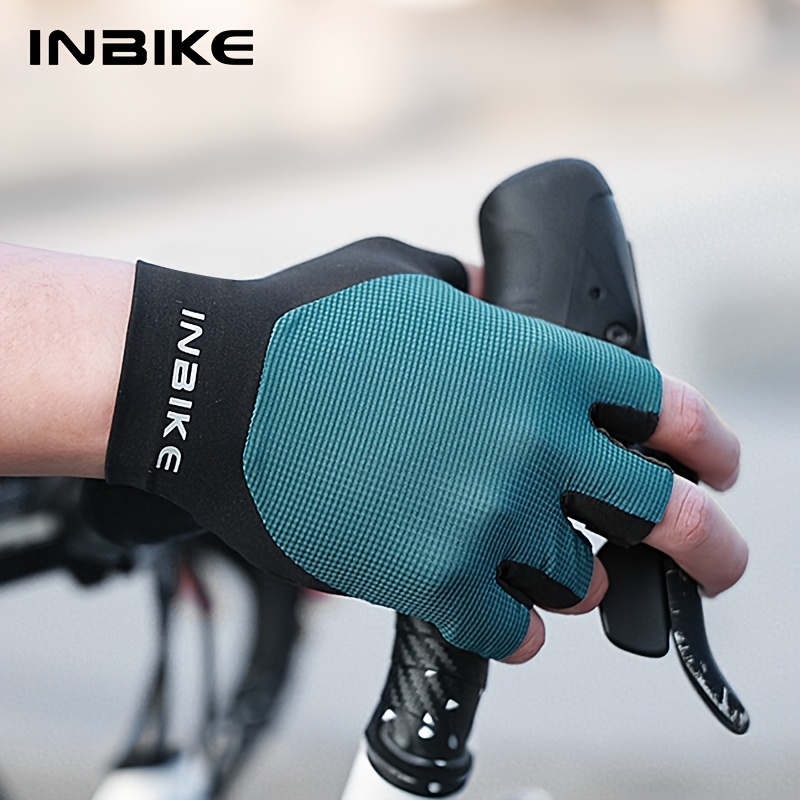
Look at the fabric on the back of the glove, the texture of the palm and the seams that touch your skin. Mesh or a light back panel suits hot weather. The palm material should feel secure on the bars, with no uncomfortable stitching where you grip. Terry, for example, describes its Full Finger Cycling T-Gloves as having a synthetic palm and layered padding.
Cuffs differ too. An adjustable fastening lets you set the wrist tension. A pull-on cuff has no hardware and relies on the cut of the opening.
Rain protection depends on the exact model, so read its material and weather claims, the washing instructions and the seller’s return terms before you buy.
Can cycling gloves help with numb hands?
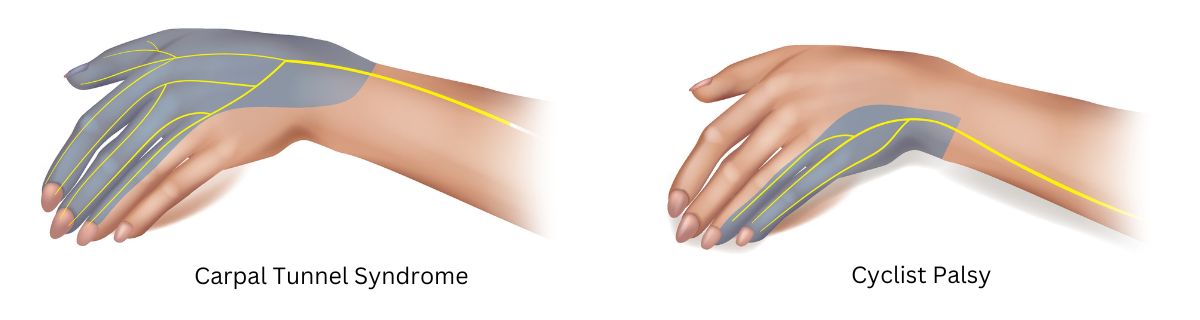
Padding changes pressure on your palm, but recurring numbness often comes from how your weight rests on the handlebars and how the bicycle fits you.
A rider concerned about ring-finger numbness had been told gloves might help with the pressure of the handlebar on the hand.
The clinical review Ulnar Neuropathy in Cyclists considers prolonged hand loading, bicycle position and padded gloves.
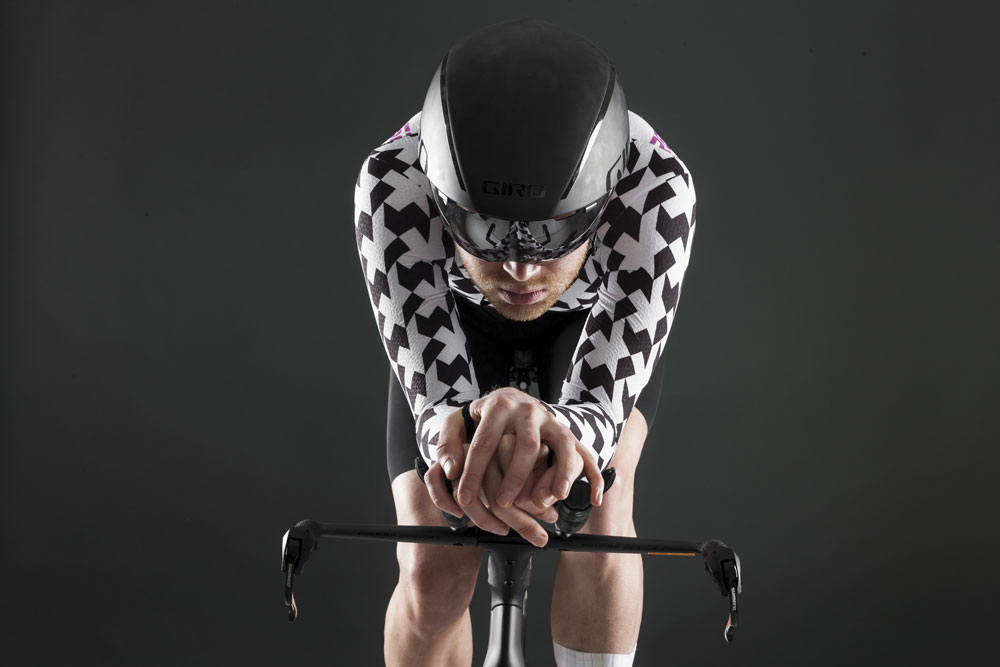
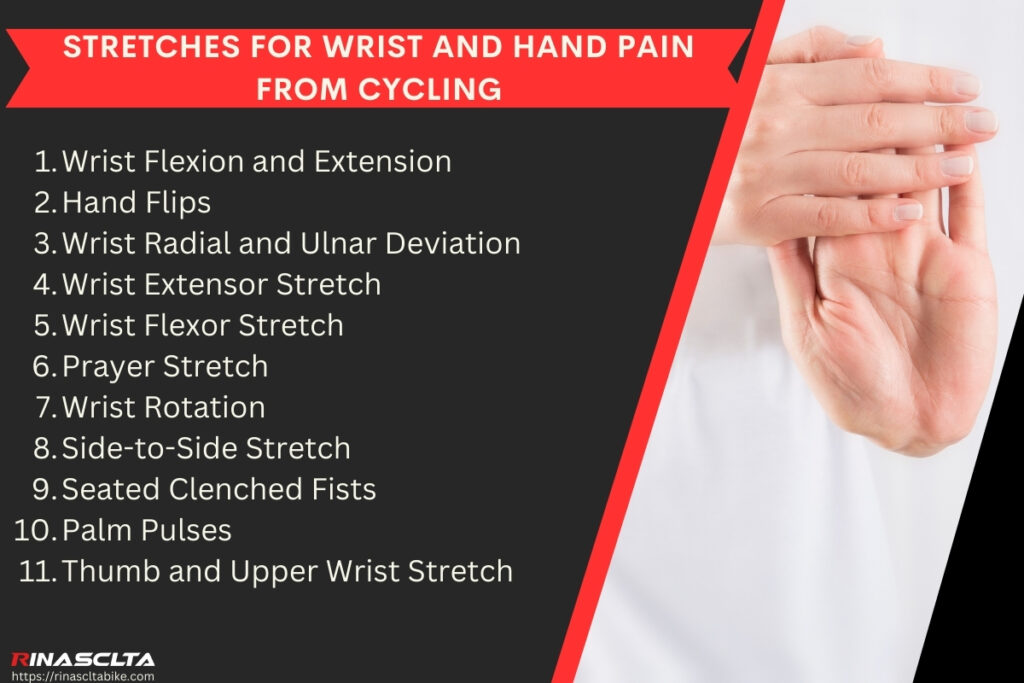
Changing your hand position can shift pressure without fixing the cause of tingling. Persistent or progressive numbness needs a healthcare assessment to find the cause and check other sites of nerve compression. See a professional too if numbness shows up away from the bike or comes with weakness. A qualified bike fitter can review your position and hand loading separately.
What to do before you keep a pair
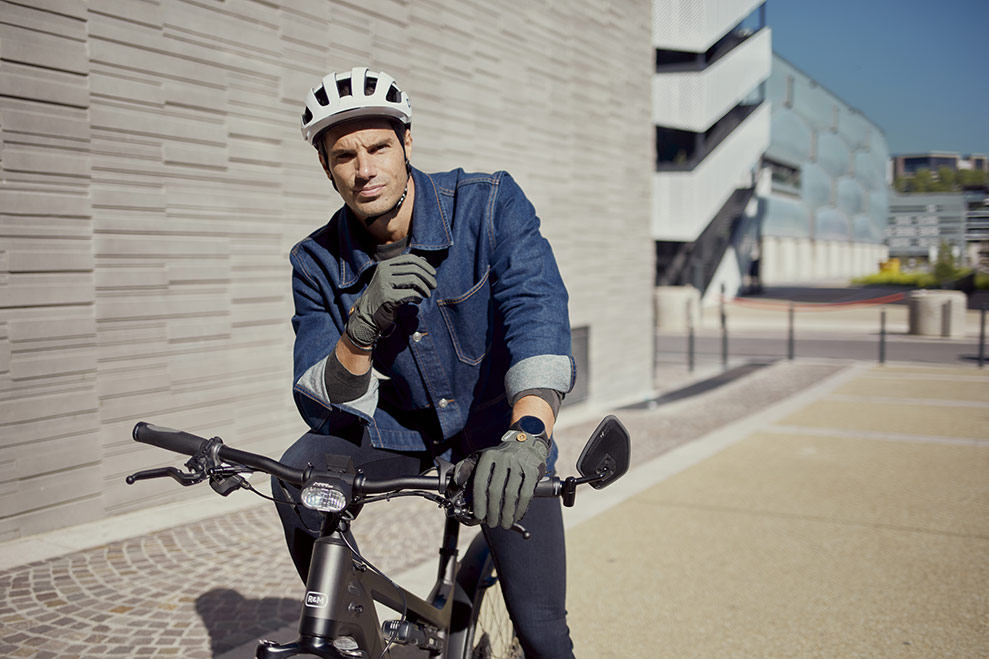
A glove that feels fine in the shop can still cause trouble after a few long rides, so read the return terms before you buy. If the padding sits in the wrong place, the cut pinches or the materials don’t suit the weather, return it and try another design. Numbness that keeps coming back is a job for a doctor and a bike fitter, and a thicker pad won’t solve it.