For a bike you leave unattended, buy an independently rated U-lock, chain, or folding lock that closes around your frame and a secure anchor, and that you’ll actually carry. Confirm the rating of the exact model and try the setup on your bike before you buy. Drop any size or design that can’t tie the frame to the anchor.
Start with where you park your bike
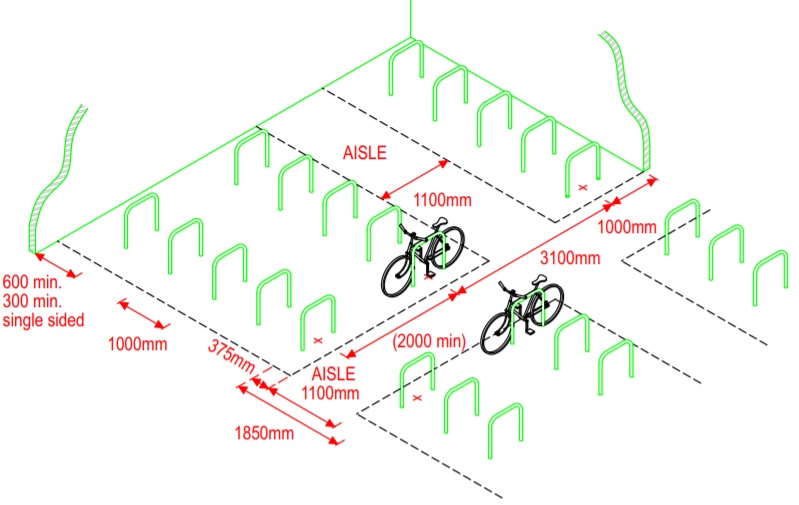
Where your bike sits unattended decides what you need from a lock. Picture your usual stops: a café halfway through a ride, a grocery store with an unfamiliar rack, a campus where the bike stays outside all afternoon.
Even a quick stop leaves the bike alone. No number of minutes makes it safe to skip the lock. Along with how long you’ll be gone, what counts is what the bike costs to replace and how good the parking is.
| Parking situation | Main concern | What the lock needs to accommodate |
|---|---|---|
| Café or bathroom stop | Bike left alone during a recreational ride | A primary lock you carry with you that reaches a fixed rack |
| Shopping or errands | A different rack shape at each stop | Enough reach and a solid attachment point |
| Work or campus | Hours out of your sight | A properly rated primary lock. Take removable parts with you. |
| Overnight or shared storage | Long exposure and other people’s access | Restricted access, a stable anchor, and a lock suited to the location |
At a grocery store, the rack may decide where you leave the bike. On a regular workday, the longer time away justifies giving security more weight.
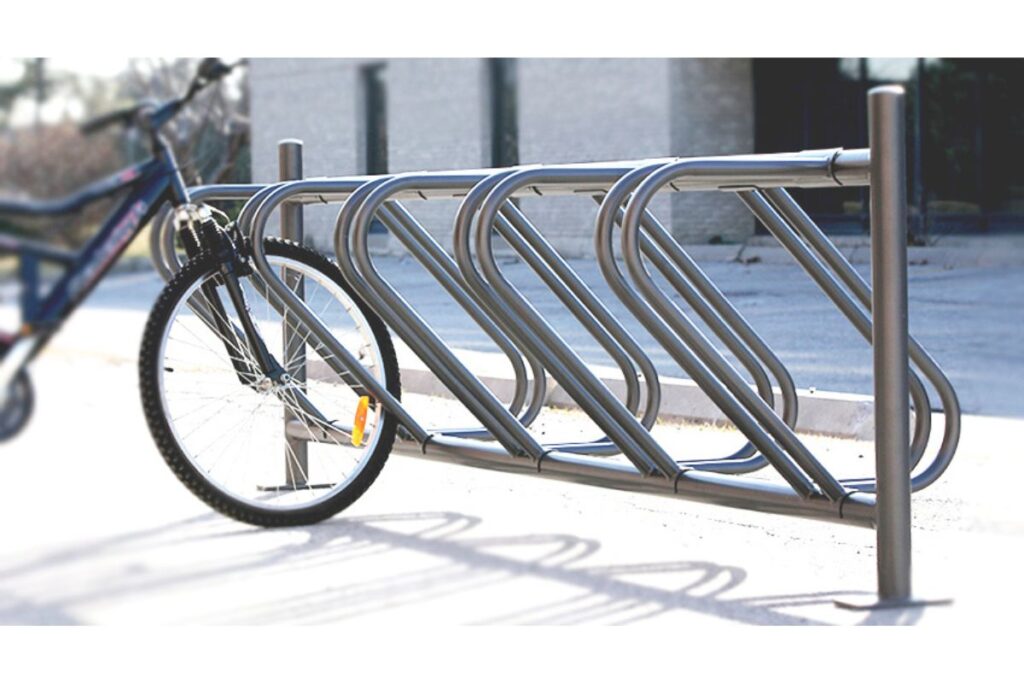
Work out where you park most often and whether a firmly installed, permitted rack is there. REI’s lock-selection guidance treats location, duration, bike value, and daily use as linked factors.
U-lock, chain, folding lock, cable, or frame lock?
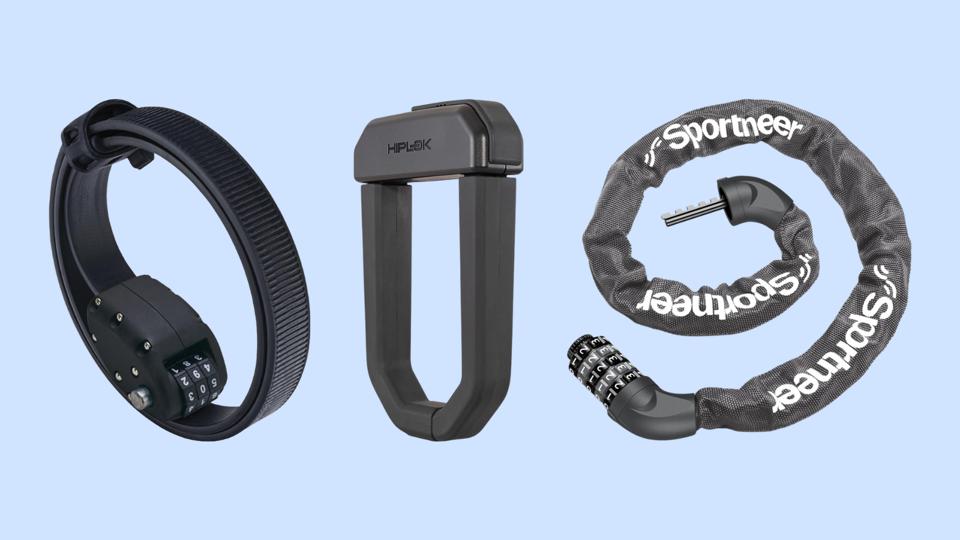
A U-lock, a substantial chain, or an independently rated folding lock can serve as your primary lock. Choose the format by what you need to lock to, how much space you have, and how you’ll carry it.
A U-lock, called a D-lock in some countries, closes a rigid metal shackle into a locking body. A chain uses linked sections with a compatible lock. A folding lock joins rigid sections at hinged joints. Security varies by exact model and construction.
| Lock type | Useful feature | Trade-off | Suitable role |
|---|---|---|---|
| U-lock | Rigid, with highly rated models available | The fixed opening limits which frames and racks it fits around | Primary |
| Chain | Reaches around many different fixed objects | Substantial chains can be heavy to carry | Primary |
| Folding lock | Compact, with alternative mounting options | Reach and security depend on the model | Primary, if appropriately rated |
| Cable lock | Light and flexible | Weak as the only lock when a theft would cost you | Supplementary |
| Frame or ring lock | Immobilizes the wheel conveniently | Without an anchored connection, the bike can still be carried away | Supplementary, or part of a compatible anchored system |
A narrow U-lock suits a compact, securely installed rack. A chain reaches awkward fixtures if you can handle its weight. A folding lock gives you another way to carry it, and its exact rating decides whether it belongs on your primary-lock shortlist.
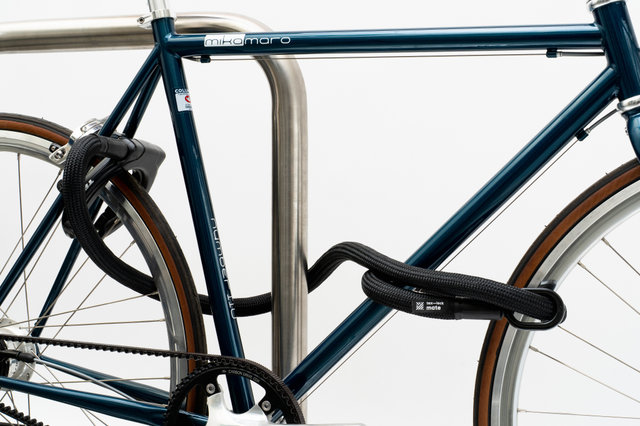
The Portland Police Bureau recommends a substantial primary lock and treats cables as secondary protection. A light cable in your bag can hold a removable component, but it’s a poor sole lock for a bike left unattended where theft would hurt.
A standalone frame lock immobilizes a wheel. Some compatible systems accept an extra chain that connects the bike to a fixed object. That anchored connection is what makes the setup suitable for leaving the bike.
What does a bike lock security rating mean?
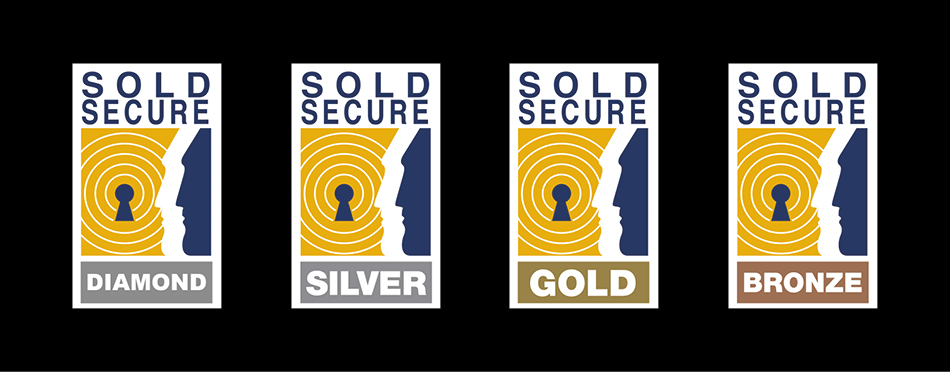
Independent ratings let you compare tested lock resistance instead of trusting labels like “heavy duty.” Sold Secure grades products under defined testing programs, including a Pedal Cycle category for conventional bicycles.
In the Pedal Cycle program, grades run from Diamond down to Gold, Silver, and Bronze. Diamond is the top grade. A grade reflects test results, not a guarantee against theft in every parking situation.
A certification belongs to one product. A store page may show a badge next to a familiar lock name, but the approved record must match the manufacturer, model, version, and security category. Similar-looking locks can carry different certifications. Check the exact lock on the Sold Secure Pedal Cycle ratings and approved-product information.
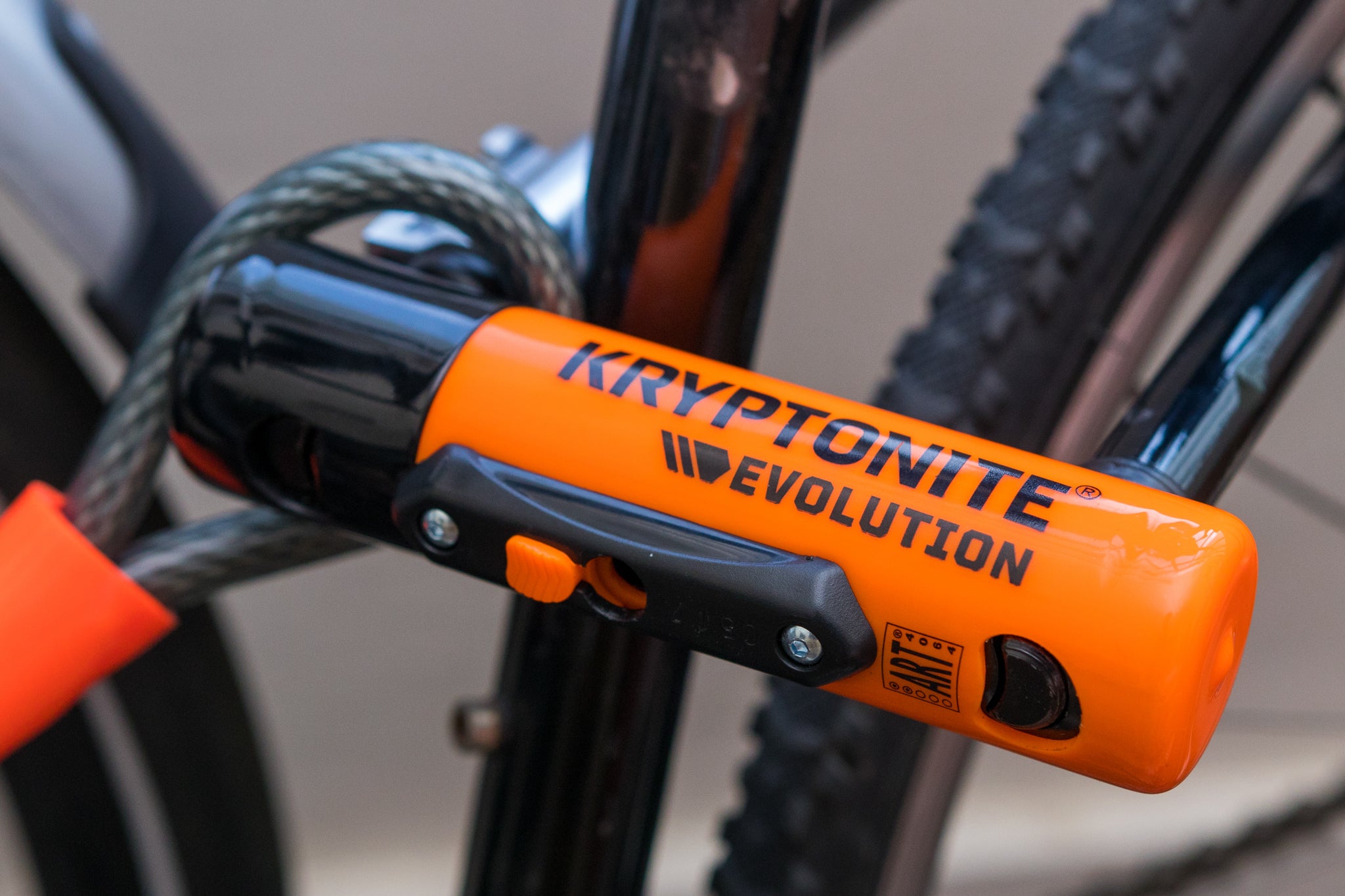
Pedal cycle and powered cycle ratings
Sold Secure also runs a separate Powered Cycle classification. By the organization’s own correspondence, Pedal Cycle Diamond aligns with Powered Cycle Gold. Powered Cycle Diamond is a higher grade within the powered category. Keep each label tied to its own test specification.
For an e-bike, Sold Secure directs owners to its Powered Cycle rating guidance. Compare the full category and grade shown for the actual product.
Insurance conditions: If you rely on theft coverage, read your policy for any required lock classification, storage condition, and other restrictions, plus exclusions and deductibles. No nationwide lock grade applies to every US bicycle policy.
Will the lock fit your bike and the rack?
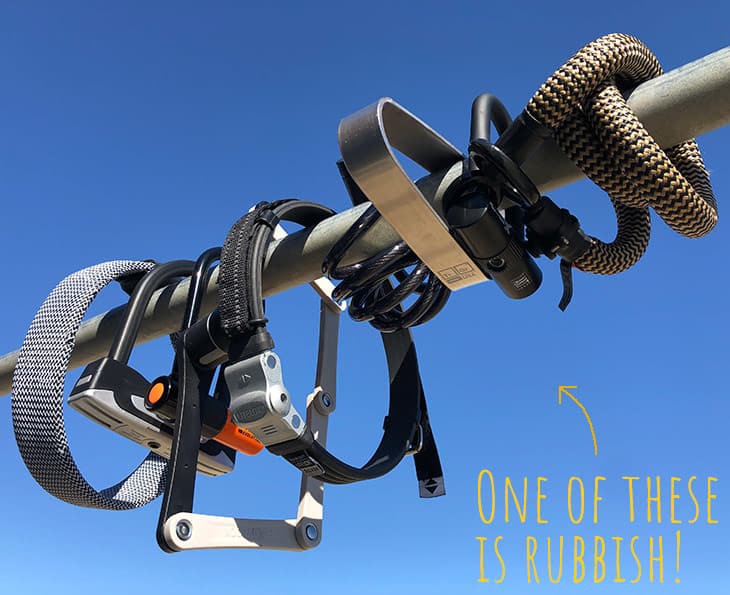
Before buying, check that the lock can close around your frame and the fixed rack you expect to use. For a U-lock, look at the interior dimensions, because the outside measurements include the shackle and housing.
A commuter in the Washington, DC area wrote on r/bikecommuting: “I can’t get it to enclose both my rear tire and frame and fit around a standard bike rack.” The rider described a U-lock opening of 3.25 inches by 7 inches.
Frame, wheel, rack thickness, and spacing set the opening your bike needs.
| Check | What to compare | Pass or fail condition |
|---|---|---|
| Inside width | Clear space between the shackle sides versus the parts that must sit side by side | Room for your frame and the rack parts |
| Usable inside length | Shackle reach versus the distance around your frame and anchor position | The lock closes without forcing the bike into an awkward position |
| Frame and anchor arrangement | Frame tube, rack tubing, the gap between them, and optionally the rear wheel | At minimum, the frame and rack fit inside one locked connection |
| Carrying-bracket clearance | Frame triangle, bottle cages, and the lock mount | Bracket and lock ride on the bike without interfering with it |
Start with the frame-to-rack arrangement.
How to test the configuration
Get the manufacturer’s internal shackle width and usable length, or the usable reach of a chain or folding lock. At your usual rack, compare that space with the parts you’ll enclose. The clearest test is a physical trial with your bike and the actual lock, before you buy or while you can still return it.
A small frame triangle can stop a carrying bracket from fitting even when the shackle reaches the rack. A wide frame tube or thick rack causes the opposite problem: you can carry the lock, but it won’t open wide enough at that parking spot.
Reject any size that can’t close around the frame and a suitable anchor.
Lock the frame to a fixed anchor
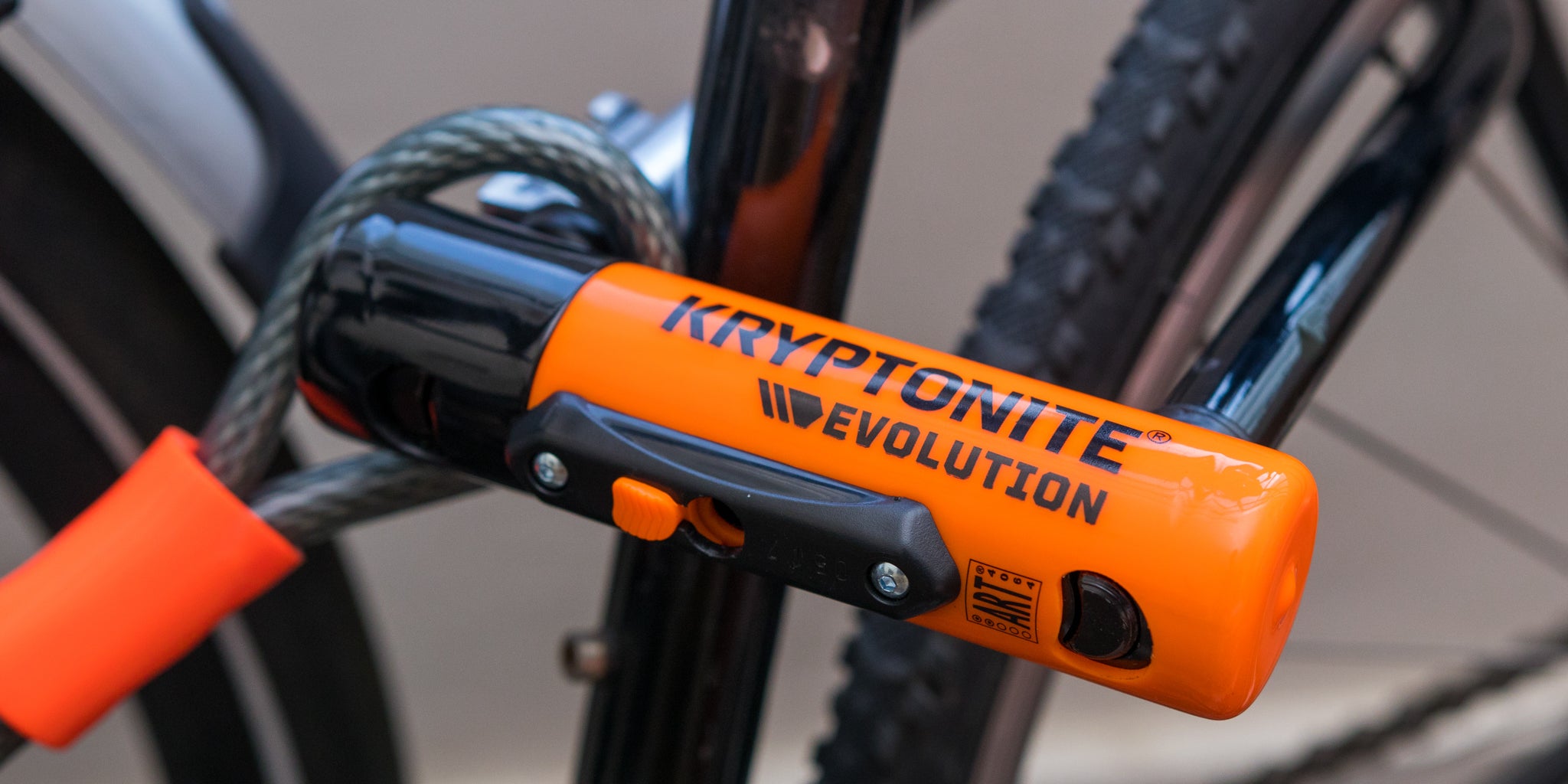
Lock the bike frame to a stable, fixed object you’re permitted to use. A lock around a detachable wheel can leave the rest of the bike free, even when the lock itself is substantial.
The Portland Police Bureau, Seattle Department of Transportation, and Western Washington University all build their theft-prevention guidance around frame-to-rack attachment. The rack must be firmly attached to the ground or a structure and suit your locking position.
- Assess the anchor. Pick a properly installed rack or another permitted, immovable point. A loose rack defeats the lock.
- Enclose the frame and rack. Run the primary lock through the frame and around the fixed anchor, then close it fully.
- Add the rear wheel if the geometry allows. Securing it with the same lock protects it without loosening the frame’s attachment.
- Keep it compact. Hold the lock snug against the bike and rack, with little empty space inside. Keep it low when you can, without resting it on the ground.
- Check the connection. Confirm the lock is fully closed and the frame is attached to the fixed object.
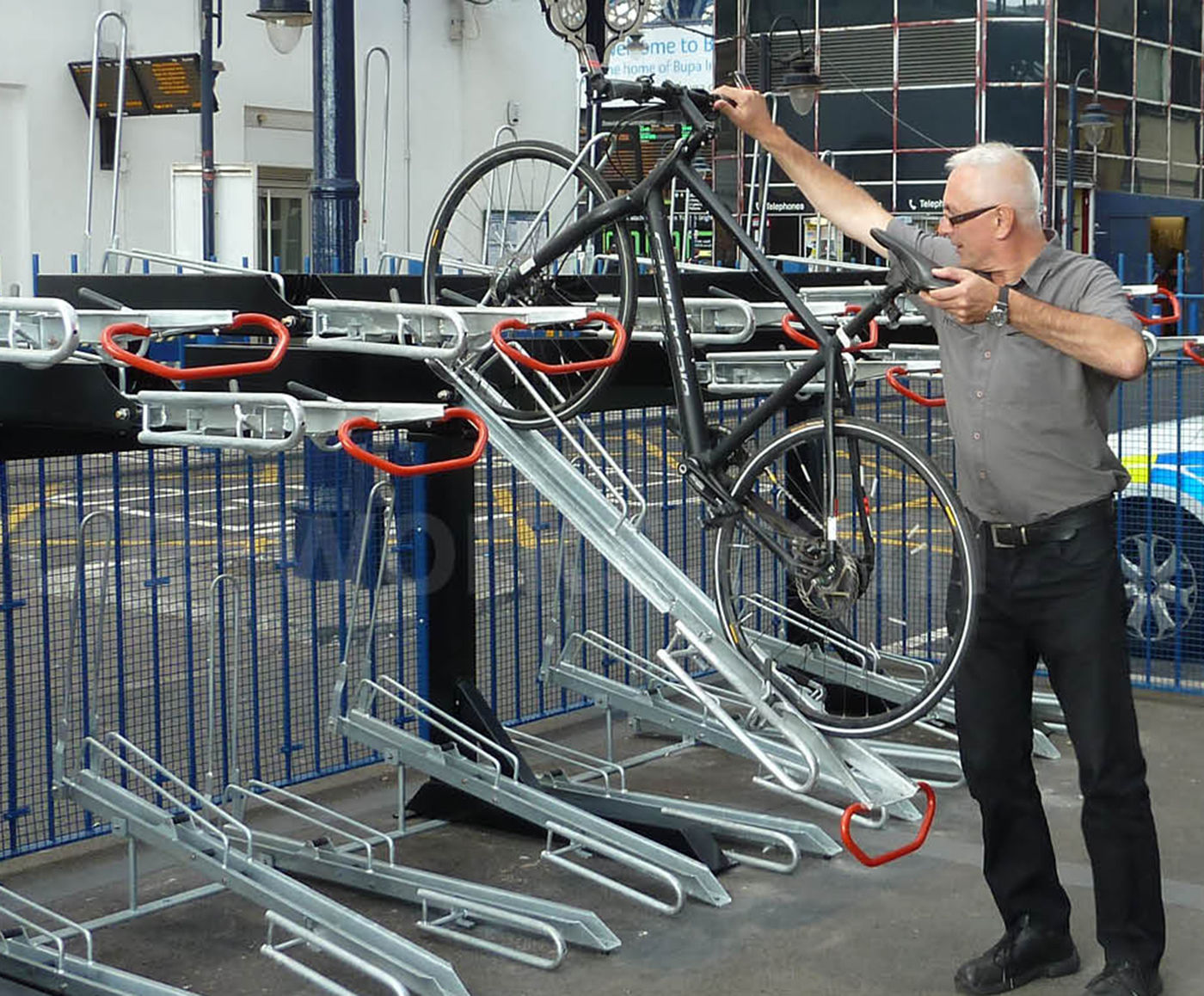
A quick-release wheel is a poor main attachment point. If the wheel comes off, a thief can take the frame and leave the locked wheel behind.
At a grocery store in southeast Denver, a rider on r/bikecommuting doubted the rack was suitable for a Velotric they valued at $2,000: “I’m definitely not strapping a $2000 Velotric to it now!”
Choose a lock you’ll carry
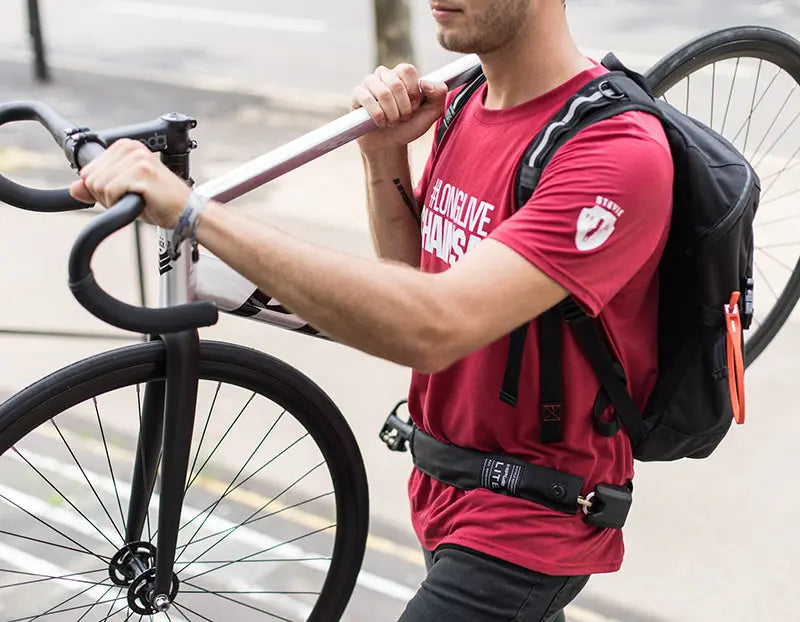
A primary lock needs a carrying setup that suits your usual rides. If you travel light and stop for coffee, the weight and bulk of a substantial U-lock can be a real obstacle.
One newer city cyclist asked how best to travel with a bike lock.
- Frame bracket: Keeps the lock on the bike if space and clearances allow. Bottle cages and compact frame triangles can block it.
- Pannier or suitable bag: Carries bulky hardware without a bracket, but you still haul the weight.
- Storage at a consistent destination: Suits a regular commute where you can leave the lock at a known parking spot. It doesn’t help at stops elsewhere.
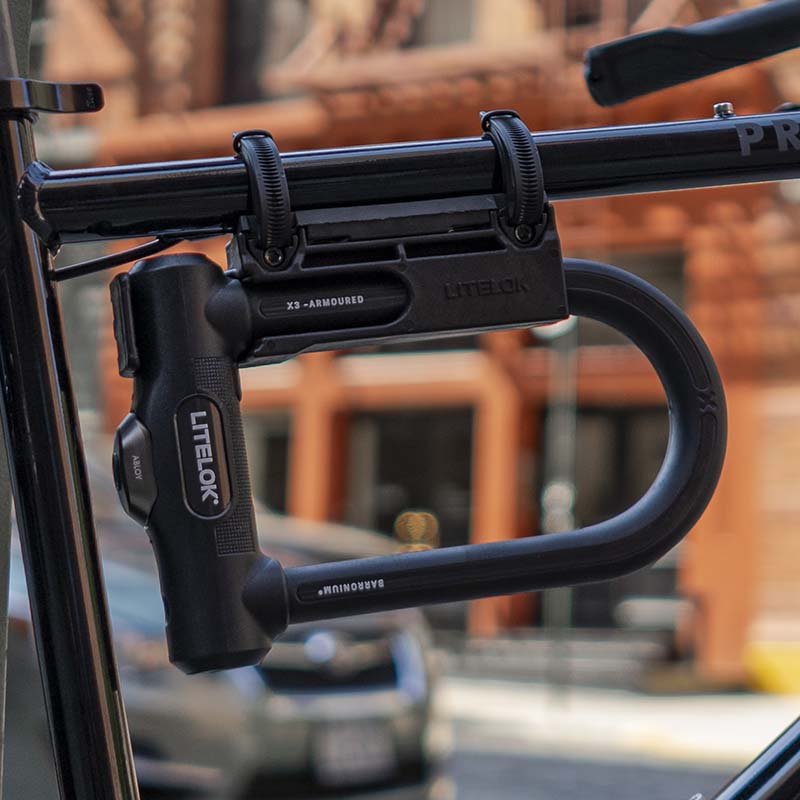
Check the product’s stated mass in pounds or ounces, and try the carrying setup with the rest of your gear. The lock should stay secure in transit and be easy to reach at the stop.
Weight shouldn’t pull you below the security you need. A lighter lock has to meet your parking situation’s requirements before carrying convenience decides.
When is a second lock worthwhile?
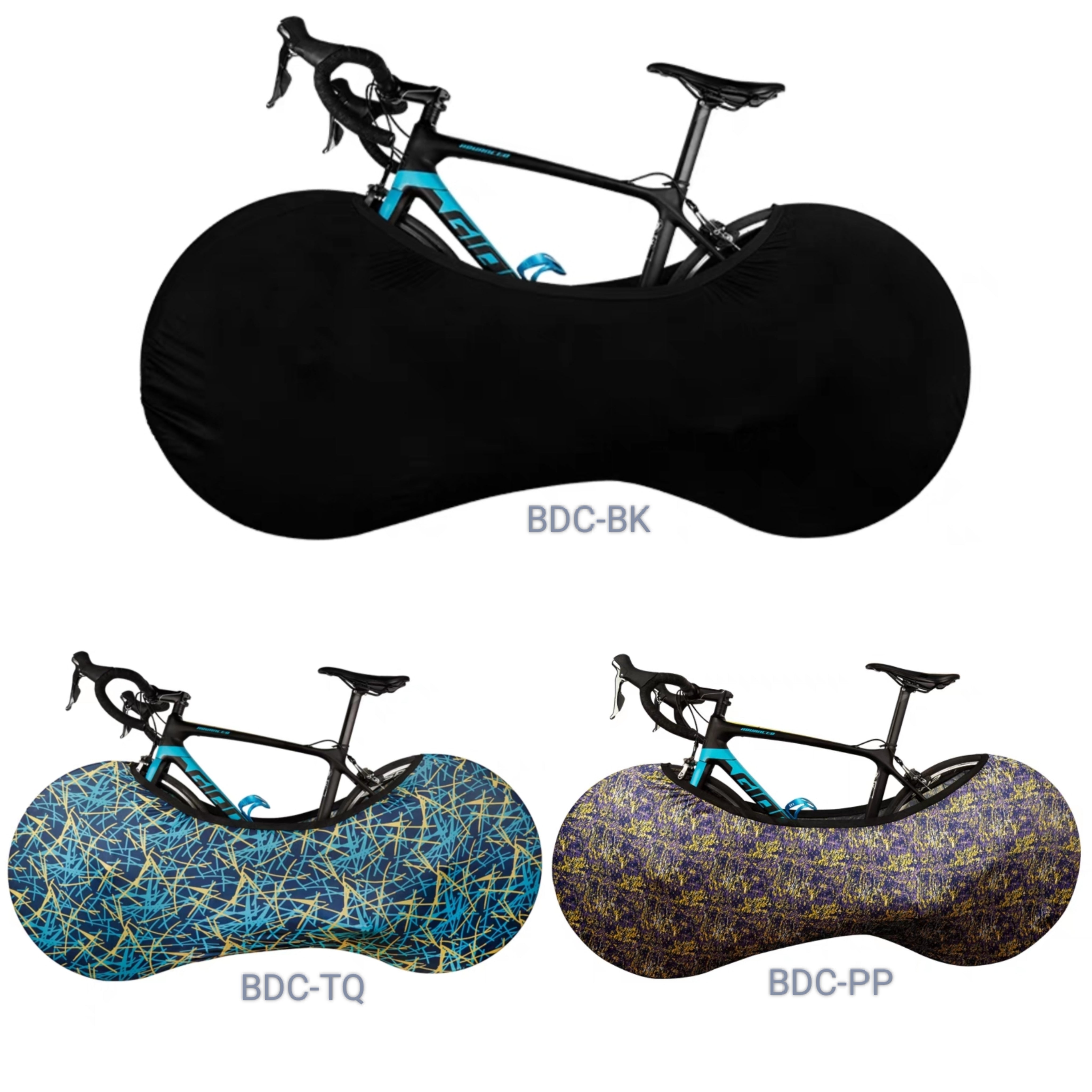
Consider a second lock when the primary leaves a removable wheel or other valuable part exposed. A U-lock through the frame and rear wheel can leave the front wheel outside the locked connection.
Seattle’s bicycle-security guidance recommends protecting the second wheel separately. Another suitable lock can do it, and a cable can add supplementary retention for some components.
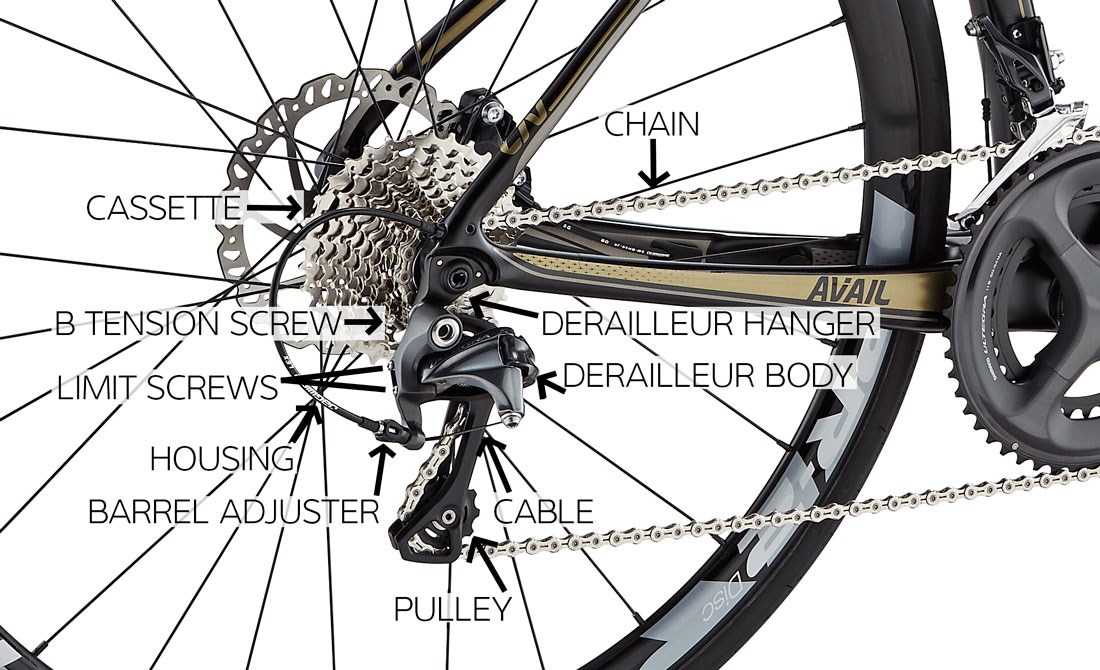
Once the primary lock is on, look at what can still come off. Decide whether to lock an exposed wheel separately, and take lights, bags, and other easy-to-remove accessories with you.
Extra hardware adds weight and another step at every stop. It pays off only when it covers parts your current setup leaves vulnerable.
What changes for overnight or shared parking?
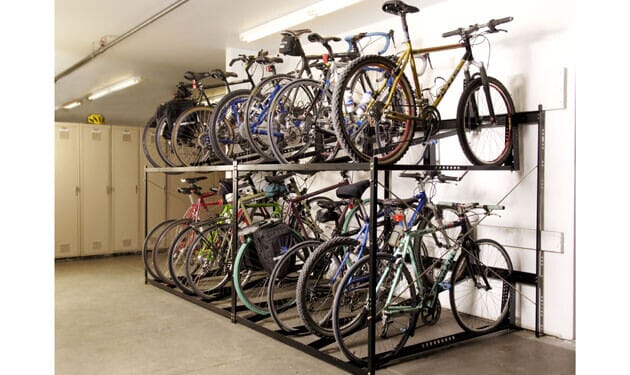
A bike outside all workday, one in a communal apartment room, and one in a private locked space face different access conditions. Shared indoor storage isn’t automatically secure. Other people may have access, and there may be no suitable fixed anchor. Compare the location’s access control, anchor stability, and time unattended. Choose a more controlled space where one is available and permitted. A costly bike can justify stronger precautions, but no universal price or parking-duration threshold sets a lock grade.
Keep records and consider a tracker
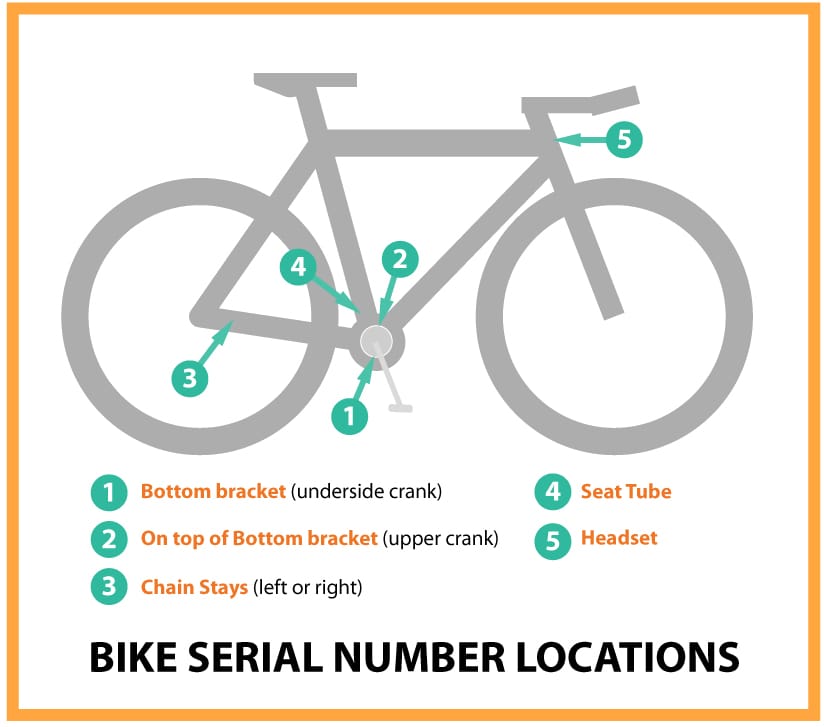
A good ownership record helps identify the bike if it goes missing. The Portland Police Bureau and Seattle Department of Transportation recommend keeping its serial number, photographs, and other identifying information.
- Serial number: Save it where you can reach it without the bike.
- Photos: Keep clear images of the whole bike and any distinctive features.
- Purchase record: Keep a receipt or other proof of ownership.
- Registration: Consider an established service such as Bike Index or Project 529, both named in Seattle’s bicycle-security guidance.
An item tracker can supply location information after a loss. Apple’s Find My documentation describes network-dependent location updates and, in some cases, a last-known location. A tracker can’t physically stop a theft, and neither tracking nor registration guarantees recovery.
Before you commit
A lock only protects the bike if you actually take it along, so try carrying it on your usual rides before you commit. Keep a record of your bike’s details, and consider a tracker if you park overnight or in shared parking.