Pick a road bike for mostly paved riding, a gravel bike for regular unpaved roads and mixed terrain, and a hybrid for flat bars, commuting and everyday use. If your routes fall between categories, an endurance road bike, a gravel bike or a fitness hybrid can each work. Let the specs and a test ride decide.
A bike path can run smooth for miles, then turn to crushed stone for a short stretch. That one change in surface is enough to make picking a bike confusing.
Road, gravel, and hybrid bikes overlap more than their names suggest. Work out where they differ, then check the specs of each bike on your list.
Road vs. Gravel vs. Hybrid bikes at a glance

Road bikes are built for paved roads. Gravel bikes are designed around mixed surfaces and unpaved exploration. Hybrids cover sporty fitness riding and relaxed transportation.
| Bike type | Best starting use | Typical setup | Main trade-off |
|---|---|---|---|
| Road | Paved fitness rides, longer road outings, and road-focused group riding | Usually drop bars; geometry ranges between endurance and race-oriented models, and tire capacity varies | Position, gearing, and tire clearance can limit you on rougher routes |
| Gravel | Regular mixes of pavement, gravel roads, and other unpaved routes | Usually drop bars, mixed-surface tires, terrain-oriented gearing, and often cargo mounts | Tires, position, and gearing can be a poor match for mostly road riding |
| Hybrid | Commuting, errands, recreational paths, and flat-bar fitness riding | Usually flat bars; sporty or comfort-focused, with varied tires and mounts | Distance, terrain, and riding-position goals vary a lot by model |
Two subtypes matter here. An endurance road bike often has a more accommodating riding position and greater tire clearance than a race-focused model. A fitness hybrid tends to feel more purposeful on longer, active rides than a comfort-oriented hybrid with a very upright posture.
Gravel bikes vary too. Some have drop bars and gearing for extended exploring. Others have flat bars.
Match the bike to the roads and trails you ride

Your regular surfaces come first. A short stretch of smooth crushed gravel makes different demands than miles of loose stone or broken, rutted tracks.
Good pavement favors a road bike if you want brisk fitness rides, steady road mileage, or a road-focused group. A flat-bar fitness hybrid is worth a try if you like its handlebar setup and handling.
Broken pavement and smooth, hard-packed gravel are where the categories overlap. REI’s gravel-bike guidance lists endurance road bikes among the options for mostly paved routes with occasional very smooth unpaved stretches. Tires and the clearance of the specific model matter most here.

Once loose gravel, washboard surfaces, and uneven unpaved roads become a regular part of your ride, a gravel bike is the stronger starting choice, with tires, gearing, and handling chosen for those conditions.
Compare two outings. On the first, you ride paved paths and cross a short, smooth gravel connector. On the second, most of the route is loose gravel with uneven climbing. Both count as mixed-surface riding. The first can work with an endurance road bike, a fitness hybrid, or a gravel bike. The second points to a gravel bike.
Traffic matters too. If busy roads put you off, choose the bike for the quieter routes you’ll actually ride.

For rocky, rooted technical singletrack, a mountain bike is the better choice.
Before you shop, list two or three routes you expect to ride. Note how much of each is paved, the roughest surface you ride regularly, the hills, and any gear you need to carry.
Handlebars and fit: choose a position you can use

Handlebar shape changes where you can put your hands, but the whole fit decides whether a bike feels comfortable and under control.
Most hybrids use flat bars. Many road and gravel bikes have drop bars, which give you several places to hold: the tops, the brake hoods, and the lower curved drops. You can spend much of a ride on the hoods, with the brakes and shifters within reach.
Flat bars feel familiar if you’re used to upright bikes. Other riders like changing hand positions on longer drop-bar rides. Pick the setup that works with your proportions and the riding you enjoy.
Look beyond the size label
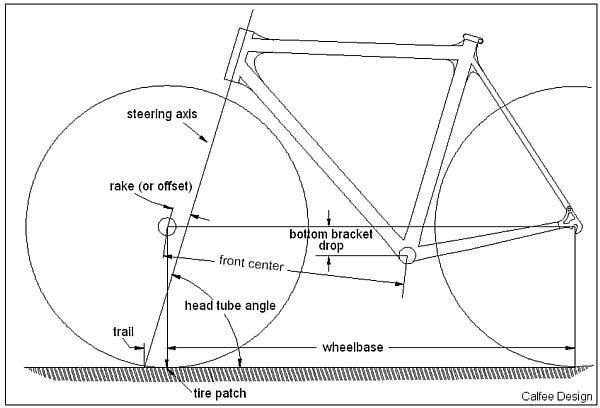
Frame geometry explains why two bikes labeled Small or XS can feel very different.
- Reach: A horizontal frame measurement that describes the bike’s length toward the handlebars.
- Stack: A vertical frame measurement of front-end height relative to the bottom bracket.
- Standover: The clearance when you stand over the bike, a useful check on smaller frames.
The stem, handlebars, saddle setup, and brake-lever placement shape the full position too. Reaching a lever comfortably matters as much as standing over the frame.
Liv’s fitting guidance treats height charts as a starting reference. The 2026 Liv Devote Advanced 0, for example, lists its XS size for riders about 150 to 163 cm (4 feet 11 inches to 5 feet 4 inches). That range applies to one model, and your own proportions still decide the fit.
Try the bike after it’s adjusted. Hold the handlebars in your normal riding position, turn the front wheel, work both brakes, and notice whether you feel stretched or cramped.
A bike you still can’t control or reach after setup should come off your list. A different model or size may fix the problem.
Check the specifications that define what a bike can do
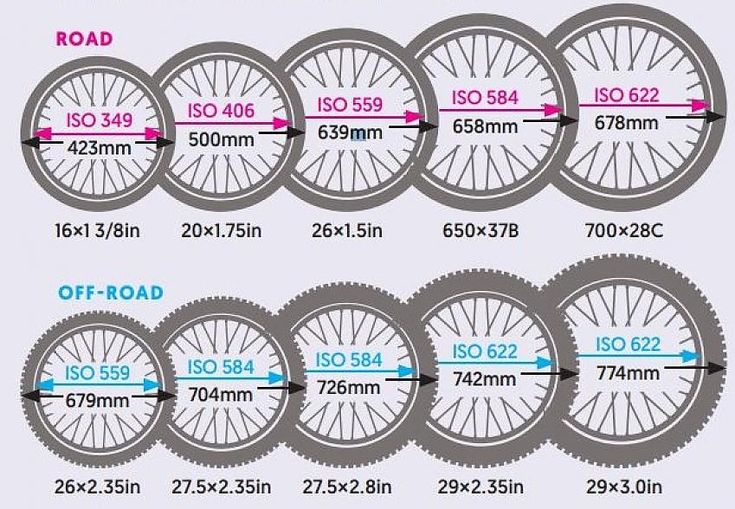
Category names describe intent. Frame clearance, installed tires, gearing, and component compatibility decide what a specific bike can do.
Start with the tires. The size fitted at the shop and the maximum size the manufacturer permits are two different numbers. A bike can arrive on tires narrower than its approved limit, or already close to it.
Three manufacturer examples
| Bicycle | Published equipment or specification | What it tells you |
|---|---|---|
| Trek Domane SL/SLR Gen 5 FAQ Endurance road |
Maximum 40 mm tires, measured with 4 mm tire-to-frame clearance; intended use includes light crushed gravel | Some endurance road bikes can take smooth unpaved connectors |
| Liv Devote Advanced 0 (2026) Gravel |
Crosscut Grip 45c tires and Shimano GRX RX-820 2×12; tire clearance depends on drivetrain and dropout position | Gravel bikes can have two front chainrings, and tire limits can depend on the configuration |
| Liv Thrive 2 (2027 model) Fitness hybrid |
Flat handlebars, Maxxis Re-Fuse 700×40c tires, Shimano CUES U4000 1×9, and mounts for practical accessories | A flat-bar fitness hybrid can pair wide tires with everyday utility |
The Devote shows why you need to check. Liv’s US specification lists up to 53 mm of clearance with the dropout in its long position and 45 mm in the short position. Liv’s UK specifications for the same model limit a 2× drivetrain to 45 mm even in the long position. Before you fit bigger tires to a 2× build, confirm the limits with Liv or a dealer.
Width, tread, pressure, and the surface
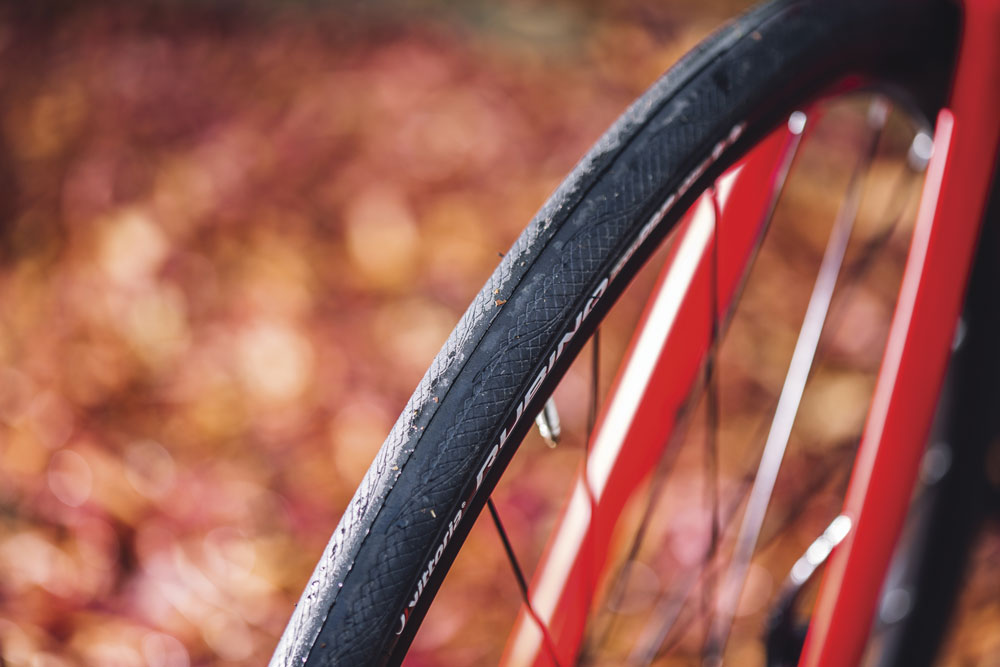
Wider tires help on rougher surfaces, but width alone doesn’t set rolling resistance, grip, or comfort. Construction, tread, inflation pressure, and the surface all play a part.
Schwalbe’s rolling-resistance guidance explains how these factors interact, including why pressure and surface matter when you compare tires.
If you expect regular gravel, look at the tire that comes installed and the alternatives the manufacturer lists. A smooth road tire and a treaded mixed-surface tire ride differently even at the same nominal width.
Gearing
A 1× drivetrain has one front chainring and a 2× drivetrain has two. Either works. The chainring and cassette combination sets your gears, including how easily you can keep pedaling up a climb.
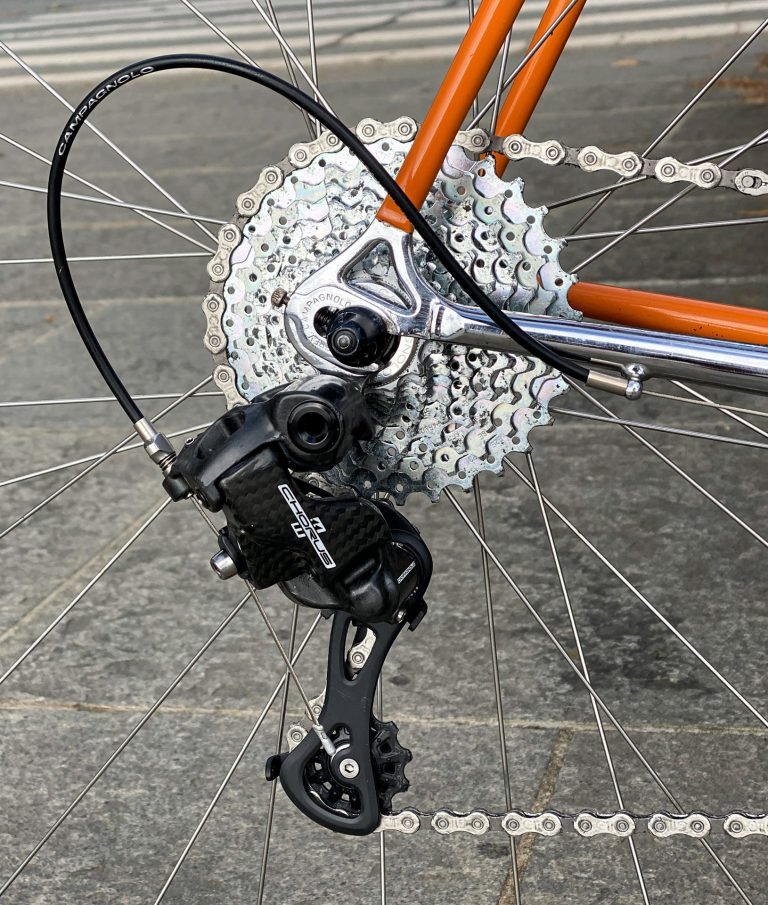
Read the published gearing specs against the hills on your usual routes. The number of chainrings only tells part of the story.
For any bike you’re seriously considering, write down the model year, installed tire size, maximum tire clearance, drivetrain, and mounts. Those details tell you more than the category label.
Commuting, cargo, and everyday use
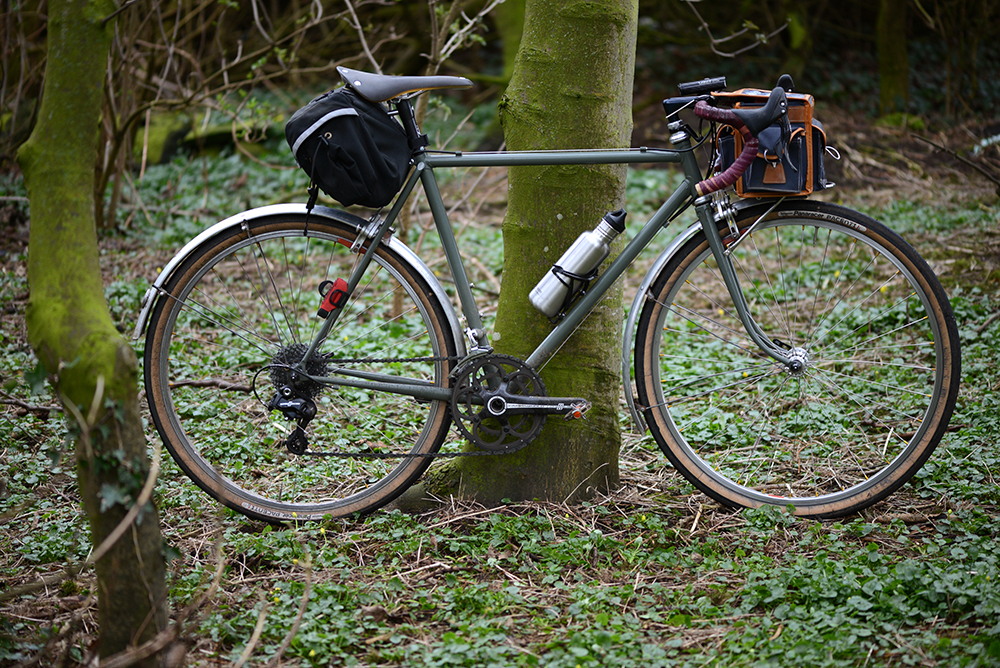
A hybrid is a natural starting point for errands, commuting, and practical trips, especially if you like flat handlebars. A sporty fitness hybrid covers both active rides and transportation.
Gravel bikes often come with useful cargo mounts, and some endurance road models take fenders and bags, so check the mounting points before you rule out a category. Frame mounts and the equipment fitted at the shop are separate things. Confirm the exact model and build before you assume an accessory fits.
Add the cost of racks, fenders, bags, tires, and maintenance to the price of the bike.
Where road, gravel, and hybrid bikes overlap
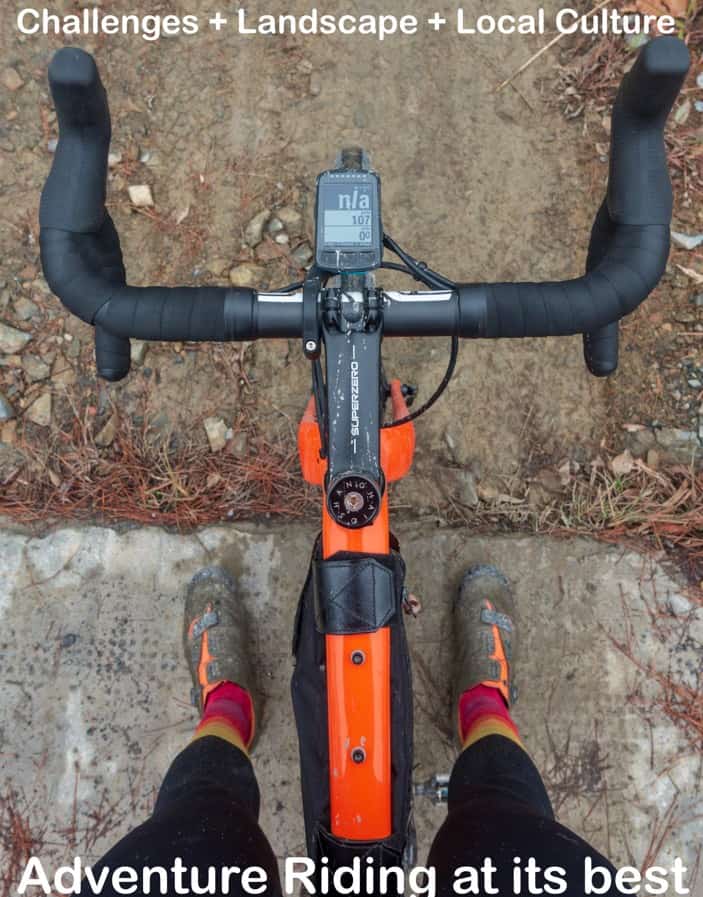
The closest decisions involve an endurance road bike, a versatile gravel bike, and a fitness hybrid whose tires and position already suit easy mixed surfaces.
If almost every ride follows pavement, an endurance road bike with enough clearance covers an occasional smooth gravel connector. A gravel bike becomes more compelling when loose or uneven unpaved stretches make up a meaningful part of your weekly riding.
When a gravel bike spends most of its time on pavement
Nothing is wrong with buying a gravel bike for mostly paved rides. Compare its position, tires, gearing, and handling with an endurance road bike that fits you equally well.
One cyclist considering a gravel bike for almost entirely road riding asked whether changing tires would give them the road experience they wanted. Tires can change. The frame geometry and handlebar arrangement stay.
If long road fitness sessions are your main goal, judge both bikes on that. If regular unpaved exploring matters, the gravel bike’s versatility can justify its compromises.

One bicycle with different tires or wheelsets
Some riders use a second wheelset to switch between road-oriented and gravel-oriented tires. It suits one bike that has to cover both kinds of riding, but the parts need to match. Check axle and hub standards, brake-rotor compatibility, cassette requirements, and whether each wheelset works with the bike’s frame and drivetrain. Add the cost of the extra wheels and the work of switching.
A recreational rider can often get by with one tire setup. Riders with specialized road and gravel needs may want separate wheels. Weigh the real compromises of the bikes on your list before you buy any.
Choosing for your experience, distance, and fit
A first-bike shopper on a budget faces a different decision than a cyclist whose hybrid already carries them on long rides. A smaller rider may first have to find a frame that fits at all.
| Riding situation | Useful starting point | What decides the choice |
|---|---|---|
| Smooth paved roads for fitness and distance | Road or endurance road bike | Position, road-focused goals, and a fit you can maintain |
| Broken pavement with occasional smooth gravel | Endurance road bike; a fitness hybrid or gravel bike is also possible | Tire clearance, installed tires, and the condition of the unpaved sections |
| Frequent loose gravel and unpaved roads | Gravel bike | Mixed-surface tires, climbing gears, and handling on your route |
| Practical city commuting and errands | Hybrid bike; an equipped gravel bike as an alternative | Comfortable controls, rack or fender mounts, and cargo needs |
| Longer recreational rides on pavement and gravel | Gravel bike; a fitness hybrid or endurance road bike where surfaces allow | How often and how rough the gravel is, gearing, and fit for longer outings |
| Very short rider with limited frame options | Whichever category offers a frame that works | Reach, standover, brake access, and fit on a test ride |
| Rocky or rooted technical trails | Mountain bike, outside this three-way comparison | Trail difficulty and equipment built for technical riding |
When your rides span two rows, go by the roughest surface you ride regularly and drop any model that fails on fit or equipment.
Your first bike and the fear of outgrowing it
A rider in a women’s cycling discussion described this situation. They rode for 60 to 90 minutes, hoped to build up to 20 to 40 miles, and were choosing between a used hybrid and an entry-level gravel bike on a $500 to $1,000 budget. They wanted a bike for paved paths and smoother gravel, and they didn’t want to buy a temporary “learning bike.”
A well-fitting, mechanically sound hybrid can serve that rider for a long time. A gravel bike is also a credible choice if they like its controls and expect regular unpaved riding. Compare real bikes within the budget instead of trying to predict a future upgrade.
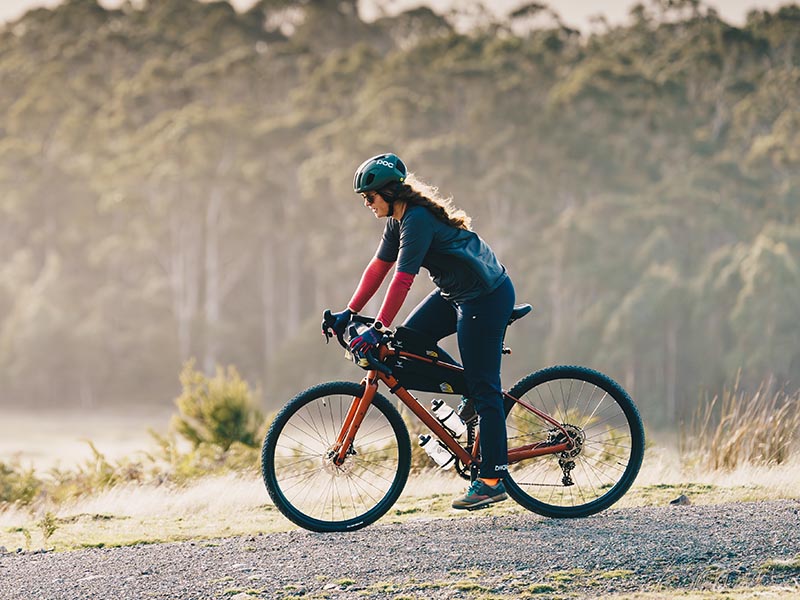
Can you ride long distances on a hybrid?
Yes. In the same discussion, one participant rode 100 km on a hybrid, and others used theirs for a lot of recreational mileage. Some riders said their preferences changed as they rode more.
Someone drawn toward faster road-group rides may prefer road-oriented equipment. A rider who enjoys steady mileage on a well-fitting flat-bar bike can happily keep it.
When the smallest frame still feels too large
A rider who is 147 cm (about 4 feet 10 inches) tall had trouble finding a performance-oriented gravel bike with the right reach and standover. A size label can’t solve that.
Compare the geometry and controls of the models you can actually try. Working the brakes, handling the bike comfortably, and finding a workable position matter more than any category or frame label.
Keep, upgrade, or replace your hybrid?
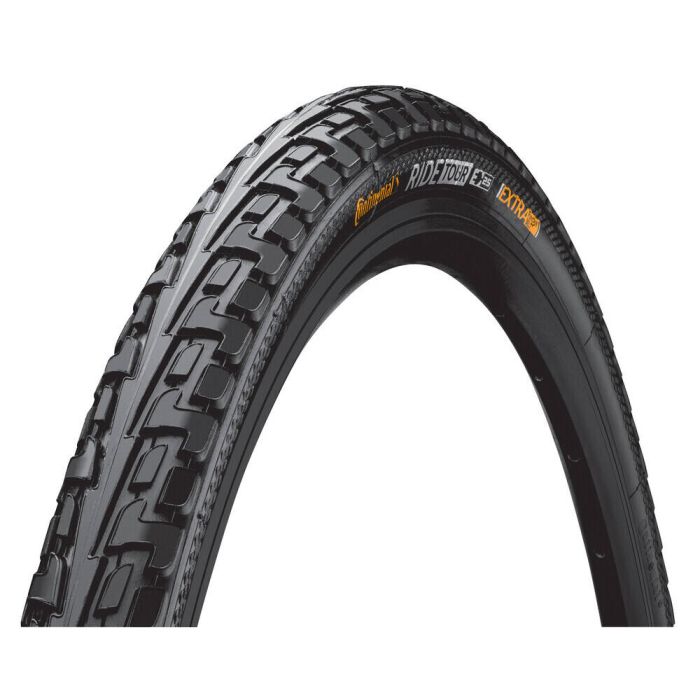
If your hybrid fits and handles your usual rides, name its specific shortcoming before you buy anything.
Maybe the tires struggle on a gravel connector, the gearing makes your usual hills unpleasant, or you want a different bar position for road training.
A returning rider weighing a gravel bike already owned an XS Merida Crossway L20 and rode protected paths with occasional dirt and gravel. She asked whether different tires could do the job so she could keep a bike she liked.
- Keep it: It fits, works properly, and covers your regular rides.
- Modify it: One compatible change fixes the problem at a reasonable total cost.
- Replace it: The problem is frame fit, basic handling, terrain capability, or an equipment need that reasonable changes can’t meet.
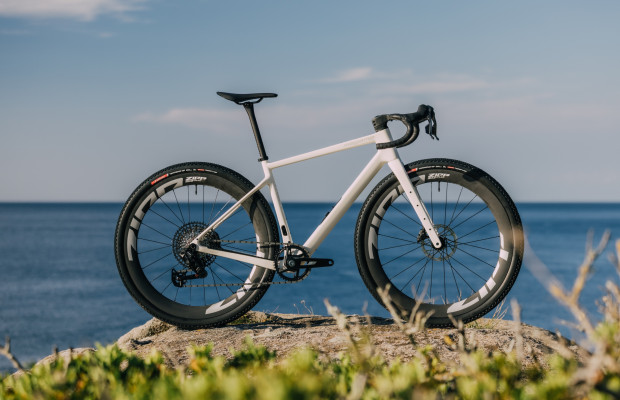
A tire swap needs a check of the exact frame and fork clearance, rim compatibility, tire construction, and inflation. Ask the manufacturer or a bike shop to confirm the setup.
Bigger changes to the handlebars or drivetrain cost parts and labor. Price them against a correctly fitted replacement bike.
Better tires make a hybrid more useful on easier unpaved paths. They won’t fix a bad frame fit.
Test two real bikes before you buy
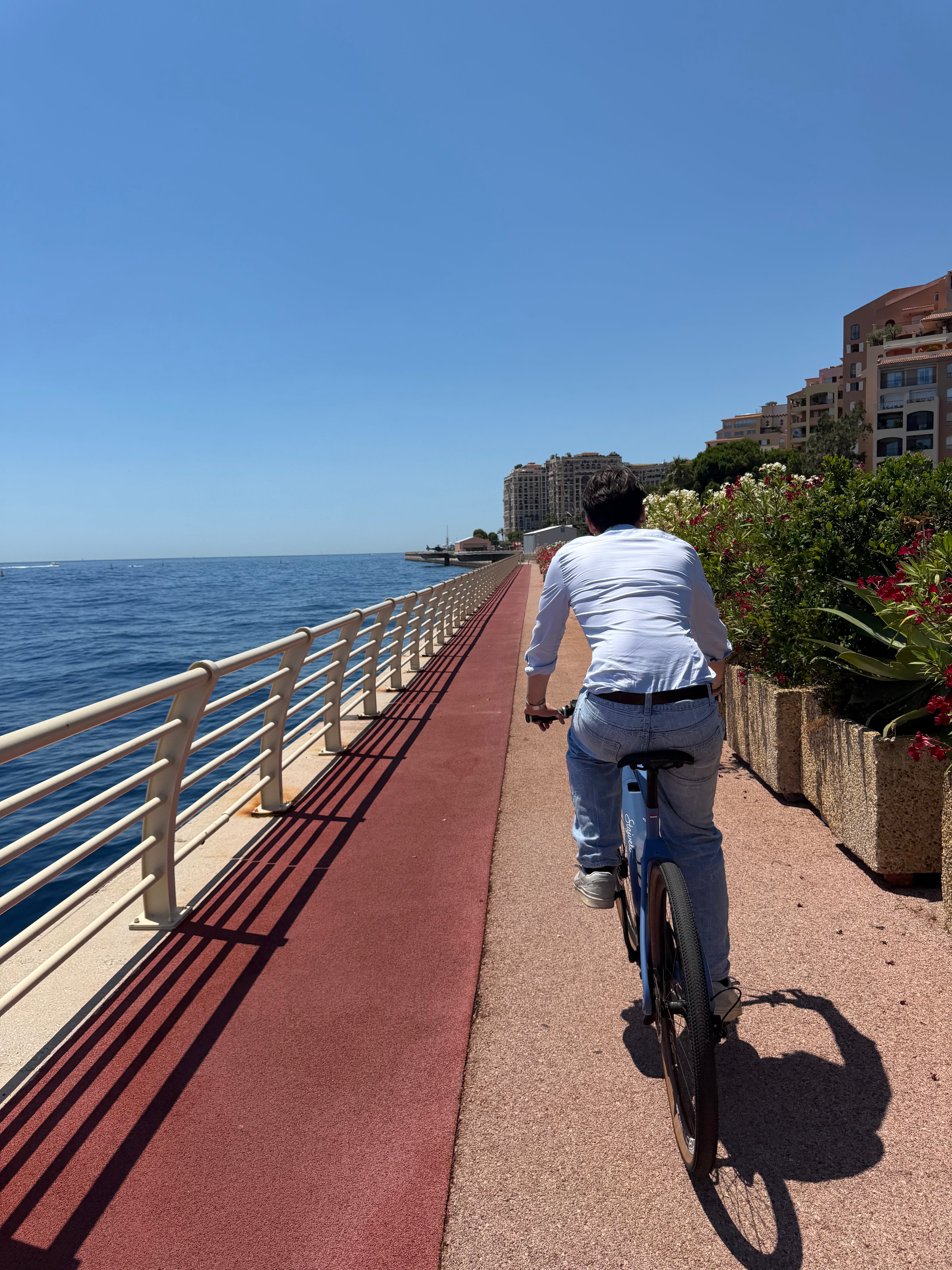
After you’ve narrowed the categories, compare two properly sized bikes. Try them under similar conditions, with the controls and position you’d use on a normal ride.
Take your route list and check the specs that matter for those conditions. A salesperson’s size recommendation or a product photo is only a starting point. Your own judgment of fit and handling decides.
The bike-shop checklist
- Usual surfaces: Can the installed or manufacturer-approved tires handle your regular route, including its roughest section?
- Fit: Do the frame size and adjusted position suit your reach and standover, and can you control the bike?
- Handlebars and brakes: Can you reach and work the levers from the positions you’ll use?
- Gearing: Does the actual chainring and cassette setup give you gears for your hills and pace?
- Accessories: Does the frame have the rack, fender, or carrying mounts you need?
- Condition: If you’re buying used, has a qualified person checked the bike’s mechanical condition?
- Total cost: Have you added accessories, compatible changes, and labor?
- Test ride: Have you started, stopped, steered, braked, shifted, and held your riding position?
Make the final choice
Drop any bike that fails a dealbreaker after adjustment: brake levers you can’t reach, a poor frame fit, too little approved tire clearance for your regular route, or missing carrying mounts. Ride the remaining bikes on the same task and compare handling at ordinary speeds, how naturally you reach the brakes, which hand positions you can use, and how the gears feel. If the seller allows it, ride on a surface like your usual route. Then pick the bike whose fit, equipment, and feel match your plans. If neither meets them, keep looking.

If you can’t decide
Ride your two best options back to back on a surface like your usual route, and drop any bike whose brake levers you can’t reach or whose tires won’t fit your roughest regular section. If the hybrid you already own fits and covers your rides, name what it can’t do before you replace it. Better tires may be enough for easy unpaved paths, though they won’t fix a bad frame fit.