If you’re a beginner or returning rider, pick the bike whose type and fit match the rides you actually take, then compare features and total cost. If a route or carrying need rules that type out, switch types. Test-ride your finalist before you buy.
Road, hybrid, gravel and mountain bikes overlap in what they can ride. The differences show up in the surfaces you ride, how you sit and steer, and what you carry. A bike that looks great in the shop can be a poor fit for the trip you make every week.
Start with your usual rides
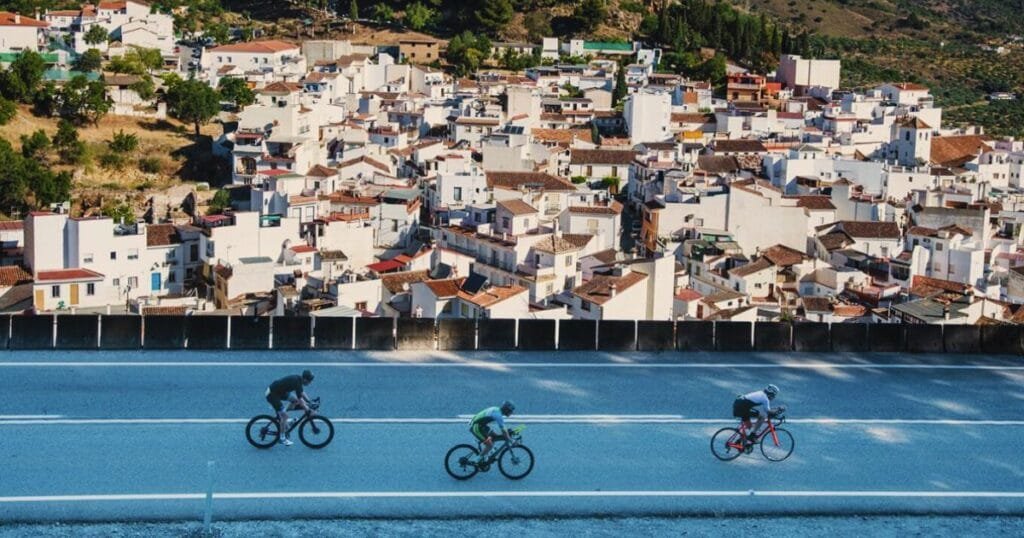
Think about the rides you can reach right now. A daily commuter cares about the paved route to work. A rider who regularly takes on rocky singletrack needs something else. Your purpose matters as much as the surface, since the same bike path can serve a relaxed evening ride or a hard fitness session.
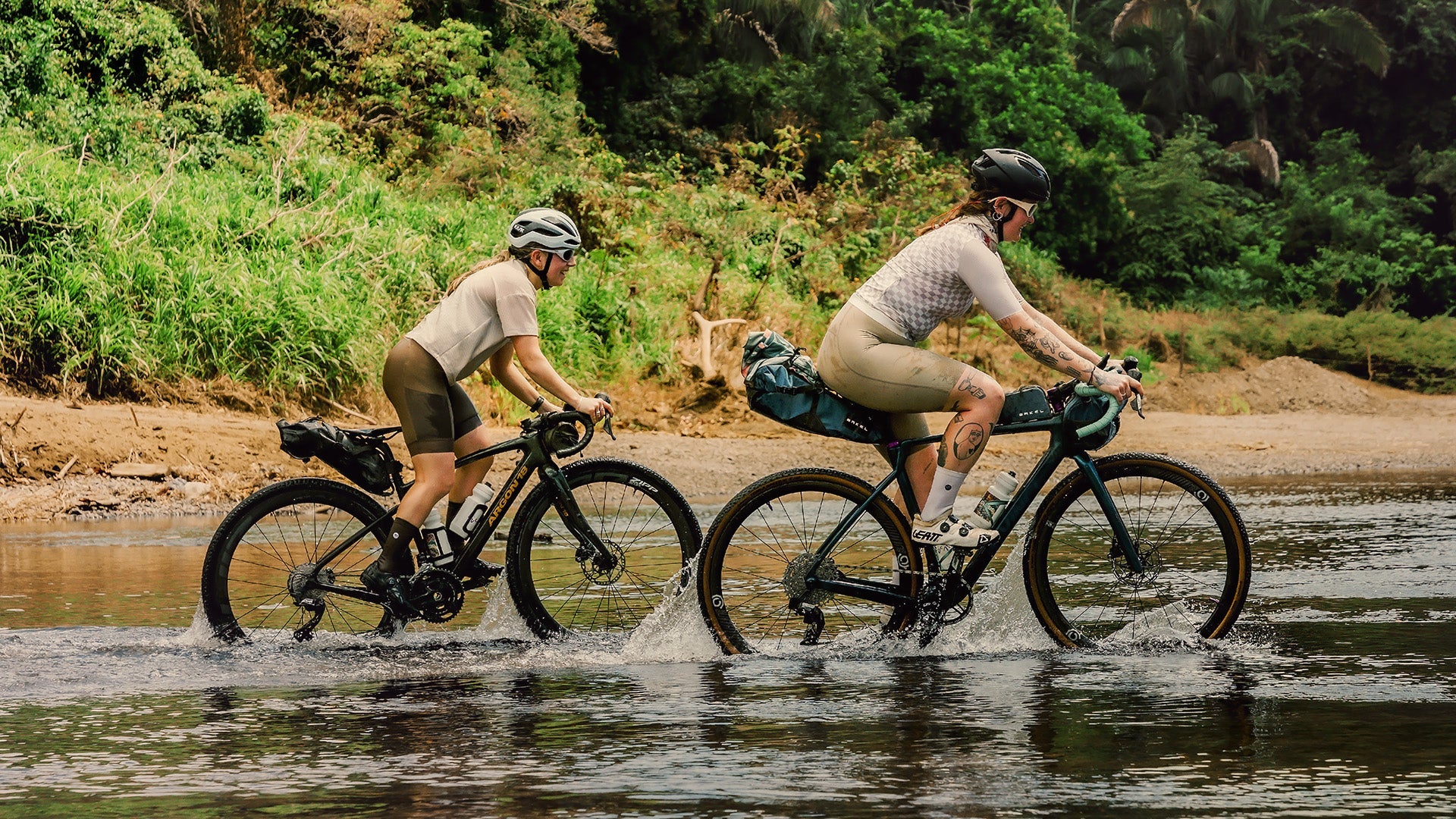
Pavement, maintained hard-packed gravel, loose gravel and rooty or rocky trails all ask different things of a bike. Many rides cross several surfaces. If an occasional activity matters a lot to you, you can give it extra weight, but you’ll accept a compromise on your regular rides.
Write down what your rides look like:
- Surfaces: streets and paved paths, maintained gravel, or technical trails.
- Main purpose: transportation, recreation, fitness, or off-road exploration.
- Hills and distance: climbs, longer rides, and whether you want electric assistance.
- Loads: work clothes, shopping, bags, or anything else you need to carry.
- Occasional plans: future ride ideas, listed separately so you can decide how much they count.
That list tells you which type of bike to shop for. It also gives you something concrete to tell a bike shop when several types seem possible.
Match your routes to a bicycle type
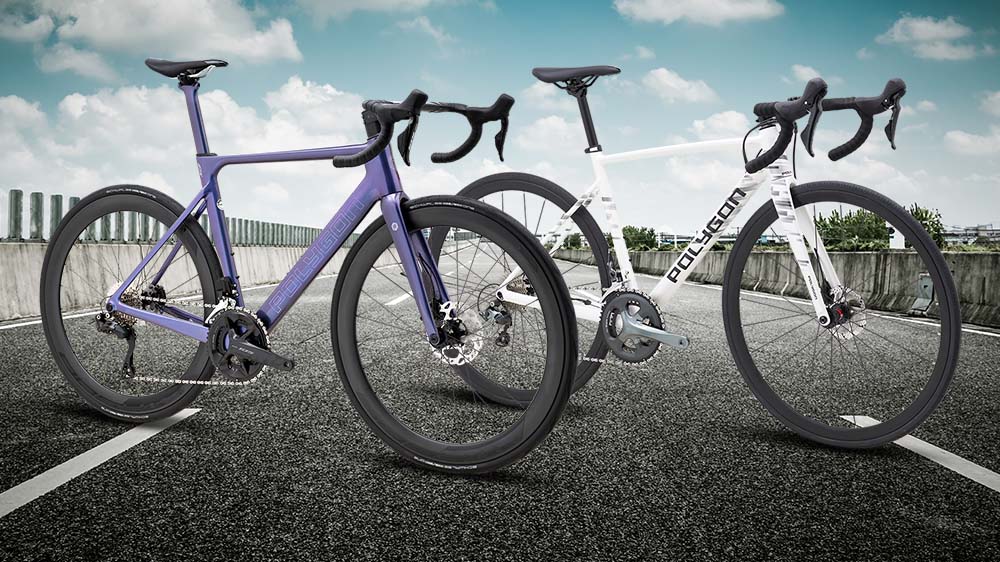
Most buyers only need a short list of types. A hybrid or city bike suits practical paved rides, and an endurance road bike suits riders after sustained road fitness. Gravel bikes handle regular mixed-surface riding. Add a mountain bike if technical trails are a must.
| Your regular riding | Bikes to consider | Check first |
|---|---|---|
| Relaxed paved streets and paths | Hybrid, city, or comfort bike | Fit and any carrying gear you need |
| Longer paved fitness rides | Endurance road bike or fitness hybrid, both with a choice of riding positions | Which posture you prefer and how good the pavement is |
| Pavement plus maintained hard-packed gravel | Gravel bike or suitably equipped hybrid | Tires, clearance, and how you’ll use it |
| Rooty or rocky singletrack | Mountain bike | How hard the trails are |
| Everyday commuting with bags | Hybrid, city, commuter, or e-bike | Mounts, storage, and weight |
| Tight storage or transit connections | Folding bike | Folded size and carrying weight |
| Substantial shopping or family loads | Purpose-built cargo bike | Rated loads and the right setup |
| Riding where you want pedal assistance | E-bike built for your kind of riding (assistance comes on several bike types) | Charging, storage, servicing, and local access rules |
Categories overlap. A good hybrid can ride maintained gravel, and a gravel bike can handle a paved commute. What decides it is what the specific bike is built for and how it’s set up.
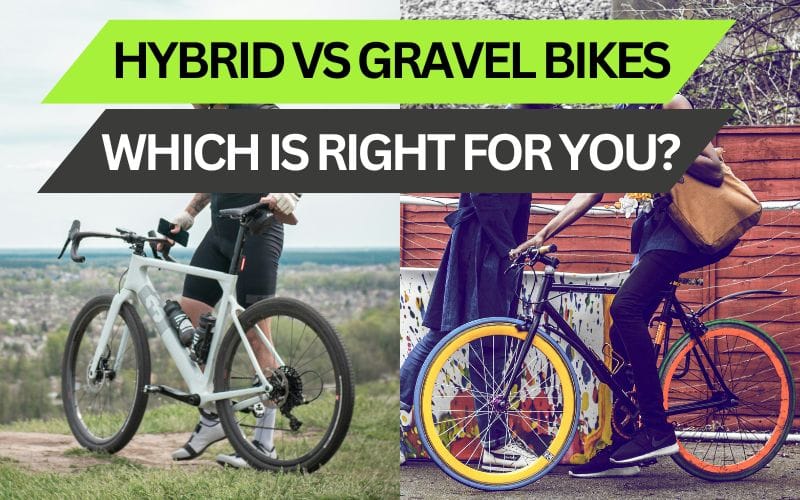
A returning rider with a local mix of pavement and hard-packed paths wasn’t sure what they would ultimately use the bike for most.
Use your route list to pick one main type, plus one or two alternatives if your conditions overlap.
Know what each bike type gives up

When two types can cover the same route, the choice comes down to the compromise you’ll feel every day. Tires, geometry, riding position and suspension shape what a bike can handle and how it feels. A versatile bike can meet several needs, but it won’t be equally specialized for all of them.
| Bike type | Strength | Compromise | Rule it out if |
|---|---|---|---|
| Road or endurance road | Sustained paved fitness or distance riding | Some setups are less flexible on rough trails or for utility equipment | You ride technical trails regularly, or need loads that bike can’t take |
| Hybrid or fitness | Pavement, many maintained paths, and utility | Not specialized for demanding trails or road racing | Your main riding needs more than the bike was built for |
| Gravel | Frequent switches between pavement and unpaved roads | Mixed-surface equipment adds little on consistently smooth pavement | You ride rooty or rocky technical trails beyond that model’s design |
| Mountain | Roots, rocks, and repeated trail obstacles | Trail-specific tires, suspension, and equipment are unnecessary on everyday pavement | Your regular paved trips would carry features you don’t need |
Read the last column first. It stops you from buying a bike you like for one feature that fails a ride you need. You can live with a compromise you chose knowingly. A mismatch that defeats the bike’s main purpose means picking another bike.
Check frame fit before you compare upgrades
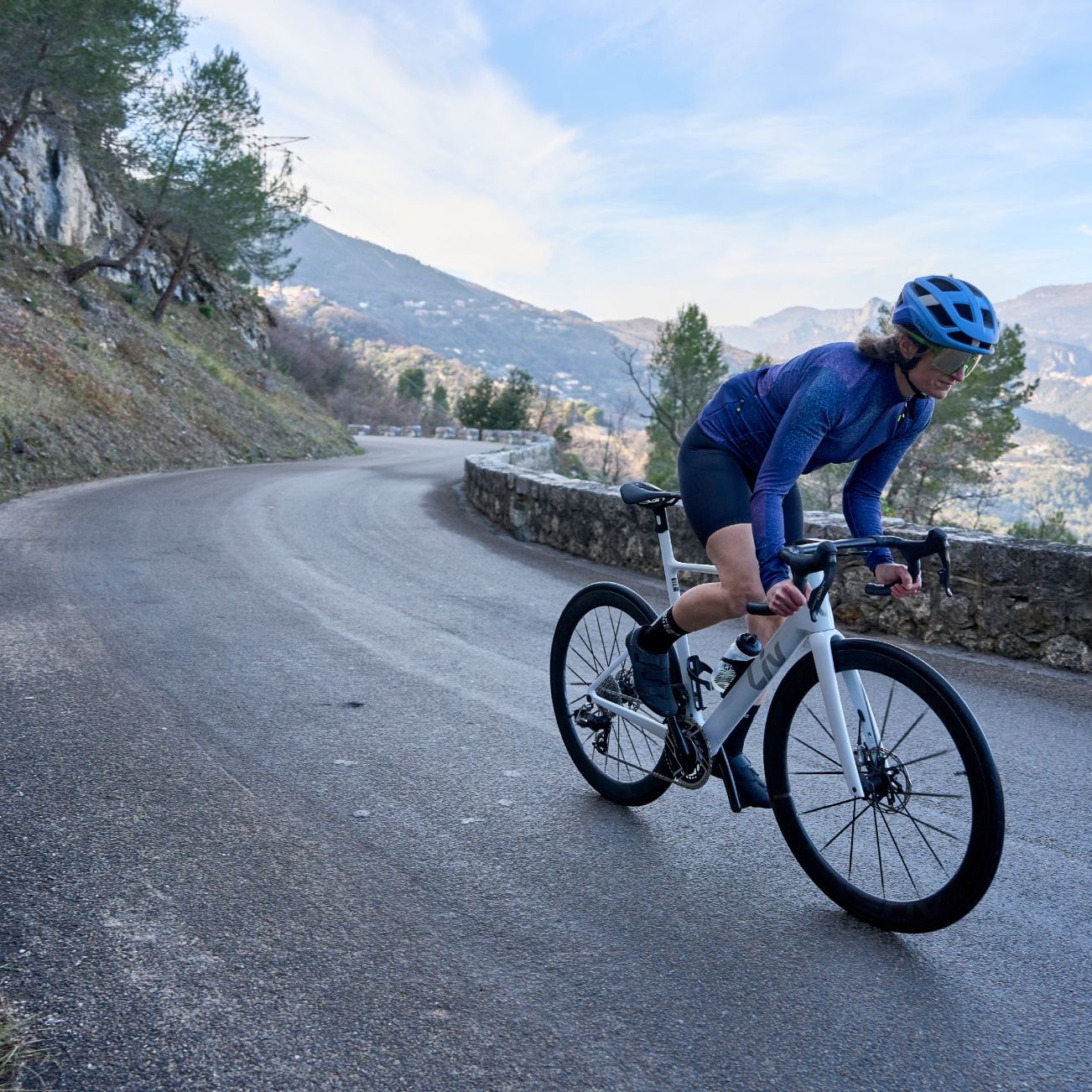
A size label is only a starting point. The manufacturer’s chart for the exact model and year narrows down the frame sizes, and the geometry and controls decide whether the bike works for your proportions.
Small, XS, or a number like 49 can mean different dimensions depending on the brand and the discipline. Three measurements help most:
- Standover: how the top tube sits relative to you when you stand astride the frame. It’s a different thing from how far your feet reach the ground while you sit on the saddle.
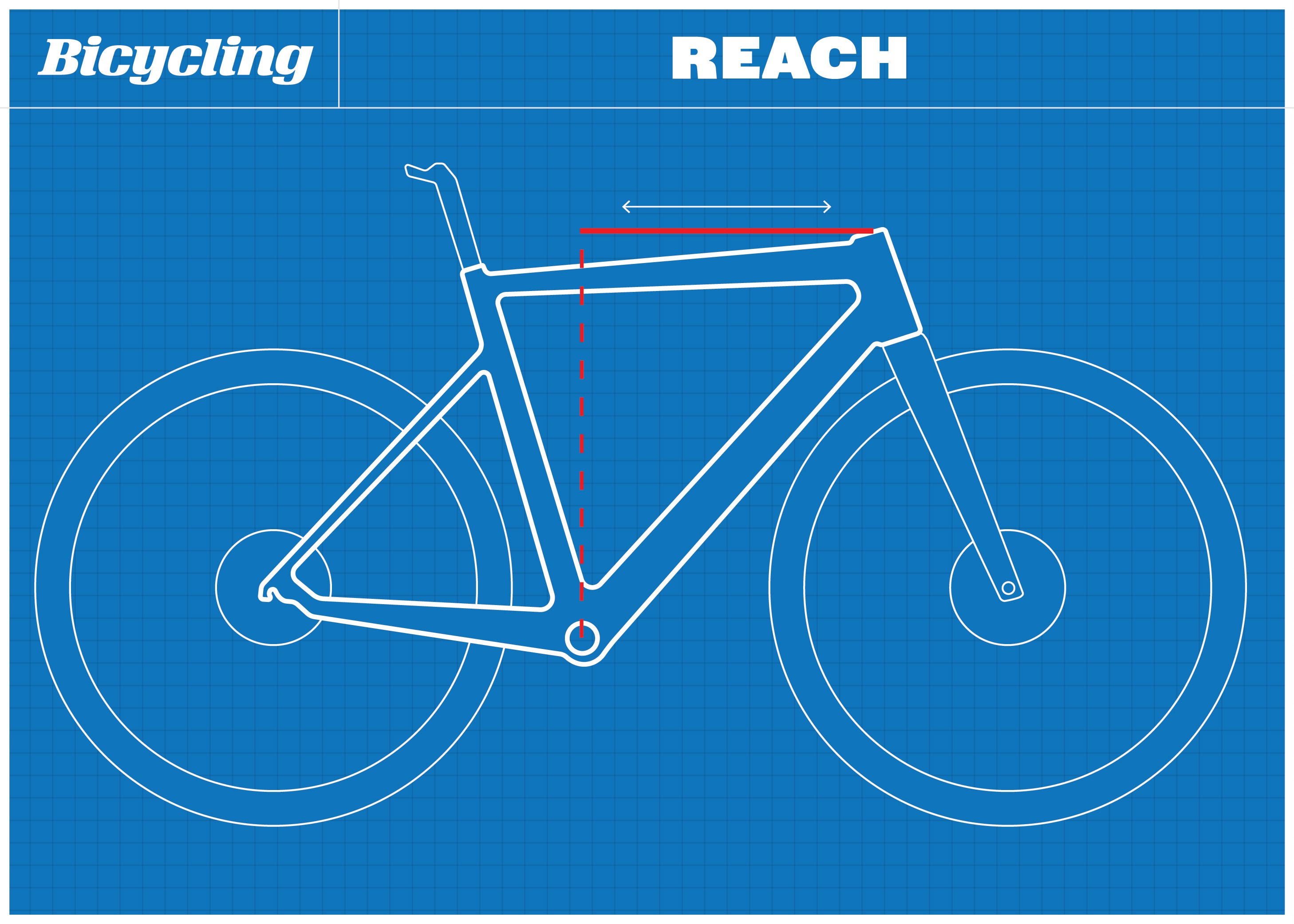
- Reach: the horizontal distance from the center of the bottom bracket to the top center of the head tube.
- Stack: the vertical distance between the same two points. Together with reach and the cockpit parts, it sets the riding position available to you.
Effective top-tube length shows how the saddle area sits relative to the front of the bike when you’re seated. Handlebars, stem, saddle and controls also change how far and how high you reach.
A 4-foot-8-inch rider with a short inseam struggled to stand over XS bicycles with 700c wheels and wondered whether to give up on a gravel or road bike and settle for a step-through commuter.
A different frame shape, size range, or step-through design can offer a workable alternative, but the answer depends on the specific bike and your proportions.
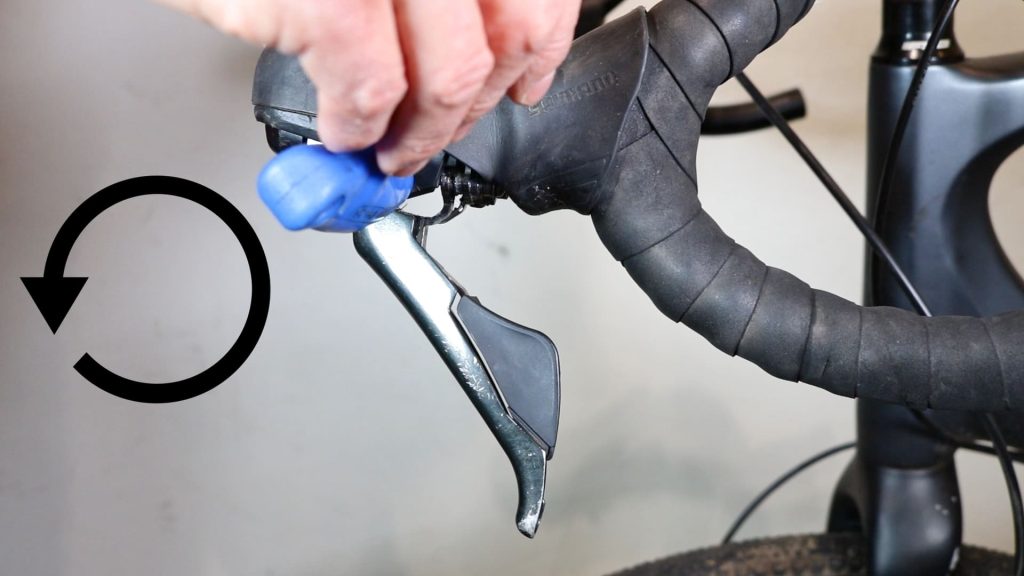
For each bike you’re considering, write down the model, year and size from the manufacturer’s geometry chart. Compare the dimensions with your own, then check that you can reach the bars, brakes and shifters with the bike held stationary. Liv’s size and fit guidance describes using model-specific charts and in-person assessment. If the frame stretches you too far or you can’t operate the controls, rule out that size or model. Lowering the saddle won’t fix every oversized frame.
A review of three studies reported less lower-back pain or discomfort in cyclists after bike-fitting interventions. For your purchase, the question is simpler: can you control this bike in a workable position?
Do you need a women’s-specific bike?
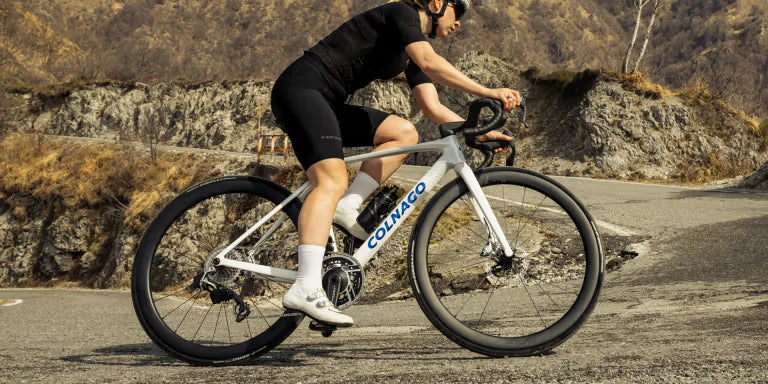
Not necessarily. Both types work. Liv is one maker that uses women-focused design, while other ranges share frame geometry and differ in sizing or in parts such as saddles and handlebars. Neither label guarantees a good fit or a comfortable reach to the controls, so between two bikes that fit, choose the one whose saddle and handlebars suit you better.
Pay for features that serve your riding
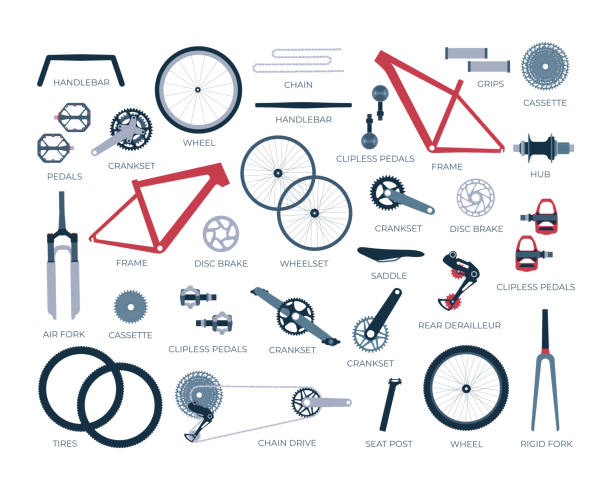
An upgrade earns its price when it improves something you use on your rides. Start with the requirements that could disqualify a bike, then decide which of the remaining features are worth paying for.
On climbing routes, a usable low gear matters because it lets you pedal uphill at a manageable effort. Compare the gear range against the terrain the bike is built for. The number of gears and the brand name on the drivetrain come second.
Mechanical and hydraulic brakes differ in feel, adjustment and service needs. Ask three questions: can you work the levers comfortably, do the brakes suit your conditions and loads, and can you get them serviced? Look at the upgrade cost only after you’ve answered them.
Tires affect how a bike handles pavement and rougher paths. Choose tires that match your surfaces and fit the frame and fork clearance of that model. On uneven pavement, tire choice and pressure, geometry, and riding position all affect how a particular bike feels, even within the same category.
Repeated obstacles on technical trails can justify suspension. On ordinary pavement and maintained gravel, a rigid fork works well and saves you weight, cost and maintenance complexity you won’t benefit from.
Drop bars and flat bars give you different riding positions and hand placement. If you commute, rack and fender mounts, or another way to carry your bags, can decide the purchase. Keep your loads within what the bike’s carrying setup supports.
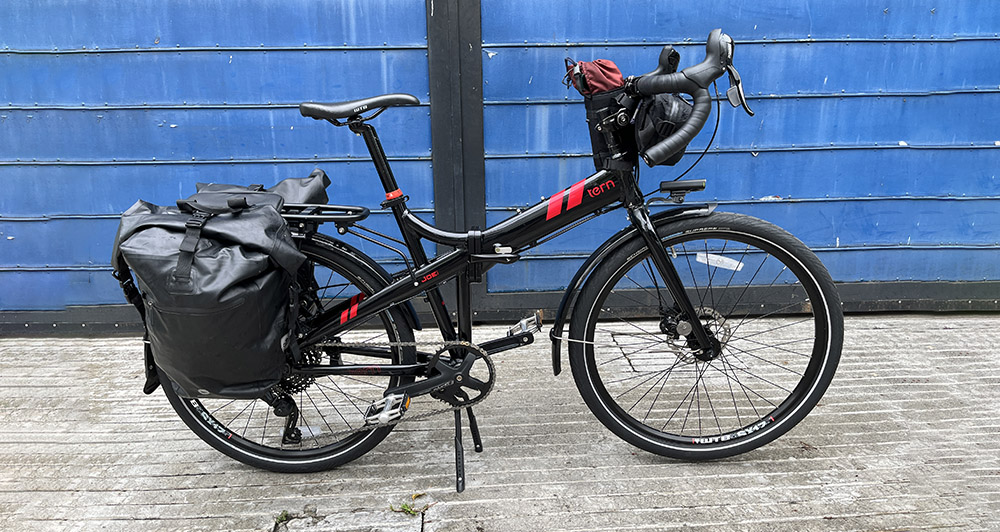
Folding, cargo and electric bikes cover the specialty needs listed in the type table above. Electric models also bring charging, weight, servicing and location-dependent access to think about.
Budget for the bike and what it will take to ride it
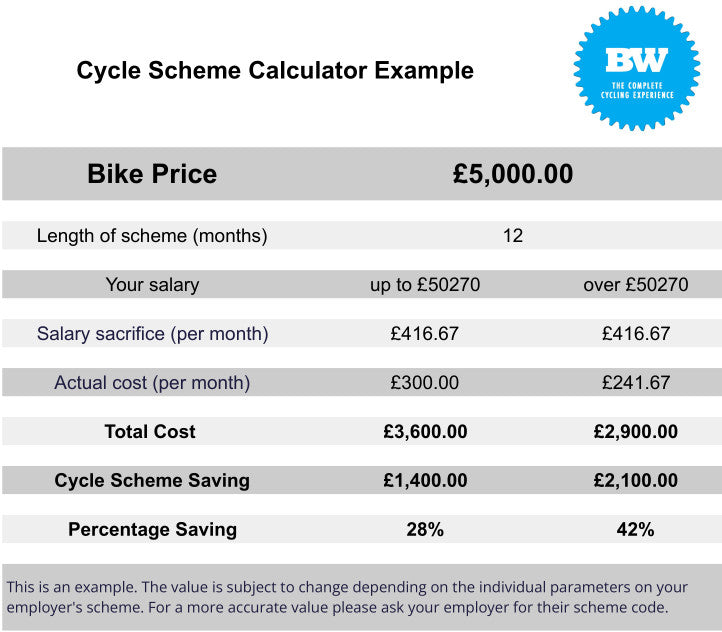
The asking price is only part of what you’ll spend to start riding. A lock, lights, carrying accessories or a pump may be on the list, depending on your plans and what you already own. A used bike adds a condition question, since worn or damaged parts may need attention before you ride it regularly.
| Cost to account for | Buying new | Buying used |
|---|---|---|
| Bike price | Retail or quoted price: $_____ | Seller’s asking price: $_____ |
| Equipment you still need | Lock, lights, pump, or tools: $_____ | Same items, minus anything that comes with the bike: $_____ |
| Work before the first ride | Assembly, fit setup, or shop service you need: $_____ | Condition check plus immediate brake, wheel, tire, or drivetrain work: $_____ |
| Compatibility | Mounts, carrying gear, or accessories the bike needs for your use: $_____ | Same, plus replacing any parts that don’t suit you: $_____ |
| Ready-to-ride total | Price + equipment + work + compatibility: $_____ | Price + equipment + inspection and work + compatibility: $_____ |
Two bikes at a similar price can have different ready-to-ride totals.
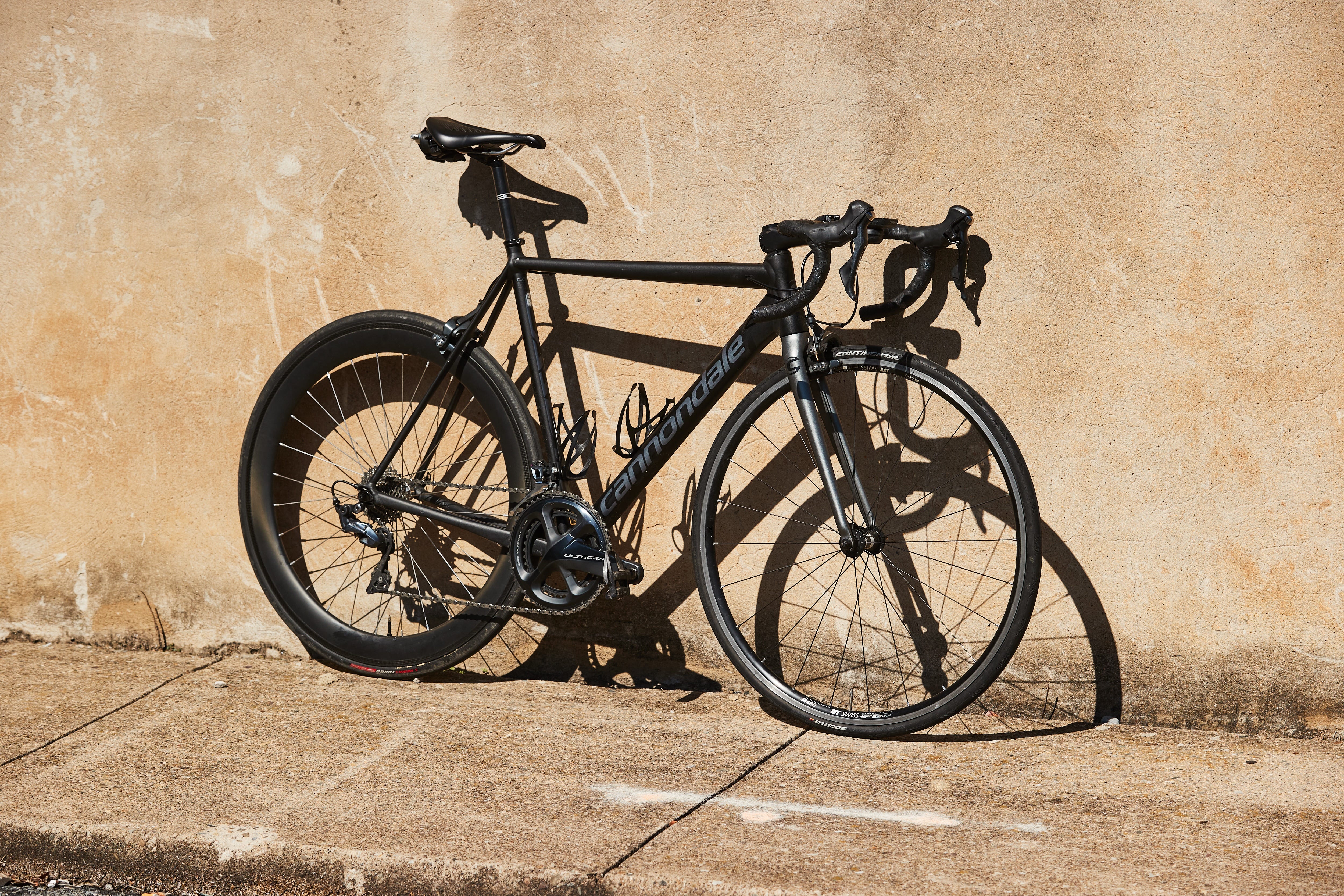
When you look at a used bike, check the frame and fork, wheels, drivetrain, brakes, previous modifications, and how easy it is to service. If you can’t judge the mechanical condition yourself, pay a bike shop to assess it. Skip the bike if you see serious structural doubts, the fit is wrong, or the total is over your budget.
In March 2026, a 5-foot-1 shopper considered a used 2016 Liv Invite 2 advertised for $450.
The shopper wrote in r/ladycyclists: “I was on my tiptoes while standing in it, and the seat was almost all the way down. Is that how it is supposed to be?”
A repair can fix a worn part. It can’t fix a frame that doesn’t fit you.
Test ride the shortlist before you buy
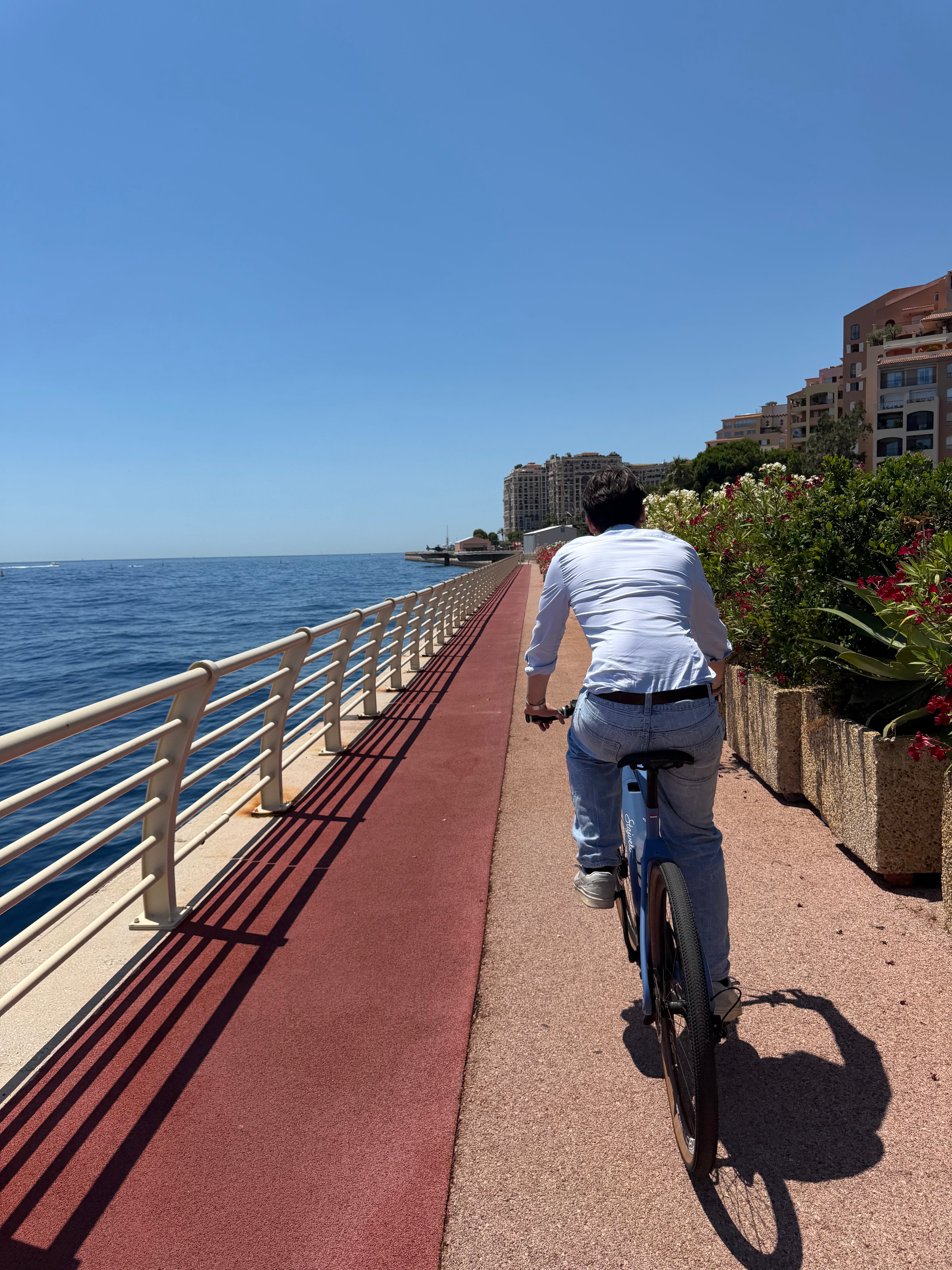
A test ride lets you compare handling and comfort on your finalists. Ride each bike in similar safe conditions and for about the same time, if the shop allows it. A parking-lot loop can reveal a problem. A route closer to your normal riding tells you more, when you can get one.
On each bike, notice how it starts, slows, turns, brakes, shifts, and handles at low speed. Pay attention to your posture and how the controls feel while you move. Follow the shop’s rules and stay within your own riding ability. A useful trial doesn’t need traffic or difficult trails.
Fill in the same worksheet for each finalist:
| Check | Bike A | Bike B | Reject if |
|---|---|---|---|
| Suits your regular routes | Pass / Concern / Reject | Pass / Concern / Reject | It can’t handle a ride you need |
| Frame and control fit | Pass / Concern / Reject | Pass / Concern / Reject | The fit or control reach is unworkable |
| Starting, stopping, steering, braking | Pass / Concern / Reject | Pass / Concern / Reject | Controls feel unsafe or unreliable |
| Required equipment and features | Pass / Concern / Reject | Pass / Concern / Reject | A needed capability is missing |
| Storage and carrying | Pass / Concern / Reject | Pass / Concern / Reject | A storage or carrying need can’t be met |
| Ready-to-ride total | Pass / Concern / Reject | Pass / Concern / Reject | The required spending is over your budget |
| Compromise you accept | Write one trade-off | Write one trade-off | The trade-off defeats your main use |
| Decision | Shortlist / Hold / Decline | Shortlist / Hold / Decline | Decline both if neither works |
- Pass: the bike meets the requirement.
- Concern: wait until the problem is fixed, then ride it again.
- Reject: a basic requirement fails, or a control or safety problem stays unresolved.
A short ride can expose fit and handling problems, but it can’t tell you how a longer ride will feel. If you have severe or worsening pain, get a medical assessment instead of taking another test ride.
If neither bike meets your requirements, decline both and look at a different size, frame design or type. Choosing neither is a fine outcome.