Choose the gravel bike you can reach, brake and steer confidently in your exact size, with room for the tires your routes call for, gearing low enough for your hills and mounts for what you carry. Women’s-specific and unisex frames both qualify, so ride your shortlist for 10 to 15 minutes, hill included.
Start with the routes you ride
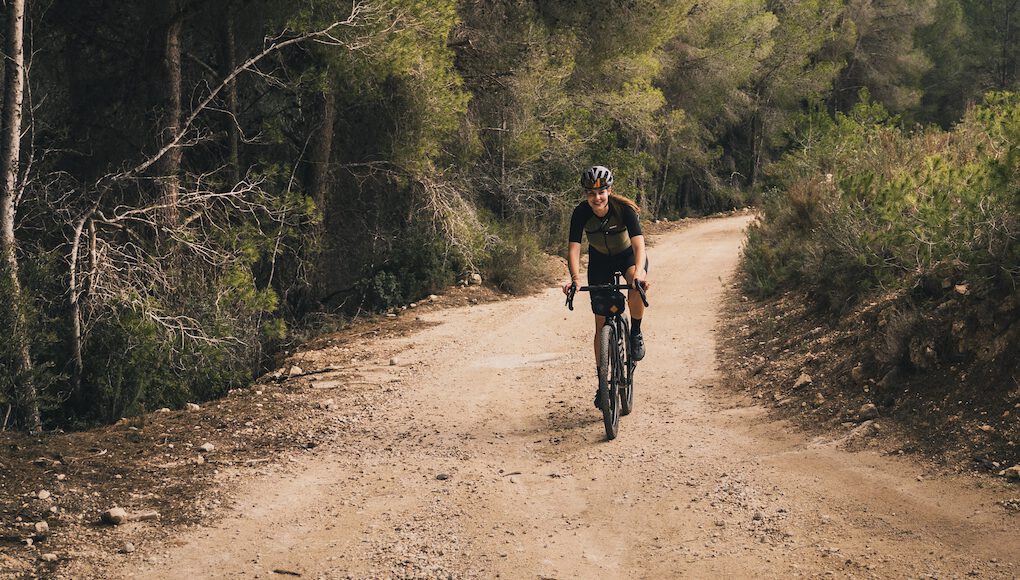
A gravel bike suits rides that mix pavement with maintained dirt roads, gravel tracks and other fairly nontechnical surfaces. If your riding looks different, another category may fit better.
| Typical riding | Category to consider | What settles the choice |
|---|---|---|
| Mostly smooth pavement and road riding | Road or all-road | Whether you need additional tire capacity or carrying features |
| Pavement, maintained gravel and dirt roads | Gravel | Fit, tire suitability and control on mixed surfaces |
| Rough, loose routes with technical trail sections | Gravel or mountain bike | Trail difficulty and whether the bike offers sufficient control |
| Long-distance riding with luggage | Adventure gravel or touring | Mount compatibility, low gearing, riding position and loaded use |
If your routes are almost entirely paved, a road or all-road bike does the job with fewer compromises. Frequent technical trails point to a mountain bike. A flat-bar hybrid is worth a look if upright city riding and everyday utility come first.
Choose three routes before choosing a bike
Write down three rides: one you will do regularly, a longer one you would enjoy, and the roughest route you expect to tackle. For each, note the surfaces, the climbing and the luggage.
- Your regular ride: Is it mostly pavement, maintained gravel or a mix? This should weigh most in picking a category.
- Your longest ride: Count the distance, the hills, and whether you need food, clothing or a rack. A touring-minded buyer accepts different trade-offs than someone riding a light setup on shorter outings.
- Your roughest ride: Find the sections that demand more tire capacity and secure handling. If they are technical trails, a gravel bike may be the wrong tool.
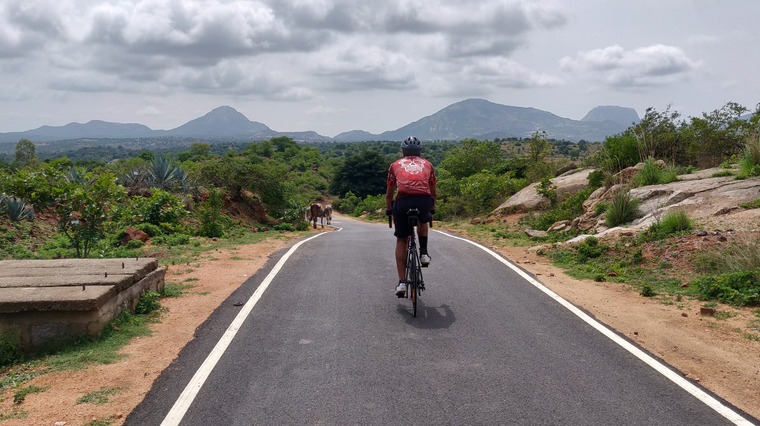
One rider in a women’s cycling forum planned tours of 50 to 80 miles and wanted a rear rack and a shorter cockpit. A rider aiming at gravel races would shop for different things. The route sets the equipment list.
Women’s-specific or unisex? Choose by fit
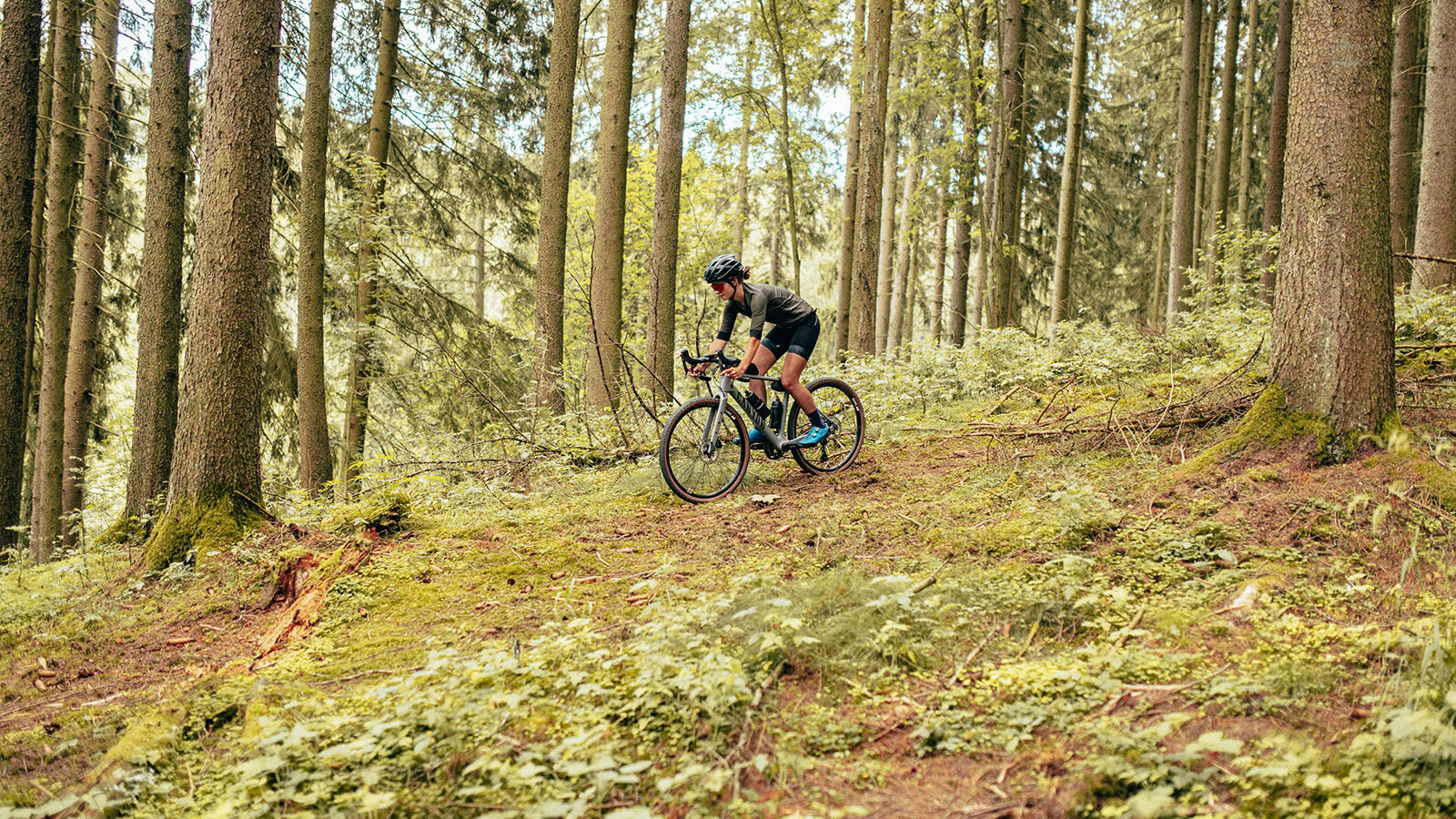
“Women’s-specific” is a marketing label. Your fit depends on the frame, cockpit and controls in the size you ride. Liv Devote is a women-focused gravel family, and Trek Checkpoint and Cannondale Topstone offer other configurations worth a look. A rider around 5 feet 1 inch tall with long legs and a shorter torso, as one shopper described, can feel stretched toward the hoods on a bike that looks right by height. Keep women’s and unisex bikes on the shortlist until their dimensions and handling decide it.
Find a frame size you can control
A size chart tells you which frames to try. Whether you can reach the brakes, stop securely and steer comfortably decides which of them stays on the list.
Size labels differ between models, and a single manufacturer’s chart can list two sizes for the same height. Liv’s Devote 2 chart shows the overlap.
| Liv Devote 2 size | Published height range | For a rider 160 cm tall |
|---|---|---|
| XS | 150 to 163 cm | Inside the published range |
| S | 158 to 169 cm | Also inside the published range |
| Shared interval | 158 to 163 cm | Height alone cannot select XS or S |
At 160 cm you fall inside both ranges. Check your reach and handling on each frame, especially if the shop stocks only one size.
Frame reach, stack and the position of your hands
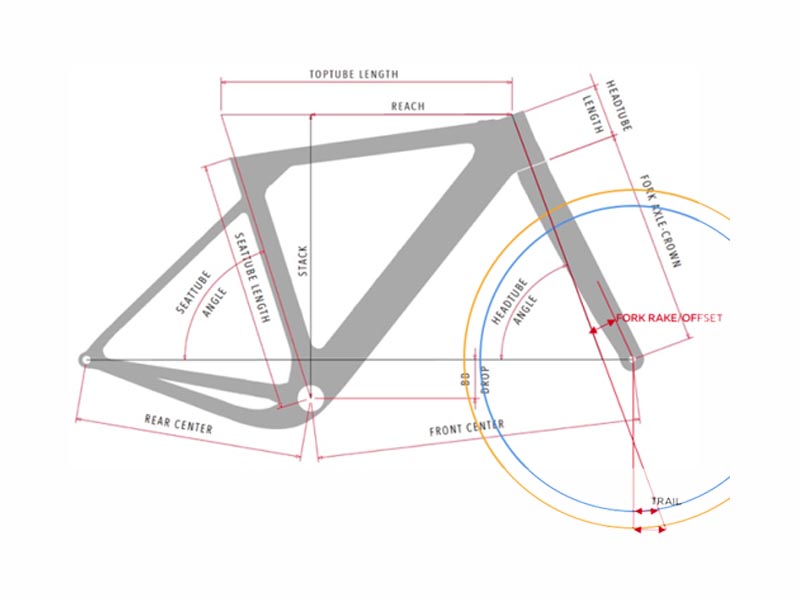
Reach is the frame’s horizontal dimension and stack is its vertical one. Both help compare frames, but your hands end up where the stem, handlebar shape and hood placement put them. A geometry chart and the assembled cockpit answer different questions.
For the Liv Devote 2 XS, the Liv US specifications give paired geometry readings for the frame’s two adjustment settings:
- Stack: 523 and 524 mm.
- Frame reach: 380 and 379 mm.
- Standover: 681 and 688 mm.
- XS cockpit: 400 mm handlebar and 50 mm stem.
- XS crank length: 165 mm.
Know when a size should leave the shortlist
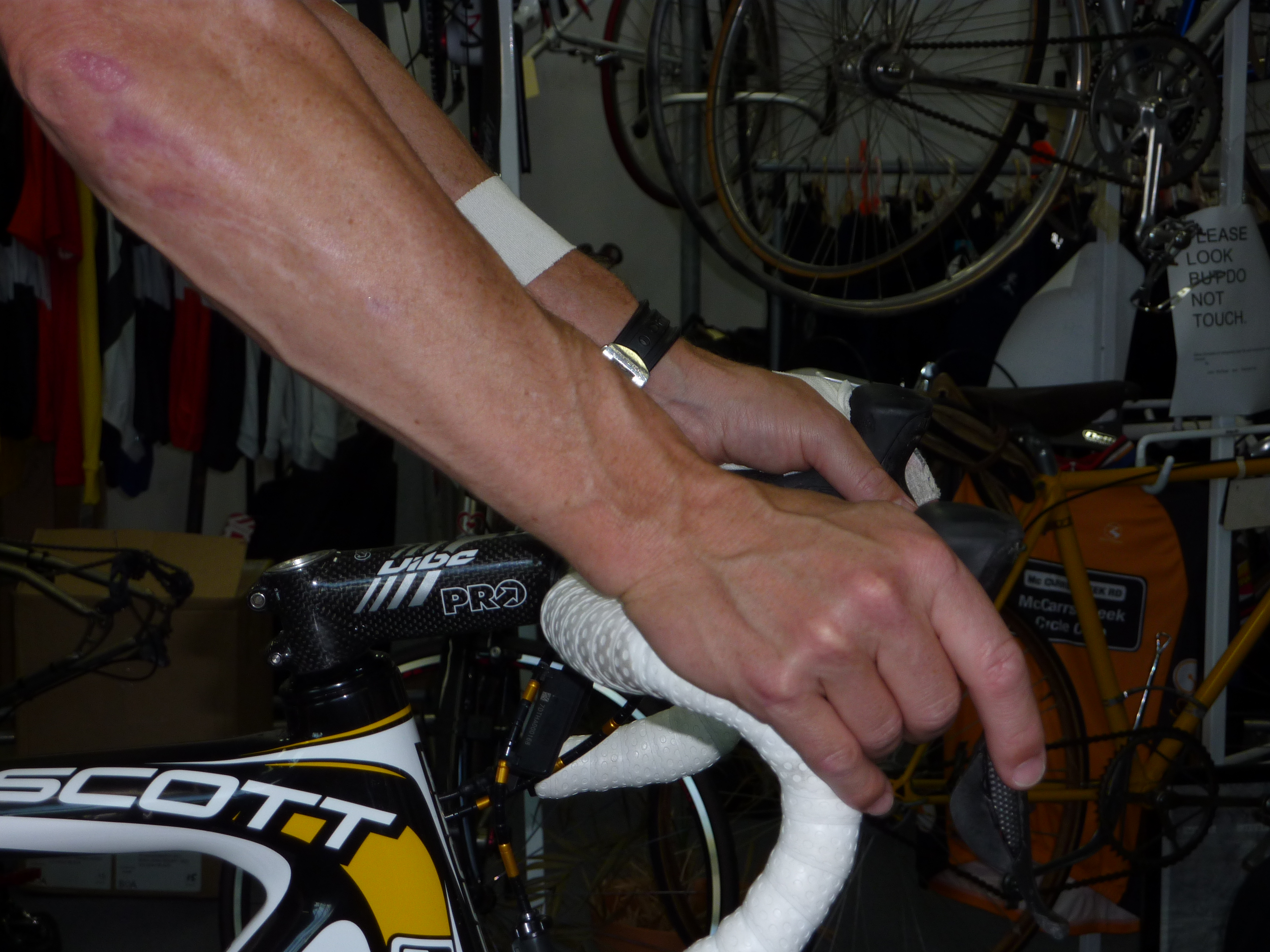
Drop a size if you cannot manage it confidently at a stop, reach the normal hand position comfortably or work the brake levers. A constant stretch toward the hoods is reason enough to walk away, even when your height fits the chart.
A 160 cm cyclist moving from a flat-bar city bike to a drop-bar gravel bike ran into exactly this. The size S in the shop left her arms feeling nearly stretched, and the XS was not in stock. Other riders suggested she might adapt to a different handlebar position. Ride the smaller frame, a similar geometry or a returnable trial instead of taking the S because it happens to be on the floor.
Some stems and brake levers can be adjusted for better control and comfort. A frame that is far too big stays a poor base for those fixes.
Tires and wheels: check what fits
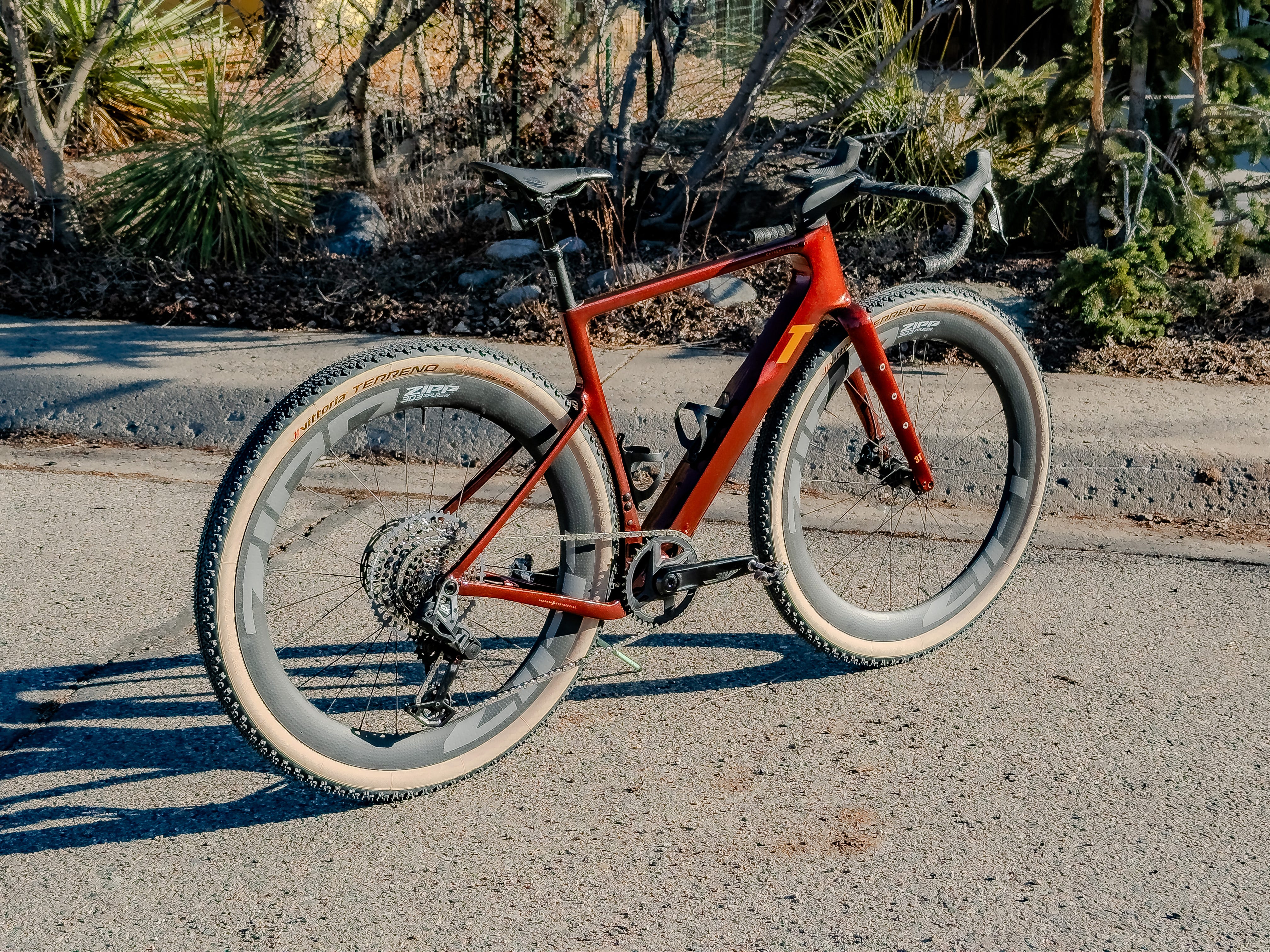
The tire that ships on the bike and the largest tire the frame accepts are separate specs. The difference matters if you ride loose gravel or plan to change tires.
The Liv Devote 2 US listing shows 700×38c tires as shipped, with 45 mm clearance with the flip-chip in the short position and 53 mm in the long position. Liv’s UK specifications cap the long position at 45 mm for a 2× drivetrain and give 53 mm for the relevant 1× configuration. The listed US bike is a 2×, so the 53 mm figure may not apply to it. Check the allowance for the exact build before you order wider tires.
Match clearance to your roughest regular surface
Ask whether the stock tires suit the surfaces on your list. If rougher routes matter to you, find out how much room the frame and fork leave for alternatives.
The Cannondale Topstone 1 lists 700×37c stock tires and clearance up to 45 mm. Trek lists a measured maximum of 50 mm without fenders and 42 mm with fenders on the Checkpoint ALR Gen 3 builds examined.
700c, 650b and the similar-looking 650c designation
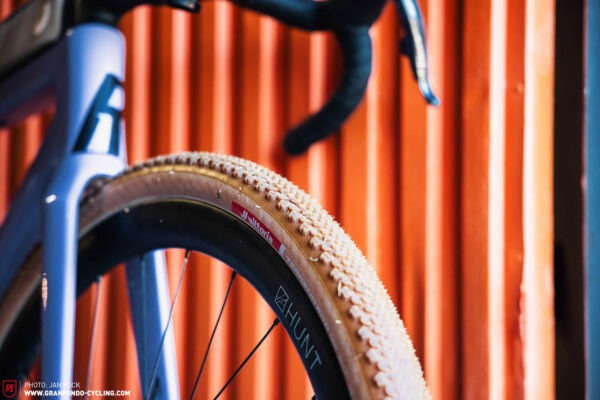
Gravel bikes come with 700c or 650b wheels. Frame design, tire choice and intended riding decide whether the smaller size helps you, and your height alone does not. 650b corresponds to ISO 584, while the separate 650c designation corresponds to ISO 571. Salsa’s archived 2022 Journeyer Flat Bar Acolyte 650b is one gravel example with 650b wheels.
Gearing, brakes and shifters: compare the numbers that matter
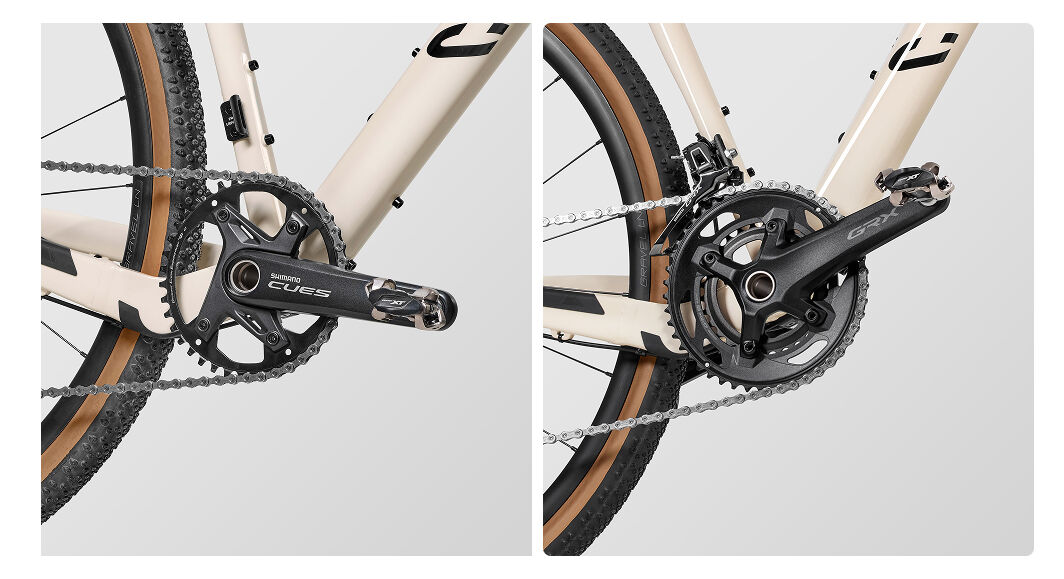
Compare the lowest gear as well as the number of gears. A bike with fewer rear sprockets can have an easier climbing ratio than one with more.
What 1× and 2× mean for climbing
A 1× drivetrain has one front chainring and a 2× has two. Both appear on gravel bikes, and which suits you depends on the actual ratios and your hills.
To compare low gears, divide the smallest front chainring’s tooth count by the largest rear sprocket’s tooth count. A smaller result means an easier gear. Two Cannondale builds show how it works:
- Topstone 1: Shimano GRX 2×12, with 46/30 front chainrings and an 11 to 34 rear cassette. Its lowest ratio is 30 ÷ 34 ≈ 0.88.
- Topstone 3: microSHIFT Sword 1×10, with a 40T front chainring and an 11 to 48 cassette. Its lowest ratio is 40 ÷ 48 ≈ 0.83.
The 1× Topstone 3 has the lower ratio despite having fewer gears. The tooth counts come from the manufacturer’s Topstone 3 drivetrain specification. Distance per crank turn also depends on wheel and tire size.
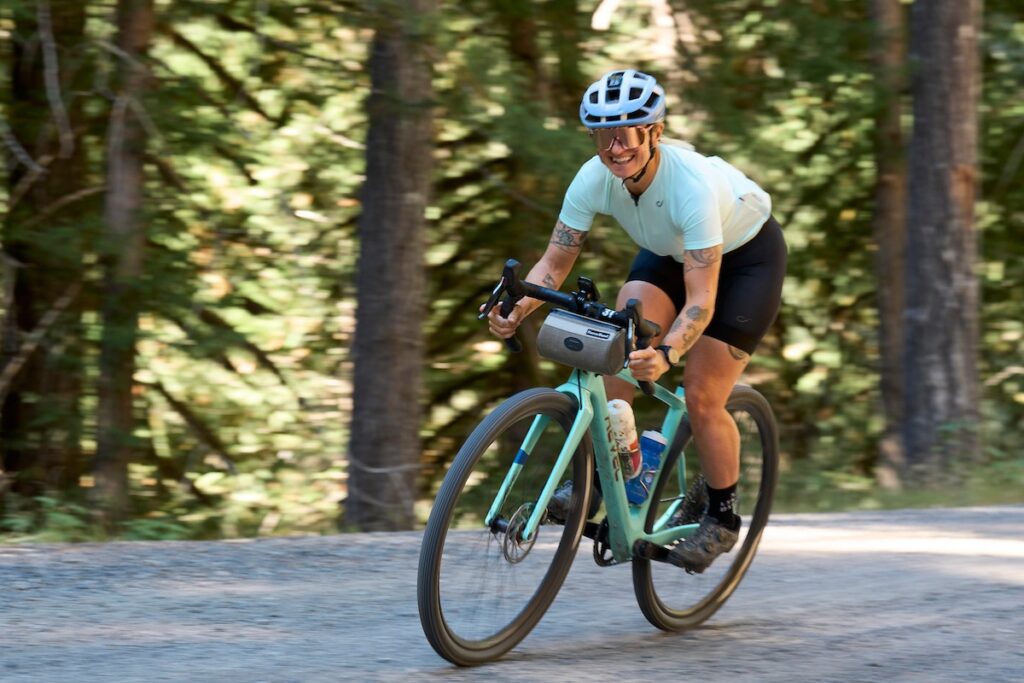
Choose brakes and controls you can operate
The Topstone 1 uses hydraulic disc brakes and the Topstone 3 uses mechanical disc brakes.
Check the frame, fork and cargo compatibility
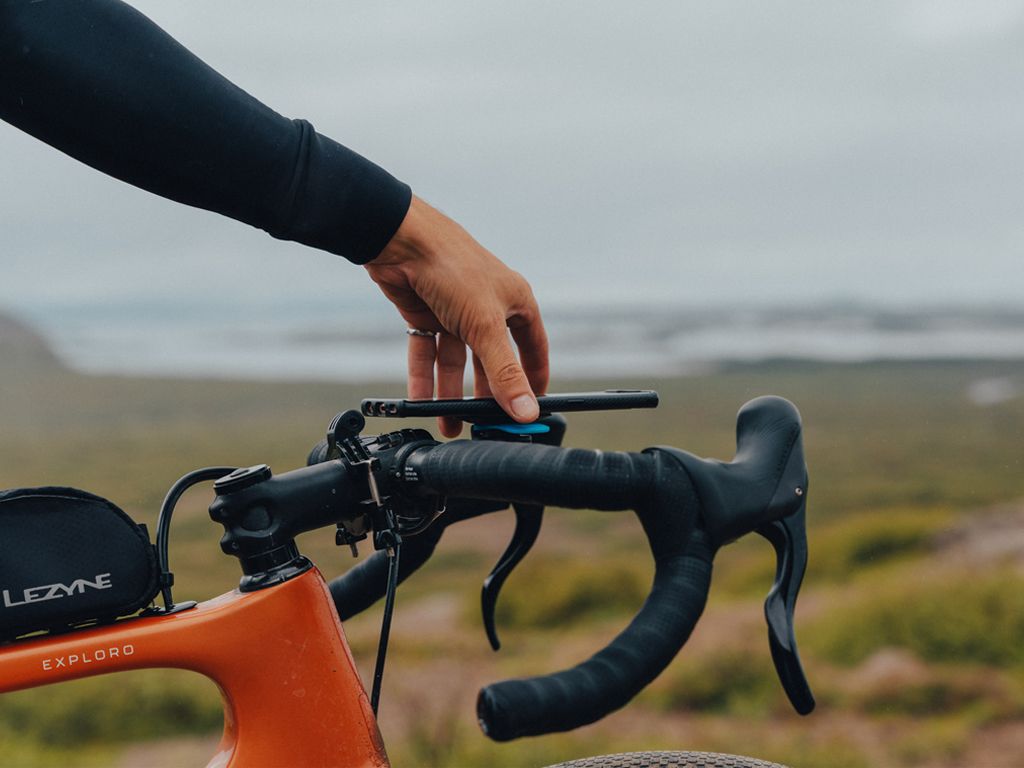
Check rack mounts, fender clearance and suspension-fork compatibility on the exact model and frame size. A feature advertised for a bike family can carry restrictions on smaller frames.
The Trek Checkpoint ALR Gen 3 offers a concrete size-specific exception. Its maker permits a 40 mm suspension-fork option on qualifying sizes, but excludes the XS frame.
Trek’s Checkpoint ALR Gen 3 FAQ also says this generation has no internal frame storage. Internal storage and accessory mounts are separate features.
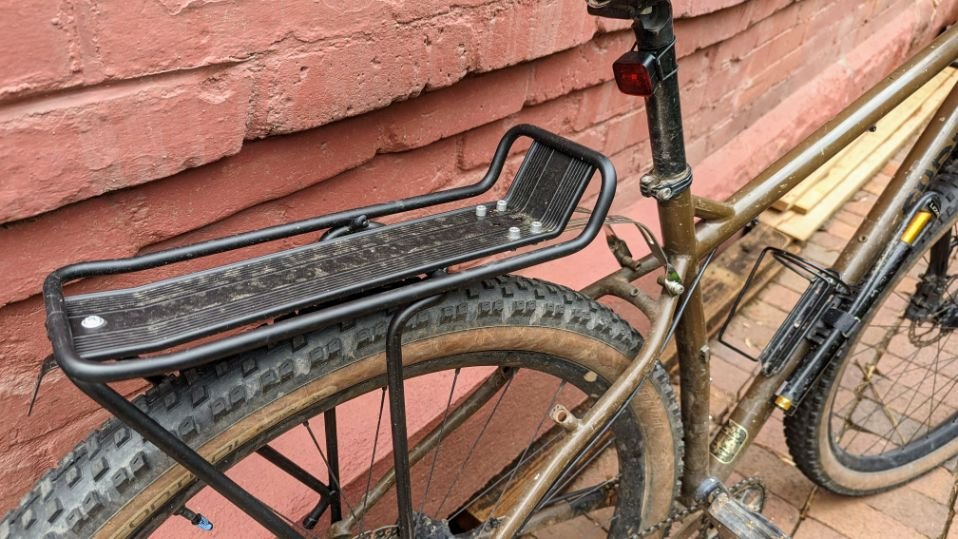
For loaded riding, check these four points against the manufacturer’s instructions for your size:
- Mounting points: Does the frame or fork have an approved attachment method for your rack, bags and fenders?
- Load limits: What are the bicycle and rack limits?
- Wheel and tire room: Do racks or fenders cut into the clearance your tires need?
- Frame-size restrictions: Do the XS or S specifications carry limits, especially for a later component change?
Compare four real gravel-bike configurations
The table lists published manufacturer specifications, not test results or a ranking. Ask the seller for the exact model year, build and frame size.
| Bicycle | Tires and published clearance | Drivetrain and brakes | Important purchase check |
|---|---|---|---|
| Liv Devote 2, US configuration | 700×38c stock; 45 mm short position, 53 mm long (45 mm long with 2× per the UK listing) | Shimano CUES 2×9, 32/46 crankset, 11 to 36 cassette; mechanical discs | XS/S size overlap; drivetrain-specific clearance |
| Trek Checkpoint ALR Gen 3 | Measured maximum: 50 mm without fenders; 42 mm with fenders on examined ALR Gen 3 builds. Stock tires vary by trim. | Varies by trim | Suspension-fork option excludes XS; no internal frame storage |
| Cannondale Topstone 1, listed US build | 700×37c stock; 45 mm maximum | Shimano GRX 2×12, 46/30 with 11 to 34; hydraulic discs | XS cockpit position |
| Cannondale Topstone 3, listed US build | WTB Riddler TCS Light 700×37c stock; 45 mm published maximum | microSHIFT Sword 1×10, 40T with 11 to 48; mechanical discs | Low gearing and brake controls compared with the Topstone 1 |
The Liv and Trek rows show how a clearance condition or an XS-only fork exclusion can rule out a bike before price comes up.
Budget for the complete bicycle
The sticker price is one part of the cost. Get a written quote for each viable bike and add what it needs to be ready to ride:
- Assembly and shop setup, including any labor charge.
- Accessories such as a rack, fenders, lights, or pedals if they are not supplied.
- Fit or control adjustments, with parts and installation.
- Shipping, tax and return costs.
- For a used bike, an inspection or early servicing.
A slightly pricier bike that already fits and includes what you need can cost less overall than a discounted one that needs several changes. Stretching your budget for a better frame material or component is pointless if the bike does not suit your body or routes.
New or used?
A used bike can get you the right frame and components for less, as long as you know its condition and servicing needs. Check the exact bike’s identity, frame condition, component wear and repair history, and have a mechanic look it over. Ask what recourse the seller offers if a problem turns up.
A shop purchase may include assembly or adjustment, so get those terms in writing. An online order leaves more of the setup and the return process to you.
Test ride the bike and make the purchase decision
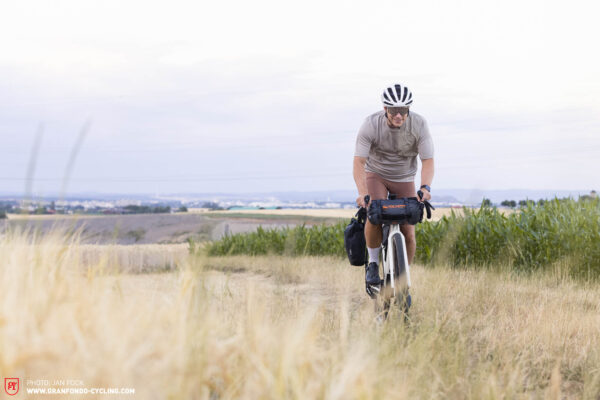
Once a bike passes the route, size and equipment checks, ride the actual size and configuration if you can. REI’s gravel-bike buying guidance suggests a test ride of about 10 to 15 minutes in varied conditions, including a short hill. A longer ride is better when the shop allows it.
What to check on the ride
- Starting and stopping: Mount, dismount and stop several times, and note how secure the bike feels.
- Riding on the hoods: Check your normal hand position and steering, and whether you can hold the controls without a stretch.
- Braking: Use both levers from the hoods and, where it makes sense, from the drops.
- Shifting: Use the actual controls and try low gears on an incline if the route has one.
- Turning: Make slow, tight turns and watch for your shoes touching the front wheel.
- Representative riding: If the shop permits, ride a surface like your normal one.
Choosing from your shortlist
If you’re torn between a few bikes, go back to your routes. A bike that can’t take the tires or the low gear your hills call for is out, whatever the price. So is one that leaves the brake levers hard to reach or stretches you toward the hoods in your size. Check clearance, fork and rack limits for that exact frame size too, because an XS can be left out of a feature the rest of the range has. Then add up what each bike costs ready to ride, and test the last two or three for 10 to 15 minutes, with a short hill in it.