Pick the bike that fits your body and your routes, and test it with the motor off. Reach, stopping and steering must feel easy on the exact frame size, and you must be able to carry and store the bike where you live.
Which electric bike suits your kind of riding?
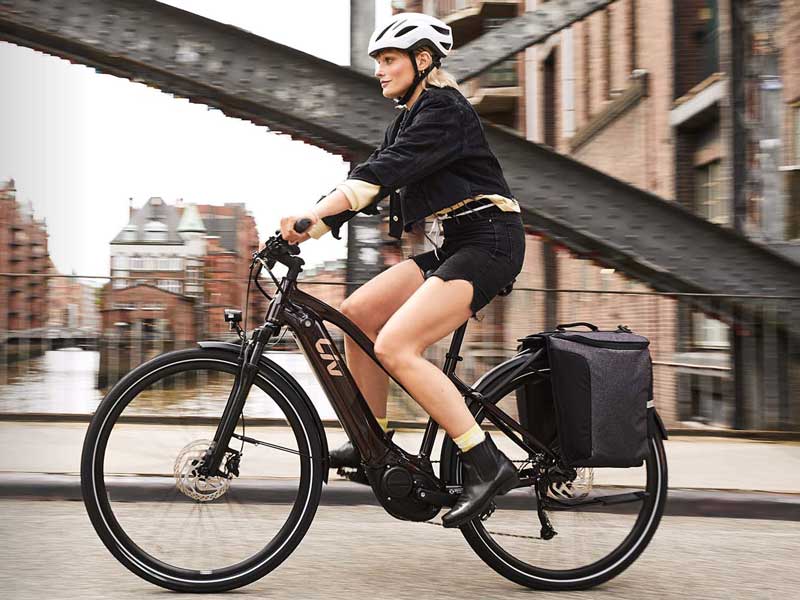
Start with the ride you expect to make: the roads, the hills, what you carry and where the bike goes afterward. A cruiser stored in a ground-floor garage has a different job from a commuter that must travel through a walk-up apartment.
A good-looking bike can still be the wrong one. Before you look at motors or colors, rule out any bike that fails an essential requirement. A failed requirement removes the bike. An unanswered question means you need more information first.
| Buying check | Reason to reject | What to find out |
|---|---|---|
| Route and class | The delivered configuration is restricted where you ride. | The rules for your actual route |
| Fit | The height chart matches, but reaching or stopping feels awkward. | Full geometry and a test ride |
| Storage and movement | The bike is too heavy or awkward for your doors, stairs or car rack. | Weight as configured and how it handles by hand |
| Safety certification | You can’t identify the certification claims or the approved charger. | Documents for the exact model |
| Service and returns | Repair arrangements or return terms are unacceptable. | Local service and the seller’s written terms |
| Range and load | The published figures don’t fit your riding conditions. | Battery capacity, route demands and load ratings |
Then match the type of bike to the job.
| Main riding purpose | Type to look at | What to compare |
|---|---|---|
| Paved city commute | Urban, commuter or electric hybrid | Stop-and-go control, accessories and parking |
| Relaxed neighborhood rides | Cruiser or leisure e-bike | Riding position and mounting comfort |
| Stairs, transit or limited storage | Lightweight, compact or folding e-bike | Actual weight and storage dimensions |
| Steep hills | Commuter or sport e-bike | Starting, gearing, braking and assistance response |
| Gravel and trails | E-gravel or electric mountain bike | Terrain suitability and permitted access |
| Groceries and errands | Utility or cargo e-bike | Load ratings, loaded handling and parking |

Treat these types as a starting shortlist, then adjust for your own style. A short rider who likes sporty riding may have no interest in a relaxed cruiser. Someone running errands may want a low frame entry and a sturdy rack.
Folding models need a closer look. A frame that folds small can still be heavy and hard to lift. Cargo models raise their own questions about load, parking and handling.
Get the fit right, even if the size chart says yes
A manufacturer’s rider-height range tells you which frame size to look at first. Comfortable control depends on more: where your hands fall, how the saddle adjusts and what happens when you slow down or stop.
Three geometry points matter most:
- Reach: Can you hold the handlebars and work the brakes without stretching? A low-entry frame can still have a long cockpit.
- Standover and mounting: Can you get on, get off and stand over the bike as intended?
- Saddle position: Can you set the saddle for pedaling and still stop and dismount with control?
Take Liv’s 2026 Tempt E+ electric mountain bike. Liv lists the XS size for riders approximately 5 feet to 5 feet 4 inches tall. That range is a starting point for checking the Tempt E+’s geometry.
Liv also changes wheel sizes across the range: XS and S use 27.5-inch wheels, while M and L use 29-inch wheels. Check the dimensions for your exact size and configuration.

One rider around 5 feet 1 inch described a nominally suitable 57 lb e-bike that felt awkward at low speed. A tight turn or a stop shows handling problems the size chart can’t.
If you can’t try the size locally, ask for the complete geometry chart and check the minimum saddle position and cockpit dimensions. Online measurements narrow the shortlist, but only a demonstration answers the handling questions.
Step-through or step-over?
A step-through or low-entry frame lowers the height you need to clear when getting on. That helps with everyday clothing, some mobility limitations or a loaded rear rack. Some riders simply prefer the movement.
A step-over frame has an upper tube that needs more clearance when mounting. Either format can suit women, depending on the bike and the rider.

With shopping bags secured to an approved rear rack, a step-through frame makes mounting easier. Steering and parking the loaded bike is the harder part. Try both styles in your usual shoes and clothing, with the rack loaded if you use one.
Weight and storage: what happens when the motor is off?
Electric assistance helps you ride, but it doesn’t make a parked bike lighter. You still push it through doors, turn it around in a hallway, squeeze it past other bikes and get it into storage.
A rider in an online e-bike discussion described moving a roughly 50 lb bike up seven concrete steps. The handlebars were awkward and the front wheel wanted to move out of line, so the bike was hard to control during the carry. Shape, balance and handholds change how a bike carries, whatever the weight figure says.
Follow the route all the way to storage
- Doors and corners: Find the narrowest passage and the tightest turn between the street and the parking space.
- Stairs and elevators: Plan a safe way to move the whole bike. Don’t count on a solo lift you can’t manage.
- Vehicle carriers: Make sure the rack is rated for the bike’s weight and fits its dimensions.
- Everyday parking: Think about how you will turn, secure and retrieve the bike when other bikes or vehicles crowd the space.
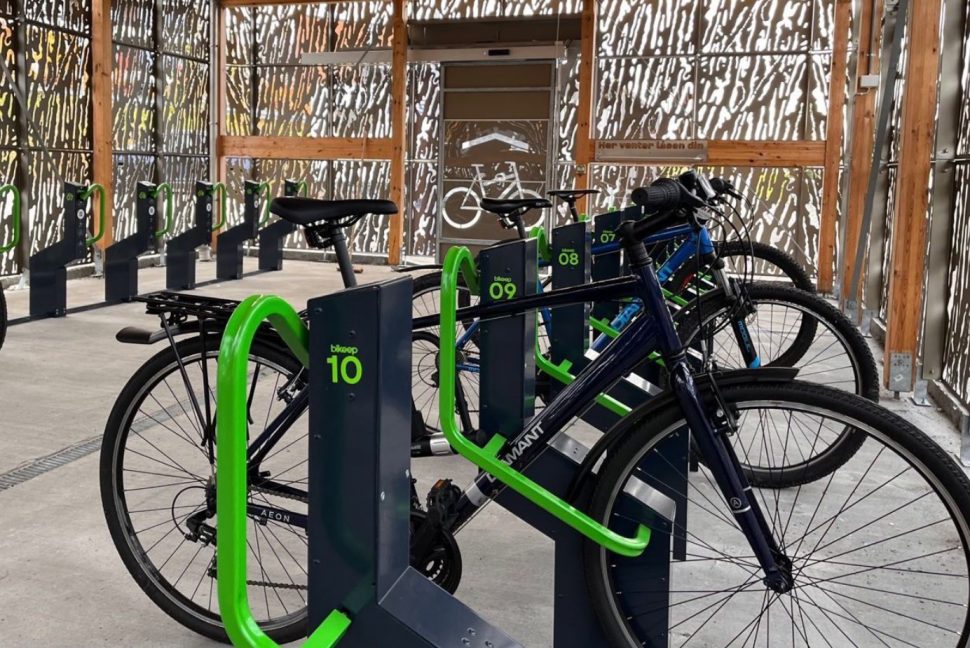
Check whether the manufacturer’s weight includes the battery, rack and accessories in the configuration you plan to buy. Even a small difference adds up when you move the full load again and again.
With ground-floor storage, you can reasonably accept a heavier bike for cargo capacity or a bigger battery. If you climb stairs every day, the trade-off is very different.
E-bike classes: check access before you buy
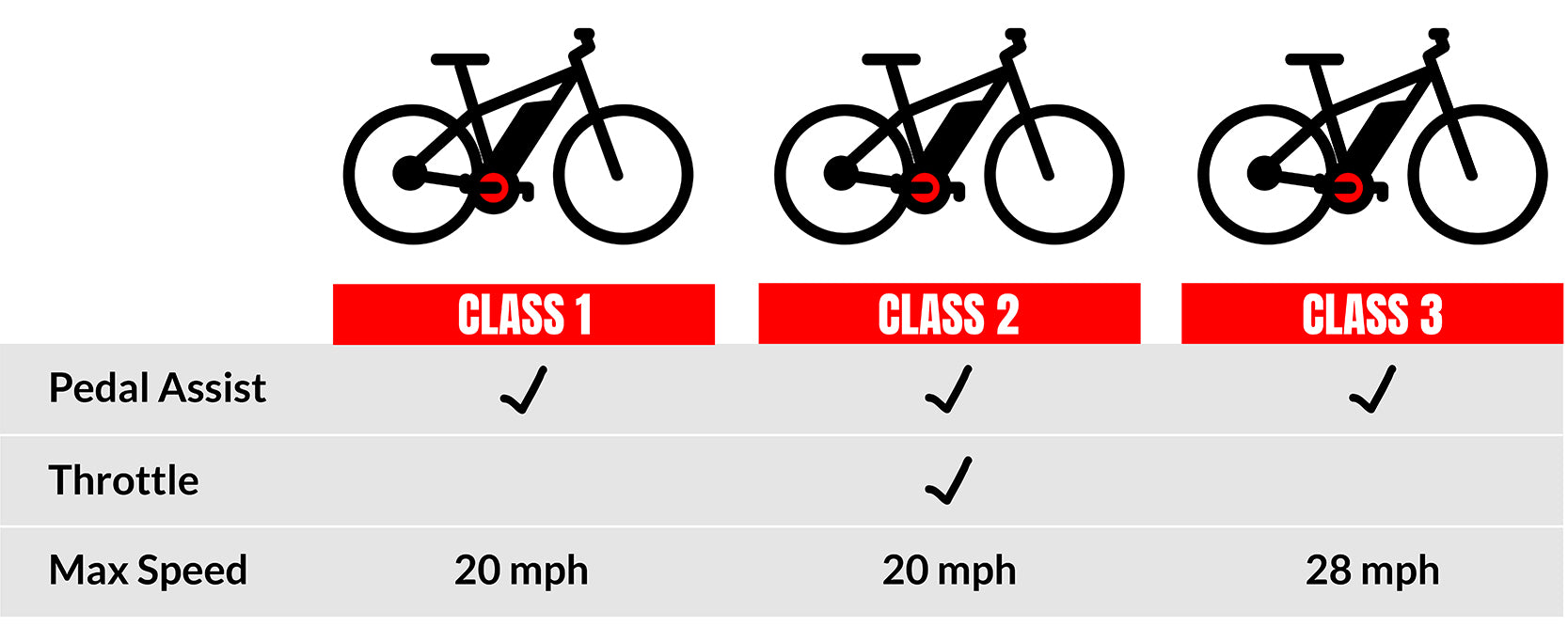
The common US three-class system describes how motor assistance is delivered and where it cuts off. Use it to judge whether a bike suits your roads and paths.
| Class | Common assistance definition | What to check |
|---|---|---|
| Class 1 | Pedal assistance cuts off at 20 mph. | Whether it is permitted on your route |
| Class 2 | Throttle-capable motor assistance cuts off at 20 mph. | Throttle configuration and route permissions |
| Class 3 | Pedal assistance cuts off at 28 mph. | Class 3 restrictions and delivered configuration |
These cutoffs apply to motor assistance. A bike can travel faster under human power or other conditions.
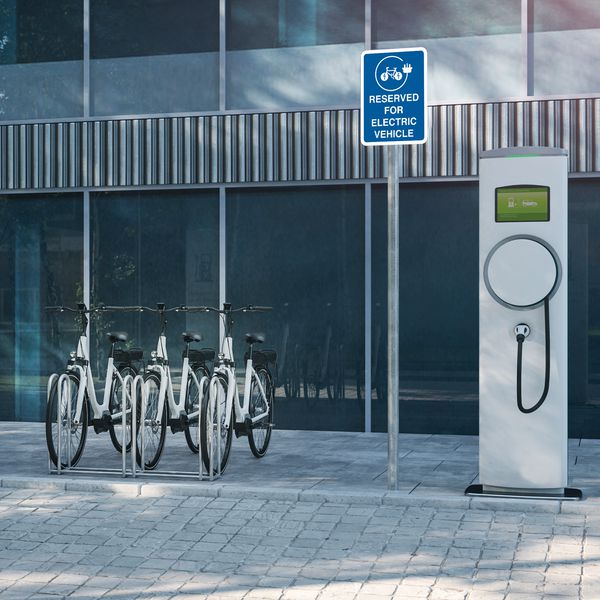
The class matters when your commute includes public streets, shared paths or parkland. Different authorities set different rules on access, labeling, rider age and other conditions.
The PeopleForBikes e-bike policy guide is a starting point for finding the laws that apply. Check the state, city, park or trail authority for each stretch of your route.
For a configurable bike, ask which class and assistance settings come on the delivered bike. Confirm the configuration and any required label before paying.
Motors and hills: test the assistance you need
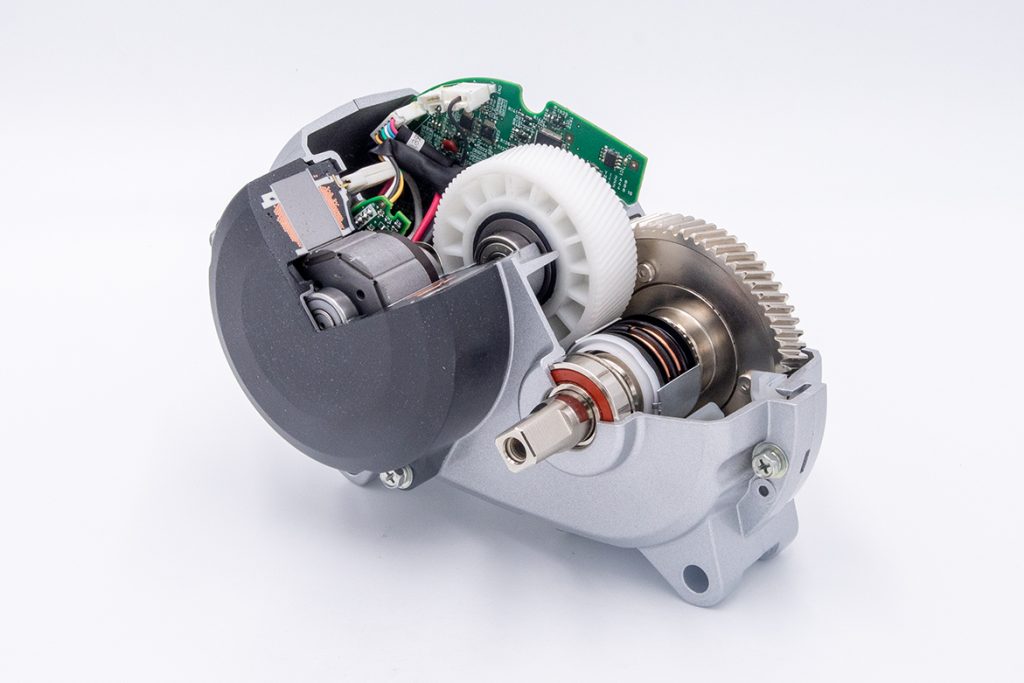
A hub motor drives a wheel. A mid-drive delivers assistance through the bike’s drivetrain. Gearing, weight and terrain change how each system behaves.
Torque-sensing and cadence-sensing systems respond differently to your pedaling, and you can only judge that feel on the actual bike. Liv lists a 75 Nm motor for its 2026 Tempt E+, but hill performance also depends on the bike’s configuration and the climb.
Battery size, real range and charging convenience
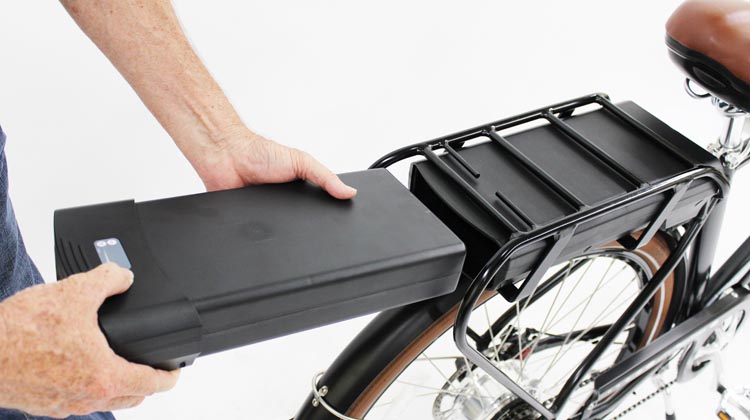
Battery capacity is commonly expressed in watt-hours (Wh). It measures the energy stored in the battery. How far you travel depends on how you use that energy.
Bosch lists several factors that affect e-bike range: assistance level, rider contribution, system setup, terrain, riding surface, wind and temperature. Read an advertised maximum alongside the conditions it was estimated under.
Aventon’s Pace 5 REC listing is a useful example. It describes a 733 Wh battery and a range of up to 75 miles. The manufacturer bases that maximum on a 165 lb rider on a flat paved road, in Eco mode with the default Ride Tune settings.
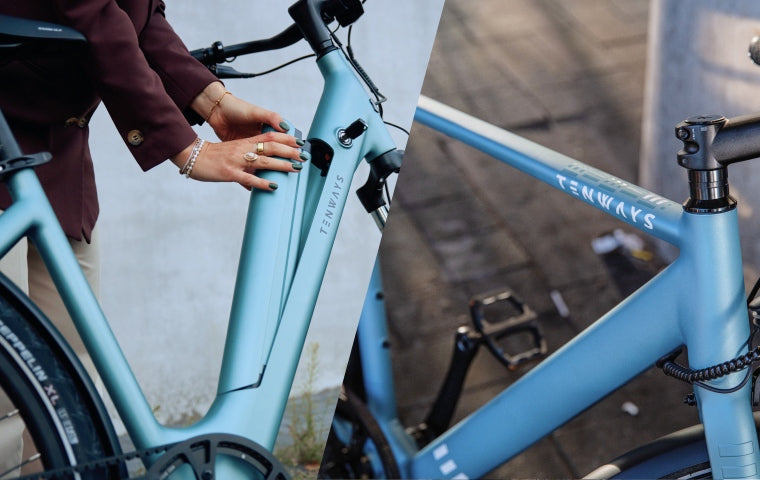
If your route has steep hills, frequent stops, extra cargo or colder weather, that maximum describes a different ride from yours.
Start from your longest realistic round trip. Think about how much assistance you’ll use, whether you’ll meet hills and where you can recharge. Leave a margin for changing conditions rather than relying on a fixed miles-per-Wh rule.
Charging and battery removal
A removable battery makes charging more flexible. Check the weight and dimensions of the bike without it, since that is what you will store and lift. Also ask where the approved charger can be used and whether your location suits the manufacturer’s instructions.
UL certification and charging safety
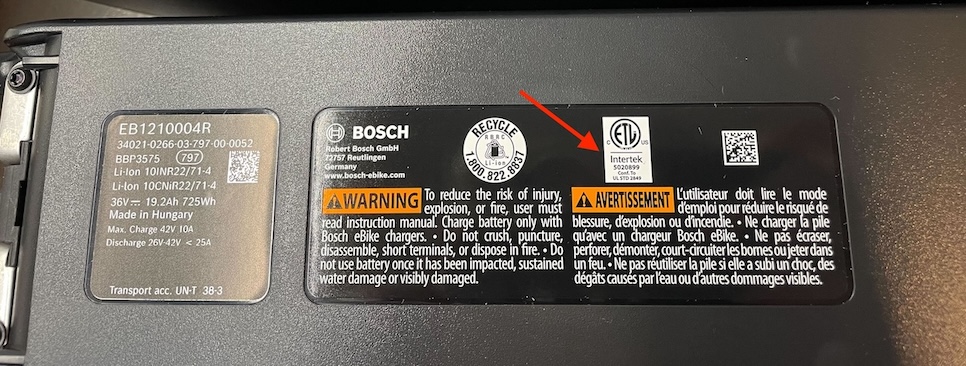
E-bike electrical safety depends on the drive system, battery and charger working together. When a seller advertises certification, the exact scope matters.
UL 2849 covers an e-bike’s electrical system, including the drive, battery and charger combination. UL 2271 covers batteries used in light electric vehicles. A UL 2271 battery claim does not mean the complete e-bike is certified to UL 2849.
The UL Solutions explanation of UL 2849 outlines the system-level evaluation. For a specific bike, ask for documentation tied to its exact model and electrical configuration, and check the listing with the independent certification organization.
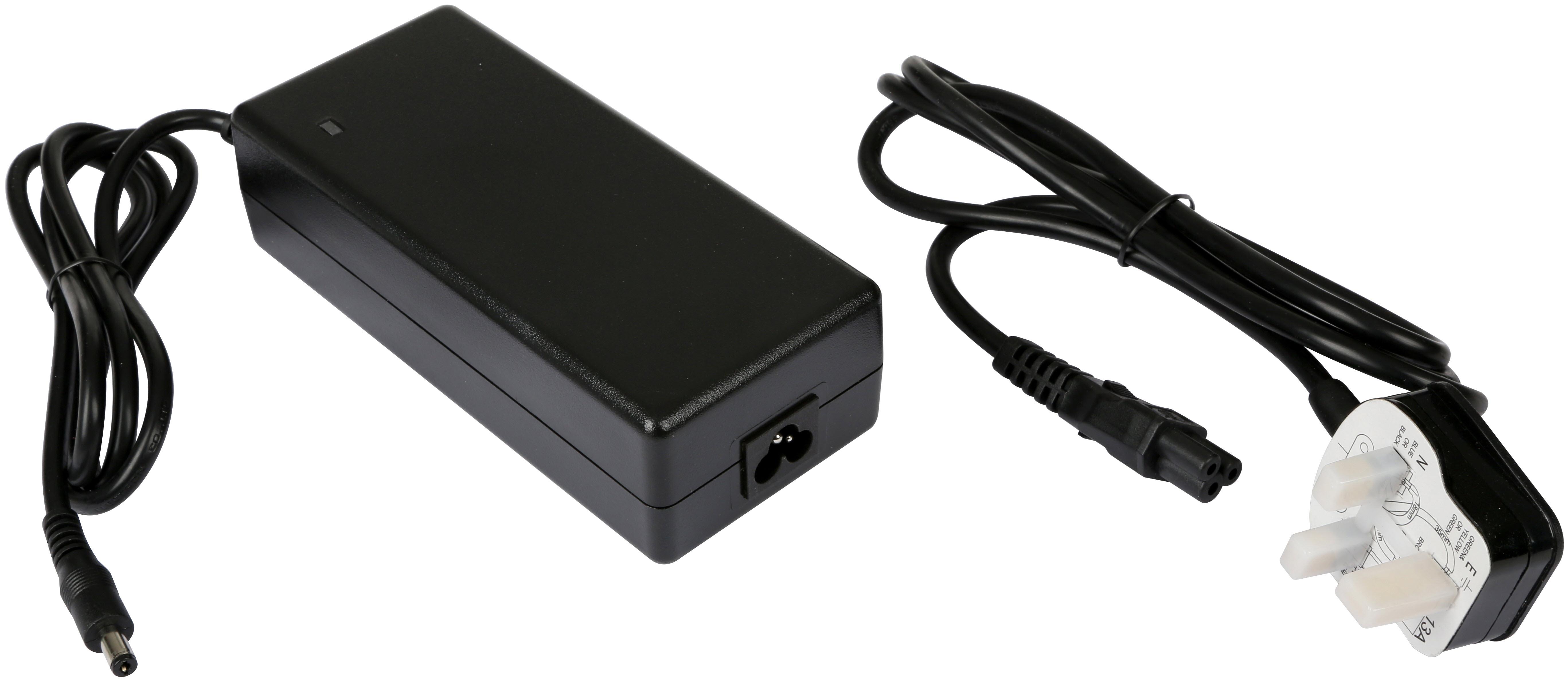
CPSC advises owners to use appropriate batteries and chargers, follow the manufacturer’s charging instructions and avoid charging while asleep or away.
Specific CPSC stop-use warnings: In its March 19, 2026 safety warning, CPSC urged owners of Ridstar Q20 and Q20 Pro e-bikes to stop using them immediately because of a fire hazard involving batteries and wiring. Owners of those models should follow the directions in the CPSC Ridstar fire-hazard warning.
A separate June 25, 2026 CPSC Ridstar crash-hazard warning names the Q20 and Q20 Lite because their front wheels can detach. CPSC directs owners to stop using and dispose of the named bicycles, with special hazardous-waste disposal instructions for the Q20 battery.
These warnings name specific models. Check official product notices for any e-bike you consider.
Brakes, carrying capacity and local service
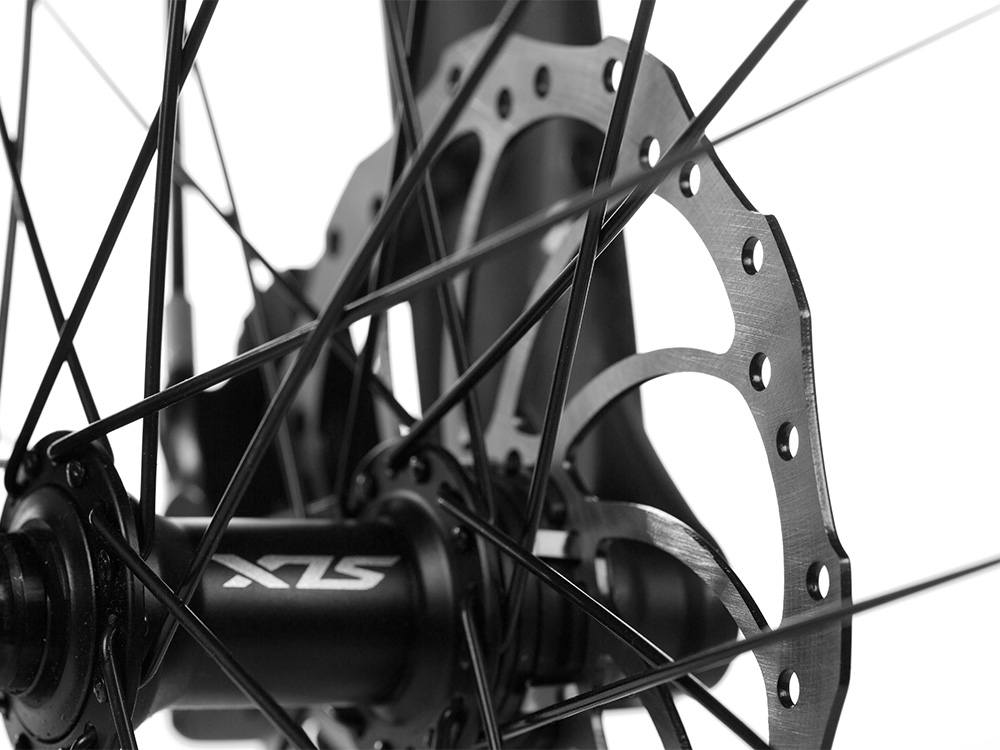
A bike has to work after the purchase as well as during a demonstration. Look at its brakes, permitted load, replacement parts and the help available when something needs repair.
If you plan to carry shopping or commuting luggage, check the manufacturer’s maximum permitted load and any separate rack rating. Accessory and child-seat compatibility need their own check, separate from the rack’s load rating.
Check who will help when something breaks
- Local repair: Find a shop that will service this bike and its electrical system.
- Parts support: Ask how replacement batteries, chargers, controls and model-specific parts are handled.
- Warranty: Find out who performs covered repairs and what you must do to start a claim.
- Returns: Read the rules on trial riding, repackaging, return shipping and possible fees.
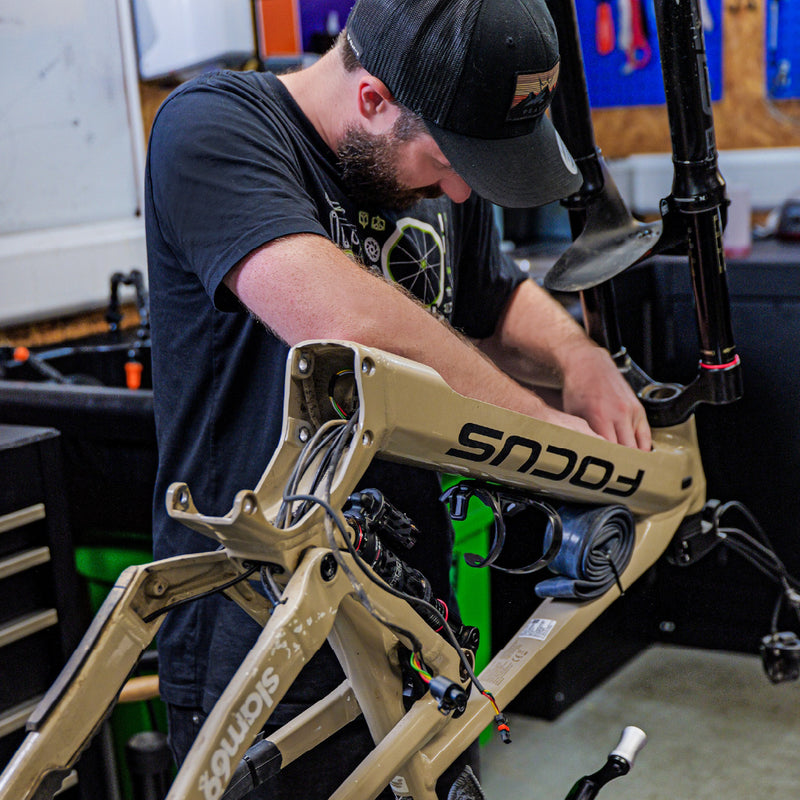
The risk is bigger when you buy online without a local demonstration. One prospective e-bike buyer raised concerns about unclear returns and repair support in an online discussion. A bargain turns into a headache if the bike arrives with a poor fit and there is no workable return.
Ask for the seller’s actual terms before ordering. A friendly warranty headline tells you little about where a bike will be repaired.
What three manufacturer listings reveal
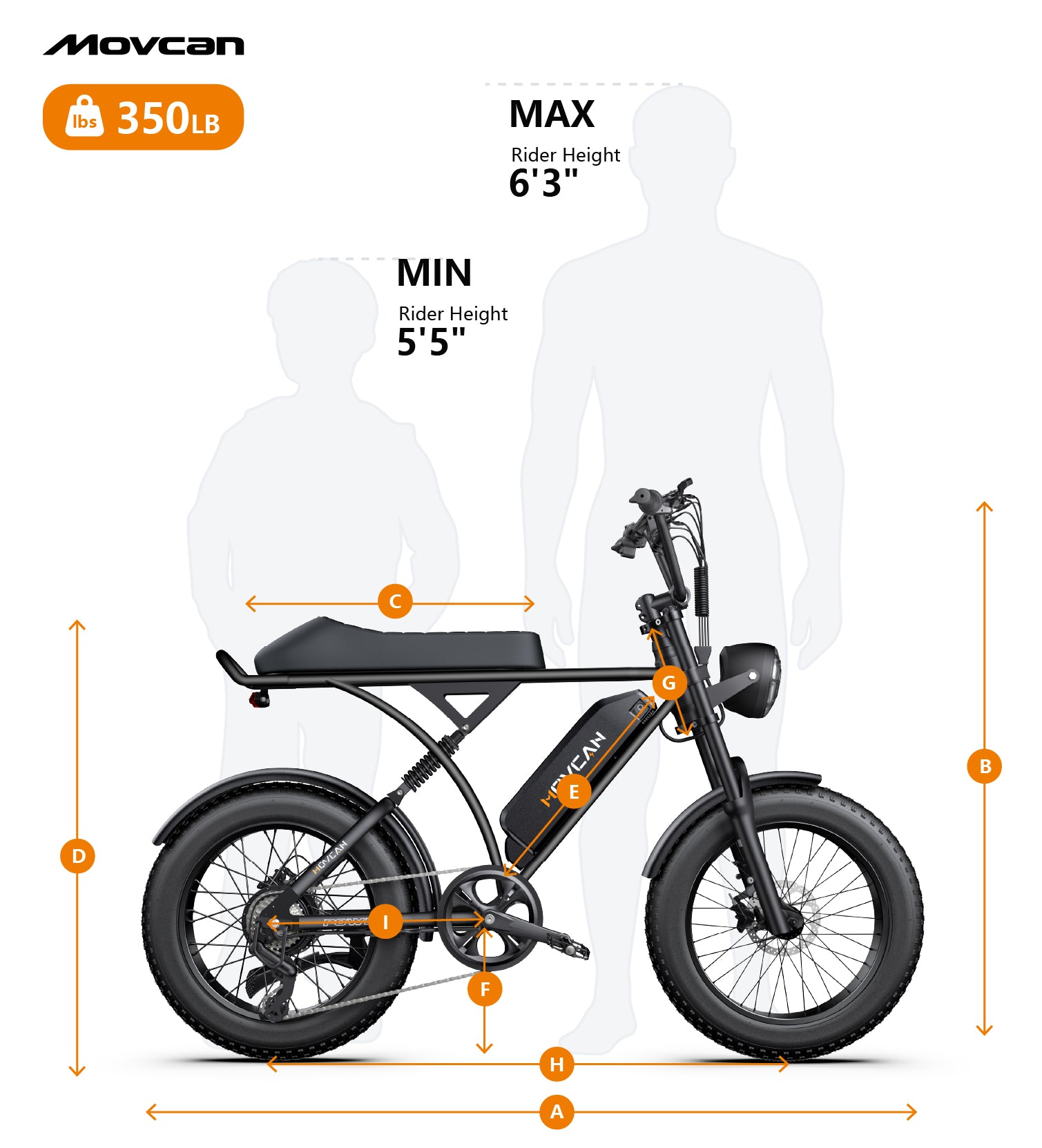
Manufacturer specifications narrow the field, especially when you compare the exact frame size and configuration. These three examples show different design purposes and buying constraints. The comparison uses manufacturer-reported specifications without independent ride testing.
| Model | Manufacturer-listed weight | Listed rider-height range | Battery and range | Other documented details |
|---|---|---|---|---|
| Aventon Pace 4 Step-Through | 58.2 lb | R: 4’11” to 5’7″ | 733 Wh; up to 70 miles | City-oriented model marked discontinued in the manufacturer’s 2026 listing |
| Aventon Pace 5 REC Step-Through | 60.48 lb | S/M: 5’0″ to 5’9″ | 733 Wh; up to 75 miles | Manufacturer states UL 2849 and UL 2271 |
| Liv Tempt E+ 2026 US | Ask a Liv dealer for the configured bike’s weight | XS: 5’0″ to 5’4″ | 430 Wh; request a model-specific range estimate | 75 Nm motor; XS/S 27.5-inch wheels, M/L 29-inch wheels |
The first two are city-oriented step-through bikes. The Liv is an electric mountain bike. Compare each one against its own intended use.
At 58.2 lb and 60.48 lb, both Aventons are worth measuring against your storage route.
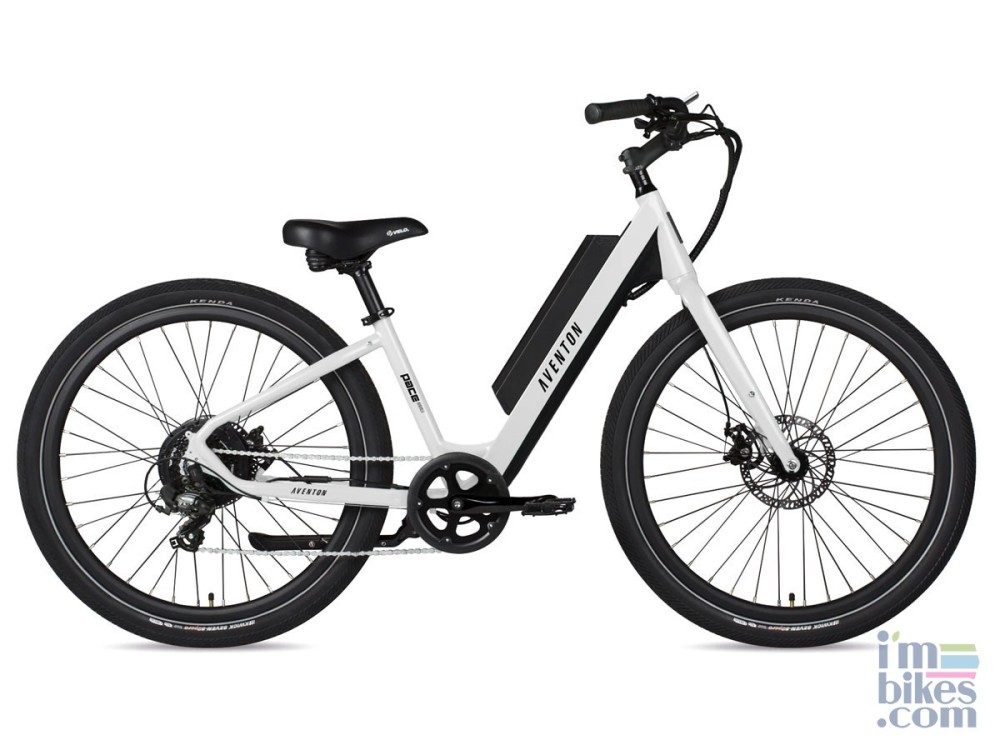
In an August 23, 2026 roundup, eBike Gear Lab recommended the Aventon Pace 4 Step-Through. Aventon’s US product listing labels that model discontinued in its 2026 documentation.
An editorial pick and the manufacturer’s model status can disagree, so check the manufacturer’s page for your exact configuration before ordering. Model year, frame size, intended use and weight deserve attention before range or motor figures do.
A test ride that reveals expensive mistakes
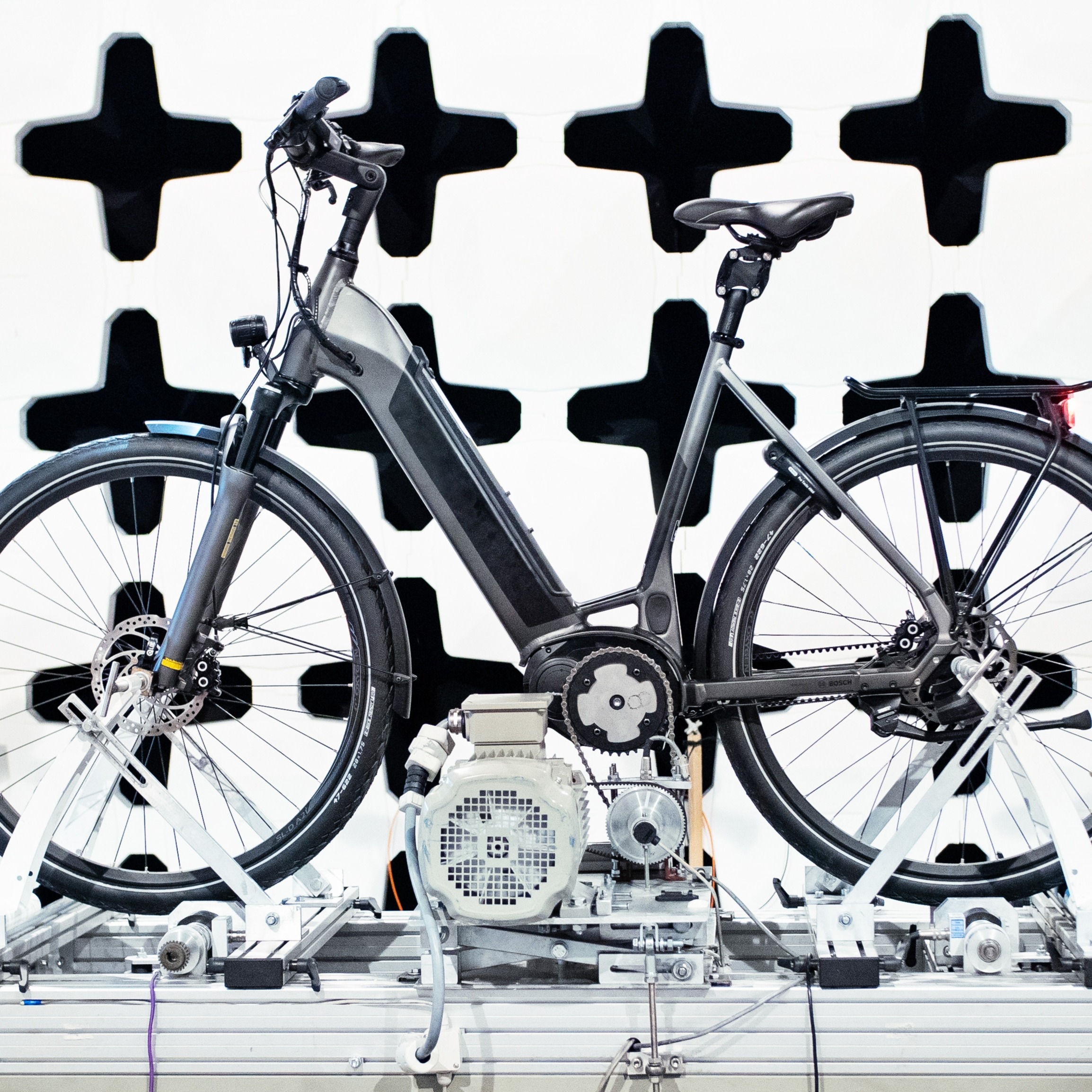
A good test ride covers ordinary riding and the awkward movements that come with ownership: mounting, stopping, turning, walking and parking. Ask to try the exact model and frame size you are considering, and keep conditions similar between finalists.
Start with the bike stationary
- Note the configuration: Write down the model, model year, frame size and installed components.
- Set the saddle: Find a pedaling position that still lets you stop comfortably.
- Check the controls: Reach the bars and brake levers without strain.
- Mount and dismount: Do it the way you would in ordinary clothes and footwear.
Ride slowly before testing speed or hills
- Start from rest: Notice how assistance begins and how easily you control the acceleration.
- Turn: Make careful low-speed turns in an open area.
- Brake: Check that stopping feels predictable.
- Shift and change assistance: Use the gears and settings you’ll normally ride in, and notice how assistance transitions.
- Climb: Test a representative incline only where the seller permits it and conditions are safe.
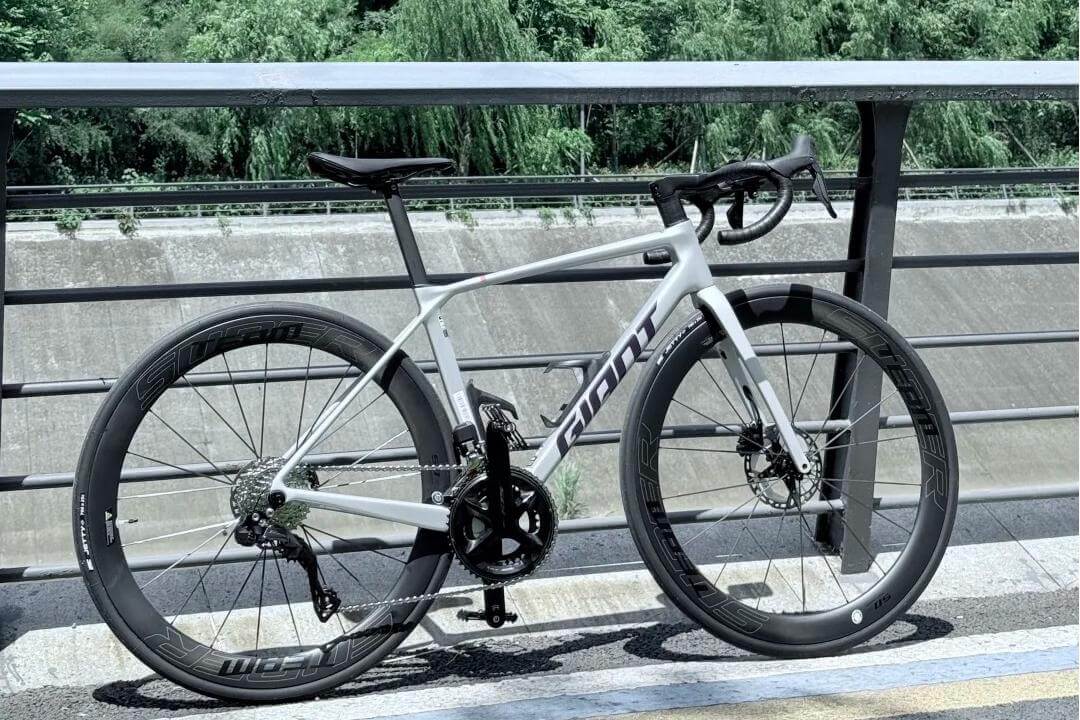
Turn off assistance
Walk the bike forward and backward, steer it through a tight turn and measure it against your narrowest entrance and your storage space.
The bike should meet your essential physical requirements regardless of how pleasant the motor feels.
Two real-world ways to narrow your choice
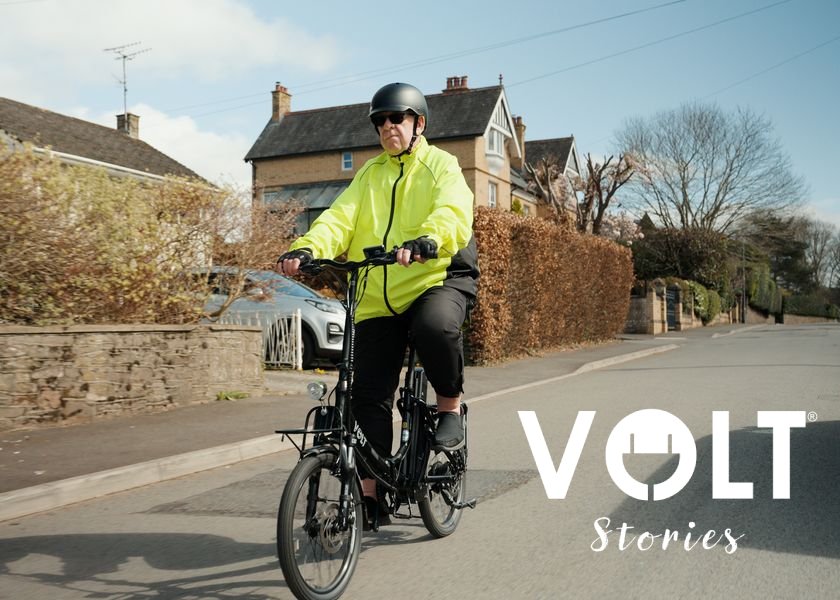
A short rider with hills and transit stairs
A five-foot rider in San Francisco described wanting a hill-capable e-bike under 40 lb because BART stairs were part of the journey.
For that rider, the shortlist starts with bikes that fit and meet the carrying limit. The hill test comes second. A model over the limit fails the original requirement, however strong its climbing assistance. Transit permissions need a separate check.
A commuter with a walk-up apartment
Another rider described a hilly 2.5-mile commute, a preference for under 50 lb and a need for roughly 5 to 10 miles of usable range.
For a commute this short, apartment access decides. A heavier bike with an enormous claimed range doesn’t work if the rider can’t move it safely every day.
What to settle before you order

Motor and range come last. What rules an electric bike out is more basic: you can’t control it at a stop or at low speed, or you can’t get it from the street to where it lives. On paper, watch for unclear class settings, a UL 2271 battery claim standing in for UL 2849 certification of the whole bike, and vague repair or return terms. Measure your narrowest doorway first, and test the bikes you like with the assistance off.